Do You Need a Fire Extinguisher on a Tennessee Boat?
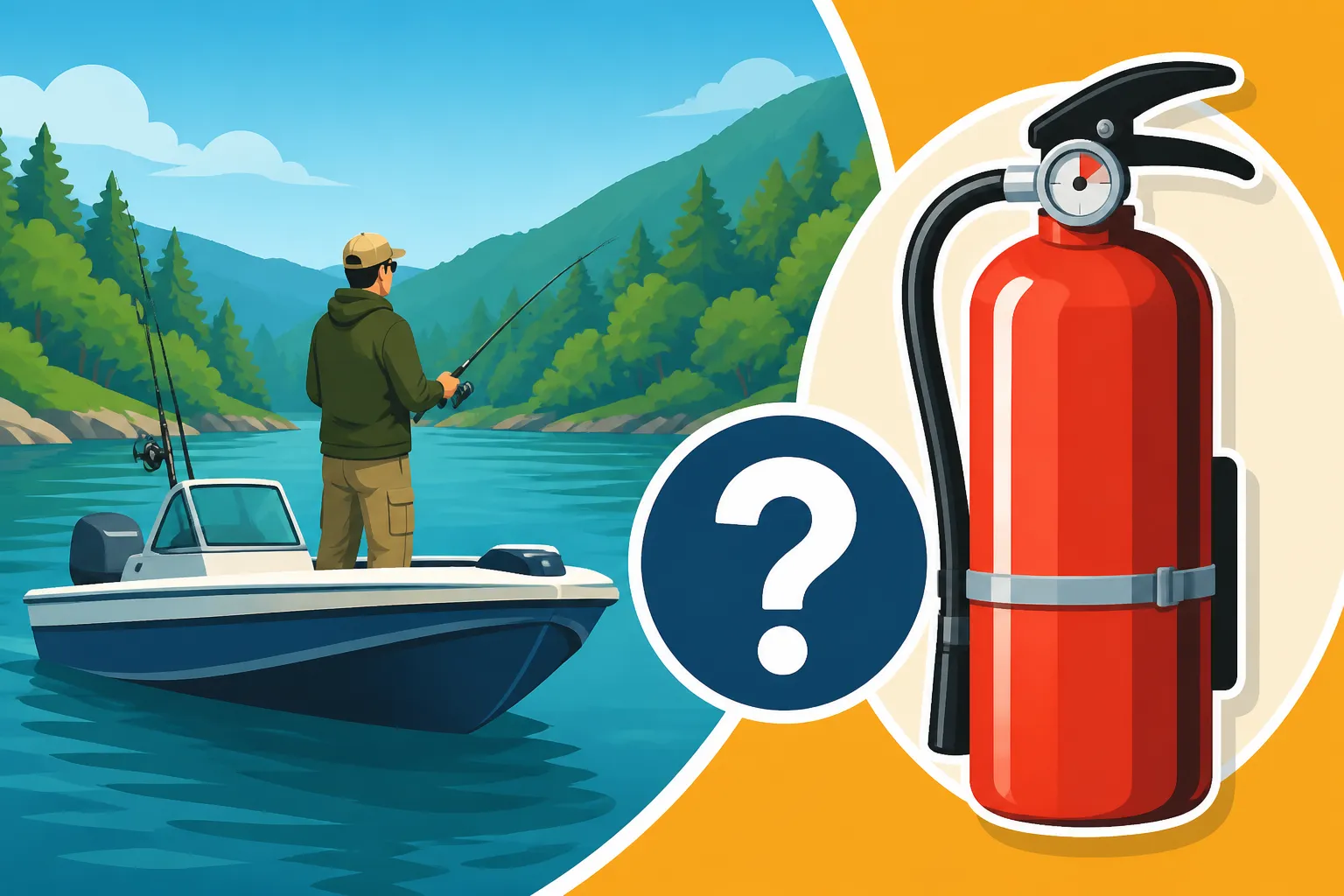
There's a common moment of confusion many boaters face as they're getting ready to head out on the beautiful waters of Tennessee: you've got your fishing gear, your life jackets are accounted for, and your cooler is packed. But then a thought nags at you – do you actually need a fire extinguisher on your boat? It's a question that trips up a lot of folks, and frankly, the answer isn't always as simple as a yes or no. This guide is here to clear up that confusion, diving deep into Tennessee's specific regulations and, just as importantly, sharing some real-world advice to keep you and your passengers safe on the water.
Understanding Tennessee's Boating Safety Regulations for Fire Extinguishers
It's easy to assume that all boats need a fire extinguisher, but like many things in the world of boating regulations, it's a bit more nuanced than that. The Tennessee Wildlife Resources Agency (TWRA) sets clear guidelines, and understanding them is key to staying compliant and, more importantly, safe.
The Core Rule: When a Fire Extinguisher is Required
The primary factor determining whether your boat needs a fire extinguisher in Tennessee boils down to two main points: whether it has mechanical propulsion and its size. If your boat has an engine, whether it's an outboard, inboard, or even an electric trolling motor that serves as primary propulsion, then the requirement generally kicks in.
Let's break this down. If you're running a bass boat on Chickamauga Lake, a pontoon on Percy Priest Lake, or even a small jon boat with a modest outboard motor, you almost certainly need a fire extinguisher. The logic is pretty straightforward: where there's an engine, there's fuel, electrical systems, and potential heat, all of which introduce a risk of fire. This isn't just about preventing a blaze; it's about having the tools to address a small issue before it escalates into a life-threatening situation. Imagine a fuel line developing a minor leak, or an electrical short sparking in the engine compartment – a readily accessible extinguisher could be the difference between a quick fix and a total loss, or worse. The regulations are designed to provide a basic level of safety for anyone operating a vessel with these inherent risks. For more on what your boat needs, you might want to read Tennessee Boat Registration Requirements Explained.
Specific Exemptions and Nuances
Now, here's where the nuance comes in. Not every vessel on Tennessee's waters is required to carry a fire extinguisher. The main exemptions often apply to boats that are:
- Manually Propelled: Think kayaks, canoes, paddleboards, or rowboats. If your vessel relies solely on human power, without any mechanical engine, the TWRA doesn't typically require you to carry a fire extinguisher. There's simply less inherent fire risk on a kayak compared to a powerboat.
- "Open Construction" Vessels: Even if a boat has an engine, it might be exempt if it's considered "open construction." This usually refers to smaller boats where fuel tanks, engines, and other potential fire sources are not enclosed. For instance, a small open runabout where the outboard is fully exposed, and there's no enclosed compartment where fuel vapors could accumulate, might fall under this exemption. However, this is where it gets tricky, and it's always better to err on the side of caution. If your boat has any enclosed areas where fuel vapors could build up, like a cuddy cabin, a storage locker that houses a portable fuel tank, or a permanently installed fuel tank, then it will likely require an extinguisher, regardless of its "open" main deck.
It's crucial not to misinterpret these exemptions. Just because you don't legally have to carry one doesn't mean it's a bad idea. A small, portable extinguisher can still be invaluable even on a kayak if, for example, you encounter another boater in distress or if you're cooking on a portable stove. Safety is always paramount, and sometimes going above and beyond the minimum legal requirements is simply good practice.
What "Readily Accessible" Really Means
Having a fire extinguisher on board is one thing; having it readily accessible is another, and it's a critical part of the regulation. An extinguisher buried under a pile of life jackets, stashed in a locked compartment, or tucked away in the very back of a full tackle box isn't going to do you any good in a sudden emergency.
"Readily accessible" means exactly what it sounds like: it must be easy to grab and deploy immediately. This typically translates to mounting it in a visible location within arm's reach of the helm or a primary operating station. Imagine a scenario where a small electrical fire sparks under the dash. You wouldn't have time to rummage through storage. You need to be able to reach, unlatch, and activate that extinguisher in a matter of seconds. Many marine extinguishers come with quick-release mounting brackets for this very reason. These brackets ensure the extinguisher is securely held in place, preventing it from rolling around or becoming a projectile in rough water, but can be released with a single motion.
This also implies that the extinguisher should be in good working order. A pressure gauge should be in the "green," indicating it's charged. The pin should be intact, and the nozzle should be clear. Regular checks are part of being a responsible boater. Think about it like this: if you discovered a fire, your adrenaline would be pumping, and fine motor skills might be compromised. The simpler and faster you can access and operate the extinguisher, the higher your chances of controlling the situation.
Types of Fire Extinguishers and Their Ratings for Marine Use
Choosing the right fire extinguisher isn't just about grabbing the first red cylinder you see. Marine environments present unique challenges, and fire extinguishers are rated to handle specific types of fires. Understanding these classifications is vital for effective fire suppression on your Tennessee boat.
Approved Types and Sizes
When it comes to marine fire extinguishers, the United States Coast Guard (USCG) sets the standards. You'll typically encounter extinguishers rated as B-I or B-II. The "B" signifies that they are suitable for combating flammable liquid fires (like gasoline, oil, or grease), which are the most common types of fires on boats. The Roman numeral (I or II) indicates the size and extinguishing power.
- B-I Extinguishers: These are your standard, smaller marine fire extinguishers. They contain about 2 lbs of extinguishing agent. Most boats under 26 feet in length with mechanical propulsion and no fixed fire extinguishing system (like an automatic engine compartment system) will require at least one B-I extinguisher. If your boat does have a fixed system, you might still need one portable B-I extinguisher for other areas of the boat.
- B-II Extinguishers: These are larger, heavier-duty extinguishers, often containing 10 lbs or more of extinguishing agent. Boats between 26 and 40 feet typically require two B-I extinguishers OR one B-II extinguisher. Larger vessels over 40 feet have even stricter requirements, often needing multiple B-IIs or a combination of fixed systems and portables.
It's important to check the label on any extinguisher you purchase to ensure it has a USCG-approved stamp. This certification ensures it meets specific performance and safety standards for marine use. Without this stamp, even if it looks like a standard fire extinguisher, it might not be compliant with Tennessee's boating regulations. You can often find a good selection of USCG-approved marine fire extinguishers at retailers like Bass Pro Shops or online at Amazon, making it easy to find one that fits your boat's needs.
Here's a quick reference table for general requirements, though always check current TWRA guidelines for specifics:
| Boat Length (Mechanically Propelled) | Minimum Portable Extinguisher Requirement (No Fixed System) | Minimum Portable Extinguisher Requirement (With Fixed System) |
|---|---|---|
| Under 26 feet | 1 B-I | None (if fixed system covers all areas) |
| 26 to Under 40 feet | 2 B-I OR 1 B-II | 1 B-I |
| 40 to Under 65 feet | 3 B-I OR 1 B-II and 1 B-I | 1 B-I |
Note: This table provides a general overview. Specific vessel construction and fuel systems may alter requirements. Always consult official TWRA guidance.
The Importance of Marine-Specific Extinguishers
While a household fire extinguisher might look similar, marine-specific extinguishers are designed with the harsh realities of a boat in mind. They often feature:
- Corrosion Resistance: Boats are exposed to moisture, salt (if you're on coastal waters, though less of a concern on Tennessee's freshwater lakes, humidity is still a factor), and fluctuating temperatures. Marine extinguishers are built to resist corrosion, which can compromise the integrity and functionality of a standard extinguisher over time.
- Rugged Mounting Brackets: As mentioned earlier, secure mounting is key. Marine extinguishers usually come with heavy-duty brackets that can withstand the vibrations and motion of a boat without letting the extinguisher come loose.
- Pressure Gauges: Most marine extinguishers have a clear pressure gauge that allows you to easily verify if the unit is charged and ready for use. This is a quick and essential check before every outing.
Choosing a marine-specific model ensures that your safety equipment is robust enough for the environment it's in. Imagine trying to use a rusty, seized extinguisher when seconds count – it simply won't work. Investing in the right type is an investment in your safety.
The "Disposable" vs. "Rechargeable" Question
When you're looking at marine fire extinguishers, you'll generally find two categories: disposable and rechargeable. Each has its pros and cons.
- Disposable Extinguishers: These are typically less expensive upfront. Once discharged, even partially, they are designed to be replaced entirely. They are often lighter and smaller, making them popular for smaller boats or as secondary units. The primary advantage is convenience and lower initial cost. However, you need to be diligent about checking their expiration dates or pressure gauges, as they cannot be refilled. If you accidentally discharge it, or if the pressure drops, it's time for a new one.
- Rechargeable Extinguishers: These tend to have a higher initial cost but can be refilled after use by a certified service professional. This means that if you use it for a small incident, or if the pressure drops over time, you can often have it serviced rather than buying a whole new unit. They are generally more robust and are often preferred for larger boats or commercial vessels where frequent inspections and maintenance are part of the routine. The main drawback is the need to find a certified service center for recharging.
For most recreational boaters on Tennessee's lakes, a USCG-approved disposable B-I extinguisher is often sufficient and practical. However, if you have a larger vessel or simply prefer the idea of a more sustainable option, a rechargeable unit can be a good long-term investment.
Beyond the Law: Best Practices for Fire Safety on Your Boat
While complying with Tennessee's regulations is the baseline, true safety on the water goes beyond just meeting the minimum legal requirements. Adopting comprehensive fire safety practices can significantly reduce your risk and enhance your peace of mind while fishing or cruising.
Regular Inspections and Maintenance
A fire extinguisher is only effective if it's in working order. Just like checking your boat's oil or tire pressure on your trailer, regular inspections of your fire extinguisher are critical. I can't stress this enough – it's not a "set it and forget it" item.
Here's a simple checklist you can use:
- Check the Pressure Gauge: On extinguishers equipped with a gauge, the needle should always be in the green zone. If it's in the red, the extinguisher has lost pressure and might not function correctly.
- Inspect the Pin and Seal: The tamper seal (a plastic tie or wire) and the safety pin should be intact. If they're broken or missing, it could indicate that the extinguisher has been partially discharged or tampered with.
- Examine the Nozzle: Ensure the nozzle is clear of any obstructions and free from cracks or damage.
- Look for Physical Damage: Check the body of the extinguisher for dents, rust, or corrosion, especially around the welds. Any significant damage could compromise its integrity.
- Shake It Up: For dry chemical extinguishers (common for marine use), it's a good idea to periodically invert and shake the extinguisher. This helps prevent the extinguishing agent from compacting at the bottom, which could hinder its discharge.
- Check the Expiration Date: Disposable extinguishers have an expiration date. If yours is past due, it needs to be replaced.
Making this a quick routine check before each major outing, or at least monthly during the boating season, will ensure your extinguisher is ready when you need it most. You can set a reminder on your phone or mark it on your calendar to ensure these crucial checks aren't missed. This habit is just as important as knowing Essential Safety Gear Checklist Before a Tennessee Fishing Trip.
Placement and Accessibility on Different Boat Types
We've talked about "readily accessible," but let's get a bit more specific about placement, especially for different types of boats common in Tennessee.
- Bass Boats: Often have limited open space. A common spot is mounted directly under the console, near the driver's feet, or on the side panel near the helm. The key is that it's not obstructed by rods, tackle boxes, or coolers.
- Pontoons: These boats usually have more open deck space. Mounting an extinguisher near the helm and another near a galley area (if you have a grill or cooking station) or seating area in the back is a good strategy. Keep it away from high-traffic zones where it might get accidentally bumped or dislodged.
- Larger Cruisers/Cabin Boats: These vessels often have multiple potential fire hazards (engine compartment, galley, electrical panel, sleeping quarters). It's wise to have multiple extinguishers: one near the helm, one in the galley, and one near the sleeping quarters or engine compartment access. Fixed systems might cover the engine, but portable units are still essential for other areas.
Always consider where a fire is most likely to start and where you'll be when it happens. If you're on the deck fishing, you don't want to have to run inside to grab an extinguisher if a small grill flare-up occurs. Similarly, if you're piloting the boat, the primary extinguisher should be within arm's reach.
Preventing Fires: Fuel, Electrical, and Galley Safety
The best fire extinguisher is the one you never have to use. Proactive fire prevention is your strongest defense.
- Fuel System Safety:
- Ventilation: Ensure your boat's engine and fuel compartments are properly ventilated, especially before starting the engine. Fuel vapors are heavier than air and can accumulate in low spots, creating an explosive mixture.
- No Smoking: Absolutely no smoking near fuel vents or while fueling.
- Spill Control: Always be prepared for fuel spills during refueling. Have absorbent pads or rags handy, and immediately clean up any drips.
- Check Fuel Lines: Regularly inspect fuel lines, tanks, and connections for leaks or signs of wear. Replace any components that look compromised.
- Electrical System Vigilance:
- Inspect Wiring: Periodically check wiring for frayed insulation, loose connections, or corrosion.
- Proper Fuses/Breakers: Ensure all circuits have the correct size fuses or circuit breakers. Never bypass a fuse or use one of a higher amperage than recommended.
- Avoid Overloading: Don't overload circuits with too many accessories.
- Battery Maintenance: Keep battery terminals clean and corrosion-free. Ensure batteries are properly secured and ventilated.
- Galley and Cooking Safety:
- Supervise Cooking: Never leave a stove or grill unattended while in use.
- Clear Combustibles: Keep flammable materials (paper towels, curtains, rags) away from cooking surfaces.
- Secure Propane: If using propane, ensure tanks are properly stored, lines are secure, and connections are leak-free. Turn off propane at the tank when not in use.
- General Housekeeping:
- Keep your boat clean and free of oily rags, trash, and other combustible clutter.
- Ensure all hatches and lockers are clear of obstructions that could block ventilation or access to safety equipment.
By diligently following these prevention tips, you significantly reduce the chances of ever needing to use that fire extinguisher, which is the ultimate goal.
Where to Acquire and What to Look For When Buying
When it's time to purchase a marine fire extinguisher for your Tennessee boat, you have several reliable options. Knowing where to look and what features to prioritize will ensure you get a compliant and effective unit.
Purchasing Options: Online vs. Brick-and-Mortar
Both online retailers and physical stores offer a variety of marine fire extinguishers.
- Brick-and-Mortar Stores: Places like Bass Pro Shops, West Marine, or other dedicated marine supply stores are fantastic resources. The main advantage here is that you can physically inspect the extinguisher, ask questions of knowledgeable staff, and ensure it comes with the necessary mounting bracket. You can also pick it up immediately, which is great if you need it for your next trip. They often stock models specifically chosen for local boating regulations, making your selection process easier.
- Online Retailers: Websites like Amazon offer a vast selection of marine fire extinguishers from various brands. This provides convenience, competitive pricing, and the ability to read customer reviews. When buying online, just be extra careful to verify that the product listing explicitly states "USCG Approved" and details its B-I or B-II rating. Double-check that it includes a marine-grade mounting bracket, as some general-purpose extinguishers might not. Always review the product specifications to confirm it meets Tennessee's specific requirements for your vessel type and size.
Regardless of where you purchase, always keep your receipt and product information. This can be helpful for warranty purposes or if you ever need to reference model specifics.
Key Features to Consider Beyond Compliance
While meeting the legal requirements is the first step, there are a few additional features that can make an extinguisher more effective and user-friendly on your boat:
- Mounting Bracket Quality: A robust, quick-release mounting bracket is non-negotiable. Look for metal brackets over plastic ones for greater durability, especially in a vibrating boat environment. You want one that securely holds the extinguisher but allows for quick, one-handed removal.
- Ease of Use: In an emergency, simplicity is key. Ensure the extinguisher has clear instructions, a visible pressure gauge, and a straightforward "pull pin, aim, squeeze" operation.
- Durability and Construction: Marine environments are tough. Opt for extinguishers with solid construction that can withstand knocks, bumps, and exposure to the elements. Some feature corrosion-resistant finishes or more robust valve assemblies.
- Multi-Purpose Capability (ABC Rating): While a "B" rating is required for liquid fires, some marine extinguishers also carry an "A" rating (for ordinary combustibles like wood, paper, fabric) and a "C" rating (for electrical fires). An ABC-rated extinguisher offers broader protection, which is always a good idea, as fires on a boat can involve various fuel sources. Many dry chemical extinguishers are ABC rated.
- Size and Weight: Consider where you plan to mount the extinguisher. A larger B-II unit might be great for capacity but could be too bulky or heavy for a small console or tight space. Balance the required capacity with practical placement on your specific vessel.
By keeping these points in mind, you can select a fire extinguisher that not only meets all legal requirements in Tennessee but also provides optimal safety and confidence for every time you hit the water. Knowing you're prepared is a big part of enjoying your fishing or boating adventure.
Disclaimer
This article is for general informational purposes only and does not constitute professional advice. Laws, prices and regulations vary by location and change over time. Consult a qualified professional for guidance on your specific situation.