How to Identify Channel Catfish, Tennessee’s Other State Fish
Channel catfish identification helps Tennessee anglers follow fishing regulations and protect aquatic ecosystems by recognizing distinct features.
Know what’s on the line.
Gamefish and panfish profiles — identification, behavior, feeding habits, and species-specific strategies for every catch.
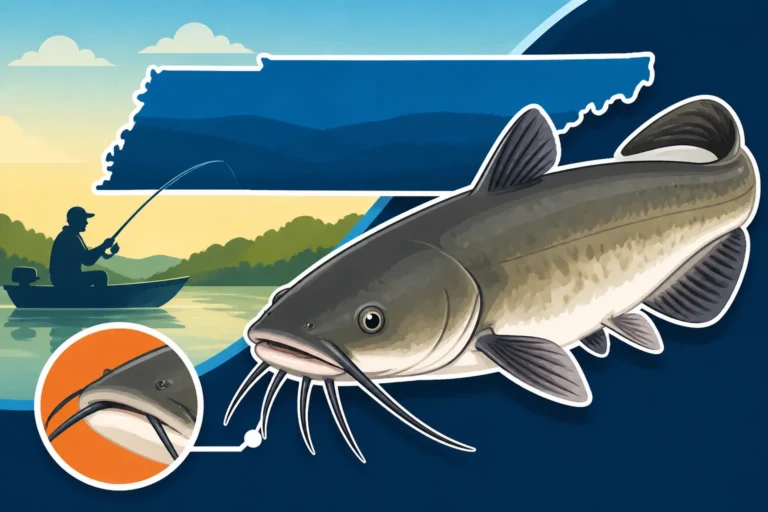
Channel catfish identification helps Tennessee anglers follow fishing regulations and protect aquatic ecosystems by recognizing distinct features.
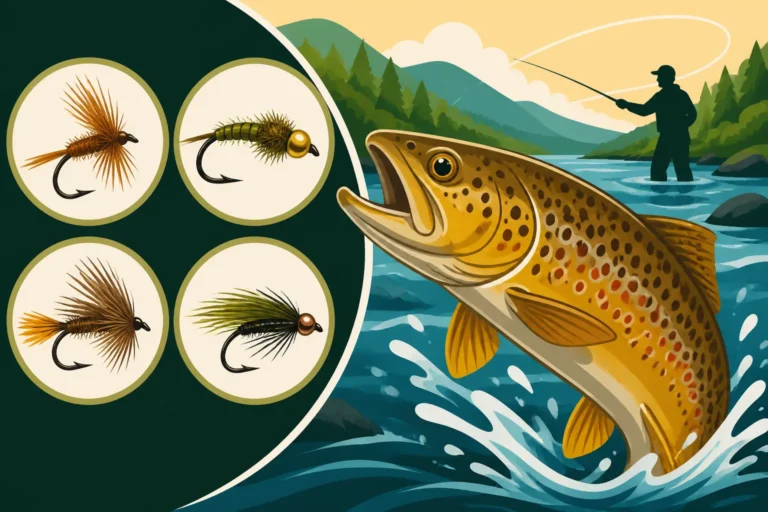
Tennessee brown trout feeding habits and seasonal forage variations determine the best fly patterns for successful angling.
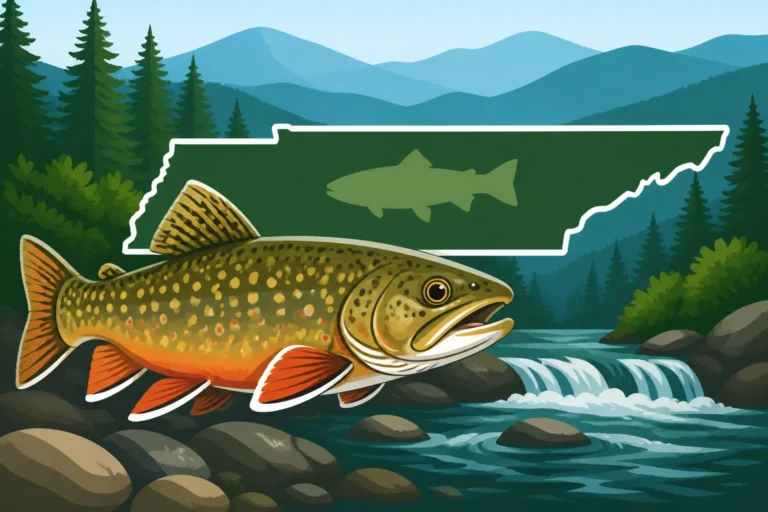
Tennessee Brook Trout Conservation Waters protect native cold-water habitats and wild fish populations through strict regulations and watershed management.

Tennessee brook trout meat offers a delicate, mild, and sweet flavor with tender texture from cold Appalachian mountain waters.
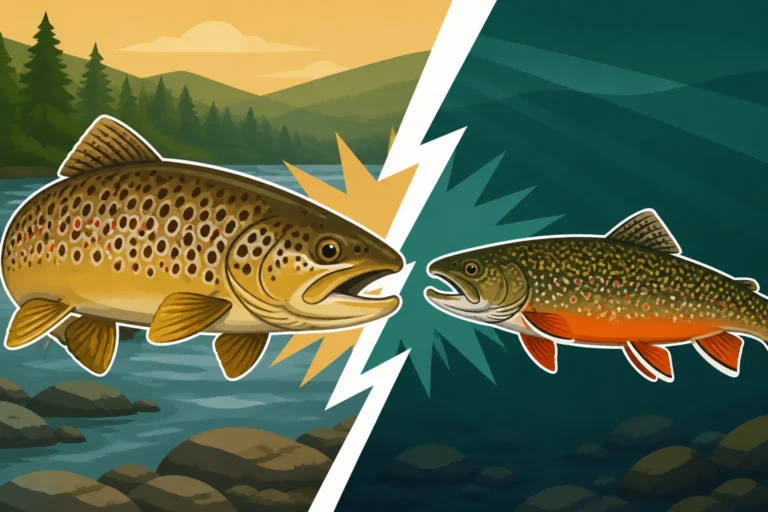
Brown trout and brook trout sizes in Tennessee waters compared, detailing typical lengths, growth factors, and habitats.
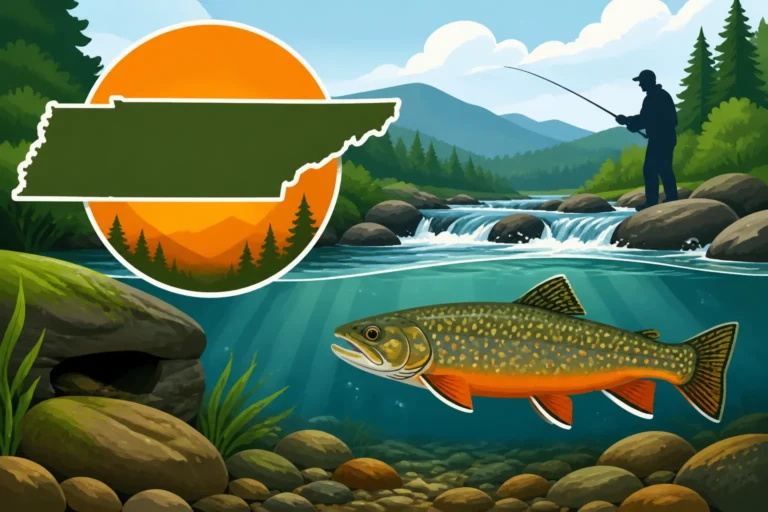
Tennessee brook trout live in cold, high-elevation, fast-flowing streams with dense forest canopies and pristine water quality.
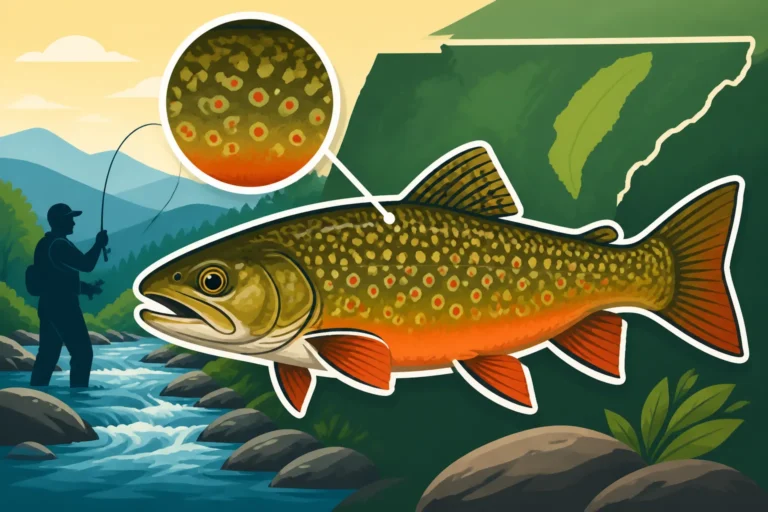
Brook trout identification involves recognizing vibrant orange fins, dark green mottled bodies, and unique worm-like markings on backs.
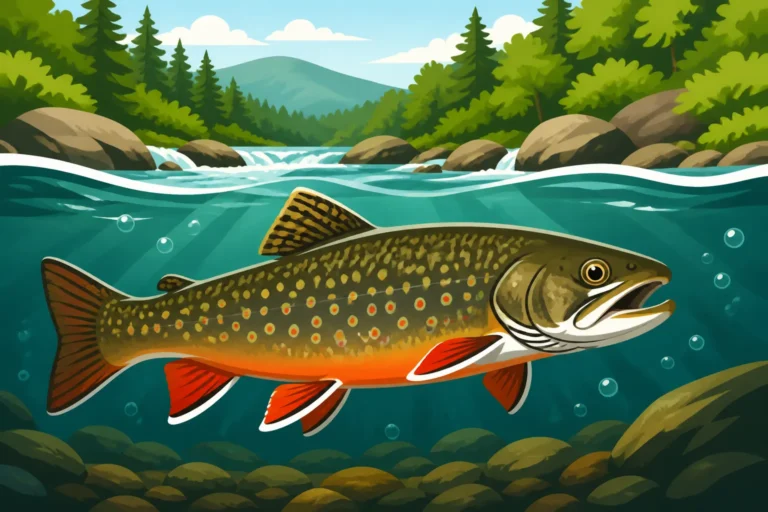
Brook trout are Tennessee native cold water fish, identified by colorful markings, distinct white fin edges, and char biology.
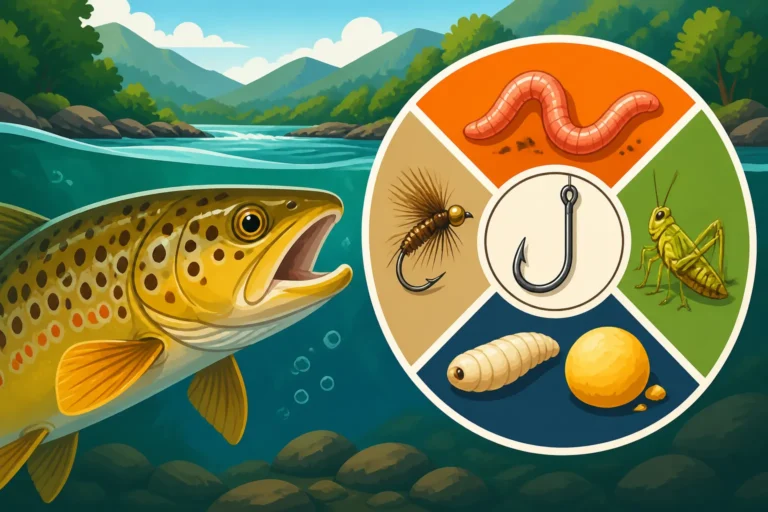
Brown trout fishing in Tennessee requires specific natural baits like nightcrawlers to catch wary, solitary fish during seasonal diet changes.
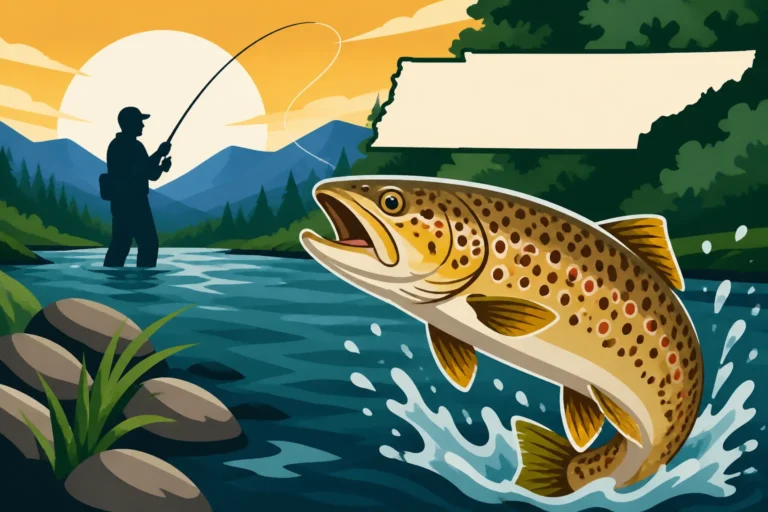
Tennessee brown trout waters, habitat preferences, and ideal cold water temperatures for catching wild and stocked fish.