Best Jon Boats for Fishing Reservoirs
Many anglers in Tennessee dream of having a versatile, reliable boat that doesn't break the bank, but the sheer number of options and the complexity of larger vessels can feel overwhelming. You want something that can handle our diverse reservoirs, from the big, open waters to the skinny back coves, without requiring a second mortgage or a dedicated mechanic. This comprehensive guide is here to help you understand why jon boats are often the perfect choice for fishing Tennessee's beautiful reservoirs and how to select and equip one that suits your angling adventures.
Why Jon Boats Are an Excellent Choice for Tennessee Reservoirs
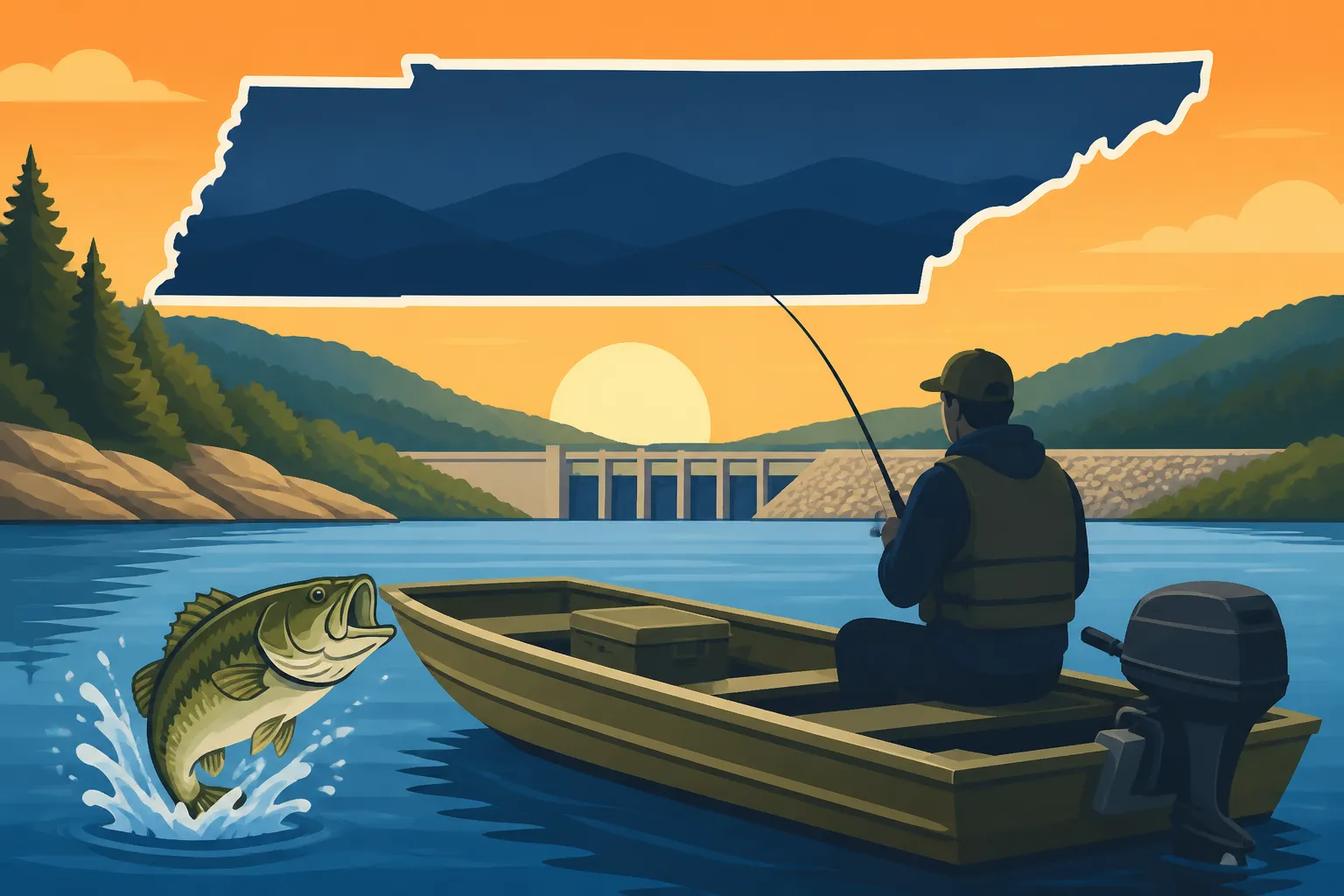
Let's face it, not everyone needs or wants a massive, high-horsepower bass boat. For many of us, the appeal lies in simplicity, versatility, and getting to those hard-to-reach spots where the big fish hide. That's precisely where jon boats shine, especially on Tennessee's varied waterways. They offer a fantastic blend of stability, shallow-water capability, and affordability that makes them a favorite among seasoned anglers and newcomers alike.
Tennessee reservoirs, from the sprawling Kentucky Lake to the more intimate Center Hill Lake, offer a mix of deep main channels, vast open flats, and countless shallow coves and creek arms. A traditional deep-V hull might be great in choppy main lake conditions, but it often struggles when you want to explore those skinny waters where bass are spawning or crappie are hiding in flooded timber. This is where the jon boat's design truly comes into its own, providing access and stability in a package that's generally easier to manage and less expensive to own.
Unmatched Stability and Shallow Water Access
One of the primary benefits of a jon boat is its flat or nearly flat bottom design. This isn't just a design quirk; it's a fundamental feature that dictates how the boat performs on the water. That broad, flat hull creates incredible stability when you're standing up to cast, whether you're sight fishing for bedding bass or jigging for crappie over a brush pile. No more feeling like you're going to tip over every time you shift your weight! This stability also translates into a comfortable platform for kids or less experienced anglers, making it a great option for family outings on places like Percy Priest Lake.
Beyond stability, the flat bottom is a game-changer for shallow water. Tennessee's reservoirs often have fluctuating water levels, especially later in the summer or early fall. What was a deep channel in spring might become a mere trickle over stumps and rocks just a few months later. A jon boat can effortlessly glide over these skinny sections, allowing you to access quiet backwaters, flooded timber, or secluded coves that deeper-draft boats can only dream of reaching. Imagine slipping into a creek arm on Watts Bar Lake, where a giant largemouth is holed up, far from the buzzing outboards of other anglers—that's the jon boat advantage. This capability is also why many turn to Tennessee's Most Remote Fishing Spots for untouched angling.
Affordability and Ease of Maintenance
Let's talk about the bottom line, because for many of us, budget is a real consideration. Jon boats are, by and large, significantly more affordable than comparable-sized fiberglass bass boats or even many aluminum deep-V models. The simpler construction and materials mean a lower upfront cost, which leaves more money for essential gear, gas, or even more fishing trips! This affordability extends beyond the initial purchase; jon boats are generally cheaper to insure, require less powerful (and therefore less expensive) outboards, and are more fuel-efficient.
Maintenance is another area where jon boats truly shine. Made primarily of aluminum, they are incredibly durable and forgiving. Scratches and minor dings from navigating stumps or rocky shorelines are often just cosmetic, unlike fiberglass boats where such damage can require costly repairs. Routine cleaning is usually all that's needed, and winterization is straightforward. You won't spend your weekends endlessly waxing gelcoat or chasing down complex electrical issues. This low-fuss ownership allows you to spend more time actually fishing and less time worrying about your boat, which is a huge relief when you're trying to balance work, family, and your passion for angling. You can find many standard parts and accessories at retailers like Bass Pro Shops, making repairs or upgrades simple.
Key Features to Look For in a Reservoir Jon Boat
Choosing the right jon boat involves more than just picking the first one you see. You need to consider how it will be used on Tennessee's diverse reservoirs. Think about the specific type of fishing you do, the size of the water bodies you frequent, and how many people you typically bring along. These factors will help guide your decisions on size, construction, and layout.
It's tempting to grab the cheapest option, but investing a little thought upfront can save you headaches and buyers' remorse down the road. After all, this isn't just a utilitarian craft; it's your portal to some of the best fishing Tennessee has to offer. Whether you're chasing Tennessee Bass Fishing Seasons and Patterns or looking for a mess of crappie, the right boat makes all the difference.
Size and Stability Considerations
Jon boats come in a wide range of sizes, typically from 10 feet up to 18 feet or even larger. For reservoir fishing in Tennessee, boats in the 14-foot to 16-foot range tend to be the most popular and versatile. A 14-foot jon boat offers a great balance of maneuverability, ease of transport, and sufficient space for one or two anglers. It's easy to launch at most Boat Ramp Access on Tennessee's Major Lakes and can be towed by a wider variety of vehicles.
If you frequently fish with a partner, bring kids along, or venture onto larger reservoirs like Chickamauga Lake or Kentucky Lake, a 16-foot jon boat provides more deck space and a smoother ride in light chop due to its longer hull. The beam (width) of the boat is also critical for stability. A wider beam translates directly to a more stable platform, especially important if you plan to stand and cast. Always check the manufacturer's maximum person and weight capacity to ensure you don't overload your vessel, a crucial safety consideration that ties into your Essential Safety Gear Checklist Before a Tennessee Fishing Trip.
Material and Construction Quality
The vast majority of jon boats are made from aluminum, but there are differences in how they're constructed. You'll primarily encounter riveted or welded hulls. Riveted hulls are very common, often more affordable, and can be quite durable. However, over time, rivets can sometimes loosen or leak, though modern construction has largely minimized this issue. Welded hulls, on the other hand, typically offer superior strength and are generally considered more robust and less prone to leaks, but they often come with a higher price tag. For serious, long-term use in potentially rough conditions or around submerged timber, a welded hull might be worth the extra investment.
Another factor is the aluminum gauge, or thickness. Thicker aluminum (lower gauge number) means a stronger, more impact-resistant hull. This is particularly important if you frequently navigate rocky shorelines or areas with submerged stumps, which are common hazards in many Tennessee lakes, especially during lower water periods. Look for boats with a reinforced transom if you plan on running a larger outboard motor, as this ensures the structural integrity to handle the engine's weight and power.
Interior Layout and Customization Potential
One of the great joys of owning a jon boat is its customizability. Most come with a relatively simple, open layout, often featuring bench seats or a front casting deck. This blank canvas allows you to tailor the boat precisely to your fishing needs. Consider what layout works best for you:
- Bench Seats: Standard and simple, but can limit movement. Many anglers opt to remove or modify them.
- Casting Decks: A raised, flat platform in the bow (and sometimes stern) that is fantastic for standing and casting. Many jon boat owners build their own custom decks.
- Storage: Basic jon boats have minimal storage. Think about adding waterproof compartments for tackle, safety gear, and personal items.
- Livewells: If you're a bass tournament angler or want to keep your catch fresh, a built-in or aftermarket livewell is a must.
When scouting for a boat, envision how you'll use the space. Do you need room for multiple rod holders, a cooler, a tackle box, or even a small pet? The inherent simplicity of a jon boat means you can add just about anything you need, from rod storage systems to padded seats, making it a truly personal fishing machine. Online retailers like Amazon are treasure troves for accessories and DIY materials.
Setting Up Your Jon Boat for Tennessee Reservoir Fishing
Once you've got your hands on a jon boat, the real fun begins: outfitting it for peak performance on Tennessee's reservoirs. A bare-bones jon boat is functional, but with a few thoughtful additions and modifications, you can transform it into a highly efficient and comfortable fishing platform. Think of it as customizing your personal fishing station.
Getting your boat properly set up also includes understanding the rules, like how to register it. Make sure you're clear on How to Register a Boat With a Trolling Motor in Tennessee if that's part of your plan, as most smaller outboards and trolling motors will classify it as requiring registration.
Motorization and Trolling Motors
The heart of any fishing boat is its propulsion system. For jon boats, this typically means an outboard motor for main power and an electric trolling motor for stealth and precise positioning.
- Outboard Motors: The size of your outboard will depend on the boat's length and rated horsepower capacity, as well as how fast you need to get around. For a 14-foot to 16-foot jon boat, a 9.9 HP to 25 HP motor is often ideal. This provides enough power to get across the reservoir efficiently without being excessively heavy or expensive to run. Consider a four-stroke engine for better fuel efficiency and quieter operation, which is a real plus when you're trying to sneak up on wary fish.
- Trolling Motors: An electric trolling motor is almost non-negotiable for serious jon boat fishing on reservoirs. It allows you to silently maneuver along shorelines, hold over structure, or slowly troll baits. Bow-mounted trolling motors with foot pedals are popular for bass anglers, freeing up your hands for casting. Transom-mounted models are simpler and often more budget-friendly. Make sure to get a motor with sufficient thrust for your boat size and weight, and invest in a good deep-cycle marine battery (or two!) to ensure you have power for a full day of fishing.
Essential Electronics and Safety Gear
Even a simple jon boat can greatly benefit from modern electronics and, of course, proper safety gear.
- Fish Finders: A good fish finder is a game-changer, helping you locate structure, depth changes, and, most importantly, fish. Even a basic model with a decent transducer can reveal brush piles, drop-offs, and schools of baitfish that you'd otherwise miss. Modern units offer down imaging, side imaging, and GPS mapping, which are incredibly useful for navigating and marking productive spots on large reservoirs. You can find excellent options, often specifically reviewed for effectiveness on the waters, within guides like Best Fish Finders for Tennessee Lake Fishing.
- Navigation Lights: If there's any chance you'll be on the water before sunrise or after sunset, navigation lights are not just a good idea—they're a legal requirement. A simple set of bow (red and green) and stern (white) lights will ensure you're visible to other boaters, particularly important during those low-light feeding windows when the bite is hot.
- Life Jackets (PFDs): Absolutely non-negotiable. Ensure you have enough Coast Guard-approved life jackets for every person on board, and they must be readily accessible. Remember, Tennessee's Under-12 Life Jacket Rule Explained mandates that children under a certain age must wear a PFD while underway. It's always a smart idea for everyone to wear them, especially in colder water or if you're not a strong swimmer.
- Anchors: A sturdy anchor (or two, if you want to position the boat precisely) is vital. Depending on the bottom composition of the reservoir, you might need a grapple anchor for rocky bottoms or a mushroom anchor for muddy areas. A simple cleat and plenty of anchor rope are also essential.
Customization Ideas for Enhanced Fishing
The beauty of a jon boat is its adaptability. Here are some popular customization ideas to make your boat truly yours:
- Flooring and Decking: Many anglers add a marine-grade plywood or composite floor, often covered with outdoor carpet or marine matting. This provides a flat, stable surface, reduces noise, and makes the boat much more comfortable. Adding elevated casting decks with storage underneath can drastically improve your fishing experience.
- Rod Holders: Whether you're trolling for crappie or holding still for catfish, multiple rod holders (clamp-on or flush-mount) are incredibly useful.
- Seating: While bench seats are standard, many prefer swivel seats mounted on pedestals for comfort and better visibility while fishing. You can often find these at Bass Pro Shops or other outdoor retailers.
- Lighting: Beyond navigation lights, consider adding LED strip lights under gunwales for night fishing or LED spotlights for tying knots and baiting hooks in the dark.
- Power Outlets: USB charging ports and 12V power outlets are handy for charging phones, running aerators, or powering accessories.
- Storage Solutions: From DIY Tackle boxes integrated into casting decks to milk crates bungee-corded to the floor, getting your gear organized keeps your boat clutter-free and safe.
Common Reservoir Challenges and How a Jon Boat Handles Them
Fishing Tennessee's reservoirs can present a variety of challenges, from unpredictable weather to navigating complex underwater terrain. While no boat is perfect for every situation, jon boats are surprisingly capable of handling many of the common obstacles you'll encounter, often outperforming larger, more specialized vessels in specific scenarios. Understanding these strengths can help you fish more effectively and safely.
The ability to adapt your approach to the conditions is key, whether you're targeting specific species or dealing with the elements. A jon boat's inherent design often lends itself to these adaptations, making it a reliable partner on the water.
Navigating Wind and Waves
Let's be realistic: a jon boat, with its flat bottom, isn't designed to cut through big, rolling waves like a deep-V hull can. On particularly windy days on vast, open reservoirs like Chickamauga Lake or Old Hickory Lake, you'll feel the chop more acutely. However, this doesn't mean you're confined to the dock. Jon boats handle moderate chop surprisingly well, and their stability can actually be an asset when anchored or drifting in wavy conditions, as they don't roll as much side-to-side.
The key is to understand your boat's limits and plan your outings accordingly. On windy days, stick to sheltered coves, creek arms, or the leeward side of islands where the water is calmer. Use your trolling motor to keep the bow pointed into the waves when moving, rather than taking them broadside. If you find yourself in unexpectedly rough water, slow down, distribute weight evenly, and keep your Life Jacket Rules for Kayaks and Canoes in Tennessee fresh in your mind. A little common sense goes a long way in ensuring a safe and enjoyable trip.
Dealing with Obstacles and Structure
Tennessee's reservoirs are legendary for their abundant cover, from standing timber and flooded brush to rock piles and stump fields. These are prime fishing spots, but they can be hazardous for boats. This is where the jon boat truly excels. Its relatively flat bottom and robust aluminum construction make it far more forgiving than a fiberglass boat when encountering submerged objects. A glancing blow off a stump might scratch the paint on a jon boat, but it could cause significant gelcoat or hull damage to a fiberglass boat.
The shallow draft also means you can navigate over many submerged obstacles that would hang up a deeper boat. This ability to get into tight spots and navigate through dense cover allows you to target fish holding in areas inaccessible to others. Just remember to proceed slowly and cautiously in unfamiliar, snag-filled waters, especially when the water is murky or during periods of low visibility. Your fish finder will be your best friend in identifying potential hazards lurking just below the surface.
Versatility for Various Species
One of the greatest attributes of a jon boat is its versatility. While some boats are specialized for bass or crappie, a well-equipped jon boat can effectively target almost any sport fish found in Tennessee's reservoirs.
- Bass: With a casting deck and a bow-mounted trolling motor, a jon boat is an excellent platform for targeting largemouth and smallmouth bass. You can easily work shorelines with spinnerbaits, flip jigs into cover, or cast topwaters over submerged grass. The shallow-water access is invaluable during the spawn and when bass retreat to skinny water in the summer heat.
- Crappie: For crappie anglers, a jon boat is ideal for spider rigging, vertical jigging over brush piles, or trolling small crankbaits. The stable platform allows for multiple rod holders, and the open layout provides plenty of room to manage your lines. Many crappie hotspots are in shallow, protected bays or creek channels that are perfectly suited for a jon boat. Check out the Tennessee Crappie Fishing Guide by Season for prime timing.
- Catfish: For those who love chasing big catfish on the Tennessee River or Kentucky Lake, a jon boat offers the stability to fight powerful fish and the space for bulky gear like large rod holders, bait buckets, and a cooler for your catch. You can effectively anchor on river bends, drift across flats, or set trotlines in areas perfect for large channel, blue, and flathead catfish.
Here's a quick comparison of typical jon boat features:
| Feature | Small Jon Boat (10-12 ft) | Medium Jon Boat (14-16 ft) | Large Jon Boat (17-18 ft+) |
|---|---|---|---|
| Typical Use | Ponds, small rivers, solo | Reservoirs, lakes, 1-2 ppl | Large reservoirs, 2-3 ppl |
| Beam (Width) | 36-48 inches | 48-60 inches | 60+ inches |
| Max HP | 5-15 HP | 15-40 HP | 40-75+ HP |
| Hull Type | Riveted, lighter gauge | Riveted/Welded, mid-gauge | Welded, heavier gauge |
| Stability | Good for size | Very good | Excellent |
| Shallow Access | Exceptional | Excellent | Very good |
| Approx. Cost | Lower entry point | Mid-range | Higher end |
| Weight | Easy to handle | Manageable | Heavier, needs strong tow |
In summary, a jon boat offers a fantastic entry point into boat ownership for fishing Tennessee's reservoirs, providing unmatched versatility, shallow water access, and an affordable, customizable platform. With the right setup and a bit of planning, your jon boat will open up a world of angling possibilities across the Volunteer State.
Disclaimer
This article is for general informational purposes only and does not constitute professional advice. Laws, prices and regulations vary by location and change over time. Consult a qualified professional for guidance on your specific situation.