Do You Need a Boating Safety Certificate to Rent a Boat in Tennessee?
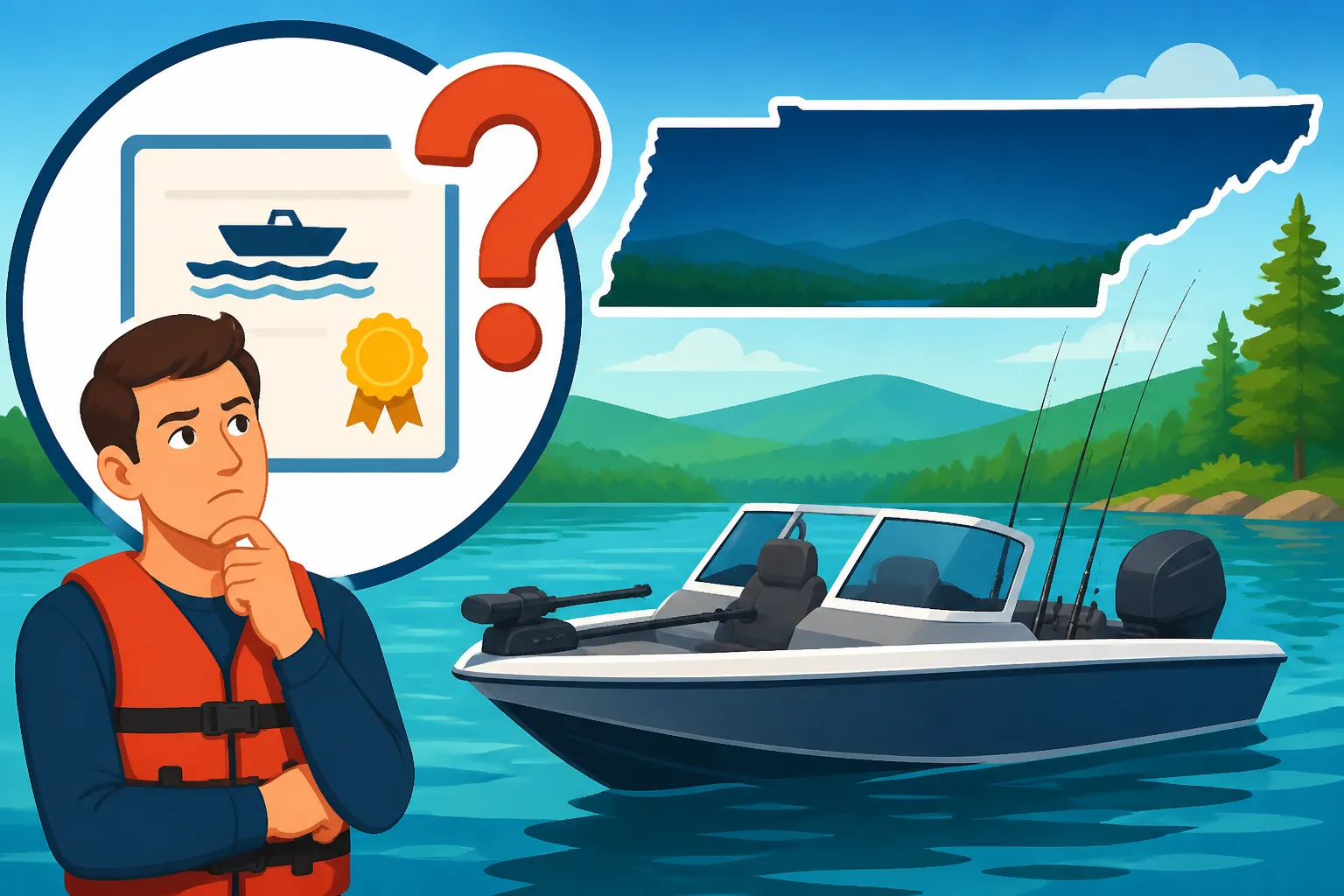
It's a really common point of confusion for folks heading out to enjoy Tennessee's beautiful lakes and rivers: do you actually need a boating safety certificate if you're just renting a boat for the day? The last thing anyone wants is to get to the marina, excited for a relaxing day on the water, only to find out they're missing a crucial piece of paperwork. This guide is here to clear up that exact question, giving you the peace of mind and the practical information you need before you even set foot in a rental office.
Understanding Tennessee's Boating Safety Education Requirements
Before we dive into the specifics of rental boats, it's important to understand the general rules around boating safety certificates in Tennessee. The Tennessee Wildlife Resources Agency (TWRA) has put these regulations in place to keep everyone on the water safe, and for good reason! Our waterways can get busy, and knowing the "rules of the road" is paramount to preventing accidents and ensuring enjoyable outings for all. It's not just about avoiding a fine; it's about confidently navigating and protecting yourself and your loved ones.
The General Rule: Who Needs a Certificate
Generally speaking, in Tennessee, if you're going to operate a motorized vessel and you were born after January 1, 1989, you are required to have a Tennessee Boating Safety Education Certificate. This certificate proves that you've successfully completed an approved boating safety course, demonstrating a fundamental understanding of navigation rules, safety practices, and emergency procedures. Think of it like a driver's license for the water; it's designed to ensure you're competent and responsible behind the helm. This rule applies whether you own the boat, borrow it from a friend, or are operating it in any official capacity. It's a broad stroke meant to cover the majority of new and younger operators on the state's diverse aquatic landscapes, from the bustling Tennessee River to the tranquil waters of Norris Lake.
This certificate isn't just a formality; it covers crucial aspects of boating that even experienced land drivers might not consider. You'll learn about aids to navigation, how to properly use a VHF radio, what to do in case of a capsizing, and the importance of having proper safety equipment on board. It's an investment in your safety and the safety of everyone else sharing the water. The requirements are designed to be comprehensive, ensuring that certificate holders are truly prepared for a variety of situations they might encounter while out on the water. For more details on the general requirements, check out our guide on Who Needs Tennessee's TWRA Boating Safety Certificate.
How the "Born After 1989" Rule Applies
The specific cut-off date of January 1, 1989, often causes a bit of confusion. If you were born on or before this date, you are generally exempt from the mandatory certificate requirement. This doesn't mean you shouldn't know boating safety, of course, but the legal obligation for the certificate doesn't apply to you. However, if your birthday falls after that date, then yes, the certificate is a must-have for you to operate a motorized boat in Tennessee. This age-based rule is common in many states and is usually implemented to ensure that newer generations of boaters receive formal training before heading out. It's a way to standardize a baseline of knowledge across a significant portion of the boating community.
This specific age requirement means that a lot of younger anglers and recreational boaters will need to complete the course. For example, if you're in your 20s or 30s and want to take your family out on a pontoon boat for the weekend, you'll likely need this certificate. It’s not just for those operating high-speed bass boats; it applies to any motorized vessel. Understanding this rule is the first step to ensuring you're legally compliant and prepared for your adventure. You can find more comprehensive information about this specific rule in our article, Tennessee Boating Safety Certificate Rules for Anglers Born After 1989.
Why Safety Education is Crucial for All
Regardless of age or whether it's legally mandated for you, getting boating safety education is just plain smart. The truth is, operating a boat, even a small one, comes with responsibilities and potential risks that differ significantly from driving a car. You're dealing with constantly changing conditions—weather, currents, other boaters, swimmers, and wildlife. A certificate course teaches you how to read the water, understand navigational markers, and react appropriately in emergency situations. It gives you the confidence to enjoy your time on the water without constantly worrying about what you might not know. It's not just about passing a test; it's about gaining real-world knowledge that could literally save lives.
Even if you grew up on the water, a formal course can fill in gaps you didn't even realize existed. It covers topics like marine radio etiquette, the proper use of emergency flares, and how to handle various types of boat failures. These are things that anecdotal experience might not fully prepare you for. Plus, many insurance companies offer discounts for boaters who have completed a safety course, so there's a practical financial incentive as well! For a general overview of all things related to boating safety education, our Tennessee Boating Safety Education Certificate Guide is an excellent resource.
Boating Safety Certificates and Rental Boats in Tennessee
Now, let's get to the heart of the matter: renting a boat. This is where a specific provision in Tennessee law can make things a little different, and it's something that often catches people off guard. You might assume that if you need a certificate to operate a boat, you'd need one to rent one. But Tennessee has made a specific allowance for rental operators, acknowledging that many tourists and casual users want to enjoy the water without the long-term commitment of a certificate.
The Rental Boat Exemption: What You Need to Know
Here's the key piece of information: in Tennessee, if you are renting a motorized boat, you are generally exempt from the mandatory boating safety education certificate requirement, provided the rental company provides adequate on-site instruction. This is a huge relief for many vacationers or those simply looking for a spontaneous day on the lake. The idea is that the rental company steps in to provide immediate, crucial safety information and operational guidance before you leave the dock. They want you to have a safe, enjoyable experience, and they take on the responsibility of ensuring you have the basics down.
When you rent a boat, the facility typically gives you a quick rundown. This usually includes how to start and stop the engine, basic steering, rules of the road (like passing and meeting other boats), what to do if you encounter rough water, and how to use the safety equipment on board. They'll also review local hazards and speed limits. It's usually a briefing at the dock, sometimes with a quick video or handout. While this exemption is incredibly convenient, it places a lot of responsibility on you to pay close attention and absorb that information quickly. Remember, the goal is still safety, even if the method of instruction is expedited.
When the Exemption Doesn't Apply
It's crucial to understand that this rental exemption has its limits. This specific exemption is for operating a rented boat from the rental facility itself. If you rent a boat and then decide to go operate a different motorized boat that you own or borrow from a friend (and you were born after January 1, 1989), the exemption does not carry over. You would still need your own certificate for that separate vessel. Essentially, the exemption is tied to the rental transaction and the immediate instruction provided by the rental agency. It's not a blanket waiver for all boating activities.
Furthermore, some rental companies might have their own policies that go above and beyond the state's minimum requirements. While the state might exempt you, a private business can certainly require proof of a safety certificate if they choose to do so, for their own liability or simply as a best practice. It’s always, always best to call the rental company ahead of time to confirm their specific requirements. Don't assume anything! A quick phone call can save you a lot of headache and disappointment.
Rental Company Policies and Your Responsibilities
Even with the exemption, you, as the operator, still bear significant responsibility for safe boating. Rental companies will typically provide you with all the required safety gear, such as Tennessee Life Jacket and PFD Rules for Boaters and a throwable device, but it's up to you to ensure everyone on board uses them correctly. They'll also give you a brief on the boat's operation, but it's not a substitute for comprehensive knowledge. If you feel unsure after the briefing, speak up! Ask for more clarification. It's far better to ask "dumb" questions at the dock than to encounter a dangerous situation on the water because you were too proud to seek more information.
Reputable rental companies, like those you might find near marinas that partner with larger outdoor retailers or even local family-owned shops, will emphasize safety above all else. They want their boats returned safely and their customers to have a positive experience. They may require you to watch a safety video, sign waivers, or demonstrate basic operational skills before handing over the keys. This isn't them being difficult; it's them being responsible. Treat their instructions seriously, and if you're unsure about any aspect of the boat or local rules, don't hesitate to ask. Even if the state doesn't require you to have a full certificate for a rental, having some fundamental knowledge will make your experience much smoother and safer.
Getting Your Boating Safety Certificate (Even if Not Required for Your Rental)
So, you know you don't technically need a certificate for a rental boat in Tennessee if the company provides instruction. But honestly, I can't recommend enough that you consider getting one anyway. It's like having car insurance even when it's not strictly mandatory for a certain kind of rental; it's just a good idea for overall peace of mind and preparedness. Plus, if you ever plan to do more than just rent a boat, you'll be ahead of the game!
Benefits of Voluntary Certification
There are so many upsides to getting your boating safety certificate, even if the rental boat exemption applies to you. First and foremost, it significantly increases your confidence and competence on the water. When you truly understand navigation rules, emergency procedures, and how different types of weather can affect your boat, you're a much more relaxed and capable operator. This confidence translates to a better, more enjoyable experience for everyone on board, as you won't be second-guessing every decision. It’s the difference between fumbling with controls and smoothly cruising, knowing exactly what you're doing.
Beyond confidence, safety is paramount. The course covers everything from proper lookout techniques to understanding how alcohol impacts your judgment on the water (and remember, boating under the influence has very severe penalties). Knowing how to handle situations like a sudden storm, a person overboard, or a mechanical issue can turn a potentially catastrophic event into a manageable one. Plus, if you ever decide to buy your own boat, borrow one from a friend, or even fish from a boat on a regular basis, you'll already have the required documentation, removing any future hurdles. Think of it as investing in your future enjoyment and safety on Tennessee's incredible waterways.
How to Obtain Your Tennessee Boating Safety Certificate
The process for getting your Tennessee Boating Safety Education Certificate is actually quite straightforward. The TWRA offers various options to complete the required education. The most common way is to take an approved course, which can be done either online or in a classroom setting. These courses cover all the essential topics, from the "rules of the road" and basic navigation to legal requirements, emergency procedures, and even environmental responsibility. After completing the course material, you'll typically need to pass an exam to demonstrate your understanding.
Once you pass the exam, you'll receive your certificate. It's a physical card that you should carry with you whenever you're operating a motorized vessel. The TWRA has made efforts to make this process accessible, understanding that many people lead busy lives. Don't procrastinate on this; it's a simple step that yields huge benefits. For a step-by-step guide on how to get started, you can refer to our detailed post: How to Get Your TWRA Boating Safety Education Certificate.
Online vs. In-Person Course Options
When it comes to completing your boating safety course, you typically have two main avenues: online courses or traditional in-person classroom courses. Each has its own set of pros and cons, and the best choice really depends on your learning style and schedule.
Online Courses: These are incredibly popular for their flexibility. You can usually complete the course material at your own pace, from the comfort of your home, and often on any device. Websites like those offered by the TWRA or authorized partners allow you to study modules, take quizzes, and then complete a final exam digitally. This is a fantastic option for busy individuals or those who prefer self-paced learning. You can revisit sections as many times as you need, ensuring you fully grasp the concepts. Many providers also offer study guides and practice tests. You might even find comprehensive study materials or supplemental tools through retailers like Bass Pro Shops or Amazon, though the official course completion must be through an approved provider. The convenience factor is undeniable, letting you fit your learning around your existing commitments.
In-Person Classroom Courses: While less flexible, classroom courses offer a different kind of value. These are typically taught by certified instructors, often experienced boaters or even former game wardens, who can provide real-world insights, answer questions in real-time, and facilitate group discussions. The structured environment can be beneficial for some learners, and the direct interaction with an expert can be invaluable for clarifying complex topics. These courses might be offered at local community centers, marinas, or even through various outdoor clubs. While they require a commitment to a specific schedule and location, the direct engagement and camaraderie with fellow students can make for a richer learning experience. Choose the option that best suits how you learn and what fits into your life.
| Feature | Online Course | In-Person Course |
|---|---|---|
| Flexibility | High (self-paced, any time, any place) | Low (fixed schedule and location) |
| Interaction | Limited (forums, email support) | High (direct with instructor, peer discussion) |
| Learning Style | Best for self-starters, visual learners | Best for structured learners, auditory learners |
| Cost | Varies, often comparable to in-person | Varies, sometimes includes materials |
| Real-world Insights | Relies on written examples, videos | Direct from experienced instructors, Q&A |
| Certification Process | Automated upon passing digital exam | May involve paper certificate, mailing |
| Time Commitment | Spread out as needed | Concentrated over a few days or evenings |
Essential Safety Practices for Renting a Boat in Tennessee
Getting that certificate or understanding the rental exemption is one thing, but actually putting safety into practice on the water is another. When you're renting a boat, you're not just renting a piece of equipment; you're taking on the responsibility for everyone on board and for safely interacting with the environment and other boaters. This means being prepared and constantly vigilant, because the water, while beautiful, demands respect.
Pre-Rental Checks and On-Water Preparedness
Before you even leave the dock with your rental boat, it's absolutely vital to conduct a thorough pre-rental check. Don't just hop in and go! Walk around the boat with the rental attendant. Check the hull for any obvious damage. Make sure all lights (navigation, anchor) are working, especially if you plan to be out near dusk or after dark. Confirm the fuel level, and understand how the fuel gauge works. Ask where the anchor is and how to deploy it, as well as how to use any depth finders or GPS units on board. Most importantly, locate all safety equipment: life jackets (ensure there's one for every person and that kids have properly sized ones, referencing Tennessee's Under-12 Life Jacket Rule Explained), fire extinguisher, first-aid kit, horn or whistle, and throwable flotation device. Know how to access and use each item.
Once you're on the water, the preparedness doesn't stop. Always keep an eye on the weather. Tennessee weather can change rapidly, with sunny skies turning to thunderstorms in a blink. If you see dark clouds or feel strong winds picking up, head back to shore or seek a safe harbor. Tell someone on land your float plan – where you're going and when you expect to return. This is an often-overlooked but crucial safety step, and it's part of being generally prepared for a day out. Having an Essential Safety Gear Checklist Before a Tennessee Fishing Trip can make a big difference.
Life Jacket Requirements and Importance
Life jackets are not just a recommendation in Tennessee; they are often a legal requirement and always a critical piece of safety equipment. For instance, any child under 12 years of age must wear a properly fitted life jacket whenever a boat is underway on Tennessee waters. This is non-negotiable, and rental companies will provide appropriate sizes. Even for adults, having a life jacket readily accessible for every person on board is law, and wearing one is always the safest choice, especially for those who aren't strong swimmers or when conditions are rough. Many serious boating accidents involve individuals who end up in the water unexpectedly without a life jacket.
Think about it: if something unexpected happens – a sudden swerve, a wake from another boat, or even a fall – having a life jacket on can be the difference between a scary moment and a tragedy. Modern life jackets are much more comfortable and less bulky than older versions, so there's really no good excuse not to wear one. The rental company will provide them, but it’s your responsibility as the operator to ensure they are being worn when required and are accessible to everyone else. Always review the Tennessee Life Jacket and PFD Rules for Boaters before heading out.
Navigational Awareness and Local Regulations
Even if the rental company gives you a quick orientation, you are still responsible for understanding and adhering to all navigational rules and local regulations. This includes knowing which side to pass other boats on, understanding buoy markers (red, green, unlit), and respecting "no wake" zones around marinas, swimming areas, and private docks. Speed limits might vary in different areas of the lake, and you need to be aware of those. Some areas might have specific fishing regulations, even if you just have a basic Tennessee Fishing License Guide. Remember, ignorance of the law is not an excuse.
Be particularly aware of other water users. Tennessee's lakes are popular for all sorts of activities – fishing, swimming, kayaking, tubing, and jet skiing. Give ample space to everyone, especially slower-moving vessels or swimmers. Maintain a vigilant lookout, as conditions can change quickly and hazards (like submerged logs or shallow areas) can appear unexpectedly. If you're planning to boat on specific waters, like one of our major reservoirs, it's a good idea to research specific Tennessee Fishing Regulations Explained or even lake-specific rules that might be in place. Safe boating is always a combination of knowing the rules and actively practicing common sense and courtesy on the water.
Disclaimer
This article is for general informational purposes only and does not constitute professional advice. Laws, prices and regulations vary by location and change over time. Consult a qualified professional for guidance on your specific situation.