Kayak Fishing Gear Checklist for Beginners
So, you've been eyeing those sleek fishing kayaks slicing through the water, watching anglers pull in big bass and crappie from places bigger boats can't reach, and feeling that undeniable tug to try it yourself. It's an incredible way to experience Tennessee's beautiful lakes and rivers, but diving in headfirst can feel a bit overwhelming when you're staring at a sea of gear options. This guide is here to cut through the noise, offering a comprehensive, realistic checklist of essential kayak fishing gear for beginners, ensuring you hit the water safely, comfortably, and ready to catch some fish without breaking the bank or your spirit.
Essential Kayak and Propulsion Gear
Starting your kayak fishing journey means getting the foundational pieces right. This isn't just about grabbing any kayak; it's about choosing the right vessel and making sure you can move it efficiently and safely across Tennessee's diverse waters, from the slow meanders of the Caney Fork River to the expansive waters of Chickamauga Lake.
Choosing Your First Fishing Kayak
Selecting your very first fishing kayak is probably the biggest decision you’ll make, and it can feel like trying to pick out a new car! There are so many models, features, and price points out there, it’s easy to get lost. As a beginner, you're primarily looking for stability, ease of use, and enough room for your essential gear. You might see hardcore anglers standing up in their kayaks, but for your first few trips, staying seated and stable is key. Think about where you'll be fishing most often – smaller, calmer ponds or larger, choppier reservoirs? This will influence the kayak's length and hull design.
For instance, a wider, shorter kayak (around 10-12 feet) often offers more initial stability, which is fantastic for building confidence, especially when you're learning to cast from a seated position. Longer kayaks, say 13-14 feet, track straighter and are generally faster, which is great for covering more water on larger lakes, but they can be a bit more challenging to maneuver in tight spots or through heavy current. Many beginners start with sit-on-top (SOT) kayaks because they are self-bailing (meaning water drains out easily), generally more stable, and easier to re-enter if you happen to take an unexpected swim. You can explore a wide variety of kayaks perfect for Tennessee waters at outdoor retailers like Bass Pro Shops, where you can often see them in person and even talk to knowledgeable staff about their features.
Consider the weight capacity of any kayak you look at. This isn't just your weight, but also the weight of all your gear, your cooler, and any fish you might bring aboard. Always err on the side of having more capacity than you think you need. Lastly, think about how you’ll transport it. If you’re car-topping it, a lighter kayak will be your best friend. If you have a truck or a trailer, weight becomes less of an issue, opening up options for heavier, feature-rich models, including those with pedal drives.
Paddles, Pedals, and Propulsion Systems
Once you have your kayak, you need a way to move it! For most traditional kayaks, that means a paddle. Don't cheap out on your paddle; it's your engine, and a good one makes a world of difference in reducing fatigue and improving your time on the water. Look for paddles that are lightweight, durable, and the correct length for your height and kayak width. A general rule of thumb is that when standing next to your kayak, the paddle should be about as tall as your outstretched arm above your head. Many fishing-specific paddles also feature built-in measuring tape or hooks for lure retrieval, which are handy additions.
Increasingly popular, especially for those targeting larger waters or wanting hands-free fishing, are pedal-drive systems. These allow you to propel the kayak using your legs, much like a bicycle, leaving your hands free to cast, reel, and manage your tackle. While a significant upfront investment, many anglers find the efficiency and convenience of pedal drives to be well worth it, especially if they plan on spending long days covering miles of water. Whether you choose a paddle or a pedal drive, always have a backup paddle secured to your kayak. Accidents happen, and losing your primary means of propulsion can quickly turn a fun day into a perilous situation, especially on a vast lake like Kentucky Lake.
Another often-overlooked aspect of kayak propulsion, particularly for beginners, is understanding how wind and current can affect your movement. Even a light breeze can make paddling difficult, and strong currents in rivers like the Cumberland River can quickly carry you downstream. Learning to "read" the water and anticipate these forces will be a huge asset. For those who want a bit of extra help, some anglers even add a small electric trolling motor to their kayaks, though this adds weight and requires a battery, complicating setup slightly. Do Electric Trolling Motors Count as Mechanical Propulsion in Tennessee? is a good resource to check if you're considering this option.
The All-Important PFD (Personal Flotation Device)
Let's be absolutely clear: a Personal Flotation Device (PFD), or life jacket, is not optional. It is the single most critical piece of safety gear you will own. In Tennessee, children under 12 must wear a PFD at all times when on the deck of any vessel, including a kayak, unless they are in an enclosed cabin. While adults aren't always legally required to wear it, merely having one on board isn't enough – you should wear it. Every time. No excuses. Accidents can happen in an instant, and being properly fitted and accustomed to your PFD can save your life.
Modern fishing PFDs are a far cry from the bulky, uncomfortable orange vests of yesteryear. They are designed with comfort and utility in mind, featuring mesh panels for breathability, multiple pockets for tackle, tools, and snacks, and even attachment points for radios or whistles. Some are inflatable, offering a low-profile design until activated, though these often require rearming cartridges. When choosing a PFD, make sure it fits snugly but allows for a full range of motion for paddling and casting. You want it to be comfortable enough that you forget you're wearing it. Life Jacket Rules for Kayaks and Canoes in Tennessee provides more details on what's required and recommended for kayakers. Think of your PFD as your constant companion on the water, always there to support you, literally, if things go sideways.
Rods, Reels, and Tackle for Kayak Fishing
Now for the fun part: getting your fishing gear ready! Kayak fishing presents unique challenges for rod and reel selection, as space is at a premium and you need tackle that can stand up to the elements and the fight of a good fish.
Selecting Your Kayak Fishing Rods
When you're crammed into a small cockpit, long, unwieldy rods become a liability, snagging on trees, getting tangled in lines, and generally being a nuisance. For kayak fishing, shorter rods (typically 6 to 7 feet) are generally preferred. They are easier to manage in tight quarters, make casting from a seated position less awkward, and reduce the chance of tip-breakage against your kayak or overhead obstacles. You’ll want to select rods appropriate for the species you're targeting. For instance, a medium-light spinning rod is great for crappie or panfish, while a medium-heavy baitcasting setup might be better suited for battling a feisty largemouth bass on Chickamauga Lake.
Consider durability as well. Your rods will likely be bumped, splashed, and potentially dropped more often than they would be in a larger boat. Rods with stainless steel guides and comfortable, durable handles (like EVA foam or cork) are excellent choices. Many anglers opt for two-piece rods for easier transport, but one-piece rods offer a more consistent action and are less prone to breaking at the joint. If you're just starting, a versatile medium-action spinning rod around 6'6" will serve you well for a variety of species, from smallmouth bass to catfish, allowing you to get a feel for kayak fishing before specializing. You can often find great beginner-friendly rod and reel combos that offer good value and performance. Best Rod and Reel Combo for Beginners is a great article if you're looking for general advice.
Reels and Line Choices
Just like your rod, your reel needs to be robust and perform reliably. Spinning reels are often the go-to for beginners due to their ease of use and versatility, but baitcasting reels offer greater casting accuracy and power once you master them. Look for reels with smooth drag systems; fighting a fish from a kayak requires a finely tuned drag to prevent break-offs, especially when you can't rely on boat maneuvering to help tire out a fish. Corrosion resistance is another key feature, as saltwater spray or even just damp conditions inside a kayak can wreak havoc on internal components over time.
For line, braided line is a popular choice among kayak anglers due to its strength-to-diameter ratio and sensitivity, allowing you to feel even the slightest bites. However, it can be a bit more challenging to tie knots with and might require a fluorocarbon or monofilament leader for stealth. Monofilament is a classic choice, offering stretch (which can be forgiving) and ease of use, while fluorocarbon is virtually invisible underwater and has excellent abrasion resistance. The line weight you choose should match your rod's rating and your target species. For general bass and crappie fishing in Tennessee, 8-12 lb test monofilament or fluorocarbon, or 15-30 lb test braided line with a leader, are good starting points.
Keeping Your Tackle Organized and Accessible
Space is the ultimate luxury in a kayak, and a messy cockpit is a recipe for frustration, lost gear, and even dangerous situations. Organization is paramount. Forget the giant tackle box you might use on a big bass boat; you need compact, efficient storage. Waterproof tackle boxes and soft-sided tackle bags designed for boat use are excellent for keeping your lures, hooks, and weights dry and protected. Plano and other brands offer various sizes perfect for kayaks.
Many kayak anglers utilize a "milk crate" system, which is essentially a square crate (often a plastic milk crate or a purpose-built kayak crate) that fits snugly behind the seat. This crate can be customized with PVC rod holders, tool leashes, and compartments for your tackle boxes, making everything easily accessible without having to turn around awkwardly. You can find pre-made kayak fishing crates and accessories on platforms like Amazon, offering a convenient way to get organized quickly. Securing your tackle to your kayak, whether with bungee cords or leashes, is also vital. A rogue wave or an unexpected tip-over could send your carefully organized gear to the bottom of Percy Priest Lake in a flash.
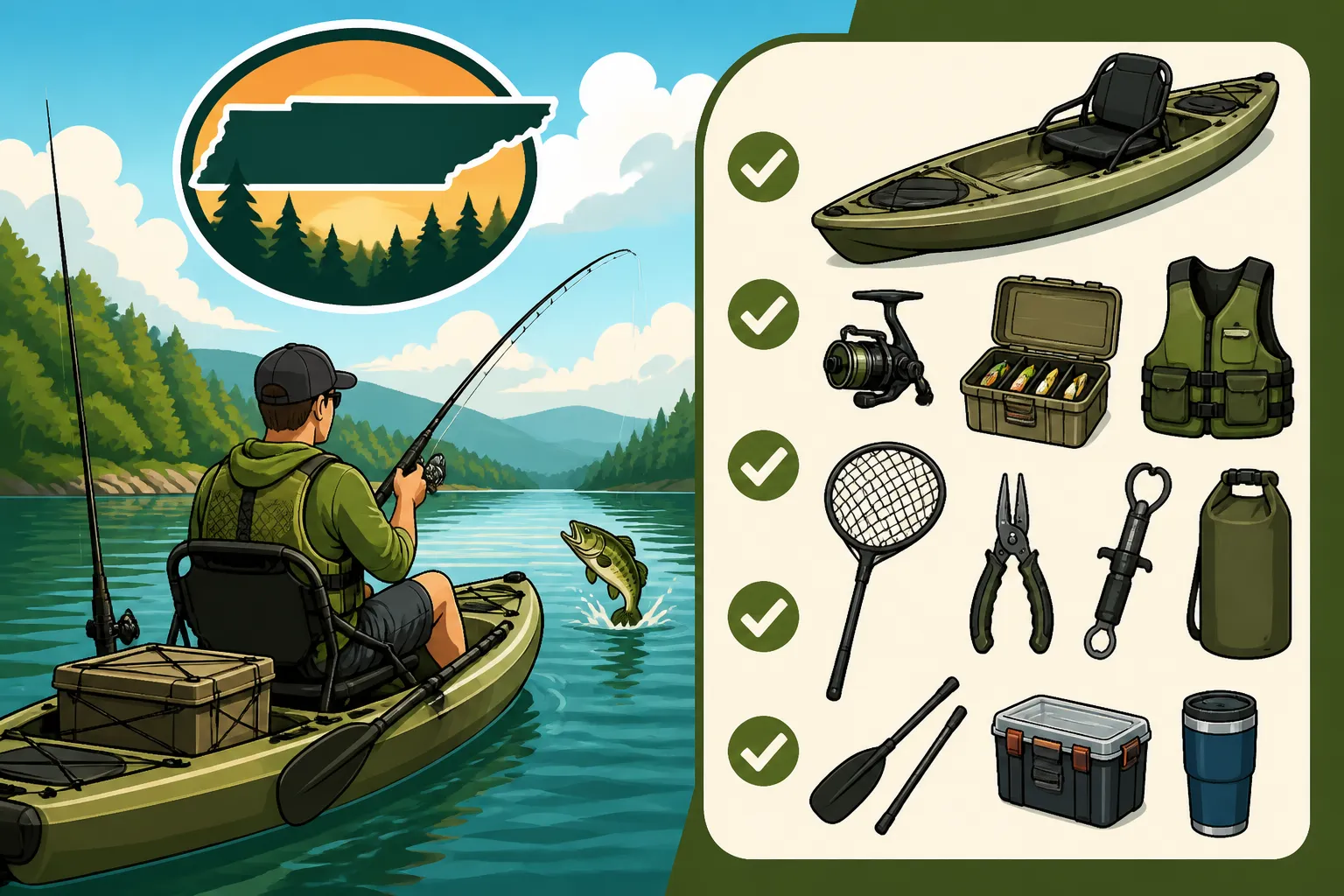
| Gear Category | Key Considerations for Kayak Fishing | Why It's Important |
|---|---|---|
| Kayak | Stability, length, weight capacity, SOT design | Safety, comfort, performance, transport |
| Paddle/Pedals | Lightweight, correct length, backup paddle | Efficient propulsion, reduced fatigue, safety |
| PFD (Life Jacket) | Comfort, fit, fishing-specific features | Essential safety, legal compliance |
| Rods | Shorter length (6-7ft), appropriate action | Maneuverability, ease of casting, durability |
| Reels | Smooth drag, corrosion resistance | Fish fighting, longevity |
| Line | Strength, sensitivity, abrasion resistance | Hooking & landing fish, feeling bites |
| Tackle Storage | Compact, waterproof, accessible | Organization, preventing loss, quick changes |
Safety, Navigation, and Comfort Essentials
Being prepared for anything on the water goes beyond just catching fish. Your safety and comfort are paramount, ensuring that every trip is enjoyable and stress-free.
Navigational Tools and Anchor Systems
Even on familiar waters, conditions can change rapidly, and having a basic understanding of navigation is critical. For beginners, a simple smartphone GPS app or a handheld GPS unit can be invaluable for marking fishing spots, tracking your path, and finding your way back to the launch. If you're planning on exploring larger bodies of water like Watts Bar Lake, a dedicated fish finder with GPS capabilities can offer much more detailed mapping and sonar, helping you locate structure and fish.
Anchoring systems are crucial for holding your position in current or wind, allowing you to effectively fish a specific spot. Kayak anchors are typically smaller and lighter than traditional boat anchors. Options include simple grapnel anchors for rocky bottoms, drag chains for muddy or grassy areas, or even specialized stake-out poles for shallow water. An anchor trolley system is a game-changer for kayak anglers; it allows you to easily deploy and retrieve your anchor from either the bow or stern of your kayak, without having to reach over the side and risk tipping. This control over your boat's position, especially in current, can drastically improve your fishing success. You can also look into Best Kayak Anchors for River Fishing for more specific recommendations for Tennessee's moving waters.
Critical Safety Gear Beyond the PFD
While your PFD is number one, a few other items are non-negotiable for safety. Always carry a whistle (often integrated into PFDs) to signal for help, as your voice won't carry far on the water. A visible safety flag mounted on your kayak makes you much more noticeable to larger boats, especially in areas with heavy traffic or low light conditions. For early morning or late evening trips, navigation lights are legally required and crucial for visibility.
A basic first-aid kit is also a must-have. You're out in the elements, handling hooks, knives, and potentially sharp fish. Small cuts, punctures, or scrapes are common, and having bandages, antiseptic wipes, and pain relievers on hand can make a big difference. Pack it in a waterproof bag or container. Additionally, consider a waterproof cell phone case or a marine-band VHF radio for emergency communication, especially if you're venturing far from shore or fishing in remote areas. Even something as simple as a small flashlight or headlamp can be invaluable if you get caught out later than expected. It's about being prepared for the unexpected, so you can focus on the fishing. Essential Safety Gear Checklist Before a Tennessee Fishing Trip can give you an even more comprehensive look at what to pack.
Comfort Considerations for Long Days
Fishing from a kayak often means long hours in a seated position, and discomfort can quickly ruin a good day. One of the best upgrades you can make to any beginner kayak is an aftermarket seat. Many stock kayak seats offer minimal padding and support. A good padded seat with back support can dramatically increase your comfort, allowing you to stay on the water longer and focus on fishing instead of fidgeting.
Sun protection is another critical element, especially during Tennessee's long, sunny summers. Wear a wide-brimmed hat, polarized sunglasses (essential for spotting fish and structure, and protecting your eyes from hooks), and long-sleeved, breathable UV-protective clothing. Don't forget high-SPF sunscreen for any exposed skin. Hydration is also key; bring plenty of water or sports drinks, especially on warm days. A small cooler that fits within your kayak's storage space is perfect for keeping drinks, snacks, and perhaps your catch chilled. Being proactive about comfort will make your kayak fishing experiences much more enjoyable and sustainable.
Specialized Accessories for Enhanced Experience
Once you've got the basics down, a few specialized accessories can truly elevate your kayak fishing experience, making it more efficient and productive.
Rod Holders and Mounts
One of the first things you'll realize when kayak fishing is that you only have two hands! This is where rod holders come in. They allow you to safely store extra rods, troll a lure while paddling, or simply set your rod down while you're tying a knot, taking a picture, or dealing with a fish. There are several types: flush-mount holders are integrated directly into the kayak, while track-mount or rail-mount holders attach to accessory tracks or rails on your kayak, offering adjustability.
For beginners, adjustable rod holders that can pivot and tilt are highly recommended. These allow you to fine-tune your rod's position for trolling or simply holding it at a comfortable angle while you drift. Brands like Scotty and Ram Mounts offer robust and versatile rod holders that can be installed on most kayaks. Make sure any rod holder you choose is strong enough to handle a fish striking your trolled bait without breaking or pulling out of its mount. Having a couple of good rod holders frees up your hands and keeps your valuable rods secure, reducing the risk of them going overboard.
Catch Management: Coolers and Stringers
So you’ve caught a keeper! Now what? Proper catch management is important for keeping your fish fresh if you plan to eat them. For panfish or smaller species, a simple stringer is often sufficient. You can thread the fish onto the stringer and let them hang in the water off the side of your kayak, keeping them alive and cool. However, for larger fish like bass or catfish, or if you're fishing in warm water, a small cooler is a much better option.
A soft-sided cooler that fits in your tankwell (the open storage area behind your seat) or even a small hard cooler will keep your catch iced down and fresh until you get back to shore. Some anglers prefer a dedicated "fish bag" that is insulated and designed to fit the contours of a kayak. Don't forget a fish measuring board, as many Tennessee lakes have specific size limits, particularly for species like bass and crappie. Knowing if your fish meets the legal length before keeping it is crucial. Tennessee Fishing Season and Catch Limits is an essential read to understand these rules.
Electronic Essentials for Kayak Anglers
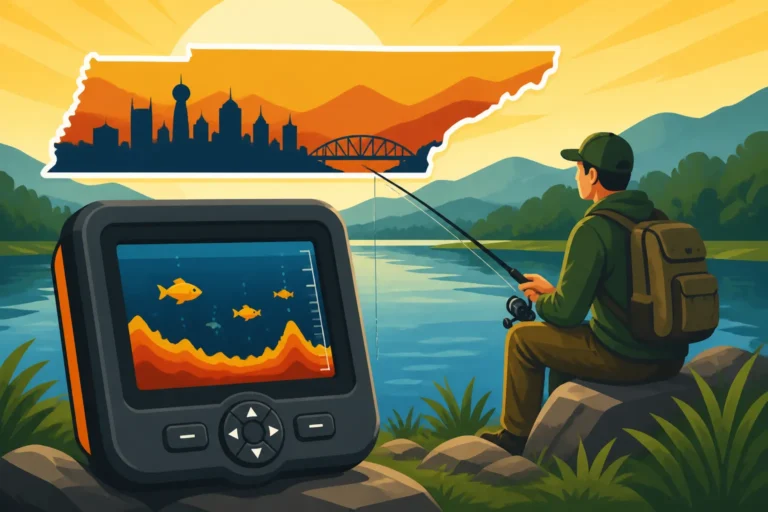
While not strictly "essential" for a beginner's first outing, a fish finder can dramatically improve your success once you get comfortable with the basics of kayak handling and casting. Modern fish finders are compact, powerful, and relatively easy to install on a kayak. They use sonar to show you what’s beneath the surface: depth, underwater structure (like submerged trees or rock piles), and even individual fish. This technology helps you identify productive areas and understand why fish might be holding in certain spots.
For beginners, a simple unit with down-imaging can be a fantastic tool for learning to "read" the water and identify potential hotspots. As you advance, side-imaging or GPS capabilities can provide even more detail and help you navigate. Powering these electronics typically involves a small 12V sealed lead-acid or lithium-ion battery, which needs to be securely stored in a waterproof enclosure. Installing a fish finder is a project in itself, involving transducer mounting and wiring, but it’s a rewarding one that pays dividends in fish caught. You can find many portable and kayak-specific fish finders at outdoor stores or online retailers like Amazon. Best Fish Finders for Tennessee Reservoir Fishing offers some excellent insights into what to look for.
Embarking on your kayak fishing journey in Tennessee is an exciting adventure. By focusing on these essential gear categories—your kayak and propulsion, fishing tackle, safety equipment, and comfort items—you’ll be well-prepared for memorable days on the water. Don't feel pressured to buy everything at once; start with the basics, learn what works for you, and gradually add specialized gear as your skills and confidence grow. The beauty of kayak fishing is its simplicity and ability to connect you with nature in a unique way.
Disclaimer
This article is for general informational purposes only and does not constitute professional advice. Laws, prices and regulations vary by location and change over time. Consult a qualified professional for guidance on your specific situation.