Best Rod and Reel Combo for Beginners
Starting your fishing journey can feel a bit overwhelming, can't it? You walk into a tackle shop or browse online, and suddenly you're faced with what feels like a thousand different rods, reels, lines, and lures. It's easy to get lost in the jargon and expensive choices, making you wonder if you'll ever even cast a line. But don't you worry, because this comprehensive guide is all about simplifying that initial step for new anglers, helping you discover the best rod and reel combo that will get you out on the beautiful waters of Tennessee without breaking the bank or your brain.
Why a Combo is the Perfect Starting Point for New Anglers
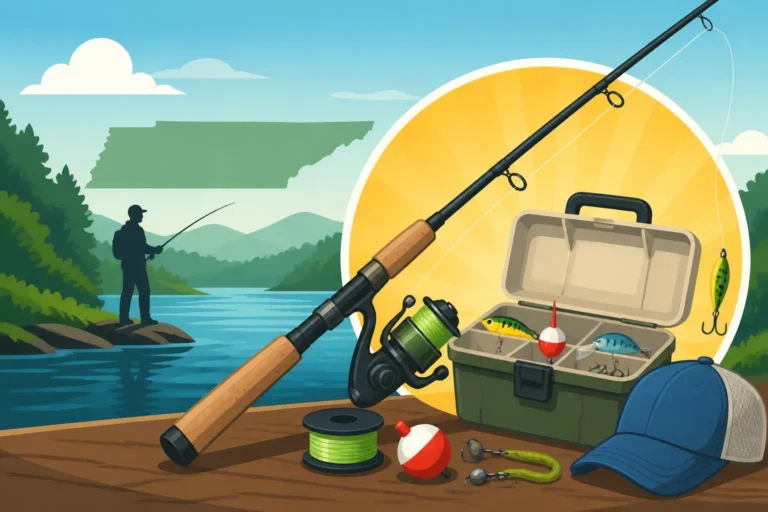
When you're first getting into fishing, the sheer number of options can be paralyzing. Do you need a fast action rod or a moderate one? What's the difference between a spinning reel and a baitcaster? It's enough to make anyone want to just give up before they even start. That's where a good rod and reel combo truly shines for beginners. It takes all the guesswork out of pairing components, giving you a balanced setup that's ready to go right out of the box.
Simplicity and Convenience
Think about it: a combo comes pre-matched, meaning the rod and reel are designed to work together harmoniously. You don't have to worry about whether the reel seat on the rod matches the reel's foot, or if the rod's power is appropriate for the reel's capacity. All those technical specifications are handled for you by the manufacturers. You get one package, often pre-spooled with line, which means less time researching and more time actually fishing. It's about getting you past the gear hurdle quickly and effortlessly, so you can focus on the fun part: learning to cast, feeling that first bite, and enjoying the tranquility of the water. This convenience is a huge factor, especially when you're just dipping your toes into the world of angling and want to avoid unnecessary complications.
For instance, imagine you're planning a weekend trip to Percy Priest Lake near Nashville or one of the many fantastic smaller ponds in a state park. With a ready-to-go combo, you can literally pick it up, tie on a hook and some bait, and start fishing. There's no fumbling with tools to attach a reel or trying to figure out if your newly purchased reel is too heavy or too light for your rod. It’s all integrated, simplifying your preparation significantly. This plug-and-play approach minimizes the intimidation factor, making fishing far more accessible to everyone.
Cost-Effectiveness
Let's be honest, fishing can become an expensive hobby. Buying a high-end rod and a top-of-the-line reel separately can quickly add up to hundreds of dollars, sometimes even more. For someone who isn't sure if fishing will become a lifelong passion or just a casual pastime, that's a big investment to make upfront. Rod and reel combos are almost always significantly more affordable than buying their components individually. Manufacturers can offer these bundled deals because they produce them in larger volumes and streamline the process.
This cost-saving aspect is incredibly valuable for beginners. It allows you to get a functional, reliable setup for a fraction of the price of custom-matched gear. You can find excellent beginner combos from reputable brands like Ugly Stik or Penn at stores like Bass Pro Shops or even online at Amazon for a very reasonable amount. This means you can get started without feeling like you've had to empty your wallet, leaving more budget for things like bait, tackle, and maybe even your Tennessee Fishing License Costs and Types. Plus, if you discover fishing isn't quite for you, or if you decide to upgrade later, you haven't sunk a massive amount of money into your first setup. It's a low-risk way to explore a new hobby.
Learning the Ropes with Basic Gear
Starting with a basic, user-friendly combo allows you to concentrate on fundamental fishing skills rather than being distracted by complex gear adjustments. Think about it like learning to drive a car: you don't start with a high-performance sports car; you start with something simple that lets you focus on steering, braking, and understanding traffic laws. In fishing, that means mastering your cast, learning to feel subtle bites, understanding how to set the hook, and properly fighting a fish. These core skills are universal, regardless of how fancy your gear gets later on.
A simple combo, typically a spinning rod and reel, is incredibly forgiving. It's less prone to tangles and backlashes compared to baitcasting reels, which have a steeper learning curve. This ease of use fosters confidence and reduces frustration, which is paramount for new anglers. You'll spend less time untangling knots and more time actually fishing, increasing your chances of success and enjoyment. Once you've got these basics down, you can then consider if you want to explore more specialized gear for specific species or techniques, like a heavier setup for catfish on the Tennessee River or a dedicated fly rod for trout in the Smokies. You can always upgrade later, but a solid foundation is built with simplicity.
Key Considerations When Choosing Your First Combo
Alright, so you're on board with the combo idea! Fantastic. Now, how do you actually pick one with all the options out there? It's not as simple as grabbing the first one you see, but it's also not rocket science. A few key factors will help narrow down your choices and ensure you get a combo that suits your initial needs and the kind of fishing you'll be doing here in Tennessee.
Species You'll Target: Bass, Crappie, or Trout
Tennessee boasts an incredible diversity of fish species, and your target fish will heavily influence the type of combo you need. A rod and reel combo designed for delicate panfish won't cut it for a hard-fighting largemouth bass, and a heavy catfish setup would be overkill for a brook trout.
-
Largemouth & Smallmouth Bass: If you're chasing bass in lakes like Chickamauga or Kentucky Lake, you'll want a versatile setup that can handle various lures and fish sizes. Bass are strong fighters and can grow quite large. A medium-power, fast-action spinning combo around 6'6" to 7' feet long is often an excellent starting point. This will give you enough backbone to cast heavier lures and control a bass, while still being sensitive enough to detect bites. Consider looking into something that can handle a 8-12 lb test line, which is a good all-around choice for bass. When learning Bass Fishing Techniques for Beginners, having appropriate gear makes a world of difference in your success.
-
Crappie & Panfish (Bluegill, Sunfish): For smaller, yet incredibly fun, fish like crappie, bluegill, and various sunfish, you'll need a much lighter and more sensitive setup. These fish often have subtle bites, and light line is key to getting them to strike. An ultralight or light-power spinning combo, typically 5' to 6'6" in length, is ideal. This allows for lighter line (2-6 lb test) and smaller jigs or live bait presentations. You'll feel every twitch and tap with this kind of sensitive rod. How to Catch Bluegill for Beginners often involves such light setups, making the experience more enjoyable and successful.
-
Trout: If your heart is set on trout fishing in the cold, clear streams of the Great Smoky Mountains or other stocked waters, you'll also gravitate towards lighter gear. Similar to panfish, trout can be spooky and require delicate presentations. An ultralight spinning combo around 5' to 6' feet with 2-6 lb test line is perfect. You'll often be using very small spinners, spoons, or live bait. Remember, Tennessee Trout Limits and Season Rules can vary by water, so always check before you go. Having the right, sensitive rod will greatly enhance your ability to detect those light trout bites and enjoy the fight of these beautiful fish.
Rod Power and Action
These two terms are crucial in describing a fishing rod's capabilities, and understanding them will help you pick the right combo. Don't worry, they're not as complicated as they sound!
-
Rod Power refers to the lifting strength or stiffness of the rod. It's usually categorized as Ultralight, Light, Medium-Light, Medium, Medium-Heavy, Heavy, and so on.
- Ultralight/Light: These rods are very flexible and bend easily. They're perfect for casting very light lures and baits, and for feeling the subtle bites of smaller fish like crappie, bluegill, and trout. They make even a small fish feel like a trophy, adding to the fun for beginners.
- Medium/Medium-Light: This is the sweet spot for many beginners in Tennessee. A medium-power rod is versatile enough to handle a decent range of lure weights and is capable of fighting common sport fish like bass, catfish, and larger panfish. It's a great all-around choice if you're not sure exactly what you'll be targeting most often.
- Medium-Heavy/Heavy: These rods are much stiffer and designed for casting heavy lures, handling thick cover, and fighting big, powerful fish like trophy bass or large catfish. While good for specialized applications, they might be overkill and less sensitive for general beginner fishing.
-
Rod Action describes where the rod bends when pressure is applied to the tip.
- Fast Action: The rod bends mostly in the tip section. This provides excellent sensitivity, allowing you to feel even the lightest bites. It also offers quick hook sets and good casting accuracy. Many bass anglers prefer fast action rods.
- Moderate Action (or Medium Action): The rod bends through the upper half to two-thirds of the blank. This provides a good balance of sensitivity and flexibility, making it more forgiving for casting and fighting fish. It's often a great choice for beginner combos as it's versatile.
- Slow Action: The rod bends throughout its entire length, almost like a noodle. These are less common for general freshwater fishing but are excellent for casting very light lures or protecting light lines with powerful fish.
For most beginners, a Medium-power, Moderate-Fast or Fast-action rod is an excellent starting point for general fishing. If you know you'll be focusing solely on small panfish or trout, then an Ultralight or Light-power, Fast-action combo would be more appropriate.
Reel Size and Gear Ratio
The reel is just as important as the rod, and understanding its size and gear ratio will further refine your combo choice.
-
Reel Size: Spinning reels are typically numbered in sizes like 1000, 2000, 2500, 3000, 4000, and so on. The higher the number, the larger the reel, meaning it can hold more line and usually has a stronger drag system.
- 1000-2500 Size: These are smaller reels, ideal for ultralight and light rods, perfectly matched for panfish, crappie, and trout. They balance well on shorter, lighter rods.
- 2500-3500 Size: This range is often considered the most versatile for general freshwater fishing in Tennessee. They balance well with medium-light to medium-power rods and can handle bass, crappie, and even smaller catfish. This is a fantastic starting point for most beginners.
- 4000+ Size: Larger reels meant for heavier applications, like big catfish or striped bass. While powerful, they might be too bulky and heavy for a beginner's all-around combo.
-
Gear Ratio: This number tells you how many times the spool turns with one full rotation of the reel handle. For example, a 6.2:1 gear ratio means the spool turns 6.2 times for every single turn of the handle.
- Lower Gear Ratios (e.g., 5.0:1 to 5.5:1): These are "slower" reels, meaning you retrieve line at a slower pace. They're excellent for lures that you want to work slowly, like some crankbaits or spinnerbaits, or for fighting large, powerful fish where torque is more important than speed. Many beginner combos will feature a moderate gear ratio in this range.
- Higher Gear Ratios (e.g., 6.0:1 to 7.0:1+): These are "faster" reels, retrieving line more quickly. They're great for quickly taking up slack line, working fast-moving lures, or making multiple casts in a short period. While useful, for a beginner, a moderate speed reel is usually more forgiving and suitable for a wider range of techniques.
For your first combo, a 2500-3000 size spinning reel with a gear ratio between 5.0:1 and 6.2:1 is a very safe and effective bet for all-around fishing in Tennessee. This provides a good balance of line capacity, drag power, and retrieve speed for various situations.
Line Type and Test
The fishing line is your direct connection to the fish, and choosing the right one for your beginner combo can make a big difference. Most beginner combos come pre-spooled with monofilament line, which is great for starting out.
-
Monofilament (Mono): This is the most common and forgiving line for beginners.
- Pros: It's relatively inexpensive, easy to tie knots with, has good stretch (which acts as a shock absorber, helping prevent hooks from tearing out of a fish's mouth), and is very manageable on a spinning reel, reducing tangles. It also floats, which can be useful for topwater presentations.
- Cons: It has more memory (meaning it retains the shape of the spool, leading to coils), can be more visible in clear water, and is less sensitive than other line types.
- Recommendation for Beginners: Start with 6-10 lb test monofilament on a medium-power combo. For ultralight setups targeting panfish or trout, 4-6 lb test mono is perfect.
-
Fluorocarbon (Fluoro): This line is nearly invisible underwater, very sensitive, and sinks.
- Pros: Excellent for clear water conditions and feeling subtle bites. Good abrasion resistance.
- Cons: Less stretch than mono, can be more expensive, and has more memory, making it a bit trickier for beginners to manage on a spinning reel without tangles. It's often used as a leader attached to braided line by more experienced anglers.
-
Braided Line (Braid): Extremely strong for its diameter, very sensitive, and has virtually no stretch.
- Pros: Incredible casting distance, strength, and sensitivity. Great for fishing in heavy cover.
- Cons: Very visible underwater, more expensive, can be difficult to tie knots with, and can cut into reel components if not spooled correctly. Not typically recommended for absolute beginners directly on the reel, though it can be used with a fluorocarbon leader by those who've mastered basic casting.
For your very first rod and reel combo, stick with monofilament. It's the most forgiving and easiest to learn with. You can always experiment with other lines as you gain experience. The Best Rod and Reel Combo for Beginners will almost always come with mono already on it.
Recommended Types of Combos for Tennessee Fishing
With so many choices out there, it’s helpful to understand the most common types of combos you’ll encounter and which ones are best suited for a beginner angler hoping to fish Tennessee’s diverse waters. Generally, we’re talking about spinning, spincast, and ultralight setups. Each has its own strengths and situations where it truly shines, but for ease of use, spinning combos usually take the cake.
Spinning Combos: The All-Around Workhorse
If there's one type of fishing combo that I recommend above all others for beginners, it's the spinning combo. This setup is incredibly versatile, relatively easy to learn, and can handle a wide variety of fish species and fishing techniques you'll encounter in Tennessee. Whether you're casting small jigs for crappie in Watts Bar Lake or tossing a spinnerbait for bass in Old Hickory, a good spinning combo can get the job done. The reel is mounted underneath the rod, and the line comes off the stationary spool in coils, which reduces friction and allows for easy casting of lighter lures.
The key benefits of a spinning combo for a beginner include its forgiving nature. Backlashes, those frustrating bird's nests of tangled line that can plague baitcasting reels, are almost non-existent with a spinning reel. This means less time fussing with your gear and more time actually fishing, which is exactly what a new angler needs. You can easily switch between different types of lures and baits, from live worms under a bobber to small artificial lures, making it ideal for exploring various fishing styles without needing multiple specialized setups right away. You’ll find plenty of quality spinning combos at stores like Bass Pro Shops, or readily available on Amazon, often pre-spooled with monofilament line, making them truly ready to hit the water.
When picking a spinning combo, look for a medium-power rod, usually 6'6" to 7' in length, paired with a 2500-3000 size spinning reel. This will give you the flexibility to chase many different fish across Tennessee's lakes and rivers. This setup is a fantastic starting point for almost any freshwater fishing scenario you can imagine, from small pond fishing to larger reservoir adventures. It's truly the "swiss army knife" of beginner fishing gear.
Spincast Combos: Ultimate Simplicity
For absolute, absolute beginners, especially children or those who struggle with fine motor skills, a spincast combo offers the ultimate in simplicity. You've probably seen these reels before – they have a push-button on the back and an enclosed nose cone. To cast, you simply press and hold the button, make your casting motion, and release the button. It’s incredibly straightforward, making it the easiest type of reel to master.
The primary advantage of a spincast combo is its user-friendliness. There's almost no learning curve involved in casting, which can be a huge confidence booster for someone just starting out. It virtually eliminates tangles and backlashes, making the fishing experience less frustrating and more enjoyable right from the first cast. This makes it a popular choice for introducing kids to fishing on places like Bobby Wilson Free Fishing Day or during Tennessee's Free Fishing Week for Kids.
However, this simplicity comes with a few trade-offs. Spincast reels typically have less casting distance, less drag power, and less overall durability compared to spinning reels. They are also less sensitive and often limited to lighter lines and lures. While perfect for small panfish and casual outings, a spincast combo might feel underpowered or less responsive if you decide to target larger bass or want to experiment with more advanced techniques. If your goal is truly just to get a line in the water with minimal fuss, then a spincast combo is an excellent, budget-friendly option to consider. It’s perfect for those initial family trips to a local pond.
Ultralight Combos: For Panfish and Trout
If you know right from the start that your passion lies in pursuing smaller, spirited fish like crappie, bluegill, or the beautiful trout found in Tennessee's mountain streams, then an ultralight combo is your best friend. These setups are specifically designed for maximum sensitivity and fun with lighter catches. An ultralight rod is very flexible, often between 5 and 6.5 feet in length, and it's paired with a small, lightweight spinning reel (typically a 1000 or 2000 size).
The main benefit of an ultralight combo is the sheer enjoyment it brings to catching smaller fish. Even a 6-inch bluegill feels like a trophy on an ultralight setup, providing an exciting fight due to the rod's extreme bend and responsiveness. The sensitive tip allows you to detect the most subtle bites, which is crucial when fishing for wary trout or finicky panfish. It also excels at casting very light lures and baits, such as tiny jigs, small spinners, or a simple worm under a bobber. For specific areas like the Clinch River for trout, or smaller ponds around Knoxville for bluegill, this combo is truly ideal. You'll find that many anglers who enjoy Fly Fishing Basics for Trout also appreciate the delicate touch an ultralight spinning combo offers.
While ultralight combos are a blast for their intended purpose, remember their limitations. They are not designed for heavy lures, strong currents, or battling large, powerful fish. Trying to land a big bass or catfish on an ultralight setup can be a real challenge and risks breaking your gear. However, if your vision of a perfect fishing day involves a quiet stream or a calm pond, targeting plentiful, smaller fish, then an ultralight combo is a fantastic and rewarding choice that makes every catch an adventure.
| Combo Type | Best For | Ease of Use | Typical Power/Action | Common Target Fish in TN | Pros | Cons |
|---|---|---|---|---|---|---|
| Spinning | All-around freshwater, diverse techniques | Easy | Medium Power, Moderate-Fast | Bass, Crappie, Catfish, Panfish | Versatile, good casting, few backlashes, good sensitivity | Slightly steeper learning curve than spincast |
| Spincast | Absolute beginners, kids, ultimate simplicity | Very Easy | Light to Medium-Light Power | Panfish, Small Bass | Easiest to cast, virtually no tangles, very forgiving | Limited casting distance, less durable, lower drag power, less versatile |
| Ultralight | Panfish, Trout, small stream fishing | Easy | Ultralight Power, Fast Action | Crappie, Bluegill, Trout | Max sensitivity, makes small fish fun, great for light lures | Not for large fish, easily overpowered, can break with heavy use |
Setting Up and Caring for Your First Combo
So you've chosen your perfect beginner combo – congratulations! But getting the gear is only half the battle. To ensure your first fishing experiences are successful and that your combo lasts for many seasons, proper setup and basic maintenance are key. Don't worry, it's not complicated, and once you learn these few steps, you'll be set.
Spooling Your Line Properly
Most beginner combos come pre-spooled with line, which is a huge convenience. However, if yours doesn't, or when it's time to replace the line (which you should do at least once a season, maybe more if you fish frequently), knowing how to spool it properly is essential. Incorrectly spooled line can lead to tangles, poor casting, and frustration.
Here's a simple way to do it for a spinning reel:
- Place the Spool: Put the new spool of line on the floor, label side up, so it can freely rotate. Some people put a pencil through the spool and have someone hold it, or you can simply set it on a bucket. Crucially, pay attention to which way the line comes off the new spool. If it's coming off clockwise, you want it to go onto your reel spool clockwise as well to avoid line twist.
- Tie to the Reel: Open the bail of your spinning reel. Take the end of the line and tie an arbor knot or a simple overhand knot around the reel spool. Make sure it's snug.
- Start Reeling: Close the bail. Start reeling slowly, keeping light tension on the line with your non-reeling hand. As you reel, watch the line going onto your reel spool. If it's twisting badly (coiling up as it goes on), flip the bulk spool of line over on the floor and continue reeling. You want the line to lay flat and evenly on your reel spool, without loops or excessive coiling.
- Fill to the Lip: Fill the spool until the line is about 1/8 to 1/4 inch from the outer edge of the spool. Overfilling will lead to tangles, and underfilling will reduce casting distance.
- Test for Twist: Once spooled, pull out about 10-15 feet of line and let it hang loosely. If it twists or coils significantly, you might have too much line twist. You can try letting it trail behind a boat for a few minutes or cutting off a portion and respooling. A properly spooled reel is the foundation for good casting.
Basic Knots to Learn
You don't need to know dozens of fishing knots, but mastering a couple of reliable ones is absolutely necessary. These two will get you through almost any beginner scenario.
-
The Improved Clinch Knot: This is your go-to knot for tying line to hooks, lures, and swivels. It's strong and relatively easy to learn. There are tons of instructional videos online, but the basic steps involve threading the line through the eye, twisting the tag end around the standing line a few times, passing the tag end back through the loop near the eye, and then through the larger loop created by the twist. Wet the line before tightening, and pull both ends firmly. This knot is reliable for most light to medium fishing applications and will become second nature with a little practice. You'll use it constantly, so get comfortable with it!
-
The Palomar Knot: Often considered one of the strongest and easiest knots to tie, especially with braided or fluorocarbon lines, but it works great with monofilament too. It's particularly good for tying on lures and hooks with a larger eye. The steps are simple: fold about 6 inches of line to create a loop, pass the loop through the eye of the hook/lure, tie a simple overhand knot with the doubled line (don't tighten yet), pass the hook/lure through the loop, wet the line, and pull tight. This knot retains nearly 100% of your line's breaking strength, giving you confidence when fighting a fish. For more detailed instructions, a quick search online will provide clear diagrams or video tutorials. Learning these two knots will serve you well for many years of fishing.
Routine Maintenance for Longevity
Taking a few minutes to care for your combo after each trip will drastically extend its lifespan and keep it performing smoothly. This isn't about complex repairs; it's about simple habits.
- Rinse After Use: Especially if you've been fishing in brackish or even slightly murky water, or if you've gotten some fish slime or dirt on your reel, a quick rinse with fresh water is crucial. Use a gentle stream from a hose, or wipe it down with a damp cloth. Never submerge your reel entirely or use a high-pressure spray, as this can force water into the gears and bearings. This step is particularly important if you ever fish in saltwater, which, while not common in Tennessee, is worth noting if you travel.
- Wipe Down the Rod: Wipe down the rod blank and guides with a damp cloth to remove any dirt, grime, or fish slime. Pay special attention to the guides, ensuring there's no grit that could abrade your line on the next outing.
- Loosen the Drag: After each fishing trip, loosen the drag on your spinning reel. Keeping the drag tightened puts constant pressure on the internal components and can compress the drag washers over time, leading to inconsistent performance. Just a few clicks loose is usually enough.
- Store Properly: Store your rod and reel combo in a dry place, away from direct sunlight and extreme temperatures. Avoid leaving it leaning against a wall where it can warp or fall. If possible, hang your rods or store them in a rack. Keep your line out of prolonged sunlight as UV rays can weaken it quickly.
- Check Your Line: Before each outing, run your fingers along your fishing line, especially the last few feet. Feel for nicks, abrasions, or rough spots. If you find any, cut back a few feet of line and re-tie your lure. This simple check can prevent a heartbreaking break-off when you hook a big one. For the best performance, many experienced anglers replace their monofilament line at least once a season.
By following these simple setup and maintenance tips, your first rod and reel combo will not only perform beautifully but will also last you through countless memorable fishing adventures across Tennessee. Enjoy your time on the water, and tight lines!
Disclaimer
This article is for general informational purposes only and does not constitute professional advice. Laws, prices and regulations vary by location and change over time. Consult a qualified professional for guidance on your specific situation.