Bass Fishing Techniques for Beginners
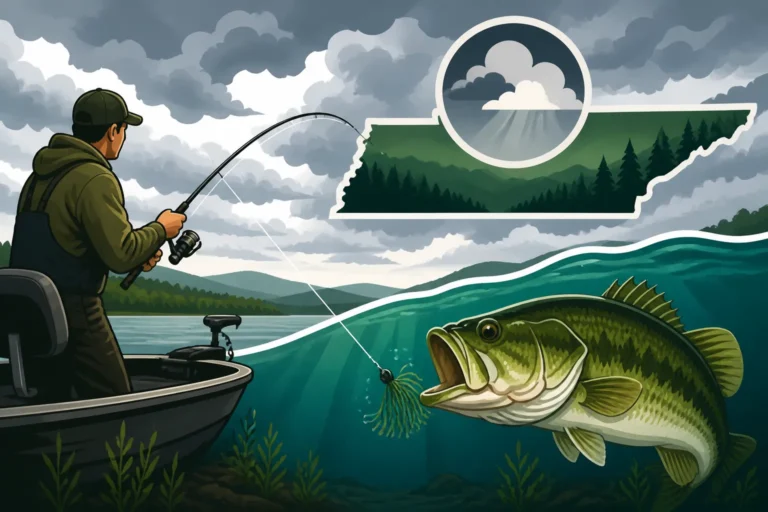
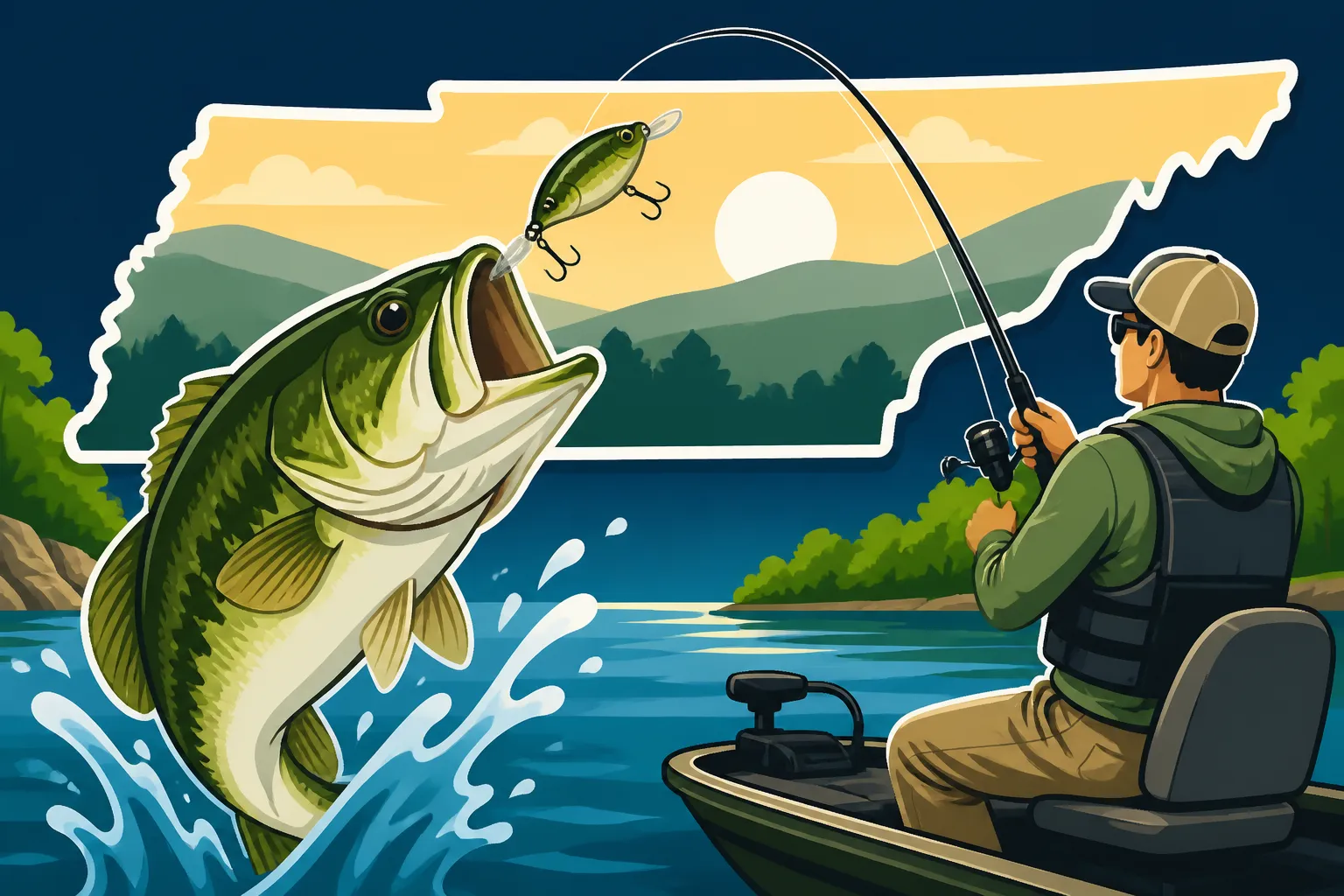
Many aspiring anglers dream of reeling in a trophy bass, but the sheer volume of information out there – from complex lure choices to advanced fishing techniques – can feel incredibly overwhelming, leading to frustration before you even cast a line. It's easy to get discouraged when you don't know where to start or feel like you're constantly coming up empty-handed. This comprehensive guide is designed to cut through the noise, providing clear, actionable bass fishing techniques specifically for beginners looking to find success on Tennessee's abundant waters.
Understanding the Bass You're Chasing
Before you even think about buying gear, it's really helpful to understand the target: bass. In Tennessee, you'll primarily encounter a few key species, each with its own quirks and preferred habitats. Knowing a little about them will give you a huge advantage, helping you decide where to fish and what to throw. It’s not about becoming a marine biologist overnight, but grasping the basics makes a big difference.
The Different Bass Species in Tennessee
Tennessee is a fantastic state for bass fishing because of the diversity of species we have. The main players you'll be looking for are Largemouth Bass, Smallmouth Bass, and Spotted Bass. Each one, while sharing some general characteristics, has distinct preferences that can guide your approach. For a complete deep dive into all the species, you might want to check out our guide on A Complete Guide to Tennessee Bass Species.
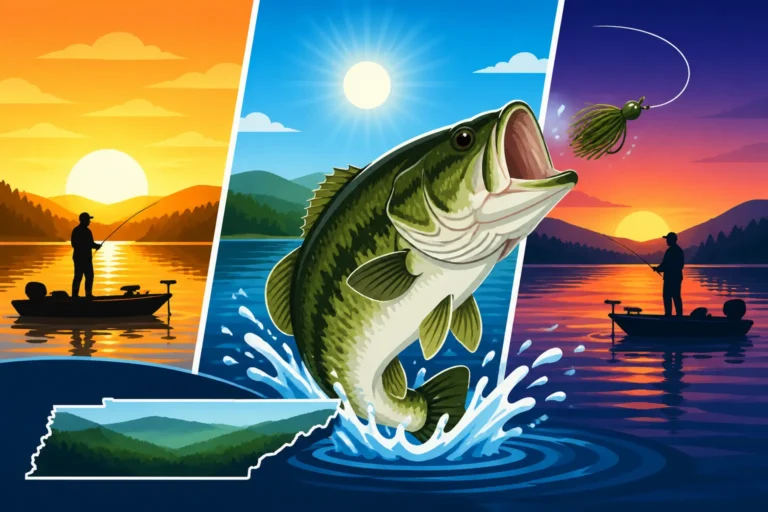
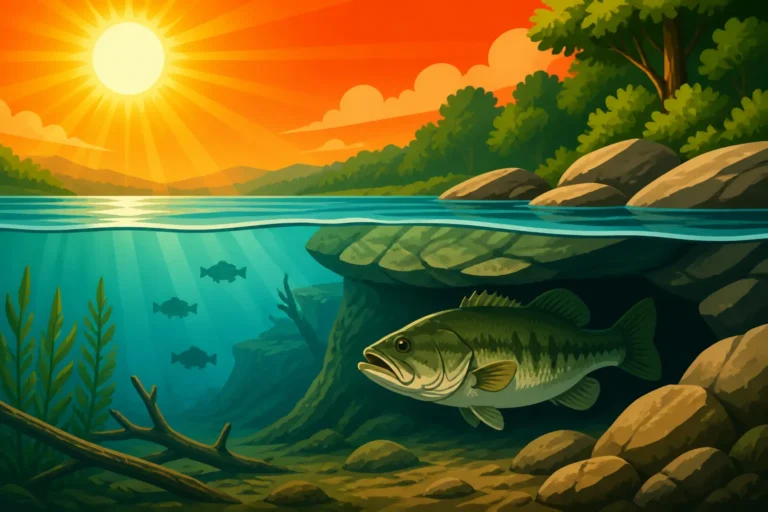
Largemouth bass are probably what most people picture when they think of bass fishing. They love warmer, shallower waters with lots of cover – think lily pads, submerged timber, docks, and thick weeds. They have a distinct dark stripe along their sides, and their jaw extends past their eye when their mouth is closed. These fish are ambush predators, often hiding in cover and darting out to strike unsuspecting prey. They are incredibly popular to target, and you'll find them in nearly every major reservoir and pond across the state, from West Tennessee's Reelfoot Lake to East Tennessee's Chickamauga Lake.
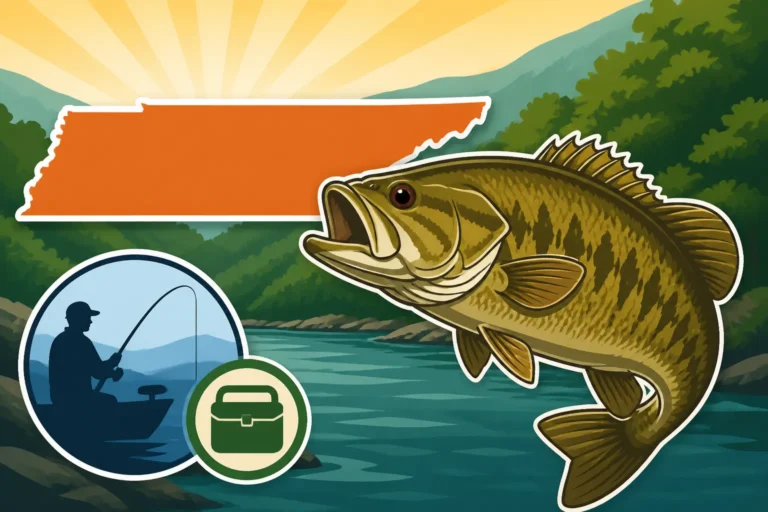
Smallmouth bass, often called "bronze backs," are Tennessee's official state fish for a good reason – they're fierce fighters and absolutely beautiful. Unlike their largemouth cousins, smallmouth prefer cooler, clearer water with rocky bottoms, ledges, and current. You'll often find them in deeper lakes and rivers, particularly in East and Middle Tennessee. Their jaw doesn't extend past their eye, and they typically have vertical bars or splotches on their sides rather than a horizontal stripe. Targeting smallmouth requires a slightly different approach, often focusing on structure in open water or along river bends. Lakes like Dale Hollow and Norris Lake are famous for their trophy smallmouth.
Spotted bass are a bit of a hybrid in terms of their preferences, often overlapping with both largemouth and smallmouth. They resemble largemouth but have smaller mouths (not extending past the eye) and distinctive rows of dark spots on their lower belly. They tend to prefer reservoirs with clear to moderately stained water, often inhabiting areas with both rock and scattered submerged cover. They're aggressive and can be found throughout many Tennessee reservoirs. Knowing the difference between these species will help you identify your catch and understand where to focus your efforts.
Where Bass Live: Habitat and Cover
Understanding where bass live is probably the single most important lesson a beginner can learn. Bass are structure-oriented fish; they like to relate to something in the water. This could be anything from a fallen tree to a rock pile or a boat dock. They use these features for ambush points, protection from predators, and often, for temperature regulation. Think like a bass: where would you hide if you were trying to catch a meal or avoid being one?
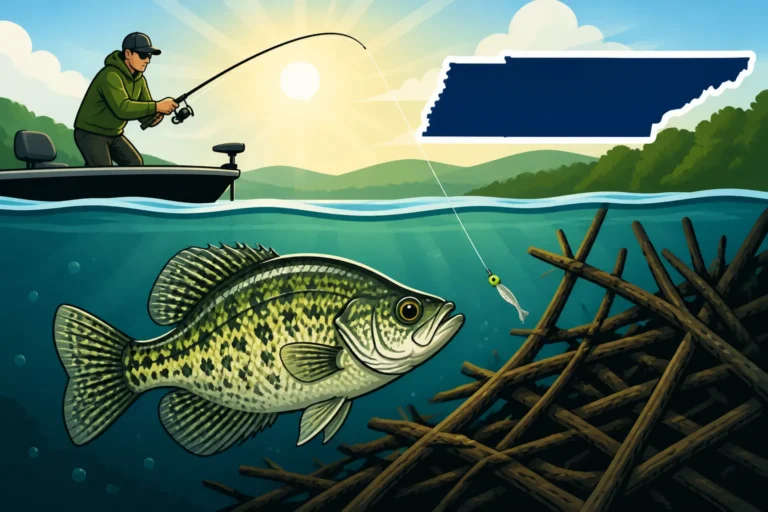
Cover refers to any natural or man-made object in the water that provides shelter for fish. This includes things like submerged grass beds, lily pads, fallen trees (also known as laydowns), brush piles, rock formations, and even man-made structures like boat docks, bridge pilings, and riprap banks. Largemouth bass especially love dense cover. If you see a thick mat of vegetation or a gnarly-looking tree submerged near the bank, there's a good chance a largemouth is lurking there. These areas provide shade, which is crucial in the hot Tennessee summers, and a perfect spot to ambush baitfish.
Structure, on the other hand, refers to changes in the lake or river bottom itself, such as points, humps, ledges, creek channels, and submerged roadbeds. While cover is often visible, structure is typically beneath the surface and requires electronics (like a fish finder, which you might consider as you advance) to locate. Smallmouth bass and spotted bass often relate more to these deeper, offshore structures, particularly in clearer waters. A sharp drop-off or a submerged hump can be a goldmine for these fish. For a beginner, focusing on visible cover near the shoreline is a great way to start, as it's easier to identify and target without specialized equipment.
Essential Gear for Starting Out
Don't let the vast array of fishing tackle out there intimidate you. You don't need a boatload of expensive gear to catch bass. In fact, keeping it simple is often the best approach for beginners. We’re going to focus on the absolute essentials – a reliable rod and reel, the right line, and a few versatile lures – that will get you on the water and catching fish without breaking the bank or feeling overwhelmed. Many of these items can be easily found on platforms like Amazon, offering convenience and a wide selection for every budget.
Choosing Your First Rod and Reel
For a beginner bass angler, a medium-heavy action spinning rod and reel combo is an excellent starting point. Why spinning gear? It's much more forgiving and easier to learn how to cast than baitcasting gear, which can lead to frustrating tangles (known as "bird's nests") for newcomers. A medium-heavy power means the rod has enough backbone to handle larger bass and cast a variety of lures, while "fast action" means the rod bends mostly at the tip, which is great for feeling bites and setting the hook quickly.
A good length for a beginner's rod is typically between 6'6" and 7'0". This length offers a good balance of casting distance and accuracy. For the reel, look for a spinning reel in the 2500-3000 size range. This size is versatile, balances well with a medium-heavy rod, and has enough line capacity for most bass fishing scenarios. Brands like Shimano, Daiwa, and Abu Garcia offer excellent entry-level combos that are durable and perform well. You can often find fantastic starter kits or individual pieces on Amazon that are perfectly suited for getting your feet wet without a huge investment.
When purchasing, always consider how the rod and reel feel in your hand. It should feel balanced and comfortable. If possible, visit a local tackle shop like Bass Pro Shops or Academy Sports + Outdoors to physically hold a few options before making a decision, even if you plan to buy online. A comfortable setup will make learning to cast and fish much more enjoyable, leading to less fatigue and more successful outings.
Understanding Fishing Line
The type of fishing line you use can make a big difference, but for beginners, let's keep it simple. There are three main types: monofilament, fluorocarbon, and braided line. Each has its pros and cons.
Monofilament (mono) line is an excellent choice for beginners. It's affordable, easy to tie knots with, and has a good amount of stretch, which can be forgiving when fighting a fish or setting the hook too hard. The stretch also helps prevent fish from pulling the hook out. However, mono is more visible in the water than other types and can be less sensitive, meaning it's harder to feel subtle bites. A good starting point would be 10-12 pound test monofilament line, which is strong enough for most bass but still manageable for casting.
Fluorocarbon line is virtually invisible underwater, offers great sensitivity, and has very little stretch, which means better hook sets. However, it's typically more expensive, can be stiffer, and might be a bit more challenging to tie knots with, especially for beginners. It's excellent for clear water situations where stealth is key. As you advance, you might consider fluorocarbon leaders (a short piece of fluorocarbon tied to your main line) even if you're using mono or braid as your main line.
Braided line is incredibly strong for its diameter, has zero stretch (maximum sensitivity), and casts a long way. The downside is that it's highly visible, can be difficult to cut, and can "dig in" on your reel if not spooled correctly. Many experienced anglers use braided line as their main line with a fluorocarbon or monofilament leader. For a beginner, I'd suggest starting with monofilament to learn the ropes. As you gain confidence, you can experiment with other lines. For now, a spool of 10-12lb monofilament will serve you well.
Top Lures for Beginner Bass Anglers
Here's where it can get really confusing, but it doesn't have to be. Instead of buying a tackle box full of every lure imaginable, focus on a few versatile options that are known to catch bass and are relatively easy to use.
Soft plastic worms, particularly a "Texas rig," are arguably the most effective and beginner-friendly bass lure. You'll need some straight-tail or curly-tail worms (6-10 inches), worm hooks (offset shank EWG hooks in 3/0 or 4/0 size), and bullet weights (1/8 to 1/4 ounce). The Texas rig is weedless, meaning it can be fished through heavy cover without snagging. Its subtle action appeals to bass even when they're not aggressively feeding. Colors like green pumpkin, junebug, and black/blue are perennial favorites.
Spinnerbaits are another excellent choice. They have one or two blades that spin and flash as they're retrieved, creating vibration and attracting bass from a distance. They are also relatively weedless and can be fished through sparse cover. A 3/8 or 1/2 ounce spinnerbait in white, chartreuse, or combinations of those colors with silver or gold blades is a great starting point. Just cast it out and reel it in at a steady pace.
Crankbaits are hard-bodied lures that dive to a certain depth when retrieved. They come in many shapes, sizes, and colors. For beginners, a medium-diving crankbait (one that dives 4-8 feet) in a natural shad or crawfish pattern is a solid bet. These lures are great for covering water and finding active fish. Be aware that they have exposed treble hooks, so they're more prone to snagging in heavy cover.
Jigs, specific types of lures like a "chatterbait" (often called bladed jigs), are also incredibly effective. They combine the flash of a spinnerbait with the action of a jig. These are usually fished with a soft plastic trailer (like a crawfish imitation). A 3/8 or 1/2 ounce chatterbait in green pumpkin or black/blue is a fantastic search bait and a proven bass catcher. You can find a wide assortment of all these essential lures and more on Amazon, allowing you to build your tackle box without having to visit multiple stores.
Here's a quick comparison of these beginner-friendly lures:
| Lure Type | Best Use Case | Retrieval Method | Pros for Beginners | Cons for Beginners |
|---|---|---|---|---|
| Soft Plastic Worm (Texas Rig) | Heavy cover, slow presentations, finicky fish | Drag, hop, or slowly reel along bottom | Weedless, versatile, subtle action, very effective | Can be slow, harder to detect subtle bites |
| Spinnerbait | Covering water, windy days, stained water | Steady retrieve, varied speeds | Casts easily, creates flash & vibration, relatively weedless | Less effective for deep or highly pressured fish |
| Crankbait | Covering water, targeting specific depths | Steady retrieve, occasional pauses | Covers water quickly, triggers aggressive strikes, good for current | Prone to snagging, exposed treble hooks |
| Chatterbait (Bladed Jig) | Covering water, vibrating action, versatile | Steady retrieve, stop-and-go | Strong vibration, mimics baitfish, can be very productive | Requires a trailer, can get snagged like a crankbait |
Reading the Water: Where Bass Hide
One of the biggest hurdles for new anglers is looking at a vast expanse of water and wondering, "Where do I even begin?" The good news is, bass don't just swim aimlessly. They are highly predictable once you understand their basic needs: food, cover, and comfortable water temperatures. Learning to "read the water" means identifying potential holding spots based on visible cues and understanding what might be happening beneath the surface.
Identifying Key Fishing Structures and Cover
As we touched on earlier, bass are drawn to structure and cover. For a beginner fishing from the bank or a small boat, focus on what you can see. Look for anything that breaks up the uniformity of the shoreline or the water's surface.
Visible Cover Near Shorelines:
- Fallen Trees (Laydowns) and Brush Piles: These are bass magnets. The branches offer shade, ambush points, and hideaways for baitfish. Cast your Texas-rigged worm or spinnerbait as close as possible to the branches without getting snagged.
- Docks and Piers: Man-made structures like boat docks provide overhead cover and shade. Bass will often hold under the pontoons or near the pilings, especially on sunny days. Pitch or skip a worm under docks for best results.
- Vegetation: Lily pads, cattails, submerged grass beds, and hydrilla offer excellent cover. Bass love to lurk in these green havens. For dense mats, a Texas rig is your best friend. For the edges, a spinnerbait or a chatterbait can work wonders.
- Riprap and Rocky Banks: These areas, often found near bridges, dams, or roadbeds, absorb heat and attract baitfish, making them prime spots for bass. Smallmouth, in particular, favor rocky environments. Crankbaits and spinnerbaits are great for covering these areas.
- Points and Coves: A "point" is any piece of land that juts out into the water. Bass often use points as travel routes or ambush spots, especially where a point drops into deeper water. Coves, being more protected, can hold baitfish and offer warmer water, especially in spring.
Remember, bass usually orient themselves to face outwards from cover, ready to ambush prey. So, when you cast, try to present your lure from different angles to entice a strike. Don't be afraid to cast parallel to a dock or a log, letting your lure follow the line of the cover.
Using Current and Depth to Your Advantage
While visible cover is a great starting point, understanding how current and depth influence bass behavior will elevate your game. This is especially true in Tennessee's river systems and large reservoirs like the Tennessee River or Watts Bar Lake, where current can be a significant factor.
Current: Moving water brings oxygen and baitfish, making current seams a hot spot for bass. Look for areas where moving water meets slack water – points, eddies behind large rocks or bridge pilings, and the mouths of creeks entering a larger river or lake. Bass will often sit just out of the main current, waiting for food to be swept by. Casting lures that mimic baitfish, like crankbaits or spinnerbaits, into the current and letting them drift into these seams can be incredibly effective. Even on still lakes, wind can create subtle currents, pushing baitfish into certain coves or against specific banks, so pay attention to wind direction.
Depth: Bass move up and down in the water column based on factors like water temperature, light conditions, and baitfish location. In warmer months, bass might seek deeper, cooler water during the heat of the day, moving shallower during dawn, dusk, or on cloudy days. In cooler months, they might hold deeper near structure. For a beginner, focus on shallow to medium depths (0-15 feet), especially near visible cover. As you become more comfortable, you can explore deeper presentations using weighted worms or jigs. When fishing a new spot, start by casting along the shallower edges and gradually work your way deeper until you find where the fish are holding. Understanding How Water Temperature Affects Fish Activity is a crucial skill as you progress.
Basic Techniques: Casting, Retrieving, Setting the Hook
Alright, you've got your gear, you've got some lures, and you know a bit about where bass might be hiding. Now it's time to actually fish! These fundamental techniques are your bread and butter as a beginner. Mastering them will give you the confidence to start catching fish consistently.
Mastering the Cast
A good cast isn't just about distance; it's about accuracy and control. For spinning gear, the overhead cast is the most common and easiest to learn.
- Grip and Stance: Hold the rod with your dominant hand, keeping your index finger on the line just above the reel. Face your target, feet shoulder-width apart, with the rod pointing slightly upwards.
- Open the Bail: Use your non-dominant hand to flip open the bail on your spinning reel. This allows the line to flow freely off the spool.
- Bring it Back: Bring the rod straight back over your shoulder, stopping when it's just past vertical (around 1 o'clock). Let the weight of the lure load the rod tip.
- Forward Snap: In one fluid motion, snap the rod forward towards your target. As the rod comes forward and reaches about 10 or 11 o'clock, release your index finger from the line.
- Stop and Close: The lure will fly towards your target. As it gets close, gently feather the line with your index finger to slow the lure down or stop it exactly where you want it. Once the lure hits the water, immediately flip the bail closed with your non-dominant hand or turn the reel handle forward to engage it. This prevents more line from spooling out and potentially tangling.
Practice makes perfect! Start in an open area, like a park or your backyard (without hooks, of course), and aim for a bucket or a small target. Don't worry about distance initially; focus on accuracy and smooth motion. Once you can consistently hit your target, you're ready for the water. Other casts, like pitching and flipping, are excellent for close-quarters accuracy in heavy cover, but the overhead cast is your starting point.
The Art of Retrieval
Retrieval is how you bring your lure back to you, and it's where you impart action to make it look like something a bass wants to eat. There's no single "right" way to retrieve, but there are common patterns for different lures.
- Steady Retrieve: For spinnerbaits and many crankbaits, a steady, continuous reel is often all you need. The lure itself has built-in action. Experiment with different speeds – sometimes bass want a fast-moving meal, other times they prefer something slower.
- Stop-and-Go: This involves reeling for a few seconds, then pausing briefly, then reeling again. The pause can often trigger a strike, as the lure appears to be injured or struggling. This works well for crankbaits, jigs, and even soft plastics.
- Drag and Hop: For Texas-rigged worms, this is a killer technique. Cast your worm out, let it sink to the bottom. Then, slowly drag the worm along the bottom with your rod tip. Pause. Then gently "hop" or lift your rod tip to make the worm jump a few inches, letting it fall back to the bottom on a semi-slack line. Most bites will come as the worm falls or when it's sitting motionless. This is a subtle presentation that can be incredibly effective, especially when bass are sluggish.
The key is to pay attention to your line. Any twitch, jump, or sudden slack could indicate a bite. Sometimes it's a solid thump, other times it's a very subtle tick. That's why sensitivity in your rod and line is important.
Setting the Hook
You felt a bite! Your heart is pounding. Now what? Setting the hook firmly is crucial to turning a bite into a landed fish.
For most bass fishing applications with jigs, worms, spinnerbaits, or crankbaits, a strong, sweeping hook set is generally recommended. When you feel a bite, immediately point your rod tip towards the fish (to reduce slack) and then quickly and forcefully sweep the rod upwards and to the side, pulling against the fish. It's not a gentle lift; it's a firm, powerful sweep that drives the hook point home. As you sweep, reel down quickly to take up slack and maintain pressure.
Important Note for Soft Plastics (Texas Rig): With a Texas rig, bass will often "mouth" the worm for a moment before fully committing. When you feel that subtle tick or resistance, resist the urge to set the hook immediately. Instead, drop your rod tip slightly to create a little slack (this gives the fish time to fully take the bait), and then reel down until you feel the weight of the fish. Then set the hook with a strong, sweeping motion. This slight delay ensures the bass has fully ingested the weedless hook, leading to a much better hook-up ratio. A common mistake beginners make is setting too early, pulling the worm right out of the fish's mouth.
Seasonal Considerations for Tennessee Bass
One of the most exciting, and sometimes frustrating, aspects of bass fishing in Tennessee is how much the fish's behavior changes with the seasons. Water temperature, daylight hours, and food availability all play a huge role. What works in spring might be completely ineffective in summer. Understanding these seasonal patterns is key to consistent success. Our comprehensive guide, Tennessee Bass Fishing Seasons and Patterns, offers even more in-depth information.
Spring: The Spawn and Pre-Spawn Frenzy
Spring is a magical time for bass fishing in Tennessee. As water temperatures begin to rise (typically from 50 to 70 degrees Fahrenheit), bass move from their deeper wintering grounds to shallower areas to feed heavily and prepare for spawning. This is known as the pre-spawn period, and fish are often aggressive and easy to catch as they bulk up for the energy-intensive spawning process. Lures like spinnerbaits, crankbaits, and jigs fished around points, creek channels, and warming flats can be incredibly effective. Look for new green growth in vegetation, as these areas warm up faster and attract baitfish.
The actual spawn happens when water temperatures consistently reach the mid-60s. Bass will move into very shallow, protected areas like coves, pockets, and backs of bays to build nests (called "beds") and lay their eggs. During this time, they are highly territorial and will strike at anything that invades their space. Soft plastics like lizards, craws, and worms pitched onto beds can trigger strikes. However, many anglers practice catch-and-release during the spawn to protect the fishery, especially on high-pressure lakes like Percy Priest Lake or Chickamauga Lake. Immediately after the spawn (post-spawn), bass are often exhausted and move to slightly deeper water to recover, but they'll still be near the spawning areas. This is when a slow-fished worm or a topwater lure (early morning/late evening) can be effective. Our guide on Pre-Spawn and Post-Spawn Bass Fishing Patterns goes into even more detail.
Summer: Heat, Depth, and Early Mornings
Tennessee summers can be brutally hot, and these high temperatures push bass into deeper, cooler water during the day. You'll often find them relating to offshore structure like ledges, humps, and deep points. They might also suspend over deeper water, following schools of baitfish. Early mornings and late evenings offer brief windows when bass might move shallower to feed, making topwater lures and shallow crankbaits exciting options. As the sun gets high, switch to deeper presentations.
Techniques for summer often involve fishing a Texas-rigged worm or a jig on those deep structures. Look for areas with a good depth change, like a creek channel swinging close to a point, or a submerged island. Electronics (fish finders) become very helpful here, but even without them, you can find deep-water access points from the bank by observing how steeply the shoreline drops off. Another great option for summer is fishing at night, especially for catfish, but bass will also feed under the cover of darkness. Many experienced anglers will often use dark-colored lures or ones that create a lot of vibration, like a chatterbait, to help bass locate their offering in the low light.
Fall and Winter: Transition and Deep Patterns
As temperatures begin to drop in the fall, bass enter a "feeding frenzy" known as the fall turnover. They know winter is coming, and they need to pack on the pounds. Bass will chase baitfish in shallow coves and creek arms, making this a fantastic time for covering water with crankbaits, spinnerbaits, and topwater lures. The fish are often very active and aggressive. As fall progresses, and water temperatures continue to drop into the 50s and 40s, bass will transition to deeper water, often schooling up on main lake points, ledges, and channels.
Winter fishing in Tennessee requires patience and a slower approach. Bass are cold-blooded, and their metabolism slows down dramatically in cold water. They'll often group tightly on deep structure. Lures like jigging spoons, shaky head jigs, and even slow-fished blade baits can be effective. The key is to present your lure very slowly and precisely, often directly to the fish. Bites can be incredibly subtle, feeling more like a slight pressure or weight on the line rather than a distinct strike. Don't be discouraged if you don't get many bites; winter fishing is about quality over quantity, and landing a big bass in cold weather is incredibly rewarding.
Common Mistakes to Avoid and How to Fix Them
Every angler, from beginner to pro, makes mistakes. It's part of the learning process! But for new bass fishermen, some common pitfalls can lead to frustration and empty livewells. Recognizing these mistakes and knowing how to correct them will dramatically speed up your learning curve and lead to more enjoyable and successful trips on the water.
Not Paying Attention to Your Line
This is probably the most common mistake I see beginners make. Many bites, especially from sluggish bass or when fishing soft plastics, aren't a violent tug. Instead, they might manifest as a subtle "tick," a feeling of spongy weight, or even just your line moving sideways inexplicably. If you're constantly looking around or distracted, you'll miss these subtle cues.
The Fix:
- Watch Your Line: Focus intensely on where your line enters the water, especially as your lure sinks or during pauses in your retrieve. Any unnatural movement, twitch, or sudden slack could be a fish.
- Feel for the Bite: Keep a light but firm grip on your rod, resting your index finger on the rod blank. This transmits vibrations directly to your hand, allowing you to feel more.
- Maintain Slack Control: While some slack is necessary for certain presentations (like letting a worm fall naturally), too much slack will prevent you from feeling bites and getting a good hook set. Try to keep a slight bow in your line that you can easily straighten with a quick reel.
Fishing Too Fast or Too Slow
Beginners often fall into one of two traps: reeling in their lure too quickly or leaving it stationary for too long. There's a fine balance, and it often depends on the season, water temperature, and the bass's mood.
The Fix:
- Match the Mood: In warmer water (spring/fall), bass are often aggressive, so a faster retrieve can work. In colder water (winter) or during a post-front slowdown, bass are lethargic, requiring a much slower presentation.
- Experiment: Don't be afraid to try different retrieval speeds on the same lure. Cast out, reel fast for a bit, then slow down, then stop and go. Let the fish tell you what they prefer. If you're not getting bites, change your retrieve.
- Lure-Specific Speeds: Some lures, like spinnerbaits and chatterbaits, are designed for relatively steady retrieves. Others, like soft plastic worms, are meant to be fished much slower, with lots of pauses and bottom contact. Understand the intended action of your lure.
Sticking to One Spot or One Lure
It's easy to get comfortable with a specific spot or a favorite lure, especially if it's worked for you in the past. But bass are constantly moving and changing their preferences. If you fish the same spot with the same lure every time and aren't getting bites, it's time to adapt.
The Fix:
- Cover Water: Don't just cast to the same log five times. Fan cast around an area, covering as much water as possible. If nothing bites after 10-15 casts, move to a new spot.
- Change Lures: If one lure isn't working, switch it up. If a spinnerbait isn't getting attention, try a Texas-rigged worm. If a worm is too slow, try a crankbait. Keep a few different types of lures handy, perhaps a varied selection from Amazon to ensure you have options for different conditions and fish moods.
- Change Colors: Even subtle color changes can make a difference. If green pumpkin isn't working, try junebug or black/blue. Sometimes a brighter color is needed in stained water, other times a more natural hue in clear water.
- Explore: Don't be afraid to try new fishing spots, even if they look less "fishy." You might just stumble upon a hidden gem. Exploring Tennessee's Top Bass Fishing Lakes could be a great way to find new areas.
By being mindful of these common mistakes and actively working to correct them, you'll find yourself connecting with more bass and feeling more confident on the water.
Safety and Etiquette on Tennessee Waters
Spending time outdoors on Tennessee's beautiful lakes and rivers is one of life's greatest pleasures. But with that privilege comes responsibility. Ensuring your safety, respecting the environment, and being considerate of other anglers and boaters are paramount. After all, we all want to enjoy our time on the water.
Personal Safety Practices
Safety should always be your number one priority, especially when you're a beginner and still getting comfortable with your surroundings and equipment.
- Wear a Life Jacket: If you're fishing from a boat, canoe, or kayak, wear a Coast Guard-approved life jacket. Even strong swimmers can get into trouble unexpectedly. It's not just a good idea; it's the law in Tennessee for children under 12, and it’s always smart for everyone. For more details, you can refer to our guide on Tennessee Life Jacket and PFD Rules for Boaters.
- Know Your Limits: Don't venture out in conditions you're not comfortable with, especially high winds or storms. Check the weather forecast before you go.
- Hydration and Sun Protection: Tennessee summers can be brutal. Bring plenty of water to stay hydrated. Wear sunscreen, a hat, and sunglasses to protect yourself from the sun's harmful rays.
- First Aid Kit: Always have a basic first aid kit with you for minor cuts, scrapes, or hook injuries.
- Inform Someone: Let a friend or family member know where you're going and when you expect to return, especially if you're fishing alone.
- Sharp Hooks: Handle hooks with extreme care. Keep them covered when not in use. Use pliers or forceps to remove hooks from fish, rather than your bare hands, especially when a fish is thrashing.
Respecting the Environment and Other Anglers
Being a good steward of the environment and a courteous angler makes everyone's experience better.
- Leave No Trace: Pack out everything you pack in. This includes old fishing line, bait containers, and any other trash. Litter pollutes our beautiful waterways and can harm wildlife.
- Respect Private Property: If you're bank fishing, be mindful of private property signs. Only fish in public access areas or with permission from landowners.
- Boating Etiquette: If you're on a boat, be aware of other boaters and anglers. Maintain safe speeds, especially in no-wake zones, and give bank anglers plenty of space. Avoid blasting loud music or making excessive noise if others are nearby trying to enjoy the peace and quiet.
- Catch and Release: Consider practicing catch and release, especially for larger bass (which are valuable breeders) or if you've already caught enough for a meal. Handle fish gently, minimize their time out of water, and use proper de-hooking tools. Knowing Tennessee Fishing Regulations Explained will also help you understand catch limits and size restrictions.
- Licenses and Regulations: Always make sure you have a valid Tennessee Fishing License Guide before you cast a line. Familiarize yourself with local and statewide fishing regulations, including size limits and creel limits for bass, to ensure you're fishing legally and responsibly.
By following these safety guidelines and demonstrating good etiquette, you contribute to a positive fishing community and help preserve Tennessee's incredible fishing resources for everyone to enjoy for years to come.
Developing Your Bass Fishing Skills
Learning to bass fish is a journey, not a destination. There's always something new to learn, a new technique to try, or a different body of water to explore. As you move past the absolute beginner stage, you'll naturally want to expand your knowledge and refine your skills. This ongoing process is what makes fishing such an engaging and rewarding hobby.
Experimenting with Lures and Techniques
Once you're comfortable with the basics, start branching out. Pick one new lure type, like a topwater frog for thick slop or a jig-and-trailer combo for pitching under docks, and commit to learning how to use it effectively. Watch videos, read articles, and then practice on the water. Each lure has its own unique application and presentation. For instance, you might want to learn How to Rig a Texas Rig for Bass or delve into Bass Fishing Techniques for Beginners.
Similarly, explore different techniques beyond the basic retrieve. Learn to "skip" a lure under docks with a spinning rod, or try "flipping and pitching" for pinpoint accuracy in heavy cover. Understanding how different retrieves imitate different types of baitfish or injured prey will give you a significant advantage. Don't be afraid to experiment with retrieve speeds, pauses, and twitches. Sometimes, a subtle variation in your presentation is all it takes to trigger a bite from a hesitant bass.
Learning from Experience and Other Anglers
The best way to learn is by doing, but you can also gain invaluable insights from others. Spend as much time on the water as you can. Every trip, successful or not, offers a learning opportunity. Pay attention to the conditions: water clarity, temperature, wind, time of day, and what worked (or didn't work). Keep a simple fishing log to track these details; you'll start to see patterns emerge.
Talk to other anglers! Most fishermen are more than happy to share their knowledge, tips, and tricks. Visit your local bait and tackle shop – the staff there are often experienced local anglers who can provide up-to-date information on what's biting and where. Consider joining a local bass fishing club or attending a fishing seminar. Even watching reputable fishing shows or YouTube channels can offer new ideas. Just remember, what works for one person might not work for another, so take advice, but always adapt it to your own style and local conditions. You might even find yourself looking up specific regional advice, like for Kentucky Lake Fishing on the Tennessee Side.
Embracing the Journey
Bass fishing is more than just catching fish; it's about connecting with nature, enjoying the peace and quiet of the water, and the thrill of the chase. There will be days when the fish just aren't biting, no matter what you do. Every angler experiences these "skunked" days. Don't let them discourage you. Learn from them, move on, and look forward to your next outing.
The beauty of fishing lies in its endless possibilities and the continuous learning process. Each cast is an act of hope, and every bite is a moment of pure excitement. As you gain experience, you'll develop your own style, learn to "feel" the water, and become intimately familiar with your local bass haunts. Embrace the challenges, celebrate the successes, and most importantly, enjoy every moment you spend pursuing Tennessee's incredible bass.
Disclaimer
Please remember that fishing regulations, conditions, and best practices can change. Always consult the latest rules and advisories from the Tennessee Wildlife Resources Agency (TWRA) before heading out on the water. This guide provides general information for beginners and should not replace official sources.