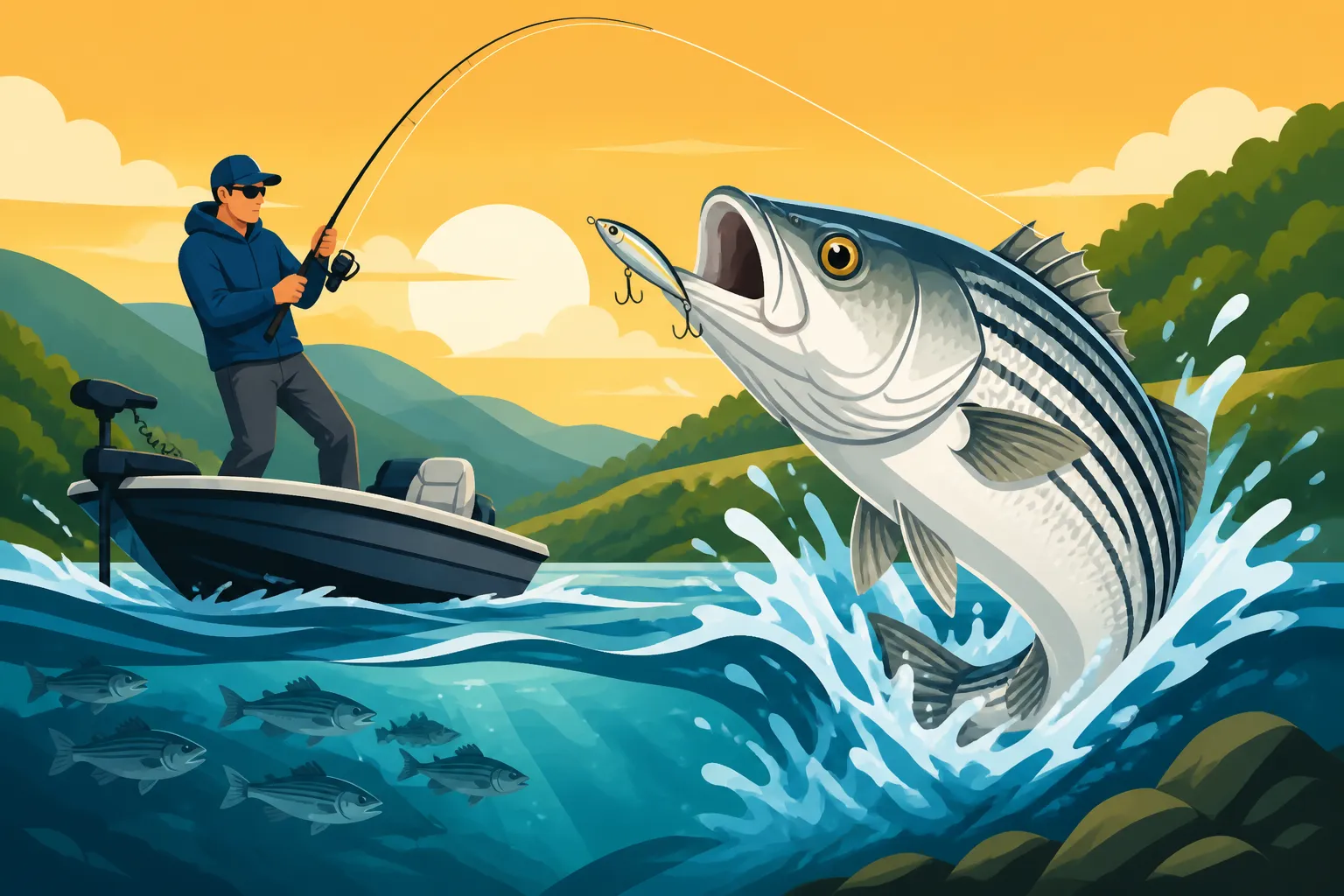
Tennessee Striped Bass Fishing Techniques
Trying to dial in the perfect approach for Tennessee striped bass fishing can feel like chasing a phantom, especially when those powerful fish decide to play hard to get. It’s not just about throwing a line in the water; it’s about understanding their habits, knowing what gear to use, and adapting your techniques to the ever-changing conditions of our big reservoirs. This guide is here to cut through the confusion, offering a deep dive into the most effective strategies to help you land those elusive, hard-fighting Tennessee stripers.
Understanding Tennessee’s Striped Bass
Before we even talk about lures or trolling speeds, it’s crucial to understand the magnificent creature we’re after: the striped bass. These aren’t your average panfish; they’re powerful, migratory predators that demand a certain level of respect and specific knowledge to consistently catch them. Knowing their biology, preferred habitat, and behavioral quirks will give you a significant advantage out on the water, turning frustrating trips into triumphant ones.
Identification and Biology
Striped bass, often called "stripers," are truly impressive fish, known for their distinct horizontal stripes running along their silver bodies. They can grow to incredible sizes in Tennessee’s waters, often exceeding 40 pounds, though the average catch might be closer to 10-20 pounds. What sets them apart is their anadromous nature in their native coastal habitats – meaning they migrate from saltwater to spawn in freshwater rivers. While our landlocked stripers in Tennessee don't make that saltwater journey, they still retain many of their ocean-going instincts, including a strong schooling tendency and a constant drive to find baitfish.
They have a streamlined, elongated body with a noticeably large mouth, perfect for engulfing bait. Their dorsal fin is divided into two parts, a spiny front section and a soft-rayed rear section, a key identifier. Often confused with hybrid striped bass (a cross between striped bass and white bass), true stripers typically have solid, unbroken lines running from gill plate to tail. Hybrids, on the other hand, often have broken or mottled lines. It's important to know the difference, as regulations can sometimes vary, even if slightly. Their fighting spirit is legendary, making them a top sport fish for many anglers.
Habitat Preferences
In Tennessee, landlocked striped bass thrive in our large, deep reservoirs with abundant forage. They prefer clear, cool, oxygenated water, which often means they'll be found in the deeper sections of lakes during warmer months, especially near main lake channels, humps, and submerged timber. Lakes like Norris, Percy Priest, and Kentucky Lake offer ideal conditions for these magnificent fish. During cooler periods or when baitfish move into shallower coves, stripers will follow suit, making them accessible to a wider range of techniques.
Look for areas where tributaries feed into the main lake, creating current, or near dam tailwaters where consistent water flow attracts bait. Drop-offs, underwater islands, and points are also prime locations, as they offer ambush points and highways for migrating schools of baitfish. These fish are constantly on the move, chasing shad, herring, and other small fish, so understanding their preferred holding patterns within these habitats is key to locating them. They might be suspended over deep water one day and hugging a submerged ridge the next, always dictated by temperature, oxygen, and bait presence.
Behavioral Traits
Striped bass are highly predatory and opportunistic feeders. They are schooling fish, meaning where you find one, you'll likely find more – sometimes dozens or even hundreds. This schooling behavior is most pronounced when they are actively feeding on baitfish, often herding them to the surface in what's known as a "striper boil" or "jumpers." Witnessing one of these feeding frenzies is an unforgettable experience, as the water explodes with fish and frantic bait.
Their activity levels are heavily influenced by water temperature, light conditions, and bait availability. They tend to be most active during low-light periods, like dawn and dusk, and often feed aggressively after dark, making night fishing a popular and highly effective strategy for these fish. During the brightest parts of the day, especially in summer, they typically retreat to deeper, cooler water, becoming more lethargic and requiring more subtle presentations. Understanding these patterns, combined with knowledge of their habitat, is the foundation of successful striper fishing.
Seasonal Patterns for Striped Bass Fishing
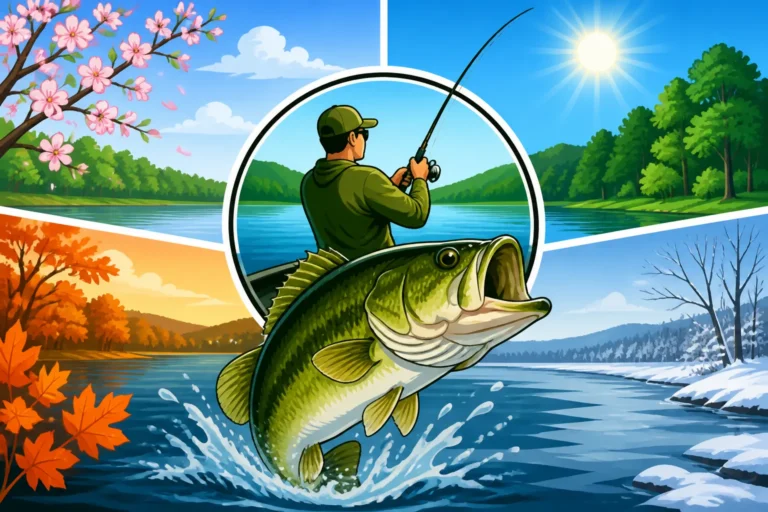
Tennessee's weather and water temperatures fluctuate dramatically throughout the year, and with those changes come distinct shifts in striped bass behavior. A technique that works wonders in spring might be completely useless in the dead of summer. Being able to adapt your approach to the season is paramount to consistent success when targeting these powerful fish. Let's break down how stripers behave and how to catch them through the year.
Springtime Stripers
As the waters begin to warm in early spring, usually March and April, striped bass become incredibly active. This is often tied to their instinctual desire to spawn, even though our landlocked fish can't complete a full saltwater-like spawn. They migrate up major river arms and into tributary creeks, following schools of baitfish that are also moving shallower to spawn. This is a fantastic time for anglers, as stripers can be found closer to the surface and in more accessible areas.
During this period, topwater lures, shallow-running crankbaits, and jerkbaits can be incredibly effective, especially in the mornings and evenings. Look for points, creek mouths, and flats where baitfish are congregating. Trolling bucktail jigs or lipped plugs in these shallower areas can also yield great results. Live bait, particularly large shad or shiners, presented under a bobber or free-lined, is another deadly method. The key is to cover water and find those actively feeding schools. It’s an exciting time, with the fish often putting on explosive surface displays.
Summer Heat Strategies
Summer fishing for striped bass in Tennessee, especially from June through August, presents a different challenge. As water temperatures climb, stripers retreat to deeper, cooler, and more oxygenated water. They will often suspend over deep channels, near dam structures, or around underwater humps and points in the main lake. Locating them requires good electronics, like a reliable fish finder, to mark baitfish and the stripers themselves in the water column.
The most effective techniques shift to deepwater presentations. Downrigging with large spoons, deep-diving crankbaits, or live bait (like gizzard shad or alewives) is a go-to method. Planer boards can help spread out your lines and cover more water when trolling deeper. How to Fish Deep Water for Striped Bass becomes a vital skill during these months. Early mornings, late evenings, and night fishing are prime times, as stripers may move shallower to feed under the cover of darkness. Don't be surprised to find them 30-60 feet down during the day, even in lakes like Norris or Cherokee.
Fall Feeding Frenzy
Autumn brings some of the most consistent and exciting striped bass fishing opportunities in Tennessee. As lake temperatures begin to cool in September and October, stripers become highly active, feeding aggressively to build up fat reserves for the coming winter. They often follow baitfish into shallower coves and creek arms, creating spectacular surface feeding events, especially on overcast days or during low light.
This is a prime time for a variety of techniques. Topwater lures, particularly large walking baits or poppers, can trigger explosive strikes when stripers are busting bait on the surface. Casting swimbaits, jerkbaits, and spoons into feeding schools is also very effective. Trolling remains a solid option, with bucktail jigs, umbrella rigs, and large swimbaits proving irresistible. How to Troll for Striped Bass becomes an art form as you try to match the speed and depth to the active fish. The key is to be mobile and observant, constantly looking for signs of active fish, like diving birds or surface commotion.
Winter Deepwater Bites
Winter fishing for striped bass in Tennessee, typically from November through February, can be incredibly productive, though it requires patience and a willingness to brave the cold. Stripers generally congregate in large schools in deep water during these months, often near major river channels, deep humps, and points. Their metabolism slows down, so they might not chase baits as aggressively, but they will still feed.
Vertical jigging with heavy spoons or large soft plastics can be very effective when you've marked schools on your sonar. Live bait is often the most consistent producer, as a slowly presented gizzard shad or alewife can entice even lethargic stripers. Downrigging continues to be a key technique, as it allows you to present baits precisely at the depth where fish are holding. Downrigger Basics for Striped Bass are essential to master. Patience is a virtue in winter; sometimes you'll have to sit on a school for a while before they decide to bite. However, when they do, it can be a phenomenal day of fishing.
Top Techniques for Catching Striped Bass
Striped bass are powerful, intelligent predators, and catching them consistently requires more than just luck. You need a repertoire of proven techniques that you can deploy based on the season, water conditions, and the specific behavior of the fish on any given day. Mastering these methods will significantly increase your chances of hooking into one of Tennessee's hard-fighting stripers.
Trolling for Stripers
Trolling is arguably one of the most effective and popular methods for catching striped bass in Tennessee's large reservoirs. It allows you to cover vast amounts of water, presenting multiple baits at various depths until you find the active fish. The basic idea is to drag lures or live bait behind a moving boat, mimicking fleeing baitfish. However, "basic" doesn't mean simple; successful trolling is an art form.
You'll need a boat capable of maintaining slow, consistent speeds, usually between 2 to 4 miles per hour, although sometimes faster or slower speeds can be key. Different lures and presentations require different trolling speeds. For example, large deep-diving crankbaits work well at faster speeds, while umbrella rigs might need to be trolled slower. Downriggers and planer boards are invaluable tools for deepwater and wide spread presentations, allowing you to hit precise depths and keep your lines from tangling. How to Troll for Striped Bass involves understanding your electronics to locate fish and bait, then strategically deploying your spread to intercept them. Experiment with different lures, depths, and speeds until you find the pattern of the day.
Live Bait Fishing
There's something undeniably effective about offering a live, struggling baitfish to a hungry striper. Live bait fishing is a cornerstone of Tennessee striped bass techniques, often outperforming artificials, especially when fish are finicky or holding deep. The key is using fresh, lively bait that mimics what the stripers are naturally feeding on. Gizzard shad, threadfin shad, blueback herring, and large shiners are all excellent choices, depending on the availability and what the fish are keying in on in your particular lake.
You can fish live bait in several ways. Free-lining is great when stripers are near the surface or suspended over deeper water. Simply hook a baitfish through the nose or back and let it swim naturally behind the boat or from the bank. Using a slip bobber can present bait at a specific depth, while downlining involves sending the bait to deep schools with a heavy sinker. For those truly deep fish, a downrigger can also be used to present a live bait. Always ensure your hooks are sharp and appropriately sized for both the baitfish and the powerful jaws of a striper. Remember, the livelier the bait, the better your chances.
Artificial Lures and Casting
While live bait and trolling are staples, casting artificial lures can be incredibly exciting and effective, especially when stripers are actively feeding on the surface or near structure. There’s a huge array of lures designed to mimic baitfish, and having a good selection in your tackle box is essential. Knowing when and where to throw each one is the real challenge.
Topwater lures like poppers, walk-the-dog baits, and prop baits are thrilling when stripers are busting bait on the surface. Nothing beats the explosive strike of a big striper on a topwater. Swimbaits, both hard-bodied and soft plastic, are versatile and can be retrieved at various depths to imitate injured baitfish. Jerkbaits are fantastic for imitating dying baitfish and work well when twitched and paused. Bucktail jigs, often tipped with a soft plastic trailer, are incredibly effective when jigged vertically or cast and retrieved. Spoons, especially large casting spoons, can be worked deep or shallow. Best Lures for Striped Bass in Open Water often depend on the specific baitfish present and the mood of the fish. Having a selection of these, perhaps sourced from a wide selection on Amazon, will prepare you for diverse conditions.
Deep Jigging Techniques
When striped bass are holding tight to deep structure, or schooling up in the open water columns of reservoirs like Watts Bar Lake, deep jigging can be an incredibly potent technique. This isn’t your shallow water crappie jigging; we’re talking about heavier gear and larger jigs designed to get down quickly and attract a strong predator. This method is particularly useful in cooler months or during the heat of summer when fish are concentrated in thermal refuges.
Vertical jigging involves dropping heavy metal jigs, sometimes called flutter jigs or blade baits, directly down to marked fish. The technique is to lift the rod tip sharply and then let the jig fall on a semi-slack line, imitating a dying baitfish. Strikes often occur on the fall. Similarly, large soft plastic swimbaits on heavy jig heads (1 to 3 ounces or more) can be jigged vertically or cast out and retrieved with a yo-yo motion near the bottom. This requires a sensitive rod to detect the often subtle bites in deep water. Pay close attention to your sonar to pinpoint the exact depth of the fish, ensuring your jig reaches their strike zone.
Essential Gear for Striped Bass Anglers
Successfully targeting Tennessee striped bass requires more than just a rod and reel; it demands a comprehensive understanding of specialized gear designed to handle these powerful fish and the environments they inhabit. Skimping on tackle can lead to heartbreak when you hook into a true monster. Investing in the right equipment will not only increase your success but also enhance your overall enjoyment of the sport.
Rods, Reels, and Line
For striped bass, you need gear that can handle intense battles. A medium-heavy to heavy action spinning or baitcasting rod, typically 7 to 8 feet in length, is ideal. This length provides the leverage needed to cast heavier lures and control powerful fish, while also absorbing the shock of their runs. Look for rods with a strong backbone but a relatively forgiving tip to detect subtle bites and prevent hooks from pulling out.
Matching your rod with a high-quality, robust reel is crucial. Spinning reels should be in the 5000 to 8000 series, capable of holding several hundred yards of line. Baitcasting reels should be stout, with a strong drag system, like a 300 or 400 size, for trolling and heavy jigging. Spool your reels with a strong braided line, typically 30 to 60 pound test, for its sensitivity and incredible strength. Always add a fluorocarbon leader, usually 20 to 40 pound test, for abrasion resistance and invisibility, connecting it with a strong knot like an FG or Alberto knot. The right combination, perhaps found by browsing trusted brands on Amazon, will make all the difference. Best Rods for Largemouth Bass might offer some crossover, but stripers usually demand even heavier gear.
Boating and Electronics
A reliable boat is almost a necessity for serious striped bass fishing in Tennessee, as it allows you to access prime offshore locations and employ effective techniques like trolling. A deep-V hull boat or a large center console is often preferred for stability on big reservoirs, but even well-equipped bass boats or pontoon boats can be adapted. Ensure your boat is properly maintained and outfitted with all necessary safety equipment, including life jackets for everyone on board.
Beyond the boat itself, your electronics package is your greatest asset. A high-quality fish finder with GPS capabilities is non-negotiable. Look for units with side-imaging and down-imaging sonar to help you locate submerged structure, baitfish schools, and individual stripers holding deep. The GPS function is essential for marking hot spots, tracking trolling paths, and navigating safely. Many anglers also rely on electric trolling motors with spot-lock features to hold their position over a school of fish or specific structure, allowing for precise bait presentation. Best Fish Finders for Tennessee Reservoir Fishing are an investment that pays dividends.
Terminal Tackle and Baits
Having the right terminal tackle is just as important as your main rod and reel setup. This includes a variety of hooks, swivels, sinkers, and leaders. For live bait, sharp, strong circle hooks (sizes 5/0 to 8/0) are excellent for preventing gut-hooking and ensuring a solid hookset. Treble hooks on artificial lures should be checked regularly and replaced if dull or bent. Barrel swivels and snap swivels (rated for at least 80-100 lbs) are essential for preventing line twist, especially when trolling or using large lures.
Carry a selection of sinkers, from egg sinkers for slip-sinker rigs to heavy bell or pyramid sinkers for downlining live bait. Leader material should be strong fluorocarbon, as discussed, and leader lengths can vary from 3 to 6 feet, depending on the clarity of the water and the fish's mood. As for baits, always have a variety of artificials: large spoons, deep-diving crankbaits (like the Rapala Down Deep Husky Jerk or Strike King 10XD), swimbaits (e.g., Castaic Swimbait, Keitech Swing Impact FAT), bucktail jigs, and topwater plugs. Having a range of sizes and colors to match local baitfish is key to success.
Best Fishing Spots for Striped Bass in Tennessee
Tennessee is blessed with an abundance of fantastic waterways, but when it comes to striped bass, some lakes and rivers stand head and shoulders above the rest. These powerful fish thrive in large, deep reservoirs with ample forage and suitable habitat. Knowing where to focus your efforts can drastically cut down on unproductive fishing time and put you on the path to landing a trophy striper.
Major Reservoirs and Lakes
Tennessee’s large impoundments, created by the TVA, are truly the heart of its striped bass fishery. These expansive bodies of water offer the deep, cool, oxygenated habitat and vast schools of baitfish that stripers need to grow large and healthy. Each lake has its unique characteristics, but they all share the potential for incredible striper action.
Norris Lake: Often lauded for its incredible clarity and deep, sprawling waters in East Tennessee, Norris Lake is a premier striped bass destination. Its abundant blueback herring population provides a rich food source, allowing stripers to reach impressive sizes. Anglers here often target the main lake channel, deep points, and humps, especially during the summer months when fish hold deep. Trolling with downriggers and live bait are very popular and effective techniques. For more information, check out our Norris Lake Fishing Guide, Tennessee's Clearest Water.
Percy Priest Lake: Located just outside Nashville, Percy Priest Lake offers excellent striped bass opportunities, especially for those in Middle Tennessee. While not as clear as Norris, it holds a strong population of stripers that actively feed on threadfin and gizzard shad. Look for them in the main lake basin, around the dam, and along creek channels. Night fishing with live bait under lights can be particularly effective during warmer periods. Our guide to Percy Priest Lake Fishing Near Nashville, Tennessee has more details.
Watts Bar Lake: As one of Tennessee's largest lakes by surface area, Watts Bar Lake offers vast expanses for striped bass to roam. Situated on the Tennessee River, it provides a diverse habitat of shallow flats and deep channels. Stripers here often follow the river channel, especially around structures like humps, ledges, and tributary mouths. Trolling and live bait fishing are staples, and it's a great spot for targeting stripers alongside other species like bass and catfish. Learn more in our Watts Bar Lake, Tennessee's Largest Lake for Fishing article.
Kentucky Lake: While often celebrated for its incredible bass and crappie fishing, the Tennessee portion of Kentucky Lake also holds a significant population of striped bass, particularly in the lower lake areas near the dam. These fish utilize the vast open waters and deep channels. Trolling large swimbaits or umbrella rigs is effective, as is live bait fishing. Its sheer size and connection to the Tennessee River system make it a dynamic environment for stripers. Get more insights from our Kentucky Lake Fishing on the Tennessee Side guide.
River Systems and Tailwaters
While reservoirs are the primary focus for landlocked striped bass, the tailwaters below some of Tennessee's major dams can also provide exceptional, albeit often more challenging, opportunities. These areas are characterized by strong currents, colder water, and an abundance of displaced baitfish, creating a feeding frenzy environment for stripers.
Clinch River Tailwater: Below Norris Dam, the Clinch River offers a unique opportunity for striped bass, though it's more famous for its trout fishing. Large stripers will occasionally move into the upper sections of the tailwater, attracted by the abundant trout and cold, oxygenated water. This is often a catch-and-release fishery, and anglers typically use large swimbaits or live bait, casting into eddies and current breaks.
Tennessee River System: The various stretches of the Tennessee River that connect the major reservoirs can also hold transient populations of striped bass, especially during seasonal migrations between impoundments. Navigating these riverine sections requires caution due to strong currents and potential submerged hazards, but the rewards can be significant. Look for deep holes, rock bluffs, and major confluences where baitfish might be concentrated.
Safety and Regulations for Striped Bass Fishing
As with any outdoor pursuit, fishing for striped bass in Tennessee comes with responsibilities. Understanding and adhering to the state's fishing regulations, as well as practicing sound boating safety, isn't just about avoiding fines; it's about protecting yourself, your fellow anglers, and the valuable resource of Tennessee's fisheries. Don't let ignorance ruin a perfectly good day on the water.
Tennessee Striped Bass Regulations
The Tennessee Wildlife Resources Agency (TWRA) sets specific regulations for striped bass to ensure a healthy and sustainable fishery. These rules are subject to change, so always check the latest TWRA fishing guide before you head out. Generally, striped bass have a daily creel limit and a minimum size limit, sometimes with special exceptions for certain lakes or seasons. For example, some lakes might have a slot limit or a different minimum size to promote the growth of trophy fish.
Currently, statewide bass limits affect several species, but specific rules for striped bass are crucial. For instance, there might be a daily limit of 2 striped bass and a minimum length of 15 inches, but this can vary. It's also important to differentiate between true striped bass and hybrid striped bass, as their limits might differ. Carrying your Tennessee Fishing License Guide and being familiar with the latest rules is not just good practice, it's the law. Violations can lead to penalties for fishing without a license in Tennessee and substantial fines.
Boating Safety Essentials
Fishing for striped bass often involves navigating large, open bodies of water, which means boating safety is paramount. Always ensure your boat is in good working condition, with all required safety equipment on board. This includes:
- Life Jackets (PFDs): Every person on board must have a Coast Guard-approved life jacket that fits properly. Children under 12 are required to wear a life jacket while underway in Tennessee, unless they are in an enclosed cabin or below deck. Consult Tennessee Life Jacket and PFD Rules for Boaters for specific details.
- Throwable Device: Boats 16 feet and longer must also carry a Type IV throwable flotation device, such as a cushion or ring buoy, readily accessible.
- Fire Extinguisher: All motorized boats must carry an approved fire extinguisher.
- Sound-Producing Device: A whistle, horn, or bell is required to signal in emergencies.
- Navigation Lights: If you plan to be on the water between sunset and sunrise, proper navigation lights (red/green bow lights and an all-around white stern light) are mandatory. Do You Need Navigation Lights for Night Fishing in Tennessee? is a question you don't want to answer incorrectly.
Beyond equipment, always check the weather forecast before departing and be prepared for sudden changes. Tell someone your float plan (where you’re going and when you expect to return). Never overload your boat, and operate at a safe speed, especially in crowded areas or rough water. If you were born after January 1, 1989, you’ll also need a Tennessee Boating Safety Education Certificate Guide to operate a motorized vessel. Safety isn't optional; it's fundamental.
Environmental Considerations
As anglers, we are stewards of our natural resources. Practicing responsible fishing habits helps maintain healthy fish populations and pristine waterways for future generations. This includes proper handling of your catch, especially if you plan to release fish. Striped bass are powerful fighters, and the fight can sometimes exhaust them. Minimize handling time, use wet hands, and support the fish's body horizontally. If a fish is heavily stressed, consider releasing it boat-side or holding it in the water until it regains its strength before letting it go.
Dispose of all trash, including discarded fishing line, properly. Monofilament and braided line can be deadly to wildlife. Avoid introducing non-native species, and clean your boat and trailer thoroughly between trips to different bodies of water to prevent the spread of aquatic invasive species. By following these simple guidelines, we can all contribute to the long-term health of Tennessee's incredible striped bass fishery and the ecosystems they depend on.
Advanced Strategies and Tips
Once you've mastered the basics of seasonal patterns, techniques, and gear, it's time to refine your approach with advanced strategies that can truly set you apart. Striped bass are intelligent and can be challenging, so thinking outside the box and utilizing every tool at your disposal will make you a more successful and consistent angler.
Reading Water and Sonar
The ability to effectively read the water and interpret your sonar display is perhaps the single most important advanced skill for striped bass fishing. Stripers are nomadic, constantly moving in search of bait. Your electronics are your eyes underwater, revealing structure, bait schools, and the stripers themselves. Don't just look for fish; look for the conditions that hold fish.
Learn to identify thermoclines on your sonar, which are layers of water with drastic temperature changes. During summer, stripers often hold just above or within the thermocline where oxygen levels are adequate and water temperatures are comfortable. Look for large schools of baitfish, often appearing as "clouds" or dense balls on your screen. Stripers will be nearby, sometimes directly under the bait or slightly below, waiting for an ambush opportunity. Understanding how to use side-imaging to scan wide areas and pinpoint submerged timber or rock piles is invaluable. These hidden structures are often overlooked highways and hiding spots for both bait and predators. Practice interpreting what you see, and combine it with surface observations like bird activity or subtle changes in water current.
Night Fishing Tactics
While many anglers pack up their gear at dusk, some of the most consistent and exciting striped bass action occurs under the cover of darkness. How to Catch Striped Bass at Night is a strategy that capitalizes on the stripers' natural instinct to feed under low light conditions, when baitfish are often more vulnerable. Night fishing requires preparation and a slightly different approach.
One of the most popular night fishing methods involves using submersible lights, often green LED lights, to attract plankton, which in turn attracts baitfish (like shad or herring). The stripers will follow the bait, congregating around the light source. Once the bait and stripers are present, you can fish live bait free-lined or with a slip bobber, or cast artificials like large swimbaits or glow-in-the-dark jigs into the edges of the light. Trolling at night, especially with large deep-diving crankbaits or umbrella rigs, can also be highly effective. Safety is paramount at night: ensure all your navigation lights are working, go slower, and pay extra attention to your surroundings.
Tournament Angling Considerations
While not as prevalent as bass tournaments, striped bass tournaments do exist, and they bring their own set of challenges and specialized considerations. If you’re considering competitive striper fishing, it’s not just about catching fish, but about catching the right fish within specific rules, and often, keeping them alive for weigh-in.
Tournament regulations often dictate minimum sizes, creel limits, and sometimes even specific lake rules that override general state regulations. Most importantly, live wells for striped bass need to be exceptionally well-aerated and large enough to keep these robust fish healthy for weigh-in. Stripers are prone to stress, and a good livewell system is critical for release mortality. Tournament anglers often focus on finding schools of larger, legal-sized fish rather than just numbers. This might involve targeting specific structures, using premium live bait, or employing precise trolling patterns with Best Umbrella Rigs for Tennessee Striped Bass. The pressure to perform can be intense, so having a solid game plan and well-maintained equipment is crucial.
Disclaimer
The information provided in this guide is for general informational purposes only and is not intended as legal advice regarding fishing regulations. Fishing rules and regulations, including license requirements, season dates, and catch limits, are established by the Tennessee Wildlife Resources Agency (TWRA) and are subject to change without notice. Always consult the most current official TWRA fishing guide or website before engaging in any fishing activities to ensure compliance with all applicable laws. Engaging in fishing activities carries inherent risks, and it is the responsibility of each individual to ensure their safety and adherence to all regulations.