When Does Tennessee Start Stocking Rainbow Trout in Fall?
The crisp air of autumn brings a unique excitement to many anglers, signaling not just cooler temperatures and beautiful foliage, but also the fantastic opportunity to chase rainbow trout in Tennessee. If you've ever felt a bit lost trying to pin down exactly when the Tennessee Wildlife Resources Agency (TWRA) begins its fall rainbow trout stocking program, you're not alone. It can feel like a moving target sometimes! This comprehensive guide will illuminate the precise timing, prime locations, and essential tips to help you successfully target these beautiful, freshly stocked fish across the Volunteer State as the leaves start to change.
Understanding Tennessee's Fall Trout Stocking Schedule
For many Tennessee anglers, the arrival of fall means one thing: trout season is getting a serious boost. The Tennessee Wildlife Resources Agency (TWRA) does an incredible job of managing our state's fisheries, and their fall stocking program for rainbow trout is a true highlight. Unlike the year-round, self-sustaining trout populations you might find in some pristine tailwaters like the Clinch River or Caney Fork River, these fall stockings are specifically designed to enhance fishing opportunities in a broader range of waters.
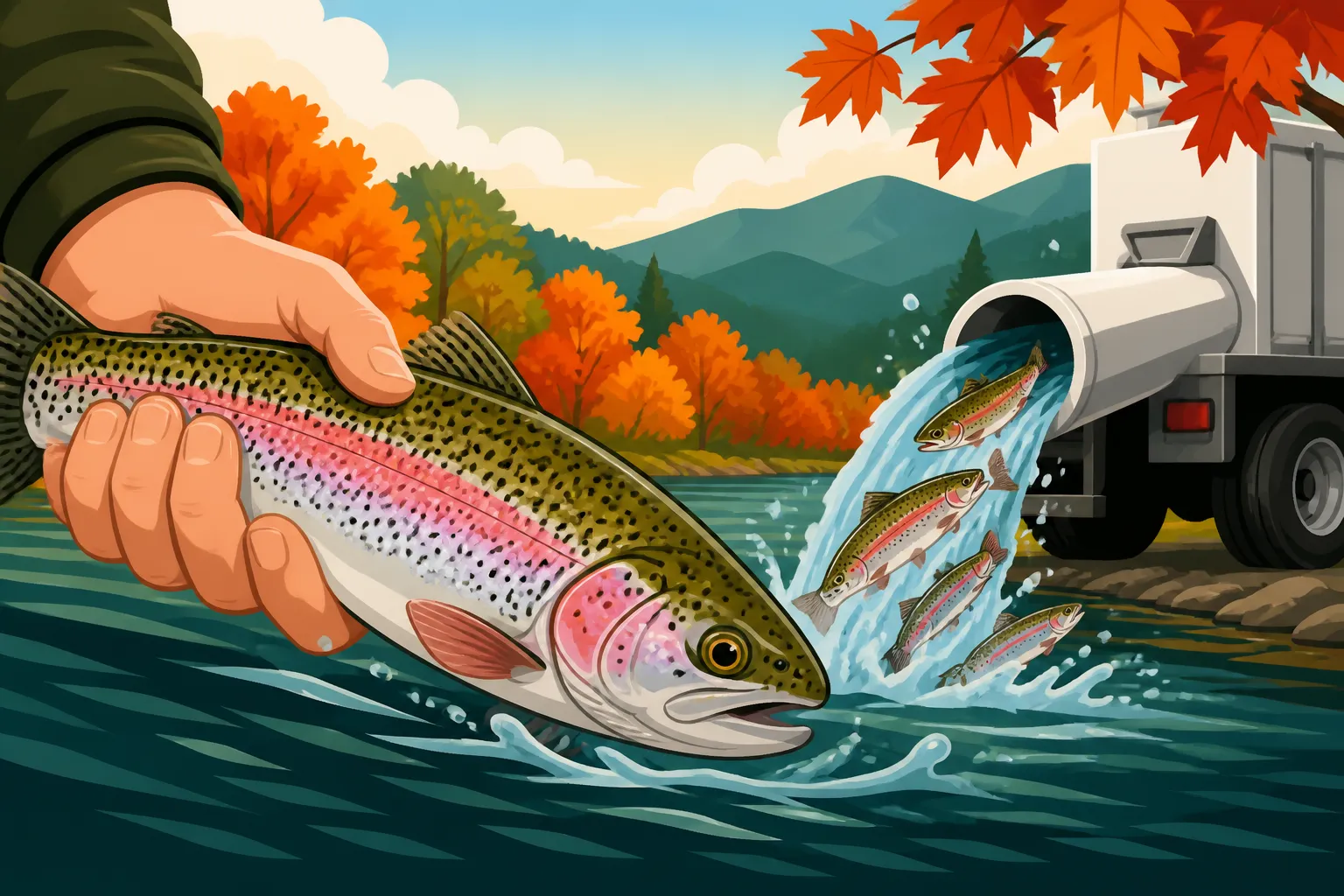
The good news is, Tennessee does have a pretty consistent window for when they start stocking rainbow trout in the fall. Generally speaking, the TWRA begins its fall rainbow trout stocking operations around early October. This timing isn't arbitrary; it's carefully chosen to coincide with the significant drop in water temperatures. Rainbow trout, being a cold-water species, simply can't survive in warmer water. So, until the lakes, ponds, and streams cool down sufficiently, the fish remain at the hatcheries. As October progresses and daytime highs consistently drop, allowing water bodies to reach that sweet spot below 70 degrees Fahrenheit – ideally even lower, into the 50s and 60s – the stocking trucks roll out. This initial push in October will typically continue through November and often well into December, sometimes even picking back up in late winter or early spring, depending on the specific program and weather conditions.
It's important to understand that while there's a general timeframe, the exact dates and locations are fluid and can shift slightly year to year based on environmental factors. A warmer-than-average September or October could push the start date back a week or two, for instance. To stay completely in the loop, the absolute best resource you have is the TWRA's official website. They usually post a detailed stocking schedule, often updated weekly or bi-weekly once the season is in full swing. Following their social media channels can also give you real-time alerts. Being proactive and checking these sources can mean the difference between being among the first to cast a line for fresh trout and missing out on the initial, often most productive, bite. You’ll want to be familiar with the comprehensive Tennessee Trout Stocking Schedule and Season to maximize your chances.
Why Fall is Prime Time for Stocking
The decision to heavily stock rainbow trout in the fall is a strategic one, benefitting both the fish and the anglers. From the fish's perspective, the cooler water temperatures of autumn are far more hospitable. Trout are sensitive creatures, and warm water stresses them out, making them lethargic and vulnerable. Fall's crisp conditions allow them to be more active, feed more aggressively, and generally thrive, at least for the duration they are in these stocked waters. This increased activity directly translates to better fishing opportunities for us.
For anglers, fall stocking expands access to trout fishing significantly. Many waters that are simply too warm for trout during the summer months – think smaller impoundments, urban ponds, and even some warmer river stretches – become viable trout habitats once the temperatures drop. This opens up opportunities closer to home for many, reducing the need to travel long distances to traditional cold-water tailwaters. Furthermore, the aesthetic of fall fishing is hard to beat. Imagine casting a line with the vibrant backdrop of changing leaves reflected on the water – it’s a truly serene and rewarding experience. This season is truly a fantastic time for Tennessee Trout Fishing Season Explained.
How Water Temperature Dictates Stocking
Water temperature is the ultimate deciding factor for when and where the TWRA stocks trout. As mentioned, rainbow trout prefer water temperatures between 45-65 degrees Fahrenheit. Anything above 70 degrees Fahrenheit for an extended period can be lethal for them. This is why you won't see large-scale trout stockings in July and August, regardless of how many anglers are wishing for it.
The TWRA uses sophisticated monitoring systems to track water temperatures across various stocking sites. When a body of water reaches and maintains the optimal temperature range, it signals the green light for stocking. Conversely, if there's an unseasonably warm spell in late fall or early winter, stocking operations might be temporarily paused or delayed in certain areas to prevent undue stress or mortality for the freshly introduced fish. This reliance on natural conditions means flexibility is key for anglers. Always be prepared for slight variations in the schedule, and if you plan a trip far in advance, build in some wiggle room or have a backup plan. Understanding How Water Temperature Affects Fish Activity can be a game-changer for any angler, especially when targeting temperature-sensitive species like trout.
Where the Rainbows Go: Popular Fall Stocking Locations
Tennessee is blessed with an abundance of diverse waterways, and the TWRA's fall stocking program utilizes a wide array of them. While famous cold-water rivers like the Caney Fork and Clinch are well-known trout havens year-round, the fall stocking efforts often focus on expanding opportunities into other public access points, creating more localized fishing spots.
One of the most exciting aspects of fall stocking is the emphasis on community fishing ponds and small lakes. These are often found in or near urban and suburban areas, making them incredibly accessible for families, beginners, and those who don't have the time or equipment for a full-blown river excursion. Locations near cities like Nashville, Knoxville, Chattanooga, and Memphis often receive generous stockings of rainbow trout in the fall. These ponds are typically smaller, sometimes even designated "kids only" or "handicapped access" areas, specifically chosen to provide easy and enjoyable fishing experiences. Examples might include local park ponds like Marrowbone Lake near Nashville, or various city-managed impoundments across the state. These spots are fantastic for a quick trip and often have good bank access.
Beyond urban ponds, many state park lakes and larger reservoirs also become prime candidates for fall trout stocking. These bigger bodies of water can hold more fish and often offer a different fishing experience, catering to anglers using small boats or kayaks. While not every reservoir gets trout, those with deeper, cooler sections or cooler feeder streams are often selected. The tailwaters of some of Tennessee’s large dams, even if they hold trout year-round, will often receive supplemental stockings to boost numbers and provide fresh angling opportunities. This is why a closer look at Tennessee's Best Trout Streams and Fall Trout Stocking Streams in Tennessee can provide valuable insights.
Identifying Productive Stocking Sites
Finding these freshly stocked locations isn't always about hitting the biggest, most famous rivers. Often, the best fishing is found in smaller, less-pressured waters that might be just a short drive from your home. Here's how to increase your chances of finding a productive fall stocking site:
- TWRA Website & Social Media: This is your primary source. The TWRA regularly updates its stocking schedule on its website, including the specific names of ponds, lakes, and stream sections receiving trout. They also often post photos or quick updates on their Facebook and Twitter accounts, sometimes even hinting at "next week's stockings."
- Local Bait Shops: Never underestimate the knowledge of local bait shop owners. They are on the front lines, talking to anglers daily and often getting direct information about stockings in their immediate area. A quick phone call or visit can yield invaluable, up-to-the-minute details.
- Word of Mouth: Engage with your local fishing community. Online forums, local fishing clubs, or even casual conversations at boat ramps can provide hints about where the fish are biting.
- "Put-and-Take" Fisheries: Many of these fall-stocked locations are considered "put-and-take" fisheries, meaning the trout are stocked for immediate angling enjoyment rather than long-term survival or reproduction. These spots are designed for high catch rates, which is perfect for a fun, productive day.
Remember that while places like the Clinch River Trout Fishing in East Tennessee or the Caney Fork River Trout Fishing offer excellent year-round trout opportunities, the fall stocking program aims to expand the map, providing opportunities even in unexpected places.
Gear Up for Fall Trout: What You'll Need
Successfully catching fall-stocked rainbow trout doesn't require an arsenal of expensive, specialized equipment. In fact, a simple, sensitive setup is often all you need. The key is finesse and subtlety, especially when fishing for recently stocked fish that might still be a bit disoriented or less aggressive than wild trout.
For most stocked trout scenarios, an ultralight spinning rod and reel combo is your best friend. A rod in the 5 to 6.5-foot range, with a light to ultralight action, will provide the sensitivity needed to detect subtle bites and make fighting even smaller trout a blast. Pair that with a small spinning reel (size 1000 or 2000) spooled with 4 to 6-pound test monofilament or fluorocarbon line. Monofilament is often preferred for its stretch, which can prevent hooks from tearing out of a trout's mouth, and its ability to float, which helps with certain bait presentations. You can find a fantastic selection of ultralight spinning combos on Amazon, offering great performance without breaking the bank.
Terminal tackle should be equally light. Small hooks, typically sizes 10 to 14, are ideal. Trout have excellent eyesight, and larger hooks can easily spook them. Small split shot weights are essential for getting your bait down to the strike zone without hindering its natural presentation. A few small bobbers, both fixed and slip varieties, will round out your basic tackle box.
Essential Baits and Lures
When it comes to baits for stocked rainbow trout, simplicity often reigns supreme. These fish are usually hatchery-raised and accustomed to a pellet diet, so they often respond well to baits that mimic their feed or are brightly colored and easily visible.
- PowerBait: This is arguably the most popular and effective bait for stocked trout. Available in various colors and scents, PowerBait is designed to float, which is crucial for presenting it just off the bottom where trout often cruise. Rig it on a small treble or single hook with a small split shot or an egg sinker above a swivel, allowing the bait to float up. Popular colors include chartreuse, rainbow, and orange.
- Corn: Believe it or not, plain old canned corn is a killer bait for stocked trout. Its small size, bright yellow color, and sweet scent make it irresistible. Use one or two kernels on a tiny hook, and again, ensure it floats just above the bottom.
- Worms: Live earthworms or mealworms are always a reliable choice. Their natural wiggling action is highly enticing. Smaller worms or pieces of worms are generally more effective for trout.
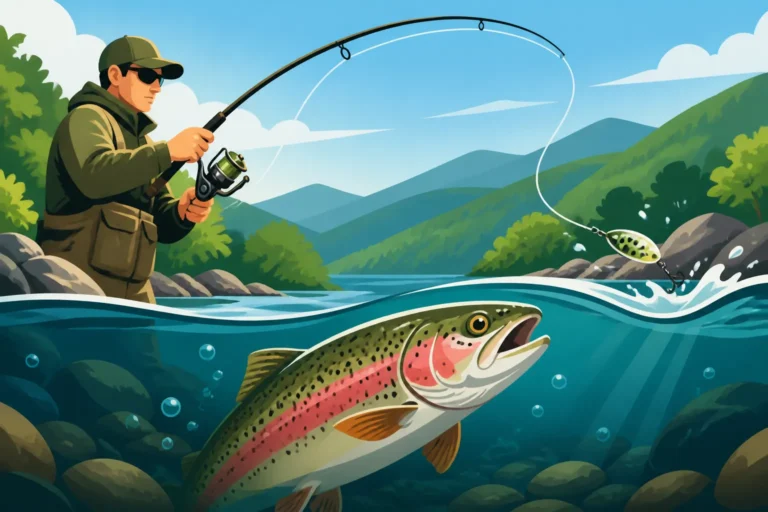
- Small Spinners: For anglers who prefer artificial lures, small inline spinners like those from Mepps, Panther Martin, or Rooster Tail are incredibly effective. Sizes #0, #1, and #2 in silver, gold, or brass blades, often with a colorful skirt or body, can draw aggressive strikes. Cast them out and retrieve slowly, allowing the blade to spin. A small assortment of Panther Martin spinners, easily purchased on Amazon, can be incredibly effective.
- Small Jigs: Tiny jigs, often 1/32 to 1/16 ounce, tipped with a small plastic grub, a piece of PowerBait, or a wax worm, can also be very productive. Fish them under a bobber or slowly retrieved along the bottom.
Dressing for Success
Fall weather in Tennessee can be notoriously unpredictable. A morning that starts with a chill can quickly warm up to pleasant temperatures, or vice-versa. Layering your clothing is paramount. Start with a moisture-wicking base layer, add an insulating mid-layer (like a fleece jacket), and top it with a waterproof and windproof outer shell. This allows you to adjust your attire throughout the day to stay comfortable. Don't forget a warm hat and gloves for those chilly early mornings, especially if you're fishing a tailwater where temperatures can be consistently cooler.
If you plan on wade fishing in streams or rivers, a good pair of waders (either chest waders or hip waders, depending on water depth) is essential. Choose breathable waders for comfort, even in cooler weather, and ensure your wading boots provide good traction on slippery rocks. Investing in reliable Best Fly Rods and Waders for Tennessee Trout Streams will make your experience much more enjoyable.
Tactics for Catching Fall-Stocked Rainbows
Once you've got your gear and you're at a freshly stocked pond or stream, the real fun begins: enticing those rainbows to bite. While stocked trout are often eager to strike, applying a few strategic tactics can significantly improve your catch rate.
One of the most crucial elements is finesse presentation. Remember, these fish have been handled and recently released, so they might be a bit wary. Use the lightest line possible for your setup (4-6 lb test is generally perfect). Combine this with small hooks (size 10-14) to conceal them within your bait. When using PowerBait or corn, create a small, pea-sized ball and ensure the hook point is completely covered. The goal is for the bait to look as natural and non-threatening as possible.
For bait fishing with PowerBait or corn, a bottom rig with a floating bait is often the most effective. Tie a small swivel to your main line, then add a 12-18 inch leader of fluorocarbon (which is less visible in water) with your hook. Above the swivel, use a small egg sinker or a few split shots to get your bait to the bottom. The floating bait will then rise a few inches to a foot off the bottom, putting it right in the trout's cruising path. This method allows the trout to pick up the bait without feeling the weight of the sinker, leading to more solid hookups.
When using spinners or small jigs, focus on slow, consistent retrieves. Stocked trout often prefer a slower presentation that gives them time to react. Cast upstream if you're in a current, and let the lure drift down naturally while reeling just fast enough to keep the blade spinning or the jig dancing. For ponds, cast out and retrieve at varying speeds until you find what the fish prefer. Sometimes a slight twitch or pause can trigger a strike. It’s a fantastic way to try out Spin Fishing Techniques for Trout.
Reading the Water and Targeting Key Areas
Even in a stocked pond or stream, trout will congregate in certain areas. Learning to "read the water" is a skill that will pay dividends.
- Deep Pockets and Drop-offs: Cooler water often settles in deeper areas. Look for sudden changes in depth, especially near the center of ponds or in deeper pools in streams. Trout will often hold here, particularly if the sun is bright.
- Structure: Any form of underwater structure can attract fish. This includes submerged logs, rock piles, weed beds, or even bridge pilings. These spots offer cover and ambush points.
- Current Breaks (in streams): If you're fishing a moving water body, look for areas where the current slows down, such as eddies behind rocks, logs, or bends in the stream. Trout will expend less energy in these spots while waiting for food to drift by.
- Inflows/Outflows: Where smaller streams feed into a larger pond or river, or where water exits, these areas often have slightly cooler, more oxygenated water and can be excellent holding spots.
- Shadow Lines: On sunny days, fish will often hold in shaded areas, whether it's under an overhanging tree or on the shady side of a bridge.
A great approach is to start by covering water, making a few casts in different spots. If you don't get a bite after 10-15 minutes, move to a new location. Don't be afraid to experiment with different baits or lure colors until you find what they're hitting on. This often means trying out various techniques, from the simple How to Drift Fish for Trout in a Stream to more nuanced presentations. Mastering How to Read Water When Trout Fishing can provide an enormous advantage.
Here's a quick comparison of popular fall trout baits and lures:
| Bait/Lure Type | Best Presentation | Advantages | Disadvantages |
|---|---|---|---|
| PowerBait | Bottom rig, floating off bottom with small sinker/swivel | Floats, strong scent, various colors | Can be messy, sometimes requires molding |
| Corn | Small hook, one or two kernels, floating off bottom | Inexpensive, natural, highly effective | Easily falls off hook |
| Live Worms | Small hook, drifted naturally or fished under bobber | Natural action, universal appeal | Can be messy, requires keeping alive |
| Small Spinners | Cast & slow retrieve, allowing blade to spin | Active presentation, covers water quickly | Can get snagged, requires continuous motion |
| Small Jigs | Fished under bobber, slow retrieve, light twitching | Versatile, can be tipped with bait or plastic | Requires more active presentation |
License Requirements
Before you head out, double-check that your fishing license is current. In Tennessee, anyone age 13 and older needs a fishing license. While children under 13 can fish without a license, it’s always a good idea to confirm specific regulations, especially if you're heading to a designated youth-only area or a specific TWRA lake that might have unique rules. You will need to know Tennessee's Fishing License Requirements and possibly Do Kids Need a Fishing License in Tennessee to ensure a smooth trip.
Good luck out there, and enjoy the fantastic fall trout fishing Tennessee has to offer!
Disclaimer
Please note that fishing regulations and stocking schedules are subject to change. Always consult the official Tennessee Wildlife Resources Agency (TWRA) website or their current fishing guide for the most up-to-date and accurate information before planning your trip. This guide is for informational purposes only and should not replace official sources.