Catfish Bottom Fishing Basics
There’s nothing quite like the thrill of feeling that solid tug on your line, signaling a big catfish has taken your bait, especially when you’re fishing the depths of a Tennessee lake or river. However, many anglers, both seasoned and new, often struggle to consistently connect with these powerful bottom dwellers, getting frustrated by missed bites or empty hooks. This comprehensive guide is here to unravel the mysteries of bottom fishing for catfish in Tennessee, equipping you with the fundamental knowledge, gear recommendations, and proven techniques to make your next outing a resounding success.
Understanding Catfish Behavior and Habitat for Bottom Fishing
Before you even think about casting a line, understanding why catfish prefer the bottom and where they seek refuge there is paramount. It’s not just about tossing bait and hoping for the best; it’s about knowing their world.
Why Catfish Love the Bottom
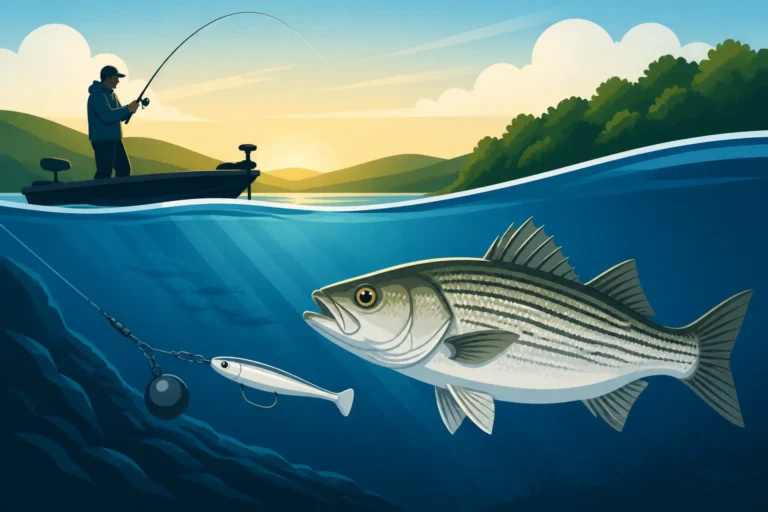
Catfish, whether we're talking about the prevalent channel catfish, the massive blue catfish, or the elusive flathead catfish, are primarily opportunistic scavengers and predators that spend a significant amount of their time near the substrate. This isn't just a preference; it's a survival strategy deeply ingrained in their biology.
First, the bottom offers an abundant food source. Think about it: everything that sinks eventually settles on the lake or riverbed. This includes decaying organic matter, insects, crawfish, mussels, and even dead baitfish. These creatures are a natural part of a catfish's diet. Their keen sense of smell, enhanced by those distinctive barbels, allows them to detect even faint scents of food in low-light conditions or murky waters, which are common near the bottom. They don't rely heavily on sight, especially in deeper, darker water, so feeling and smelling their way to a meal is key. Second, the bottom provides crucial cover and protection. It's a refuge from strong currents, bright sunlight, and even larger predators. Sunken logs, rock piles, drop-offs, and deep holes offer them places to ambush prey or simply rest without expending too much energy. This is especially true for flathead catfish, which are ambush predators and prefer to hide in tight spaces, waiting for a meal to swim by. They are masters of blending into their surroundings, using the bottom's contours to their advantage.
Identifying Prime Catfish Bottom Structures
Knowing that catfish love the bottom is one thing; knowing which parts of the bottom they prefer is where the real skill comes in. Tennessee's diverse waterways, from the vast reservoirs like Kentucky Lake and Chickamauga Lake to its winding rivers, offer a myriad of structures that hold catfish. You can learn more about Flathead Catfish Habitat in Tennessee Rivers to specifically target those giants.
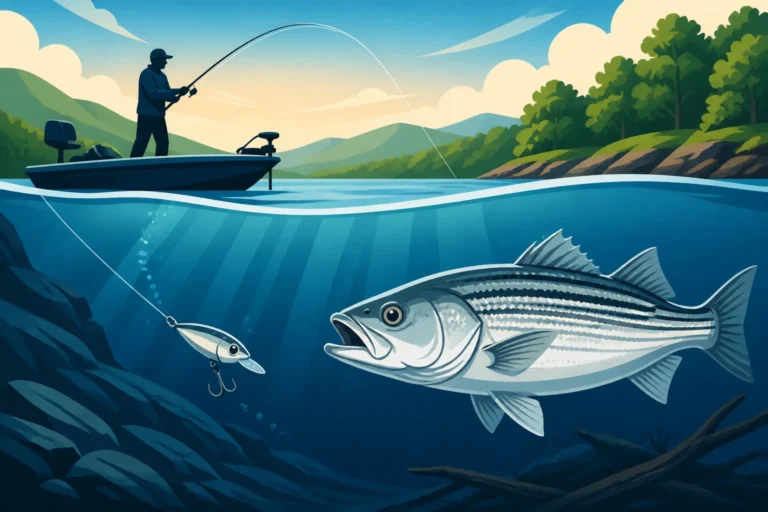
Look for areas with significant changes in depth or composition. Drop-offs, for instance, are classic catfish hotspots. A gradual slope leading to a deep channel or a sudden drop-off where shallow water quickly transitions to deep can be incredibly productive. These zones act as highways and feeding lanes for catfish, as baitfish often congregate along these edges. Similarly, submerged humps and ridges in the middle of a lake provide excellent ambush points. These underwater islands attract baitfish, which in turn attract catfish looking for an easy meal. Imagine a blue catfish patrolling the top of a submerged hump, waiting for unsuspecting shad to swim by.
River bends and current breaks are also prime locations. In rivers, catfish will often position themselves just out of the main current, such as behind large rocks, fallen trees, or along the inside bends of a river, where the current is slower. These spots allow them to conserve energy while still being close enough to intercept food carried by the flow. Additionally, areas with varying bottom compositions, like where a muddy bottom transitions to gravel or rock, can be productive. Different bottom types often hold different prey species, making these transition zones appealing. For example, a rocky bottom might host more crawfish, while a muddy bottom could have more worms and insect larvae. Using a fish finder or even a simple bottom-bouncing weight can help you "read" the bottom and identify these promising structures.
Essential Gear for Successful Tennessee Bottom Fishing
You wouldn't show up to a fancy dinner without the right attire, and you shouldn't show up to the lake without the right catfish gear. The equipment you choose can make or break your bottom fishing success, impacting everything from your casting distance to your ability to land a monster.
Rods, Reels, and Line Selection
Choosing the right rod, reel, and line is foundational for effective catfish bottom fishing. You need equipment that can handle the powerful runs of a large cat and the rough environments they inhabit. For a deeper dive into optimal choices, check out our guide on Best Rods for Catfish Fishing.
For rods, think strong and durable. Medium-heavy to heavy power rods, typically between 7 and 9 feet in length, are ideal. A longer rod provides better casting distance, which can be crucial when trying to reach submerged channels or distant humps from the bank. The heavy action allows you to set large hooks firmly into a catfish's tough mouth and provides the backbone needed to pull them out of snags like fallen timber or dense brush. Brands like Ugly Stik or Berkley often come to mind for their legendary toughness, offering rods that can take a beating. When selecting a reel, you’ll want a robust baitcasting reel or a large spinning reel. Baitcasters, often preferred by experienced catfishermen, offer excellent power and control, especially when casting heavier weights and battling big fish. Look for models with a strong drag system and a high line capacity to accommodate heavier lines and long runs. Spinning reels, while sometimes less powerful, are generally easier for beginners to master and can still handle substantial catfish if you choose a larger, saltwater-grade model. Penn and Shimano offer reliable options for both types of reels.
Line selection is equally critical. Monofilament line in the 20-50 lb test range is a popular choice for its stretch, which acts as a shock absorber against powerful runs, and its abrasion resistance, which helps prevent break-offs on submerged structures. However, many experienced anglers are switching to braided line for its superior strength-to-diameter ratio, zero stretch for increased sensitivity, and incredible abrasion resistance. With braided line, you might use 50-80 lb test, allowing you to feel even the slightest tap and muscle big fish out of heavy cover. When using braid, it’s often a good idea to tie on a short leader of 20-40 lb monofilament or fluorocarbon (about 18-36 inches) between your main line and your hook. This leader provides a bit of stretch and can be less visible to cautious fish. You can find a vast selection of these lines and fishing tackle on platforms like Amazon, offering competitive prices and a wide range of brands.
Terminal Tackle: Hooks, Sinkers, and Swivels
Once you have your rod, reel, and line sorted, it's time to focus on the business end of your setup – the terminal tackle. These small but mighty components are what connect you directly to the fish.
Hooks for catfish bottom fishing need to be strong and sharp. Circle hooks are a top choice for several reasons, especially for those practicing catch-and-release or who simply want to minimize harm to the fish. Their design, where the point is curved inward towards the shank, makes them naturally hook in the corner of the fish's mouth, reducing gut hooking. Sizes typically range from 5/0 to 10/0, depending on the size of the bait and the target catfish species. For instance, a 7/0 circle hook is a versatile choice for many situations, handling everything from cut shad to large chunks of chicken liver. Treble hooks are sometimes used, particularly for holding soft baits like stink baits or sponges, but they can be more prone to gut hooking and snagging. Octopus hooks, which are a type of Kahle hook, also work well. You'll find a wide variety of these specialized hooks available through retailers like Amazon, making it easy to stock up on different sizes.
Sinkers are essential for getting your bait down to the bottom and keeping it there, especially in current. The weight you choose will depend on the strength of the current, the depth you're fishing, and the type of bait you’re using. Common sinker types include egg sinkers, which slide freely on your line above a swivel, and flat no-roll sinkers, which are excellent for preventing your rig from rolling in strong currents. Pyramid sinkers are also effective in current as they dig into the bottom. Weights can range from ½ ounce to several ounces, sometimes even up to 8 ounces or more in extremely strong river currents. A good rule of thumb is to use just enough weight to hold your bait in place. Finally, swivels are crucial for preventing line twist, especially when using baits that spin or when fighting a powerful fish. Barrel swivels or ball bearing swivels are commonly used. Heavy-duty snap swivels are great for quickly changing out leaders or weights. Make sure your swivels are rated for a higher breaking strength than your main line to avoid a weak link in your setup.
The Best Baits for Tennessee Catfish
Catfish are not particularly picky eaters, which is one of their charming qualities. However, some baits are undeniably more effective than others for bottom fishing, especially in Tennessee’s diverse waters. To maximize your chances, consider what's on the menu for them. Our guide on Best Bait for Bottom Fishing Catfish offers even more specific insights.
For channel catfish, some of the most consistent performers are smelly, natural baits. Cut bait, particularly from oily fish like shad or skipjack herring, is a perennial favorite. A chunk of fresh cut bait, scaled and sliced to release its oils and scent, is often irresistible. Chicken liver, with its strong scent and soft texture, is another classic. It can be messy, but it's incredibly effective, especially for smaller to medium-sized channel cats. Many anglers use small mesh bags or wrap chicken liver in pantyhose to keep it on the hook longer. Stink baits, commercially prepared concoctions designed to mimic decaying bait, also work wonders. Brands like Sonny's or Danny King's often produce excellent results. You'll find a vast selection of these specialized catfish baits, as well as the components to make your own, on Amazon.
When targeting the bigger blue catfish, size often matters. Larger pieces of cut bait, sometimes whole shad or substantial chunks of skipjack, are preferred. Blues are voracious predators, and they're not afraid to tackle a big meal. Freshness is key here; the fresher the cut bait, the better. Live bait, such as small panfish (where legal) or shad, can also be incredibly effective for blue cats, as they are opportunistic predators. For flathead catfish, live bait is almost always the best option. They prefer living prey over dead or cut bait. Small bluegills, sunfish, or even sturdy crawfish, hooked carefully through the back or lips, are excellent choices. They move and attract the flathead's attention, triggering their predatory instinct. Always check local regulations regarding the use of live bait, as some species may be prohibited or require specific permits. Experimentation is crucial – what works wonders on Kentucky Lake might be less effective on the Cumberland River, so be prepared to try different options until you find what the catfish are biting on that day.
Setting Up Your Bottom Fishing Rig
Having the right gear is one thing; knowing how to assemble it into an effective fishing rig is another. The way you rig your line can significantly influence bait presentation, sensitivity, and ultimately, your success rate.
The Basic Carolina Rig for Catfish
The Carolina rig is arguably the most popular and versatile bottom fishing rig for catfish, and for good reason. Its simplicity and effectiveness make it a go-to for anglers across Tennessee.
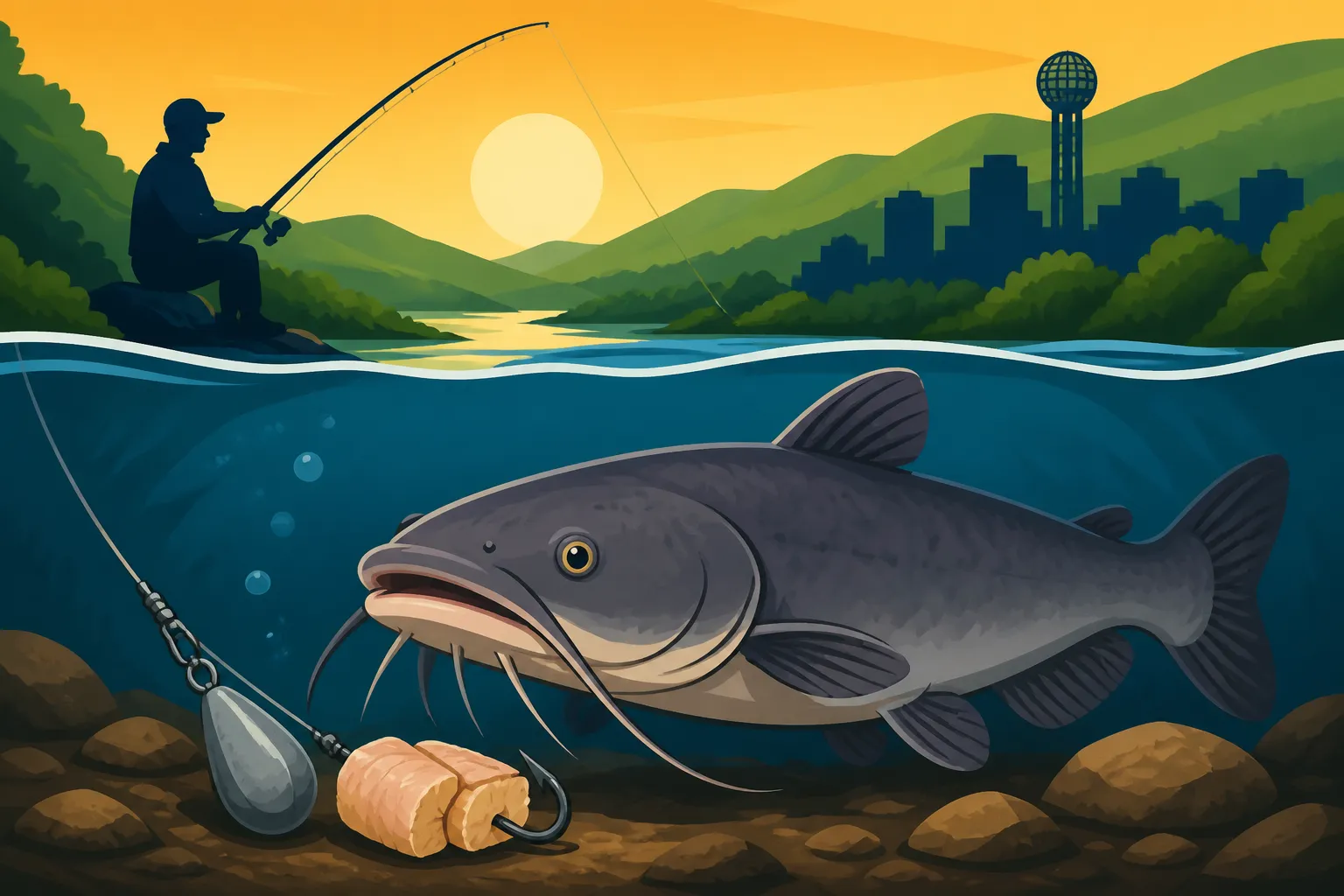
At its core, the Carolina rig is designed to present your bait naturally on the bottom while allowing the fish to pick it up without immediately feeling the weight of the sinker. This free-sliding action is critical, as catfish are often wary and will drop a bait if they feel too much resistance. To tie a Carolina rig, you'll first slide an egg sinker onto your main line. The size of the sinker will depend on the current and depth, as discussed earlier. After the sinker, you'll add a bead. This bead serves a vital purpose: it protects the knot of your swivel from being repeatedly hammered by the sliding sinker, which could weaken it over time. Once the bead is on, tie your main line to one eye of a strong barrel swivel. Ensure you use a reliable knot, like a Palomar or improved clinch knot, that matches your line type.
From the other eye of the swivel, you'll tie a leader line. This leader is typically 12 to 36 inches long, again depending on the current and how much freedom you want your bait to have. A longer leader allows the bait to drift more naturally, which can be enticing in slower currents, while a shorter leader keeps the bait closer to the sinker, ideal for heavy currents or targeting fish precisely on structure. Finally, tie your hook to the end of your leader. The Carolina rig effectively separates the weight from the bait, allowing the bait to move freely and enticingly. When a catfish bites, it pulls the bait and leader, but the main line slides through the sinker, giving the fish time to fully engulf the bait before it feels any resistance. This design leads to more positive hook sets.
The Santee Cooper Rig for Enhanced Presentation
While the Carolina rig is excellent, the Santee Cooper rig takes bottom fishing a step further, particularly for suspended catfish or when you want your bait to hover just off the bottom, rather than resting directly on it. This small modification can make a big difference, especially for species like blue catfish that sometimes feed slightly above the bottom.
The Santee Cooper rig starts exactly like a Carolina rig: an egg sinker, followed by a bead, and then tied to a barrel swivel. The key difference lies in the leader section. After tying your leader (typically 12-24 inches) to the other end of the swivel, you'll add a small, brightly colored float or bobber to this leader, positioned just a few inches above the hook. This float, often called a peg float or cigar float, is usually made of foam or cork and is designed to be buoyant enough to lift your bait off the bottom, but not so buoyant that it pulls your sinker off the lakebed. Its brightly colored nature also adds a visual attractor, which can sometimes pique a catfish's curiosity.
The float's purpose is twofold. First, it presents your bait visually to catfish that might be cruising a few feet off the bottom, which is common behavior for blue cats. This can make your bait more visible in murky water. Second, it keeps your bait out of snags like hydrilla or submerged timber, reducing the chances of getting hung up. Imagine fishing a brush pile: a Carolina rig might get buried, but a Santee Cooper rig would have your bait hovering just above the snags, perfectly positioned for a cruising catfish. This rig is particularly effective in areas with soft, mucky bottoms where your bait might sink and be obscured on a standard Carolina rig. By lifting the bait, you ensure it remains in the strike zone and easily detectable.
Other Effective Bottom Rigs
While the Carolina and Santee Cooper rigs are staples, a few other simple yet effective bottom rigs deserve a place in your catfish angling arsenal, each offering distinct advantages depending on the fishing situation.
One of the most straightforward is the Three-Way Swivel Rig, sometimes called a "dropper rig." This rig is excellent for fishing in strong currents or when you want to present multiple baits at different depths. You start by tying your main line to one eye of a three-way swivel. To a second eye, you tie a short dropper line (6-12 inches) with a heavy sinker at the end. To the third eye, you tie a longer leader (12-36 inches) with your hook and bait. This setup keeps the sinker on the bottom, while the bait is presented slightly above it, often allowing it to drift naturally with the current. This rig is especially useful when you're anchored in a river, allowing your bait to flutter enticingly.
Another basic but effective option is the Slip Sinker Rig (which is essentially a simplified Carolina rig without the bead and often with a slightly shorter leader). Here, an egg sinker slides directly on your main line, which is then tied to a swivel, and a leader runs from the swivel to the hook. The key benefit remains the free-sliding sinker, which minimizes resistance for the biting fish. This is a very common setup for casual bank fishing, offering simplicity and effectiveness. For those targeting monster flatheads in heavy cover, a Fixed Weight Rig (often a tight line with a heavy weight crimped or tied a few inches above a large hook) can sometimes be necessary to prevent the bait from moving too far into snags. However, this rig offers more resistance to the biting fish, so you'll need to be ready to set the hook quickly. Understanding these different configurations allows you to adapt to various conditions, from clear lake bottoms to snag-ridden river channels, ensuring your bait is always presented optimally.
| Rig Type | Key Feature | Ideal Use Case | Pros | Cons |
|---|---|---|---|---|
| Carolina Rig | Free-sliding egg sinker above a swivel and leader | General bottom fishing, moderate current, clear bottoms | Natural bait presentation, minimal resistance to biting fish | Bait rests on bottom, can get snagged in heavy cover or murky bottoms |
| Santee Cooper Rig | Small float on the leader, just above the hook | Fishing over snags, soft/muddy bottoms, targeting suspended catfish | Lifts bait off bottom, reduces snags, increased visibility | Float can be seen by wary fish in clear water, adds complexity |
| Three-Way Swivel Rig | Sinker on short dropper, bait on longer leader | Strong currents, presenting multiple baits at different depths | Keeps bait in strike zone in current, allows varied depth presentation | More components, potential for tangles, more resistance to fish |
| Fixed Weight Rig | Sinker tied or crimped directly on main line | Heavy current, targeting flatheads in dense cover, minimal casting needed | Very stable in current, direct contact with bait | High resistance for fish, easier for fish to drop bait, more gut hooks |
Mastering Bottom Fishing Techniques in Tennessee Waters
Having the right gear and knowing how to rig it is only half the battle. The other half is mastering the actual techniques of casting, presenting your bait, reading the subtle bites of a catfish, and effectively setting the hook.
Casting and Presentation Strategies
Your casting and presentation can dictate whether your carefully selected bait ends up in a prime catfish zone or a barren wasteland. It's about precision and subtlety.
When casting, aim beyond your target structure and allow your bait and sinker to settle naturally. If you cast directly onto a drop-off, your sinker might hang up, or your bait could roll past the sweet spot. By casting beyond and slowly retrieving until you feel the sinker hit the desired area, you ensure a more controlled and subtle presentation. For instance, if you're targeting a submerged creek channel in Watts Bar Lake, cast well past the channel, let your rig sink, and then slowly drag it back until you feel that distinctive change in depth. This subtle approach can be more effective than a direct, splashy cast right on top of the fish. When fishing from the bank, especially where vegetation is thick, a gentle underhand cast can place your bait precisely without spooking fish or getting tangled in trees. For those in a boat, using your depth finder to precisely locate structure before dropping your bait is a huge advantage. Many anglers will "spot lock" their trolling motor (like those from Minn Kota or Lowrance) right over a key piece of cover and simply lower their rigs straight down, minimizing disturbance.
Once your bait is on the bottom, patience is a virtue. Catfish aren't always aggressive feeders, especially during certain times of the year or in colder water. Allow your bait to sit for a good amount of time, sometimes 15-30 minutes or even longer, before checking or recasting. The scent trail from your bait needs time to disperse and attract fish. Avoid constantly reeling in and recasting; this creates unnecessary commotion and can pull your bait away from a potential strike zone. If you're fishing multiple rods, spread them out to cover a wider area or different depths. For example, if you're fishing a long point, cast one rig shallow, one at the breakline, and one into deeper water, covering different zones where catfish might be holding. Regularly checking your bait for freshness and ensuring it's still well-secured is also important. Even the best bait loses its potency over time, especially in warmer water.
Reading the Bite and Setting the Hook
One of the most challenging aspects of bottom fishing for catfish, especially for beginners, is learning to differentiate between a fish bite and something else, like a snag or current. Catfish bites can range from subtle taps to aggressive, rod-bending strikes.
Often, a catfish bite on a bottom rig will feel like a series of light taps or a steady, slow pull. Smaller channel catfish might peck at the bait for a while before fully taking it. A blue catfish might simply swim off with the bait, causing a steady bend in your rod. Flatheads often take a bait and hold it, making the rod tip slowly load up. The key is to wait for the fish to fully commit. Don't set the hook at the first tap! With a circle hook, this is even more crucial. When you feel a solid, consistent pull, or the rod tip steadily bends, slowly reel in the slack until you feel the weight of the fish, and then simply apply steady pressure by sweeping the rod to the side. The circle hook is designed to rotate and lodge itself in the corner of the fish's mouth as pressure is applied, requiring no aggressive "set." For J-hooks, a sharp, upward sweep of the rod is usually necessary.
Pay attention to your rod tip. A gentle bob, a slight twitch, or a steady sag can all indicate a bite. If you're using a rod holder, watch the tip closely. Sometimes, a fish will pick up the bait and move a short distance, causing the rod to load up before relaxing. This is often when a catfish is mouthing the bait. If you feel this, resist the urge to immediately set the hook. Give it a few more seconds to ensure the fish has fully taken the bait. When you're confident it's a fish and not a snag, take up the slack and either slowly sweep the rod (for circle hooks) or firmly snap it upward (for J-hooks). Remember, consistent pressure is vital once the hook is set. Catfish are powerful fighters, and letting slack into the line can give them the leverage to throw the hook.
Bank vs. Boat Bottom Fishing Approaches
Whether you're casting from the tranquil shores of a local pond or drifting over the vast expanses of the Tennessee River, your approach to bottom fishing will vary significantly. Both have their advantages and unique challenges.
Bank fishing is often the most accessible way to target catfish, requiring minimal equipment beyond your rod, reel, and tackle box. The key to successful bank fishing is scouting out prime locations. Look for areas where deeper water is accessible from the shore, such as sharp drop-offs, points that extend into the main channel, or the mouths of feeder creeks. Bridge pilings and rip-rap (rocky shoreline fortifications) are also excellent bank fishing spots, as they offer structure and current breaks. When fishing from the bank, you're limited by casting distance, so choosing spots where fish are naturally closer to shore is crucial. Early mornings and late evenings are often the best times, as catfish might move into shallower water to feed under the cover of low light. For safety and convenience, consider bringing a comfortable chair, a sturdy rod holder to keep your rod tip visible, and a headlamp for night fishing. You can learn more about How to Catch Catfish From the Bank to refine your techniques.
Boat fishing, on the other hand, offers unparalleled access to a wider array of catfish habitats. You can reach those elusive submerged humps, deep river channels, and dense brush piles that are inaccessible from shore. There are two primary boat fishing techniques for bottom fishing: anchoring and drifting. Anchoring is ideal when you've pinpointed a specific piece of structure, like a rock pile or a submerged tree, that you want to target precisely. Position your boat upstream or upwind of the structure, allowing your bait to settle right into the sweet spot. Drifting is excellent for covering large areas, especially in big reservoirs or rivers where catfish might be scattered. You simply let the current or wind slowly move your boat, dragging your bottom rigs along the lakebed, covering vast amounts of water until you find an active school. Both techniques can be incredibly productive, but require good boat control, especially when using a boat for fishing in areas like Kentucky Lake Catfish Fishing Spots or Pickwick Lake Catfish Fishing Spots, Tennessee. Always ensure your boat is properly registered and you have all necessary safety equipment before heading out.
Seasonal Considerations for Bottom Fishing Catfish
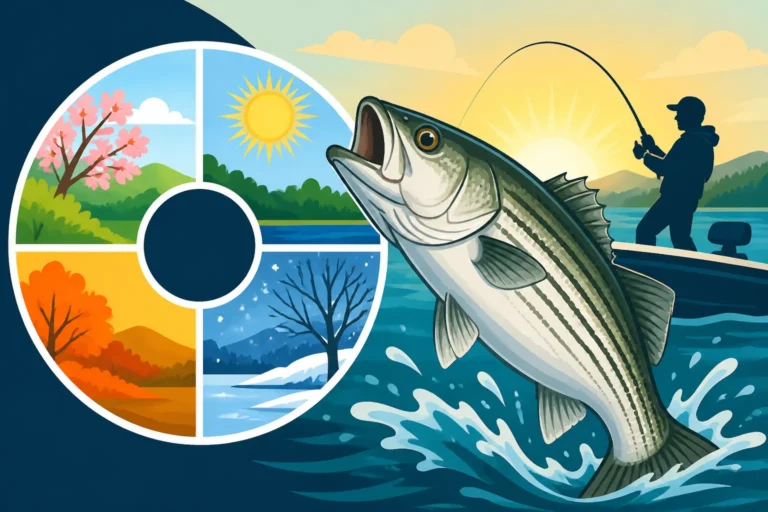
Catfish are available year-round in Tennessee, but their behavior and preferred locations shift with the seasons, largely influenced by water temperature. Adapting your bottom fishing strategy to these seasonal changes is crucial for consistent success.
Spring and Summer Bottom Fishing Tactics
Spring and summer are prime times for bottom fishing, as warming waters kickstart catfish activity and metabolism, making them more aggressive feeders. However, the specific tactics will evolve as the seasons progress.
In spring, as water temperatures climb into the 50s and 60s Fahrenheit, catfish begin to move out of their deep wintering holes and into shallower areas to feed and eventually spawn. During the pre-spawn phase, they are actively looking for food to build up energy. Focus your bottom fishing efforts on transition areas: the edges of main river channels, points leading into coves, and flats adjacent to deeper water. Areas with submerged timber or rock piles that warm up quickly are also excellent. Use cut bait or stink bait, as the catfish are on the hunt. Once the water hits the mid-70s, the spawn typically begins. Catfish are less interested in feeding during this time, often moving to protected areas like hollow logs, undercut banks, or dense brush to lay eggs. You might find them in shallower water, but they'll be less inclined to bite. Targeting them can still be done with persistence, but often a slower retrieve and smaller baits are more effective near their spawning grounds.
As summer progresses and water temperatures soar into the 80s, catfish will often move to deeper, cooler water during the day, seeking thermal refuge and higher oxygen levels. Main river channels, deep reservoir basins, and the deepest parts of tributary creeks become hotspots. Look for structure in these deep areas, such as ledges, humps, and old creek beds. While they might be in deep water during the day, catfish will often move shallower to feed during low-light hours, especially at night. This makes How to Catch Catfish at Night an incredibly productive strategy during the summer months. Use larger pieces of cut bait or live bait to attract the bigger, more active fish. The hot summer months, particularly July and August, are often cited as the Best Time of Year to Catch Catfish for sheer numbers and trophy-sized fish on many Tennessee lakes due to their robust feeding patterns.
Fall and Winter Bottom Fishing Nuances
Don't hang up your catfish gear just because the leaves are changing or the snow is falling. Fall and winter can offer some fantastic bottom fishing opportunities, especially for larger, well-fed fish, if you know where to look.
In fall, as water temperatures begin to drop from their summer highs, catfish enter a significant feeding phase. They instinctively know winter is coming and need to bulk up. This post-spawn and pre-winter feeding frenzy makes them highly susceptible to bottom baits. During early fall, many of the summer deep-water patterns still hold true, but as the water cools further, catfish will start to move shallower again, following baitfish that are doing the same. Focus on the main lake points, channel swings, and large flats near deep water access. Fresh cut bait, especially shad, is incredibly effective as shad themselves are abundant and active in the fall. The slightly cooler water often means more aggressive bites, and you might find schools of catfish gorging themselves.
Winter bottom fishing for catfish requires patience and precision, but the rewards can be substantial, often yielding some of the largest fish of the year. Catfish will typically congregate in deep holes, main river channels, and reservoir basins, seeking stable water temperatures. They become much less active, their metabolism slowing down significantly. This means their bites will be incredibly subtle – sometimes just a light tap or a slight increase in pressure on your line. You'll need sensitive rods and often lighter weights to detect these nuances. Present your bait directly in their deep wintering holes. Dead stick your rods (let them sit completely still in a rod holder) or make extremely slow retrieves. Smaller pieces of cut bait, often on the bottom, are the most effective. While the bites might be fewer and far between, the fish you do catch are often larger, having conserved energy throughout the colder months. Don't underestimate the potential for a trophy catfish in the dead of winter; they're just harder to find and entice.
Disclaimer
Fishing inherently carries risks, including but not limited to injury or drowning. Always prioritize safety by wearing a U.S. Coast Guard-approved life jacket, especially when boating. Be aware of weather conditions, water levels, and local regulations. The information provided in this guide is for informational purposes only and should not replace professional advice or personal judgment. Always adhere to all Tennessee Wildlife Resources Agency (TWRA) regulations, including licensing requirements, size limits, and creel limits. Fishing regulations can change, so it's your responsibility to check the latest guidelines before each outing.