Flathead Catfish Habitat in Tennessee Rivers
Trying to pin down where those elusive flathead catfish hide in Tennessee's vast river systems can feel like a lifelong puzzle for many anglers. You know they're out there, those big, strong, solitary river monsters, but actually finding them is another story entirely. It's not just about dropping a line anywhere; it's about understanding their world, their preferences, and how the rivers themselves create the perfect ambush spots. This guide is here to unravel that mystery, helping you understand the specific habitats flatheads love in Tennessee's diverse waterways so you can spend less time guessing and more time connecting with these incredible fish.
Understanding the Flathead Catfish: A River Monster's Profile
Flathead catfish are truly unique among their whiskered cousins. They’re not your average scavenger; these are apex predators of the river bottom, preferring live prey and setting up strategic ambushes. Their very nature dictates the kind of places they call home, and understanding that nature is the first step to finding them.
Identifying Features and Behavior
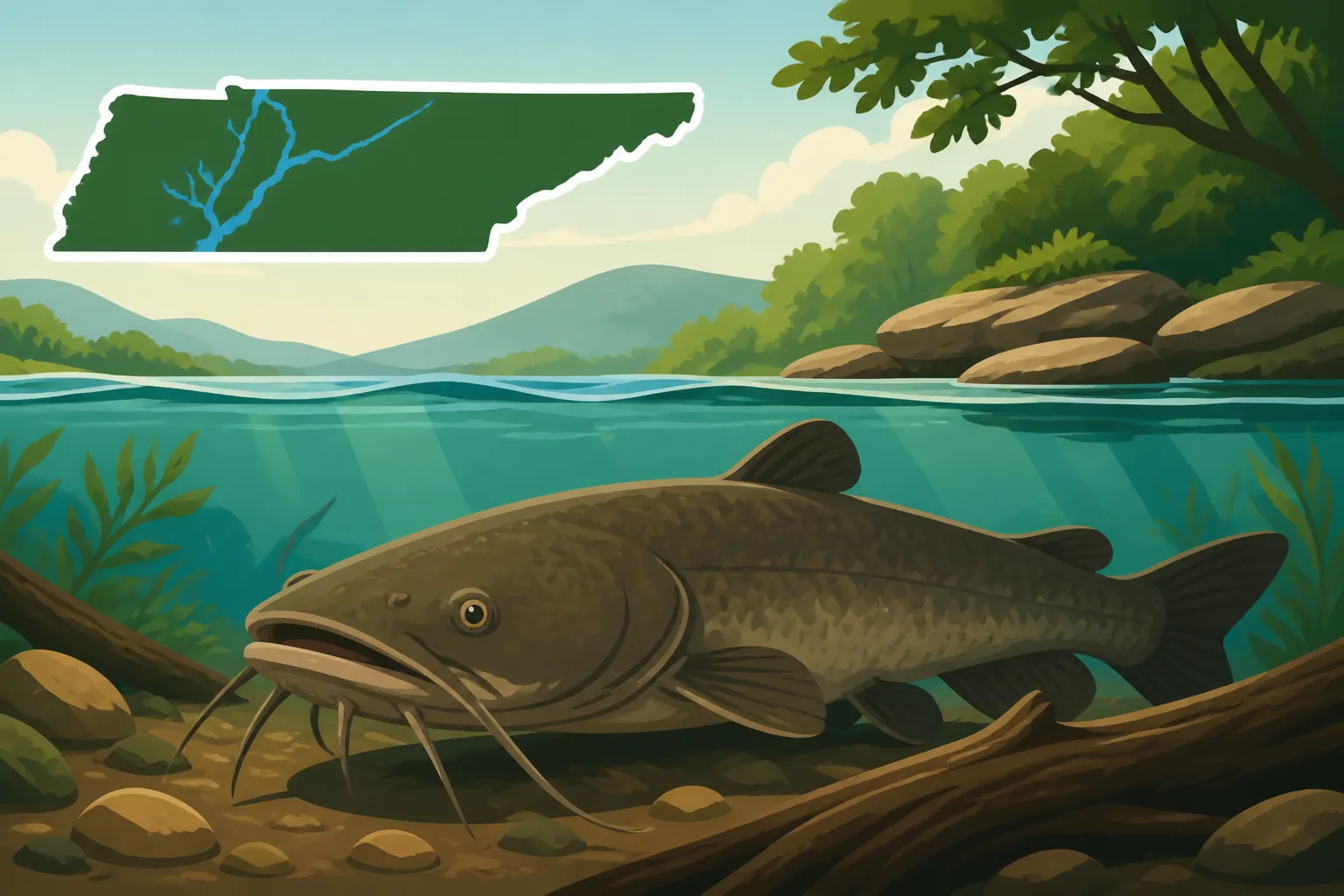
You can't mistake a flathead once you've seen one. They've got a distinct, flattened head (hence the name!), a lower jaw that protrudes past the upper, and usually a mottled brown and yellow coloration that helps them blend perfectly with rocky or woody river bottoms. Unlike channel or blue catfish, which often school, flatheads are largely solitary creatures. They prefer to find a prime piece of real estate and defend it, only moving out of necessity or when the seasons truly dictate. This territorial behavior is a huge clue to their habitat: they seek out secure, defensible spots where they can both hide and hunt.
Think about it from their perspective. A flathead wants a home base where it feels safe from larger predators (though few exist once they reach a decent size!) and where smaller fish are likely to pass by unsuspecting. This means deep cover, something substantial that they can back into or sit under. They're not just swimming around hoping to bump into food; they're patiently waiting for it to come to them. This solitary, ambush-oriented lifestyle is crucial to understanding why certain types of river structure are so appealing to them.
Preferred Diet and Hunting Strategy
Flatheads are primarily piscivores, meaning they eat fish. While a small flathead might snack on insects or crustaceans, once they grow, their diet shifts almost exclusively to live fish. This is why bait choice is so critical when targeting them, and it further explains their habitat preferences. They don't just eat any fish; they prefer lively, struggling prey. Their hunting strategy is pure ambush. They'll position themselves near current breaks, under logs, or inside root wads, waiting for an unsuspecting baitfish, bream, or even a small carp to swim by. Then, with a sudden lunge, they engulf their meal.
This reliance on live food and ambush tactics means they need areas where two things converge: a steady supply of potential prey and excellent hiding cover. They won't set up shop in a barren, open stretch of river because it offers no advantage. Instead, they'll seek out the junctions where baitfish congregate and where the river's structure provides the perfect blind for a hungry predator. If you want to know more about what they like to eat, check out Best Live Bait for Flathead Catfish.
Prime Flathead Habitat: Deep, Woody, and Slow
When you're searching for flatheads in Tennessee's rivers, forget the shallow, fast-moving sections and picture a big, lazy, underwater fortress. Their ideal habitat combines specific depth, structure, and current conditions that provide security, comfort, and ample hunting opportunities.
River Channel Dynamics and Depth
Flatheads are drawn to depth. While they might venture shallower to hunt or during spawning, their core habitat is usually found in the deeper sections of river channels. We're talking about those places where the river really carves out its path, often 15 feet deep or more, sometimes significantly deeper in places like the Tennessee River. These depths offer stability in water temperature, protection from sunlight, and a sense of security from surface disturbances. The deeper water also tends to have a more consistent current, which helps bring food to them without forcing them to expend too much energy fighting the flow.
Consider a major river bend, where the outside curve has been scoured out by years of water flow. This is a classic flathead spot. The current is often stronger on the outside bend, creating deeper holes and eddies. Flatheads will sit just out of the main current, perhaps in a deep depression or behind a large rock, letting the river do the work of delivering potential meals to their doorstep. They like those deep, dark spots where they can feel the subtle movements of the water and sense anything swimming by.
Importance of Submerged Wood and Cover
If there's one thing flathead catfish love more than anything, it's wood – specifically, submerged wood. Logjams, fallen trees, root wads, old dock pilings, brush piles, or even sunken barges are all prime real estate. This heavy cover provides essential concealment, acting as a perfect ambush point and a safe haven. They will wedge themselves into the thickest part of a logjam, often so tightly that you wonder how a fish of their size could even fit. This is their fortress, their den, their home.
The reason is simple: security. In the murky depths of a river, a solid piece of structure offers a place to hide from the sun and from any perceived threats. More importantly, it acts as a natural funnel and attractor for baitfish. Smaller fish seek shelter in the same woody cover, creating a convenient larder for a hungry flathead. When you're drifting down a river and spot a massive logjam half-submerged, your heart should skip a beat – that's flathead written all over it. Many anglers even mark these spots with GPS because they know that year after year, a big flathead is likely to be found nearby.
Current Breaks and Slack Water
While flatheads are powerful fish, they are also energy efficient. They don't want to constantly fight a strong current. Instead, they position themselves strategically in current breaks or slack water areas adjacent to faster flows. These are the sweet spots where the current slows down just enough for them to rest comfortably, but still close enough to the main flow to intercept food being swept downstream. Think about the eddies behind large rocks, the slower water just downstream of a logjam, or the inside bends of a river where the flow is significantly reduced.
These current breaks are vital because they allow flatheads to conserve energy while waiting for prey. Baitfish often get disoriented or slowed down by these same current transitions, making them easier targets. It's like standing at the edge of a busy highway, waiting for a car to slow down before you try to intercept it. Understanding how water flows and where it creates these natural "rest stops" is key to unlocking flathead territory. For a broader look at catfish habits, check out Catfish Species Found in Tennessee Waters.
Key Tennessee Rivers for Flathead Catfish
Tennessee is blessed with an incredible network of rivers, many of which are absolute havens for flathead catfish. From the mighty main stem to smaller tributaries, these waters offer the diverse habitats these fish crave.
The Mighty Tennessee River
When you talk about flathead catfish in Tennessee, the Tennessee River has to be at the top of the list. This massive waterway, with its series of large reservoirs like Kentucky Lake, Watts Bar Lake, and Chickamauga Lake, offers an almost endless supply of prime flathead habitat. The river system is characterized by vast deep channels, extensive submerged timber (especially in the older, uncleared sections before the dams), and countless feeder creeks and tributaries that bring in nutrients and baitfish.
Anglers often target the deep main channel ledges, river bends, and the areas around bridge pilings on the Tennessee River. Specific spots like the tailwaters below the dams, where baitfish are often churned up and disoriented, can be incredibly productive. For instance, sections of Kentucky Lake are renowned for their impressive catfish populations. If you’re looking for specifics on this area, you might find Kentucky Lake Catfish Fishing Spots, Tennessee helpful. The sheer size and depth of this river mean there's always a new spot to explore, and the flatheads here can grow to truly monstrous proportions, feeding on the abundant prey base.
Cumberland River's Hidden Gems
The Cumberland River, especially its lower sections and reservoir impoundments like Lake Barkley, is another phenomenal flathead fishery. While perhaps not as widely publicized for its flatheads as the Tennessee River, it holds its own with deep holes, strong currents, and plenty of woody debris. Anglers on the Cumberland often find success in the areas where major tributaries feed into the main river, bringing with them a fresh supply of food and creating interesting current seams.
The Cumberland River's banks are often lined with mature trees, and when these fall into the water, they create the perfect flathead hideouts. Navigating the river to find these hidden gems takes time and effort, but the rewards can be significant. Look for those deep, slow-moving oxbows or cutoffs that were once part of the main channel but now offer calmer, deeper water with tons of cover. If you're planning a trip there, be sure to check out Cumberland River Fishing Spots in Tennessee for more local insights.
Other Notable Flathead Haunts
Beyond the two major rivers, several other Tennessee waterways hold excellent flathead populations. The Mississippi River, forming Tennessee's western border, is a world-class flathead fishery in its own right, boasting incredibly deep channels, powerful currents, and a vast, dynamic ecosystem. The shifting sandbars, scour holes, and massive logjams of the Mississippi are textbook flathead territory.
Further east, smaller rivers like the Duck River and the Holston River also contain good numbers of flatheads, particularly in their deeper, slower pools and around significant woody structure. These rivers might require a different approach, perhaps focusing more on specific bends or stretches that offer consistent deep water and plenty of cover. It's often about finding those specific stretches of river that mimic the ideal deep, woody, and slow conditions, even if the overall river isn't as grand in scale as the Tennessee or Cumberland. Always keep an eye out for submerged structure, no matter the river size!
Seasonal Movements and Habitat Shifts
Flathead catfish aren't static residents; their habitat preferences can shift throughout the year, largely dictated by water temperature, spawning cycles, and feeding opportunities. Understanding these seasonal movements is critical for consistent success.
Spring Spawning and Shallow Water
As water temperatures begin to rise in the spring, typically when they hit the upper 60s Fahrenheit, flatheads start to move. This is their spawning season. During this time, they'll often venture out of their deep wintering holes and move into shallower waters, usually bays, coves, or protected backwaters with a steady flow but reduced current. They seek out areas with some sort of hard structure for nesting – often a hollow log, a rock overhang, or a deep undercut bank. The male flathead will guard the nest aggressively, ensuring the eggs are protected until they hatch.
Anglers often find flatheads in surprising places during this time, sometimes in water as shallow as 5-10 feet, especially near abundant cover. This makes them a bit more accessible, though disturbing them during spawning is generally frowned upon by conservation-minded anglers. After spawning, the fish will often remain somewhat dispersed for a period, recuperating and feeding actively before returning to their deeper haunts as summer sets in.
Summer Deep Water and Night Feeding
Once summer temperatures fully take hold, flatheads generally retreat to their preferred deep, cool, and oxygen-rich sanctuaries. This means a return to the deepest holes, the densest logjams, and the coolest scour holes in the main river channel. While they might still be found in similar locations during the day, their activity often shifts dramatically to nighttime. As the sun sets and the river cools, flatheads become much more active, venturing out of their cover to hunt.
During these warm months, focusing on those primary habitat features – deep water, heavy submerged wood, and current breaks – becomes even more important. Many successful summer flathead anglers will target these areas after dark, often anchoring upriver and drifting live bait down into known flathead lairs. The cover provides refuge from the heat and bright light during the day, and at night, they become bold, prowling their territory for any unwary prey. For tips on night fishing for these beasts, check out How to Catch Catfish at Night.
Fall and Winter Migration
As fall approaches and water temperatures begin to drop, flatheads typically enter a pre-winter feeding frenzy. They become incredibly active, trying to pack on weight for the lean winter months. They might be found in similar summer spots, but their activity window might shift back towards daytime as the water cools. They're still focused on deep water and cover, but their movements might be a bit more widespread as they actively chase down schools of baitfish.
In winter, when water temperatures dip significantly, flatheads become quite lethargic. They retreat to their deepest wintering holes, often congregating in large groups in specific, very deep river sections or pools where the water temperature is most stable. They might become almost dormant, feeding very little, if at all. Targeting them in winter is challenging, requiring very precise bait placement and slow presentations in these deep, almost stagnant wintering holes. This seasonal shift highlights the dynamic nature of their habitat use throughout the year. For a broader understanding of when to target them, consider Tennessee Catfish Fishing Techniques and Seasons.
Locating Flathead Hotspots: Angler Strategies
Finding flathead catfish in Tennessee's vast river systems isn't always easy, but it’s a rewarding challenge. It requires a combination of keen observation, smart use of technology, and a willingness to learn from the river itself.
Reading the Water for Structure
One of the most important skills for any flathead angler is learning to "read the water." This means looking for subtle clues on the surface that indicate what's happening underneath. Swirling eddies, current seams, ripples, or even just patches of calm water can all point to submerged structure or depth changes. For instance, a persistent boil or swirl near a bank might indicate an undercut bank or a hidden logjam below. Areas where the main current suddenly slows or changes direction are often prime spots.
You're essentially playing detective, trying to piece together the underwater landscape from the surface clues. Look for obvious signs of fallen trees along the banks that extend into the water. Note areas where the river visibly narrows or widens, as these transitions often create deeper scour holes or slack water pockets. Paying attention to these surface indicators, combined with a mental map of what ideal flathead habitat looks like, will significantly narrow down your search. This skill improves with every hour spent on the water, so don't get discouraged if it doesn't come naturally at first.
Using Electronics and Local Knowledge
While reading the water is crucial, modern electronics can be an invaluable asset in locating flathead hotspots. A good fish finder with down imaging or side imaging capabilities can reveal detailed images of submerged trees, rock piles, ledges, and deep holes that are invisible from the surface. You can mark these potential flathead lairs with your GPS, creating a personal map of productive spots. Cruising slowly over suspected areas and watching your screen for those tell-tale dense blobs of structure is a highly effective way to find new honey holes. If you want to know more about the different types of fishing gear that help you with this, there are many resources out there, some available from retailers like Amazon, that can teach you how to use fish finders for catfish.
Beyond electronics, local knowledge is king. Talk to other seasoned anglers, visit local bait shops, or spend time at popular boat ramps. Many veteran flathead fishermen are a tight-lipped bunch, and for good reason, but friendly conversation can often yield clues about general areas or types of structure that tend to hold fish. Observing where other successful anglers are fishing (without encroaching on their spot, of course!) can also provide valuable insights. Combining your own observational skills and technological advantages with the wisdom of those who know the river best will significantly increase your chances of connecting with a trophy flathead.
Seasonal Habitat Preferences Overview
To help visualize how flathead habitat choices shift, here's a quick overview:
| Season | Primary Habitat Characteristics | Water Depth | Notable Behavior |
|---|---|---|---|
| Spring | Shallow, protected coves and backwaters with hard structure; some woody debris. | 5-15 feet | Spawning, aggressive nest guarding, post-spawn feeding. |
| Summer | Deepest river channels, massive logjams, scour holes, strong current breaks. | 15+ feet | Retreats to deep, cool cover during day; highly active at night. |
| Fall | Similar to summer but more widespread; major channel ledges, deep holes. | 10-25+ feet | Pre-winter feeding frenzy, actively chasing baitfish. |
| Winter | Very deepest, most stable holes in main river channels; often congregates. | 25+ feet (or deepest available) | Lethargic, minimal feeding, almost dormant. |
Disclaimer
This article is for general informational purposes only and does not constitute professional advice. Laws, prices and regulations vary by location and change over time. Consult a qualified professional for guidance on your specific situation.