Best Bait for Rainbow Trout Fishing
If you've ever stood by a beautiful stream or lake in Tennessee, watching others pull out gleaming rainbow trout while your line stays stubbornly still, you're not alone. It can feel like there's some secret handshake you're missing when it comes to picking the right bait. This guide is here to unravel that mystery, offering practical, real-world advice on the best baits to use for rainbow trout across Tennessee's diverse waters, whether you're targeting recently stocked fish or the wily wild ones.
Understanding Rainbow Trout Behavior in Tennessee Waters
Before we even dive into specific baits, it's really helpful to understand a bit about rainbow trout themselves, especially how they behave here in Tennessee. They're beautiful fish, known for their vibrant colors and spirited fight, but what they'll bite depends a lot on their environment and upbringing.
Stocked vs. Wild Trout: How It Impacts Bait Choice
One of the biggest factors influencing what bait a rainbow trout will hit is whether it's a stocked fish or a wild, stream-bred native. Tennessee's streams and lakes receive regular stockings of rainbow trout, particularly in popular fishing areas and during specific seasons. These fish are often raised in hatcheries where they're fed pellets. When they first enter a new waterway, they're often a bit disoriented and, frankly, not very picky. They’re used to an easy meal and are often more willing to strike at something brightly colored or strongly scented that reminds them of their hatchery food. This is where those "secret weapons" come into play.
On the flip side, you have wild trout. These are the fish that have lived their entire lives in a river or stream, foraging for natural insects, small fish, and crustaceans. They are often much more wary, keyed into the natural food sources available in their specific environment. Catching a wild rainbow trout requires a more subtle approach, often with baits that perfectly mimic what they naturally eat, or with presentations that are incredibly lifelike. If you're fishing a designated "wild trout stream" or an area known for naturally reproducing populations, your bait choice will be vastly different from a pond that was just stocked last week. Understanding this distinction is your first step to success. For more on where these fish live, check out How to Identify Rainbow Trout in Tennessee Streams.
Reading the Water: Where Trout Hold and Feed
Trout are creatures of habit, and their habits are dictated by safety, current, and food availability. In a moving stream, rainbow trout will typically hold in spots where they can conserve energy while still being close to a food source. This means looking for seams where fast water meets slow water, behind boulders, in deep pools, or along undercut banks. These spots offer a respite from the main current and an ambush point for drifting insects.
In lakes and larger reservoirs, especially for stocked trout, they might cruise shallower banks, drop-offs, or congregate around structures like submerged trees or boat docks. If you’re fishing a deep lake, they might go to specific depths where the water temperature is ideal and baitfish are abundant. The clearer the water, the more wary trout tend to be, often staying deeper or under cover. Muddy or stained water, on the other hand, might make them less cautious and more willing to chase a larger, more visible, or scented bait. Always observe the water for signs of feeding activity, like rising fish or baitfish flickering on the surface, as this can give you crucial clues about where and how to present your chosen bait. Learning How to Read Water When Trout Fishing can drastically improve your catch rate.
Top Baits for Rainbow Trout in Tennessee
Alright, let's get down to business. If you're heading out to chase those beautiful rainbows in Tennessee, here are some of the most consistent bait choices that anglers swear by, categorized for clarity.
PowerBait and Scented Dough Baits: The Stocked Trout Secret Weapon
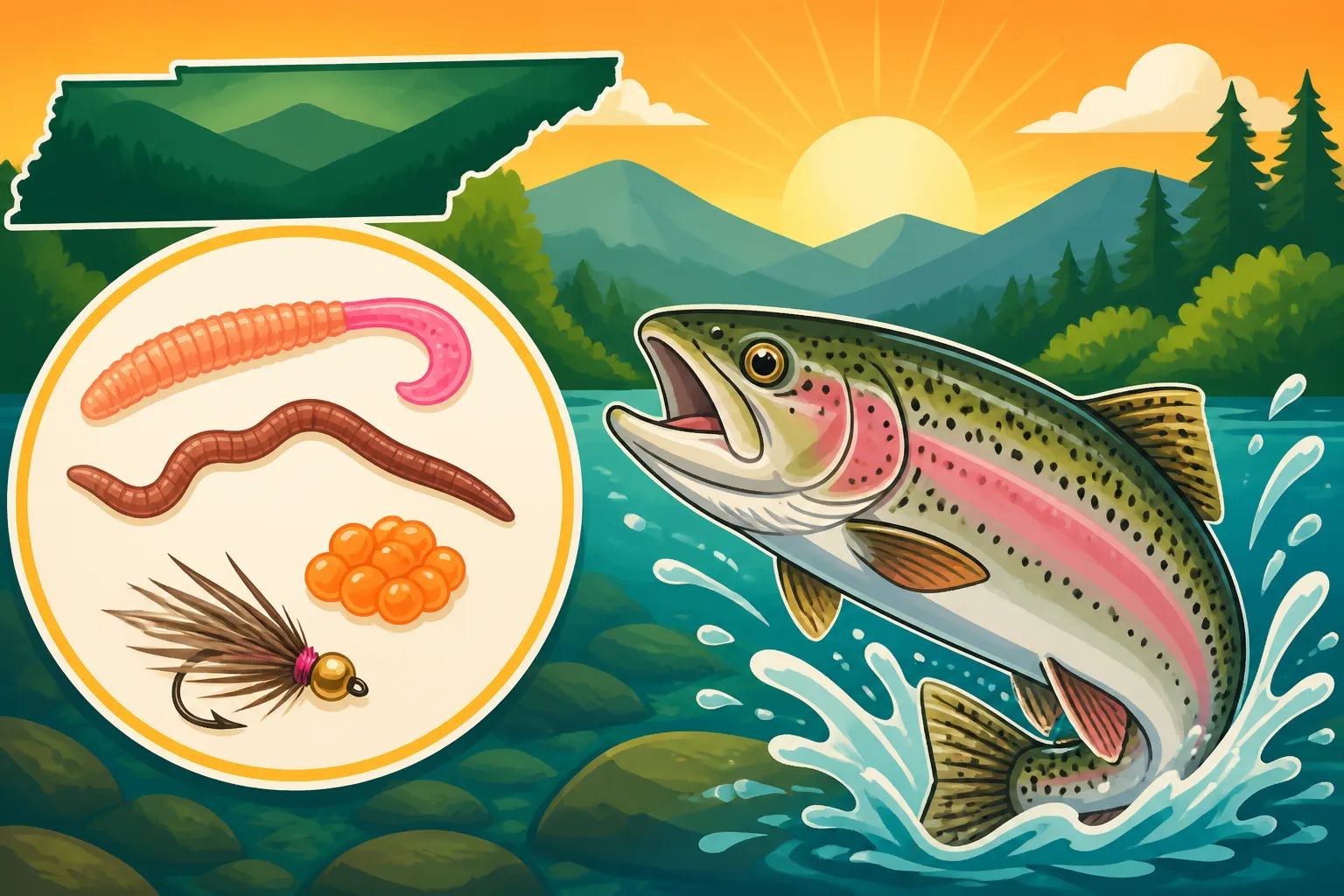
When it comes to recently stocked rainbow trout, especially in lakes, ponds, or tailwaters, nothing beats PowerBait or similar scented dough baits. These are, hands down, the easiest and often most effective option for these hatchery-raised fish. They come in a dizzying array of colors – chartreuse, fluorescent orange, rainbow, glitter varieties – and scents designed to mimic their hatchery feed.
The beauty of PowerBait is that most varieties float. This means you can rig it with a small treble hook (sizes 12-16 are usually perfect) and a light split-shot sinker a foot or two above it. The sinker takes your line down, but the PowerBait floats off the bottom, putting it right at eye level for cruising trout. This presentation is incredibly effective because trout often look up for food, and the floating bait keeps it out of the muck. You can find a huge variety of these baits on platforms like Amazon, making it easy to experiment with different colors and scents to see what the fish are hitting on any given day. Don't be afraid to try multiple colors; sometimes a subtle shift from orange to red can make all the difference. When shaping the bait around your hook, ensure the hook point is completely covered to create a natural-looking blob.
Live Baits: Worms and Corn
Sometimes, nothing beats the natural appeal of a live offering, and for rainbow trout, worms are often at the top of that list.
Worms (Nightcrawlers, Red Wigglers): A classic for a reason, worms offer natural movement, scent, and a universally recognized food source for fish. They work well for both stocked and wild trout, though wilder fish often prefer smaller, more natural presentations. For nightcrawlers, you can use a small piece threaded onto a light hook (size 8-12), letting the ends dangle to create enticing movement. Red wigglers are smaller and often more active, making them fantastic for stream fishing where a natural drift is key. You can often find red wigglers at local bait shops, and some anglers even raise their own. Presenting a worm naturally, letting it drift with the current in a stream, can be incredibly effective.
Corn: Yes, you read that right – plain old kernel corn. While some purists might scoff, corn can be surprisingly effective for rainbow trout, especially in heavily stocked ponds or areas where fish are routinely fed by visitors. Its bright yellow color is highly visible, and it has a sweet scent that fish can detect. It's often used in combination with other baits, like a small piece of worm, to add both scent and visual appeal. You can rig a few kernels on a small hook (size 14-16), sometimes alongside a tiny piece of PowerBait for added buoyancy. The main drawback is that other panfish, like bluegill, also love corn, so you might get a lot of nibbles before a trout commits. This is a very common technique when learning How to Fish for Trout in a Stocked Pond.
Artificial Lures: Spinners and Spoons
When trout are actively feeding, especially in moving water or when they're a bit more aggressive, artificial lures can be deadly. These baits are designed to mimic small baitfish or larger insects, triggering a predatory response.
Spinners: Spinners are incredibly popular for trout fishing due to their simplicity and effectiveness. Brands like Mepps, Panther Martin, and Rooster Tail are mainstays in many anglers' tackle boxes. These lures feature a blade that spins around a central shaft as you retrieve it, creating flash and vibration that attract trout.
- Colors: For clear water and bright days, silver and gold blades are often excellent. In stained water or low light, try brass or even fluorescent colors like chartreuse or orange.
- Sizes: Start with smaller sizes (1/32 oz to 1/8 oz) for streams and smaller ponds, moving up to 1/4 oz or even 3/8 oz for larger rivers or lake fishing where you need to cast further or go deeper.
- Technique: A slow, steady retrieve is usually best, allowing the blade to spin consistently. You can vary your retrieve speed or add small twitches to make the lure appear more erratic and injured, often triggering a strike. Spinners are fantastic for covering water and actively seeking out fish. For a deeper dive into these active methods, check out Spin Fishing Techniques for Trout.
Spoons: Spoons are another excellent choice for actively fishing for trout, particularly in larger bodies of water or when targeting larger, more aggressive fish. Lures like the Acme Little Cleo, CastChamp, or Daredevle spoons wobble and flash through the water, mimicking an injured baitfish.
- Colors: Similar to spinners, silver and gold are great all-around choices. Try combinations with blue, red, or orange stripes.
- Sizes: Smaller spoons (1/8 oz to 1/4 oz) are versatile. For deep lakes or powerful currents, you might go heavier.
- Technique: Cast them out and retrieve steadily, letting the spoon flutter. You can also jig them vertically from a boat or bank in deeper water. The key is to let the spoon have its natural, erratic action.
Natural Baits: A Deeper Dive for Wary Trout
While PowerBait and flashy lures catch a lot of fish, sometimes you need to get back to basics, especially when targeting wilder trout or fish that have become wary of artificial offerings. These natural options often require a more delicate presentation but can be incredibly rewarding.
Imitating Insects: Crickets, Grasshoppers, and Grubs
Insects are a primary food source for wild rainbow trout, particularly in stream environments. Mimicking these natural offerings can be exceptionally effective, especially during warmer months when insects are abundant.
Crickets and Grasshoppers: These terrestrial insects are often irresistible to trout, especially if they fall into the water from overhanging vegetation.
- When to use them: Late spring through fall, particularly after a rain or on windy days when insects might be knocked into the water.
- How to rig them: Use a very small, light wire hook (size 10-14) and hook the insect gently through the collar or just behind the head. You want it to look as natural and unencumbered as possible.
- Presentation: The best presentation is a natural drift. Cast upstream and let the cricket or grasshopper float downstream with the current, without any drag from your line. A small split shot a foot or two above the bait might be necessary in faster water, but try to use as little weight as possible. This technique is often called "high-sticking" and is key to a natural presentation.
Grubs (Mealworms, Wax Worms): These are larvae, often found in bait shops, and are excellent for trout. They have a subtle movement and scent that can entice even finicky fish.
- When to use them: Year-round, but particularly effective when insect hatches are sparse or when fish are holding deeper.
- How to rig them: Hook one or two grubs gently through one end on a small hook (size 12-16).
- Presentation: Similar to worms, a natural drift with minimal weight is crucial. They can also be effective fished under a tiny bobber in slower pools or dead-drifted along the bottom. You can often find these in containers at your local bait shop or even order them online from places like Amazon if you're planning a trip.
Salmon Eggs and Marshmallows: Old School Favorites
Some baits just stand the test of time, and for good reason. Salmon eggs and marshmallows have been catching trout for generations, often in surprising combinations.
Salmon Eggs: These brightly colored, protein-rich morsels are a natural food source for trout in areas where salmon or trout spawn. Even where they don't, the bright color and scent can be a powerful attractant.
- Types: You'll find single salmon eggs, often preserved and dyed, as well as clusters. Single eggs are great for smaller, warier fish.
- How to rig them: Use a very small, sharp hook (size 14-18) and thread a single egg on, ensuring the hook point is exposed. For clusters, a slightly larger hook might be needed.
- Presentation: Similar to PowerBait, salmon eggs are often fished off the bottom using a small split shot a foot or two above the bait. They can also be drifted in a current or fished under a float. The key is to present them gently and allow them to move naturally.
Marshmallows: This might sound odd, but small white marshmallows have a unique appeal to trout. They float, are highly visible, and have a subtle sweetness.
- When to use them: Primarily for stocked trout in lakes and slower pools. They are less effective for wild, stream-bred fish.
- How to rig them: Simply thread a mini-marshmallow onto a small hook (size 12-16). You can use it alone or, more commonly, as a flotation device for another bait.
- Combination technique: A very popular "old school" trick is to thread a mini-marshmallow onto your hook, followed by a piece of a worm or a few kernels of corn. The marshmallow lifts the heavier bait off the bottom, creating an appealing floating presentation with added natural scent. This combination can be particularly effective when fishing murky or slightly stained water where visibility is reduced.
Bait Presentation and Rigging Strategies
Choosing the right bait is only half the battle; presenting it effectively is just as important, if not more so. A perfect bait poorly presented will likely go ignored, while a simple bait presented naturally can often tempt even the most cautious trout.
Essential Terminal Tackle: Hooks, Sinkers, and Floats
Your terminal tackle – the business end of your fishing line – needs to be chosen carefully to match your bait and the fishing conditions.
Hooks: For rainbow trout, smaller is generally better. Sizes 12 to 16 are workhorses for most bait fishing, with some anglers going as small as 18 or 20 for very tiny baits like single salmon eggs or small grubs. Look for sharp, light-wire hooks. Treble hooks are great for PowerBait, as they hold the dough well. Single hooks are better for live baits like worms and insects, as they allow for a more natural presentation and are easier to remove from the fish. Some hooks are even specifically designed with small barbs on the shank to help hold soft baits like PowerBait more securely.
Sinkers (Weights): The goal with sinkers is to use just enough weight to get your bait to the desired depth and keep it there, or to allow it to drift naturally, without making it look unnatural.
- Split Shot: These small, crimp-on weights are perfect for trout fishing. You can add one or more to your line a foot or two above your hook to adjust your depth and drift speed. They are easy to add or remove, allowing you to fine-tune your presentation.
- Sliding Sinkers (Egg Sinkers/Bullet Weights): For fishing on the bottom, especially in lakes, a sliding sinker rig can be effective. A small egg sinker slides freely on your main line, above a small swivel. A leader (1-3 feet) then connects the swivel to your hook. This allows a biting fish to take the bait without feeling the weight of the sinker, increasing your chances of a solid hookset.
Floats (Bobbers/Strike Indicators): Floats help suspend your bait at a specific depth and are critical for bite detection.
- Round or Oval Bobbers: Great for still or slow-moving water. They're highly visible and indicate bites with a dip or sideways movement.
- Slip Bobbers: Allow you to fish at much deeper depths by using a bobber stop knot on your line. The bobber slides down to the bait when casting and then floats up to the stop knot in the water.
- Strike Indicators (for fly fishing with bait): These small, sensitive floats are designed to show even the subtlest takes, especially when drifting natural baits in current. They are very sensitive and perfect for detecting light bites.
Mastering the Drift: Presenting Your Bait Naturally
Once you've chosen your bait and terminal tackle, the most crucial element is how you present it to the fish. Trout are often very sensitive to unnatural movement or tension on the line.
For Stream Fishing: The goal is almost always a "natural drift." This means your bait should tumble and move with the current as if it were a natural food item dislodged from the stream bed.
- Casting Upstream: Cast your bait slightly upstream and across the current from where you expect trout to be holding.
- Mending Your Line: As your bait drifts downstream, the current will pull a bow in your line, creating drag. This unnatural drag makes your bait move too fast or unnaturally. To combat this, learn to "mend" your line by lifting your rod tip and flipping any slack line upstream. This puts more slack above your bait, allowing it to drift freely.
- High-Sticking: Keep your rod tip high, especially in faster currents, to keep as much line off the water as possible. This minimizes drag and helps you maintain control over your bait's drift.
- Sensitivity: Pay close attention to your line or float. Even a slight pause or twitch can indicate a bite. Trout can suck in and spit out a bait in a fraction of a second, so being ready to set the hook is key.
For Lake and Pond Fishing: While currents might be less of an issue, stealth and depth control become paramount.
- Still Fishing: Cast your bait out, often with a slip sinker to get it to the bottom or a slip bobber to suspend it at a specific depth, and wait. Be patient, and watch your rod tip or bobber for any movement.
- Slow Retrieve: For some baits, especially PowerBait or worms, a very slow, almost imperceptible retrieve can sometimes entice a bite, making the bait look like it's crawling or wiggling.
- Fan Casting: If you're not getting bites in one spot, try fan casting, which involves casting to different spots around your position to cover more water and find where the fish are holding.
Here's a quick comparison of some popular rainbow trout baits:
| Bait Type | Best For | Key Characteristics | Pros | Cons |
|---|---|---|---|---|
| PowerBait / Dough Baits | Stocked Trout, Still Water | Scented, Floating, Many Colors | Highly effective for stocked fish, easy to rig, widely available | Less effective for wild/wary trout, can be messy, unnatural appearance |
| Nightcrawlers / Worms | All Trout, All Waters | Natural, Wiggling, Scented | Universal appeal, works for both wild and stocked fish, good movement | Attracts other species, can be torn off hooks easily, keeping them alive |
| Corn | Stocked Trout, Ponds | Bright Yellow, Sweet Scent, Small Kernels | Visually appealing, often effective for hatchery fish, readily available | Attracts panfish, less natural movement, may be seen as unnatural by wild fish |
| Spinners / Spoons | Active Trout, Moving Water | Flashy, Vibrating, Mimics Baitfish | Triggers aggressive strikes, covers water quickly, good for searching | Requires constant retrieval, can snag easily, less effective for passive fish |
| Crickets / Grasshoppers | Wild Trout, Streams | Natural Insect, Subtle Movement | Highly effective for wild, insect-eating trout, very natural | Hard to keep alive, can be delicate to rig, seasonal availability |
| Salmon Eggs | All Trout, Clear Water | Bright Color, Natural Scent, Small | Very natural food source, subtle presentation, good for finicky fish | Small hooks required, can be expensive, other species may bite |
| Marshmallows | Stocked Trout, Ponds | White, Buoyant, Subtle Sweetness | Excellent for floating other baits, highly visible, cheap | Less effective alone, unnatural, primarily for stocked fish |
Remember, successful trout fishing often involves a combination of these elements. Don't be afraid to experiment with different baits and presentations until you find what the fish are hitting on that particular day. Sometimes, the fish might prefer a PowerBait and other times they want a live worm, especially when the Tennessee Trout Fishing Season Explained shifts or you're fishing different bodies of water. Knowing the Tennessee Trout Limits and Season Rules for your specific area is also paramount for a successful and legal trip.
Disclaimer
This article is for general informational purposes only and does not constitute professional advice. Laws, prices and regulations vary by location and change over time. Consult a qualified professional for guidance on your specific situation.