How to Identify Rainbow Trout in Tennessee Streams
There’s nothing quite like the thrill of a trout biting on your line in a clear Tennessee stream, but once you pull it in, sometimes the question hits you: "What exactly is this beautiful fish?" It can be genuinely perplexing trying to tell your rainbows from your browns, or even a native brook trout. This guide is all about helping you confidently identify rainbow trout, one of Tennessee’s most beloved and frequently stocked game fish, so you can enjoy your catch and follow regulations with peace of mind.
The Distinctive Look of a Tennessee Rainbow Trout
When you've got a fish in your net, the first few things you'll notice are often the most crucial for identification. Rainbow trout have a particular aesthetic that, once you know what to look for, really sets them apart. They’re truly vibrant fish, and understanding their unique markings will make you a more informed angler.
Spotting the Signature Pink or Red Stripe
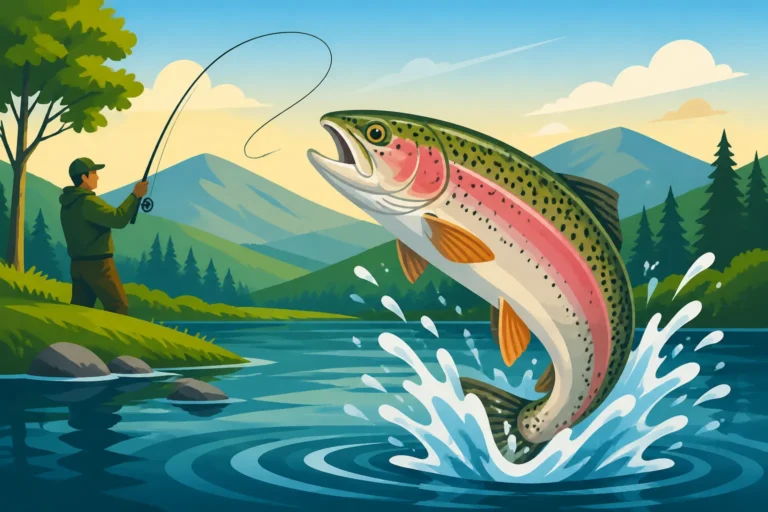
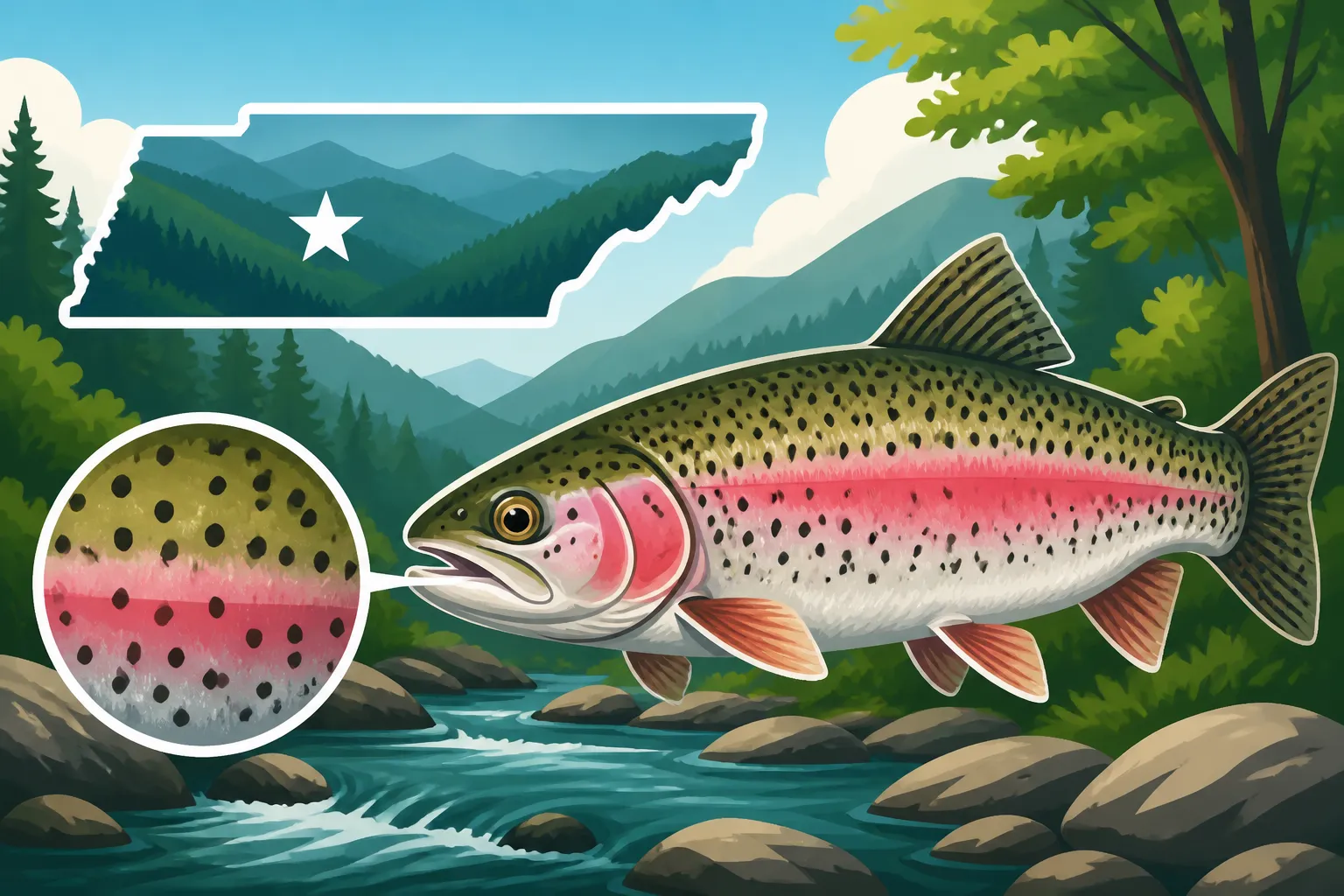
Perhaps the most iconic feature of the rainbow trout, and indeed where they get their name, is that tell-tale longitudinal band running along their sides. This stripe can vary quite a bit in intensity depending on the individual fish, its age, its diet, and even the specific water conditions of the stream it lives in. In some fish, especially wilder, stream-bred rainbows, this stripe might be a subtle, almost iridescent pink or peach color. It often appears strongest towards the gill plate and gradually fades towards the tail. On stocked rainbows, which you'll encounter frequently in many Tennessee waters, this band can be a much bolder, more vivid red or crimson. It's truly a striking feature, almost like a streak of watercolor painted down their flank. If you're looking at a trout and see this prominent, distinct stripe, it's a very strong indicator you've caught a rainbow.
Fin and Tail Clues
Don't overlook the fins and tail; they hold valuable clues for identification. Rainbow trout typically have a fairly square or slightly forked tail, sometimes called a truncate tail. It's not deeply forked like some other species, but rather a more uniform shape. If you look closely at the caudal fin (the tail fin), you’ll often see small, dark spots scattered across it. These spots are another hallmark feature that helps distinguish them from, say, a brown trout, which might have fewer spots on its tail or a different overall body pattern. Beyond the tail, their dorsal fin (on their back) and adipose fin (that small, fleshy fin between the dorsal and tail fins) will also typically have spots. The general color of their fins can range from an olive-green to a yellowish hue, often with darker edges on the paired fins (pelvic and pectoral). Pay attention to these details – they're like fingerprints for fish!
The Speckled Body Pattern
Aside from the vibrant stripe, the body of a rainbow trout is adorned with numerous small, dark spots. These spots are generally round or oval and are distributed over their back, sides, and often extending onto the head and fins. The intensity and density of these spots can vary, but they are almost always present. The overall body color of a rainbow trout typically ranges from a greenish-blue or olive on the back, fading to silvery sides, and a whitish belly. This silvery sheen is particularly noticeable on stocked fish. These spots, coupled with the pink stripe, create a beautiful, almost sparkling appearance that truly makes them stand out. Sometimes, depending on the light and water clarity, their scales can even shimmer with iridescent hues, making them appear like a living gem in your hands. This general coloration and spotting pattern is a fundamental part of How to Identify Rainbow Trout in Tennessee Streams.
Common Confusions: Rainbow Trout vs. Other Tennessee Trout Species
Tennessee is blessed with a few different trout species, and sometimes, telling them apart can feel like a real brain-teaser, especially for a new angler. Brown trout and brook trout are the main culprits for confusion with rainbows, but once you know the key distinctions, you'll be identifying them like a seasoned pro.
Rainbow Trout vs. Brown Trout
Brown trout are another widely distributed species in Tennessee, especially in the colder, larger rivers and tailwaters. The primary difference from rainbows is that distinctive pink or red stripe: brown trout simply don't have it. Instead, brown trout typically have a much more muted, golden-brown to olive-green body coloration, with yellowish-brown sides and a creamy belly. Their spots are also quite different. While rainbow trout have generally dark spots, brown trout display a mix of dark spots and prominent red or orange spots, often with light halos around them. These red-haloed spots are a dead giveaway for a brown trout. Another subtle but important clue is the tail: brown trout usually have very few, if any, spots on their tail fin, unlike the spotted tail of a rainbow. When you're fishing a stream like the Clinch River or Holston River, where both species coexist, paying attention to these spot differences and the absence or presence of that rainbow stripe becomes crucial. If you're keen to dive deeper, we have a whole article comparing Brown Trout vs Rainbow Trout: Key Differences.
Rainbow Trout vs. Brook Trout
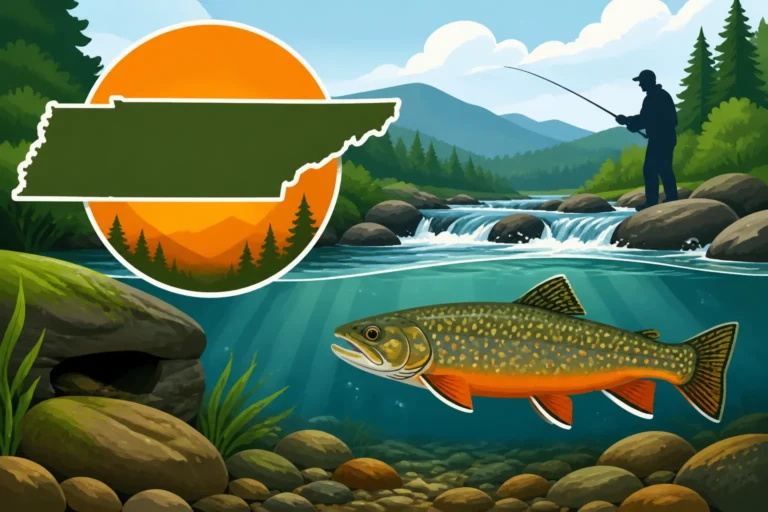
Brook trout are perhaps the most unique of Tennessee's trout species, largely because they are native to our Appalachian mountain streams. They are smaller than most rainbows and browns you'll encounter and prefer very cold, pristine headwater streams. The biggest difference from rainbows is their color palette: brook trout are stunning, with an olive-green to dark brown back, often with worm-like (vermiculated) patterns of lighter colors. Their sides have distinct red or orange spots, usually with blue halos, which are called "halos" or "areolae." What truly sets them apart, and where many people get confused with a vibrant rainbow, is the leading edge of their lower fins (pelvic, pectoral, and anal fins) which are pure white, often followed by a black stripe. This white leading edge is a super reliable identifier for a brook trout. They also lack the distinct lateral red stripe of the rainbow. Finding a wild brook trout is a special experience, and knowing how to identify them helps protect these precious native fish. For more on these beauties, check out How to Identify a Brook Trout.
| Feature | Rainbow Trout | Brown Trout | Brook Trout |
|---|---|---|---|
| Side Stripe | Prominent pink/red lateral stripe | Absent | Absent |
| Body Color | Greenish-blue back, silvery sides, white belly | Golden-brown to olive back, yellowish sides, cream belly | Olive-green/dark brown back, mottled sides |
| Spotting Pattern | Small, dark spots on back, sides, head, fins, and tail | Dark spots and red/orange spots with light halos (often on sides), few/no tail spots | Red/orange spots with blue halos (sides), worm-like markings on back |
| Tail Fin | Square or slightly forked, spotted | Square or slightly forked, few/no spots | Square or slightly forked, unspotted |
| Lower Fins | Generally yellowish or olive | Generally yellowish or brown | White leading edge, followed by a black stripe |
Habitat and Behavior Clues for Identification
Sometimes, just knowing where you're fishing and how the fish are acting can give you strong hints about what species you're likely to encounter. While not foolproof, these environmental and behavioral cues are incredibly helpful, especially in streams where multiple trout species might live.
Preferred Stream Environments
Rainbow trout are pretty adaptable, which is part of why they're stocked so widely across Tennessee. They thrive in a variety of environments, from the cold, clear waters of mountain streams to the tailwaters below large dams and even some larger rivers. You'll often find them in riffles, runs, and the deeper pools of moderate to fast-flowing streams. They love good oxygenation and cool water, typically below 70°F. If you're fishing a popular stocked stream, like sections of the Caney Fork River or the Watauga River, chances are high that the trout you're catching are rainbows. They aren't as particular about absolute pristine wilderness as brook trout, which typically require the very coldest, highest-elevation streams, nor do they always seek out the slower, more structured water that brown trout sometimes prefer. Understanding their preferred hangout spots can definitely narrow down your identification quest.
Feeding Habits and Location
Rainbow trout are opportunistic feeders, meaning they'll eat a wide variety of things. This behavior often dictates where you find them. They're keen on insects, both aquatic larvae and adult terrestrials that fall into the water. This means they'll often be found in areas where these food sources are abundant – think behind large rocks where currents bring food, or at the tail end of pools where food collects. They're also quite willing to rise to the surface for dry flies, especially during hatches, making them a favorite target for fly anglers. While all trout species are opportunistic to some extent, rainbows tend to be a bit more aggressive and less wary in feeding compared to a truly wild brown or brook trout, particularly if they are recently stocked. If you’re seeing fish actively feeding in the water column or hitting the surface, it’s a good bet you’ve got a rainbow on your hands.
How Stocking Affects Where You Find Them
The Tennessee Wildlife Resources Agency (TWRA) does a fantastic job with their trout stocking program, and this heavily influences where you're most likely to encounter rainbow trout. Unlike wild brook trout which are found exclusively in native, self-sustaining populations in high-elevation streams, many of the rainbow trout you catch in Tennessee waters will be stocked. You can usually find Rainbow Trout Stocking Schedule Across Tennessee on the TWRA website. This means that if you're fishing a stream that's regularly stocked, especially one that's easily accessible to the public, you're almost certainly targeting rainbow trout. Stocked trout tend to be a bit less cautious than wild trout, making them a great target for beginners or those looking for more consistent action. They are often found in areas directly accessible from roads or parking lots immediately after stocking, before they disperse or become more accustomed to their environment. Learning about Where TWRA Stocks Rainbow Trout in Tennessee can be a huge shortcut in identifying your catch before you even see it.
Tools and Tips for Confident Identification
Even with all the visual cues and habitat knowledge, sometimes you need a little extra help. Thankfully, there are tools and practices that can boost your confidence in identifying rainbow trout and ensure you're being a responsible angler.
Photography and Field Guides
In this day and age, your smartphone is probably one of the best field guides you can carry! Snapping a clear photo of your catch can be incredibly helpful. Make sure to get a shot of the fish's full body, its sides (to show any stripes or distinct spots), and its fins. Later, you can compare these photos to online resources or physical field guides. There are many excellent freshwater fish identification guides available, some specifically for the southeastern United States or even just for trout. You can find many of these on platforms like Amazon. Having a dedicated field guide in your tackle box, or even a laminated one you can keep handy, is a fantastic investment. It allows you to cross-reference multiple features like fin shape, spot patterns, and overall coloration to make a solid identification. These guides often feature detailed illustrations or photographs that highlight the subtle differences between species, helping you discern Rainbow Trout vs Brown Trout: Key Differences and Rainbow Trout vs Brook Trout: Key Differences with more accuracy.
Responsible Handling for Identification
When you're trying to identify a fish, especially if you plan to release it, responsible handling is paramount. Avoid touching the fish with dry hands, as this can remove its protective slime coat and make it vulnerable to disease. If possible, keep the fish in the water while you quickly observe its features. If you must remove it for a quick photo or a closer look, wet your hands thoroughly first. Support the fish horizontally, never vertically by the jaw or gills, which can cause internal damage. A good pair of fish-friendly gloves can also help. Speed is key – the less time the fish is out of the water, the better its chances of survival. By being gentle and mindful, you can get the identification you need without unduly stressing your catch.
When in Doubt, Release
This is perhaps the most important tip of all, and it’s one every ethical angler lives by: if you are unsure of a fish's species, or if it meets the legal size and creel limits, it's always best to practice catch and release. This is especially true for species like the native brook trout, which often have stricter regulations. Releasing a fish you're unsure about helps ensure sustainable fishing practices and protects vulnerable populations. You don't want to accidentally keep a fish that's out of season or undersized, leading to potential penalties. Always double-check the current Tennessee Trout Limits and Season Rules for the specific water you are fishing. It’s better to be safe than sorry, and there’s no shame in letting a beautiful fish swim free to fight another day, even if you’re not 100% sure what it was. Many experienced anglers still carry a tape measure (you can find compact, fishing-specific ones on Amazon) and a quick reference guide to ensure they're always compliant.
It really adds to the enjoyment of fishing when you can confidently identify what you've caught. Knowing your rainbows from your browns, and appreciating the native brook trout, connects you more deeply to the waters you fish. Keep these tips in mind, and you'll be a more knowledgeable and responsible angler in no time!
Disclaimer
This article is for general informational purposes only and does not constitute professional advice. Laws, prices and regulations vary by location and change over time. Consult a qualified professional for guidance on your specific situation.