Warmwater vs Cold-Water Gamefish: How to Tell Them Apart
It’s a common scenario in Tennessee: you're planning a fishing trip, and you hear folks talking about "warmwater" versus "cold-water" gamefish. For many, especially those just getting their boots wet in the vast world of angling, it can sound like insider jargon that's hard to decipher. But let me tell you, understanding this distinction is absolutely crucial to your success and enjoyment on the water. It's not just about knowing different fish names; it's about knowing where those fish live, what they eat, and when they're most active. This guide is here to unravel that mystery, making sure you know exactly what kind of fish you're chasing, whether you're on a steamy summer lake or a crisp mountain stream.
What Defines a Warmwater Gamefish?
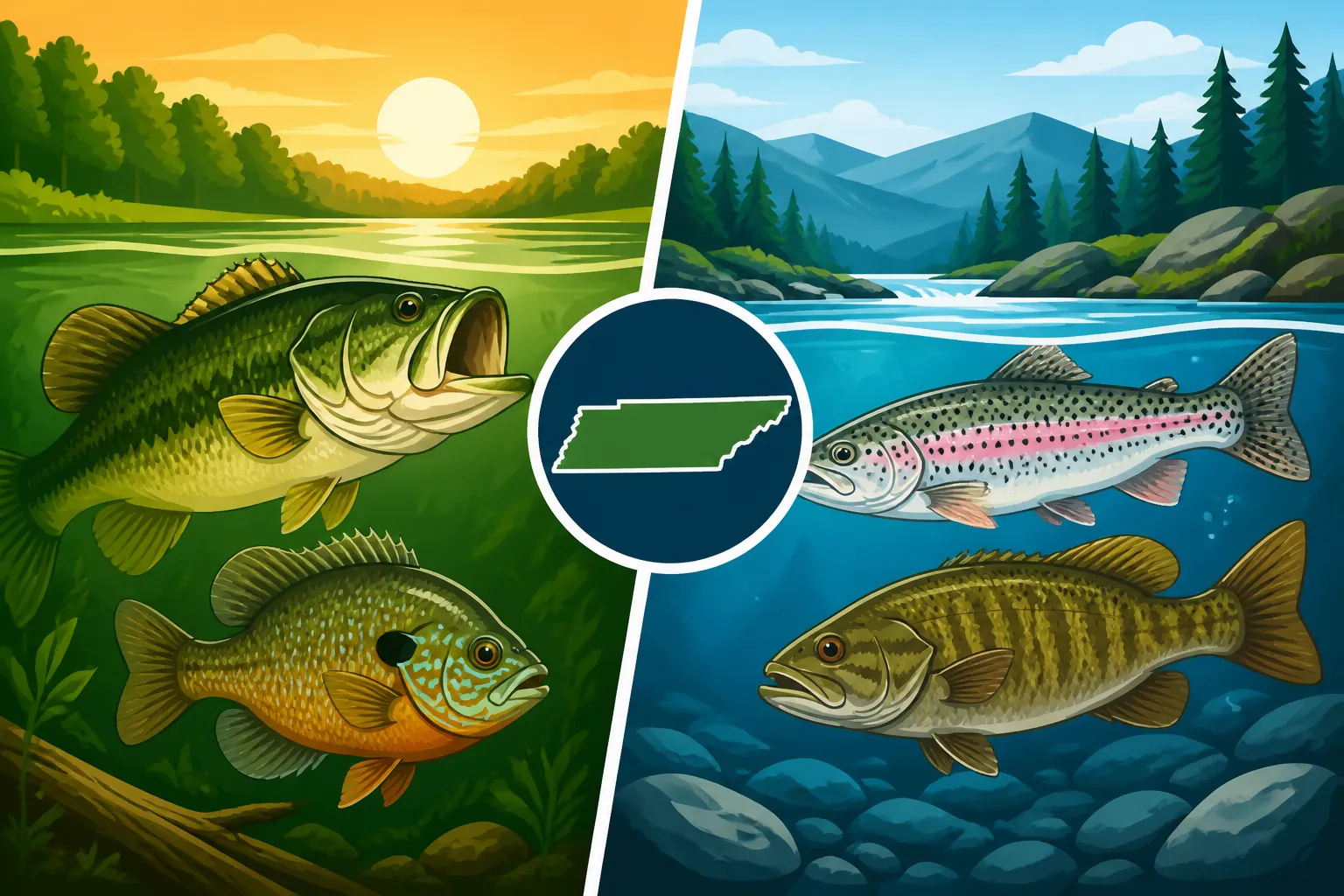
When we talk about "warmwater gamefish" in Tennessee, we're generally referring to species that thrive in—you guessed it—warmer water. These fish have evolved to comfortably live, feed, and reproduce in environments where the water temperature can climb into the high 60s, 70s, and even low 80s Fahrenheit. Think of our big, sprawling reservoirs and sluggish rivers, especially during the long, hot Tennessee summers. These are their kingdoms.
Their physiology is adapted for these conditions. Their metabolic rates are typically higher in warmer water, meaning they digest food faster and need to eat more frequently. This often translates to more aggressive feeding behaviors, which, for us anglers, can mean a more exciting fight! They're also often more tolerant of lower dissolved oxygen levels that can occur in warmer, slower-moving water. When you're out on a lake like Chickamauga or Kentucky Lake, chasing after a big bite, you're almost certainly targeting a warmwater species.
Common Warmwater Species in Tennessee
Tennessee is a paradise for warmwater anglers, boasting an incredible variety of species that fit this description. You'll encounter them in almost every lake, pond, and major river across the state.
- Bass Species: Our state is famous for its bass fishing! Largemouth bass are the quintessential warmwater fish, loving shallow, vegetated areas and stained water. Smallmouth bass, while sometimes found in cooler sections of rivers, are also primarily warmwater dwellers, preferring rocky points and deeper structure in lakes like Dale Hollow. Don't forget their spotted bass cousins too! If you want to dive deeper, check out A Complete Guide to Tennessee Bass Species.
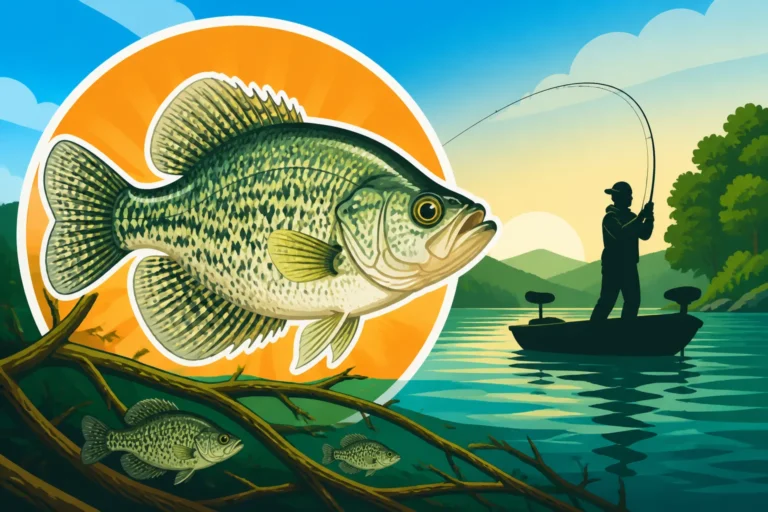
- Crappie: Both black and white crappie are highly sought-after warmwater species. They love structure – brush piles, submerged timber, bridge pilings – where they can ambush smaller baitfish. Their activity peaks in the spring during their spawn but they can be caught year-round. We've got a great resource in Tennessee Crappie Fishing: Black Crappie and Where to Find Them.
- Catfish: Channel catfish, blue catfish, and flathead catfish are all robust warmwater residents. They can tolerate a wide range of water conditions and are often found in the deeper, muddier sections of rivers and reservoirs, but will move into shallower flats to feed, especially at night. For the big ones, you often find them on main lake points or channel edges. Learn more about these whiskered giants in Catfish Species Found in Tennessee Waters.
- Panfish: Species like bluegill, redear sunfish, and various other sunfish fall squarely into the warmwater category. These smaller, feisty fish are perfect for beginners and kids, thriving in almost any freshwater body that's not too cold. They congregate around docks, lily pads, and fallen trees. Our Bluegill and Panfish Guide for Tennessee Anglers has all the details.
Preferred Warmwater Habitats and Behavior
Warmwater fish are masters of their domain. You'll typically find them in lakes, large reservoirs, and the broader, slower-moving sections of rivers. They gravitate towards areas with abundant cover, such as submerged timber, weed beds, rock piles, and artificial structures. These spots provide ambush points for feeding and protection from predators.
Their activity is heavily influenced by temperature. During the cooler months of fall and winter, their metabolism slows down, and they become less active, often moving to deeper water. But as spring arrives and water temperatures rise, they become incredibly active, kicking off their spawning rituals and feeding aggressively. This is when you'll see many anglers targeting the shallows with everything from crankbaits to soft plastics. In the intense heat of summer, they might move to slightly deeper, cooler water during the day, or become more active during dawn and dusk. Understanding How Water Temperature Affects Fish Activity is key to cracking the code.
What Defines a Cold-Water Gamefish?
Shifting gears entirely, cold-water gamefish are the complete opposite. These fish are built for chillier conditions, thriving in water temperatures that rarely exceed the mid-60s Fahrenheit. In fact, many cold-water species will become stressed or even die if water temperatures consistently climb above 70°F for extended periods. Their survival depends on access to cool, highly oxygenated water. This is why you'll find them in vastly different environments than their warmwater counterparts.
Their metabolism is adapted to these cooler temperatures, allowing them to remain active and feed efficiently even when the water is quite cold. They require consistently high levels of dissolved oxygen, which is typically found in fast-flowing streams, deep, clear lakes, and the tailwaters immediately below large dams where water is released from the colder depths of the reservoir.
Common Cold-Water Species in Tennessee
When you think cold-water fishing in Tennessee, one family of fish immediately comes to mind: trout. Our state, particularly East Tennessee, offers some fantastic trout fishing opportunities, both in wild, native streams and through extensive stocking programs.
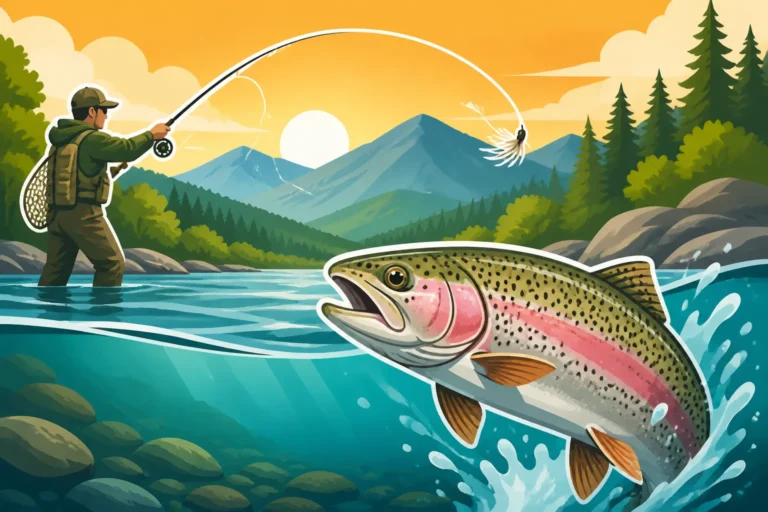
- Rainbow Trout: These are perhaps the most common stocked trout species in Tennessee. Known for their vibrant colors and acrobatic fights, rainbow trout thrive in cool, clear streams and tailwaters. They're often stocked in various sizes, providing opportunities for anglers of all skill levels.
- Brown Trout: More elusive and often larger than rainbows, brown trout are prized by many anglers. They are a bit more tolerant of slightly warmer water than brook trout, but still require cold, well-oxygenated environments. They are known for their cunning and often feed on larger prey as they grow.
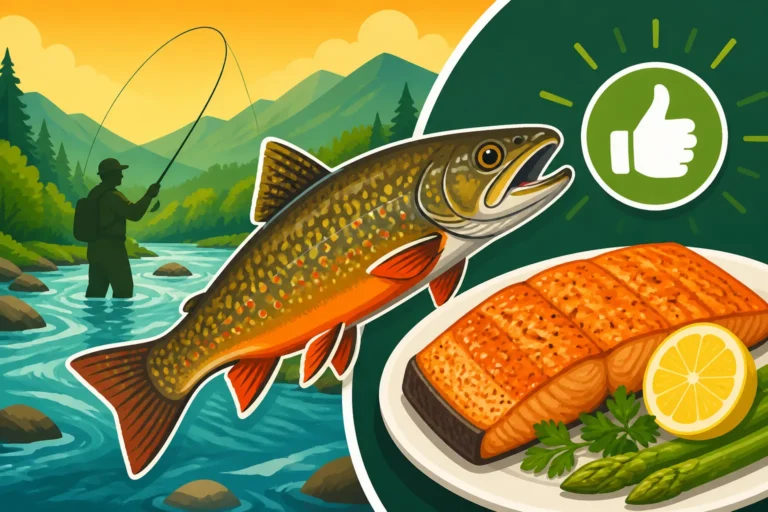
- Brook Trout: The true native trout of Tennessee, brook trout are found in the highest, coldest, and most pristine mountain streams, particularly within the Great Smoky Mountains National Park. They are smaller than rainbows and browns but are incredibly beautiful and a testament to the health of our wild waters. To truly appreciate these gems, check out our Tennessee Trout Guide: Rainbow, Brown, and Brook Trout.
Preferred Cold-Water Habitats and Behavior
Cold-water fish are creatures of specific environments. You'll rarely find them in our large, warm reservoirs, except possibly in the deepest sections of very clear lakes or in the unique environments of tailwaters. Instead, their domain is the crystal-clear, fast-flowing mountain streams, particularly in the eastern part of the state. These streams often have rocky bottoms, plenty of riffles and runs that oxygenate the water, and shaded banks from dense tree cover, all contributing to consistently cool temperatures.
Tailwaters below dams are another prime cold-water habitat. When water is released from the bottom of deep reservoirs, it's often significantly colder than the surface water, creating ideal conditions for trout for many miles downstream. The Clinch River and the Caney Fork River are famous examples of such tailwaters in Tennessee.
Unlike warmwater fish that often slow down dramatically in winter, cold-water species remain active throughout the colder months. Their feeding patterns might shift, moving from insect hatches in spring and summer to smaller baitfish or even eggs in fall and winter. The Tennessee Trout Fishing Season Explained provides more detail on how their activity patterns relate to angling opportunities.
Key Differences in How They Live and Bite
Now that we've met the players, let's put them side-by-side to really highlight those defining distinctions. Understanding these differences is the 'how to tell them apart' in action, not just physically, but by their entire ecological profile.
| Feature | Warmwater Gamefish | Cold-Water Gamefish |
|---|---|---|
| Typical Species | Largemouth Bass, Crappie, Catfish, Bluegill | Rainbow Trout, Brown Trout, Brook Trout |
| Preferred Temp | 65-85°F (18-29°C) | 45-65°F (7-18°C) |
| Oxygen Needs | Moderate to low tolerance for reduced oxygen | High need for dissolved oxygen |
| Typical Habitat | Lakes, reservoirs, slow rivers, ponds, shallower | Mountain streams, deep clear lakes, tailwaters |
| Water Clarity | Can tolerate turbid/stained water | Generally prefer clear water |
| Activity Peak | Spring, Summer, Fall (warmer months) | Year-round, often best in cooler months |
| Bait/Lures | Crankbaits, jigs, worms, minnows, spinnerbaits | Flies, small spinners, power bait, salmon eggs |
| General Size | Varies greatly, some very large | Generally smaller, especially wild brook trout |
Physiological and Habitat Divergence
The most fundamental difference lies in their physiology and how it dictates their choice of habitat. Warmwater fish can cope with less oxygen in warmer water, allowing them to thrive in stiller, shallower, and often less clear environments. Their gills are adapted for this. Cold-water fish, conversely, need a constant supply of highly oxygenated water, which is why fast-moving currents and spring-fed waters are so vital to them. Think about it: a calm, shallow pond gets warm and loses oxygen quickly on a hot day. A rushing mountain stream is constantly mixing air into the water, keeping it cool and oxygenated.
This means you won't find a significant trout population in a pond in West Tennessee, just as you won't find a lunker largemouth bass happily living in the frigid headwaters of a Smoky Mountain stream. Their internal systems simply aren't built for the opposite conditions.
Behavioral and Feeding Pattern Differences
These physiological and habitat differences lead to distinct behavioral patterns. Warmwater fish, particularly bass, are often ambush predators, hiding in cover and striking aggressively at prey. Their diet is broad, including baitfish, crawfish, frogs, and even small rodents. This is why you see such a wide array of lures designed to imitate these prey items. You can find many of these specific lures on platforms like Amazon, offering everything from topwater frogs to deep-diving crankbaits.
Cold-water fish, especially trout, are often more opportunistic and keenly aware of their surroundings. In streams, they're constantly looking for aquatic insects drifting by, or terrestrial insects falling into the water. In lakes, they might key into schools of baitfish. Their feeding can be more subtle, requiring a delicate touch with smaller flies or lures. If you're looking for a good starting fly fishing kit, many reputable brands are available on Amazon to get you started.
Even their spawning habits differ. Many warmwater species, like bass and crappie, spawn in spring when water temperatures reach a certain threshold, often in relatively shallow water. Trout, on the other hand, typically spawn in fall or early winter (though rainbow trout can also have spring spawns depending on the strain), requiring clean, gravelly stream beds for their eggs.
Implications for Anglers
Understanding these distinctions directly impacts your approach to fishing. If you're planning a trip to one of Tennessee's Top Bass Fishing Lakes like Chickamauga or Watts Bar, you'll gear up for warmwater tactics. If you're heading to Tennessee's Best Trout Streams like the Caney Fork or the Little Pigeon River, your entire strategy will change. From the weight of your line to the size of your hooks, everything is tailored to the specific environment and the fish that live there. It's like bringing a shovel to dig a ditch versus bringing a trowel to plant flowers – different tools for different jobs!
Why This Distinction Matters for Tennessee Anglers
Alright, so we’ve established what makes a fish warmwater or cold-water. But beyond the biological fascination, why does this matter to you, the angler standing on the bank or in a boat in Tennessee? The truth is, knowing this distinction is fundamental to becoming a more effective, successful, and responsible angler. It's not just about catching more fish; it's about understanding the entire ecosystem you're participating in.
Choosing the Right Fishing Spot
This is perhaps the most immediate and practical application. If you dream of catching a trophy brown trout, heading to Percy Priest Lake in the middle of summer will leave you sorely disappointed. Similarly, trying to land a big blue catfish in a tiny, fast-flowing mountain brook is a fool's errand. Knowing whether a body of water is primarily warmwater or cold-water habitat immediately narrows down your options and significantly increases your chances of finding the fish you're targeting.
Tennessee offers an incredible diversity of fishing environments. From the vast, warm expanse of Kentucky Lake to the icy cold depths of the Hiwassee River tailwater, each ecosystem caters to different species. By understanding the core habitat requirements of warmwater and cold-water gamefish, you can effectively pinpoint the most promising locations, saving yourself countless hours of fruitless casting. It’s like knowing the difference between a grocery store and a hardware store – you wouldn’t go to the hardware store for milk!
Optimizing Your Gear and Techniques
Once you know the type of water and the fish species you're after, your gear choices become clear. Fishing for largemouth bass on Chickamauga Lake will involve a completely different setup than fly fishing for rainbow trout on the Clinch River.
- Rods and Reels: Warmwater angling, especially for bass or larger catfish, often calls for heavier action rods and baitcasting reels capable of handling larger lures and stronger fish. For panfish, lighter spinning gear is perfect. Cold-water trout fishing, particularly fly fishing, requires delicate ultralight rods and specialized reels that balance precision and finesse.
- Line: Braided or fluorocarbon lines are popular for many warmwater techniques, offering strength and sensitivity. Monofilament and lighter fluorocarbon leaders are more common in clear, cold trout streams where stealth is paramount.
- Lures and Bait: This is where the difference truly shines. Warmwater fish respond to a massive array of lures – crankbaits, spinnerbaits, jigs, plastic worms, topwater frogs, live minnows, and nightcrawlers. For cold-water trout, tiny flies imitating insects, small inline spinners, or specific baits like PowerBait or salmon eggs are the go-to choices. When you're stocking up, remember you can often find a wide variety of species-specific lures and baits through online retailers like Amazon, making it easy to prepare for your target.
- Terminal Tackle: From heavy-duty catfish hooks to tiny trout hooks, the size and strength of your terminal tackle will vary dramatically. Even your fishing line choices might be informed by whether you're battling a hard-fighting striper in a reservoir or carefully presenting a dry fly to a wary brook trout. If you're unsure what hooks or weights you need, a quick search on Amazon can give you plenty of options and reviews to guide your purchase.
Understanding and Following Regulations
Tennessee's fishing regulations are extensive and often vary by species and even by specific body of water. This is largely because different fish have different population dynamics and conservation needs. The distinction between warmwater and cold-water species is embedded in these rules.
For instance, Statewide Bass Limits for Tennessee Anglers will outline length and creel limits for largemouth, smallmouth, and spotted bass, which are all warmwater species. These limits are designed to protect their populations within the warmwater ecosystems they inhabit. Similarly, Tennessee Trout Limits and Season Rules will detail specific regulations for rainbow, brown, and brook trout, often with special rules for different streams or during different seasons, reflecting their unique lifecycle and vulnerability in colder habitats. Some regulations even stipulate what kind of bait or lures you can use in certain trout streams, particularly those managed for wild trout. Always, always check the latest Tennessee Fishing Regulations Explained before you head out, as these rules are crucial for conservation and avoiding penalties.
Contributing to Conservation Efforts
Finally, understanding warmwater versus cold-water gamefish is critical for responsible angling and conservation. Overheating or improper handling of a cold-water fish caught in marginal conditions can be fatal to it, even if released. Similarly, knowing the spawning habits of warmwater species helps you understand why certain areas might be temporarily closed or have special regulations during those critical times.
By recognizing the specific needs of each fish type, you become a more informed steward of Tennessee's aquatic resources. You'll know when a body of water might be too warm to effectively fish for trout, or when a particular species of bass is in a vulnerable spawning period. This knowledge empowers you to make ethical decisions that contribute to healthy fish populations for generations to come.
Ultimately, the warmwater vs. cold-water distinction isn't just an arbitrary classification; it's a map to the incredibly diverse and rich fishing opportunities that Tennessee offers. Embrace this knowledge, and you'll unlock a deeper appreciation and greater success on every fishing adventure.
Disclaimer
This article is for general informational purposes only and does not constitute professional advice. Laws, prices and regulations vary by location and change over time. Consult a qualified professional for guidance on your specific situation.