Tennessee’s Best Trout Streams
Oh, the sheer joy, and sometimes utter frustration, of chasing trout in Tennessee! If you've ever stood knee-deep in a crystal-clear mountain stream, fly rod in hand, feeling that exhilarating tug on the line, you know exactly what I'm talking about. But finding those elusive honey holes, those truly exceptional stretches of water teeming with beautiful trout, can feel like searching for a needle in a haystack. Well, breathe easy, because this guide is your compass to navigating the incredible world of Tennessee's best trout streams, ensuring your next fishing adventure is nothing short of spectacular.
Understanding Tennessee's Trout Fishing Landscape
Tennessee might be famous for its big bass lakes and legendary crappie fisheries, but many anglers overlook the incredible trout fishing opportunities tucked away in its diverse waterways. From swift mountain freestone streams to deep, cold tailwaters below major dams, the variety is astounding. It’s a completely different experience than lake fishing, demanding a lighter touch, keen observation, and often, a bit more walking, but the rewards are absolutely worth it.
Native vs. Stocked Trout Waters
One of the first things you'll learn when you dive into Tennessee trout fishing is the distinction between native and stocked waters. It makes a huge difference in your approach and what you can expect to catch. Native trout waters, primarily found in the high elevations of the Appalachian Mountains, are often smaller, wilder streams that host populations of brook trout, Tennessee's only native trout species. These fish are typically smaller, incredibly beautiful, and fight with a surprising tenacity for their size. Catching a wild brook trout is a badge of honor for many anglers.
On the other hand, many of Tennessee's most productive trout fisheries are sustained by the diligent stocking efforts of the Tennessee Wildlife Resources Agency (TWRA). These stocked waters receive regular infusions of rainbow trout and brown trout, which grow quickly in the nutrient-rich environments of tailwaters and larger streams. While some of these fish might feel a bit less "wild" initially, they quickly adapt, become warier, and offer fantastic sport. Many tailwaters, like the Clinch River, actually have self-sustaining populations of brown trout that thrive alongside the stocked rainbows, creating a truly robust fishery. Understanding this distinction helps you manage expectations and tailor your gear and techniques accordingly.
Types of Trout You'll Find
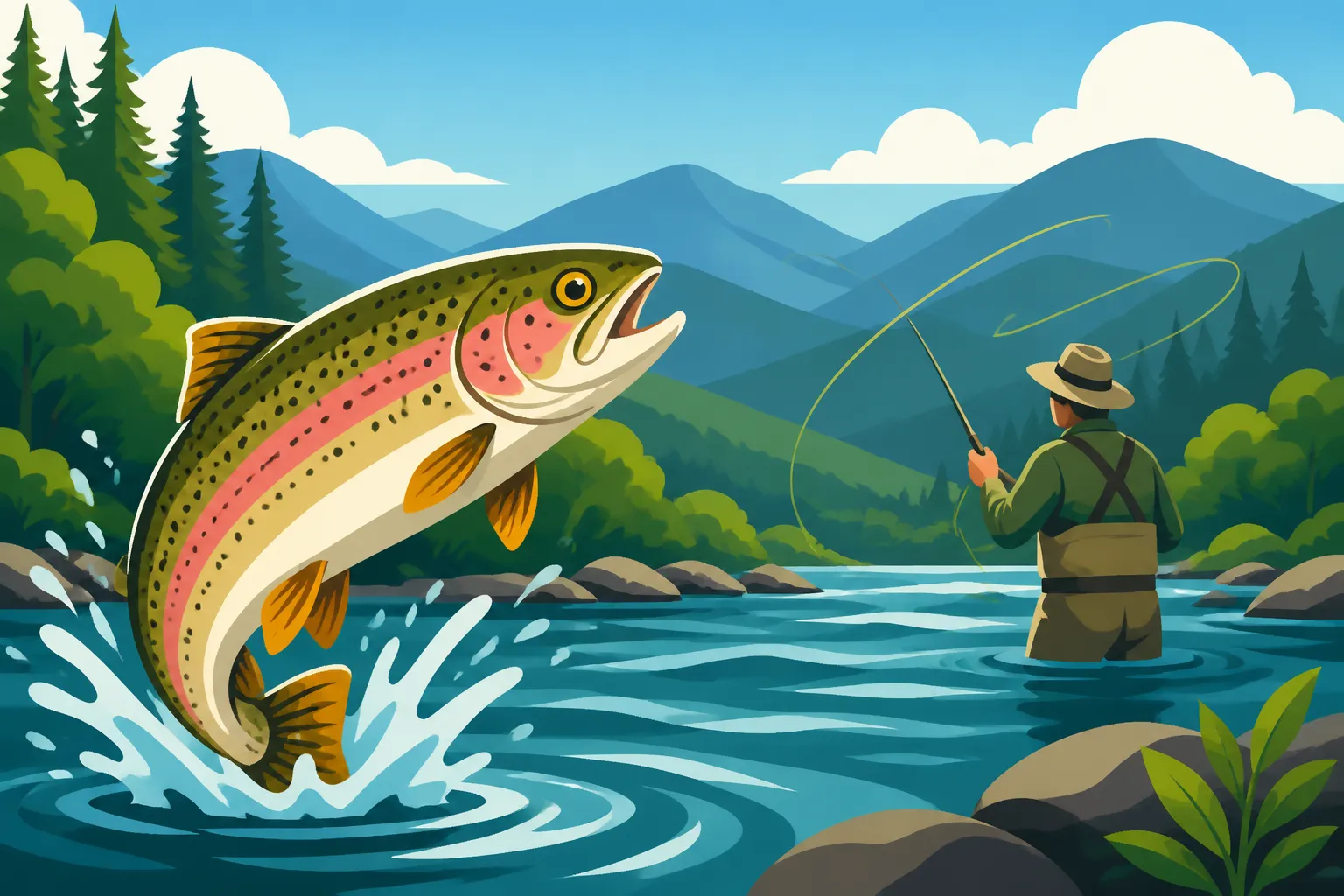
When you hit the streams in Tennessee, you're primarily going to encounter three magnificent species of trout, each with its own charm and challenges. The most common, especially in stocked waters, are Rainbow Trout. Known for their vibrant red stripe and acrobatic fights, rainbows are a favorite among anglers. They're typically quite willing to strike a variety of baits and lures, making them a great target for beginners and seasoned pros alike. You'll find them in almost every stocked trout stream and tailwater across the state.
Next up are the wily Brown Trout. These European imports are renowned for their caution, their larger size potential, and their often stunning golden-brown coloration with distinctive red and black spots. Browns are a bit more challenging to catch, often requiring more subtle presentations and patience, but hooking into a big one is an unforgettable experience. Many of Tennessee's premier tailwaters, such as the Clinch River and Caney Fork, are famous for their trophy brown trout populations. Lastly, we have the jewel of the Appalachians, the Brook Trout. These are Tennessee's only native trout, sporting iridescent colors of olive, red, and blue with worm-like patterns on their backs. You'll generally find them in the coldest, purest headwater streams of the Great Smoky Mountains. They rarely grow large, but their beauty and the pristine wilderness where they live make them a highly sought-after catch for dedicated conservation-minded anglers. Knowing your target species helps you pick the right stream and strategy!
The Allure of Mountain Streams
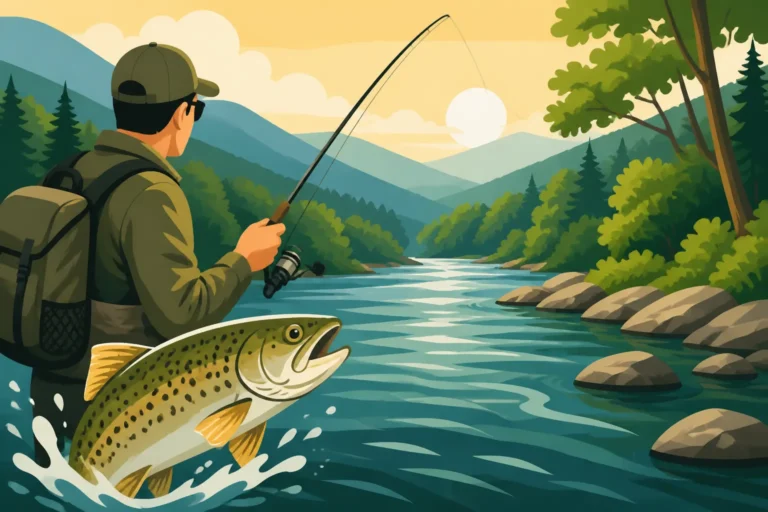
There’s something undeniably magical about fishing in Tennessee’s mountain streams. It’s more than just the fish; it’s the entire experience. The crisp, clean air, the soothing sound of rushing water over smooth stones, the towering canopy of ancient trees filtering the sunlight, and the occasional glimpse of wildlife—it all contributes to a sense of peace and connection with nature that's hard to find anywhere else. These streams, often characterized by their steep gradients and boulder-strewn beds, demand a bit more physical effort to navigate, but they offer incredible solitude and breathtaking scenery.
For many, the allure is the challenge. These wild brook trout, living in their ancestral homes, are keen survivors. They are incredibly wary, making you work for every single bite. It teaches you patience, observation, and precision in your casts. There's a profound satisfaction in fooling a small, brilliantly colored brook trout in its native habitat. It's a reminder of what fishing truly is about—not just the size of the catch, but the beauty of the pursuit and the environment it takes you to. These trips often feel like a step back in time, away from the hustle and bustle, allowing you to truly decompress and appreciate the wild heart of Tennessee.
East Tennessee's Premier Trout Streams
East Tennessee, with its rugged mountains and the mighty Tennessee River system, is a goldmine for trout anglers. The sheer volume of cold, clean water makes it an ideal habitat, and the variety of streams offers something for every skill level. This region truly shines when it comes to trout fishing, boasting everything from pristine wilderness streams to highly managed tailwaters.
Great Smoky Mountains National Park – A Trout Angler's Paradise
When most people think of trout fishing in Tennessee, their minds often drift to the Great Smoky Mountains National Park, and for good reason. This sprawling national treasure is home to miles upon miles of pristine, wild trout streams, primarily harboring brook trout and rainbow trout. It’s not just a fishing destination; it's an immersive wilderness experience. The park strictly enforces catch-and-release regulations for many of its streams to preserve the delicate ecosystem and the wild populations of fish. This is where you go to connect with nature and appreciate the fight of a truly wild fish.
Within the park, popular streams like Little River, Abrams Creek, and Hazel Creek offer incredible opportunities, though accessing some of these requires a significant hike or even a boat shuttle across Fontana Lake. You won't find any stocking here; every fish you catch is a testament to the health of the ecosystem. Anglers often employ fly fishing techniques, matching the hatch with dry flies, nymphs, or streamers. The beauty of the surroundings, coupled with the challenge of outwitting wild trout in their natural environment, makes it a true paradise for those seeking solitude and an authentic angling experience. Remember to check park-specific regulations, as they can differ from statewide rules. If you're planning a trip to this area, make sure you understand the nuances of Trout Fishing in the Great Smoky Mountains, Tennessee.
The Clinch River – A Tailwater Gem
Moving out of the true wilderness and into a highly productive, managed fishery, we arrive at the Clinch River. Below Norris Dam near Knoxville, the Clinch River transforms into one of Tennessee's most renowned tailwater trout fisheries, frequently ranked among the best in the Southeast. The cold, oxygen-rich waters released from the deep reservoir create ideal conditions for both rainbow and brown trout to thrive, growing to impressive sizes. It’s a completely different experience from the mountain streams, offering wide, accessible stretches where you can wade, float in a drift boat, or even fish from the bank.
The Clinch is famous for its abundant aquatic insect life, making it a prime location for fly fishing. Nymphing is often the most productive method, but when conditions are right, explosive dry fly hatches can lead to unforgettable topwater action. Anglers here can expect to catch numerous healthy rainbow trout, and the chance of landing a true trophy brown trout is always a thrilling possibility. However, the river's flows can fluctuate dramatically depending on dam generation schedules, so checking the TVA's generation schedule before heading out is absolutely critical for safety and successful fishing. This is a highly popular spot, and you'll often see fellow anglers, but there's plenty of water for everyone to enjoy the superb fishing. To learn more about this specific fishery, check out our guide on Clinch River Trout Fishing in East Tennessee.
Little River – Accessible Beauty
The Little River, as it flows out of the Great Smoky Mountains National Park and winds its way through towns like Townsend, offers a fantastic mix of accessibility and quality trout fishing. While portions within the park are strictly wild trout waters, the sections outside the park receive regular trout stockings from the TWRA, making them excellent choices for anglers looking for a good chance at catching fish without venturing deep into the backcountry. The scenic drive along the river, often called the "Peaceful Side of the Smokies," is just a bonus.
These lower stretches of the Little River are easily waded in many spots, making it a great option for fly anglers, spin fishermen, and even families looking to enjoy a day by the water. The stocked fish, primarily rainbow trout, are usually eager to bite. You'll find a mix of riffles, runs, and deeper pools where trout like to hold. While the fish might not be as large as those found in some tailwaters, the consistent stocking ensures good action. It's a wonderful place to hone your skills, practice different techniques, and simply enjoy the beauty of an Appalachian stream without the strenuous hike. Just be mindful of private property signs as you move downstream from the park boundaries.
Middle Tennessee's Hidden Trout Havens
While East Tennessee certainly boasts the lion's share of trout streams, Middle Tennessee isn't without its own impressive, albeit fewer, options. These streams often rely on cold tailwater releases or dedicated stocking programs to maintain trout populations, making them vital cool-water oases in an otherwise warmer region. For anglers in the Nashville and surrounding areas, these spots offer convenient and productive trout fishing.
Caney Fork River – Popular and Productive
The Caney Fork River, flowing below Center Hill Dam, is Middle Tennessee’s undisputed king of trout fishing. Much like the Clinch, it’s a tailwater fishery, sustained by the cold waters released from the deep reservoir. This river has earned a well-deserved reputation for excellent trout fishing, particularly for rainbow and brown trout, with the occasional brook trout showing up as well. Its proximity to Nashville makes it incredibly popular, especially on weekends, but the quality of the fishing speaks for itself.
The Caney Fork is characterized by its relatively mild current in many sections, making it quite wadeable when generation schedules allow. It also has plenty of access points for drift boats and kayaks. Fly anglers will find success with a variety of nymph patterns, midges, and occasionally dry flies during hatches. Spin fishermen can do well with small inline spinners, spoons, or live bait. The TWRA actively manages this river, ensuring consistent stocking and robust populations. If you’re in Middle Tennessee and craving some trout action, the Caney Fork should be at the very top of your list. It's also a fantastic place to observe local wildlife, from deer to bald eagles. To optimize your visit, consider checking out specific advice on Caney Fork River Trout Fishing.
Stones River – Urban Trout Fishing Opportunities
For those living closer to the greater Nashville area, the Stones River, specifically the section below Percy Priest Dam, offers a unique urban trout fishing experience. While it might not boast the same trophy potential or wild allure as the Caney Fork or Clinch, it provides a very accessible and enjoyable option for local anglers. The TWRA regularly stocks this stretch with rainbow trout during the cooler months, typically from fall through spring, allowing for year-round fishing opportunities due to the cold tailwater release.
The Stones River is easily accessible from several public parks and greenways in and around Murfreesboro. It's a great spot for beginners, kids, or anyone looking for a quick fishing fix without a long drive. Spin fishermen often have good luck with powerbait, corn, or small jigs, while fly anglers can experiment with simple nymph and streamer patterns. Because it’s an urban fishery, it sees a fair amount of pressure, but the consistent stocking ensures there are always fish to be caught. It's a fantastic example of how cold tailwater releases can create vibrant fisheries right in the heart of more populated areas.
Harpeth River – Less Pressure, Good Rewards
The Harpeth River, while not primarily known as a trout stream, does offer some seasonal trout fishing opportunities in its colder stretches, particularly those influenced by springs or cool groundwater inflows. These areas are usually stocked by the TWRA during the cooler months, generally from late fall through early spring, providing a delightful surprise for anglers accustomed to targeting warmwater species in the Harpeth. The key here is timing and knowing which specific sections receive trout.
Because it's less renowned for trout than the Caney Fork, the Harpeth can offer a less crowded experience. Anglers who do their homework and hit the right spots at the right time can be rewarded with feisty rainbow trout. Small spinners, jigs, and natural baits tend to work well in these stretches. It’s often a more relaxed, quiet fishing experience, allowing you to enjoy the pastoral beauty of Middle Tennessee. Keep an eye on TWRA stocking schedules and local fishing reports to pinpoint the best times and locations for trout on the Harpeth. It's a great example of those "if you know, you know" kind of spots.
West Tennessee's Unexpected Trout Waters
West Tennessee is generally known for its flat topography, warmer waters, and incredible fishing for bass, crappie, and catfish in lakes like Reelfoot and Kentucky Lake. Trout, being cold-water species, are not naturally found in this region’s streams. However, the TWRA has made efforts to bring trout fishing closer to residents here through special stocking programs, creating what are often referred to as "put-and-take" fisheries.
Hatchery Supported Streams and Urban Fisheries
While West Tennessee lacks the natural cold-water streams found further east, the TWRA ensures that trout fishing is still accessible. This is primarily achieved through a robust program of stocking smaller lakes, ponds, and even urban impoundments with rainbow trout during the cooler months. These are classic "put-and-take" fisheries, designed to provide recreational angling opportunities. The trout are stocked and expected to be caught within a relatively short period, as the water temperatures eventually become too warm for them to survive long-term.
Locations like Marrowbone Lake near Jackson, and various city park ponds across the region, receive these regular trout stockings, typically from November through March. These spots are fantastic for families, beginners, or anyone looking to enjoy a casual day of fishing with a high likelihood of success. Simple setups with spinning gear, using PowerBait, corn, or small inline spinners, are often incredibly effective. It's an excellent way for West Tennesseans to experience trout fishing without traveling across the state. Always check the TWRA website or local tackle shops for the most up-to-date stocking schedules and specific locations.
Essential Gear and Techniques for Tennessee Trout Streams
Trout fishing, especially in streams, is a finesse game. You're not usually hucking big baits or muscling in massive fish. Instead, it's about subtle presentations, light tackle, and understanding how trout behave in moving water. Having the right gear and knowing how to use it can dramatically improve your success.
Must-Have Gear for Stream Fishing
When you're heading out to Tennessee's trout streams, whether it's a small mountain brook or a wide tailwater, having the right setup makes all the difference. For fly fishing, a lightweight rod (usually a 2-weight to 5-weight) between 7 to 9 feet is ideal. Pair that with a matching reel and a floating fly line. A variety of leaders and tippets in different strengths (3x to 6x) are crucial for presenting flies naturally. Don't forget your fly box, packed with a selection of nymphs, dry flies, and streamers specific to the region and season. You might want to refer to our guide on Best Fly Rods and Waders for Tennessee Trout Streams for more specific recommendations.
For spin fishing, a light to ultralight spinning rod (5 to 6.5 feet) with a fast action is perfect. Match it with a small spinning reel spooled with 4-6 pound test monofilament or fluorocarbon line. Small inline spinners (like Panther Martins, Mepps, or Rooster Tails), tiny spoons, and micro jigs are your go-to lures. When using live bait, a simple split shot and small hook setup with corn, worms, or PowerBait is often all you need. Regardless of your method, a pair of polarized sunglasses will help you spot fish and structure, and a good pair of waterproof wading boots or waders are essential for safely navigating rocky stream beds. A landing net with a rubber mesh is also highly recommended for gentle catch and release.
Effective Techniques for Different Trout Species
Fishing for trout in Tennessee means adapting your techniques to both the environment and the species you're targeting. For Rainbow Trout in stocked tailwaters like the Clinch or Caney Fork, nymphing with strike indicators is incredibly effective, especially when dead-drifting imitations of midges, caddis, and mayflies. When they're rising, dry flies can be deadly. Spin anglers will find success casting small inline spinners across and slightly upstream, letting them drift and retrieve. In smaller, faster streams, rainbows will also hit small jigs or bait.
When targeting the elusive Brown Trout, a more stealthy approach is often required. Larger browns in tailwaters are often nocturnal feeders and can be targeted with streamers fished aggressively or by drifting larger nymphs and bait patterns. During the day, they're wary, so long leaders and precise casts are key. In smaller streams, they often hold in deep pockets or under cover. For the delicate Brook Trout in mountain streams, presentation is paramount. They often inhabit tight spaces, so short, accurate casts with small dry flies or tiny nymphs are necessary. Walk softly, move slowly, and keep a low profile to avoid spooking these wild jewels. Understanding Brown Trout vs Rainbow Trout: Key Differences will help you refine your approach.
Reading the Water: Where Trout Hide
One of the most valuable skills in stream trout fishing is learning to "read the water." Trout are creatures of habit and efficiency; they want to hold in spots where food comes to them with minimal effort, and where they feel safe. Look for seams where faster currents meet slower water, as these are natural food conveyor belts. Deeper pools offer refuge and cooler temperatures, especially in warmer months, and often hold larger fish. Undercut banks, fallen logs, and large boulders provide crucial cover from predators and strong currents.
Riffles and runs, the shallower, faster-moving sections, are excellent feeding grounds, particularly during insect hatches. Don't overlook the "tail-outs" of pools, where the water begins to speed up again, as these can be prime feeding lies. Also, pay attention to current breaks—anything that disrupts the flow, creating a calmer pocket behind it. That could be a rock, a log, or even a slight indentation in the bank. Trout will sit in these calm spots, waiting for food to drift by. The more you practice reading the water, the more intuitive it becomes, and the more productive your fishing trips will be. It's a skill that takes time to develop, but it's utterly essential for consistent success on Tennessee's diverse trout streams.
Tennessee Trout Fishing Regulations and Conservation
Fishing in Tennessee, especially for a prized species like trout, comes with a responsibility. Adhering to regulations isn't just about avoiding a fine; it's about ensuring these incredible fisheries remain healthy and vibrant for future generations. The TWRA does an excellent job managing these resources, but they need our cooperation.
Understanding Limits and Seasons
Tennessee's trout fishing regulations can be quite specific, varying by water body and even time of year. Generally, the statewide daily creel limit for trout is 7 fish, with specific nuances for different species. For instance, within that 7-fish limit, typically no more than 2 can be brown trout in some areas, or there might be size restrictions. The state's trout season usually runs year-round in most waters, but certain streams, especially in the Great Smoky Mountains National Park or those with specific management plans, might have seasonal closures or special regulations. It's absolutely crucial to consult the current Tennessee Fishing Guide published by the TWRA before every trip. You can find digital copies online or pick up a physical copy at any license agent.
Remember that a standard Tennessee Fishing License Guide is required for all anglers aged 13 and older. If you plan on fishing for trout, particularly in stocked waters, you'll also need a valid Trout Stamp, which is usually an add-on to your basic license. Don't forget, if you're fishing for a single day, there are Tennessee Single-Day Fishing License Options available too. Penalties for fishing without a license or violating creel limits can be significant, so always double-check the rules for your specific chosen body of water. Staying informed on Tennessee Trout Limits and Season Rules is key to a responsible and enjoyable outing.
Catch and Release Best Practices
Many of Tennessee's best trout streams, particularly the wild brook trout waters and certain trophy brown trout sections of tailwaters, are managed with a strong emphasis on catch and release. Even where harvest is allowed, practicing catch and release for a portion of your catch is a great way to contribute to the health of the fishery. When you do release a fish, doing it correctly is vital for its survival.
First, minimize handling. Try to keep the fish in the water as much as possible. If you must handle it, wet your hands thoroughly beforehand to protect the fish's protective slime coat. Avoid squeezing the fish, especially around its belly or gills. Use needle-nose pliers or hemostats to quickly remove hooks. Barbless hooks are highly recommended as they cause less damage and are easier to remove. If the fish has swallowed the hook deeply, it's often best to cut the line as close to the hook as possible rather than tearing at its insides. After unhooking, hold the fish gently in the current, facing upstream, until it regains its strength and swims away under its own power. Never throw a fish back; always release it gently. These practices ensure that the fish you release has the best chance of survival and can be caught another day.
The Importance of Protecting Our Waters
Beyond just fishing regulations, true conservation means actively working to protect the aquatic environments that sustain our beloved trout. This means practicing "Leave No Trace" principles: pack out everything you pack in, and perhaps even a little extra litter you find. Avoid trampling stream banks, which can lead to erosion and habitat degradation. Be mindful of invasive species; clean your waders and gear thoroughly between different water bodies to prevent the spread of harmful organisms.
Also, be aware of water quality issues. Chemical runoff from agricultural or urban areas, excessive siltation from construction, and thermal pollution can all devastate trout populations. By being good stewards of the land and advocating for clean water initiatives, we play a crucial role in safeguarding these fragile ecosystems. Participating in local stream cleanup events or supporting organizations dedicated to trout habitat restoration are excellent ways to give back. Remember, the health of the stream directly correlates with the health of the fish. Protecting these waters is a collective responsibility that ensures the magic of Tennessee's trout streams endures for generations to come.
Planning Your Tennessee Trout Fishing Adventure
A successful trout fishing trip is often born out of good planning. From choosing the right time to knowing where to find help, a little foresight can turn a good day into a fantastic one. Tennessee offers so many diverse options, it's worth doing your homework.
Choosing Your Destination and Timing
With so many incredible options, deciding where and when to go can feel a bit overwhelming! If you're looking for wild brook trout and a true wilderness experience, the Great Smoky Mountains National Park is your calling, ideally in spring or fall when water levels are good and insect activity is high. For trophy brown trout and consistent action, the Clinch River and Caney Fork are stellar choices, particularly in the cooler months from fall through spring, although summer mornings and evenings can also be productive. Remember to keep an eye on the Tennessee Trout Fishing Season Explained to ensure you're fishing within optimal conditions and regulations.
Consider your skill level and what kind of experience you're after. Beginners might prefer the regularly stocked sections of the Little River or the Caney Fork, where success rates are generally higher. Experienced anglers looking for a challenge might gravitate towards the more remote sections of the Smokies or specific technical stretches of the tailwaters. Always check weather forecasts, water levels, and dam generation schedules (for tailwaters) before you head out. A beautiful sunny day can quickly become dangerous on a tailwater if the dam starts generating power.
Finding Guides and Accommodations
For those new to Tennessee's trout streams, or even seasoned anglers wanting to learn a new water, hiring a local fishing guide can be an invaluable investment. Guides not only know the streams intimately – where the fish are holding, what they're biting on – but they can also provide local insights into conditions, regulations, and safety. A good guide can significantly shorten the learning curve and greatly increase your chances of a memorable catch. You can often find reputable guides through local fly shops or by doing a quick online search. Websites like FishingBooker are a fantastic resource for finding and booking local fishing guides in specific areas across Tennessee, making it easy to compare options and reviews. They can help you connect with seasoned professionals who specialize in specific rivers like the Clinch or Caney Fork.
When it comes to accommodations, your options are as varied as the streams themselves. Near the Great Smoky Mountains, towns like Townsend, Gatlinburg, and Pigeon Forge offer everything from rustic cabins to full-service resorts. For the Clinch River, you'll find hotels and vacation rentals in nearby towns like Oak Ridge or Norris. If the Caney Fork is your target, Smithville or McMinnville offer closer lodging, while Nashville is a convenient hub for a day trip. Camping is also an option near many streams, particularly in state parks and national forests, offering a more immersive outdoor experience.
Using Online Resources for Trip Planning
In today's digital age, a wealth of information is available at your fingertips, making trip planning easier than ever. The Tennessee Wildlife Resources Agency (TWRA) website is your first stop for official regulations, stocking schedules, and public access points. They provide detailed fishing guides and maps that are essential reading. For tailwaters, the Tennessee Valley Authority (TVA) website provides real-time and scheduled dam generation information, which is critical for safety and fishing success.
Beyond official sources, numerous online fishing forums and social media groups dedicated to Tennessee trout fishing offer a community of anglers sharing tips, recent reports, and local knowledge. Websites like FishingBooker aren't just for booking guides; they often feature detailed descriptions of fishing spots and species, which can supplement your research. Additionally, local fly shops and outdoor retailers often have their own websites or blogs with current conditions and recommendations. Don't be afraid to call a local fly shop; their staff are usually passionate anglers eager to share their insights. Gathering information from multiple sources helps paint a complete picture and ensures you're prepared for whatever Tennessee's trout streams throw your way.
Comparing Top Tennessee Trout Streams
To help you visualize the different opportunities, here's a quick comparison of some of Tennessee's most celebrated trout streams:
| Stream Name | Location (Primary) | Primary Trout Species | Best Fishing Method(s) | Accessibility | Typical Size Range |
|---|---|---|---|---|---|
| Clinch River | East TN (below Norris Dam) | Rainbow, Brown | Fly (nymphing, streamers) | High (wading, boat) | 10-20+ inches |
| Caney Fork River | Middle TN (below Center Hill Dam) | Rainbow, Brown | Fly (nymphing), Spin (jigs, spinners) | High (wading, boat) | 8-18 inches |
| Little River (in GSMNP) | Great Smoky Mountains National Park | Brook, Rainbow (wild) | Fly (dry, nymph) | Moderate to Low (hike) | 6-12 inches |
| Abrams Creek (in GSMNP) | Great Smoky Mountains National Park | Brook, Rainbow (wild) | Fly (dry, nymph) | Low (long hike) | 6-10 inches |
| Marrowbone Lake | West TN (near Jackson) | Rainbow (stocked, put-and-take) | Spin (bait, small lures) | High (bank, small boat) | 8-14 inches |
| Stones River (below Percy Priest Dam) | Middle TN (Murfreesboro) | Rainbow (stocked) | Spin (bait, small lures), Fly (basic) | High (bank, urban parks) | 8-12 inches |
Disclaimer
The information provided in this guide is for general informational purposes only. Fishing conditions, regulations, and access points can change frequently. Always consult the official Tennessee Wildlife Resources Agency (TWRA) regulations, and any specific park or water body rules, before planning and embarking on your fishing trip. Stay safe, be aware of your surroundings, and respect private property.