Best Remote Fishing Spots on the Clinch River, Tennessee
There’s a special kind of magic that happens when you find a fishing spot where the only sounds are the rustle of leaves and the gentle flow of water. For many anglers, the dream isn't just about catching fish; it's about escaping the crowds and connecting with nature in its purest form. If you're tired of elbowing for space at popular access points, then this guide is for you. We're going to dive deep into the best remote fishing spots along the Clinch River in Tennessee, helping you discover those elusive pockets of solitude where the trout are wilder and the peace is profound.
Understanding the Clinch River's Unique Allure for Seclusion
The Clinch River isn't just another body of water in Tennessee; it's a tailwater fishery renowned for its cold, clear waters and thriving trout population. What makes it particularly appealing for those seeking solitude is its length and varied terrain, offering plenty of nooks and crannies for adventurous anglers to explore away from the well-trodden paths. While some sections are incredibly popular, many stretches offer a genuine wilderness experience if you know where to look and are willing to put in a little effort.
Tailwater Fishery Dynamics and Trout Habitat
The Clinch River below Norris Dam is a classic tailwater, meaning the water released from the dam comes from the bottom of the reservoir. This consistent discharge of cold water, typically in the 50-degree Fahrenheit range year-round, creates ideal conditions for trout species that simply couldn't survive in most other Tennessee rivers during the warmer months. It's this reliable cold flow that sustains a robust population of both rainbow and brown trout, making it a prime destination even when other waters are too warm.
The stable water temperatures and nutrient-rich flows from the dam support a diverse insect population, providing a consistent food source for the trout. This translates to healthy, actively feeding fish, which is always a bonus for anglers. Understanding the dam's generation schedule is crucial for safety and success on the Clinch, as water levels can rise quickly and significantly. Always check the TVA website or app before heading out to know when the turbines will be running. This cold-water environment is vastly different from other rivers, and it's a major reason why the trout thrive here, even allowing for some incredible wild spawning.
The Allure of Wild Trout and Deep Solitude
While many Tennessee waters are heavily stocked, the Clinch River boasts a significant population of wild brown trout, along with regularly stocked rainbow trout from the Tennessee Wildlife Resources Agency (TWRA). The presence of wild fish adds another layer of excitement for experienced anglers who appreciate the challenge and reward of enticing naturally reproducing trout. These wild fish are often warier, requiring more finesse and thoughtful presentation, which only enhances the feeling of accomplishment when you hook one.
The sheer length of the Clinch River, stretching for miles after it exits Norris Dam, means that there are always spots available for those who crave quiet. You can find sections where you might not see another angler for hours, allowing you to truly immerse yourself in the natural beauty of the area. This solitude is priceless, offering a chance to de-stress, observe wildlife, and simply enjoy the rhythmic casting without interruption. If you're after a truly unique experience, consider exploring these more remote areas. It’s a completely different vibe than the bustling public access points, giving you a chance to enjoy the serene beauty of the river without the distraction of crowds.
Prime Remote Stretches of the Clinch River
Finding truly remote spots on any popular river takes some effort, but the Clinch River rewards those willing to put in the work. The key is often to move away from the main public access points or to seek out areas that require a bit of a hike. These spots might not be listed on every fishing map, but with a little local knowledge and a good sense of adventure, you can uncover some real gems.
Below Norris Dam: The Upper Clinch's Hidden Corners
While the initial stretch right below Norris Dam can get busy, especially around Miller's Island and the public access at the weir dam, the areas just a little further downstream begin to open up and offer more seclusion. Places like Peach Orchard and other less developed pullovers along the river road (like River Road or Freels Bend Road in Anderson County) offer opportunities for wade access or launching smaller craft if water levels permit.
For instance, past Peach Orchard and further downstream, you'll find long, winding bends where the river deepens and the banks become more wooded and less accessible by car. This is where a small raft, kayak, or canoe truly shines, allowing you to float silently downstream and fish sections that bank anglers can't reach. The further you get from paved roads, the more likely you are to have the river to yourself. The solitude here is palpable, and the rewards can be magnificent, with healthy trout hiding in deeper runs and under overhanging branches. If you're unsure about navigating these lesser-known spots, or just want to maximize your chances, booking a local guide is often the best move. Platforms like FishingBooker can connect you with experienced captains who know the Clinch like the back of their hand. They can guide you to some of the best remote fishing spots on the Clinch River, and ensure you have a safe and fruitful trip.
Moving Downstream: Lesser-Known Access Points
As the Clinch River winds its way through counties like Anderson and Roane, the landscape changes, offering different types of remote access. Look for county roads that dead-end near the river or undeveloped public easements. These often require a short hike through woods or along old farm tracks to reach the water. These "walk-in" spots can be challenging to find and navigate, but they typically offer the highest degree of solitude.
For example, beyond the more popular launches, there are many spots where the river flows close to a quiet road, but without any official parking or designated entry. These are the places that often yield the most peace and quiet. You might need to scout them out on a map or through satellite imagery beforehand. Think about stretches where the river makes a sharp bend or where a small tributary enters, as these can create unique holding patterns for trout. Remember, respecting private property is paramount, so always be sure you are on public land or have permission before crossing any private property to reach the river.
The Challenge and Reward of Deeper Exploration
Some of the most truly remote sections of the Clinch require significant effort to reach. This might involve wading upstream for a considerable distance from a less-trafficked access point, or even bushwhacking through dense riverbank vegetation. This isn't for everyone, but for the angler who relishes a true wilderness adventure, these efforts can pay off immensely.
These deeper, harder-to-reach areas often hold larger, less pressured fish that are less accustomed to seeing anglers or artificial presentations. The challenge lies not just in finding them, but in navigating the terrain safely and effectively. Always travel with a buddy, inform someone of your plans, and be prepared for changing conditions. The reward is a fishing experience that feels truly wild and untamed, far from the distractions of modern life. For those stretches that aren't clearly marked, or if you prefer to have an expert lead the way, consider looking at options on FishingBooker for guides specializing in the Clinch River who can safely get you into these secluded areas.
Here's a quick overview of potential remote access points along the Clinch River:
| Access Point Type | Typical Location | Accessibility | Expected Angler Pressure | Primary Fish Species | Notes |
|---|---|---|---|---|---|
| Below Norris Dam | Downstream of Miller's Island, Peach Orchard | Moderate (requires walking/small craft) | Moderate to Low | Rainbow Trout, Brown Trout | Often requires a bit of a hike or a small boat/kayak. Check TVA generation schedule. |
| County Road Pull-offs | Along rural roads near the river (e.g., River Rd, Freels Bend) | Difficult (unmarked, potential bushwhacking) | Very Low | Rainbow Trout, Brown Trout | Scout ahead with maps/satellite. Be aware of private property boundaries. Ideal for wade fishing. |
| Undeveloped Easements | Various points along the river's course | Difficult (no clear path, rough terrain) | Very Low | Rainbow Trout, Brown Trout | Requires physical fitness and preparedness for wilderness. Highest chance of solitude. |
| Float Trips (Kayak/Canoe) | Launching at a public point and floating far downstream | Moderate to Difficult (requires gear & planning) | Low | Rainbow Trout, Brown Trout, Smallmouth Bass | Allows access to miles of inaccessible bank. Requires shuttle plan. Can target smallmouth bass further downstream where water warms slightly. |
Essential Gear and Tactics for Remote Clinch River Fishing
Fishing remote spots on the Clinch River isn't just about finding the location; it's also about being properly equipped and employing the right techniques. The fish in these less-pressured areas might be less wary, but the environment itself can present challenges. Being prepared can make all the difference between a frustrating trip and a truly memorable one.
Fly Fishing for Wary Trout
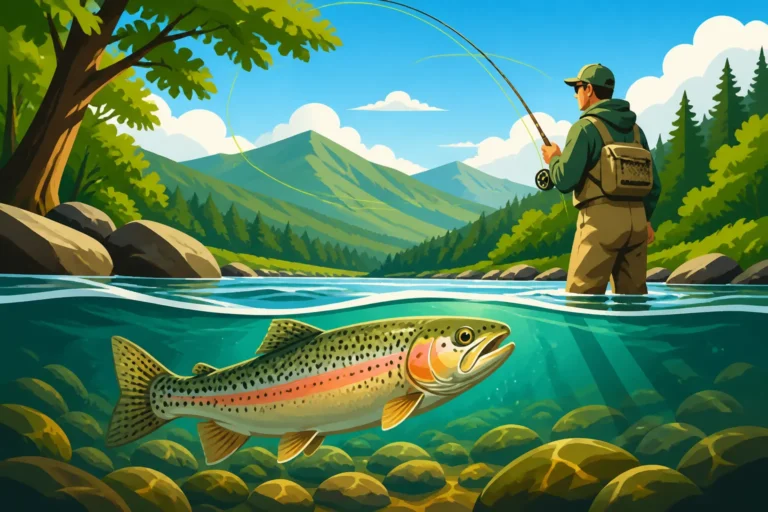
For many, the Clinch River is synonymous with fly fishing, and for good reason. The consistent cold water and abundant insect life make it a fly angler's paradise, especially when targeting wilder trout in secluded areas. An ultralight fly rod, typically a 3 or 4-weight, paired with a matching reel and a floating line, is perfect for delicate presentations. The choice of flies will vary with the season and prevalent hatches, but carrying a selection of nymphs (like tiny Pheasant Tails, Prince Nymphs, or midges), dry flies (Caddis, Mayflies), and a few small streamers is always a good idea.
Stealth is absolutely crucial in remote areas. Trout in clear, cold water are incredibly sensitive to movement and vibration. Approach the water slowly, keep a low profile, and make your casts smooth and accurate. Often, the best strategy is to wade carefully upstream, fishing pockets and runs as you go, ensuring you present your fly to undisturbed fish. Remember that a good local guide, easily found through services like FishingBooker, can not only take you to prime locations but also offer invaluable tips on current patterns and effective flies, enhancing your Fly Fishing Basics for Trout knowledge.
Spin Fishing for Accessibility and Versatility
While fly fishing is popular, spin fishing is an equally effective and often more accessible method for remote Clinch River trout. An ultralight spinning rod (4-6 foot) with a fast action, paired with a small spinning reel spooled with 4-6 pound fluorocarbon or monofilament line, will give you the sensitivity and casting distance you need. Small inline spinners (like Panther Martins or Mepps), tiny spoons, or miniature crankbaits are excellent choices for covering water and enticing aggressive strikes. Small soft plastics rigged on a lightweight jig head can also be incredibly effective, especially when fished slowly along the bottom in deeper pools.
The key to Spin Fishing Techniques for Trout in remote areas is presentation. Avoid heavy, splashy casts. Instead, make accurate, soft casts upstream or across, allowing your lure to drift naturally with the current as you retrieve it. Pay close attention to subtle bites, as trout can be very gentle. Spin fishing offers a versatile approach that can be very productive, especially when wading is difficult or when covering larger sections of the river.
Safety and Preparedness in Remote Areas
Venturing into remote areas of the Clinch River requires a strong emphasis on safety. Water levels can fluctuate rapidly due to dam generation, creating strong currents and making wading hazardous. Always wear a good quality personal flotation device (PFD) if you're in a boat or even when wading in deeper, faster water. Investing in high-quality waders with non-slip felt or studded rubber soles is non-negotiable for safe wading on the slick, rocky bottom.
Beyond water safety, consider the environment itself. Carry a small first-aid kit, plenty of water, snacks, a fully charged cell phone (though service can be spotty in remote areas), and a map or GPS device. Inform someone of your float plan or intended fishing area and your expected return time. Be aware of local wildlife, including snakes and bears. Being prepared means you can focus on the fishing, knowing you've taken the necessary precautions for a safe and enjoyable trip. For a deeper dive into what you need, check out our guide on Best Fly Rods and Waders for Tennessee Trout Streams.
Planning Your Secluded Clinch River Fishing Trip
A successful remote fishing trip to the Clinch River requires more than just knowing where to go; it demands thoughtful planning. From understanding the best times to visit to ensuring you have the correct permits, every detail contributes to a smooth and enjoyable experience.
Best Seasons for Solitude and Success
While the Clinch River is a year-round fishery thanks to its tailwater nature, certain seasons offer better chances for solitude and optimal fishing. Late fall, winter, and early spring typically see fewer anglers on the water, especially on weekdays. The colder weather can deter some, but the fishing can be exceptional, particularly for large brown trout. During these times, the river banks are often less overgrown, making access to some remote spots a little easier.
Summer can still be productive, especially during low-light hours or in periods of lower recreational traffic, but the popularity of the river for swimming and kayaking increases, potentially impacting solitude. When planning, consider the Tennessee Trout Fishing Season Explained and how the TWRA's stocking schedule might influence crowds around the more accessible areas. Even with more people on the water in summer, the remote sections still offer refuge if you're willing to hike or float a bit further. Also keep in mind How Cold Water Changes Trout Fishing in Tennessee's Smoky Mountains, as similar principles apply to the Clinch tailwater.
Understanding Regulations and Permits
Before you even make your first cast, you need to ensure you're compliant with all Tennessee fishing regulations. Every angler 13 years of age and older needs a valid Tennessee fishing license. For fishing trout on the Clinch, you'll almost certainly need a trout permit in addition to your regular fishing license. This is a common requirement for coldwater species. You can find comprehensive details in our Tennessee Fishing License Guide.
It's crucial to also be aware of specific regulations for the Clinch River itself. These might include special catch and release sections, bait restrictions, or different size and creel limits. The Tennessee Trout Limits and Season Rules can vary by specific waterbody, so always check the latest TWRA regulations booklet or website before you head out. Ignorance of the rules is not an excuse, and game wardens do patrol these areas, even the remote ones. Understanding Do You Need a Trout Permit With Your Tennessee License is essential to avoid any legal issues.
Navigating Access and Lodging
Reaching truly remote sections of the Clinch River often means navigating less-developed roads and sometimes crossing private land (with permission, of course). Having a good map or a reliable GPS is invaluable. Many small towns surrounding the Clinch, such as Oak Ridge, Clinton, or even Knoxville, offer lodging and supplies. For those seeking to simplify their trip or gain expert local knowledge, hiring a fishing guide is an excellent option. Local guides not only know the prime remote spots but also understand the nuances of the river's flows and the best techniques for the day. When researching potential lodging and supplies, remember that local outfitters might also offer guiding services, or you can simplify your search by checking platforms like FishingBooker for all-inclusive experiences, making your trip to the Clinch River Trout Fishing in East Tennessee much smoother.
Don't let the idea of 'remote' intimidate you; with a little planning, or the assistance of a seasoned pro from FishingBooker, the Clinch River's quiet corners are well within reach, offering some of the most rewarding and peaceful fishing experiences in Tennessee. Whether you're targeting rainbow or brown trout, finding solitude on one of the Best Trout Streams in Tennessee is a truly special experience.
Disclaimer
Please be aware that fishing conditions, regulations, and access points can change. Always consult the latest Tennessee Wildlife Resources Agency (TWRA) regulations before fishing. Exercise caution in all outdoor activities and prioritize safety. This guide is for informational purposes only and does not guarantee specific results or conditions.