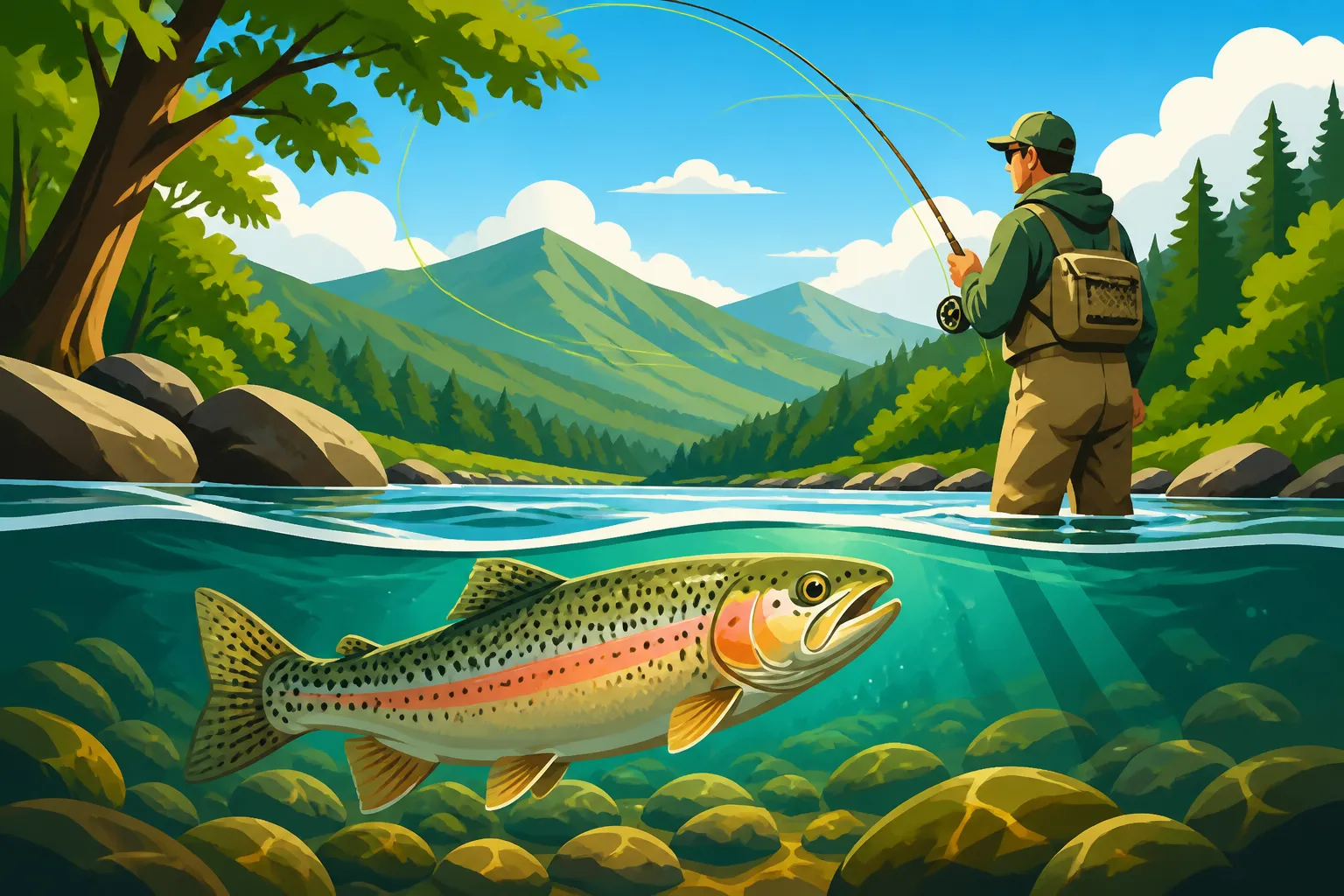
Little River Trout Fishing Spots, Tennessee
For many anglers, the thought of fishing in the Great Smoky Mountains conjures images of pristine, clear streams teeming with vibrant trout. But finding those exact, perfect spots can feel like searching for a needle in a haystack, especially when you're not a local. This guide aims to demystify Little River, one of Tennessee's most renowned trout streams, helping you pinpoint the best fishing locations and understand what makes each stretch unique.
Understanding Little River's Unique Trout Fishery
The Little River, flowing out of the Great Smoky Mountains National Park and eventually into the Fort Loudoun Lake system, is more than just a waterway; it's a dynamic ecosystem that offers a diverse range of fishing experiences. From its wild headwaters to its broader lower stretches, understanding the character of each section is key to a successful outing.
The Different Sections of Little River
Little River can broadly be divided into three main sections, each presenting different challenges, fish populations, and access points. The upper section, within the Great Smoky Mountains National Park, is characterized by its steep gradients, cold, clear water, and a population of wild, native trout. This is quintessential mountain stream fishing. As it leaves the park, the middle section flows through areas like Townsend, where the river becomes more accessible, often stocked with trout, and widens slightly. Finally, the lower section continues downstream towards Alcoa and Maryville, where the water warms, the river broadens considerably, and warm-water species become more prevalent alongside any lingering trout.
What Makes Little River So Special for Trout?
Little River’s allure stems from several factors. Firstly, its origin within the national park provides a source of incredibly clean, cold water, which is vital for trout survival. This upper reach is home to truly wild brook trout, along with wild rainbow and brown trout, making it a bucket-list destination for fly anglers seeking a pristine experience. Secondly, the Tennessee Wildlife Resources Agency (TWRA) actively manages sections of the river, especially the middle stretches outside the park, through consistent stocking programs. This ensures a healthy population of catchable fish for those who prefer an easier-going trip or are just starting out. The combination of wild and stocked fisheries, all within a relatively accessible corridor, means Little River genuinely offers something for every type of trout angler.
Prime Spots for Trout Fishing in Little River
Knowing the general characteristics of the river's sections is a good start, but let's dive into some more specific areas that hold fish, considering both accessibility and the kind of experience you're looking for.
Upper Sections: Wild Trout and Fly Fishing
For those seeking the challenge and reward of catching wild trout, the upper sections of Little River inside the Great Smoky Mountains National Park are where you want to be. Access often involves hiking, sometimes off-trail, but the solitude and beauty are unparalleled.
-
Elkmont and Cades Cove Roads: These areas, while popular, offer numerous pull-offs and short trails that lead to prime wading spots. The river here is a mix of riffles, runs, and small plunge pools – perfect habitat for rainbow and brown trout. Brook trout can be found further upstream in smaller tributaries. When fishing here, smaller fly patterns, often imitating caddis, mayflies, or stoneflies, are incredibly effective. Stealth is paramount, as these wild fish are easily spooked. Many experienced anglers look to services like FishingBooker to find local guides who specialize in these challenging but rewarding wild trout waters, helping them navigate the terrain and understand the subtle nuances of these finicky fish. If you're planning a trip to this area, make sure you're familiar with the specific Tennessee Trout Limits and Season Rules that apply within the park.
-
Near Sugarlands Visitor Center: Upstream from the visitor center, the Little River is designated as a "catch-and-release only" section within the park, providing an excellent opportunity for anglers to hone their skills without harvesting fish. This stretch is easily accessible but can see more pressure. It’s an ideal place to practice your Fly Fishing Basics for Trout before venturing into more remote areas. Remember to check park regulations as they can sometimes differ from statewide rules.
Middle Sections: Stocked Waters and Easier Access
Once Little River leaves the national park boundaries, particularly around the town of Townsend, it becomes more accessible and is regularly stocked by the TWRA. This makes it a fantastic option for families, beginners, or those simply looking for a more relaxed fishing day with a higher chance of success.
-
Townsend City Park and surrounding areas: The stretches of Little River flowing through and immediately around Townsend are prime locations for stocked trout. You'll find numerous public access points, including the Townsend City Park, which offers ample parking and easy river access. This is where you'll most often find freshly stocked rainbow trout, especially after a recent stocking event. The Tennessee Trout Stocking Schedule and Season is your best friend here, as timing your visit shortly after a stocking can significantly increase your catch rate.
-
Along Highway 321: As you drive along Highway 321 towards Walland, you’ll see various pull-offs and roadside access points to the Little River. These areas are also part of the stocked fishery. While fly fishing is still popular, spin fishing with small inline spinners (like Panther Martins or Rooster Tails), corn, or PowerBait is often very effective here. This section of the river also makes for a wonderful spot for a family outing, with opportunities for easy wading. FishingBooker can connect you with guides specializing in these easier-access areas, providing a fantastic introduction to trout fishing for novices.
Lower Sections: Warm Water Species and Transition Zones
As Little River continues its journey out of the mountains and into the flatter agricultural lands, the character of the river changes dramatically. The water temperature rises, and the river broadens, creating a transition zone where trout eventually give way to more warm-water species.
-
Near Maryville and Alcoa: Downstream from Walland, as the river approaches Maryville and Alcoa, the trout population becomes sparse, generally limited to residual stocked fish that have moved downstream or holdovers from colder periods. Here, the focus shifts. Anglers are more likely to encounter species like Smallmouth Bass: Tennessee's Official State Fish, rock bass, and sunfish. While still beautiful, this section isn't typically targeted by dedicated trout anglers, but it can offer exciting fishing for other species, especially during warmer months.
-
The Influence of Fort Loudoun Lake: Eventually, Little River flows into Fort Loudoun Lake, part of the Tennessee River system. This confluence marks the definitive end of the trout fishery, as the lake environment is entirely unsuitable for trout. Anglers in these lower reaches will be targeting typical reservoir species rather than mountain trout.
Essential Gear and Techniques for Little River Trout
Successfully fishing Little River, whether for wild or stocked trout, requires the right gear and an understanding of appropriate techniques. What works in the fast, cold upper reaches might not be effective in the slower, wider middle sections.
Fly Fishing Essentials
For many, fly fishing is the quintessential method for trout, especially in the clear, flowing waters of Little River's upper and middle sections.
- Rods and Reels: A lightweight setup, typically a 7 to 8.5-foot, 3 to 5-weight fly rod, is ideal for the smaller streams and delicate presentations required here. Pair it with a matching reel and a weight-forward floating line. Many anglers find the Best Fly Rods and Waders for Tennessee Trout Streams are specifically designed for these types of conditions.
- Leader and Tippet: Long leaders (7.5 to 9 feet) tapering down to fine tippet (5x or 6x) are necessary for presenting flies naturally without spooking wary trout. Fluorocarbon tippet can be advantageous due to its invisibility underwater.
- Fly Selection: Keep a diverse selection of flies. For wild trout, focus on smaller nymphs (e.g., Pheasant Tail, Hare's Ear, Squirmy Wormy) in sizes 16-20, dry flies that imitate local insects (Parachute Adams, Elk Hair Caddis, stimulators) in sizes 14-18, and small streamers. For stocked trout, attractor patterns like Woolly Buggers or larger nymphs can also be very effective.
- Waders and Boots: Waders are almost a necessity for accessing prime spots and staying comfortable in the cold water. Breathable chest waders are excellent. Felt-soled wading boots offer superior grip on slick, moss-covered rocks. Don't forget a wading staff for stability, especially in faster currents.
Spin Fishing Gear and Baits
While fly fishing holds a special place, spin fishing is highly effective, especially in the stocked middle sections, and can be easier for beginners.
- Rods and Reels: An ultralight or light action spinning rod, 5 to 6 feet long, paired with a small spinning reel spooled with 4-6 lb monofilament or fluorocarbon line, is perfect. This setup allows for light lures and sensitive bites.
- Lures and Baits:
- Inline Spinners: Brands like Panther Martin, Mepps, and Rooster Tail in sizes #0 to #2 are consistently effective. Gold, silver, and black blades are good starting points.
- Spoons: Small casting spoons, such as those made by Kastmaster or Little Cleo, can entice strikes.
- Soft Plastics: Tiny grubs or trout magnets on small jig heads can be deadly when trout are finicky.
- Live Bait: Worms (red wigglers or nightcrawlers), salmon eggs, and especially corn (often used for stocked trout) are very popular and effective when fished on a small hook with a split shot or under a bobber.
- PowerBait: This scented, moldable bait is a staple for stocked trout. Form it into a small ball around a treble hook, allowing it to float just off the bottom.
Safety and Etiquette on the River
Regardless of your preferred method, safety and courtesy are paramount on Little River.
- Wading Safety: The river bottom can be treacherous with slippery rocks and strong currents. Always wear appropriate wading boots and consider a wading staff. Never fish alone in remote areas.
- Hydration and Sun Protection: Even on cool days, you can get dehydrated. Carry plenty of water. Sunscreen, a hat, and polarized sunglasses are essential.
- Leave No Trace: Pack out everything you pack in. Do not leave fishing line, bait containers, or any trash behind. Respect the natural beauty of the area.
- Angler Courtesy: Give other anglers ample space. If someone is already fishing a stretch of water, either move further up or downstream, or politely ask if you can share the water. Avoid loud noises or splashing that could disturb fish.
Navigating Regulations and Best Practices
Fishing in Tennessee, and especially in a prominent river like Little River, means adhering to specific regulations designed to protect the fishery and ensure its health for generations to come.
Tennessee Fishing Regulations Specific to Little River
It's absolutely crucial to have a valid Tennessee Fishing License Guide before casting a line. This is a foundational requirement.
- General Statewide Regulations: While many rules are statewide, trout waters often have specific nuances. You'll need to know the general Tennessee Fishing Regulations Explained for trout, including daily creel limits and size restrictions, which can vary by species (rainbow, brown, brook).
- Great Smoky Mountains National Park Rules: As mentioned, if you're fishing the upper sections within the park, you are subject to the park's specific fishing regulations, which are often stricter than statewide rules. This usually means single hook artificial lures only, and many stretches are catch-and-release. Always consult the official park fishing regulations before your trip.
- Special Regulations for Stocked Sections: The TWRA also designates certain stretches of rivers, including parts of Little River, as "Designated Trout Streams" or "Trout Rearing Streams," which might have different season dates or tackle restrictions. For example, some may be artificial lures only, or have specific bait restrictions. Always check the current TWRA fishing guide for the most up-to-date information for the specific section of Little River you plan to fish. You might even find specific days like Bobby Wilson Free Fishing Day in Tennessee where licenses are not required for a fun outing, though special regulations may still apply.
Conservation and Catch-and-Release
Practicing good conservation habits is vital to maintaining the health of Little River's trout populations, especially its wild strains.
- Minimizing Harm: When practicing catch-and-release, use barbless hooks or pinch down the barbs on your hooks to make release easier and less damaging to the fish. Handle fish gently with wet hands, keeping them in the water as much as possible. Avoid dragging them on rocks or dry surfaces.
- Knowing When to Release: Even if you're in a section where harvest is allowed, consider releasing larger, healthier fish, especially wild trout, to ensure they can spawn and contribute to the population. Smaller, stocked fish are often the best candidates for the dinner table.
- Understanding Fish Stress: Fish caught in warmer water or after a long fight are more stressed and have a lower chance of survival if released. If the water temperature is too high (generally above 68-70°F), consider not fishing for trout at all, as even a short fight can be fatal.
To help visualize the distinct characteristics of Little River's different sections, here's a quick comparison:
| Section | Primary Location | Accessibility | Dominant Trout Species | Recommended Method | Key Experience |
|---|---|---|---|---|---|
| Upper (Park) | Elkmont, Cades Cove | Challenging (hiking) | Wild Brook, Rainbow, Brown | Fly Fishing | Solitude, challenge, native fish |
| Middle (Townsend) | Townsend, Hwy 321 | Easy (roadside, parks) | Stocked Rainbow, some Brown | Fly & Spin Fishing | Consistent action, family-friendly |
| Lower (Maryville) | Near Maryville, Alcoa | Very Easy (broader river) | Sparse Trout, Smallmouth Bass | Spin Fishing (for bass) | Transition zone, warm-water species more common |
Whether you're after the elusive wild brook trout in a secluded mountain hollow or looking for a fun day catching stocked rainbows with the family, Little River truly offers an incredible range of experiences. Just remember to respect the resource, follow the regulations, and most importantly, enjoy the peace and beauty of fishing in the heart of Tennessee. If you're looking for an even more tailored experience, considering booking a local guide through platforms like FishingBooker, who can lead you to the most productive spots on any given day.
Disclaimer
The information provided in this guide is for general informational purposes only and is subject to change. Always consult the official Tennessee Wildlife Resources Agency (TWRA) and Great Smoky Mountains National Park regulations for the most current rules and requirements before you go fishing. Fishing conditions and regulations can vary, so staying informed is crucial for a safe and legal fishing experience.