Tennessee Trout Stocking Schedule and Season
There’s nothing quite as frustrating as heading out for a day of trout fishing, brimming with anticipation, only to find the stream empty or the bite completely off. Many of us have been there, wondering if we just missed a stocking or picked the wrong time of year. If you’ve ever felt like you’re playing a guessing game with Tennessee’s elusive trout, this comprehensive guide is here to shed some light on the Tennessee trout stocking schedule and season, helping you plan your next successful outing.
Understanding Tennessee's Trout Stocking Program
For many anglers across the state, the opportunity to reel in a beautiful trout comes courtesy of the Tennessee Wildlife Resources Agency (TWRA) and its robust stocking program. It’s not just about putting fish in the water; there's a lot of science, effort, and passion behind every release.
The Why Behind the Stocking
Tennessee, while blessed with abundant waterways, doesn't naturally support widespread, self-sustaining trout populations in all its rivers and streams. Trout thrive in cold, clean water, and many of our lower-elevation waters simply get too warm during the summer months to sustain them year-round. This is where the stocking program becomes absolutely vital.
The TWRA's primary goal with stocking is to create diverse fishing opportunities for anglers who might not otherwise have access to trout fishing. It’s a way to enhance recreational fishing, especially in areas where natural reproduction is limited or nonexistent due to habitat constraints or water temperature fluctuations. Without this program, many popular fishing spots would lack trout entirely, significantly reducing the fishing calendar for many Tennesseans and visitors alike. It helps to meet the demand from a growing number of anglers eager to target these beautiful, feisty fish.
Who Manages the Stocking Efforts
The Tennessee Wildlife Resources Agency is the orchestrator of all trout stocking operations in the state. They run several state-of-the-art fish hatcheries, such as the Buffalo Springs Hatchery in Grainger County or the Erwin National Fish Hatchery (a federal facility that often works in partnership with the state), where trout are raised from eggs to fingerlings and then to catchable size. These hatcheries are essentially trout nurseries, ensuring a steady supply of fish throughout the stocking season.
The TWRA's biologists and technicians meticulously manage these operations, from maintaining water quality in the hatchery tanks to planning the logistical routes for distributing the fish. Funding for these efforts largely comes from the sale of fishing licenses and trout permits, which highlights the direct impact anglers have on the continuation of these vital programs. Every time you purchase a fishing license, you're directly contributing to maintaining and expanding these cherished fishing opportunities across Tennessee. For a full breakdown, you might want to read our Tennessee Fishing License Costs and Types article.
Types of Trout Stocked in Tennessee
While Tennessee is home to three main trout species – Rainbow, Brown, and our native Brook Trout – the vast majority of fish stocked by the TWRA are Rainbow Trout. These hardy, fast-growing trout are excellent for stocking programs because they tolerate a wider range of conditions than some other species and are eager to bite, making them a favorite among anglers of all skill levels. They provide an immediate and satisfying fishing experience in put-and-take fisheries.
Brown Trout are also stocked, though typically in lesser numbers and often in specific waters known to have suitable habitat for them to potentially grow larger and survive longer. They are a bit more elusive and harder to catch, offering a different kind of challenge. Brook Trout, on the other hand, are rarely, if ever, stocked by the TWRA for general public fishing. Our native "brookies" are primarily found in high-elevation, pristine wilderness streams, particularly in the Great Smoky Mountains, and conservation efforts focus on protecting their wild populations rather than supplementing them with hatchery fish.
Deciphering the Annual Trout Stocking Schedule
Knowing when and where the TWRA stocks trout is like having a secret weapon in your fishing arsenal. It can transform a slow day into a memorable one. However, the schedule isn't always a rigid, unchanging document; it's a dynamic plan influenced by many factors.
General Timing for Stocking Seasons
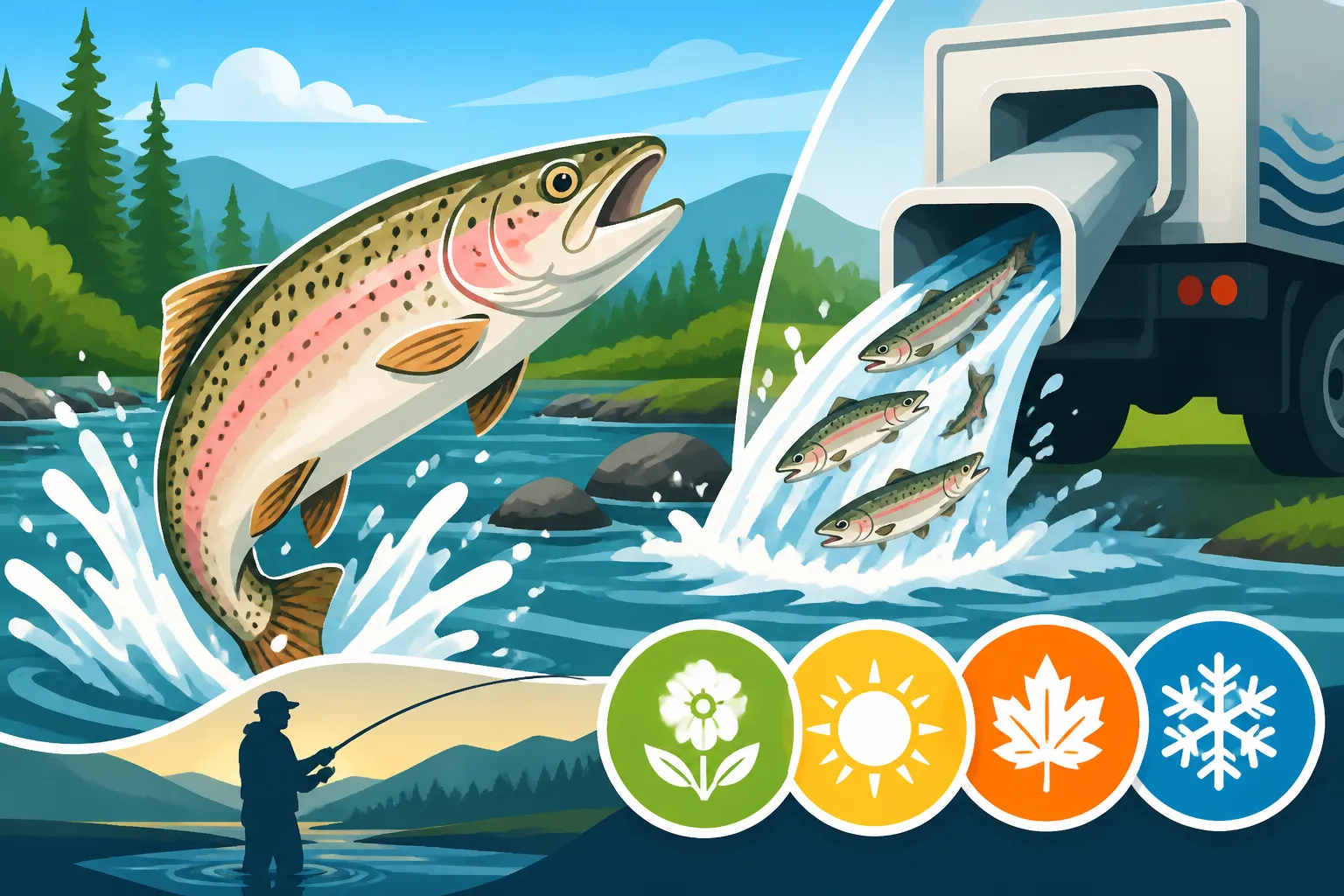
Tennessee's trout stocking generally follows a distinct pattern throughout the cooler months of the year, though specific timing can vary. The most intensive stocking periods are:
- Fall Stocking: As water temperatures begin to drop in late September and October, the TWRA often initiates a round of stockings. These fish benefit from the cooling waters and provide excellent fishing opportunities well into winter. Many of Tennessee's smaller streams and community ponds receive their first trout deliveries of the season during this time.
- Winter Stocking: This is a prime time for many stocked trout programs, especially in waters that remain cold enough. Stockings continue through November, December, January, and February, ensuring a steady supply of trout when other warmwater species are less active. These cooler temperatures mean the trout are often quite active and anglers can enjoy a brisk day on the water.
- Spring Stocking: The stocking schedule often ramps up again in late winter and early spring, typically from March through May. These stockings capitalize on the ideal water temperatures and increased angler activity as the weather improves. Many popular destinations receive multiple stockings during this period. As the weather warms into June, stocking generally ceases in most areas, except for certain tailwaters or high-elevation streams that maintain sufficiently cold water. You can often find details on exactly When Tennessee Stocks Rainbow Trout Each Year.
How to Access the Latest Schedule Information
The absolute best and most reliable source for up-to-date trout stocking information is the Tennessee Wildlife Resources Agency (TWRA) website. They typically publish a stocking schedule or at least a list of waters to be stocked seasonally. Look for their "Trout Stocking Schedule" or "Fish Stocking" sections. This is regularly updated, sometimes weekly, as conditions allow.
Beyond the official website, there are other avenues:
- TWRA Regional Offices: If you're old school like me, a quick call to your local TWRA regional office can often yield the most current information. The folks there are usually very helpful and can tell you about recent stockings or upcoming plans for your area.
- Local Bait and Tackle Shops: These shops are often on the front lines, receiving direct communication from the TWRA or hearing rumors from other anglers. They live and breathe local fishing, so they're a fantastic resource. A visit to places like Half-Moon Outfitters in East Tennessee or a smaller, family-run bait shop near your favorite creek can offer invaluable, real-time insights.
- Social Media: The TWRA also utilizes social media platforms to announce stocking updates, especially for popular locations. Following their official accounts can give you a heads-up right as fish are hitting the water.
Factors Influencing Stocking Dates and Locations
It’s crucial to remember that the TWRA's schedule is often a plan, not a promise set in stone. Several factors can cause last-minute changes:
- Weather Conditions: Heavy rains can cause high, muddy water conditions, making stocking unsafe for personnel and stressful for the fish. Conversely, prolonged droughts can lower water levels and raise temperatures, making certain streams unsuitable for stocking. The TWRA prioritizes the health of the fish and the success of the stocking, so they'll delay if conditions aren't right.
- Water Levels and Flow: Streams that are too low or too high can prevent stocking trucks from accessing designated release points. Optimal flow ensures the trout can disperse effectively and find suitable habitat quickly.
- Road Accessibility: Some of Tennessee's most beautiful trout streams are in remote areas. Winter weather, especially snow and ice, can make these access roads impassable, forcing stocking delays until conditions improve.
- Fish Availability: While hatcheries work hard to meet demand, unforeseen issues like disease outbreaks or equipment failures can impact the number of fish available for stocking, leading to adjustments in quantities or locations.
Understanding these variables helps manage expectations. If you check the schedule and see a planned stocking date, always do a quick check of the weather and local conditions before heading out, or call a local contact.
Prime Trout Stocking Locations Across Tennessee
Tennessee boasts an impressive array of waters suitable for trout stocking, ranging from large, renowned tailwaters to smaller, community ponds. Knowing these key locations can significantly boost your chances of success.
East Tennessee's Renowned Trout Waters
East Tennessee is undeniably the heartland of trout fishing in the state, offering the most consistent cold-water fisheries. Several locations are mainstays on the TWRA's stocking schedule:
- Clinch River Tailwater: Below Norris Dam, the Clinch River is one of Tennessee's premier trout fisheries. It's known for its abundant rainbow and brown trout, many of which are stocked. The consistent cold water released from the bottom of Norris Lake creates an ideal environment year-round, making it a frequent stocking site. Anglers here can find excellent opportunities to catch trophy-sized fish. Our Clinch River Trout Fishing in East Tennessee guide has more details.
- South Holston River Tailwater: Another phenomenal tailwater, the South Holston River below Boone Dam is a world-class trout stream, particularly famous for its wild brown trout, but also regularly stocked with rainbows. The special regulations here, including catch-and-release sections and artificial-lures-only areas, are designed to enhance the quality of the fishing.
- Doe River: Flowing through Elizabethton, the Doe River is a popular, accessible trout stream that sees regular stockings, particularly in its put-and-take sections. It's a great spot for families and beginners.
- Watauga River Tailwater: Similar to the Clinch and South Holston, the Watauga below Watauga Dam offers excellent year-round trout fishing due to cold water releases. It's a key part of Tennessee's trout stocking program, supporting a thriving population of rainbow and brown trout.
- Numerous State Park Ponds and Rivers: Many state parks throughout East Tennessee, such as those with access to the Hiwassee River or smaller tributary streams, receive regular trout stockings. These are often easy-access spots, perfect for a casual day of fishing. Check individual park websites or the TWRA schedule for specific details. For instance, the Hiwassee River Fishing Guide is a popular read for these areas.
- Small Streams and Lakes: Beyond these well-known giants, countless smaller streams, creeks, and even urban lakes in East Tennessee, like those near Knoxville and Chattanooga, are stocked periodically during the cooler months to provide local angling opportunities.
Middle and West Tennessee Stocking Spots
While not as prevalent as in East Tennessee, the TWRA doesn't forget about the anglers in the central and western parts of the state. They work to create trout fishing opportunities where conditions allow, usually through their Community Fishing Program or specific pond stockings.
- Marrowbone Lake (Cheatham County): Located near Nashville, Marrowbone Lake is a prime example of a Middle Tennessee lake that receives regular trout stockings during the cooler months. It's a fantastic, family-friendly option that provides a convenient trout fishing experience close to a major metropolitan area.
- Percy Priest Lake (Nashville Area): While primarily a warmwater fishery, Percy Priest Lake has occasionally seen trout stockings in certain cold-water sections or during specific events, particularly in tributaries where cold water persists longer. These are less frequent than East Tennessee tailwaters but demonstrate the TWRA's efforts to diversify fishing options.
- Community Ponds and Urban Lakes: The TWRA actively seeks out and develops community fishing ponds suitable for trout stocking in various Middle and West Tennessee counties. These are typically smaller, managed impoundments that can maintain adequate water temperatures during the colder parts of the year. Examples might include ponds in urban parks or designated TWRA lakes. These stockings aim to make trout fishing accessible to a wider population, including those who might not have the means to travel to the traditional trout streams of East Tennessee.
- Specific Events: Sometimes, a special event or "Free Fishing Day" might coincide with a trout stocking in a non-traditional trout water to celebrate the occasion and offer unique fishing opportunities. Keep an eye on TWRA announcements for these special instances, like the annual Bobby Wilson Free Fishing Day.
Urban & Community Fishing Program
The TWRA's Urban & Community Fishing Program is a real game-changer, especially for folks who live in or near major cities and don't have the time or ability to drive to distant trout streams. This initiative focuses on stocking easily accessible ponds and small lakes within city limits or suburban areas with catchable-sized trout, primarily Rainbow Trout.
The beauty of this program is its accessibility. You often find these ponds in local parks, making them ideal for a quick after-work trip, a weekend family outing, or for introducing kids to the joys of fishing. These spots are usually stocked multiple times throughout the fall, winter, and spring seasons, ensuring a steady supply of fish. It's a fantastic way to engage new anglers and provide quality fishing experiences in urban environments, turning what might seem like ordinary city parks into vibrant fishing destinations. This program really embodies the spirit of making fishing accessible to everyone, and you'll find plenty of information about it on the TWRA site or by checking in with local parks and recreation departments.
| Region | Primary Stocking Period | Typical Fish Species | Key Locations | Notes |
|---|---|---|---|---|
| East Tennessee | Fall, Winter, Spring (year-round in tailwaters) | Rainbow, Brown | Clinch River, South Holston River, Watauga River, Doe River, State Park waters | Most extensive and consistent stocking. Best for larger trout and year-round fishing. |
| Middle Tennessee | Fall, Winter, Early Spring | Rainbow | Marrowbone Lake, Percy Priest Lake (tributaries), Urban Ponds | Seasonal stocking, often part of Community Fishing Program. |
| West Tennessee | Winter, Early Spring | Rainbow | Selected community ponds, specific TWRA lakes | Limited cold-water habitat, stockings are usually targeted and seasonal. |
| Community Ponds | Fall, Winter, Spring | Rainbow | Various urban and suburban park ponds statewide | High accessibility, great for beginners and families. |
Best Practices for Fishing Recently Stocked Trout
When you're targeting recently stocked trout, you're dealing with fish that behave a little differently than their wild counterparts. They've lived in a hatchery their whole lives, so their instincts are geared towards easy meals. This can be a huge advantage for anglers who know how to adapt their approach.
Essential Gear and Bait Recommendations
You don't need a fortune's worth of specialized equipment to catch stocked trout, which is great news for beginners or those on a budget. However, having the right setup certainly increases your chances.
- Light Tackle is Key: A lightweight spinning rod (5-6 feet long) paired with a small spinning reel spooled with 4-6 lb test monofilament or fluorocarbon line is ideal. This lighter setup allows for longer, more accurate casts and makes fighting even smaller trout feel like a thrilling battle. You can find excellent, affordable options for a rod and reel combo on sites like Amazon.
- Go-To Baits:
- PowerBait: This is arguably the most effective bait for hatchery-raised trout. They were literally fed pellets their whole lives, and PowerBait in various forms (dough, nuggets, worms) mimics that food source. Popular colors include chartreuse, rainbow, and white.
- Corn: Yes, plain old canned corn. It’s cheap, easy to use, and trout love it, perhaps due to its resemblance to hatchery pellets and its bright color. Put a few kernels on a small hook.
- Worms: Live earthworms or mealworms are always a classic and effective choice. Their natural movement and scent are hard for any fish to resist.
- Small Spinners and Spoons: Lures like the Rooster Tail, Mepps, or small Kastmasters are highly effective. The flash and vibration mimic small baitfish or aquatic insects, triggering a predatory response. Look for sizes between 1/16 oz and 1/8 oz.
- Small Jigs: Tiny jigs, especially those tipped with a piece of PowerBait or a mealworm, can be deadly when fished under a bobber or slowly retrieved.
- Hooks and Weights: Use small, sharp hooks (sizes 10-14 are common) to match the size of the trout's mouth and your bait. A few split shot weights or a small slip sinker will help get your bait down to where the fish are holding.
Remember, presentation is often more important than the specific bait. A natural, subtle presentation will always outperform a clumsy one.
Optimal Techniques for Stocked Trout
Because stocked trout are accustomed to an easy life, they often aren't as wary as wild trout. This means you can often use simpler, more direct techniques.
- Float Fishing (Bobber Fishing): This is fantastic for beginners and incredibly effective. Use a small bobber, a few split shots, and your chosen bait (PowerBait, corn, worm) on a small hook. Cast it out and let the current or a slight retrieve do the work. The bobber indicates strikes, making it easy to know when a fish is interested. This method is particularly useful in ponds or slower moving sections of streams.
- Bottom Fishing (Carolina Rig Variant): When trout are holding deeper or currents are stronger, a bottom rig can be best. Thread a small slip sinker onto your main line, then tie on a swivel. Attach a leader (1-2 feet) to the other end of the swivel, and then your hook. The slip sinker keeps your bait on the bottom, but the fish can take the bait without feeling the weight, allowing for a more natural presentation. This is excellent for fishing lakes or deeper pools in rivers, and gives fish a natural-feeling bite.
- Drift Fishing with Lures or Bait: In moving water, casting a small spinner or a piece of bait upstream and letting it drift naturally downstream is often deadly. Keep your line tight enough to feel bites but loose enough for the bait to move freely. This technique imitates food tumbling naturally in the current, which trout are programmed to intercept.
- Casting and Retrieving Spinners: For those who prefer lures, simply casting a small spinner across and slightly upstream, then retrieving it at a steady pace, can be very effective. Vary your retrieve speed and depth until you find what the trout are responding to.
Always pay attention to what other successful anglers are doing. If someone nearby is consistently catching fish, observe their technique and bait choice – it might be just what the trout are looking for that day.
Ethical Angling and Conservation for Stocked Waters
Even though stocked trout are raised for harvest, responsible angling practices are still incredibly important. We all want these fisheries to remain healthy and enjoyable for everyone.
- Respect Catch Limits: Always know and abide by the daily creel limits and any size restrictions set by the TWRA for the specific water you are fishing. These limits are in place to ensure sustainable fishing pressure. You can find detailed information about Tennessee Trout Limits and Season Rules on the TWRA website.
- Handle Fish Carefully (if releasing): If you plan to practice catch-and-release, handle the fish as little as possible. Use wet hands to minimize damage to their protective slime coat, and try to keep them in the water. Use barbless hooks or crimp down barbs to make release easier and reduce injury.
- Dispose of Trash Properly: Pack out everything you pack in. Leaving trash, especially fishing line, is detrimental to wildlife and ruins the experience for others.
- Be Mindful of Other Anglers: Stocked waters, especially right after a stocking, can get crowded. Give others space, be courteous, and avoid loud noises or disruptive behavior. A little common courtesy goes a long way in ensuring everyone has a pleasant experience.
- Avoid Over-Harvesting: While stocked trout are intended for harvest, taking only what you need and will consume helps spread the bounty among more anglers. It ensures more people have the chance to experience catching fish from these valuable resources.
Adhering to these principles ensures that Tennessee's stocked trout fisheries remain vibrant and enjoyable for generations of anglers to come.
Navigating Tennessee's Trout Season and Regulations
Fishing in Tennessee comes with a few rules of the road, and trout fishing, in particular, has some nuances you'll want to be aware of. These regulations are designed to manage fish populations, protect delicate ecosystems, and ensure fair and sustainable angling opportunities. Knowing them isn't just about avoiding a fine; it's about being a responsible steward of our natural resources. You can always refer to the full Tennessee Fishing Regulations Explained for general rules.
Statewide Trout Limits and Size Restrictions
For most general waters in Tennessee, the statewide daily creel limit for trout is seven fish per person. This limit typically applies to a combined total of Rainbow, Brown, and Brook Trout. However, there’s an important caveat regarding Brown Trout:
- Brown Trout Specifics: Generally, within that seven-fish limit, no more than two can be Brown Trout. This specific regulation is in place to help protect Brown Trout populations, which often have different growth rates and reproductive cycles compared to Rainbows. It’s worth noting that some specific tailwaters or management zones might have even stricter limits or slot limits for Brown Trout, so always double-check local regulations for your chosen fishing spot. This detail is often highlighted in articles like Tennessee Trout Limits and Season Rules.
Size restrictions are also an important consideration. While many stocked trout are of catchable size and don't have a minimum length requirement, certain waters, especially those managed for trophy potential or wild trout, will have strict minimum or maximum size limits. These are usually posted prominently at access points or detailed in the TWRA fishing guide. For instance, you might find a rule like "no trout between 12-16 inches may be kept," or "only one trout over 20 inches allowed." These rules encourage catch and release of fish within certain size ranges to promote growth or protect spawning fish.
Special Regulations for Specific Trout Waters
This is where things can get a bit more complex, but it's crucial to pay attention. Many of Tennessee's prime trout waters, particularly the large tailwaters and designated wilderness streams, have special regulations that override the statewide limits.
- Tailwaters (e.g., Clinch, South Holston, Watauga Rivers): These rivers often have highly specialized rules. You might encounter:
- Catch-and-Release Only Zones: Sections where all trout caught must be immediately released unharmed. These zones are typically managed for trophy potential and to provide a quality experience.
- Artificial Lures Only: Some sections might prohibit the use of natural baits (worms, corn, PowerBait) and only allow artificial lures with single, barbless hooks. This reduces harm to fish that are caught and released.
- Protected Slot Limits: As mentioned earlier, specific size ranges might be protected, meaning fish within those sizes must be released.
- Seasonal Closures: Certain sections might be closed to fishing during spawning periods or for habitat restoration.
- Small Wilderness Streams (especially in the Great Smoky Mountains): Many of these streams are home to our native Brook Trout and are managed for wild trout populations. They often have very strict regulations, including catch-and-release only, fly-fishing-only, or artificial-lures-only rules. Access can also be restricted to protect these delicate ecosystems. If you're heading to the mountains, be sure to consult resources like our guide to Trout Fishing in the Great Smoky Mountains, Tennessee.
- TWRA Owned/Managed Lakes (e.g., Marrowbone Lake): While often stocked, these smaller lakes might have their own specific limits or rules, sometimes differing from statewide trout rules. It’s always best to check the signs at the access points or the TWRA website for the lake you plan to visit.
Always, always consult the most current TWRA fishing guide or their website for the specific water you plan to fish. Ignoring special regulations can lead to fines and legal trouble, and more importantly, it can harm the very resource we cherish.
The Importance of a Trout Permit
Beyond your general Tennessee fishing license, if you plan to fish for trout, you will almost certainly need a Tennessee Trout Permit. This permit is a special add-on to your regular fishing license.
- Who Needs It: Generally, if you are 13 years of age or older and are fishing for trout, you need this permit. It applies to residents and non-residents alike. There are some exceptions, such as during "Free Fishing Day" or if you are fishing for trout that are not actively stocked by the TWRA (like in a private, un-stocked pond, though even then it's safer to have it).
- What it Covers: The trout permit grants you the privilege to fish for and possess trout in all public waters of Tennessee. The funds generated from the sale of trout permits are specifically earmarked for the TWRA's trout management programs, including the operation of fish hatcheries and the stocking efforts we’ve been discussing. So, purchasing this permit directly supports the very fishing opportunities you enjoy. Our guide, Do You Need a Trout Permit With Your Tennessee License, goes into more detail.
It's a small additional cost, but it's a critical component of responsible trout fishing in Tennessee. Having both your valid fishing license and your trout permit in hand (or on your phone via the TWRA app) is non-negotiable when you hit the trout streams. Game wardens regularly check for these, and fishing without one can result in penalties.
Maximizing Your Trout Fishing Success Throughout the Year
Catching trout isn't just about showing up when they've been stocked. It's about understanding how their behavior changes with the seasons and environmental conditions, and then adapting your approach.
Seasonal Strategies for Stocked Trout
Even in stocked waters, trout behavior isn't static. Different times of the year call for different tactics.
- Spring Surge (March-May): This is often the most popular time for stocked trout. As water temperatures rise, trout become more active and feed aggressively after a winter of slower metabolism. They're often found in shallower areas, especially near inflows and shaded banks. Small inline spinners, bright PowerBait, and natural baits like worms are extremely effective. This is when you'll see a lot of activity at places like the Clinch River and many state park ponds.
- Summer Deep (June-August, where applicable): In most Tennessee waters, summer means warm water, pushing trout into deeper, cooler sections, often near dam outflows or cold springs. In tailwaters like the Clinch or South Holston, they might still be active, but in smaller, warmer streams, trout fishing might cease entirely until fall. If fishing in tailwaters, target deeper pools, shaded areas, and fish during early mornings or late evenings when water temperatures are at their lowest. Using heavier weights to get baits to the bottom or trolling deep-diving lures can be productive.
- Fall Cooling (September-November): As temperatures drop, trout become active again and spread out from their summer refuges. This is a fantastic time for both stocked and wild trout, as they begin to feed heavily in preparation for winter. Fish can be found throughout the water column, often moving into shallower riffles and runs to feed. Fly fishing becomes particularly effective, matching hatches of aquatic insects, while spinners and PowerBait continue to produce.
- Winter Consistency (December-February): Don't let the cold deter you! Winter can offer some surprisingly consistent trout fishing, especially for recently stocked fish. Trout are often less active and conserve energy, so slower presentations are key. They tend to hold in deeper, slower pools where they can find cover and stable temperatures. Small jigs, PowerBait fished on the bottom, or slowly retrieved lures are excellent choices. Many anglers find the peaceful solitude of winter fishing quite rewarding, and with the lower angler pressure, the fish can be less wary.
Understanding How the Trout Season Splits Between Spring and Fall in Tennessee is crucial for tailoring your strategy effectively.
Understanding Water Conditions and Their Impact
Fish are incredibly sensitive to their environment, and water conditions play a huge role in their behavior.
- Water Temperature: This is perhaps the most critical factor. Trout are cold-water fish, generally preferring temperatures between 45-65°F (7-18°C). When temperatures are too cold (below 40°F), they become sluggish. When they get too warm (above 70°F), they become stressed and might even die. Always consider the water temperature when planning your trip; a simple water thermometer can be a valuable tool. Knowing the optimal temperature range helps you target the right depths and times of day.
- Water Clarity: Clear water means trout are more wary and can see your line and presentation easily. This calls for lighter lines, smaller baits, and a more stealthy approach. Muddy or turbid water, often after heavy rains, can put trout off feeding entirely or force them to rely on scent over sight. In these conditions, brighter, larger baits with more scent (like worms or scented PowerBait) might be more effective, or you might choose to wait for the water to clear.
- Water Flow (Current): In rivers and streams, flow is everything. Trout naturally orient themselves upstream, conserving energy while waiting for food to drift by.
- High Flow: After heavy rains or dam releases, high flows can make fishing challenging. Trout might move to slower eddies, pockets behind rocks, or deeper, calmer pools to escape the strong current. You'll need heavier weights to get your bait down.
- Low Flow: During periods of drought or minimal dam releases, low flow can concentrate fish in deeper pools, but it also makes them more susceptible to predation and makes water temperatures rise faster. In low flow, stealth and delicate presentations are crucial.
- Moderate Flow: This is often ideal. It brings food to the trout but isn't so strong that it disorients them. Fish will be spread out in classic holding lies like riffles, runs, and the heads and tails of pools.
Checking local stream gauges (available online from USGS) before your trip can give you a good indication of current flow rates, helping you predict fish behavior.
Reading the Water for Trout Holding Spots
The most successful trout anglers aren't just lucky; they know how to "read the water" and identify potential holding spots where trout are likely to be resting or feeding.
- Riffles: These are shallow, fast-moving sections of water with a broken surface. Trout often hold at the head (upstream end) or tail (downstream end) of riffles, darting into the faster current to grab food as it washes by. This is prime feeding territory.
- Pools: Deeper, slower sections of water. Trout often retreat to pools for safety, rest, and thermal refuge, especially in warmer or colder weather. Look for them along the edges, near submerged cover, or in the deepest parts. They'll move to the shallower ends of the pool to feed.
- Runs: Moderately deep sections of flowing water, usually between riffles and pools. These are classic trout highways, offering a balance of current for food delivery and depth for security. Fish the seams where faster water meets slower water.
- Cover: Any obstruction in the water provides cover and a current break for trout. This includes submerged rocks, fallen trees (snags), undercut banks, and overhanging vegetation. Trout feel secure here and can ambush prey. Cast your bait or lure close to these features.
- Seams and Eddies: These are areas where currents meet or where a current slows down. Trout often position themselves in the slower water of an eddy or along a current seam, letting food come to them without expending much energy. These are textbook ambush points.
By systematically fishing these different types of water and observing where you get bites, you'll quickly develop an intuition for where the trout are hiding. It’s a skill that improves dramatically with practice.
Beyond Stocked Trout: Wild Trout Opportunities
While stocked trout provide incredible recreational opportunities, Tennessee also offers the chance to pursue wild trout, a truly special experience that connects you with nature in a profound way. These fish are born and bred in the wild, carrying an inherent wariness and beauty that sets them apart.
Where to Find Wild Trout in Tennessee
Wild trout in Tennessee are primarily found in the colder, pristine headwater streams of the Great Smoky Mountains National Park and other high-elevation areas in East Tennessee. These are typically smaller streams, characterized by clear, cold water, dense canopy cover, and rocky bottoms.
- Great Smoky Mountains National Park: This is the bastion of wild trout fishing in Tennessee. Here, you'll find healthy populations of Rainbow, Brown, and our native Brook Trout. Many streams within the park are managed as wild trout fisheries, meaning no stocking occurs, and regulations often lean towards catch-and-release to protect these sensitive populations. Popular areas include the Little River, Abrams Creek, and various tributaries. Our guide to the Best Trout Streams in Tennessee details many of these locations.
- Cherokee National Forest: Outside the park, many streams within the Cherokee National Forest in East Tennessee also hold wild trout, particularly Brook Trout in the highest elevations and Rainbows and Browns in slightly larger, lower sections. These require a bit more effort to access, often involving hiking, but the reward is a truly wild fishing experience.
- Specific Tailwaters with Wild Reproduction: While largely supported by stocking, some tailwaters like the South Holston River have significant natural reproduction of Brown Trout, contributing to a robust wild population. These areas offer a mix of stocked and wild fish, providing diverse angling opportunities.
Finding these spots often requires research, map study, and a willingness to hike, but the solitude and challenge are well worth it.
Differences in Fishing Wild vs. Stocked Trout
The shift from targeting stocked trout to wild trout demands a significant adjustment in approach. Wild trout are survivors, honed by natural selection, making them far more challenging and rewarding to catch.
- Stealth and Presentation: Wild trout are incredibly wary. Any sudden movement, shadow, or heavy footstep can send them darting for cover. You need to be stealthy, approaching the water carefully, often by kneeling or staying low. Your casts must be delicate and precise, presenting your fly or lure in the most natural way possible, minimizing splashes and unnatural drag.
- Gear Refinement: While light tackle is good for stocked trout, ultralight gear becomes even more critical for wild trout. Think 2-4 lb test line, tiny hooks, and delicate fly patterns (size 16-22). Even a slight difference in line diameter can make a huge impact on whether a wild trout takes your offering.
- Food Sources: Wild trout feed almost exclusively on natural forage – insects (aquatic and terrestrial), small baitfish, and crustaceans. Therefore, matching the hatch (identifying what insects are active and using a fly that mimics them) or using small, realistic lures that imitate their natural prey is crucial. PowerBait and corn, typically effective for stocked fish, are usually ineffective on wild trout.
- Fishing Pressure: While some wild trout streams can see pressure, many are remote and less crowded. However, the fish themselves are hyper-aware of any pressure and will shut down quickly if spooked. Success often comes from finding less-fished stretches of water.
- The "One Shot" Mentality: Often, with wild trout, you get one good cast into a prime holding lie. If you blow it, that fish is likely spooked for a while. This teaches patience, precision, and the art of observation.
The feeling of successfully outsmarting a truly wild trout, on its home turf, is an unparalleled accomplishment in angling.
Conserving Tennessee's Native Brook Trout
The Brook Trout, Salvelinus fontinalis, is Tennessee's only native trout species. These beautiful, small fish with their distinctive vermiculations and vibrant red and orange spots are true indicators of pristine, cold-water habitat. Unfortunately, their populations have suffered historically due to logging, mining, and competition from introduced Rainbow and Brown Trout.
- Habitat Requirements: Brook Trout thrive in the coldest, purest headwater streams, typically at elevations above 3,000 feet. They require stable stream flows, abundant oxygen, and clean, gravelly bottoms for spawning. Any degradation of these conditions can devastate their populations.
- Conservation Efforts: The TWRA and partner organizations are actively involved in efforts to restore and protect Brook Trout populations. This includes habitat improvement projects (e.g., removing barriers, restoring riparian zones), strict regulations (often catch-and-release, single barbless hook, artificial lures only), and even reintroduction programs in suitable streams where they've been extirpated.
- Angler's Role: As anglers, our role in conserving these native fish is critical. We must adhere to all regulations in Brook Trout waters, handle them with extreme care if caught (minimizing out-of-water time), and consider using barbless hooks for easy release. Practicing "Leave No Trace" principles is paramount to protecting their fragile habitats. Supporting conservation organizations and buying your Tennessee Fishing License Guide and trout permit directly contributes to these vital efforts. The privilege of catching a native Brook Trout is a reminder of the delicate balance of our natural world and our responsibility to protect it.
Disclaimer
Please remember that fishing regulations and stocking schedules are subject to change. Always consult the official Tennessee Wildlife Resources Agency (TWRA) website or their current fishing guide for the most up-to-date and specific information before planning your fishing trip. This guide is for informational purposes only and does not replace official TWRA resources.