Best Lures to Use After a Cold Front
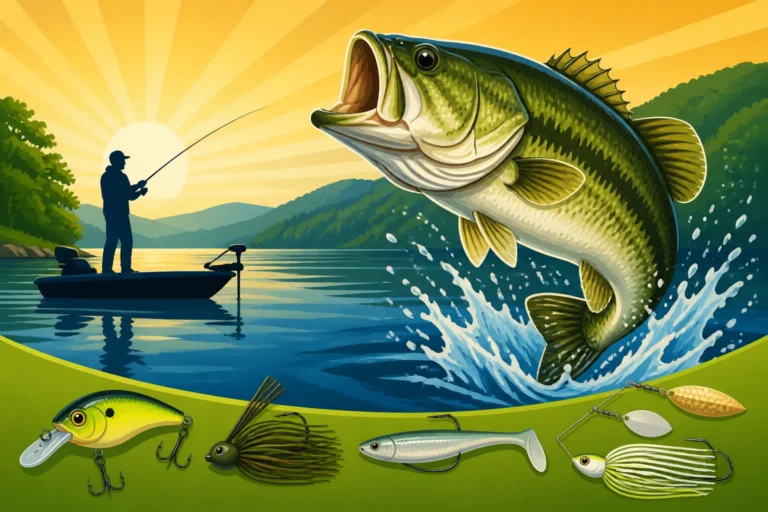
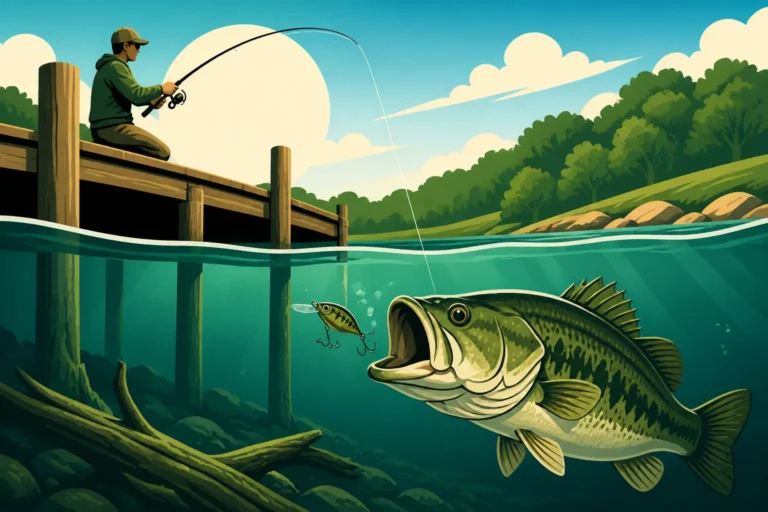
There's nothing quite as frustrating as waking up to a beautiful, clear morning, eager to hit your favorite Tennessee fishing spot, only to find that a recent cold front has completely shut down the bite. One day, the fish are practically jumping into the boat, and the next, it feels like the water is empty. This guide is here to help you navigate those challenging post-front conditions by arming you with the knowledge of how fish react and, more importantly, the best lures and techniques to use when the mercury drops and the pressure rises.
Understanding the Cold Front Impact on Fish Behavior
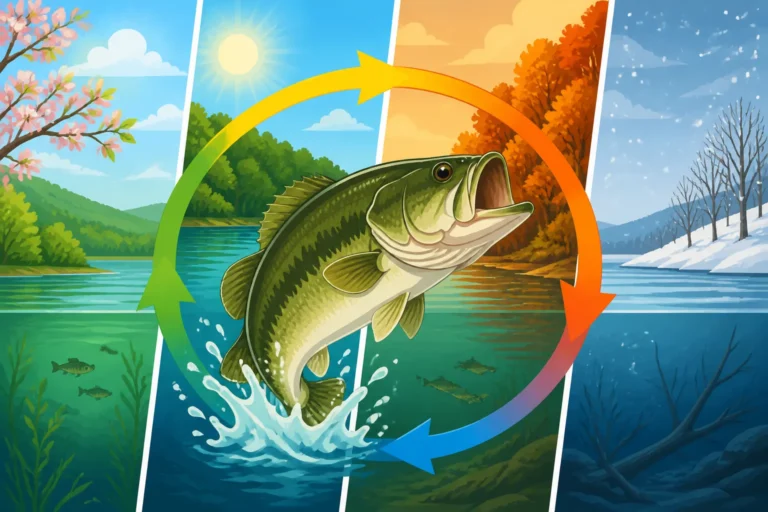
When a cold front rolls through, it doesn't just bring cooler air; it fundamentally changes the aquatic environment and, consequently, how fish behave. That once-aggressive bite can vanish overnight, leaving many anglers scratching their heads. It's not magic, though—it's science, and once you understand it, you can adapt your approach.
The Science Behind Fish Shutting Down
A cold front typically brings a significant drop in air temperature, often followed by clear skies and high barometric pressure. These changes might seem subtle to us, but to fish, they're a huge disruption. Fish are cold-blooded creatures, meaning their body temperature is regulated by the surrounding water. A sudden dip in water temperature slows down their metabolism, making them less active and less hungry. They don't need to feed as often, and when they do, they're looking for an easy meal that requires minimal energy expenditure.
Beyond temperature, the high barometric pressure often associated with clear, sunny post-front days plays a huge role. Fish, especially bass, have a swim bladder that is sensitive to pressure changes. High pressure pushes down on the water, which can make fish feel uncomfortable in shallow water, often driving them deeper where the pressure is more consistent or easier to equalize. They'll also become more wary and less likely to chase a fast-moving, aggressive lure under bright skies. It's a double-whammy: less hungry and more skittish.
Where Fish Go After a Cold Front
Knowing that fish become lethargic and seek comfort is half the battle. The other half is knowing where they go. After a cold front, don't expect to find fish cruising the shallow flats or aggressively ambushing bait near the surface. Instead, they'll often retreat to deeper water, seeking out thermal stability and denser cover. Think about those main lake points that drop off quickly, deep channel swings, submerged brush piles, rock ledges, or standing timber in the middle of a reservoir. These are the places where fish can find a comfortable holding depth and security from predators.
In rivers, they might pull into deeper eddies, behind large rocks, or into the deepest parts of pools. They're not looking to expend energy; they're hunkering down, waiting for conditions to stabilize. This means your job as an angler is to slow down, get your lures into their comfort zone, and present them in a way that triggers a reaction strike rather than a chase. For more detailed insights into how these environmental shifts impact fish, consider reading about How Water Temperature Affects Fish Activity.
Finesse Lures for Post-Front Bass
When bass get lockjaw after a cold front, your power fishing techniques usually won't cut it. This is the time to embrace finesse—subtle presentations, smaller profiles, and a whole lot of patience. The goal isn't to provoke an aggressive chase, but to put a tempting, easy meal right in front of a sluggish bass, making it an irresistible, low-effort snack.
Jigs and Soft Plastics: The Subtle Appeal
Jigs and soft plastics are your bread and butter when the bite gets tough. Their versatility allows for extremely slow and controlled presentations, mimicking crawfish or baitfish that are either injured or moving lazily on the bottom.
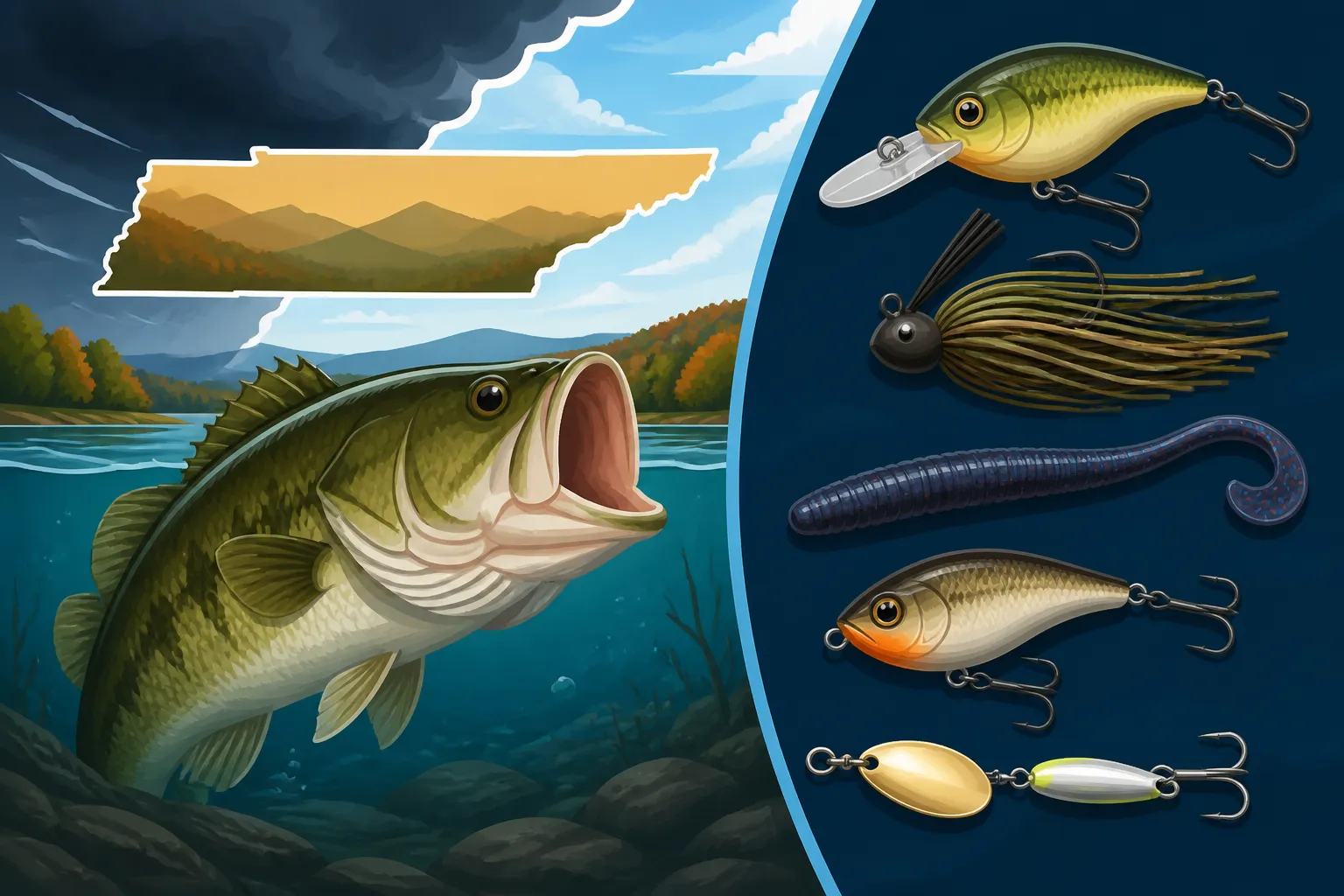
- Jigs: Think football jigs, casting jigs, and especially finesse jigs. These lures excel at slowly crawling along the bottom, mimicking a crawfish scurrying or a baitfish digging in the muck. The key is to keep them in constant contact with the bottom. When choosing colors, stick to natural tones like black and blue, green pumpkin, or various shades of brown. Pair them with a matching soft plastic trailer to add bulk and subtle action. You'll want to fish these incredibly slowly, almost dragging them, with long pauses. Often, the bite is just a slight "tick" or a feeling of weight, rather than an aggressive strike. If you're looking for tips on how to properly set one up, check out our guide on How to Rig a Jig for Bass Fishing.
- Soft Plastics: This category is vast, but after a cold front, focus on worms and creature baits rigged for a subtle presentation.
- Wacky Rigs: A simple plastic worm (like a Senko or similar stick bait) hooked through the middle, allowing both ends to shimmy enticingly on the fall. This is a deadly presentation for suspended fish or those holding tight to cover. Let it sink slowly on slack line, then give it a slight twitch before another long pause.
- Texas Rigs: A classic for a reason. Rigging a straight worm, creature bait, or craw imitation on a Texas rig allows it to be fished through cover with minimal snagging. Keep the weight light, maybe 1/8 to 1/4 ounce, to allow for a slower fall and more natural movement. Drag it, hop it, or shake it ever so slightly in place. For a detailed rundown, here's our article on How to Fish a Texas Rig for Bass.
- Shaky Heads: A finesse jig head combined with a straight-tail worm or trick worm. This rig allows for incredibly subtle action—just a quiver of the rod tip makes the worm's tail dance without moving the bait much from its spot. It's perfect for enticing hesitant bass. You can find a wide variety of these specialized finesse soft plastics and jig heads on platforms like Amazon, offering convenience when stocking up.
Downsized Crankbaits and Jerkbaits: Reaction Strikes
While finesse is often the name of the game, sometimes a sudden flash or darting action can trigger a reaction strike from otherwise lethargic bass. The key is to make these movements intermittent and less aggressive than usual.
- Crankbaits: Forget your big, wide-wobbling baits. Instead, reach for smaller crankbaits with a tighter wobble. Squarebills can still be effective if you're targeting shallow cover, but run them slowly, deflecting them off structure. For slightly deeper fish, use a shallow-diving or medium-diving crankbait that can reach the top of brush piles or the edges of ledges. The most important technique is the "crank and pause"—retrieve it slowly for a few turns, then pause completely for several seconds, letting the bait suspend or slowly rise. Many anglers will find these specialized cold-water crankbaits available through retailers on Amazon. For more specifics on this technique, read about How to Fish a Crankbait in Cold Water.
- Jerkbaits: Suspending jerkbaits are absolutely deadly after a cold front. These lures can be cast out, twitched a few times, and then paused for incredibly long durations—sometimes up to 10-20 seconds. The ability to suspend motionlessly in the water column is what makes them so effective. A sluggish bass doesn't have to chase; it just needs to decide to inhale a motionless meal. Experiment with the length of your pauses; sometimes shorter pauses work, sometimes longer ones are necessary to irritate a fish into striking.
Blade Baits and Underspins: Flash and Vibration
Sometimes, even subtle vibrations can be enough to get a fish's attention without being overly aggressive. These lures offer a different appeal that can be just what's needed.
- Blade Baits: These thin, metal lures sink quickly and generate a tight vibration on the retrieve or when jigged vertically. After a cold front, blade baits are excellent for vertical jigging over deeper structure or channel swings where fish are grouped up. Drop them to the bottom, lift sharply a foot or two, and let them fall back on a semi-slack line. The flash and vibration can mimic a fleeing baitfish without requiring a fast retrieve.
- Underspins: An underspin is essentially a jig head with a small spinner blade attached beneath it. When paired with a small swimbait or grub, it creates a subtle flash and vibration. These are fantastic for slow-rolling near the bottom or through the middle of the water column. The subtle flash is often just enough to pique the interest of a sluggish bass without overstimulating it.
Lures for Other Species After a Cold Front
While bass fishing often gets the most attention, other popular Tennessee species also feel the effects of a cold front. Adapting your lure choice and presentation for crappie, trout, and catfish can keep your cooler from staying empty.
Crappie: Deep and Delicate
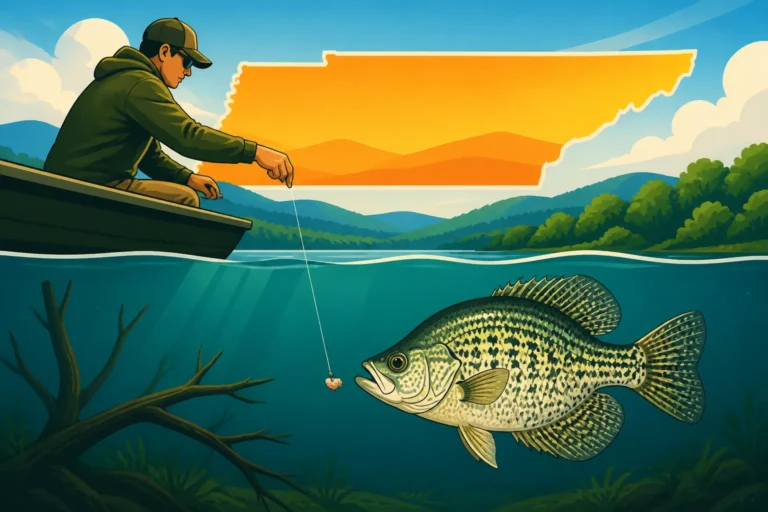
Crappie, much like bass, will often move deeper and become less aggressive after a cold front. They'll gravitate towards deep brush piles, submerged timber, or channel ledges.
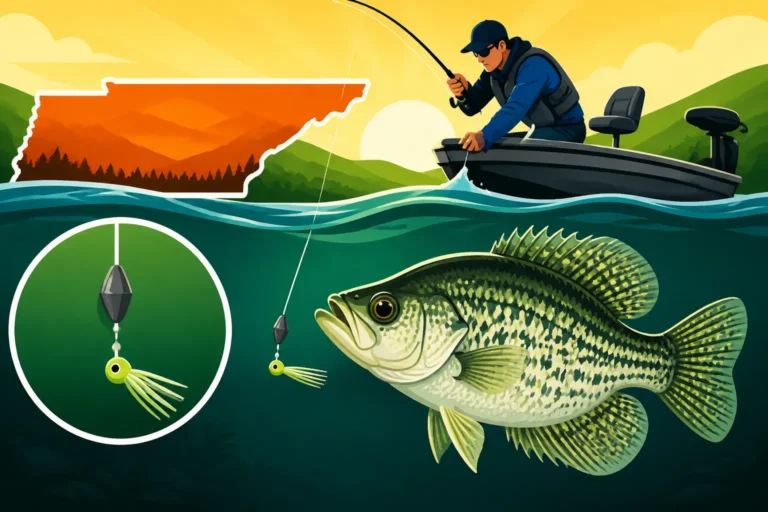
- Small Jigs: Tiny jigs, often 1/32 to 1/16 ounce, are highly effective. Hair jigs, tube jigs, or small soft plastic crappie jigs in natural colors like black, white, or chartreuse are go-tos. The presentation is key: vertical jigging directly over known crappie cover or very slow trolling. The bites can be extremely light, feeling like just a bit of extra weight on your line. You can learn more about how to present these lures by reading about How to Jig for Crappie. Targeting these deep structure points is crucial, and finding them requires patience and often good electronics.
- Live Minnows: It's hard to beat the natural appeal of a live minnow. Hooked through the lip or back and suspended under a bobber at the depth where crappie are holding, or tightlined with a small weight, minnows are often irresistible. This tactic requires less active retrieval from the angler, letting the minnow's natural movements do the work of enticing hesitant fish. For those who frequently fish Kentucky Lake, knowing the Best Time of Year to Catch Crappie on Tennessee's Kentucky Lake can provide excellent insights into seasonal patterns.
Trout: Light Tackle and Natural Presentation
Trout in Tennessee's streams and tailwaters are also affected by cold fronts, often becoming more particular about their meals. They'll hug the bottom of pools or tight to current breaks.
- Inline Spinners: Downsize your inline spinners. Smaller sizes, often 1/16 to 1/8 ounce, are more appropriate. Colors like silver, gold, or brown trout patterns can be effective. Retrieve them slowly, just fast enough to get the blade spinning, and let them tumble naturally through current breaks. This can trigger an opportunistic strike. If you want to refine your technique, consider our guide on How to Spin Fish for Trout.
- Worms and PowerBait: Natural baits or prepared dough baits like PowerBait fished on light line are excellent. Use a small split shot or two to get your bait down, allowing it to drift naturally along the bottom of pools or through runs. Let the current carry your bait, mimicking natural food sources. The key is a very subtle, natural presentation with as little weight as possible to avoid spooking wary fish. When the water gets really cold, understanding How Cold Water Changes Trout Fishing in Tennessee's Smoky Mountains becomes vital.
- Small Spoons: Tiny casting spoons, often 1/8 ounce or less, can be cast and retrieved with a slow, erratic flutter. The flash and wobble mimic a wounded baitfish, appealing to a trout's predatory instinct without requiring an aggressive chase.
Catfish: Bottom Dwellers Still Bite
Catfish are generally less impacted by cold fronts than highly active predators like bass or crappie, as they are bottom-oriented scavengers. However, they may still become a bit more lethargic.
- Bottom Rigs: The classic bottom rig with cut bait (shad, bluegill), chicken liver, or prepared stink baits remains highly effective. Catfish will still feed, just perhaps not as actively. Presenting your bait directly on the bottom, where they are accustomed to feeding, is key. Use a slip sinker rig to allow the catfish to pick up the bait without feeling immediate resistance. When the bite is slow, patience is your best friend. For a complete guide, here's our article on Best Bait for Bottom Fishing Catfish.
- Passive Tactics: Jug fishing or trotlines can still be productive during post-front conditions, as they allow baits to soak for extended periods, maximizing the chance of a sluggish cat eventually finding your offering. Place these in deeper channels or river bends where catfish may congregate to escape unstable conditions.
Adjusting Your Presentation and Strategy for Success
Beyond choosing the right lure, how you present that lure is absolutely critical after a cold front. Fish are not in an aggressive mood, so your approach needs to cater to their lethargic, cautious state. It's about coaxing a bite, not forcing one. You'll often find that the difference between a productive day and a frustrating one comes down to these subtle adjustments.
Slow Down, Slow Down, Slow Down: The Golden Rule
If there's one piece of advice to take away from post-front fishing, it's this: slow down. And then slow down some more. Fish's metabolisms are slower, their comfort levels are lower, and their willingness to chase is almost non-existent.
- Extended Pauses: When fishing jerkbaits, jigs, or soft plastics, your pauses should be dramatically longer than usual. A five-second pause might become a fifteen or twenty-second pause. Let the bait sit there, enticingly, just waiting to be picked up. Many strikes occur on the pause as a fish investigates the motionless lure.
- Subtle Movements: Instead of aggressive rod snaps or fast retrieves, think about tiny twitches, slow drags, or barely perceptible hops. The goal is to make the lure look like an easy meal—an injured baitfish, a crawfish barely moving, or a worm slowly wiggling. Overworking the bait will often spook hesitant fish rather than attract them.
- Vertical Presentation: If you're using jigs or blade baits, consider vertical jigging directly over structure where fish are holding. This keeps the lure in the strike zone longer and allows for a very controlled, subtle presentation right in front of their faces. This is a technique that demands precision and patience, but it often pays off handsomely when nothing else will work.
Target Deeper Water and Cover
As we discussed, fish often retreat to deeper, more stable environments after a cold front. Your strategy needs to reflect this shift.
- Identify Key Depths: Use your electronics (if you have them) to pinpoint where fish are holding. Look for sudden drops, channel swings, and the deepest parts of coves or main lake points. Fish will often suspend slightly off the bottom or hug tightly to structure at a specific depth. Understanding How to Fish Deep Structure for Bass in Winter can provide further guidance, even if it's not strictly winter, as the principles of targeting deep, lethargic fish are similar.
- Structure is King: Focus your efforts on dense cover and structure—submerged brush piles, rock ledges, standing timber, or even bridge pilings. These provide both comfort and ambush points for sluggish fish. A slow presentation worked methodically through or around these elements is much more likely to draw a strike. Remember, they aren't going to chase far, so your lure needs to be presented directly to them.
Line, Color, and Equipment Choices
Even the small details matter when fish are finicky.
- Lighter Line: Using lighter fluorocarbon line (6-10 lb test for bass, even lighter for crappie and trout) can make a significant difference. Fluorocarbon is less visible underwater and offers excellent sensitivity, helping you detect those incredibly subtle post-front bites. The reduced visibility makes your lure appear more natural, which is crucial for wary fish.
- Natural Colors: Unless the water is extremely stained or muddy, stick to natural lure colors. Green pumpkin, various shades of brown, black and blue, or natural shad patterns are typically your best bet. Avoid bright, aggressive colors that might appear unnatural or too stimulating to a sluggish fish.
- Sensitive Rods: A highly sensitive rod, often a medium-light or medium action with a fast tip, will help you feel those light "tick" bites. Paired with a sensitive line, this setup becomes an extension of your senses, allowing you to react quickly to the slightest indication of a bite. These specific characteristics for rods and reels are often found in products listed on Amazon, where you can compare different brands and features. When considering How Water Temperature Affects Bass Feeding, you'll quickly realize how essential these subtle adjustments are. Don't be afraid to read up on How to Adjust Your Technique After a Cold Front for more tips.
Table: Post-Cold Front Lure and Technique Guide
| Lure Type | Best for Species | Key Presentation Tips | Why It Works Post-Front |
|---|---|---|---|
| Finesse Jigs | Bass | Slow drag, long pauses, subtle hops along bottom. | Mimics sluggish crawfish/baitfish; low effort meal. |
| Wacky Rigs | Bass | Slow, natural fall on slack line, long pauses, light twitch. | Enticing shimmy on the fall; subtle, non-aggressive action. |
| Shaky Heads | Bass | Shake in place, very slow drag with light weight. | Worm's tail dances with minimal bait movement; irritates fish. |
| Suspending Jerkbaits | Bass | Twitch-twitch-PAUSE (long pauses 10-20+ sec). | Stays in strike zone indefinitely; triggers reaction strikes. |
| Small Crankbaits | Bass | Slow retrieve, intermittent pauses, bump off cover. | Tighter wobble, less aggressive; deflection can trigger bites. |
| Small Crappie Jigs | Crappie | Vertical jigging over brush, slow troll. | Precise placement in cover; small profile, slow movement. |
| Live Minnows | Crappie | Suspend under bobber or tightline at specific depth. | Natural movement; irresistible to lethargic fish. |
| Inline Spinners | Trout | Slow retrieve, just fast enough to spin blade, drift. | Subtle flash and vibration; mimics wounded baitfish. |
| Worms/PowerBait | Trout | Drift naturally on light line, bottom fish. | Natural food source appeal; requires minimal energy from fish. |
| Bottom Rigs | Catfish | Leave soaking on bottom with cut bait/stink bait. | Catfish are less active but still feed; passive, accessible meal. |
Disclaimer
This article is for general informational purposes only and does not constitute professional advice. Laws, prices and regulations vary by location and change over time. Consult a qualified professional for guidance on your specific situation.