How Kentucky Lake’s Bass Bite Changes Through Tennessee’s Seasons
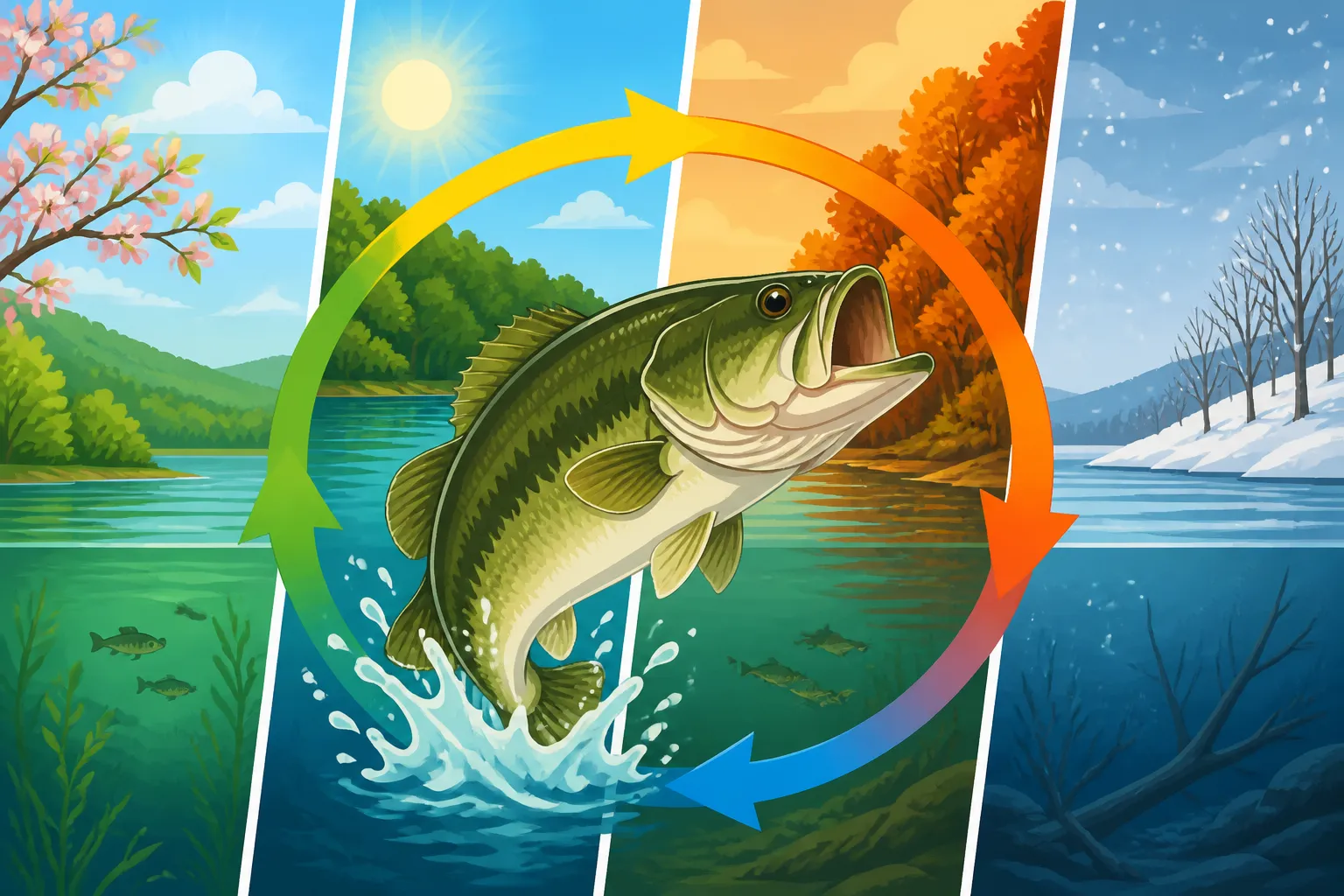
It's a common frustration for anglers to hit a magnificent fishery like Kentucky Lake and feel like the bass have simply vanished, especially when the seasons shift. The truth is, bass don't disappear; they just change their behavior dramatically with water temperature, forage availability, and light conditions. This comprehensive guide will walk you through exactly how Kentucky Lake's bass bite transforms throughout Tennessee's seasons, equipping you with the knowledge to consistently find and catch these elusive fish year-round.
Spring on Kentucky Lake: The Great Awakening
Spring on Kentucky Lake is a season of incredible transition and opportunity for bass anglers. As the water begins its gradual warm-up, the entire ecosystem awakens, and bass become increasingly active, moving from their winter haunts to shallower waters with one thing on their minds: reproduction. Understanding these movements is key to a successful spring fishing trip.
Pre-Spawn Excitement and Location
As early spring arrives, usually from late February through March, water temperatures on Kentucky Lake start climbing into the high 40s and 50s. This is the pre-spawn period, a time of intense feeding for bass as they bulk up for the upcoming spawn. You'll find these fish staging in transition areas – places that offer easy access to both deep wintering holes and shallow spawning flats. Think about creek channel swings, points leading into coves, and the edges of vast flats. These fish aren't quite ready to build nests, but they're actively hunting, often found in 8 to 15 feet of water.
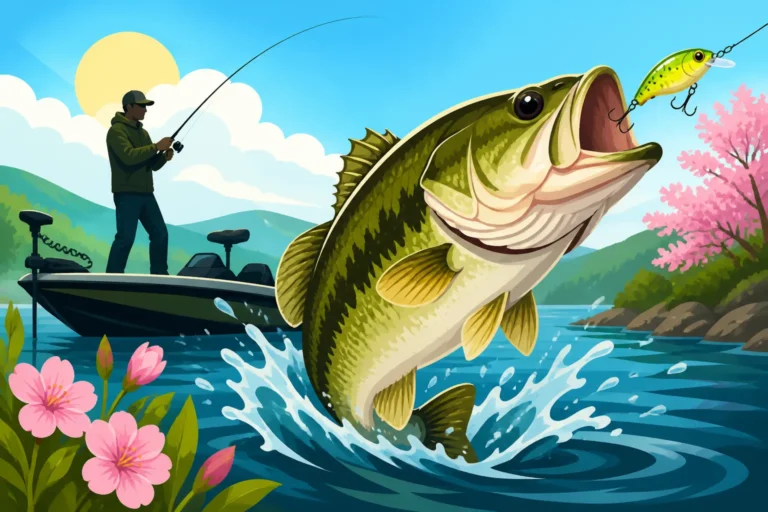
During this phase, bass are usually aggressive, making it a fantastic time to throw reaction baits. Lipless crankbaits, jerkbaits, and spinnerbaits are incredibly effective as they allow you to cover a lot of water quickly and trigger strikes from hungry, migrating bass. Imagine casting a red lipless crankbait along a submerged roadbed, feeling it tick against the gravel, and then BAM! A solid Kentucky Lake bass absolutely hammers it. It's exhilarating. For those looking to stock up, a quick browse on Amazon will show you countless options for these indispensable pre-spawn lures. Knowing How to Fish for Bass in Spring can truly elevate your success during this prime time.
The Spawning Frenzy and Nesting Behavior
Once the water temperatures settle into the mid-50s to low 60s, typically from April into early May, the bass spawn kicks into high gear. This is when the fish move onto the shallow flats, into protected coves, and around submerged brush or stumps to build and guard their nests. You'll find them in just 1 to 5 feet of water, sometimes even shallower if the cover is right. The male bass clears a circular bed, then the female deposits her eggs, and he guards them fiercely from predators.
Fishing during the spawn requires a more delicate approach. While some anglers prefer sight fishing for bedding bass, others focus on areas where bass are likely to be spawning but aren't necessarily visible. Soft plastic baits, like lizards, tubes, or creature baits, fished on Texas rigs or wacky rigs, are ideal. Pitching these baits silently into potential bedding areas or directly onto a visible bed can provoke a strike from a territorial bass. Remember that during this period, bass are more concerned with protecting their offspring than actively feeding, so strikes are often defensive. Understanding Bass Spawn Timing in Tennessee Lakes is crucial for targeting these shallow fish effectively.
Post-Spawn Recovery and Feeding Patterns
After the spawning period, which usually concludes by late May or early June, bass enter the post-spawn phase. This is a tricky time for anglers because the bass are often exhausted and scattered. The females, especially, are recovering from the energy drain of egg-laying and guarding. Initially, they might move to slightly deeper, cooler water nearby to recuperate, often suspended over brush piles or along channel edges. The males will stay on the beds for a while longer, guarding the fry.
As they recover, bass will start feeding again, but their patterns can be less predictable. Look for them to relate to cover close to spawning areas initially, then gradually transition to main lake points, ledges, and deeper offshore structure as summer approaches. Topwater baits can be incredibly effective during this time, especially in low light conditions, as bass regain their energy and start ambushing baitfish. Buzzbaits, poppers, and walking baits can draw explosive strikes from recovering fish. Texas rigs and shaky heads fished slowly along secondary points can also pick off hesitant bass.
Summer's Challenge: Beating the Heat on Kentucky Lake
Kentucky Lake in the summer months presents a different set of challenges and rewards. As air and water temperatures soar, bass seek out cooler, more oxygenated waters, often moving away from the shallows that were so productive in spring. Anglers must adjust their tactics to pursue these deeper-dwelling fish.
Deep Water Sanctuaries
From late June through August, Kentucky Lake's surface water temperatures can easily climb into the 80s, making life uncomfortable for bass in shallow water. During this time, the fish retreat to deeper sanctuaries. This means targeting main lake ledges, offshore humps, deep points, and creek channel drops where the water is cooler and more stable. You'll often find bass congregating in 15 to 25 feet of water, sometimes even deeper. The key here is to locate schools of baitfish, as the bass will be close by.
Effective techniques for deep summer bass include deep-diving crankbaits, Carolina rigs, and football jigs. These baits allow you to probe the depths and present a tempting meal to lethargic bass. Electronics become your best friend in summer; a good fish finder can help you locate those subtle depth changes, submerged timber, and schools of bait that are invisible from the surface. Many anglers swear by specific colors for deep-diving crankbaits that mimic the local shad population. You can often find great deals on these specialized lures and Fish Finders and Electronics for Tennessee Reservoirs through retailers like Amazon. Learning How to Fish for Bass in Summer Heat often means becoming proficient with these deep-water presentations.
Early Morning and Late Evening Power Bites
While deep fishing dominates the midday heat, bass will still venture shallower during periods of low light. Early mornings, just before and after sunrise, and late evenings, leading into dusk, offer prime opportunities for shallow water fishing. During these times, bass will move up onto secondary points, shallow humps, and even into coves where they can ambush baitfish under the cover of low light. This is a brief but intense window where the bass are more active and aggressive.
Topwater baits, such as walk-the-dog lures and poppers, are excellent choices for these low-light periods. Buzzbaits can also be incredibly effective, creating a commotion on the surface that draws strikes from aggressive bass. Imagine the serene stillness of Kentucky Lake at dawn, broken only by the chug-chug-chug of your popper, followed by a violent splash as a largemouth explodes on it. It's a magical experience. Spinnerbaits and shallow crankbaits are also good options if the bass are slightly deeper than the surface bite. Knowing the Best Time of Day to Catch Bass can truly make or break your summer fishing trips.
Targeting Structure and Thermoclines
Summer also introduces the concept of a thermocline – a distinct layer in the water column where the temperature changes rapidly with depth. Bass will often hold just above or within the thermocline because it provides cooler water and usually higher oxygen levels. Locating this layer with your electronics is invaluable. Additionally, bass will tightly relate to main lake structure like submerged islands, brush piles, and rock piles. These features provide ambush points and cover from the sun.
Fishing these specific structures requires precision. Vertical jigging with spoons or drop-shot rigs can be very effective for bass holding tight to cover. Large worms on a Carolina rig or a heavy football jig can also tempt finicky bass hiding in the deeper brush. Pay close attention to subtle changes in boat position and drift, ensuring your bait stays in the strike zone. Sometimes, the most subtle twitch is all it takes to trigger a bite from a deep, lethargic bass.
Fall's Bounty: The Feeding Blitz on Kentucky Lake
Autumn on Kentucky Lake, typically from September through November, is arguably one of the most exciting times to fish for bass. As temperatures begin to cool, the bass embark on a massive feeding spree, packing on weight in anticipation of winter. This period is characterized by aggressive fish and predictable patterns, especially once the water temperature starts to drop consistently.
Transitioning from Summer Patterns
Early fall sees bass making a transition from their deep summer haunts back towards shallower waters. The thermocline begins to break up, and oxygen levels normalize throughout the water column, allowing fish more freedom to roam. Initially, they might be found on those same main lake ledges and points, but they'll start moving shallower more frequently, following baitfish that are also moving towards the backs of creeks and coves.
During this transition, a diverse range of baits can be effective. Medium-depth crankbaits, spinnerbaits, and topwater lures can all produce, especially if you're fishing areas that offer both shallow and deep access. It's about finding those "in-between" zones, like secondary points or creek channel bends, where bass are actively migrating. Being observant and adaptable to the fish's changing location is paramount.
Following the Shad Migration
The true magic of fall bass fishing on Kentucky Lake revolves around the massive migration of shad. As water temperatures cool into the 60s and 50s, vast schools of baitfish, primarily gizzard and threadfin shad, begin to move from main lake areas into the major creek arms and shallower coves. The bass follow them relentlessly, creating an intense feeding frenzy. You'll often see schools of shad being blown up on the surface by aggressive bass.
This is a prime time for power fishing. Crankbaits in shad patterns, lipless crankbaits, and swimbaits are incredibly effective. Topwater baits like prop baits or walking baits can also draw spectacular strikes when bass are actively chasing shad on the surface. Find the bait, and you'll find the bass. Pay attention to birds diving or any surface commotion; these are clear indicators of feeding activity. For targeting these highly active fish, check out a diverse selection of quality swimbaits and crankbaits on Amazon that mimic the local forage. This period is when you'll really appreciate guides on How to Catch Bass in Fall.
The Cooler Water Advantage
As late fall progresses and water temperatures drop into the low 50s and 40s, the bass bite can remain strong, though fish might start to pull a bit deeper into creek channels or onto main lake points. They're still feeding aggressively but might require a slightly slower presentation. Jigging spoons, football jigs, and suspending jerkbaits become increasingly effective as the water cools further.
The cooler water also means bass are less prone to stress after being caught, making it a great time for catch-and-release, especially for larger fish. Think about fishing bluff walls, deeper points, and channel swings. The bass will often relate to the deepest available cover in these areas. It’s a fantastic opportunity to land some true lunkers before the deep freeze of winter sets in.
Winter's Chill: Slow and Steady Wins the Race
Winter fishing on Kentucky Lake, from December through February, can be challenging but incredibly rewarding for those willing to brave the cold. Bass become much more lethargic in cold water, conserving energy, but they still need to feed. The key to success lies in understanding their reduced metabolism and presenting baits slowly and precisely.
Deep Water and Finesse Tactics
During the coldest months, Kentucky Lake's bass retreat to their deepest wintering grounds. You'll find them in the main lake river channel, deep creek channels, bluff walls, and deep humps, often suspended over timber or hugging the bottom in 25 to 40 feet of water, sometimes even deeper. Their metabolism slows dramatically, so they won't chase baits over long distances.
Finesse tactics are paramount in winter. Drop-shot rigs, shaky heads, small jigs, and blade baits are excellent choices. Vertically jigging spoons or blade baits directly over suspended fish can also be very effective. The presentation needs to be slow, subtle, and right in front of the fish's face. Imagine patiently working a small jig along a deep rock pile, feeling for the slightest tick, which could be a monster largemouth gently inhaling your bait. These are the situations where having high-quality, sensitive fishing line, readily available on Amazon, makes a huge difference. For more insights into these methods, consult a guide on Winter Bass Fishing Techniques.
Stable Weather Windows
While cold, winter fishing is often best during periods of stable weather. A few consecutive days of mild, sunny conditions can slightly warm the surface water and spur bass into a brief feeding period. Conversely, a sudden cold front can shut the bite down completely, making fish even more reluctant to move. Pay close attention to weather forecasts and water temperature readings.
On those rare, warmer winter days, bass might briefly move shallower, particularly to sun-exposed rock or dark bottom areas that absorb heat. These windows are short, but can offer opportunities for a slightly more active bite, perhaps with a slow-rolled spinnerbait or a suspending jerkbait. However, the majority of your winter success will come from deep-water finesse.
Vertical Presentation is Key
Because winter bass are often tightly schooled and lethargic, a vertical presentation is often more effective than casting and retrieving. This means positioning your boat directly over the fish you've located on your electronics and dropping your bait straight down to them. This minimizes retrieve distance and keeps the bait in the strike zone longer.
Using your boat's trolling motor to precisely hold your position, or anchoring up-current of a deep spot, will allow you to present your bait accurately. Live bait, like shiners or shad, can also be highly effective when fished vertically on a tight line. It's a game of patience, precision, and knowing that every subtle tap could be a true Kentucky Lake trophy. Understanding How Water Temperature Affects Fish Activity is perhaps most critical during these colder months.
Here’s a quick overview of how the bass bite typically changes through the seasons on Kentucky Lake:
| Season | Typical Water Temp Range | Primary Location | Preferred Baits | Key Tactics |
|---|---|---|---|---|
| Spring | 50s – low 70s | Creek channels, spawning flats, coves | Lipless cranks, jerkbaits, soft plastics, spinnerbaits | Pre-spawn staging, sight fishing beds, post-spawn recovery |
| Summer | mid 70s – 80s+ | Main lake ledges, deep humps, creek channel drops | Deep crankbaits, Carolina rigs, football jigs, topwater (low light) | Locate bait & thermocline, early/late bites, deep structure |
| Fall | 70s – 50s | Main lake points, creek arms, coves | Shad-patterned crankbaits, swimbaits, lipless cranks, topwater | Follow shad migration, power fishing, active feeding |
| Winter | low 50s – 30s | Deep river/creek channels, bluff walls, humps | Drop-shots, shaky heads, jigs, blade baits, spoons | Finesse presentation, vertical jigging, stable weather |
Navigating the seasonal changes on Kentucky Lake requires adaptability, patience, and the right gear. Whether you're chasing pre-spawn monsters or finessing a winter bite, understanding these patterns will put more bass in your boat. Don't forget that Kentucky Lake Fishing on the Tennessee Side offers incredible opportunities all year round, as does the Best Bass Fishing Spot on Kentucky Lake. And for those looking to be fully prepared, remember that a strong Tennessee Fishing License Guide is essential before hitting the water.
Disclaimer
Fishing conditions and regulations in Tennessee, particularly on large bodies of water like Kentucky Lake, can change. Always check the latest regulations from the Tennessee Wildlife Resources Agency (TWRA) before your trip. This guide provides general information and recommendations, but local conditions, weather, and specific lake rules may vary. Fish responsibly and safely.