How to Catch Catfish in Muddy Water
There’s nothing quite like showing up at your favorite Tennessee fishing spot, only to find the water churned up, brown, and looking more like chocolate milk than a promising fishing ground. It's a common frustration, making many anglers pack up their gear before even making a cast. But here’s a secret: muddy water doesn't mean the fish aren't biting, especially when it comes to catfish! In fact, these whiskered warriors often thrive in murky conditions. This guide is all about turning that frustration into triumph, equipping you with the knowledge and tactics to consistently catch catfish, even when the visibility is practically zero.
Understanding Why Muddy Water Can Actually Be Good for Catfish
Before we dive into the "how-to," let's demystify why muddy water, far from being a deterrent, can actually create prime conditions for catching catfish. It’s all about understanding their unique biology and behavior.
Why Water Gets Murky in Tennessee
Tennessee waters can get muddy for a variety of reasons. Heavy rains are a big one, washing sediment and runoff from surrounding land into rivers and lakes. Strong currents, especially in our bigger rivers like the Tennessee River or the Cumberland River, can stir up the bottom, reducing visibility. Even heavy boat traffic can contribute to turbidity in smaller areas. When you see that distinct brown hue, it means there's a higher concentration of suspended particles – dirt, silt, organic matter – in the water. This is what makes it so challenging for sight-feeding fish, but it’s a whole different ballgame for catfish.
For many anglers, muddy water might signal a bad day. You can't see the bottom, you can't see the fish, and it feels like you're fishing blind. But remember, catfish aren't primarily sight feeders like bass or trout. Their world isn't about clear visibility; it's about scent, vibration, and touch. This difference is key to understanding why they can actually become more active and easier to target in murky conditions. The lack of clear water also offers a sense of security for catfish, allowing them to venture into shallower feeding areas where they might be more cautious in clear conditions.
How Catfish Senses Adapt to Low Visibility
Catfish are perfectly designed for low-light and murky environments. They don't rely on their eyes like we do. Instead, they have an incredible array of other senses that actually become more effective in muddy water:
- Olfactory Senses (Smell): This is their superpower. Catfish have an extraordinary sense of smell, far superior to most other freshwater fish. They can detect even minute traces of food from a significant distance, navigating entirely by scent trails. In muddy water, baits that release a strong odor become beacons, guiding catfish directly to your hook. This is why stinky, oily baits are so effective when the water is murky.
- Lateral Line System (Vibration): Running along the sides of their bodies, the lateral line system detects subtle changes in water pressure and vibrations. This allows catfish to "feel" their surroundings, locate prey, and avoid obstacles even in complete darkness or zero visibility. A struggling baitfish or a strong current creating vibrations near a log can be easily detected.
- Taste Buds (Barbels and Body): Those distinctive whiskers, or barbels, aren't just for show. They're packed with taste buds, allowing catfish to "taste" their way around the bottom and identify potential food sources. In fact, catfish have taste buds all over their bodies! This means they can bump into something and instantly know if it's edible. When the water is muddy, they're actively using these barbels to explore and locate food by contact, making a stationary, scent-rich bait highly effective.
The bottom line is, while you might be struggling to see, a catfish is busy "seeing" with its nose, ears, and skin. This adaptation is precisely why the myth that muddy water means no fish is entirely false, especially for species like channel catfish, blue catfish, and flathead catfish.
Debunking the Myth That Muddy Water Means No Fish
Many anglers grow up believing that clear water equals good fishing, and murky water equals a wasted trip. For species that hunt by sight, like many bass species, this can be true to some extent, as their ability to ambush prey is severely hampered. But for catfish, the opposite often happens. The reduced visibility often makes them bolder, as they feel less exposed to predators (including humans). This can push them into shallower feeding zones and make them less wary of lines and hooks.
Think about it: in clear water, a catfish might spook at your shadow or the glint of your line. In muddy water, they're far less likely to notice such visual cues. They're relying on their other senses, which are now working overtime to pick up the strong scent or vibration from your bait. So, instead of being a barrier, muddy water can actually be an equalizer, reducing the fish's ability to detect you and increasing their reliance on the very things you're trying to leverage with your bait. This is why knowing How to Catch Catfish at Night often uses similar sensory-focused tactics to muddy water fishing.
Proven Techniques for Muddy Water Catfishing Success
Now that we understand why catfish are perfectly suited for murky conditions, let’s talk about the specific techniques that will put more fish in your cooler when the water turns brown.
Bottom Fishing is Your Best Friend
In muddy water, catfish often stick close to the bottom. Visibility is poorest here, offering the most cover, and that's where much of their food sources—like crawfish, aquatic insects, and smaller fish—reside. Therefore, effective bottom fishing is absolutely paramount.
You'll want to use rigs that keep your bait anchored firmly on the bottom, where catfish are actively searching. A Carolina rig is a classic choice and incredibly effective. It consists of an egg sinker (or similar weight) on your main line, followed by a bead (to protect the knot), a swivel, and then a leader (usually 12-24 inches) with your hook. This setup allows your bait to move somewhat naturally with the current, while the weight keeps it in the strike zone. The bead also provides a little clicking noise as the sinker slides, which can sometimes attract curious fish in low visibility. Another excellent option is a three-way swivel rig, especially in current. Here, one eye of the swivel goes to your main line, another to a short leader with a heavy sinker, and the third to a longer leader (18-36 inches) with your hook. This keeps your bait suspended just off the bottom, or dragging along it, making it highly visible (or rather, "smell-able") to patrolling catfish. When considering your setup, remember that Best Rods for Catfish Fishing often means a medium-heavy to heavy action rod to handle larger weights and strong fish.
The Power of Scent Trails
Since a catfish's sense of smell is their primary hunting tool in muddy water, your bait's scent is your most powerful weapon. You need to create a strong, irresistible scent trail that will draw them in from a distance. This means using baits that are inherently smelly and, if possible, enhancing that smell.
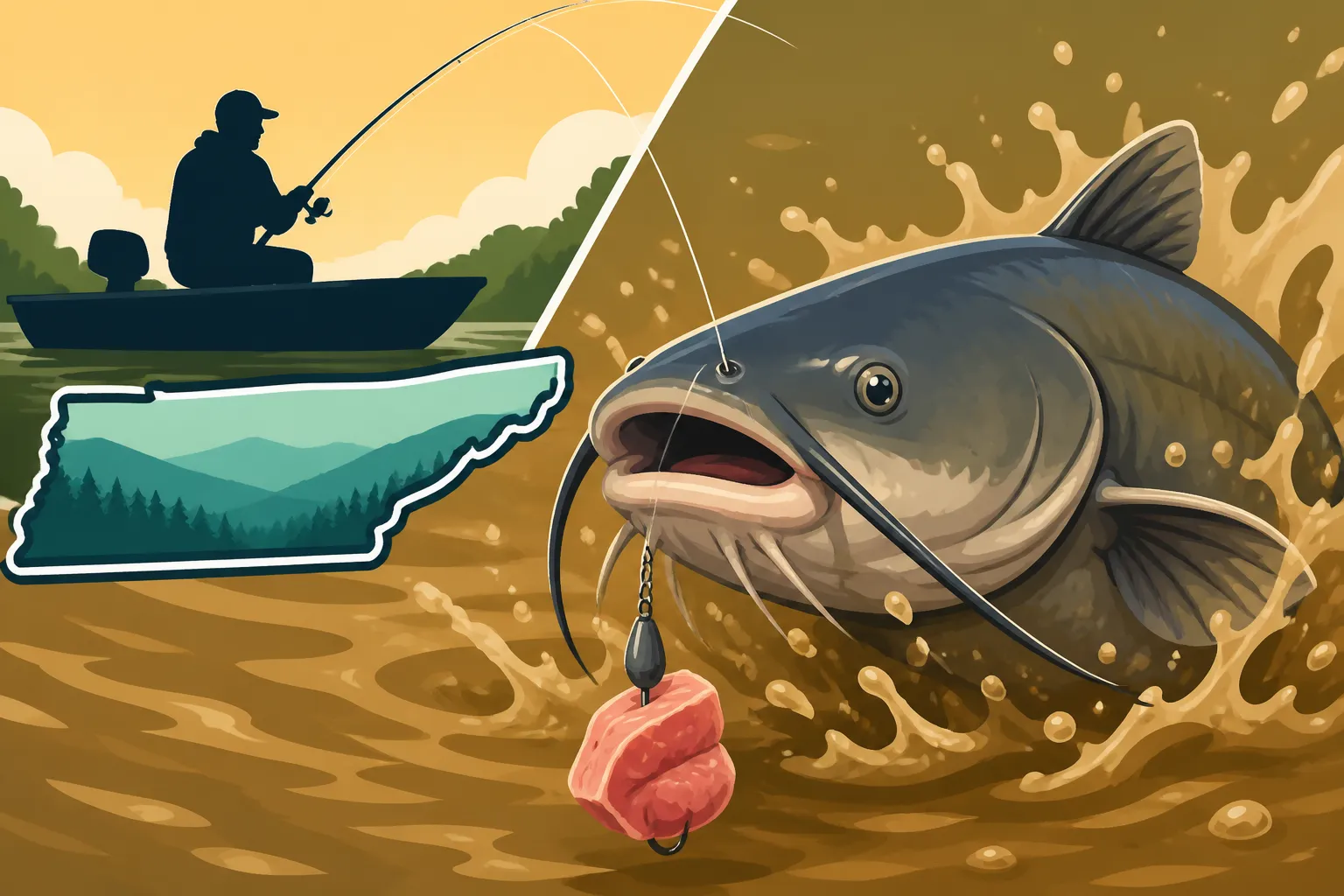
Cut baits are fantastic for this because their blood and natural oils slowly leach into the water, creating a potent scent cloud. Shad, skipjack herring, or even bluegill cut into chunks are excellent choices. For an extra kick, many anglers will "freshen" their cut bait by making a few additional slices just before casting, exposing more flesh and releasing more scent. Prepared baits, often called "stink baits" or "punch baits," are specifically designed for maximum odor. Brands like Triple S Catfish Bait or Sonny's Super Sticky Bait are popular choices available at many tackle shops and even through online retailers like Amazon. These baits typically have a strong, often pungent, odor that catfish simply can't resist. Some anglers even use commercially available scent attractants, dipping their baits or injecting them with fish oils or other potent liquids to boost their aroma. The goal is to make your bait the most "noticeable" thing in the water for a catfish's nose.
Slow and Steady Presentation
Unlike bass fishing, where active retrieval and lure movement are key, muddy water catfishing often demands a more patient, stationary approach. Catfish aren't going to chase down a fast-moving bait in low visibility; they're going to follow scent trails or stumble upon food sources.
Once you cast your bait, let it sit. Give the scent time to disperse and for catfish to home in on it. You might need to leave your bait in one spot for 15-30 minutes, or even longer, especially in slack water. If you're fishing in a river with current, the scent will naturally travel downstream, attracting fish from afar. In this scenario, you might try a technique called "fan casting," where you cast to different spots in a fan-like pattern from your position, covering a broader area with your scent trails. Another effective method, particularly from a boat, is slow drifting. By allowing your boat to drift slowly with the current or wind, your baits will cover new territory, leaving a continuous scent trail behind them. Remember, catfish bites can often be subtle in muddy water, sometimes feeling like a gentle tap or just added weight. Don't be too quick to set the hook; give them a moment to fully engulf the bait. This patient approach is often the secret to success when you're wondering How to Catch Catfish From the Bank in murky conditions.
Essential Gear and Bait for Muddy Water Conditions
Having the right tools for the job can make a huge difference, especially when you're dealing with challenging conditions like muddy water. Let's talk about what you need in your tackle box.
Selecting the Right Baits
We've touched on scent, but let's get specific about the best baits for muddy water. The goal is maximum stink and maximum appeal.
- Cut Bait: This is arguably the king of muddy water catfish baits. Fresh cut bait from oily fish like shad (especially gizzard or threadfin shad), skipjack herring, or even panfish like bluegill or sunfish, are incredibly effective. The blood and oils are natural attractants that catfish find irresistible. Cut them into chunks or strips—the fresher, the better. The size of the cut bait should match the size of the catfish you're targeting. For bigger blues and flatheads, larger chunks of fish are often necessary. You can often find frozen cut bait at local tackle shops, but fresh is always superior if you can catch it yourself. Learning Best Bait for Bottom Fishing Catfish will often point you toward these very options.
- Prepared Baits (Stink Baits & Dough Baits): These are specifically engineered for strong scent. There's a huge variety out there, from dip baits that you use with a sponge or special bait holder, to punch baits that you push your treble hook into. Examples include Catfish Charlie, Sonny's Super Sticky Bait, and various cheese-based or blood-based concoctions. They often have a consistency that helps them stay on the hook in current and release a steady stream of odor. These are particularly effective for channel catfish, which are one of Tennessee's official state fish.
- Live Bait: While less common for pure muddy water catfishing, live baits like large nightcrawlers, small bluegill, or minnows can still work, particularly for flathead catfish which prefer live prey. The key is that the live bait needs to be active and struggling to create vibrations that catfish can detect with their lateral line. However, the scent profile of cut or prepared baits often outperforms live bait in truly turbid conditions where visual cues are nonexistent. Make sure you know the rules for using live bait from local waters, as some regulations apply. For understanding effective live bait rigs, check out Best Live Bait Rigs for Catfish.
Rods, Reels, and Line That Can Handle It
Catfish are powerful fish, and muddy water doesn't change that. You need tackle that can stand up to the fight.
- Rods: Look for medium-heavy to heavy action rods, typically in the 7 to 9-foot range. A longer rod provides better casting distance and leverage when fighting a big fish, especially from the bank. The rod needs enough backbone to handle heavy weights (sinkers) for bottom fishing and to absorb the powerful runs of a large catfish. Brands like Ugly Stik or Berkley Big Game often offer affordable and durable options that are perfect for catfishing.
- Reels: A stout spinning reel or a baitcasting reel with a reliable drag system is essential. For spinning reels, choose one with a large spool capacity that can hold plenty of heavy line. For baitcasters, a conventional reel designed for heavy freshwater fishing is ideal. The key is a smooth, strong drag that can handle prolonged fights without seizing up or breaking your line.
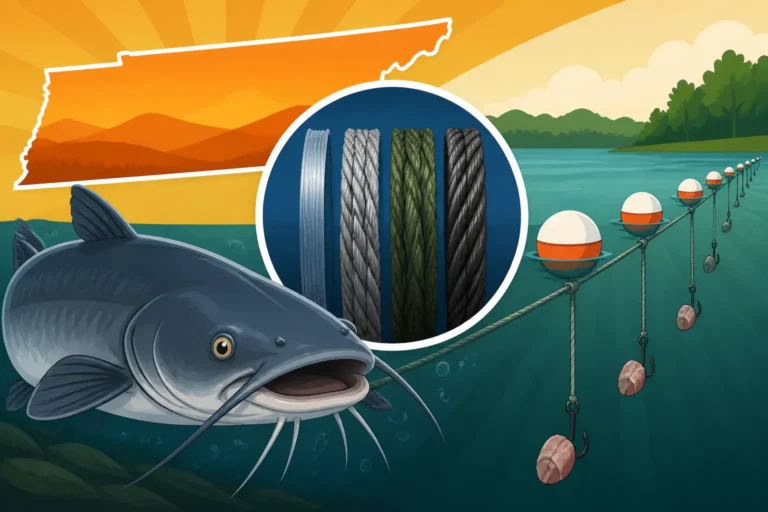
- Line: Heavy monofilament (20-40 lb test) or braided line (40-80 lb test) are your best bets. Monofilament offers good abrasion resistance, which is helpful when fishing around submerged timber or rocky bottoms, and has some stretch to absorb headshakes. Braided line, with its superior strength-to-diameter ratio and no stretch, offers incredible sensitivity for detecting subtle bites and immense power for pulling fish out of heavy cover. Many anglers prefer braid for the main line and then a shorter monofilament or fluorocarbon leader for a bit more stretch and abrasion resistance.
Practical Accessories for Muddy Water
Beyond the core tackle, a few accessories can make your muddy water catfishing experience much more enjoyable and productive.
- Headlamp or Lantern: If you're going to be out there when the water is muddy, chances are you'll be fishing into the evening or at night. A reliable headlamp (some great options can be found on Amazon) is crucial for tying knots, rebaiting, and safely navigating your fishing spot.
- Rod Holders: When you're bottom fishing, you'll be waiting. Rod holders keep your rods secure, prevent them from being pulled into the water by a hard-hitting catfish, and allow you to relax a bit between bites. Simple bank sticks or specialized rod holders for boats are invaluable.
- Pliers/Forceps: Catfish have sandpaper-like teeth and often swallow baits deeply. A good pair of long-nosed pliers or forceps (you can find multi-tools with these on Amazon too) is essential for safely unhooking fish without injuring yourself or the fish.
- Net or Lip Grippers: For landing larger catfish, a sturdy landing net with a wide hoop or a pair of heavy-duty lip grippers will make the process much safer and easier.
- Scent Attractants/Dips: As mentioned before, sometimes you want to give your bait an extra boost. Carrying a bottle of your favorite fish attractant or dip can turn a slow bite into a hot one.
Where to Find Catfish When the Water's Murky
Muddy water impacts visibility everywhere, but it doesn't uniformly spread catfish out. Knowing where they tend to concentrate in these conditions is crucial for success.
Targeting Structure and Current Breaks
Catfish, especially larger ones, love structure. In muddy water, this preference becomes even more pronounced. Structure provides cover from current, a place to ambush prey, and often concentrates food sources.
Look for submerged timber, brush piles, rock piles, ledges, and drop-offs. These features offer a change in depth or cover where catfish can hold. Cast your bait as close as possible to these structures. In rivers, current breaks are goldmines. Catfish will actively seek out areas where they can get out of the main flow to conserve energy, waiting for food to be swept past them. Think about eddies behind large rocks, fallen trees, or points. The slack water just downstream of an obstruction is often a prime holding area. On lakes, focus on creek channels, old river beds, or main lake points that drop off into deeper water. These underwater highways and sudden depth changes are where catfish will be traveling and feeding. If you're fishing one of our many fantastic waterways like Kentucky Lake Catfish Fishing Spots or Watts Bar Lake Catfish Fishing Spots, learning their specific underwater topography will be key.
River Channels and Deeper Holes
In muddy rivers, catfish will often retreat to deeper river channels and holes. These areas offer more stable temperatures, slightly less turbulent water, and a natural travel lane for fish. Even if the entire river is muddy, the deeper parts of the channel might have slightly better visibility or at least offer a consistent environment for the fish.
Using a fish finder (if you're in a boat) can help you locate these deeper depressions or the edges of the main channel. Position your boat upstream of these holes and let your bait drift into them, or anchor and cast directly into the deepest sections. On large reservoirs, the old river channels winding through the lake basin are always excellent spots, especially where they intersect with submerged timber or other forms of structure. These deeper pockets often hold concentrations of big blue catfish and flatheads, which are a major part of Catfish Species Found in Tennessee Waters.
Inflows and Outflows
After a rain event, when water often gets muddy, inflows can become a beacon for catfish. Creek mouths, culverts, and any area where fresh water is flowing into a larger body of water can be incredibly productive. This inflowing water often carries dissolved oxygen, nutrients, and food items like worms, insects, and baitfish that have been washed in by the rain.
Catfish will stage themselves at these inflows, waiting for easy meals. The muddier, warmer water flowing in can also create a temperature break that attracts fish. Be cautious, however, as strong currents near inflows can be dangerous, especially from a boat. Fish the edges of the current, where the food concentrates but the catfish don't have to fight the main flow. Similarly, fishing the outflow areas of dams or power plants can be effective, as the moving water and often warmer temperatures (from power generation) can concentrate baitfish, which in turn attract catfish. This holds true for How to Catch Catfish After Rain where fish often move to these nutrient-rich areas.
Comparing Popular Muddy Water Catfish Baits
Here's a quick comparison of some of the most effective baits when the water turns murky:
| Bait Type | Best for Species | Scent Strength | Staying Power on Hook | Key Advantage in Muddy Water |
|---|---|---|---|---|
| Fresh Cut Shad | Blue, Channel, Flathead | Very High | Moderate | Natural oils, blood trail, strong scent |
| Skipjack Herring | Blue, Channel, Flathead | Very High | Moderate | Extremely oily and bloody, top choice for big blues |
| Cut Bluegill/Panfish | Flathead, Channel | High | Moderate | Natural to local waters, good vibrations |
| Prepared/Stink Baits | Channel, smaller Blue | Extremely High | High | Designed for maximum, long-lasting odor |
| Live Worms | Channel, small Flathead | Moderate | High | Wriggling action, always a classic |
Knowing what to expect and how to adapt your strategy makes all the difference. Don't let muddy water scare you away from a fantastic day of catfishing in Tennessee! Embrace the murk, and those big cats will be yours. If you're looking for general advice on when to target these fish, consider reading up on the Best Time of Year to Catch Catfish.
Disclaimer
This article is for general informational purposes only and does not constitute professional advice. Laws, prices and regulations vary by location and change over time. Consult a qualified professional for guidance on your specific situation.