Best Lures for Fishing After Rain
There's nothing quite like the anticipation of hitting the water after a good rain in Tennessee, is there? You either expect the fish to be biting like crazy or think the whole day is a wash. The truth is, fishing after a downpour can be incredibly productive, but it requires a bit of a shift in your usual approach. This guide will walk you through how rain changes the fishing landscape and, more importantly, which lures will give you the best chance of success when those Tennessee waters are stirred up.
Understanding How Rain Changes Tennessee Waters
Rain isn't just about getting wet; it fundamentally alters the aquatic environment, and that has a direct impact on how fish behave and what they'll strike. It's not always a bad thing, though! Sometimes, it's just the trigger you need for an epic fishing day.
Increased Water Flow and Turbidity
When rain hits, especially heavy rain, it washes everything from the land into the nearest streams, rivers, and lakes. This surge of water creates increased flow and current. For a lot of Tennessee anglers, this means navigating faster moving water, especially in rivers like the Cumberland or the Hiwassee. More notably, rain brings with it a significant increase in turbidity – meaning the water gets muddy and less clear. This isn't just about visibility for you; it's about visibility for the fish, too. Their world gets darker, and their ability to see their prey is drastically reduced. How Heavy Rain Changes Where Fish Feed is a great resource if you want to dive deeper into this.
Temperature Fluctuations and Oxygen Levels
Depending on the time of year and the temperature of the rain itself, a downpour can either cool down or warm up the surface water. In the heat of a Tennessee summer, a cool rain can be a blessing, bringing down the surface temperature and potentially stimulating fish activity. Conversely, in colder months, rain that's warmer than the lake water can create subtle thermal inversions that might encourage fish to move shallower. Beyond temperature, rain often introduces more oxygen into the water, particularly if it’s a heavy, churning rain. This can invigorate sluggish fish, making them more active and willing to feed.
Washed-In Food Sources and Displaced Prey
Here’s where it gets interesting for the fish. All that runoff isn't just mud; it carries leaves, insects, worms, and all sorts of organic matter from the banks and surrounding land into the water. For fish, this is like a buffet suddenly appearing! They'll often move into areas where this new food is concentrated, looking for an easy meal. Furthermore, increased current and turbidity can dislodge smaller baitfish, crawfish, and other aquatic creatures from their hiding spots, making them vulnerable and easier targets for predatory fish.
Top Lure Categories for Post-Rain Fishing in Tennessee
Given the changes in water conditions, certain lure types consistently outperform others after a rain. It's all about making your offering stand out in a murky, fast-moving environment.
Vibrating and Noisy Lures
When the water is muddy, fish rely less on sight and more on their lateral line system – that amazing sensory organ that detects vibrations in the water. This is why lures that create a lot of noise and vibration become absolute gold after a rain. Think about it: if you can't see, you listen. Fish do too!
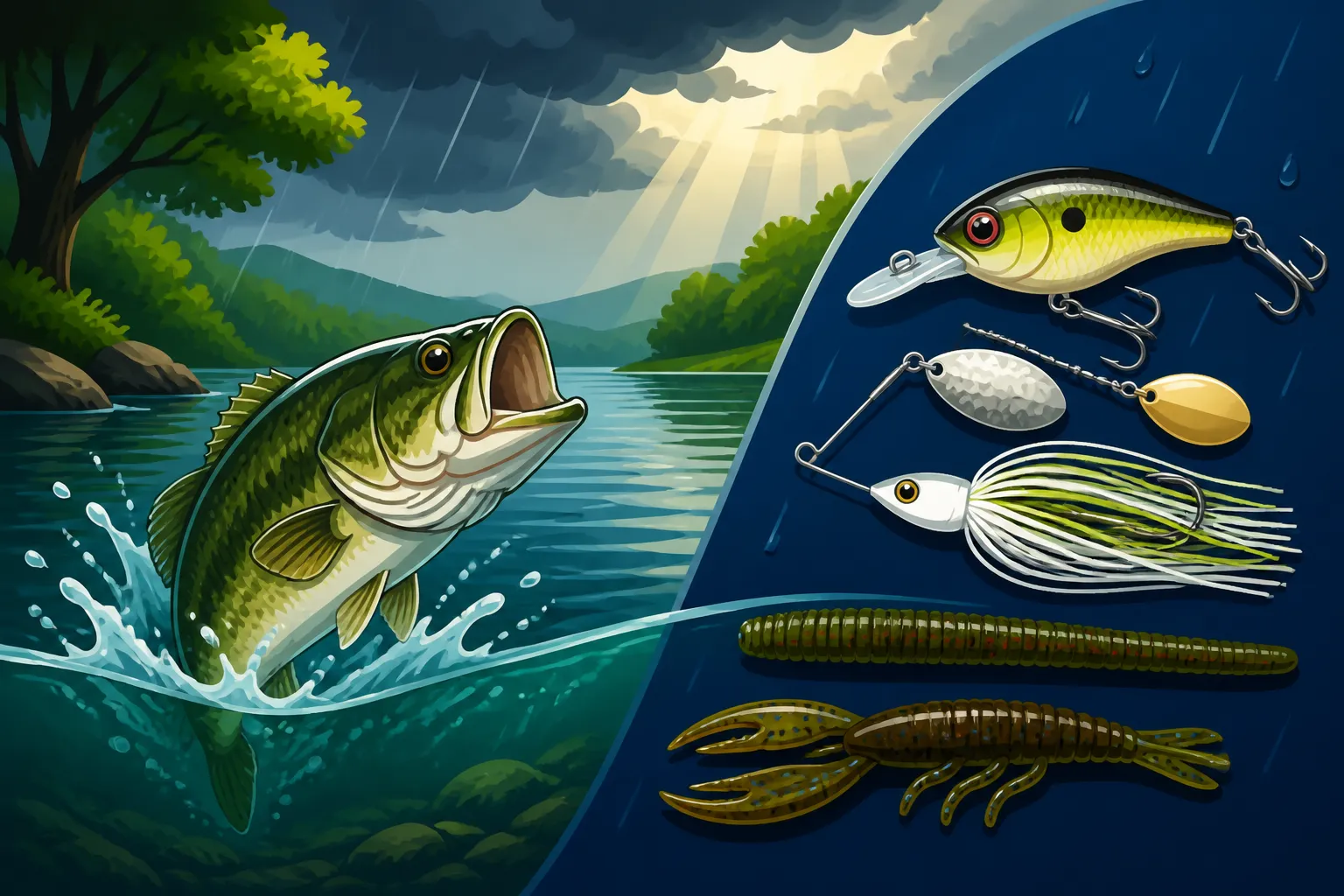
- Spinnerbaits: These are arguably the quintessential muddy water lure. The spinning blades create a tremendous amount of flash and vibration, making them easy for fish to locate even in stained water. The thumping action and visual appeal are hard to ignore. They can be fished at various depths, around cover, and are incredibly versatile. You can find a wide array of spinnerbaits in different blade configurations and colors on platforms like Amazon, making it easy to experiment.
- Chatterbaits/Bladed Jigs: Similar to spinnerbaits, chatterbaits feature a unique bladed head that creates a distinctive, aggressive vibrating action. This lure moves a lot of water and sends out strong sonic signals that predatory fish pick up on. Their erratic swimming motion mimics a fleeing baitfish, triggering aggressive strikes.
- Rattling Crankbaits: Many crankbaits come equipped with internal rattles that produce noise as they swim. Paired with their natural wobbling action, these lures become beacons in off-color water. Deeper diving models can be excellent for exploring submerged structures in bigger Tennessee lakes like Chickamauga or Watts Bar after a rain.
Bright and Contrasting Colors
With reduced visibility, fish need a visual cue that cuts through the murk. While natural colors often work best in clear water, after a rain, it's time to go bold.
- Chartreuse: This vibrant green-yellow is a legendary muddy water color. It offers excellent contrast and stands out dramatically, even in the most stained conditions. You'll see chartreuse incorporated into spinnerbaits, crankbaits, and even soft plastics.
- Orange/Red: Especially in situations where you're imitating crawfish washed out of their beds, reds and oranges can be incredibly effective. These colors can also appear darker in lower light, providing a strong silhouette.
- Black/Blue: This combination creates a very strong silhouette against the lighter sky, making it highly visible from below in low-light, muddy conditions. It's a classic for a reason, particularly with jigs and soft plastics.
Lures with a Strong Profile and Slow Fall
In current-heavy post-rain conditions, fish might be hugging cover to conserve energy. Lures that offer a substantial profile and can be worked slowly through these areas can be deadly.
- Jigs (Jig and Trailer): A bulky jig with a soft plastic trailer provides a large profile that fish can easily spot and feel in muddy water. The jig allows you to slow down your presentation, letting the lure sit in strike zones longer. The skirt and trailer provide extra movement and vibration. How to Rig a Jig for Bass Fishing can help you get started with this versatile setup.
- Soft Plastic Creature Baits: These baits, rigged Texas or Carolina style, offer a significant profile and lots of appendages that create subtle vibrations. Their slower, more natural fall can entice wary fish hiding in cover that might not chase a fast-moving bait.
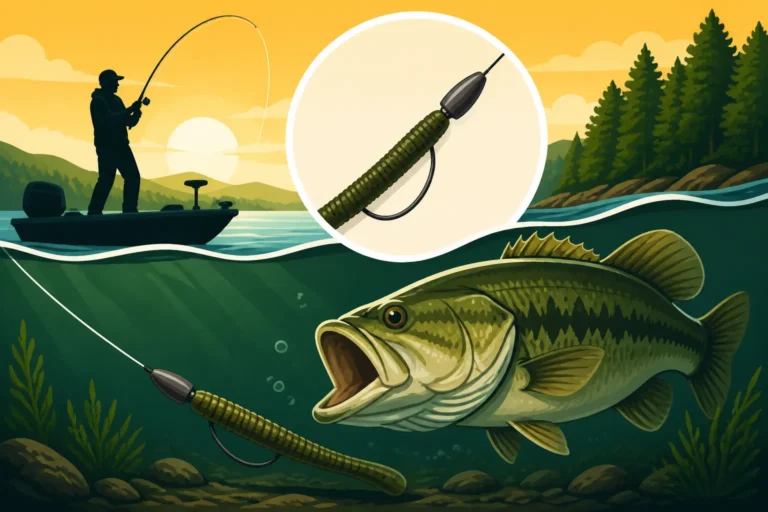
- Worms (Large Profile): Think big plastic worms, especially those with ribbon tails or curly tails that create more action. The natural undulation of a worm can be very appealing, even in murky conditions, and a larger profile makes it easier for fish to find.
Specific Lure Recommendations for Different Species After Rain
Different fish species react uniquely to post-rain conditions. Tailoring your lure choice to your target species will significantly improve your chances.
Bass (Largemouth, Smallmouth, Spotted)
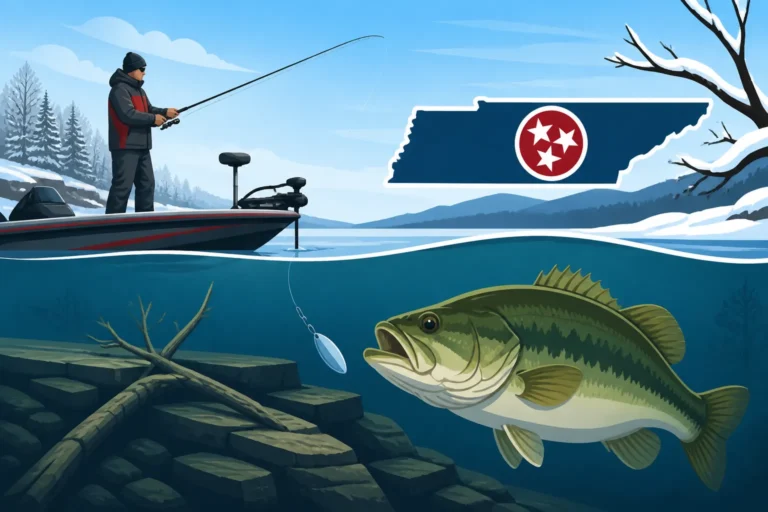
Bass are often very active after a rain, especially largemouth and spotted bass, which tend to thrive in stained water. They'll often move shallower, closer to the banks, to ambush prey.
- Spinnerbaits: Chartreuse and white or white and silver combinations are absolute staples for bass in muddy water. Fish them slowly around flooded vegetation, fallen trees, and rocky banks.
- Bladed Jigs: Brands like Z-Man's Chatterbait or other bladed jigs in black and blue or green pumpkin with a matching trailer are excellent. The aggressive vibration really calls them in.
- Squarebill Crankbaits: These shallow-diving crankbaits are perfect for bumping off cover in the newly flooded areas. Look for colors like red craw or chartreuse/black back. Many anglers find great deals on these essential bass lures on Amazon.
- Jigs: A black and blue jig with a large creature bait trailer, pitched into heavy cover or along current breaks, can be incredibly effective for larger bass. How to Catch Bass in Muddy Water offers more specific techniques.
Crappie
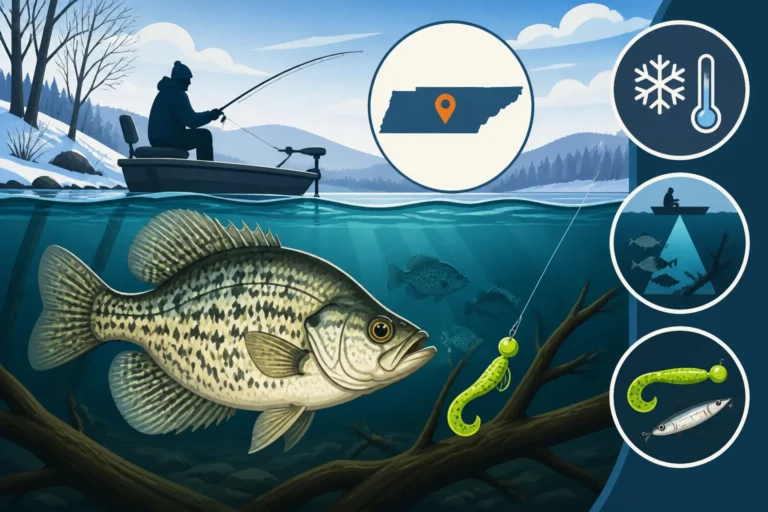
Crappie can be a bit more finicky after rain, but they can still be caught. They often move deeper or hold tight to vertical cover like standing timber or dock pilings, seeking cleaner water or current breaks.
- Small Jigs (Bright Colors): Tiny jigs (1/16 to 1/8 oz) with bright plastic bodies in chartreuse, orange, or pink are excellent. Tip them with a small minnow for added attraction.
- Spider Rigs: When the current is strong, a spider rig allows you to present multiple jigs or minnows at various depths, increasing your chances of finding where the crappie are holding.
- Slip Bobber Rigs: If you find a school holding at a specific depth near cover, a slip bobber rig with a jig or live minnow can keep your bait in the strike zone longer. How to Catch Crappie in Cold Water might also provide some relevant insights, as post-rain conditions can sometimes mimic colder water patterns.
Catfish (Channel, Blue, Flathead)
Catfish absolutely love muddy water. They thrive in it, and rain often means an increase in their activity as new food sources are washed into the water.
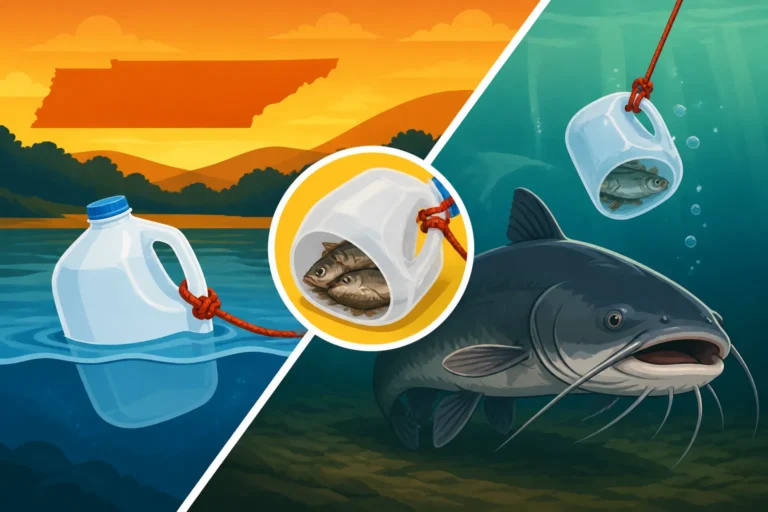
- Cut Bait: Fresh cut bait, especially shad or other oily fish, is a top choice. The scent trail it leaves is irresistible in murky water. Rig it on a bottom rig with a heavy sinker to keep it in place in current.
- Chicken Livers: Another classic catfish bait, chicken livers are pungent and release a strong scent that catfish can easily detect.
- Worms (Nightcrawlers): Large bundles of nightcrawlers can attract hungry catfish looking for an easy meal.
- Prepared Baits: Many commercially prepared catfish baits are designed to be extremely stinky and durable for fishing in current. Look for options that create a strong scent cloud. Best Bait for Bottom Fishing Catfish goes into more detail on how to set up for these bottom dwellers.
Tips for Success When Fishing After a Downpour
Beyond selecting the right lures, a few tactical adjustments can make a world of difference when fishing after a rain event in Tennessee.
Adjust Your Retrieve Speed
In muddy water, fish often need more time to locate your lure. This means slowing down your retrieve. Instead of burning a crankbait, try a slow, deliberate retrieve with occasional pauses. For jigs and soft plastics, focus on bottom-hopping or slow dragging. The slower speed allows the fish to home in on the vibration or scent more effectively. Resist the urge to reel too fast; patience is truly a virtue here.
Target Transition Areas and Current Breaks
Fish are smart; they'll use the new conditions to their advantage or seek refuge from them. After a rain, focus on areas where clear water meets muddy water, or where current is slowed.
- Inflows and Feeder Creeks: These are prime spots. The incoming water often carries food, and fish will stage nearby, waiting to ambush anything that washes in.
- Seawalls, Docks, and Bridge Pilings: These structures create current breaks that fish will hold behind. They offer a place to rest out of the main flow while still having access to passing food.
- Flooded Banks and Vegetation: If the water has risen, look for newly flooded bushes, grass, or timber. Fish will move into these areas to exploit new feeding opportunities and find cover. Even shallow coves on Kentucky Lake Fishing on the Tennessee Side or Percy Priest Lake Fishing Near Nashville, Tennessee can become hotspots.
Consider Heavier Line and Stronger Gear
With more debris in the water and fish often holding tighter to cover, you might encounter snags more frequently. Using a slightly heavier fishing line can help you retrieve snagged lures or pull fish out of thick cover without breaking off. A medium-heavy to heavy action rod can also give you the backbone needed to wrestle fish in strong currents or heavy vegetation. Don't forget, these conditions can be tough on gear, so having reliable equipment, perhaps purchased from a reputable outdoor retailer or even Amazon, is always a good idea.
Embrace the Scent
Scent is a powerful tool in any fishing scenario, but it becomes critical in muddy water. Adding scent to your soft plastics, jigs, or even cut bait can provide that extra allure fish need to find and commit to your lure. There are many scent attractants available that mimic natural fish forage or have strong, appealing odors. Apply it liberally, and reapply often, especially if you're making a lot of casts.
Conclusion
Fishing after a rain in Tennessee doesn't have to be a frustrating experience. In fact, it can be some of the most exciting fishing you'll ever do, especially if you adapt your approach. By understanding how rain changes the water and fish behavior, and by selecting the right lures – those that vibrate, offer strong contrast, or present a substantial profile – you can turn a muddy mess into a memorable day on the water. So next time those storm clouds roll through, don't put your rods away. Instead, grab your go-to muddy water lures, adjust your strategy, and get ready for some serious action!
Disclaimer
This article is for general informational purposes only and does not constitute professional advice. Laws, prices and regulations vary by location and change over time. Consult a qualified professional for guidance on your specific situation.