What to Fish for on Tennessee’s Free Fishing Day, June 6, 2026
We've all been there: you wake up with that undeniable itch to cast a line, but then the reality hits – do you have your current fishing license? Did you remember to renew it? For many, especially those who only get out a few times a year, the thought of navigating regulations and costs can be a real buzzkill. Thankfully, Tennessee offers a fantastic solution that strips away those barriers, inviting everyone to enjoy our state's incredible waterways without a permit for one special day. This comprehensive guide will walk you through everything you need to know to make the most of Tennessee's Free Fishing Day on June 6, 2026, focusing on what fish you can expect to catch and where to find them.
Understanding Tennessee's Free Fishing Day
Tennessee's Free Fishing Day is a truly wonderful initiative designed to encourage fishing and outdoor recreation for everyone, regardless of age or residency. It's a day when the usual requirement for a fishing license is completely waived, opening up the joy of angling to beginners, families, and seasoned pros who might have let their license lapse.
What is Free Fishing Day and Why Does it Matter?
Imagine a day when you don't have to worry about whether your wallet has that little card, or if you remembered to get the right trout stamp. That's exactly what Free Fishing Day provides. The Tennessee Wildlife Resources Agency (TWRA) dedicates this specific day each year to remove the initial hurdle of licensing, making it effortless for anyone to experience the thrill of a tug on the line. It’s an invaluable opportunity for parents to introduce their kids to fishing without an upfront investment in licenses, or for former anglers to reconnect with a cherished pastime. It’s also a perfect chance to scout new fishing spots without committing to an annual license. Think of it as a statewide open house for our incredible aquatic resources. This special day is often referred to as Bobby Wilson Free Fishing Day in Tennessee, honoring a beloved former TWRA executive director who was a staunch advocate for outdoor recreation and conservation.
Specifics of June 6, 2026
Mark your calendars! On June 6, 2026, the entire state of Tennessee becomes your oyster (or rather, your fishing hole). On this particular Friday, anyone can fish in Tennessee's public waters – that means lakes, rivers, streams, and most publicly accessible ponds – without needing a valid fishing license or a trout permit. This applies to both residents and non-residents alike, making it an excellent opportunity for visitors to experience Tennessee's diverse fisheries. While the license requirement is lifted, it's crucial to remember that all other fishing regulations, such as daily creel limits and length limits for specific species, still apply. Always be aware of the Tennessee Fishing Regulations Explained for the waters you plan to visit, as they are strictly enforced by wildlife officers.
Top Species to Target on Free Fishing Day
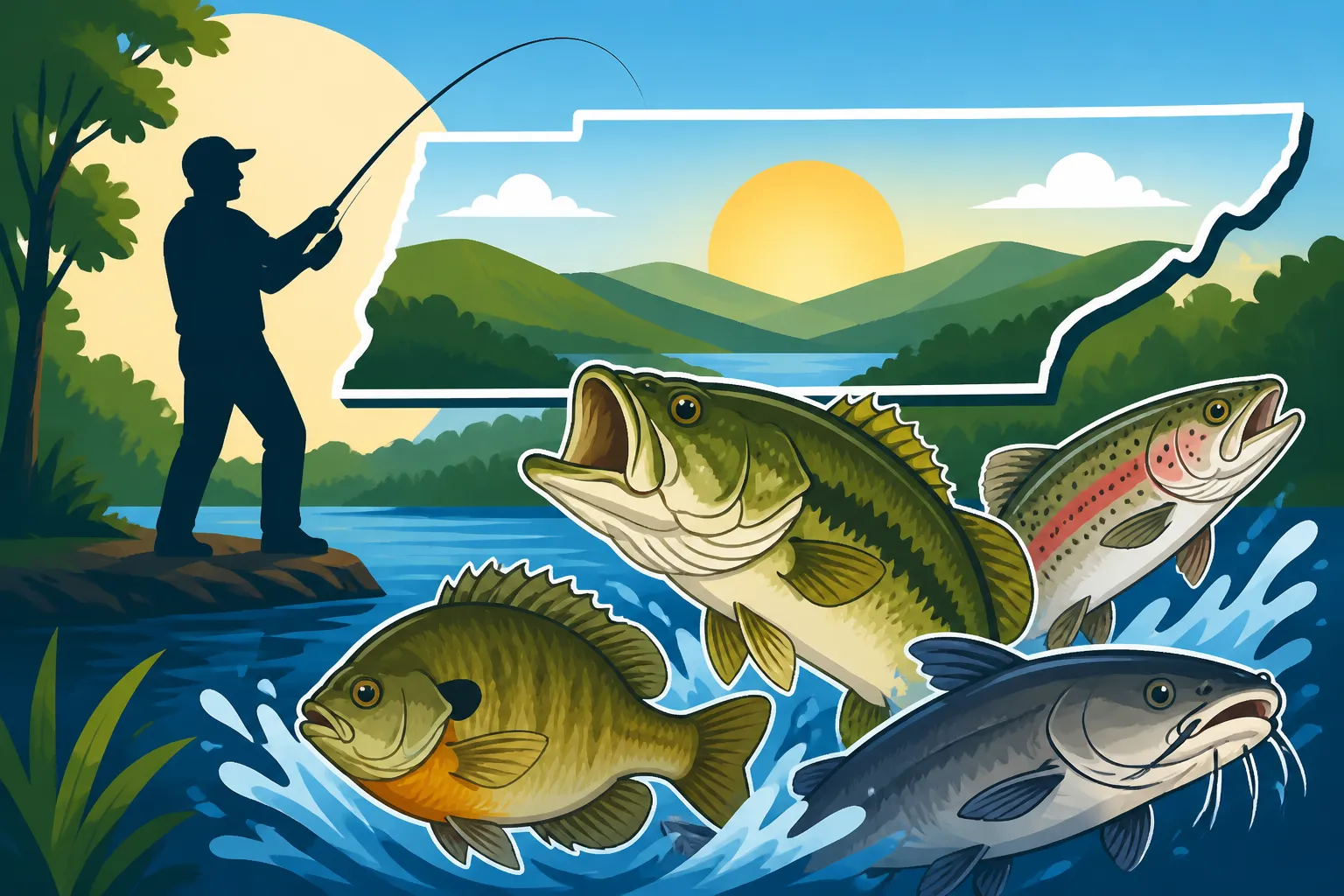
Tennessee boasts an incredible diversity of fish species, offering something for every type of angler. On Free Fishing Day, with the license barrier removed, it's the perfect time to go after some of the most popular and accessible catches.
Abundant Warmwater Species: Bass and Crappie
When most people think of fishing in Tennessee, bass and crappie are usually top of mind, and for good reason! These species are widely distributed, offer exciting fights, and are fantastic table fare.
- Bass: Our lakes and rivers are teeming with various bass species, providing ample opportunity for a thrilling catch.
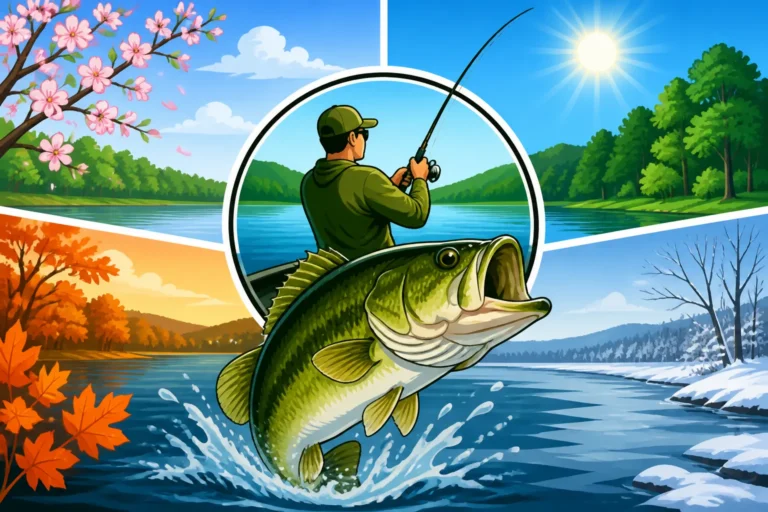
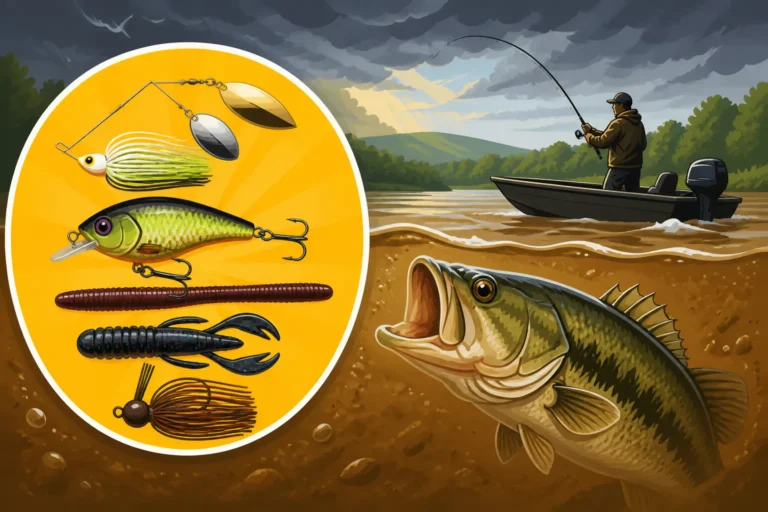
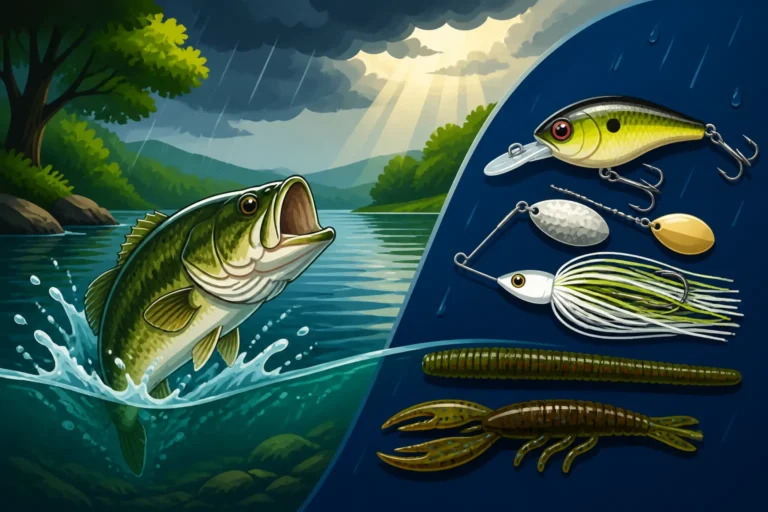
- Largemouth Bass: The undisputed king of warmwater fishing, largemouth bass are aggressive and widespread. They love cover like submerged timber, weed beds, and docks. On Free Fishing Day, target them in shallower areas of larger reservoirs like Chickamauga Lake, Kentucky Lake, or Percy Priest Lake. Early mornings or late evenings are often the best times. You can use plastic worms, spinnerbaits, or topwater lures, which are readily available from retailers like Amazon. Understanding A Complete Guide to Tennessee Bass Species will give you an edge in identifying and targeting these fish.
- Smallmouth Bass: Known for their incredible fighting spirit, smallmouth bass thrive in cooler, clearer waters, especially rivers and rocky reservoirs like Dale Hollow Lake or Norris Lake. Look for them around rocky points, ledges, and current breaks. Jerkbaits, tube jigs, and small crankbaits are often effective.
- Spotted Bass: Often confused with largemouth, spotted bass are another common catch in many Tennessee reservoirs, often found in deeper, open water or around rocky structure. They tend to be a bit smaller but are still fun to catch.
- Crappie: These panfish are a favorite for their delicious taste and schooling behavior, making it possible to catch a lot in one spot.
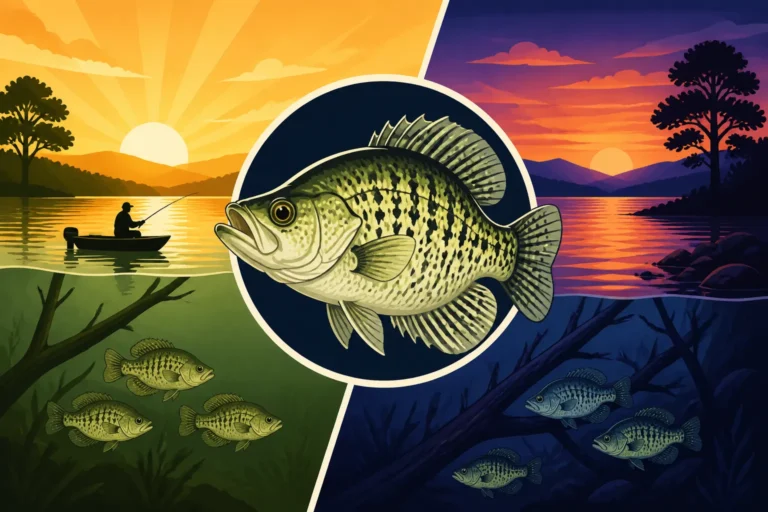
- Black Crappie: Found in most Tennessee lakes and slow-moving rivers, black crappie congregate around submerged brush piles, standing timber, and bridge pilings. They are particularly active during their spring spawn, but can be caught throughout the warmer months. On June 6, they might be moving into slightly deeper summer patterns, but still relate to structure. Tiny jigs, minnows, or small spinners are your best bet. Learn more about their seasonal movements and effective techniques in our Tennessee Crappie Fishing Guide by Season.
Delicious Catfish Opportunities
If you're looking for a strong fight and a generous meal, catfish are an excellent choice for Free Fishing Day. They're prevalent in most of Tennessee's major waterways and are relatively easy to catch.
- Channel Catfish: The state's official state fish (alongside the smallmouth bass!), channel cats are abundant and can be found in almost any lake, river, or large pond across Tennessee. They are opportunistic feeders and will readily take a variety of baits.
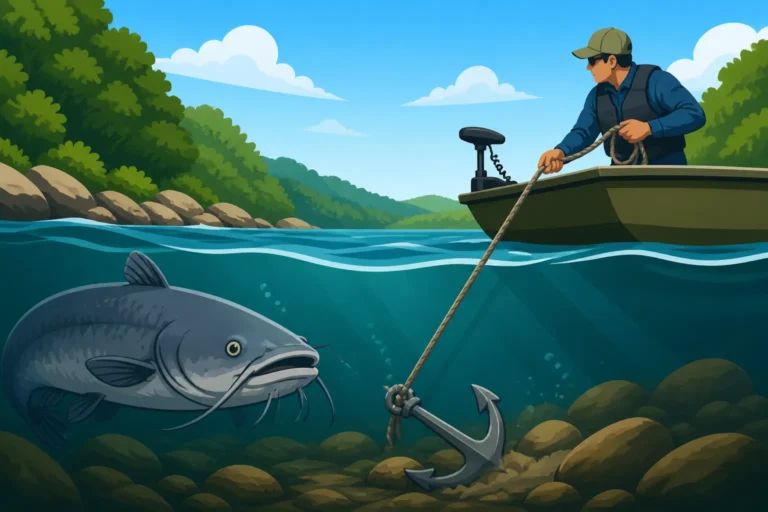
- Blue Catfish: These can grow to enormous sizes, offering a truly memorable battle. Large blue cats are found in the lower sections of major rivers and reservoirs, especially Kentucky Lake and Watts Bar Lake.
- Flathead Catfish: Known for their preference for live bait, flatheads are ambush predators often found around heavy cover like log jams and undercut banks in larger rivers.
For all catfish species, bottom fishing with stink baits, cut bait, chicken livers, or nightcrawlers is highly effective. If you’re fishing from the bank on a lazy afternoon, just casting out a simple bottom rig with a weight and hook, baited with something smelly, often does the trick. You can explore the specific habitats and behaviors of these fascinating fish in our guide to Catfish Species Found in Tennessee Waters.
Panfish for Family Fun
When you're out with the family, especially with kids or new anglers, panfish like bluegill and other sunfish are the stars of the show. They are eager biters and provide constant action, which is perfect for keeping spirits high.
- Bluegill: These feisty little fish are found in virtually every body of water in Tennessee, from sprawling reservoirs to tiny farm ponds. They typically hang out around shallow cover like docks, lily pads, and submerged vegetation.
- Other Sunfish: Redear sunfish (shellcrackers), warmouth, and green sunfish are also common catches, offering similar action and culinary delight.
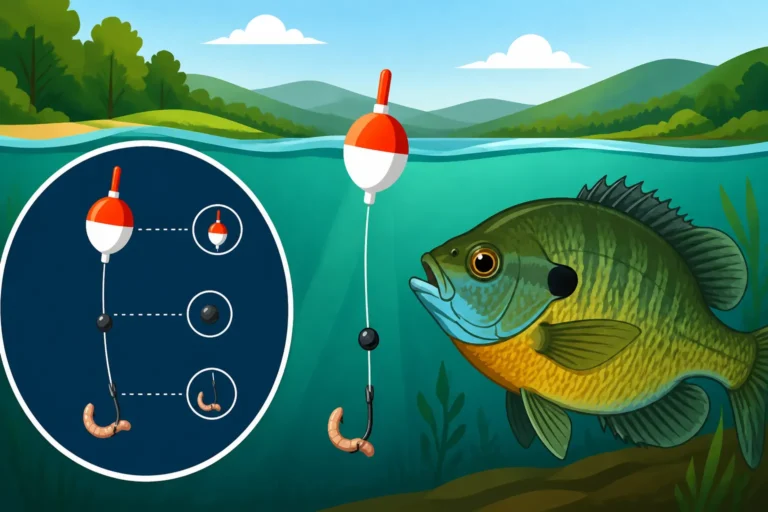
For panfish, simple tackle works best: a light spinning rod, a small bobber, a tiny hook, and a piece of worm or crickets. This kind of setup is often available in inexpensive kits on platforms like Amazon, making it super accessible. They are perfect for teaching casting techniques and the joy of feeling a fish bite. For more specific tips on catching these accessible fish, check out our Bluegill and Panfish Guide for Tennessee Anglers.
Where to Cast Your Line on Free Fishing Day
One of the greatest benefits of Free Fishing Day is the freedom to explore. Tennessee offers an incredible array of fishing locations, from vast reservoirs to quiet streams.
Accessible Lakes and Reservoirs
Tennessee is famous for its large TVA reservoirs, which provide thousands of acres of prime fishing real estate. These are generally very accessible, with numerous public boat ramps and bank fishing opportunities.
- Chickamauga Lake (Near Chattanooga): Renowned for its trophy largemouth bass, Chickamauga also offers excellent crappie and catfish fishing. Look for public access points around Chester Frost Park or Harrison Bay State Park.
- Percy Priest Lake (Near Nashville): A popular destination for locals, Percy Priest is great for bass, crappie, and catfish. It offers many easily accessible areas for bank fishing and numerous boat ramps. You can find excellent Shore Fishing Access at Percy Priest Lake, Tennessee.
- Norris Lake (Near Knoxville): Known for its clear waters and picturesque setting, Norris Lake is a fantastic spot for smallmouth bass, crappie, and walleye. It has abundant public access, including several state park areas.
- Kentucky Lake (Western Tennessee): This massive lake is a legendary destination for bass, crappie, and especially giant catfish. There are countless public access points along its vast shoreline on the Tennessee side, providing excellent Kentucky Lake Fishing on the Tennessee Side.
Remember that while these are large bodies of water, even a small stretch of shoreline can hold fish. Look for areas with visible cover, like fallen trees or docks. To get a broader idea of where to start, our guide on the Best Fishing Lakes in Tennessee can be a great resource.
State Parks and Local Ponds
For families or those looking for a more relaxed, less crowded experience, Tennessee's state parks and many local community ponds are fantastic choices.
- Tennessee State Parks: Many state parks across Tennessee offer excellent fishing opportunities in managed ponds or lakes. These waters are often stocked and provide easy bank access, picnic areas, and restrooms, making them ideal for a family outing. For example, Paris Landing State Park on Kentucky Lake or Long Hunter State Park on Percy Priest Lake provide superb facilities and fishing access. Check out our guide to Tennessee State Park Fishing Spots for specific recommendations.
- Community Ponds: Many smaller, local ponds are managed by municipalities or the TWRA for public fishing. These are often stocked with catfish and panfish, ensuring a good chance of success. A quick search for "public fishing ponds near me" on the TWRA website can reveal hidden gems. These smaller waters are usually perfect for a simple setup and provide a safe, calm environment for kids to learn.
Rivers and Smaller Streams
While the large reservoirs get a lot of attention, Tennessee's rivers and smaller streams offer unique fishing experiences, often in more serene settings.
- Tennessee River: The main stem of the Tennessee River, flowing through multiple major reservoirs, provides excellent fishing for bass, crappie, and particularly large catfish and striped bass. Public access points are plentiful along its course, and you can explore various Tennessee River Fishing Access Points.
- Smaller Rivers (e.g., Caney Fork, Clinch River): While some of these rivers are known for trout, many sections also hold good populations of smallmouth bass and various panfish. Fishing these waters often involves more wading or bank fishing, offering a different kind of adventure. Always be mindful of current and water levels in river systems. When exploring rivers, specifically, knowing which ones are best for certain species can be found in our list of Best Rivers for Fishing in Tennessee.
Essential Gear for Your Free Fishing Day Adventure
You don't need a boatload of expensive gear to have a great time fishing on Free Fishing Day. Keeping it simple is often the best approach, especially for beginners.
Basic Rods, Reels, and Line
For Free Fishing Day, focus on versatility and ease of use.
- Spinning Combo: A medium-light to medium action spinning rod, typically 6-7 feet long, paired with a matching spinning reel, is the most versatile setup. It's easy to cast, handles a variety of lures and baits, and is suitable for almost all the species you'll encounter. You can find excellent beginner combos for under $50 online, even on Amazon. A simple 6-8 pound monofilament line is perfect for general purpose fishing.
- Tackle Box: A small tackle box with some basic essentials is all you need. Don't overcomplicate it! Our guide to Best Fishing Gear for Beginners offers more detailed recommendations for starting out.
Baits and Lures for Success
You don't need a thousand different lures. A few versatile options will cover most situations.
- Live Bait: This is almost always the most effective choice, especially for panfish and catfish.
- Worms: Nightcrawlers or red wigglers are universal fish catchers.
- Minnows: Excellent for crappie and bass.
- Crabs or Crickets: Fantastic for bluegill and other sunfish.
- Artificial Lures:
- Jigs: Small jigs (1/16 to 1/8 ounce) with plastic grubs are deadly for crappie and can catch bass and panfish. White, chartreuse, or black are good colors.
- Spinnerbaits: Good for bass, especially in stained water or around cover.
- Small Crankbaits: Effective for bass and can sometimes tempt crappie.
- Soft Plastics: Worms or creature baits rigged Texas-style are excellent for bass.
- Bobbers/Floats: Essential for fishing live bait at a specific depth.
- Hooks: A variety of small to medium sizes (e.g., #6 for panfish, #1 to 1/0 for bass, larger for catfish).
- Sinkers: Split shots or small bell sinkers to get your bait down.
Comfort and Safety Essentials
Even on a short trip, comfort and safety are paramount.
- Sun Protection: A wide-brimmed hat, sunglasses, and plenty of sunscreen (easily found on Amazon) are a must, even on cloudy days.
- Water and Snacks: Stay hydrated, especially if you're out for a few hours.
- First-Aid Kit: Small cuts from hooks or fish fins are common. A basic kit for minor injuries is always a good idea.
- Pliers/Forceps: Crucial for safely removing hooks from fish (and occasionally from fingers!).
- Life Jackets: If you're fishing from a boat, even a small kayak or canoe, make sure everyone has a properly fitting life jacket. While not legally required for adults on Free Fishing Day, it's a critical safety measure.
- Appropriate Clothing: Dress in layers, wear comfortable shoes, and consider bug spray.
- Cooler: To keep your catch fresh if you plan to keep any fish.
Maximizing Your Free Fishing Day Experience
Free Fishing Day isn't just about catching fish; it's about connecting with nature, making memories, and perhaps discovering a new passion.
Engaging the Whole Family
This day is tailor-made for family outings. The lack of a license requirement removes a common barrier for parents wanting to introduce their children to fishing.
- Start Simple: Don't aim for trophy fish. Focus on easy-to-catch panfish like bluegill or small catfish, which provide frequent bites and keep kids engaged. A simple cane pole or a small spinning rod with a bobber and worm is often all it takes.
- Patience and Fun: Remember that for kids, the experience is often more important than the catch. Celebrate every nibble, every cast, and every moment spent outdoors. Pack snacks, plan for short attention spans, and make it an adventure. Many of Tennessee's state parks offer great Family-Friendly Fishing at Percy Priest Lake, Tennessee.
- Teach Conservation: Even on a free day, teach responsible fishing practices, like handling fish gently, properly disposing of trash, and respecting catch limits.
Learning the Basics
Free Fishing Day is a fantastic opportunity to learn or brush up on fundamental fishing skills without the pressure of needing a license.
- Casting Techniques: Practice different casting methods, like the overhead cast or roll cast, which are crucial for getting your bait where the fish are.
- Knot Tying: Learn a few basic fishing knots, such as the improved clinch knot or the Palomar knot. These are essential for securely attaching hooks and lures.
- Reading the Water: Start observing how factors like water temperature, current, and structure affect where fish might be. Understanding How Water Temperature Affects Fish Activity can be a game-changer.
- Fish Identification: Take the time to identify the different species you catch. This enhances your knowledge and helps you understand specific regulations.
Planning Ahead
Even though you don't need a license, a little planning goes a long way to ensure a successful and enjoyable day.
- Check Local Regulations: As mentioned, while the license is waived, all other rules like size and creel limits remain in effect. Always double-check the TWRA website for specific regulations pertaining to the body of water you intend to fish. Lake-specific rules often override statewide limits, so it's always worth a quick look.
- Weather Forecast: Check the weather forecast for June 6, 2026. Pack accordingly for sun, rain, or cooler temperatures.
- Scout Your Location: If you're trying a new spot, consider looking it up on a map beforehand or even driving by if possible to check access and potential fishing areas.
- Consider Post-Free Fishing Day: If you have an amazing time and want to continue fishing, remember you'll need a license for any subsequent days. Our guide on the Tennessee Fishing License Guide can help you figure out the best option for your future angling adventures.
Here's a quick reference for common species and where to find them:
| Species | Typical Habitat | Best Baits/Lures | Ideal For |
|---|---|---|---|
| Largemouth Bass | Submerged timber, weed beds, docks, shallow cover | Plastic worms, spinnerbaits, crankbaits | Anglers seeking a strong fight |
| Smallmouth Bass | Rocky points, ledges, current breaks in clear water | Jerkbaits, tube jigs, small crankbaits | Experienced anglers, strong fighters |
| Crappie | Brush piles, standing timber, bridge pilings | Minnows, tiny jigs | Delicious table fare, high catch rates |
| Channel Catfish | Most lakes, rivers, large ponds (bottom feeders) | Stink baits, cut bait, chicken livers | Beginners, consistent bites, good eating |
| Blue Catfish | Lower river sections, large reservoirs, deep holes | Large cut bait, live bait | Trophy hunters, powerful fight |
| Flathead Catfish | Log jams, undercut banks in rivers | Live bait (e.g., bluegills, shad) | Serious catfishermen, patient anglers |
| Bluegill/Panfish | Shallow cover, docks, lily pads, weed beds | Worms, crickets, small artificial baits | Families, kids, consistent action |
Disclaimer
Please remember that while this guide offers comprehensive information, fishing regulations can change. Always consult the official Tennessee Wildlife Resources Agency (TWRA) website or guidebooks for the most current and accurate regulations before heading out to fish. Your safety and adherence to all rules are your responsibility.