Dawn and Dusk Fishing Patterns for Crappie
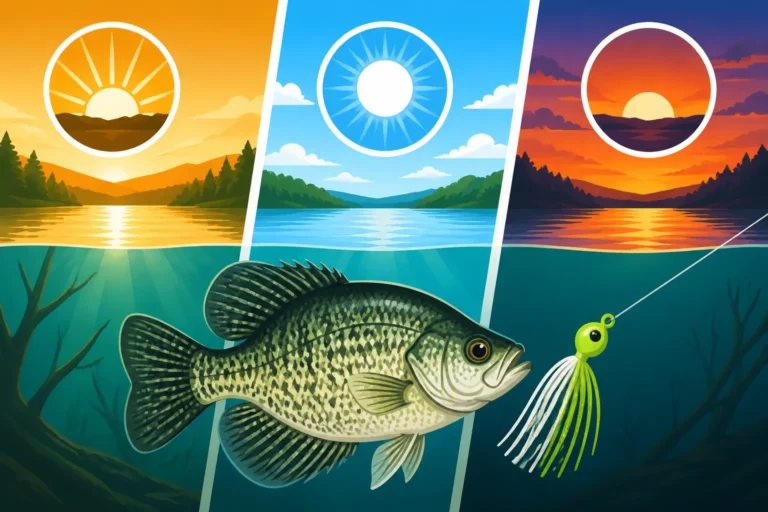
You know that feeling, right? You've spent hours out on the water in the bright midday sun, casting your heart out, and the crappie just aren't biting. It’s frustrating when you know they’re in there, but they’re playing hard to get. Well, I’m here to tell you that the secret to consistent crappie success, especially when they're being finicky, often lies in embracing the magic of those twilight hours – dawn and dusk. This guide is all about diving deep into why these times are crappie goldmines and how you can maximize your catch when the sun is either just coming up or going down over the beautiful waters of Tennessee.
Why Dawn and Dusk are Crappie Goldmines
Let’s face it, crappie aren't much different from us when it comes to comfort. They don't particularly enjoy the harsh glare of high noon or the stifling heat of a summer afternoon. Those "golden hours" of dawn and dusk offer a perfect blend of conditions that bring these slab-sided panfish out to play, making them far more active and, crucially, more willing to bite your offerings. It's not just a hunch; there's some real science and instinct at play here that makes these periods so productive.
The Magic of Low Light
Crappie have large eyes, perfectly adapted for low-light conditions. Think about it: during the brightest parts of the day, especially in clear Tennessee lakes like Norris Lake, they'll often retreat to deeper, shadier cover. This could be under thick brush piles, deep submerged timber, or tight to docks and bridge pilings where the sun's rays can't penetrate as easily. They become more cautious, relying on their excellent vision to spot predators from above.
But as the sun begins to dip below the horizon or peek over the eastern hills, the entire dynamic of the lake changes. The water surface becomes less reflective, and the shadows lengthen, providing a natural canopy. This reduced light intensity provides a sense of security for crappie, making them feel safer to move out from their daytime cover. They'll venture into shallower waters, moving along weed lines, flats, and open water areas they might avoid during the bright afternoon. This movement makes them much more accessible to anglers, giving you a wider window of opportunity to present your baits effectively. You’ll find them less hesitant to chase a jig or minnow when they feel less exposed.
Water Temperature's Role
Temperature is another huge factor, especially throughout Tennessee's varied seasons. Crappie, being cold-blooded, are highly sensitive to water temperature fluctuations. During the height of summer, the surface water can become uncomfortably warm, pushing crappie deeper into cooler thermoclines. Similarly, in the dead of winter, while deeper water might be more stable, the overall activity level can be low due to metabolic slowdown.
Dawn and dusk often bring the most stable and comfortable water temperatures for crappie in the upper water column. In summer, the evening cool-down and morning warm-up mean the shallow waters become much more inviting. This subtle shift can trigger them to move up and feed. In spring, when the crappie are staging for or engaged in their Spring Crappie Spawn Timing in Tennessee, the moderate temperatures of dawn and dusk are absolutely critical. They'll be much more active and aggressive as they prepare to bed or guard their nests. The opposite is true in early fall, as the water begins to cool. Crappie will follow baitfish into shallower waters during these cooler periods before retreating to deeper areas as the cold sets in.
Crappie Feeding Frenzy
Combine the low light and comfortable temperatures, and what do you get? A crappie feeding frenzy! Baitfish, like shad and minnows, also become more active during these transitional periods. They move into shallower waters to feed on plankton or to seek refuge, inadvertently becoming easy targets for hungry crappie. This creates a chain reaction in the food web.
Crappie are ambush predators. Under the cover of low light, their silhouettes are harder for baitfish to spot, giving them a significant advantage. You'll often notice a distinct shift in their behavior; instead of subtly pecking at a bait, they might hit it with more aggression and confidence. This increased feeding activity means they are actively seeking out food, making your presentation all the more appealing. If you've ever been on the water at dawn or dusk and suddenly had multiple bites in a short period, you've witnessed this phenomenon firsthand. It's when crappie are most vulnerable and, consequently, when anglers have the best chance for a full livewell. Understanding this natural cycle is key to unlocking consistent success, no matter the season.
Mastering the Dawn Patrol for Crappie
There’s a unique tranquility that comes with being on the water before the sun fully breaches the horizon. The air is crisp, the lake is often still, and the world feels like it’s just waking up with you. For crappie anglers, this isn't just a picturesque scene; it's prime time. The "dawn patrol" requires a bit of dedication to shake off the sleep, but the rewards can be absolutely phenomenal.
Pre-Sunrise Preparations
To truly capitalize on the dawn bite, your preparation starts the night before, or at the very least, an hour or two before you plan to launch. This isn't the time to be fumbling around with tangled lines or missing tackle. Organize your tackle box, make sure your Best Crappie Jigs for Spring Crappie are tied on, and have your minnows ready if you're using live bait. For those who prefer artificials, setting out a selection of your go-to jigs, soft plastics, and small crankbaits can save crucial minutes.
Crucially, check your boat's navigation lights and make sure your headlamp or a reliable handheld light is fully charged. Safety on the water, especially in the dark, is paramount. Pack a thermos of coffee or tea to help ward off the pre-dawn chill. If you're bank fishing, know your spot well enough to navigate it safely in the dark. Arriving at your chosen location, whether it's a favorite brush pile on Chickamauga Lake or a quiet cove on Percy Priest Lake, while it's still dark gives you a huge advantage. It allows the noise and disturbance of your arrival to settle before the crappie truly start to move, maximizing your chances right when the bite turns on.
Early Morning Tactics and Lures
As the first hints of light appear in the east, crappie will begin to move from their deeper cover. Your tactics should reflect this transition. Initially, they might still be holding relatively tight to structure, but they'll be more aggressive. This is an excellent time for vertical jigging or slow-trolling presentations. Using a sensitive rod and reel combination is critical to detect those subtle "thumps" as crappie often just inhale a bait in low light.
For lures, consider slightly darker or more opaque colors in the deepest pre-dawn gloom, as these provide a better silhouette against the dimly lit surface. Black, dark blue, or purple jigs can be incredibly effective. As the light improves, transition to natural colors like shad, chartreuse, or even white. Small marabou jigs, tube jigs, or tiny swimbaits on a 1/16 to 1/8 ounce jig head are fantastic choices. If you're using live minnows, a simple bobber rig set just above the structure or a tightline approach can be deadly. Remember, crappie might be slightly shallower than you expect, so start your presentation higher in the water column and work your way down until you find their preferred depth.
Locating Crappie as the Sun Rises
As the sun continues its ascent, crappie patterns can shift again. The initial low-light feeding spree might wane as the light intensifies. This is where your ability to read the water and adapt becomes essential. If you started over deep brush piles, you might find the crappie moving to the edges of the structure or even pushing into shallower flats and points that are now just starting to get some indirect light.
Look for areas with submerged timber, rock piles, or even boat docks that offer both shade and nearby access to open water. On Kentucky Lake, for example, the crappie might move from deep river channel edges to shallower creek channels where they can intercept baitfish. Pay attention to any surface activity – ripples or splashes could indicate baitfish being busted, and where there's bait, there are usually crappie. Your fish finder will be your best friend here, showing you schools of bait and the tell-tale arches of crappie suspending nearby. Don’t be afraid to move around. Sometimes, the crappie bite will be localized to a specific depth or type of cover, and covering water until you find that pattern is key to extending your morning success.
Unlocking the Evening Bite: Dusk Crappie Strategies
Just as the dawn offers a window of opportunity, the evening provides another golden hour for crappie fishing. As the day's heat begins to dissipate and the sun dips towards the western horizon, crappie reactivating for another feeding session. The evening bite can be just as, if not more, productive than the morning, especially during certain seasons.
Transitioning to the Evening Hunt
The transition from bright daylight to dusk is gradual, but observant anglers can spot the cues that trigger the crappie bite. Around two to three hours before official sunset, you'll often see the first signs of increased activity. The baitfish, which have been holding in deeper water or tight cover during the day, will start to disperse and move into shallower areas. Crappie, sensing this change in their environment and the availability of food, will follow suit.
This is your signal to start targeting areas that might have been unproductive during the harsh midday sun. Think about those shallow flats adjacent to deep water, submerged points, creek channels, or the shady sides of docks and bridges on Watts Bar Lake. Unlike dawn, where you're anticipating the awakening, at dusk, you're observing the reactivation. This means you can often start with a slightly more active presentation, perhaps a faster retrieve or a slightly larger jig, as the crappie are already on the move and more aggressively looking for a meal. Have your lighting ready for when it gets truly dark, just like for the morning. A good headlamp from Amazon, for instance, can be a real lifesaver when you’re trying to re-tie knots as the light fades.
Sunset Lure Choices and Retrieves
As the sun kisses the horizon and the light begins to fade rapidly, lure choices and retrieve speeds become critical. In the fading light, crappie rely even more on their large eyes and lateral lines to detect prey. Therefore, contrast, profile, and vibration become paramount. Just like at dawn, slightly darker colors can create a better silhouette against the darkening water. Black, blue, and purple jigs are excellent choices. However, don't shy away from jigs with glow-in-the-dark features or those infused with glitter, which can catch the last vestiges of light or even moonlight.
Small crankbaits that offer a bit of flash and vibration can also be incredibly effective during this time, especially if the crappie are chasing baitfish. The retrieve speed should generally be slower than in bright daylight, allowing the crappie ample time to track and intercept the lure. A slow, steady retrieve with occasional pauses or slight twitches can often entice a hesitant bite. For those using minnows, a subtle jigging motion or simply letting the minnow suspend naturally near cover can be all it takes. The key is to present your bait in a way that mimics an easy meal, taking advantage of the crappie's heightened sensory awareness in the dimming light.
Adapting to Declining Light
As darkness fully envelops the water, your approach might need another adjustment. Crappie can become even bolder in total darkness, often moving into incredibly shallow water to hunt. However, your visual cues are now gone, meaning you need to rely more on feel, electronics, and even sound. If you’re fishing from a boat, now is the time to really trust your fish finder. It will reveal those subtle changes in structure and depth where crappie might be lurking, even if you can't see them.
Spider rigging is an incredibly effective technique for How to Spider Rig for Crappie in declining light and into the night. By presenting multiple baits at varying depths, you increase your chances of finding the fish. For bank anglers, knowing the contours of your shoreline is crucial. Target lighted docks, as these lights attract baitfish, which in turn attract crappie. On many Tennessee lakes, you'll see lights shining into the water specifically for this purpose. Using a black light to charge glow-in-the-dark jigs can also be a game-changer. The crappie will often be less wary, allowing for more aggressive strikes, but pinpointing their location without visual aids becomes the primary challenge. Don't be surprised to catch some of the biggest slabs of the day during these truly dark hours.
Essential Gear and Setup for Low-Light Crappie
Fishing at dawn or dusk isn't just about timing; it's also about having the right tools to maximize your chances and stay safe. The gear you choose can make a significant difference in your ability to detect subtle bites, present your lures effectively, and navigate the low-light environment with confidence.
Rods, Reels, and Line for Sensitivity
When crappie fishing in low light, sensitivity is king. Often, crappie will "mouth" a bait rather than striking it aggressively, especially in cooler water or during the very start/end of a feeding window. A limber, fast-action rod, typically in the 6 to 7-foot range, made of graphite, will transmit even the slightest tap directly to your hands. Pair this with a lightweight spinning reel spooled with 4-6 pound test monofilament or fluorocarbon line. Fluorocarbon has less stretch than mono and is virtually invisible underwater, making it a fantastic choice for spooky crappie. However, monofilament can sometimes be easier to manage in low light if you’re prone to backlashes with spinning gear.
Many anglers also swear by high-visibility braided line for their main line, especially if using a fluorocarbon leader. While the braid itself might be more visible, the lack of stretch provides unparalleled sensitivity, and its bright color helps you track your line in the gloom. An important point for the low-light scenario is to ensure your reel has a smooth drag system. When a big slab crappie hits your light tackle, you want that drag to perform flawlessly to prevent break-offs, especially when you can't see the fish as clearly. You might also consider specialized How to Jig for Crappie rods designed for jigging if you're primarily fishing vertically around structure.
Lighting and Safety Essentials
This might seem obvious, but proper lighting is non-negotiable for low-light fishing. A reliable headlamp with both a white light and a red light setting is essential. The red light preserves your night vision and is less likely to spook fish than a bright white beam. Keep extra batteries or a rechargeable power bank handy. For boat anglers, ensure all navigation lights are in perfect working order. This isn't just for your safety; it's legally required.
Beyond personal lighting, consider a portable spotlight for identifying distant buoys, navigation markers, or potential hazards. Safety gear like life jackets should be worn, especially if you're moving around on the water in the dark. For bank anglers, knowing your footing and having a clear path is crucial. And don't forget bug spray! Mosquitoes and other biting insects often come alive during these twilight hours, and you don't want them cutting your prime fishing time short. A good first-aid kit is also a smart addition, just in case of any minor mishaps in the dark.
Baits and Jigs for Dim Conditions
The right bait presentation can make or break your low-light crappie trip. For live bait enthusiasts, fresh minnows are hard to beat. They provide natural scent and action that crappie simply can't resist. Hook them lightly through the lips or dorsal fin for maximum longevity and action.
For artificials, the discussion often turns to color, size, and action. As mentioned earlier, darker colors that offer a strong silhouette are great for very low light. Think black, junebug, or dark blue tube jigs and soft plastics. As light increases or decreases, transition to more natural colors like pearl, chartreuse, or even brighter hues like pink or orange, which can be seen well in murky water. Jigs with glow-in-the-dark properties are fantastic for deep water or total darkness; charge them with your headlamp for a minute before casting. Small spinnerbaits with a single blade can add flash and vibration, helping crappie locate them. Blade colors like gold or silver can be effective. Ultimately, have a variety of colors and styles on hand. Sometimes, a subtle change in the jig tail or a different flash of color is all it takes to trigger a bite. You can find a vast selection of these on Amazon, making it easy to stock up before your next trip.
| Feature / Condition | Dawn (Pre-sunrise to early morning) | Dusk (Late afternoon to post-sunset) |
|---|---|---|
| Light Level | Very low, gradually increasing | Gradually decreasing to very low |
| Water Temp | Coolest of the day, slowly rising | Warmest of the day, slowly falling |
| Crappie Activity | Starting to move, active feeding | Reactivating, aggressive feeding |
| Target Depth | Starting deep, moving shallower | Starting shallow, moving deeper/near lights |
| Recommended Lures | Darker silhouettes (black, blue), glow jigs, natural minnows | Darker silhouettes, glow jigs, small crankbaits, scented plastics |
| Retrieve Speed | Slow, deliberate, vertical jigging | Slow to moderate, steady retrieve |
| Key Advantage | First bite of the day, less pressure | Sustained evening bite, active chase |
| Safety Gear | Headlamp (red light), navigation lights, PFDs | Headlamp (red light), navigation lights, PFDs |
Seasonal Nuances for Dawn and Dusk Crappie Fishing
While dawn and dusk are generally productive periods, the specific patterns and success rates can vary significantly with the seasons. Tennessee's climate offers four distinct seasons, each presenting unique challenges and opportunities for the crappie angler. Understanding these seasonal shifts is key to consistent catches year-round. For a more general overview, check out our Tennessee Crappie Fishing Guide by Season.
Spring and Fall: Peak Low-Light Action
Spring and fall are, without a doubt, the prime seasons for crappie fishing during dawn and dusk. The stable, moderate water temperatures are ideal, and the crappie are often in an active feeding mode.
In spring, as the water temperatures rise into the 50s and 60s Fahrenheit, crappie begin their migration from deep winter haunts to shallower spawning grounds. This pre-spawn and spawn period is when they are incredibly aggressive. At dawn, they’ll move into shallow coves, creek arms, and around brush piles to feed before the midday sun pushes them slightly deeper. The evening bite mirrors this, as they return to these areas to forage as the light fades. This is a fantastic time for Tightlining Techniques for Crappie around structure or casting small jigs to visible cover. The key is to target transition areas where they can quickly access both deep and shallow water. This is also when you'll often find the biggest slab crappie of the year.
Fall brings similar, though inverse, conditions. As water temperatures begin to drop from their summer highs, crappie go on a massive feeding binge to pack on weight for the colder months ahead. Baitfish are abundant and schooling up, and crappie will actively chase them in open water and around points. Dawn and dusk are when these feeding frenzies are most apparent. They'll often push bait into shallow coves and creek channels during these low-light periods. Trolling small crankbaits or tightlining minnows can be incredibly effective as crappie actively roam for food. Pay close attention to current, as crappie will use it to ambush baitfish during this period.
Summer and Winter: Adapting to Extremes
Summer and winter present more challenging, but still productive, low-light crappie opportunities. You just need to adapt your approach.
In summer, the midday heat forces crappie into deeper, cooler water. However, dawn and dusk offer a reprieve. As the sun sets, the surface waters cool, and crappie will often move shallower, sometimes only for a couple of hours, to feed on baitfish that have also moved up. The key here is to target deeper brush piles, submerged timber, or bridge pilings that extend from deep water up into the shallower feeding zones. You might find crappie suspending in the top 10-15 feet of water over 30+ feet of depth. The early morning bite will be similar, but often shorter-lived as the sun quickly heats the water. How to Find Crappie in Summer is often about patience and pinpointing these specific thermal breaks or deep-water access points. Focus on areas with good shade, even after the sun is up, like dense lily pads or overhanging trees.
Winter fishing for crappie in low light is all about patience and precision. Crappie are generally less active due to cold water, but they still need to feed. Dawn and dusk can trigger short bursts of activity, especially on milder winter days. Crappie will often hold tight to deep structure, like channel bends, submerged timber, or bluff walls. Your presentation needs to be extremely slow and subtle. Vertical jigging directly over known crappie haunts with tiny jigs or slowly presented minnows is the ticket. On lakes like Dale Hollow Lake, where crappie often suspend in deep open water, a very slow troll or dead-sticking minnows at specific depths can also work. Remember, crappie in winter won't chase a bait far, so you need to put it right in front of them. The low light can make them slightly less wary, offering a small advantage in an otherwise tough season. If you're wondering How to Catch Crappie in Cold Water, these low-light windows are often your best bet.
Top Tennessee Spots for Dawn and Dusk Crappie
Tennessee is blessed with an abundance of fantastic crappie fisheries, each offering unique opportunities for dawn and dusk anglers. From sprawling reservoirs to picturesque rivers, knowing where to focus your efforts during these prime times can significantly boost your success.
Reservoir Hotspots and Structures
Tennessee's large reservoirs are undeniably crappie havens, and many of them excel during the twilight hours.
Chickamauga Lake: Known for its trophy bass, Chickamauga Lake is also a phenomenal crappie fishery. At dawn and dusk, target the extensive submerged timber and brush piles found in creek arms like Sale Creek and Dallas Bay. The crappie here often suspend around these structures, especially where the creek channel meets the main lake. Look for navigation markers on your map, as they often indicate channel edges that crappie will use for transition. Shallow flats adjacent to these deep channels can be bustling with crappie during low light, especially if there's standing timber nearby.
Kentucky Lake: Stretching along the western border, Where to Catch Crappie on Kentucky Lake during low light is around the countless creeks and bays that feed into the main river channel. Areas like Big Sandy and the New Johnsonville area are famous for their crappie fishing. Target flooded timber, cypress trees, and stumps during the twilight hours. Crappie will move shallower to feed, often just off the main lake points or in the back of coves. Trolling small jigs or spider rigging minnows through these areas can be incredibly effective as they spread out to feed.
Percy Priest Lake: Near Nashville, Percy Priest Lake offers excellent crappie fishing, particularly in its numerous creeks and bays. At dawn and dusk, focus on the abundant cedar trees that line many of the lake's banks, as well as submerged brush piles and rock rubble near points. Crappie will often congregate around these features, particularly if they are close to deeper water. The larger creek arms like Stone’s River or Seven Points Recreation Area can be very productive. Bank anglers will find good success casting from points that drop into deeper water, especially if they can reach submerged cover.
Watts Bar Lake: One of Tennessee's largest reservoirs, Watts Bar Lake offers vast crappie habitat. During low light, target the flooded timber in the Clinch River arm and the main lake's numerous islands and creek channels. Crappie here will often hold near the tops of submerged trees or along channel edges that offer quick access to shallower feeding flats. Look for distinct depth changes on your electronics. Where to Catch Crappie on Watts Bar Lake often involves finding these distinct structural elements that act as highways for crappie moving to feed.
River and Creek Mouth Opportunities
Beyond the vast reservoirs, Tennessee's rivers and the mouths of its creeks can also be phenomenal for low-light crappie, especially where current is a factor.
Tennessee River: The main stem of the Tennessee River, particularly below dams like Fort Loudoun or Watts Bar, can be excellent. The current concentrates baitfish, and crappie will position themselves to ambush prey. At dawn and dusk, target eddies, current breaks behind islands, and the mouths of feeder creeks. Crappie will often move out of the stronger current to feed in these calmer areas. Vertical jigging or casting jigs upstream and letting them drift naturally with the current can be very effective. Look for submerged logs or rock piles that offer a break from the flow.
Creek Mouths and Tributaries: Anywhere a creek or tributary feeds into a larger lake or river, you'll find a natural crappie magnet, especially during dawn and dusk. These areas often have slightly warmer or cooler water, attracting baitfish and, consequently, crappie. The mouths of creeks on lakes like Old Hickory Lake or Center Hill Lake are prime examples. Crappie will stage here, waiting for bait to move out of the creek, or they'll follow baitfish into the creek itself. Focus on any structure, like fallen trees, weed lines, or even subtle depth changes near the mouth. The influx of nutrients from the creek can also make these areas incredibly productive, offering a consistent food source for crappie. Anglers can often find success from the bank or by slowly trolling small jigs through these transition zones.
Remember, no matter where you fish in Tennessee, always be mindful of Crappie Limits Under Tennessee Fishing Rules to ensure you're compliant with local regulations. The twilight hours are special for crappie fishing, and with the right approach and knowledge of these prime locations, you'll be enjoying some fantastic catches.
Disclaimer
Fishing conditions and regulations in Tennessee can change. Always consult the latest Tennessee Wildlife Resources Agency (TWRA) regulations before heading out. This guide is for informational purposes only and does not supersede official rules or professional advice. Prioritize safety on the water, especially during low-light conditions.