Crappie Limits Under Tennessee Fishing Rules
It’s easy to get excited about a great crappie bite in Tennessee, reeling in slab after slab, but then a little voice in the back of your head pipes up: "Am I allowed to keep all these? What are the rules again?" Trying to keep track of fishing regulations can feel like navigating a maze, especially with specific size and creel limits that seem to change depending on where you cast your line. This comprehensive guide is here to untangle the Tennessee crappie limits, break down the often-confusing "only 5 over 12 inches" rule, and help you fish confidently and legally.
Deciphering Tennessee's Statewide Crappie Limits
One of the biggest anxieties for any angler, especially when the crappie are biting hot and heavy, is making sure you’re staying within the bounds of the law. Nobody wants to face a game warden with a cooler full of fish only to find out they’ve accidentally broken the rules. Tennessee has clear, statewide regulations for crappie, but they sometimes come with a little twist that can catch even experienced anglers off guard. Knowing these fundamental rules is your first step to a worry-free day on the water.
The Daily Creel Limit Explained
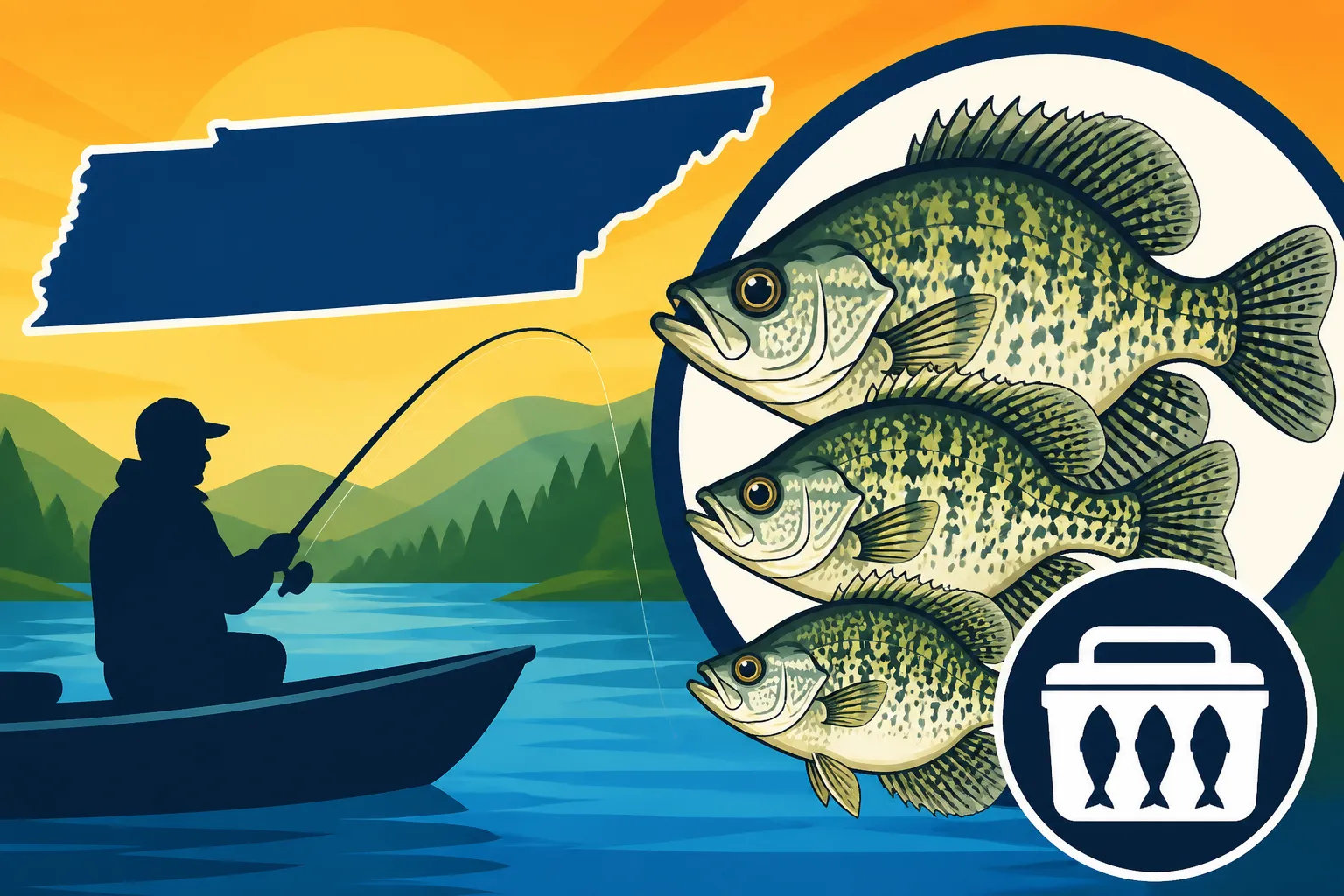
Let's start with the basic numbers. Across most of Tennessee’s public waters, the daily creel limit for crappie – both black crappie and white crappie combined – is a generous 20 fish per angler. This means that from the moment you start fishing until the end of your day, you can legally harvest up to 20 crappie. This limit is designed to allow anglers to enjoy a productive day while still protecting the overall crappie population from overharvesting.
It's important to remember that this is a daily limit. If you fish on Monday and keep 20 crappie, and then go out again on Tuesday, you are allowed another 20 crappie on Tuesday. However, this isn't a license to accumulate an unlimited number of fish over several days if you're not properly storing them or abiding by any potential possession limits, though Tennessee's regulations primarily focus on daily take. For most folks enjoying a weekend trip, the 20-fish daily limit provides plenty of opportunity to bring home a good mess for dinner.
Understanding the Size Restriction: Only 5 Over 12 Inches
Here’s where it gets a little more nuanced, and where many anglers can get confused. While you can keep 20 crappie per day, there's a specific size restriction that applies to a portion of that catch: only five of your 20 crappie may be 12 inches or longer. This means that if you catch 20 crappie, at least 15 of them must be under 12 inches. You can't keep 10 crappie that are all 13 inches long, even if your total count is below 20.
Imagine you're having an incredible day on Kentucky Lake, pulling in crappie after crappie. You've landed a total of 15 fish so far. Six of them are beautiful "slabs" measuring 13 or 14 inches, and the other nine are smaller, around 10 inches. According to the statewide rule, you’ve already exceeded your limit for crappie 12 inches or longer. You would need to release one of those six larger fish back into the water immediately. This specific rule, often summarized as "Crappie limit in Tennessee is 20 fish per day, only 5 of your 20 daily crappie may be over 12 inches," is critical for staying compliant. Most of your crappie catch can be any size under the 20-fish cap, as long as no more than five are at or above that 12-inch mark.
Measuring Your Catch Accurately
To comply with the size restrictions, having a reliable way to measure your fish on the water is non-negotiable. A bump board, a flat measuring device with a vertical stop for the fish's nose, is by far the most accurate tool. To measure, gently lay the crappie on its side against the bump board with its mouth closed and against the stop. Then, pinch the tail fin together to get the maximum length. This practice eliminates any ambiguity from a wiggling fish or a saggy tape measure.
It's common for anglers to encounter fish that are right on the borderline, say 11.75 inches or exactly 12 inches. In such situations, it’s always best to err on the side of caution. If it looks like it might be 12 inches or more, and you’ve already filled your quota of five larger fish, it’s safer to release it. Trying to argue with a game warden over a quarter-inch simply isn't worth the potential hassle or fine. You can easily find portable bump boards and measuring tapes on retailers like Amazon that are designed for easy use on a boat or from the bank.
Why the "Only 5 Over 12 Inches" Rule Exists
Fishing regulations aren’t just arbitrary rules designed to make your life harder. They are carefully crafted management tools, often based on extensive biological research, with the ultimate goal of ensuring healthy fish populations for generations of anglers to enjoy. The specific crappie limit in Tennessee, with its distinct size restriction, is a prime example of this scientific approach to fishery management.
Protecting the Crappie Fishery for the Future
The primary reason for limiting the number of larger crappie an angler can keep is to protect the species' breeding stock. Generally, larger, older fish are often the most prolific spawners, contributing significantly more eggs to the population than smaller, younger fish. By limiting the harvest of these larger "brood stock" crappie, the Tennessee Wildlife Resources Agency (TWRA) ensures that there are enough healthy, mature fish left in the lakes and rivers to reproduce successfully each year. This helps maintain a robust population that can withstand natural fluctuations and fishing pressure.
Imagine a situation without this rule: if anglers were allowed to keep an unlimited number of large crappie, over time, the average size of fish in the lake could decrease, and the overall reproductive capacity of the population might suffer. This is the underlying principle behind why Tennessee caps large crappie separately from the overall daily limit – it’s about long-term sustainability.
Promoting a Balanced Population Structure
Beyond simply protecting breeders, the size restriction also plays a vital role in promoting a balanced age and size structure within crappie populations. Crappie can sometimes "stunt" in certain bodies of water if there's an overabundance of small fish and not enough food or natural predators to keep their numbers in check. When too many small crappie compete for limited resources, none of them grow to a desirable size, leading to a lake full of small, unhealthy fish.
By encouraging anglers to keep smaller crappie (up to 15 of them, as long as they are under 12 inches), the regulation helps thin out these smaller year classes. This reduces competition for food, allowing the remaining crappie to grow faster and reach larger sizes, ultimately leading to a healthier, more vibrant fishery with a wider range of sizes available to anglers. It’s a delicate ecological balance that these regulations aim to support.
The Role of the TWRA in Setting Limits
These regulations aren't pulled out of thin air. The Tennessee Wildlife Resources Agency (TWRA) employs a team of fisheries biologists who continuously monitor the health of crappie populations across the state. They conduct surveys, study growth rates, assess spawning success, and analyze angler harvest data. This extensive research informs the decisions about daily limits, length restrictions, and any lake-specific rules.
The TWRA's goal is always to provide quality fishing opportunities while safeguarding the resource. They hold public meetings and gather input from anglers, but ultimately, the limits are set based on the best available science to ensure sustainable and enjoyable fishing for everyone. Understanding that these rules are based on sound biological principles can help anglers appreciate their importance rather than viewing them as arbitrary obstacles.
Lake-Specific Exceptions and Special Regulations
While Tennessee has a statewide crappie limit that applies to most waters, it’s crucial to understand that not every lake or river follows these exact rules. In fact, many popular fishing destinations across the state have their own unique regulations that supersede the general guidelines. Failing to check these localized rules is one of the quickest ways to find yourself in hot water with a game warden.
When Statewide Rules Don't Apply
It can be a real headache to keep up with all the different nuances, especially if you like to explore various fishing spots. However, the truth is, the statewide crappie limits are indeed the default, but not a guarantee on every Tennessee lake. The Tennessee Wildlife Resources Agency (TWRA) will often implement special regulations on specific bodies of water to address unique ecological conditions, fishing pressure, or conservation goals for that particular fishery. This means that a lake with its own posted rules takes priority over standard limits, and it's your responsibility to know them.
For example, you might be fishing on Percy Priest Lake near Nashville, which typically adheres to statewide crappie regulations, and then decide to take a trip a few hours west to Reelfoot Lake. If you don't check, you might assume the 20-fish, 5-over-12-inch rule applies to Reelfoot, but you'd be mistaken. This highlights why it's so important to be proactive; Always check a specific lake's regulations before your first cast.
Notable Lake-Specific Crappie Rules
Reelfoot Lake is perhaps the most famous example of a Tennessee lake with significantly different crappie regulations. Known for its unique cypress tree ecosystem and legendary crappie fishing, Reelfoot operates under its own distinct set of rules:
- White Crappie: There is no length limit for white crappie on Reelfoot Lake, but the daily creel limit is 30 fish.
- Black Crappie: For black crappie, there's a 10-inch minimum length limit, and the daily creel limit is 15 fish.
- Combined Limit: The total daily crappie creel limit (white and black crappie combined) cannot exceed 30 fish, with no more than 15 of those being black crappie.
These rules are a stark contrast to the statewide limits and demonstrate how dramatically regulations can vary. While many other major reservoirs, such as Kentucky Lake and Chickamauga Lake, generally follow the statewide regulations for crappie, it’s not unheard of for temporary or specific regulations to be put in place. Always verify. This concept also extends to other species, as seen in Lake-Specific Fishing Rules That Override Tennessee's Statewide Limits for bass or trout.
How to Stay Informed About Regulation Changes
Staying informed is simpler than it might seem, thanks to resources provided by the TWRA. The absolute best place to find the most current and accurate information is the official TWRA Fishing Guide. This guide is updated annually and details all statewide and site-specific regulations for all species. You can pick up a physical copy at most TWRA offices, bait and tackle shops, and some sporting goods stores like those found on Amazon.
In addition, the TWRA website offers a digital version of the guide, which you can easily access on your smartphone while on the water. They also have an app, sometimes, that can provide quick access to information. Before every trip to a new lake or even a familiar one, take five minutes to quickly reference the latest guide, especially the specific section for crappie. This small effort can save you a lot of headache and potential fines, ensuring your Tennessee Fishing Rules Every Angler Should Know are always up to date.
Avoiding Penalties and Fishing Legally
Nobody wants a great day of fishing to turn sour because of a violation. The good news is that avoiding penalties for crappie limit infringements is entirely within your control. It comes down to understanding the rules, being prepared, and exercising a little bit of caution and good judgment while on the water.
The Consequences of Violating Crappie Limits
Let’s be honest: the thought of a game warden checking your cooler can make anyone a little nervous, especially if you’re unsure about the rules. Violating crappie limits, whether it’s exceeding the daily creel or keeping too many oversized fish, can lead to real consequences. These can range from significant fines to the confiscation of your entire catch. In more severe or repeated cases, you could even face the loss of your fishing privileges for a period, which is a devastating blow for any passionate angler.
Tennessee’s game wardens are highly trained and dedicated professionals. They are out on the water regularly, not just looking for trouble, but ensuring the health of the state's natural resources and fair play among anglers. They take these regulations seriously because they are vital for conservation. Just like there are Penalties for Fishing Without a License in Tennessee, there are strict repercussions for violating catch and size limits, and ignorance of the law is rarely accepted as an excuse. It's always better to be safe than sorry.
Best Practices for Measuring and Sorting Your Catch
The key to avoiding violations with size limits is to measure as you catch. Don't wait until you're back at the boat ramp or cleaning station. Keep a reliable measuring device, like a bump board or a firm tape measure, readily accessible in your boat or tackle box. As soon as you land a crappie, measure it. If it's 12 inches or longer, and you've already kept five such fish, you must immediately release it. If it’s under 12 inches, and you still need to fill your 20-fish limit, then it can go into the livewell or cooler.
It's also a good idea to have a plan for how you’ll handle your catch. Some anglers use a separate stringer or basket for crappie over 12 inches to easily keep track of their count. Others simply measure and decide on the spot. If you’re practicing catch and release for larger fish, do so quickly and carefully to maximize their survival rate. Keeping fish alive in a good livewell until you've sorted them can also be helpful, allowing you to make final decisions before heading in.
Always Carry Your Regulations and License
This might sound old-fashioned in our digital age, but having a copy of the current Tennessee Fishing Guide with you is an excellent practice. Whether it’s a physical booklet you picked up at a bait shop or a downloaded PDF on your phone, quick access to the regulations can clear up any doubts you might have on the spot. Many anglers find a laminated, waterproof copy or a quick reference card particularly useful, and these can sometimes be found or ordered through online stores like Amazon.
Of course, alongside the regulations, you must always carry your valid A Complete Guide to Fishing Licenses in Tennessee. In Tennessee, you can carry a digital version of your license on your smartphone, or a printed copy. Whichever method you choose, make sure it’s easily accessible. The game warden isn't looking to ruin your day, but they are obligated to enforce the law, and being prepared with your license and knowledge of the rules makes their job, and your fishing experience, much smoother.
Strategic Crappie Fishing Within the Rules
Fishing within the legal limits doesn’t mean you have to sacrifice the thrill of the chase or the satisfaction of bringing home a meal. In fact, understanding the regulations can help you become a more strategic and successful crappie angler, allowing you to tailor your techniques and goals to both personal enjoyment and responsible conservation.
Targeting Different Size Classes of Crappie
The "5 over 12 inches" rule encourages a thoughtful approach to crappie fishing. If your primary goal is to fill your daily limit of 20 crappie for the dinner table, you might focus on areas known to hold abundant numbers of smaller, pan-sized fish. These often include shallower brush piles, docks, or even open water schools where younger crappie congregate. Using smaller jigs, lighter line, and delicate presentations can be very effective for these smaller fish, helping you quickly accrue your numbers while adhering to the size limit.
Conversely, if you're chasing those elusive "slab" crappie, the ones that push the 12-inch mark and beyond, you know you're limited to five. This means your approach might shift. You might target deeper structure, isolated cover, or specific spots where larger, more mature crappie tend to ambush prey. Using slightly larger baits or different jigging techniques for crappie can sometimes help you select for bigger fish, although it's never a guarantee. This strategic mindset adds an extra layer of challenge and reward to your fishing.
Catch and Release for Conservation and Compliance
Even if you're allowed to keep 20 crappie, practicing catch and release, especially for fish you don't intend to eat or those that are borderline on the size limits, is a fantastic way to contribute to conservation. Proper catch and release techniques are crucial: use barbless hooks when possible, handle fish gently with wet hands, and release them quickly back into the water. Avoid excessive air exposure, particularly during warmer months when How Water Temperature Affects Fish Activity can make fish more susceptible to stress.
Making informed decisions about what to keep and what to let go means considering not just the legal limit, but also your actual needs. Do you really need 20 crappie for your family, or would 10 or 12 be sufficient? By releasing fish you don't need, you ensure they can continue to grow, spawn, and provide future angling opportunities. This personal choice beyond the legal minimum is what true sportsmanship is all about.
Maximizing Your Crappie Fishing Experience
Ultimately, the goal of fishing is enjoyment and connection with nature. Understanding crappie limits allows you to relax and fully immerse yourself in the experience, rather than constantly worrying about regulations. Explore different Best Crappie Fishing Lakes in Tennessee to see how crappie populations and regulations might vary, offering new challenges and insights into crappie behavior. From the vast waters of Chickamauga Lake to the quieter coves of Percy Priest Lake, each body of water offers a unique crappie experience.
Consider broadening your horizons beyond just harvesting. Focus on perfecting your technique, like exploring different crappie jigging techniques explained, or finding new spots. Share your knowledge with others, especially newer anglers or kids, teaching them not just how to fish, but how to fish responsibly and ethically. Carrying a durable measuring tape or a small scale, perhaps one purchased conveniently from Amazon, can add to the fun of weighing and measuring your biggest catches before release. By embracing both the challenge and the responsibility, you'll maximize your crappie fishing experience in Tennessee for years to come.
Tennessee Crappie Limits at a Glance
For quick reference, here's a summary of the general crappie limits in Tennessee. Remember, always consult the current TWRA Fishing Guide for specific lake regulations before you head out.
| Regulation Type | Statewide Crappie Limit | Reelfoot Lake (Example Exception) |
|---|---|---|
| Daily Creel Limit (Total Crappie) | 20 fish (Black & White combined) | 30 fish (Black & White combined) |
| Crappie 12 inches or longer | Only 5 of the 20 fish allowed | Not applicable for White Crappie |
| Minimum Length Limit (White Crappie) | None (must be under 12" if > 5 fish) | None (part of 30 fish total) |
| Minimum Length Limit (Black Crappie) | None (must be under 12" if > 5 fish) | 10 inches minimum |
| Black Crappie Creel Limit | Part of 20 fish total | 15 fish (part of 30 fish total) |
Please note: This table is for illustrative purposes. Reelfoot Lake's specific rules are a significant departure from statewide, and other specific waters may have their own unique regulations as well. Always refer to the most current TWRA Fishing Guide.
Disclaimer
Always check the most current Tennessee Wildlife Resources Agency (TWRA) fishing regulations before engaging in any fishing activity. Regulations can change seasonally and vary by specific water body. This guide provides general information and should not be used as the sole source for legal compliance.