Always check a specific lake’s regulations before your first cast
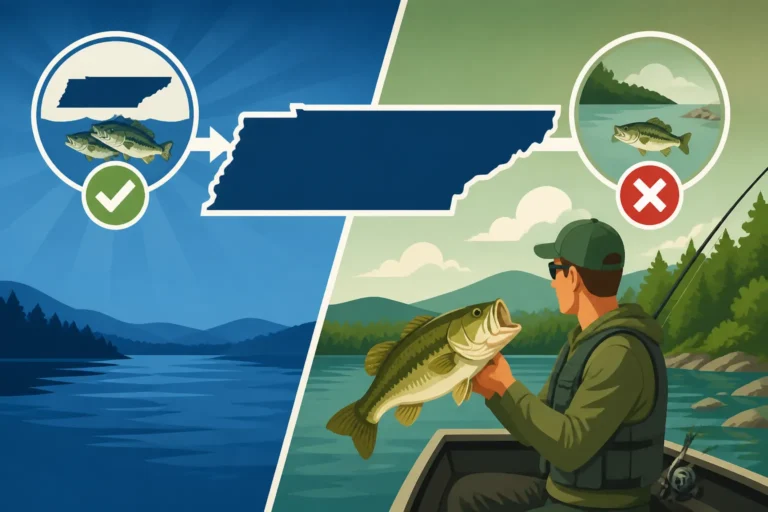
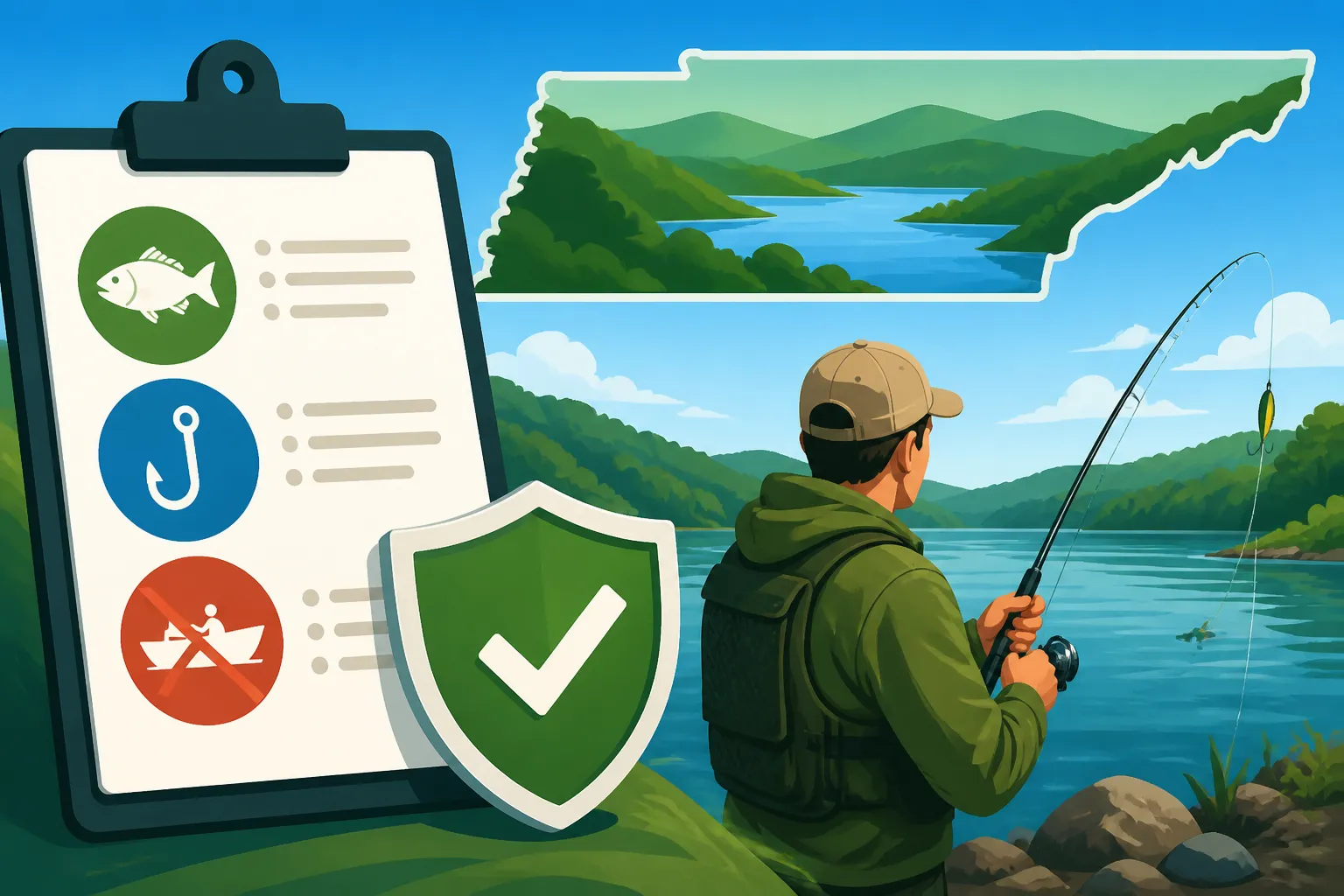
It's easy to assume that once you've got your Tennessee fishing license and glanced at the general statewide regulations, you're good to go anywhere in the state. However, that assumption could land you in hot water faster than a runaway jon boat. The truth is, many of Tennessee's incredible lakes, rivers, and streams have their own specific rules that override the general guidelines, and failing to check them can lead to frustration, disappointment, and even penalties. This comprehensive guide will walk you through why these localized rules exist, how to find them, and what to look for before you ever make your first cast.
The Unspoken Rule: Why Every Angler Needs to Check Local Regulations
For many anglers, the idea that every single body of water might have its own unique set of fishing rules can feel overwhelming, or even unnecessary. After all, if the state has a comprehensive guide, shouldn't that be enough? The reality is far more nuanced, and these lake-specific regulations are put in place for very good, often critical, reasons. They're not there to confuse you; they're there to protect the fishery and enhance your fishing experience in the long run.
Unique Ecosystems and Conservation Needs
Tennessee is a state blessed with an incredible diversity of aquatic environments. From the deep, clear waters of Norris Lake to the sprawling, nutrient-rich expanse of Kentucky Lake, and the cypress-filled swamps of Reelfoot Lake, each body of water is a world unto itself. These unique characteristics mean that fish populations behave differently, grow at different rates, and face distinct pressures. A uniform statewide regulation might work well for one type of lake, but could be detrimental to another.
For instance, a trophy bass lake like Chickamauga Lake might have very strict slot limits or size restrictions designed to protect its larger, older fish and ensure future generations of lunkers. This is a common strategy where the goal is to cultivate a specific quality fishery. Conversely, a smaller reservoir might have more liberal harvest limits on certain panfish species if they are overpopulated, and a reduction in their numbers is actually beneficial for the overall health of the ecosystem. These tailored rules are direct responses to the specific biological and ecological needs of that particular body of water, making it crucial to understand Lake-Specific Fishing Rules That Override Tennessee's Statewide Limits.
Management Goals for Specific Fisheries
Beyond the natural ecosystem, the Tennessee Wildlife Resources Agency (TWRA) actively manages many of Tennessee's fisheries with specific goals in mind. These goals might include creating a trophy fishery for a particular species, enhancing a put-and-take trout program, or simply maintaining a healthy, balanced population for recreational harvest. To achieve these goals, different rules are often necessary.
Consider a lake known for its excellent crappie fishing. If monitoring shows that anglers are consistently harvesting too many large crappie, the TWRA might implement a new length limit, such as a 10-inch minimum, or reduce the daily creel limit to ensure that more fish reach a desirable size and have a chance to reproduce. This proactive management helps to sustain the fishery, ensuring that anglers can continue to enjoy productive fishing for years to come. These management decisions are data-driven, based on biological surveys, angler creel surveys, and local input, all aimed at optimizing the fishing experience for everyone involved. Without these targeted regulations, some of our favorite fishing spots could quickly decline in quality.
Decoding the Details: Where to Find Lake-Specific Rules
You're convinced that checking local regulations is a must – great! Now, the big question is, where do you find these elusive, lake-specific details? It’s not always as simple as a single web search, but with a little know-how, you can quickly become an expert at digging up the crucial information. Don't wait until you're on the water to realize you're unsure about the rules; that's when mistakes happen.
Official TWRA Resources Online
The absolute best and most up-to-date source for all Tennessee fishing regulations, including those specific to certain lakes, is the official Tennessee Wildlife Resources Agency (TWRA) website. They publish an annual fishing guide that details all statewide regulations, but critically, it also contains specific sections outlining exceptions and special regulations for individual lakes, rivers, and streams. You'll find these typically listed under sections dedicated to "Special Regulations" or by navigating to individual lake profiles.
It's highly recommended to bookmark the TWRA fishing guide page on your phone or even download a PDF copy before heading out. This digital guide is incredibly helpful, much like how you might use the online resources for How to Buy or Renew a Tennessee Fishing License Online. While a physical copy is often available at sporting goods stores and TWRA offices, the online version is usually the first to be updated with any mid-season changes, though these are rare. Make it a habit to glance at it right before any trip to a new body of water or even one you haven't fished in a while.
Local Bait Shops and Marinas
Beyond the official online sources, local bait shops and marinas are invaluable hubs of information for anglers. The folks working at these establishments are often avid local fishermen themselves, and they live and breathe the local waters. They're usually the first to know about any changes to regulations, special conditions, or even just what’s biting where.
Many bait shops will have printed copies of the current TWRA fishing guide, and sometimes even specific handouts or flyers detailing rules for nearby lakes. More importantly, they can offer real-world advice and clarify any confusing regulations. Don't hesitate to strike up a conversation! If you're planning a trip to a major fishery like Chickamauga Lake, stopping at a local tackle shop like Harrison Bay Tackle or Hiwassee Tackle can provide a wealth of insight into not only the regulations but also the current fishing patterns. You might even find specialized fishing guides or maps for specific lakes on platforms like Amazon that compile this type of information.
On-Site Signage
While less comprehensive than the official guide, on-site signage at boat ramps, public access points, and some state park fishing areas can also provide critical, immediate information. These signs are often placed precisely because the rules at that specific location differ from the statewide standard.
When launching your boat at a ramp on, say, Dale Hollow Lake, take a moment to scan any posted signs. They might quickly remind you of a special length limit for smallmouth bass or a specific restriction on live bait use in that particular section of the lake. While you should never rely solely on these signs, as they can sometimes be missed or outdated, they serve as an excellent last-minute check and a valuable supplement to your pre-trip research. Combining all these sources—the official TWRA guide, local experts, and on-site reminders—gives you the most complete picture of the rules for your chosen fishing destination.
Common Differences You'll Encounter on Tennessee Waters
When we talk about "lake-specific rules," what exactly are we referring to? It's not just some vague, theoretical concept; these differences manifest in very concrete ways that directly impact how you can fish. Understanding the types of regulations that commonly vary will help you know what to look for and avoid any accidental violations. It's often these subtle shifts that trip up even experienced anglers.
Size and Creel Limits
This is perhaps the most common area where lake-specific rules diverge from statewide regulations. While the general Statewide Bass Limits for Tennessee Anglers might set a certain number of fish you can keep and a minimum size, a specific lake might have entirely different numbers. This is also true for other popular species like crappie and trout.
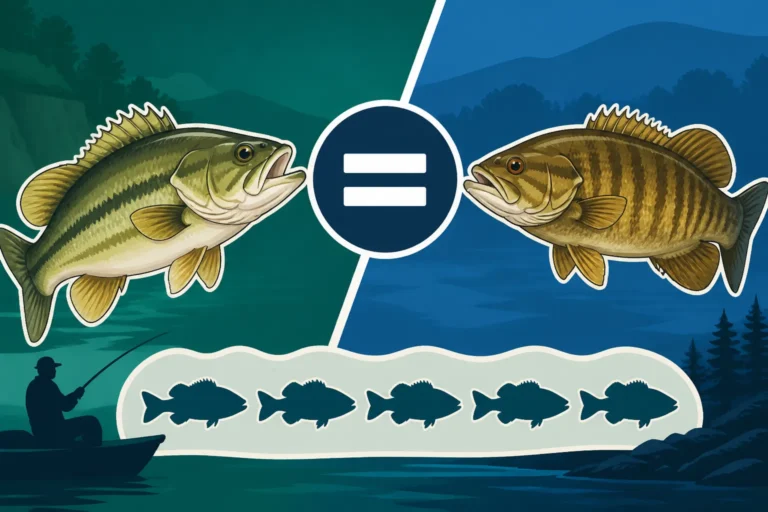
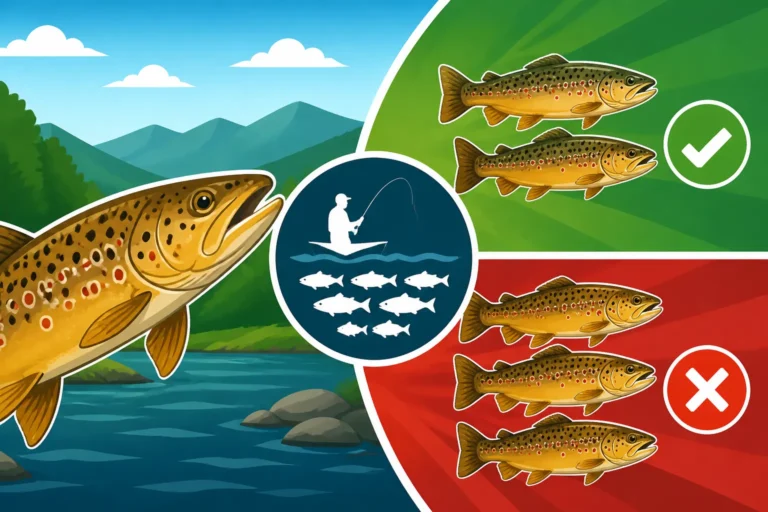
For example, statewide, the largemouth bass limit might be 5 fish with only one over 18 inches. But on a lake like Dale Hollow, known for its smallmouth, you might find a unique slot limit where you can only keep smallmouth bass under 16 inches and one over 21 inches, with none allowed in between. Or, on Watts Bar Lake, you might find no length limit at all for bass, but still a creel limit of 5 fish. Similarly, Crappie Limits Under Tennessee Fishing Rules typically allow 20 fish per day with only 5 over 12 inches, but a particular lake might have a tighter 15-fish limit with no size restriction or a strict 10-inch minimum. These variations are designed to manage the unique population dynamics of each body of water.
| Fish Species | Statewide Default (Example) | Dale Hollow Lake (Example) | Watts Bar Lake (Example) | Chickamauga Lake (Example) |
|---|---|---|---|---|
| Largemouth Bass | 5 per day, only 1 over 18" | 5 per day, only 1 over 16" | 5 per day, no length limit | 5 per day, only 1 over 18" |
| Smallmouth Bass | 5 per day, only 1 over 16" | 2 per day, (1 under 16", 1 over 21", no fish 16-21") | 5 per day, no length limit | 5 per day, only 1 over 16" |
| Crappie | 20 per day, only 5 over 12" | 15 per day, no length limit | 20 per day, no length limit | 15 per day, 10" minimum |
| Trout (Mar-Sep) | 7 per day (max 2 brown) | Catch & Release (Specific Areas) | 7 per day (max 2 brown) | N/A (Warmwater) |
Note: These are examples for illustrative purposes; always check the current official TWRA regulations for the most up-to-date and accurate information.
Gear and Bait Restrictions
Another area of common variation involves the type of gear and bait you're allowed to use. While most public waters in Tennessee permit a wide range of fishing methods, certain sensitive areas or specific management zones may have restrictions. This is particularly true for trout waters or designated Wildlife Management Area Fishing Rules in Tennessee.
For instance, some designated "trophy trout" streams, especially those in the eastern part of the state or managed under specific Tennessee Trout Fishing Season Explained programs, might be designated as "artificial lure only" or "fly fishing only" waters, or even have "single-hook" restrictions. This is often done to promote catch-and-release practices and reduce harm to the fish. Other areas might prohibit the use of live bait, especially minnows, to prevent the introduction of invasive species or diseases that could harm native fish populations. Always check if you're planning to use anything beyond standard rod-and-reel with common lures. Even simple details like the number of rods you can fish simultaneously can sometimes be limited on specific, smaller bodies of water.
Seasonal or Time-of-Day Limitations
While less frequent for general fishing, some lakes or specific sections of rivers might have seasonal or even time-of-day restrictions. This is most often seen in areas that are managed for specific purposes, such as certain spawning grounds or areas adjacent to wildlife refuges.
A particular cove, for example, might be closed to fishing during a specific period of the spring to protect spawning bass or crappie. Other areas might have night fishing restrictions, or closures during certain hunting seasons if the fishing access overlaps with sensitive wildlife habitat. Always be aware of any signs indicating limited access hours or seasonal closures, especially if you're exploring lesser-known spots or areas that are part of a larger wildlife management complex. These rules are designed to balance angler access with the needs of the fish and other wildlife.
The Repercussions of Ignoring Local Fishing Rules
It’s tempting to think that a minor oversight won't matter, or that game wardens are only looking for major violations. But ignoring specific lake regulations, even unintentionally, can lead to a host of unpleasant consequences that are far from minor. Beyond the legal ramifications, there are broader impacts that affect the very resources we cherish.
Fines and Penalties
Let’s be direct: if a Tennessee game warden catches you violating a regulation, even a lake-specific one you didn’t know about, you are subject to fines and penalties. Ignorance of the law is generally not an excuse. The exact fine can vary depending on the severity of the violation, the species involved, and whether it’s a first offense. These fines can range from a nuisance to a significant financial burden. For example, being caught with an undersized bass or over your creel limit on a regulated lake can result in a ticket that quickly sours your entire fishing trip.
The state takes its conservation efforts seriously, and game wardens are trained to enforce all regulations, statewide and local. For a more detailed look at potential repercussions, you might want to read up on What Happens if a Tennessee Game Warden Catches You Without a License, as the principle of enforcement applies equally to other violations. It’s far better to spend a few minutes researching than to spend your hard-earned money on a fine. Carrying proof of your license, whether digital on your phone or a printed copy, is also crucial, as is having access to the regulations.
Conservation Impact
Beyond the personal legal and financial penalties, violating lake-specific rules has a very real, negative impact on the fishery itself. These rules are crafted by biologists and fisheries managers to sustain healthy fish populations and ensure the long-term viability of fishing opportunities. When anglers disregard these rules, even small-scale, individual violations can accumulate and undermine crucial conservation efforts.
For instance, if too many anglers keep smallmouth bass outside of a specific slot limit on Dale Hollow, it can deplete the breeding stock, leading to fewer and smaller fish in the future. Similarly, using unauthorized bait in a sensitive trout stream could introduce disease or compete with natural food sources, harming the delicate ecosystem. Every fish harvested illegally, or every regulation ignored, is a step backward for the collective goal of preserving Tennessee's rich aquatic resources. Our ability to fish for species like Tennessee's Official State Fish: Channel Catfish and Smallmouth Bass depends on everyone playing by the rules.
Loss of Fishing Privileges
For serious or repeated offenses, the consequences can extend beyond just fines. Anglers might face the suspension or revocation of their fishing license, meaning you could be prohibited from fishing in Tennessee waters for a period of time. This is a severe penalty for anyone who loves spending time on the water, and it can be a real wake-up call. While this is typically reserved for more egregious violations, such as repeated disregard for limits or serious poaching, it highlights the importance of taking all regulations seriously.
Imagine having all your gear, your boat, and the perfect fishing spot, only to find out you can't use them because your privileges have been revoked. It's a harsh reality that emphasizes the responsibility each angler bears to understand and follow the rules. This commitment to responsible angling ensures that Tennessee's waters remain vibrant, productive, and enjoyable for generations to come.
Disclaimer
The information provided in this guide is for general informational purposes only and is not intended as legal advice. Fishing regulations in Tennessee are subject to change by the Tennessee Wildlife Resources Agency (TWRA). While every effort has been made to ensure accuracy, anglers are solely responsible for checking the most current and official TWRA fishing regulations before participating in any fishing activity. Always refer to the latest TWRA Fishing Guide or visit their official website for the most up-to-date and binding information.