Tennessee’s Official State Fish: Channel Catfish and Smallmouth Bass
It's easy to get excited about fishing in Tennessee, whether you're a lifelong local or just visiting our beautiful state. But sometimes, especially for newcomers, there's a little confusion around what fish truly represent our waters. Many states have just one official fish, but here in Tennessee, we honor two distinct and equally beloved species that perfectly embody the incredible diversity of our aquatic environments. This comprehensive guide will clear up any lingering questions and dive deep into the fascinating world of Tennessee's official state fish: the feisty Smallmouth Bass and the resilient Channel Catfish. We'll explore why these two were chosen, how to identify them, where to find them, and the best ways to catch them, ensuring you're ready for your next adventure on our lakes and rivers.
A Tale of Two State Fish: Why Tennessee Has Two Official Icons
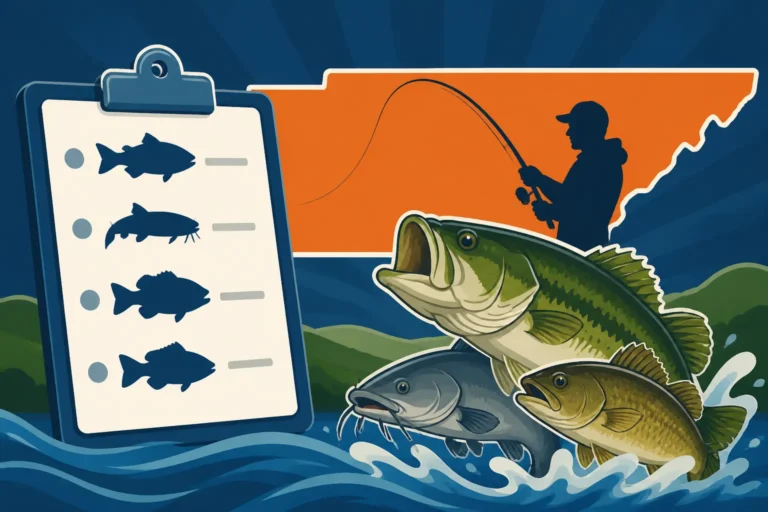
It might seem a bit unusual for a state to have two official state fish, but when you consider Tennessee's incredible variety of waterways, it makes perfect sense. From the cold, clear mountain streams of the Appalachians to the vast, winding lowland rivers and massive reservoirs, our state offers a kaleidoscope of fishing experiences. No single fish could truly represent such a broad spectrum of habitats and angling cultures. So, in its wisdom, Tennessee chose two species that, together, tell a more complete story of our natural heritage and the passion for fishing that runs deep in our communities.
The Smallmouth Bass: King of the Clear Waters
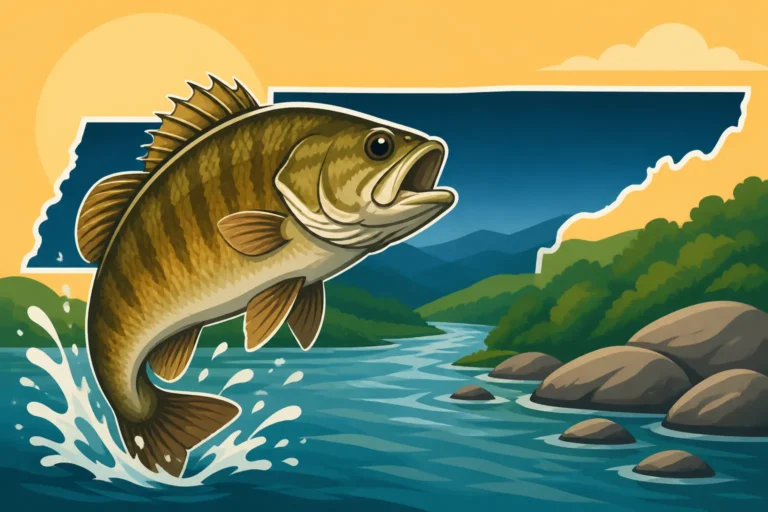
The Smallmouth Bass (Micropterus dolomieu) holds a special place in the hearts of many Tennessee anglers, particularly those who frequent our clearer lakes and rushing rivers. It was officially recognized as one of Tennessee's state fish, and for good reason. This species is renowned for its incredible fighting spirit, offering an exhilarating challenge on the end of a line. When you hook into a smallmouth, especially in current, be prepared for acrobatics and powerful runs. They're often found in pristine, oxygen-rich waters, making them a symbol of the natural beauty and ecological health of our more rugged fishing grounds.
Imagine standing in the cool, clear waters of a river like the Caney Fork or the Clinch, casting your line towards a rocky outcropping. The anticipation builds as you retrieve your lure, knowing that a bronze bomber could erupt from the depths at any moment. That explosive strike, followed by a dogged fight, is what keeps anglers coming back for more. It's a fish that demands skill and respect, and its presence signals a healthy, vibrant ecosystem. The smallmouth represents the wilder side of Tennessee fishing, the pursuit of a true sport fish in breathtaking surroundings.
The Channel Catfish: Deep Water Dynamo
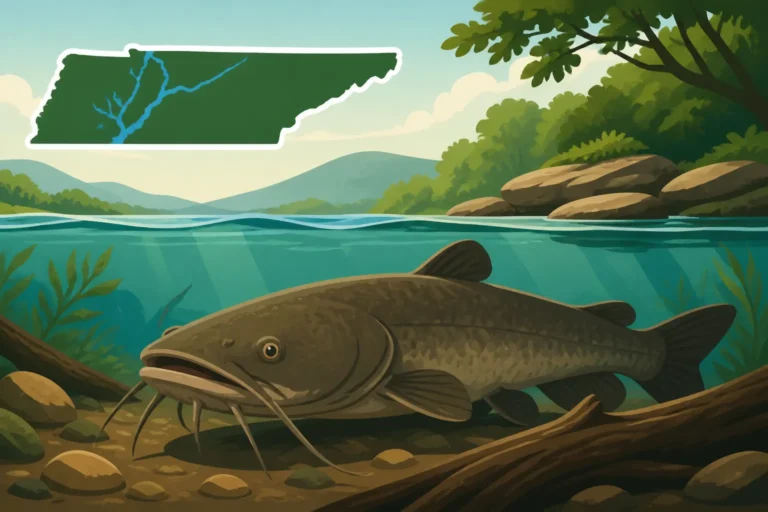
On the other side of the spectrum, we have the Channel Catfish (Ictalurus punctatus), Tennessee's other official state fish. This choice reflects the more accessible, diverse, and often bountiful fishing opportunities found in the state's warmer, often murkier, and larger bodies of water. The channel catfish is a staple for both sport and table fare, known for its widespread distribution, impressive size potential, and delicious meat. While it might not offer the same acrobatic fight as a smallmouth, a big channel cat can put a serious bend in your rod and test your tackle.
Think about a warm summer evening spent on the banks of the Tennessee River or Kentucky Lake, a lantern casting a glow over your fishing setup. The air is still, save for the hum of insects, and then your bell rings, or your rod tip dips sharply. Pulling in a solid channel catfish is a thrill, whether it's a feisty "eater" or a true trophy. They are a beloved species for family outings, providing consistent action and a delicious reward at the end of the day. The channel cat represents the widespread availability and enjoyment of fishing across Tennessee, embodying a different, yet equally cherished, aspect of our angling tradition.
Getting to Know the Smallmouth Bass (Micropterus dolomieu)
If you're heading out to target smallmouth in Tennessee, it's really helpful to know what you're looking for, not just to identify your catch but also to understand its preferences. Smallmouth bass are truly distinctive and often preferred by anglers who love a good fight and enjoy exploring varied, often wilder, terrains. Tennessee Smallmouth Bass Fishing Season offers plenty of opportunities to catch them throughout the year, but knowing their habits makes all the difference.
Identifying a Smallmouth Bass
Sometimes, especially for beginners, telling a smallmouth apart from its cousins, the largemouth or spotted bass, can feel like a real head-scratcher. But once you know what to look for, it becomes much easier. Smallmouth bass typically have a brownish-bronze to yellowish-green coloration on their sides, often with vertical bars or mottled patterns rather than a distinct horizontal stripe. These patterns can change depending on their habitat, with fish from darker waters often appearing darker themselves.
The most defining feature, and the one that gives them their name, is their mouth. When its mouth is closed, the jawline of a smallmouth bass will typically not extend past the center of its eye. This is a key differentiator from the largemouth bass, whose jaw extends well past the eye. Their dorsal fin, the one on top, usually appears as a single, continuous fin with a slight dip in the middle. Unlike the largemouth, smallmouth bass often have clear or slightly yellowish eyes. They also tend to have smaller scales than largemouths, giving them a smoother appearance. If you're ever in doubt, just check that jawline – it's the simplest way to confirm your catch. For more on distinguishing between species, you might find How to Identify a Largemouth Bass in Tennessee helpful.
Preferred Habitat and Behavior
Smallmouth bass are particular about their living conditions. They absolutely thrive in cooler, clearer waters with rocky bottoms, gravel, and submerged timber. You won't typically find them lurking in thick vegetation like largemouth bass. Instead, they prefer current and structure, using rocks, boulders, and logs as ambush points for prey. Think of them as the river and deep-lake specialists.
In rivers, they'll hold in eddies, behind current breaks, or along rocky ledges where the water flows but isn't too turbulent. In lakes and reservoirs, they gravitate towards deep points, humps, ledges, and rocky shorelines, especially areas exposed to wind and wave action that stirs up baitfish. Their diet consists mainly of crayfish, insects, and smaller fish like minnows and shad. They're opportunistic feeders and will strike at a variety of presentations. Knowing this helps you understand where to cast your line. During colder months, they often retreat to deeper water, becoming less active but still catchable, while in spring, they move shallower for the spawn.
Prime Fishing Spots for Smallmouth
Tennessee is truly blessed with fantastic smallmouth bass fishing opportunities. If you're looking to tangle with one of these bronze beauties, you've got options from east to west. Many of our major reservoirs, particularly those with deep, clear water and rocky structures, are prime smallmouth territory.
For river smallmouth action, places like the Cumberland River are legendary. Here, the current and rocky bottoms create ideal conditions for smallmouth to thrive. You can find them lurking around bridge pilings, submerged logs, and sharp bends in the river. Other fantastic river systems include the Elk River and parts of the Tennessee River system, especially areas with good current and rock features. In terms of reservoirs, Dale Hollow Lake, on the border with Kentucky, is world-renowned for its trophy smallmouth. Its deep, clear waters and abundant forage make it a bucket-list destination. Norris Lake, with its stunning clear waters and rocky shores, is another jewel for smallmouth enthusiasts. Other notable spots include Center Hill Lake and parts of Percy Priest Lake near Nashville. Exploring these areas, especially those with significant rock formations and healthy current, will increase your chances significantly. Don't forget to check out Best Rivers for Smallmouth Bass Fishing in Tennessee for more specific locations.
Understanding the Channel Catfish (Ictalurus punctatus)
Moving on to Tennessee's other official state fish, the Channel Catfish is a ubiquitous and incredibly popular species across the state. They are a fantastic fish for anglers of all skill levels, from kids with cane poles to seasoned pros using specialized gear. Their widespread distribution and willingness to bite make them a reliable target, and their culinary value is undeniable.
Identifying a Channel Catfish
Identifying a channel catfish is usually pretty straightforward, but it's good to know the key features to distinguish it from other catfish species, like blue cats or flatheads, which also call Tennessee waters home. Channel cats are characterized by their sleek, elongated bodies, deeply forked tail, and often scattered dark spots on their sides (though these spots can fade with age or in certain water conditions). Their coloration typically ranges from olive-brown to slate-blue on the back, fading to silvery-white on the belly.
The most distinctive feature, besides the spots and forked tail, is the number of barbels (whiskers) around their mouth. Channel catfish have eight barbels: two on the upper jaw, four on the chin, and two on the lower jaw. Their heads are relatively small compared to their bodies. Contrast this with a blue catfish, which has a more sloped head and no spots, or a flathead catfish, which has a distinctively flat head and a rounded tail. Knowing these differences is important not just for identification but also because different species might have different regulations or preferred baits. How to Identify Channel Catfish, Tennessee's Other State Fish provides more details, and if you're curious about the subtle differences, Channel Catfish vs Blue Catfish: How to Tell Them Apart is a great resource.
Where Channel Catfish Thrive
One of the reasons the channel catfish is so popular is its adaptability. Unlike the smallmouth, which prefers specific clear, cool, rocky habitats, channel cats are much more tolerant of varying water conditions. You can find them in virtually every major river, reservoir, and even many farm ponds across Tennessee. They can handle warmer, murkier water, and are perfectly content in slow-moving or still environments.
Channel catfish are primarily bottom feeders, using their sensitive barbels to detect food along the riverbeds and lake bottoms. Their diet is incredibly varied, including insects, crustaceans, small fish, aquatic plants, and decaying organic matter. This makes them less picky about bait, which is another reason they're such a great target for casual anglers and families. They are often more active during twilight hours and at night, especially during the warmer months, but can be caught throughout the day. Their resilience and widespread presence truly make them a fish of the people, accessible to almost everyone with a line in the water.
Top Catfish Waters in Tennessee
When it comes to prime channel catfish locations, Tennessee truly shines. They are so widely distributed that you can likely find them in almost any decent-sized body of water in the state. However, some spots are particularly renowned for their channel cat populations, offering opportunities for both numbers and size.
The entire Tennessee River system, including its numerous reservoirs, is a catfish haven. Lakes like Kentucky Lake, Chickamauga Lake, Watts Bar Lake, and Old Hickory Lake are fantastic spots. These large bodies of water offer extensive river channels, flats, and coves where channel cats congregate. Kentucky Lake Catfish Fishing Spots is particularly famous for its incredible catfish action. Percy Priest Lake near Nashville is another excellent option, offering plenty of channel cats within easy reach of a major metropolitan area. Don't overlook the smaller rivers and even larger farm ponds, many of which are regularly stocked with channel catfish. Their widespread presence means that no matter where you are in Tennessee, a good channel cat fishing spot is probably not far away.
The Significance of Having Two State Fish
The decision to designate both the Smallmouth Bass and the Channel Catfish as Tennessee's official state fish isn't just a quirky historical footnote; it's a profound statement about the state's natural heritage and the diverse passions of its angling community. It speaks volumes about the variety of our aquatic landscapes and the different ways people connect with the water.
Reflecting Tennessee's Diverse Aquatic Ecosystems
Having two state fish beautifully illustrates the remarkable ecological diversity found within Tennessee's borders. The Smallmouth Bass, with its preference for cooler, clearer, and often faster-moving water, represents the state's highland regions, its pristine mountain streams, and the deeper, rocky sections of its reservoirs. These are the waters that draw fly fishermen and those who seek a challenge in wilder settings. It’s a testament to the clean, healthy environments found in places like the Appalachian foothills and the upper reaches of our major lake systems.
Conversely, the Channel Catfish, a species that thrives in a wider range of conditions, from slow-moving rivers to large reservoirs and even farm ponds, symbolizes the expansive, productive, and often warmer waters of middle and west Tennessee. It speaks to the abundant waterways that support a different, yet equally vital, ecosystem, often characterized by more fertile soils and broader floodplains. Together, these two fish provide a living map of Tennessee's varied aquatic environments, from the clear, cold mountain runs to the vast, rich lowland lakes, showing that there’s a perfect fishing spot for every preference and every fish species imaginable.
Cultural and Recreational Importance
Beyond their ecological roles, both the smallmouth bass and the channel catfish hold immense cultural and recreational importance for Tennesseans. The smallmouth bass is the quintessential sport fish for many, inspiring dedicated anglers to spend countless hours honing their skills, chasing that elusive trophy catch. Tournaments centered around smallmouth bass are popular, and tales of epic battles with "bronzebacks" are common among fishing buddies. It embodies the thrill of the chase, the respect for a powerful adversary, and the satisfaction of mastering a challenging technique. This pursuit also supports a significant industry, from specialized fishing tackle (which you can often find through major outdoor retailers, including options available on platforms like Amazon) to guide services and fishing resorts.
The channel catfish, on the other hand, often represents a more communal and accessible aspect of fishing. It's the fish families gather to catch, the one that provides consistent action for kids, and the one that frequently ends up as the star of a fish fry. Many people grew up with fond memories of fishing for catfish with their grandparents or friends, sharing stories and laughs on the bank. Its popularity as table fare also reinforces its cultural significance, linking fishing directly to food and community traditions. Whether it's the intense focus of a smallmouth angler or the relaxed camaraderie of a catfish outing, both species weave deeply into the fabric of Tennessee's outdoor recreation and local customs, cementing their dual status as state icons.
Fishing for Tennessee's State Fish: Tips and Techniques
Now that we've gotten to know our two official state fish a little better, let's talk about how to actually catch them. Different fish require different strategies, and understanding these nuances will significantly increase your chances of success and enjoyment on the water. Make sure you're up to date on Tennessee Fishing Regulations Explained before you head out.
Smallmouth Bass Fishing Strategies
Targeting smallmouth bass is an exciting challenge that often requires a blend of finesse and power. These fish are aggressive predators, but they can also be wary, especially in clear water.
-
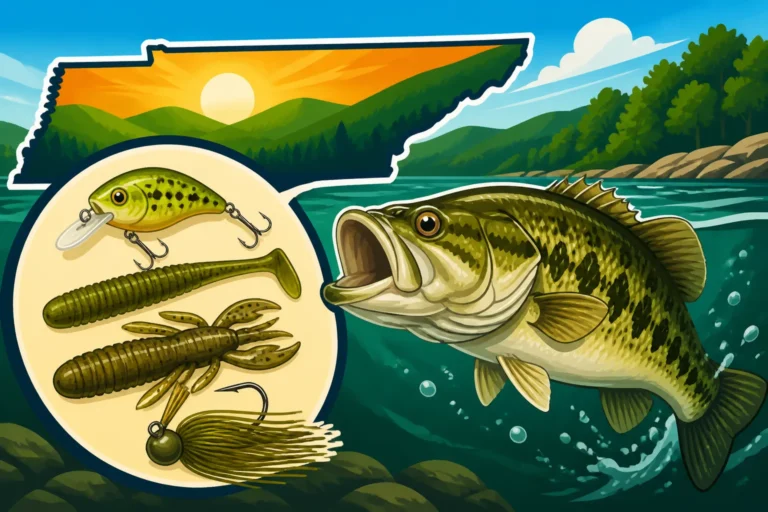
Lures and Baits: Smallmouth love artificial lures that imitate crayfish or baitfish. Popular choices include:
- Crankbaits: Small, shallow-running crankbaits in crawfish or minnow patterns are incredibly effective, especially when bumped along rocky bottoms or fished over submerged structure.
- Jigs: Tube jigs, often in greens, browns, or blacks, rigged on a leadhead are deadly for smallmouth. Skip them under docks or bounce them along rocky ledges. Hair jigs are also a fantastic, subtle option, particularly in cooler water.
- Soft Plastics: Ned rigs, shaky heads, and small finesse worms can be incredibly productive when fish are pressured or less active. Drop shot rigs are also very effective for targeting deeper smallmouth.
- Topwater: For explosive strikes, especially during low light conditions or over shallow flats, topwater lures like poppers, walking baits, and prop baits can be irresistible.
- Live Bait: Though many prefer artificials, live minnows or crayfish are always excellent choices, particularly when suspended under a float or fished on a Carolina rig.
-
Reading the Water: Pay close attention to current seams, eddy lines, rocky points, and transitions in bottom composition. Smallmouth will often hold just out of the main current, waiting to ambush prey. Look for areas with current breaks or deeper pockets near structure.
-
Seasonal Adjustments: In spring, smallmouth move shallower for spawning, making them more accessible. During summer, they often retreat to deeper, cooler water, requiring different presentations. Fall can be a feeding frenzy as they bulk up for winter, and in winter, a slow, deep presentation is usually key. Remember that How to Fish for Bass in Spring can give you specific tactics for that crucial time of year.
Channel Catfish Angling Approaches
Fishing for channel catfish is often a more relaxed affair, but it can be incredibly rewarding, especially when you hook into a true monster. They're not as picky as smallmouth, which works in your favor.
-
Baits: Channel cats are scavengers and opportunistic predators, making them receptive to a wide variety of baits.
- Cut Bait: Freshly cut pieces of shad, skipjack, or bluegill are excellent. The scent trail they leave is irresistible to catfish.
- Chicken Livers: A classic for a reason. Their strong scent and soft texture are highly attractive. Use a treble hook or thread them onto a single hook to keep them on.
- Stink Baits/Prepared Baits: Numerous commercial dip baits and punch baits are formulated specifically for catfish. These often come in paste or dough forms that you can apply to a specialized holder or sponge on your hook.
- Worms: Nightcrawlers or red wigglers are effective, especially for smaller channel cats or when fishing in ponds.
- Shrimp: Raw, peeled shrimp, especially those that have been allowed to "sour" slightly, can be very effective.
-
Rigs and Methods:
- Bottom Fishing: The most common method. Use a Carolina rig (egg sinker above a swivel, then a leader to a hook) or a slip-sinker rig. This keeps your bait on the bottom where catfish feed.
- Float Fishing: For shallower water or when targeting active fish, a slip bobber rig can be effective, suspending your bait just off the bottom or near cover.
- Trotlines and Jug Fishing: For anglers looking to set multiple lines, trotlines (a long main line with numerous baited hooks) and jug fishing (individual lines attached to floating jugs) are popular and effective methods, though they require understanding local regulations. Jug Fishing for Catfish Explained goes into more detail on this technique.
-
Location: Target deeper holes in rivers, channel edges in lakes, submerged timber, or areas with current breaks. Look for muddy or sandy bottoms where they can forage. Night fishing is often incredibly productive for channel cats, as they are primarily nocturnal feeders.
Conservation Efforts for Tennessee's Aquatic Heritage
The richness of Tennessee's fishing opportunities, encompassing both the smallmouth bass and channel catfish, is not by accident. It's the result of dedicated conservation efforts, wise management, and the responsible actions of anglers like you. Protecting our aquatic resources ensures that future generations can enjoy the same thrilling experiences we do today.
TWRA's Role in Fish Management
The Tennessee Wildlife Resources Agency (TWRA) plays a critical role in safeguarding and enhancing our state's fisheries. They are the frontline stewards of our waters, working tirelessly to ensure sustainable populations of all fish species, including our official state fish. Their work is multifaceted and vital.
The TWRA is responsible for establishing and enforcing Tennessee Fishing Season and Catch Limits, which are carefully determined through scientific research to prevent overfishing and protect spawning populations. They conduct extensive fish stocking programs, particularly for species like trout, but also to bolster populations of bass and catfish where needed. Furthermore, they monitor water quality, conduct habitat restoration projects, and manage public access points, such as boat ramps and fishing piers. Funding for many of these initiatives comes directly from the sale of fishing licenses and permits, which is why purchasing your Tennessee Fishing License Guide is so crucial. By adhering to regulations, reporting violations, and supporting the TWRA, anglers directly contribute to the health and vitality of Tennessee's aquatic ecosystems.
Angler's Role in Sustainable Fishing
While the TWRA provides the framework for conservation, individual anglers are truly the backbone of sustainable fishing. Every time we cast a line, we have an opportunity to practice responsible angling and contribute to the longevity of our fisheries.
- Adherence to Regulations: This might sound obvious, but it's the most fundamental step. Know the size limits, creel limits (how many fish you can keep), and season dates for the species you're targeting. These rules are in place for a reason – to protect fish populations. It's also critical to have your current Tennessee fishing license on you whenever you're out on the water.
- Catch and Release: For many anglers, especially when targeting sport fish like smallmouth bass, practicing catch and release is key to preserving trophy fisheries. Learn proper fish handling techniques to ensure released fish have the best chance of survival. Minimize air exposure, handle fish gently with wet hands, and use appropriate de-hooking tools.
- Respect for Habitat: Avoid littering, and be mindful of your impact on the shoreline and aquatic vegetation. Take out what you bring in, and perhaps even a little more if you see trash left by others.
- Education: Teach younger generations about responsible angling practices. Pass on not just how to catch fish, but also why it's important to protect them. Encourage them to value the resource.
By being mindful of our actions and actively participating in conservation, we can all help ensure that the smallmouth bass continues to leap and the channel catfish continues to bite for countless generations of Tennessee anglers to come.
Tennessee's Official State Fish: A Quick Comparison
| Feature | Smallmouth Bass (Micropterus dolomieu) | Channel Catfish (Ictalurus punctatus) |
|---|---|---|
| Official Status | State Sport Fish | State Commercial Fish |
| Appearance | Brown/bronze to yellowish-green; vertical bars/mottled patterns; jaw doesn't extend past eye. | Olive-brown/slate-blue; scattered dark spots (often fade); deeply forked tail. |
| Mouth/Barbels | Small mouth; no barbels | Small head; 8 barbels (whiskers) around mouth |
| Preferred Habitat | Cool, clear water; rocky bottoms, gravel, current; less vegetation | Diverse: rivers, lakes, reservoirs, ponds; warmer, often murkier water. |
| Diet | Crayfish, insects, small fish | Omnivorous: insects, crustaceans, small fish, decaying organic matter. |
| Behavior | Aggressive, powerful fighters; often ambush predators; active in current | Bottom feeders; scavengers; often nocturnal; widely distributed |
| Fighting Style | Strong, acrobatic leaps and runs | Powerful, dogged pull; strong on the bottom |
| Culinary Value | Excellent, firm, white flesh | Excellent, flaky, white flesh; popular for frying |
| Angling Focus | Sport fishing, challenge | Sport and table fare, accessibility, family fishing |
Disclaimer
This article is for general informational purposes only and does not constitute professional advice. Laws, prices and regulations vary by location and change over time. Consult a qualified professional for guidance on your specific situation.