Best Bait for Spotted Bass Fishing
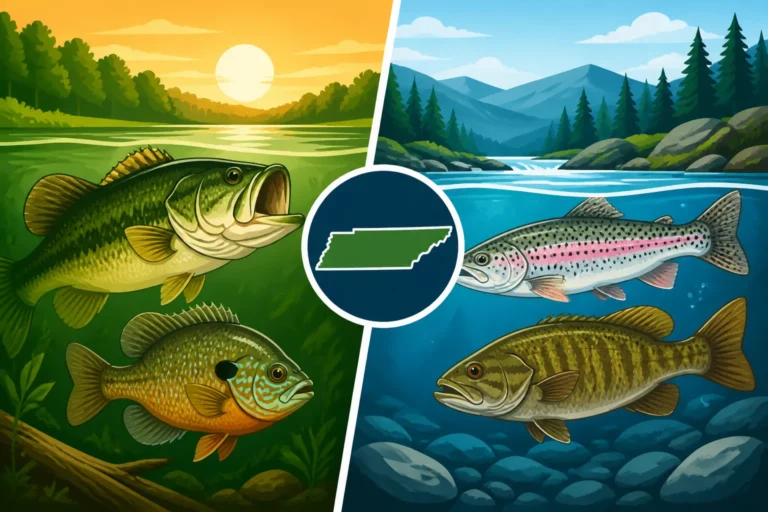
For anglers who've spent time on Tennessee's incredible waters, you know the frustration: you're out there targeting bass, and you might think you've hooked a largemouth or even a smallmouth, only to pull in a spotted bass. They're often overlooked, yet these feisty fish offer a fantastic challenge and put up a serious fight. This comprehensive guide is dedicated to unlocking the secrets of spotted bass fishing, focusing on the very best baits and techniques to help you consistently land more of these aggressive beauties.
Understanding the Spotted Bass: More Than Just Another Bass
Spotted bass, or "spots" as many of us affectionately call them, are a unique gamefish in Tennessee. They often get mistaken for their largemouth or smallmouth cousins, but once you learn their tell-tale signs and, more importantly, their behavior, you'll start to appreciate them for the distinct fighting machines they are. They tend to school up more than largemouth, and they love to hang around current and deeper structure, making them a blast to chase. Knowing what makes them tick is the first step to choosing the perfect bait.
Why Spotted Bass Are Different
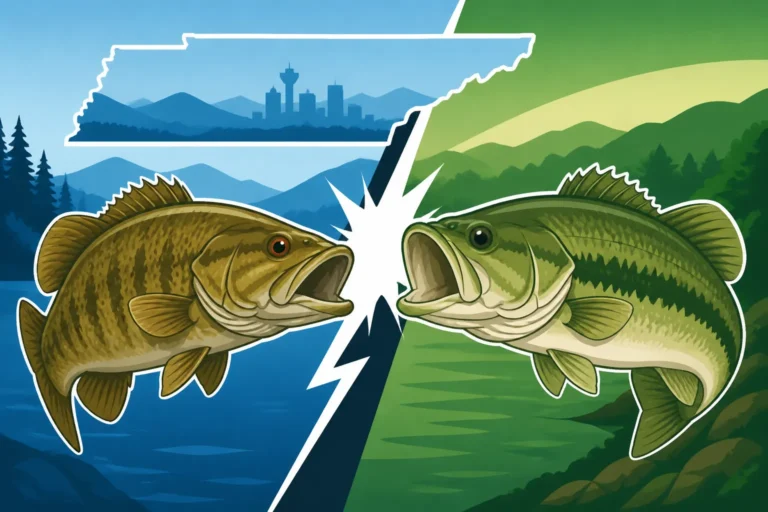
Think of a spotted bass as a hybrid of a largemouth's aggressiveness and a smallmouth's love for clear water and rock. They typically have a smaller mouth than a largemouth of similar size, which is a key identifying feature, and often feel a bit sleeker. Their feeding habits are more opportunistic; they're less about ambush from heavy cover like a largemouth, and more about chasing down schools of baitfish or picking off crayfish from rocky bottoms. This means they often react better to faster retrieves and baits that mimic fleeing prey. If you've been fishing a big, slow jig for largemouth and only catching spots, it's because their preferred dining experience is a bit different! They're also often found deeper than largemouth, especially in our clearer reservoirs. Understanding these nuances is crucial for success. Spotted Bass Identification in Tennessee Reservoirs can help you tell them apart on the spot.
Key Habitats to Target
Spotted bass are creatures of structure and current. You won't typically find them buried deep in matted hydrilla like a largemouth. Instead, think about where the water meets rock, where depth changes abruptly, and where baitfish congregate.
- Rocky Points and Bluffs: These are prime real estate for spotted bass. They love to patrol the edges of these structures, waiting to ambush baitfish that swim by. The rock provides cover, warmth, and holds plenty of crayfish.
- Humps and Ledges: Underwater humps and ledges on main lake bodies or large creek channels are magnets for spotted bass. They'll often school up on top or along the breaks of these features, especially during the colder months or when chasing offshore bait.
- Areas with Current: Spotted bass are incredibly fond of current. Look for them near dam discharges, river bends, or even subtle current breaks created by structure. The moving water brings them food and oxygen, and they'll face into it, ready to strike.
- Open Water Schools: Don't be surprised to find them suspended over deep water, especially in clear reservoirs like Norris Lake or Center Hill, chasing schools of shad. This is where your electronics become invaluable.
If you can find these elements combined – say, a rocky point with current on a main lake reservoir – you've likely found a spotted bass hotspot.
Top Artificial Baits for Aggressive Spotted Bass
When it comes to artificials, spotted bass are rarely shy. They hit hard and often. The key is to match their aggressive nature with baits that trigger a chase instinct or mimic their natural forage perfectly.
Crankbaits and Jerkbaits: Triggering the Chase
These baits are fantastic for covering water quickly and drawing reaction strikes from schooling spotted bass. They excel at imitating fleeing baitfish, which is a major part of a spotted bass's diet.
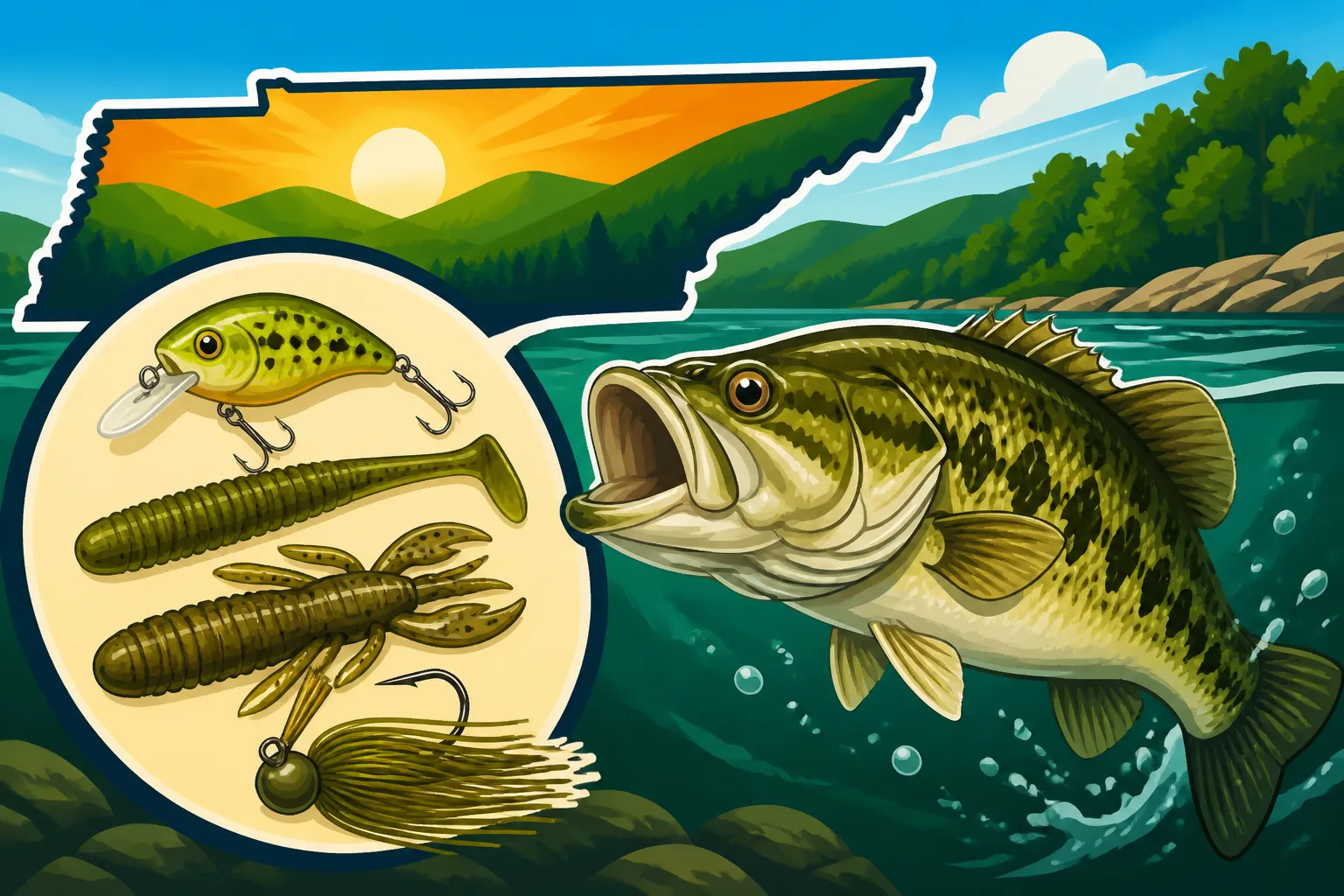
- Crankbaits: Medium-diving crankbaits are often the workhorses for spotted bass. Look for models that dive to 8-15 feet, as this often puts them in the strike zone over humps, points, and ledges. Colors like chrome/blue, shad patterns, or even crayfish patterns (especially in stained water or rocky areas) are highly effective. Retrieve them with a consistent, moderate to fast retrieve, occasionally bumping them off the bottom or structure to induce a reaction strike. A good starting point would be a Strike King KVD 1.5 in a natural shad color, retrieved quickly over those main lake points. When the bass are really active, it's about getting that bait in front of them and letting them chase it down. These are excellent choices for covering water during the pre-spawn when bass are actively feeding. Best Lures for Pre-Spawn Bass Fishing covers this in more detail.
- Jerkbaits: Suspending jerkbaits are absolute killers for spotted bass, especially in clear water or when the fish are suspended and a bit finicky. The erratic darting action followed by a long pause often triggers strikes from hesitant fish. Work them with a series of jerks, pauses, and twitches. The pause is critical – sometimes, a 5-10 second pause is all it takes for a spotted bass to decide it's time to eat. Brands like Megabass Vision 110 or Lucky Craft Pointers in clear, natural baitfish finishes are consistently effective. These baits allow you to imitate a stunned or dying baitfish, and a spotted bass's instinct to capitalize on an easy meal is very strong.
Jigs and Soft Plastics: Finesse and Bottom Bouncing
While spots love to chase, they also spend a lot of time on or near the bottom, especially when foraging for crayfish or holding on structure. This is where jigs and various soft plastics shine, offering a more subtle, yet incredibly effective, approach.
- Football Jigs: For fishing rocky bottoms, ledges, and humps, a football jig is hard to beat. Its unique head shape allows it to "walk" over rocks and structure without getting hung up as easily as a traditional jig head. Sizes from 3/8 oz to 3/4 oz are good depending on depth and current. Green pumpkin, brown, and black/blue are classic colors. Pair them with a crawfish-imitating trailer. Dragging or slowly hopping a football jig along a deep ledge is an incredibly effective way to catch spotted bass that are glued to the bottom. How to Rig a Jig for Bass Fishing can give you more insights here.
- Shaky Head Worms: The shaky head is a versatile and incredibly effective finesse presentation for spotted bass. It's subtle, yet the worm stands upright off the bottom, creating an enticing profile. Use a 1/8 oz to 1/4 oz shaky head with a straight-tail worm in green pumpkin, watermelon, or natural baitfish colors. This rig is deadly when fished slowly around brush piles, rocky banks, or when you need to pinpoint fish on specific pieces of structure. The subtle quivering action is often enough to entice a strike, even from less aggressive fish.
- Swimbaits: Smaller paddle-tail swimbaits, either rigged on a jig head or as a trailer, are fantastic for imitating baitfish. Sizes from 2.8" to 3.8" are typically ideal for spotted bass. Reel them steadily through schooling baitfish or over submerged structure. Keitech Swing Impact Fat or similar swimbaits in shad or bluegill patterns are hard for a spotted bass to resist. You can find a huge variety of these online on retailers like Amazon, making it easy to experiment with different sizes and colors.
- Drop Shot Rigs: When spotted bass are suspended, finicky, or tightly schooled on vertical structure, a drop shot rig is often the answer. It allows you to present a small, soft plastic bait precisely at the fish's eye level, suspended above a weight. Small finesse worms, minnow imitations, or even small creature baits work well. The key is minimal movement – just subtle twitches of the rod tip. This presentation is very common on our deep, clear reservoirs.
Topwater and Spinnerbaits: Explosive Strikes and Cover Coverage
Sometimes, you need to bring the commotion, and these baits deliver. They're excellent for different scenarios but both can elicit incredibly aggressive strikes.
- Topwater: There's nothing quite like a topwater strike, and spotted bass are notorious for their explosive blow-ups. Poppers, walking baits (like a Zara Spook Jr.), and small prop baits are all effective, especially during low-light conditions (dawn/dusk) or on cloudy days when fish are actively feeding on the surface. Work them with a walk-the-dog retrieve for walking baits or short pops for poppers. These baits are particularly exciting over shallow points or where you see baitfish flickering on the surface.
- Spinnerbaits: A classic for a reason, spinnerbaits are excellent for covering water, especially around submerged cover, docks, or in slightly stained water. The flash and vibration can draw strikes from aggressive spotted bass that might not commit to other presentations. Use sizes from 1/4 oz to 1/2 oz with willow leaf or Colorado blades. Chartreuse and white, or natural baitfish colors, are reliable. Retrieve them at a medium speed, allowing the blades to spin freely. They can be particularly effective when you're targeting fish around rocky banks or submerged timber. You can often find great deals on spinnerbait assortments on Amazon.
Live Bait Options for Spotted Bass
While artificials are incredibly effective, sometimes nothing can replicate the appeal of natural, live bait. When the bite gets tough, or you're simply looking for a reliable way to catch a limit, live bait can be your best friend for spotted bass.
Minnows and Shad: Irresistible Forage
For spotted bass, minnows and shad are like candy. These are often their primary food source in many Tennessee reservoirs, so presenting them alive and kicking is a surefire way to get their attention.
- Live Minnows: Golden shiners, fathead minnows, or even local shiner species are highly effective. You can fish them in several ways:
- Under a Bobber: This is a simple yet deadly technique, especially around docks, shallow points, or where you see fish holding at a specific depth. Hook the minnow lightly through the back or lip and let it swim naturally.
- Carolina Rig: For deeper water and rocky bottoms, a Carolina rig allows your minnow to swim freely a foot or two above a weight. This is fantastic for drifting over humps or dragging along ledges. The minnow's natural movements will attract spots from a distance.
- Free-Lining: If you're near a current seam or main lake point where fish are actively feeding, simply hook a lively minnow through the lips and let it swim freely with no weight or bobber. The natural presentation is hard for a spotted bass to resist.
- Threadfin Shad: If you have access to a cast net and can catch fresh threadfin shad, you've got the ultimate spotted bass bait. These are often the primary forage in many reservoirs. Use them similarly to minnows, but be aware that shad are more delicate and require good aeration to stay alive. Live-lining a threadfin shad in areas where you mark schools of baitfish on your electronics is an incredibly productive method.
Crayfish (Crawfish): A Bottom-Dwelling Delicacy
Spotted bass, especially those living in rocky environments, absolutely devour crayfish. If you can get your hands on some live ones, you're in for a treat.
- Live Crayfish: Hook a live crayfish through the tail or the very edge of its carapace (top shell). Fish them on a simple slip sinker rig, allowing them to crawl naturally on the bottom around rocky points, bluffs, or ledges. The natural defensive movements of the crayfish as it tries to hide will often trigger an immediate strike from a hungry spotted bass. This is particularly effective in clear water where bass can easily see and stalk their prey. You'll often find that the biggest spotted bass in an area are heavily targeting crayfish.
Worms and Other Naturals: Opportunistic Bites
While not as primary a food source as baitfish or crayfish, sometimes a classic natural offering can still entice a spotted bass, especially if they are feeding opportunistically.
- Nightcrawlers/Redworms: A juicy nightcrawler or a bundle of redworms can certainly catch spotted bass, particularly in smaller rivers or creeks where they might be more accustomed to varied forage. Rig them on a small hook with a split shot or under a bobber. This is a simple, effective method, especially if you're fishing with kids or just want to relax and catch whatever bites. While not always the top choice for trophy spots, it's a reliable option for consistent action.
Tips for Success: Presentation and Gear
Landing spotted bass consistently isn't just about throwing the right bait; it's also about how you present it and having the right tools for the job. These fish can be particular, and subtle adjustments can make a huge difference.
The Importance of Presentation
How you work your bait is just as vital as the bait itself. Spotted bass have keen senses and react strongly to certain movements.
- Speed is Often Key: Unlike largemouth that might prefer a slow, methodical presentation, spotted bass often respond better to faster retrieves. They're chasers, so a quickly retrieved crankbait, a rapidly worked jerkbait, or a speedy swimbait can trigger their predatory instinct. Don't be afraid to burn your baits a bit, especially when you suspect fish are actively feeding.
- Bottom Contact (But Keep it Moving): Many of the most effective spotted bass baits are worked on or near the bottom, especially jigs and shaky heads. However, even these typically benefit from a more active presentation than you might use for a largemouth. Instead of just dragging, try hopping, skipping, or shaking your bait more aggressively to draw attention. Spotted bass are often hunting, not just waiting.
- Match the Hatch: Always pay attention to what the fish are feeding on. If you see schools of threadfin shad flickering on the surface, present baits that mimic them in size and color. If you're fishing a rocky river or reservoir section, consider crayfish imitations. Observing the local forage will significantly increase your success rate. This can change throughout the year, so staying adaptable is crucial. Check out Tennessee Bass Fishing Seasons and Patterns for a broader understanding of how these patterns shift.
Gear Recommendations for Spotted Bass
Having the right rod, reel, and line setup can dramatically improve your feel for subtle bites and your ability to land these hard-fighting fish.
- Rods:
- Spinning Rods: For finesse presentations like shaky heads, drop shots, or small swimbaits, a 6'6" to 7'2" medium-light to medium power spinning rod is ideal. This provides the sensitivity to feel light bites and the parabolic bend to fight fish on lighter lines. You can find excellent options for these on Amazon.
- Casting Rods: For crankbaits, jerkbaits, jigs, and spinnerbaits, a 6'8" to 7' medium-heavy casting rod offers the backbone needed for powerful hooksets and controlling fish. Look for rods with a fast action tip for sensitivity.
- Reels:
- Spinning Reels: A 2000 or 2500 series spinning reel with a smooth drag is perfect for finesse applications. A higher gear ratio (6.0:1 or more) can be beneficial for quickly retrieving slack or keeping up with a fast-running fish. Best Spinning Reels for Tennessee Trout Streams actually provides good insights into reels that are sensitive enough for lighter presentations, which applies to finesse spotted bass fishing too.
- Casting Reels: Look for baitcasting reels with a fast gear ratio, 7.1:1 or higher. This allows you to quickly retrieve line, important for keeping tension on aggressive spotted bass and for working fast-moving baits effectively. Best Baitcasting Reels for Bass Anglers goes into more detail on selecting these.
- Line:
- Fluorocarbon: This is often the top choice for spotted bass fishing, especially in clear water. Its low visibility and excellent sensitivity are huge advantages. Use 8-12 lb test for finesse techniques and 12-17 lb test for power fishing.
- Braided Line with Fluorocarbon Leader: For situations requiring more casting distance or strength (like fishing around heavy cover), braided line (15-30 lb) with a 6-10 foot fluorocarbon leader (8-15 lb) is a great setup. The braid offers superior sensitivity and strength, while the fluorocarbon leader maintains the invisibility.
- Monofilament: While less sensitive and visible than fluorocarbon, monofilament (10-14 lb) can still be effective, especially with topwater baits where its buoyancy is an advantage.
Bait Comparison Chart for Spotted Bass
To help you choose the right bait for your next outing, here's a quick comparison of some of the top options for spotted bass:
| Bait Type | Key Characteristics | Ideal Conditions | Presentation Tips | Pros | Cons |
|---|---|---|---|---|---|
| Crankbaits | Medium diving, erratic action | Active fish, covering water, rocky structure | Fast, consistent retrieve; bump off bottom | Covers water quickly, triggers reaction bites | Can get hung up, less effective on finicky fish |
| Jerkbaits | Suspending, darting action | Clear water, suspended fish | Jerk-pause retrieve; long pauses | Excellent for clear water & picky fish | Requires specific retrieve, can be expensive |
| Football Jigs | Crawfish imitation, heavy head | Rocky bottoms, deep ledges | Slow drag, hop, or swim near bottom | Great for bottom-dwelling spots, good weedless | Slower presentation, can snag in heavy cover |
| Shaky Heads | Finesse worm, subtle action | Less aggressive fish, specific structure | Slow retrieve, subtle shakes, vertical jigging | Highly versatile, effective when bite is tough | Less aggressive action, lighter line needed |
| Swimbaits | Baitfish imitation, paddle tail | Schooling fish, open water | Steady retrieve through schools, over structure | Natural look, draws aggressive bites | Can be too subtle in stained water |
| Drop Shot Rigs | Small worm/minnow, suspended | Finicky fish, vertical structure, deep | Minimal movement, subtle twitches | Precise presentation, great for deep water | Requires finesse tackle, slow technique |
| Topwater | Surface commotion, noisy | Low light, active feeding, shallow points | Erratic walking, popping, or churning | Explosive strikes, exciting | Less effective in deep water or bright sun |
| Spinnerbaits | Flash and vibration | Stained water, around cover | Moderate to fast retrieve, slow roll | Covers water, good in dirty water, snag resistant | Less realistic than other options |
| Live Minnows | Natural baitfish | All conditions, especially tough bite | Free-line, under bobber, Carolina rig | Universally appealing, highly effective | Requires handling live bait, can be costly |
| Live Crayfish | Natural bottom dweller | Rocky areas, clear water | Slow drag on bottom, near ledges | Irresistible to big spots in rocky areas | Hard to find/keep alive, can be expensive |
No matter which bait you choose, remember that confidence in your presentation and a keen eye for spotted bass habitat are your greatest assets. These fish are a blast to catch, and once you start dialing in their preferences, you'll be hooked!
Disclaimer
This article is for general informational purposes only and does not constitute professional advice. Laws, prices and regulations vary by location and change over time. Consult a qualified professional for guidance on your specific situation.