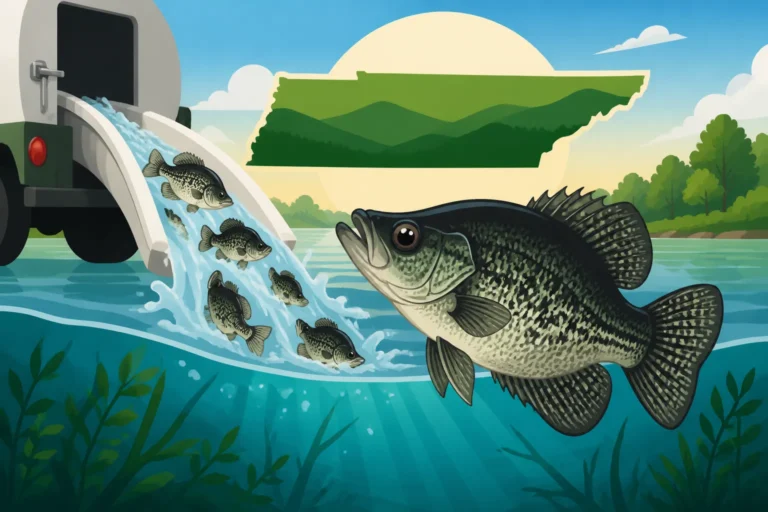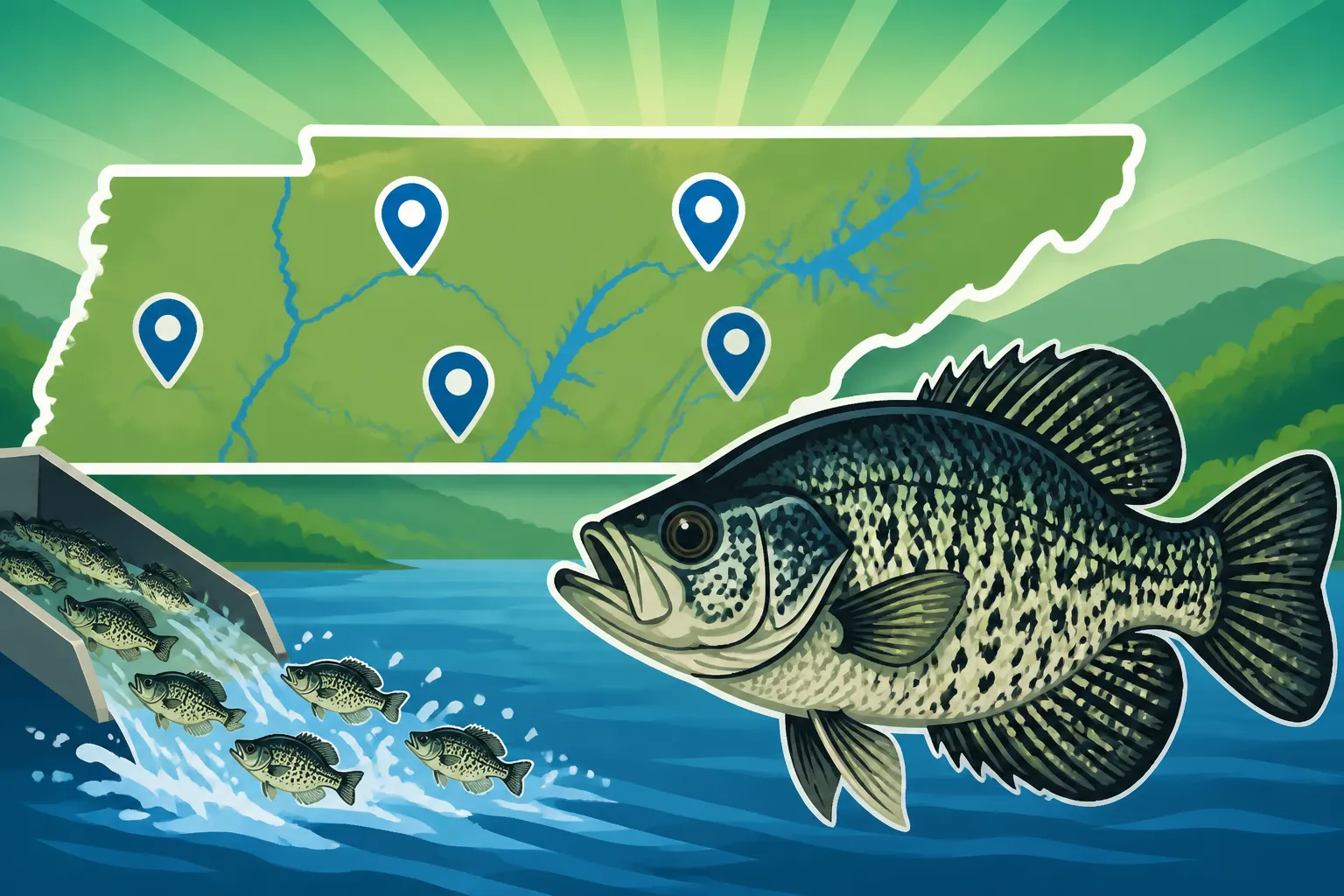
Where TWRA Stocks Black Crappie in Tennessee
It can be incredibly frustrating to hit the water, all geared up for a fantastic day of crappie fishing, only to come up empty-handed because you're just not sure where the fish are biting, or more importantly, where they've even been stocked. We've all been there, wondering if we're in the right spot at all. This comprehensive guide is here to shed light on exactly where the Tennessee Wildlife Resources Agency (TWRA) focuses its black crappie stocking efforts, what makes those locations prime crappie territory, and how you can maximize your chances of a successful catch.
Understanding TWRA's Crappie Stocking Strategy
The Tennessee Wildlife Resources Agency (TWRA) plays a crucial role in maintaining healthy and thriving fish populations across the state, and that absolutely includes our beloved black crappie. Their stocking programs aren't just random acts of kindness; they're carefully planned and executed strategies designed to enhance angling opportunities, restore populations in certain areas, and ensure a robust ecosystem. It’s a lot more scientific than just dumping fish in a lake!
Why TWRA Stocks Black Crappie
You might wonder why a lake needs stocking if it already has fish. Well, there are several reasons why TWRA strategically introduces black crappie into Tennessee waters. Sometimes, a natural population might be struggling due to environmental factors like habitat loss, pollution, or even severe weather events that impact spawning success. In these cases, stocking acts as a boost, helping to re-establish a healthy population. Other times, the goal is to enhance fishing opportunities in areas with high angler pressure, ensuring there are enough fish to go around for everyone, from the casual weekend angler to the serious tournament participant. It's all about balancing nature's capacity with human demand.
Another significant reason for stocking is to introduce new genetics or to establish a fishery in a new or renovated body of water. Imagine a pond or reservoir that has recently been drained and refilled; stocking is essential to kickstart the fish population from scratch. For instance, the TWRA might stock a certain number of fingerling black crappie in a renovated lake to ensure it quickly becomes a productive fishing spot. These efforts are often meticulously documented, though specific, day-to-day stocking reports aren't always publicized in real-time. Instead, you'll often find broader stocking plans or annual summaries that give you a good idea of where their focus lies. Keeping an eye on TWRA's official publications or their district offices can often provide insights into these longer-term strategies.
The Difference Between Stocked and Wild Crappie Populations
When we talk about where TWRA stocks black crappie, it’s important to understand that stocked crappie often complement, rather than completely replace, naturally reproducing populations. Many of Tennessee's fantastic crappie lakes have robust wild populations that sustain themselves year after year. These fish are born and raised in the lake, adapting to its unique conditions. Stocked crappie, on the other hand, are raised in hatcheries before being released. While they are genetically identical to their wild counterparts, their initial environment is controlled.
The TWRA's goal is often to create self-sustaining populations where possible. Stocking programs are frequently used to jumpstart this process or to supplement a population that might not be quite reaching its full potential through natural reproduction alone. This means that even in a lake where TWRA regularly stocks black crappie, you'll still be fishing for a mix of hatchery-raised and wild fish. Both contribute to the overall abundance and the angling experience. For example, if you're fishing a smaller community pond that gets regular TWRA attention, you might be catching a higher percentage of stocked fish. But on massive bodies of water like Kentucky Lake or Chickamauga, the sheer volume of water and the extensive natural habitat mean that wild fish often dominate, even with supplemental stocking efforts. Understanding this distinction can help manage expectations and inform your fishing strategy. You might also want to consult resources like Tennessee's Fishing License Requirements to ensure you're compliant no matter if you're targeting wild or stocked fish.
Key Lakes and Waters Where TWRA Stocks Black Crappie
While the TWRA stocks various fish species in many locations across Tennessee, certain lakes and impoundments are frequently targeted for black crappie enhancements due to their suitability, accessibility, and angling pressure. These are often large reservoirs, but also smaller community lakes or ponds that benefit from regular attention.
Major Reservoirs with Consistent Stocking Efforts
Tennessee is blessed with an incredible network of large reservoirs, many of which are renowned for their crappie fishing. Lakes like Kentucky Lake, Chickamauga Lake, and Pickwick Lake are often highlighted in TWRA reports as strong crappie fisheries that may receive supplemental stocking to maintain their high-quality status, especially after challenging environmental years. These massive bodies of water offer a diverse range of habitats, from shallow, cypress-filled backwaters to deep, rocky main lake channels, making them ideal for crappie to thrive.
Take Kentucky Lake Fishing on the Tennessee Side, for example. It's famous for its crappie, and while natural reproduction is significant, targeted stocking might occur to boost numbers in specific embayments or to introduce new genetics. These large reservoirs can handle a substantial number of fish, and the sheer volume of water provides ample space and food sources. Anglers often find success in these waters by focusing on submerged timber, brush piles, and creek channels, which are classic crappie hangouts. Checking the TWRA's annual stocking reports, usually available through their website or regional offices, is the best way to get the most up-to-date information on which specific reservoirs received black crappie introductions in recent times. These reports often detail not just the lake name, but sometimes even the number and size of fish released, giving you a clearer picture.
Smaller Lakes and Community Ponds
Beyond the sprawling reservoirs, the TWRA also dedicates significant resources to stocking black crappie in smaller, more accessible community lakes and ponds. These waters are often managed specifically to provide close-to-home fishing opportunities, especially for families and beginner anglers. Places like Marrowbone Lake near Nashville or specific state park ponds throughout Tennessee are excellent examples. These smaller bodies of water are typically easier to navigate, and fish populations can be more concentrated, making for a more predictable and often more successful fishing trip.
The stocking efforts in these community lakes are often more direct and frequent, precisely because they cater to a different type of angler and often have less natural habitat diversity than a major reservoir. If you're looking for a relatively easy place to take the kids and increase your chances of catching crappie, these stocked community waters are usually a fantastic choice. The TWRA regularly monitors these lakes, assessing angler success and adjusting stocking schedules as needed. You can often find detailed information about specific community lake stockings on the TWRA website, under their "Community Fishing Lakes" or similar programs. For those looking for a quick and rewarding experience, particularly with younger anglers, exploring these smaller, TWRA-managed ponds can be incredibly fruitful. Just make sure to check Do Kids Need a Fishing License in Tennessee before you head out, as even in managed ponds, rules still apply!
| Lake/Water Body | General Crappie Presence | TWRA Stocking Focus (General) | Prime Crappie Habitat | Best Time to Fish (General) |
|---|---|---|---|---|
| Kentucky Lake | Excellent, large population (both black & white crappie) | Supplemental stocking to boost numbers, genetic diversity | Submerged timber, creek channels, brush piles, ledges | Spring & Fall |
| Chickamauga Lake | Very good, strong populations | Enhancing existing populations, especially in specific embayments | Brush piles, docks, submerged laydowns, river bends | Spring & Fall |
| Pickwick Lake | Good, known for size | Targeted stocking in specific areas to support angling pressure | Standing timber, rock piles, ledges, tributary mouths | Spring |
| Percy Priest Lake | Moderate to Good | Maintenance stocking, particularly after environmental fluctuations | Deep creek channels, bridge pilings, flooded timber | Spring & Winter |
| Community Ponds | Often excellent, high density | Regular, consistent stocking for recreational purposes, family fishing | Man-made structures, brush piles, shallow coves | Year-round, especially Spring |
Identifying Prime Crappie Habitat on Stocked Lakes
Knowing where TWRA stocks black crappie is one thing, but knowing where those stocked crappie are likely to be after they've been released is the real key to success. Crappie, whether wild or stocked, are creatures of habit, and they prefer specific types of cover and structure. Understanding these preferences will help you pinpoint their locations, making your fishing trips far more productive.
Understanding Crappie Preferences for Cover and Structure
Black crappie are ambush predators, and they love to hide in or near cover, waiting for unsuspecting baitfish to swim by. This means you'll often find them congregating around various forms of structure, both natural and man-made. Look for areas with submerged trees, brush piles, log jams, and dense aquatic vegetation. These provide not only excellent ambush points but also protection from larger predators and a sense of security. On many of Tennessee's larger lakes, you'll find entire submerged forests or vast fields of hydrilla that hold impressive numbers of crappie.
Man-made structures are equally important. Docks, bridge pilings, old roadbeds, and even fish attractors placed by TWRA or local fishing clubs can be crappie magnets. These structures often provide vertical relief in the water column, allowing crappie to move up and down easily depending on water temperature, light conditions, and baitfish depth. When you're scouting a new area, especially a stocked lake, spend time looking for these features, either visually or with your electronics. If you're searching for specific crappie hotspots, you might check out our guide on Best Crappie Fishing Lakes in Tennessee for more targeted advice.
Seasonal Movements and How They Affect Location
Crappie, like most fish, are highly influenced by the seasons, and their location will change throughout the year. Understanding these movements is critical, especially when fishing in waters that receive stocking.
In spring, as water temperatures rise, crappie move into shallower waters for their spawning ritual. This is often the easiest time to locate them, as they'll be in coves, around visible brush, and near shallow docks. Look for water temperatures in the mid-50s to low 60s Fahrenheit. Many anglers focus on this specific time, often using small jigs or minnows under bobbers. Knowing Spring Crappie Spawn Timing in Tennessee can give you a significant advantage.
As summer progresses and water temperatures climb, crappie will often move to deeper, cooler water. They'll relate to deep creek channels, submerged humps, and the shady sides of deep docks or bridge pilings. They'll still be near cover, just deeper. This is where a good fish finder, perhaps one you picked up on Amazon, becomes invaluable for locating those deep schools.
In fall, as water temperatures cool again, crappie become more active and start to feed heavily in preparation for winter. They'll often be found transitioning between deep and shallow water, sometimes chasing baitfish in open water or moving back to brush piles on flats. This can be another fantastic time to fish, similar to spring in terms of activity.
Winter fishing for crappie often involves finding them congregated in large schools in deep water, usually over submerged structure or in river channels. They'll be less active, but a slow, vertical presentation can still be very effective. Regardless of the season, understanding these general patterns will help you interpret where those stocked crappie have settled in.
Tips for Catching Black Crappie in Stocked Waters
Once you've zeroed in on the right locations and understood the seasonal patterns, it's time to talk tactics. Catching black crappie, especially in waters where TWRA has made an effort to stock them, often comes down to presentation and selecting the right bait or lure.
Recommended Baits and Lures
Black crappie aren't particularly picky eaters, which is one of the reasons they're such a popular sport fish. Minnows are arguably the king of crappie baits. Live minnows, fished under a bobber or on a tight line, are incredibly effective, especially when crappie are less active. You can often find great deals on minnow buckets and aerators on Amazon, which are essential for keeping your bait lively.
Beyond live bait, a vast array of artificial lures can tempt crappie. Small jigs, typically 1/32 to 1/8 ounce, in various colors (chartreuse, white, pink, and black/chartreuse are perennial favorites) are excellent. They can be tipped with a small plastic grub, tube, or a soft plastic "spider" imitation. Often, the color and action of the jig can make all the difference, so carrying a variety is a good idea. Small spinnerbaits and tiny crankbaits can also be effective, especially when crappie are aggressively feeding. Don't be afraid to experiment with different sizes and colors to see what the fish prefer on any given day. If you're just starting, check out Best Bait for Crappie Fishing for more specific recommendations.
Effective Fishing Techniques
There are several tried-and-true techniques for catching black crappie, and mastering a few of them will significantly boost your success.
Jigging: This is perhaps the most common and versatile method. Whether you're vertical jigging over a brush pile, casting and retrieving, or even spider rigging, a small jig is hard to beat. When vertical jigging, drop your lure directly into the cover and slowly lift and drop it, imitating a wounded baitfish. For casting, retrieve slowly with a stop-and-go action. For those who want a deeper dive into this technique, our article on How to Jig for Crappie has some fantastic insights.
Minnow Rigging: Often done with a slip bobber or tightlined. A slip bobber allows you to set your depth accurately, keeping your minnow right in the crappie's strike zone. A small split shot a few inches above the hook will help the minnow sink. Tightlining involves fishing the minnow with minimal weight, letting it drift naturally near cover. This is especially effective in open water or along contours.
Spider Rigging: This technique is fantastic for covering a lot of water from a boat, particularly on large reservoirs. It involves deploying multiple rods (often 4-8) from the front of the boat, each with a different bait or jig, at varying depths. You slowly troll or drift, allowing you to present several offerings simultaneously and quickly determine what the crappie are biting on. This is especially useful in stocked lakes where fish might be spread out. For this setup, you'll definitely want sturdy rod holders, which you can easily find on Amazon.
Observing Regulations and Best Practices
Finally, a quick reminder about playing by the rules. Even in heavily stocked waters, it's crucial to be aware of and abide by all Tennessee Fishing Regulations Explained. This includes daily creel limits and size restrictions for crappie, which can vary by lake. For example, Crappie Limits Under Tennessee Fishing Rules might specify a certain number of fish per day, with only a few allowed over a certain size. These regulations are in place to ensure sustainable fishing for everyone.
Always practice responsible angling. Release fish gently if you're not keeping them, dispose of trash properly, and respect other anglers and property owners. By following these guidelines, you not only ensure enjoyable fishing experiences for yourself but also contribute to the long-term health and vitality of Tennessee's crappie fisheries, ensuring that the TWRA's stocking efforts continue to provide excellent opportunities for years to come. Don't forget that A Complete Guide to Fishing Licenses in Tennessee is an indispensable resource to keep you legal on the water.
Disclaimer
This article is for general informational purposes only and does not constitute professional advice. Laws, prices and regulations vary by location and change over time. Consult a qualified professional for guidance on your specific situation.