Black Crappie Stocking by TWRA in Tennessee
Many of us have experienced the frustration of heading out to our favorite fishing spot, full of anticipation, only to find the crappie bite just isn't what it used to be. It's disheartening when you've invested time and effort, but the fish simply aren't there in the numbers you remember. This comprehensive guide is here to shed light on how the Tennessee Wildlife Resources Agency (TWRA) actively works to improve these very situations through their vital black crappie stocking programs, ensuring better fishing opportunities for everyone.
Black Crappie in Tennessee: A Beloved Sport Fish
Black crappie hold a special place in the hearts of many Tennessee anglers. There's just something incredibly satisfying about reeling in a mess of these panfish, especially when you're looking for a delicious meal or a fun day out on the water. Their widespread availability and willingness to bite make them a perennial favorite, appealing to both seasoned veterans and beginners alike.
Identifying Black Crappie: What Makes Them Unique?
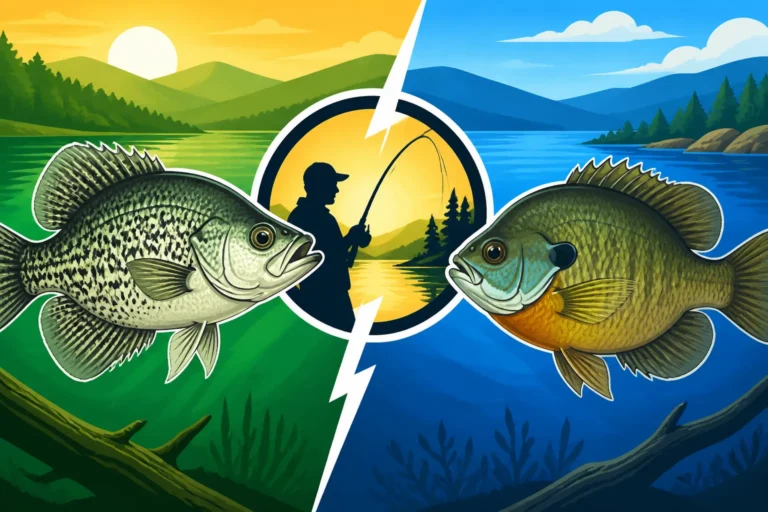
Distinguishing black crappie from their close cousins, white crappie, can sometimes be a bit tricky, but there are some key visual cues that really help. Black crappie typically have a more rounded body shape and darker, more irregular blotches scattered across their silvery-green sides, which often look like specks of pepper. If you count the spines in their dorsal fin, black crappie usually have seven or eight, while white crappie will have six. This dorsal fin count is often the most reliable identifier if you're ever in doubt.
Another tell-tale sign is the pattern on their scales. Black crappie don't have the distinct vertical bars that you might see on white crappie. Instead, their markings are more random, blending into their overall mottled appearance. Understanding these differences isn't just for fish identification; it can sometimes give you clues about their behavior and preferred habitats, as their slight physiological variations can influence where you'll find them. For those really interested in learning more, platforms like Amazon offer a wealth of identification guides for Freshwater Fish Identification Guide for Anglers.
| Feature | Black Crappie | White Crappie |
|---|---|---|
| Body Shape | More rounded, disc-like | More elongated, oval-shaped |
| Color/Pattern | Darker, irregular blotches/speckles | Lighter, distinct vertical bars |
| Dorsal Fin Spines | 7 to 8 (often 7) | 5 to 6 (often 6) |
| Mouth | Smaller, more upward-tilted | Larger, more horizontal |
| Habitat Preference | Clearer water, more vegetation/structure | Murkier water, less structure needed |
Natural Habitat and Preferred Environments
Black crappie are creatures of comfort, and they really thrive in certain conditions. They tend to prefer clearer, cooler waters with plenty of submerged structure, like brush piles, fallen trees, weed beds, and even man-made fish attractors. These spots provide them with both cover from predators and ambush points for their prey, which largely consists of smaller fish and aquatic insects. You'll often find them congregating in these areas, especially during the warmer months.
When the water temperatures drop in the fall and winter, black crappie will often move to deeper offshore structures, suspending themselves over humps, ledges, or channel bends. But come spring, they head back to the shallows to spawn, seeking out firm bottoms with some cover nearby. This seasonal movement is crucial for anglers to understand, as locating these preferred habitats is key to a successful crappie fishing trip. Knowing where to look, whether it's a Best Crappie Fishing Lakes in Tennessee or a smaller, lesser-known pond, can make all the difference.
The TWRA's Commitment to Crappie Fisheries
The Tennessee Wildlife Resources Agency (TWRA) plays an absolutely critical role in keeping our crappie fishing vibrant across the state. They understand that a healthy fishery isn't just about what nature provides; it often requires a helping hand from dedicated professionals. Their efforts go far beyond just setting regulations; they're actively engaged in management strategies that directly impact the quality of your fishing experience.
Why Stocking Matters: Enhancing Angler Opportunities
You might wonder why stocking is even necessary when crappie naturally reproduce. Well, while crappie are prolific spawners, there are many factors that can impact their success in the wild. Habitat degradation, fluctuating water levels, heavy fishing pressure, and even environmental events can lead to declines in natural populations. That's where TWRA's stocking programs step in. They essentially boost the population, ensuring there are enough fish to go around for everyone who wants to cast a line.
Imagine planning a family fishing trip, perhaps to one of the Best Family Fishing Spots in Tennessee, and the kids are excited to catch something. If the crappie populations are low due to poor natural recruitment, that experience can be a real letdown. Stocking directly addresses this by introducing hatchery-raised fish into waters where natural reproduction might not be meeting demand. This creates more robust fisheries, increasing catch rates and, importantly, enhancing the overall enjoyment for anglers of all ages and skill levels. It's about maintaining a sustainable and exciting fishing resource for generations to come.
TWRA's Approach to Managing Crappie Populations
TWRA's approach to crappie management is multi-faceted, combining scientific research with practical, hands-on efforts. They don't just dump fish into a lake willy-nilly. Instead, biologists carefully assess individual water bodies, considering factors like current crappie populations, available forage, habitat quality, and angler usage. This data-driven approach ensures that stocking efforts are targeted and effective, addressing specific needs rather than just being a blanket solution.
Beyond stocking, TWRA implements various regulations, such as Crappie Limits Under Tennessee Fishing Rules, to manage the population. They also actively work on habitat enhancement projects, adding brush piles or other structures to improve living conditions for crappie and other fish species. Their hatcheries are state-of-the-art facilities where crappie are raised from eggs to fingerling size, ensuring they have the best possible start before being released into public waters. This holistic strategy ensures that Tennessee's crappie fisheries remain healthy and productive, balancing ecological needs with recreational opportunities.
Key Waters for TWRA Black Crappie Stocking
Tennessee is blessed with an abundance of fantastic fishing waters, and TWRA strategically stocks black crappie in many of them to bolster populations and provide excellent angling opportunities. While the specific stocking schedule and locations can vary from year to year based on biological assessments and needs, certain major reservoirs and even smaller community ponds consistently benefit from these efforts.
Major Reservoirs Benefiting from Stocking Efforts
When we talk about crappie stocking in Tennessee, many of our big, beautiful reservoirs come to mind. These massive bodies of water, often created by TVA dams, provide extensive habitat for crappie but can also experience significant fishing pressure. Lakes like Kentucky Lake, Chickamauga Lake, and Watts Bar Lake are prime examples where TWRA's stocking efforts can make a noticeable difference, especially after events that might impact natural spawning success.
Kentucky Lake, renowned for its crappie fishing, might see supplemental stockings to ensure its robust population continues to meet angler demand. Similarly, the waters of Chickamauga Lake, famous for its bass, also offer fantastic crappie fishing, often supported by TWRA's management. These large reservoirs are huge draws for anglers, both residents and non-residents, so maintaining healthy crappie numbers is crucial for the state's recreational fishing economy. If you're planning a trip to one of these spots, knowing that TWRA is actively involved in maintaining the fishery can give you extra confidence.
Smaller Lakes and Ponds: Community Fishing Programs
It's not just the big reservoirs that get all the attention. TWRA also dedicates resources to stocking black crappie in smaller, more accessible lakes and ponds, often as part of their community fishing programs. These initiatives are fantastic for local residents and families who might not have a boat or the ability to travel to larger bodies of water. Think about your local municipal lake or a state park pond; these are often excellent candidates for supplemental stockings.
These smaller water bodies provide easier access for bank anglers and often offer a more relaxed fishing experience. By stocking crappie here, TWRA helps create immediate fishing opportunities close to home, encouraging more people to get out and enjoy the sport. It's a wonderful way to introduce kids to fishing, as the chances of catching a crappie are generally higher in well-managed, regularly stocked ponds. You can find information on these localized efforts through TWRA's website or by checking with local bait shops – they often know the pulse of their community's fishing scene.
Understanding the Stocking Process and Its Timing
Ever wondered what goes into getting those tiny crappie from a hatchery tank into your favorite fishing hole? It's a much more involved process than just tossing fish into the water. TWRA's fisheries biologists and hatchery staff work diligently to ensure the best possible outcomes for these delicate fish, considering everything from genetics to water temperature.
How Crappie are Raised and Transported for Stocking
The journey of a stocked black crappie begins in a TWRA hatchery, where parent fish are carefully selected for spawning. The eggs are collected and nurtured in controlled environments, providing the ideal conditions for hatching and early growth. Once hatched, the tiny crappie, known as fry, are often moved to larger nursery ponds where they can grow to fingerling size – typically a few inches long – before they are ready for release. This crucial growth phase ensures they are robust enough to survive in the wild.
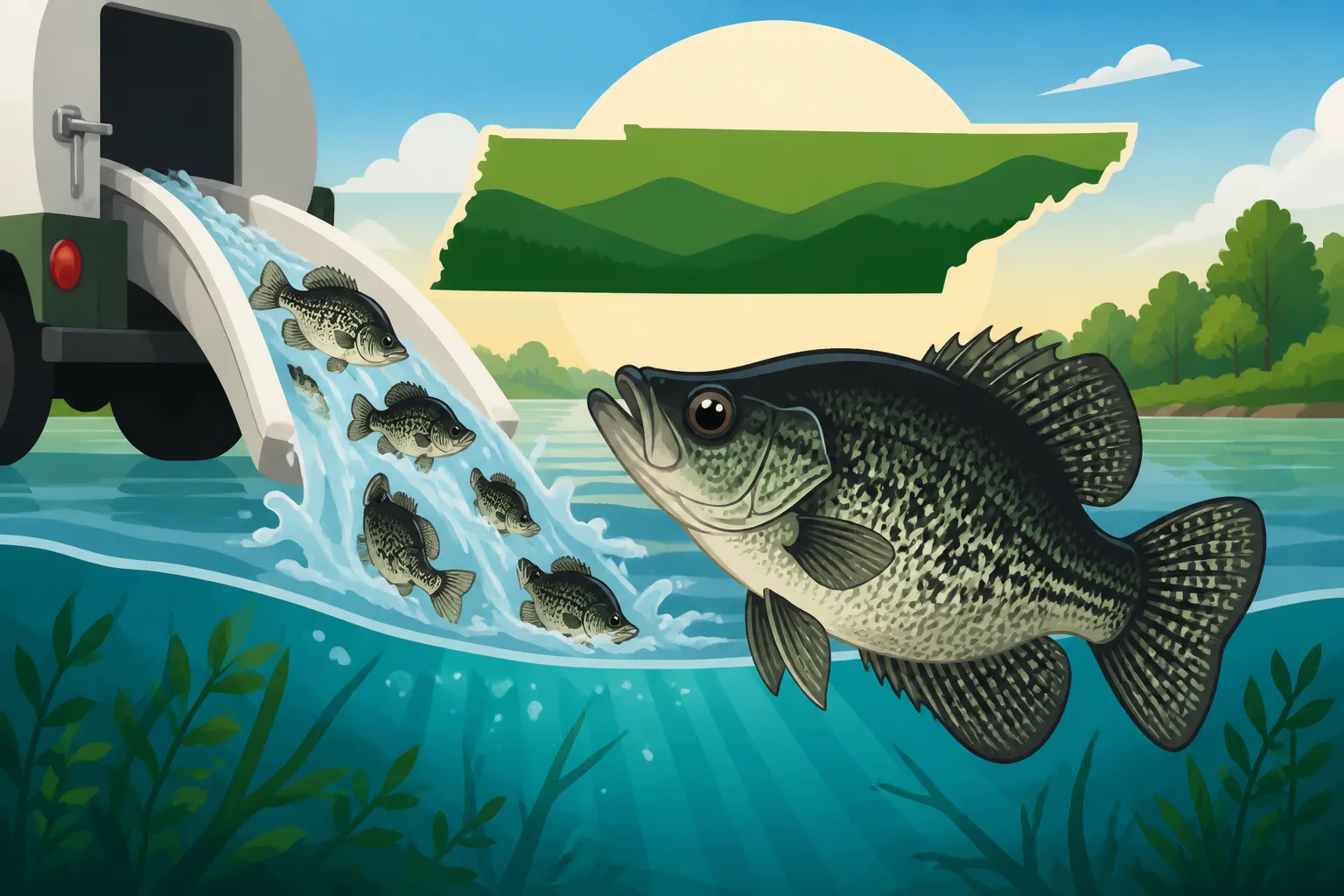
When it's time for stocking, these fingerlings are carefully harvested from the ponds and loaded into specialized transport trucks. These trucks are equipped with aerated tanks that maintain stable water temperatures and oxygen levels, minimizing stress on the fish during their journey to the release site. Biologists monitor the fish closely throughout transport to ensure they arrive healthy and ready to adapt to their new environment. This meticulous process is vital for the success of any stocking program.
Seasonal Considerations and Best Times for Stocking
The timing of crappie stocking is just as important as the process itself. TWRA biologists take into account a variety of environmental factors, most notably water temperature, to determine the optimal time for releasing fish. Generally, crappie are stocked when water temperatures are moderate, typically in the spring or fall. Extreme heat or cold can be very stressful for newly introduced fish, impacting their survival rates.
Stocking in the spring often coincides with a period of abundant natural food sources, giving the young crappie a good head start. Fall stocking can also be effective as the water cools, reducing metabolic stress and allowing the fish to acclimate before the harshness of winter sets in. The goal is always to release them when conditions are most favorable for their survival and integration into the existing ecosystem. Understanding these natural rhythms helps TWRA maximize the benefit of their significant investment in these programs.
Impact on Anglers and the Ecosystem
Black crappie stocking programs by TWRA aren't just about putting more fish in the water; they have a ripple effect that impacts both the recreational angler and the broader aquatic ecosystem. It's a delicate balance that biologists constantly strive to maintain, ensuring that while fishing opportunities are enhanced, the natural health of the water body isn't compromised.
What Stocking Means for Your Next Fishing Trip
For us anglers, the most immediate and tangible benefit of TWRA's black crappie stocking is often improved catch rates. More fish in the water simply means a better chance of reeling one in. This can be especially true in waters where natural populations might be struggling or after a tough spawning year. Knowing that TWRA has recently stocked crappie can give you an extra boost of confidence on your next outing.
It can also mean a more diverse fishing experience. By strengthening crappie populations, anglers have another excellent species to target, complementing other popular fish like bass and catfish. This encourages more time on the water, creates memorable experiences, and supports local bait and tackle shops. Imagine heading out with your favorite crappie jigs, perhaps ones you picked up on Amazon, knowing that the TWRA's efforts have directly contributed to a more fruitful day. It's truly a win-win for everyone who loves to fish. You might even find yourself reading up on Best Bait for Crappie Fishing or Crappie Jigging Techniques Explained to take full advantage of these opportunities.
Ecological Considerations and Fishery Health
While stocking offers great benefits to anglers, TWRA also carefully considers the ecological implications. Introducing fish into an ecosystem always requires careful thought to avoid unintended consequences. Biologists assess factors like the carrying capacity of the water body – how many fish it can realistically support – to prevent overstocking, which could lead to competition for food and habitat, potentially harming other species.
Furthermore, TWRA monitors the genetic diversity of their hatchery-raised crappie to ensure that stocking doesn't inadvertently dilute the gene pool of wild populations. The aim is to supplement, not replace, natural reproduction, maintaining the overall health and resilience of the fishery. It's a continuous process of observation, research, and adjustment to ensure that stocking serves as a tool for sustainable management rather than a quick fix that could cause long-term problems. The overall goal is a balanced ecosystem where both wild and stocked fish thrive, providing a vibrant fishery for years to come.
Participating in Crappie Conservation and Responsible Angling
As anglers, we all play a crucial role in supporting the TWRA's efforts and ensuring the future of black crappie fishing in Tennessee. It's not enough to just enjoy the benefits of stocking; we need to be active participants in conservation and practice responsible angling. After all, healthy fish populations are a shared responsibility.
Knowing Your Limits and Following Regulations
One of the most important ways we can contribute is by strictly adhering to all fishing regulations set by the TWRA. This includes understanding and respecting Tennessee Fishing Season and Catch Limits, especially those specific to crappie. Limits aren't arbitrary; they are carefully determined by biologists to manage fish populations sustainably, ensuring that enough fish remain to reproduce and grow, benefiting future generations of anglers.
It's tempting to keep every fish you catch, especially when the bite is hot, but being mindful of size and creel limits is vital. For example, Tennessee often has specific rules for crappie, such as how many you can keep per day and minimum size restrictions. Knowing these rules before you go and accurately measuring your catch helps protect the fishery. If you're unsure, it's always better to release a fish than to risk violating a regulation. Taking a moment to review Tennessee Fishing Rules Every Angler Should Know before each trip is a great habit to develop.
Supporting Healthy Crappie Populations Beyond the Catch
Our responsibility extends beyond just following the rules; we can actively support healthy crappie populations in other ways too. One key area is practicing responsible catch and release, especially for larger breeding-size crappie. Handling fish gently, minimizing their time out of water, and using appropriate tools like de-hookers can significantly increase their survival rates after release.
Another way is to become involved in local conservation efforts. This could mean volunteering for habitat improvement projects, like building and deploying brush piles to create more cover for crappie. You can also report any unusual observations or suspected violations to TWRA, helping them monitor the health of our waters. Even something as simple as proper disposal of fishing line and trash can make a huge difference in maintaining clean and healthy environments for crappie and all aquatic life. By being proactive and conscious anglers, we ensure that TWRA's stocking efforts continue to provide excellent fishing for everyone.
Disclaimer
This article is for general informational purposes only and does not constitute professional advice. Laws, prices and regulations vary by location and change over time. Consult a qualified professional for guidance on your specific situation.