Best Bait for Bluegill and Panfish
There's nothing quite like the simple joy of catching bluegill and other panfish in Tennessee, whether you're introducing a youngster to the sport or just enjoying a peaceful afternoon by the water. But if you've ever found yourself staring at a tackle box full of options, wondering which tiny bait will actually get a bite, you're not alone. It can feel overwhelming trying to figure out what these feisty little fish are really looking for. This guide is here to cut through the confusion and give you the real scoop on the best baits for bluegill and panfish, so you can spend less time guessing and more time reeling in those sunny smiles.
Understanding Bluegill and Panfish Behavior
Before we even get to the bait, let's take a quick peek into the minds of bluegill and other common panfish like crappie and shellcrackers. These fish aren't just swimming around aimlessly; they have routines, preferences, and instincts that heavily influence what they'll bite. Understanding their daily lives and seasonal patterns is like having a secret weapon in your tackle box – it helps you choose not just what to offer, but when and how to offer it.
What Makes Panfish Bite?
Bluegill and most panfish are opportunistic feeders, meaning they'll eat a wide variety of things they encounter. Their natural diet primarily consists of aquatic insects, larvae, small crustaceans, snails, and even algae or small plant matter. They spend a lot of their time cruising shallow, vegetated areas, actively pecking and slurping up anything that looks like a tasty snack. This tells us a lot about what kind of bait will grab their attention.
Firstly, scent plays a huge role. Imagine a juicy worm wriggling on the bottom – it's not just the movement, but the subtle odors it releases that travel through the water and draw fish in. Similarly, small minnows give off a natural "fishy" aroma. When you're fishing, remember that these scent trails can be powerful attractants, especially in murky water where visibility is low. Second, size is critical. Bluegill have relatively small mouths, so a big, bulky bait is often ignored because it's simply too much for them to handle. Think small, bite-sized morsels that mimic their natural prey. Finally, movement. A subtle twitch, a slow descent, or the frantic kicking of a live insect can trigger an aggressive strike. It's about presenting something that looks alive and vulnerable.
Seasonal Shifts and Water Conditions
Just like us, bluegill and panfish change their habits with the seasons and fluctuating environmental conditions. What works in the spring might be completely ignored in the dead of summer. For instance, in early spring, when the water is still chilly, fish are often lethargic and prefer a slow, easy meal. Small jigs or slowly presented worms are excellent choices then. As the water warms up, especially during the spawn, bluegill become incredibly aggressive and territorial. They'll readily attack anything that invades their nesting area, making poppers and faster retrieves more effective.
In the heat of summer, panfish often retreat to deeper, cooler water or seek refuge in dense cover like lily pads, submerged brush piles, or shady docks. Here, you might need to present your bait deeper or closer to structure. Don't forget about water clarity either. In clear water, fish might be pickier, so a more natural, subtle presentation is key. In murky water, scent and vibration become more important, and brighter colors can stand out better. Being adaptable to these changes means you'll consistently be in the right place with the right offering. How Water Temperature Affects Fish Activity is a great resource to dive deeper into these seasonal nuances.
Top Natural Baits for Panfish
Sometimes, the best solution is the simplest one. When it comes to tempting bluegill and other panfish, nothing quite beats the appeal of natural baits. They're affordable, readily available, and often irresistible because they perfectly mimic the very things these fish eat every single day. If you're new to fishing or just want to guarantee some action, starting with these natural wonders is almost always a surefire bet.
Worms: The Unbeatable Classic
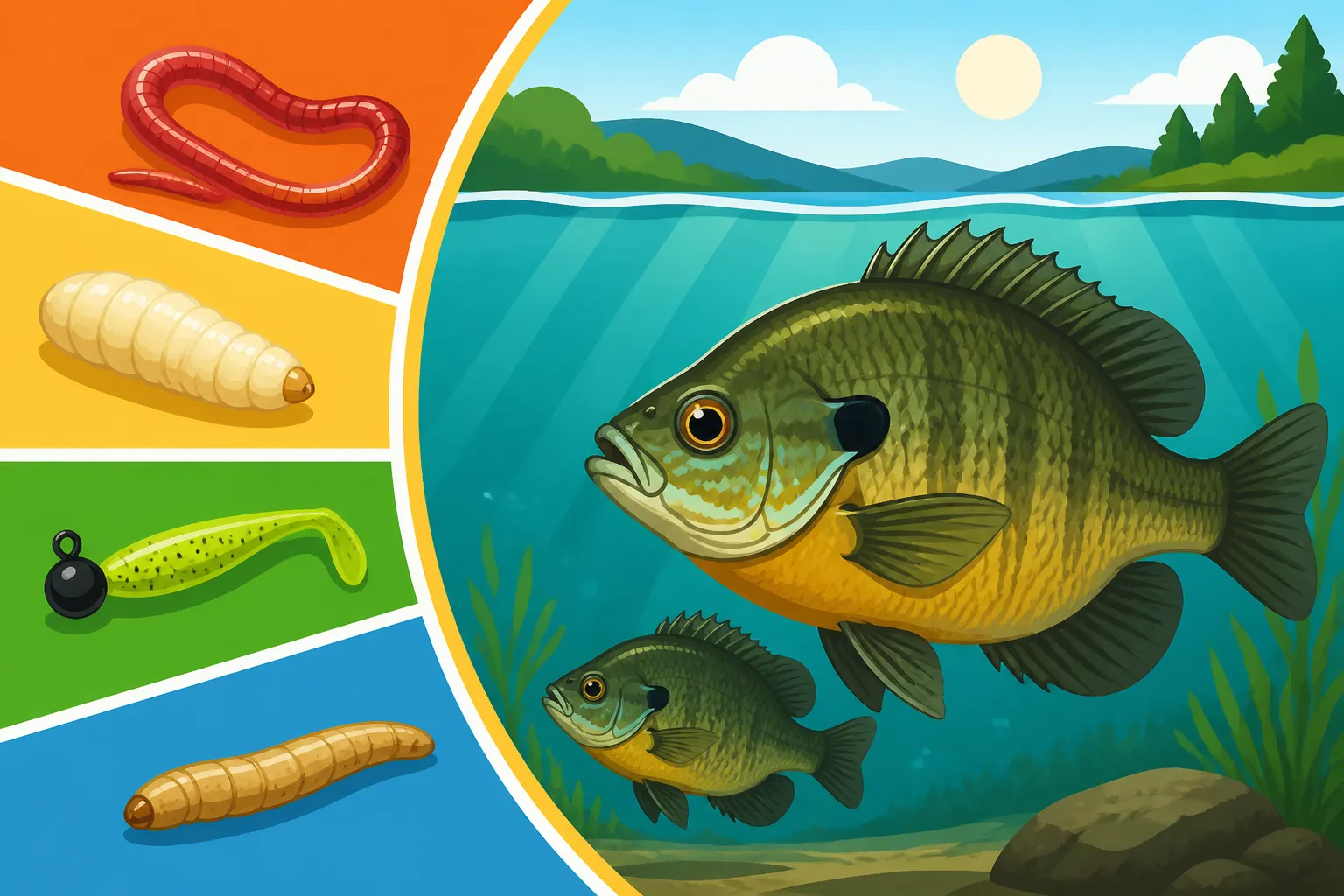
Let's be honest, if there's one bait that transcends almost every freshwater fishing scenario, it's the humble worm. For bluegill and panfish, worms are absolute gold. Red wigglers are often considered the top choice because they're small, incredibly active, and release a strong, attractive scent. You can thread a whole red wiggler onto a small hook, or if you're finding they're just nibbling the ends, try cutting a larger nightcrawler into smaller, bite-sized pieces. The wriggling action of a live worm beneath a bobber is often all it takes to trigger a strike.
What makes worms so universally effective? It's a combination of their natural appearance, their enticing movement, and that undeniable earthy scent they give off. Even if the fish aren't actively feeding, the presence of a worm can often pique their curiosity enough for a tentative bite. Plus, they're durable; one worm can often catch multiple fish before needing replacement, making them a very economical option. You can often find good deals on worms, or even full worm farms, on Amazon, ensuring you're always stocked up.
Insects: When Nature Calls
Beyond worms, many other insects are absolute dynamite for panfish, especially during the warmer months when bluegill are looking up for food. Crickets are probably the most popular choice, offering fantastic surface action. Their frantic kicks and subtle chirping (even underwater, in a way) send out irresistible vibrations. Hook them gently through the collar or behind the head to keep them lively, and cast them near lily pads or over submerged structure.
Grasshoppers are another fantastic option, especially if you can catch them yourself. Similar to crickets, their natural movements on the surface drive panfish wild. Other insects like mealworms, wax worms, and even small grubs (like those you might find in your garden compost) are also highly effective. These little critters mimic the larvae and insects that constantly fall into the water, presenting an easy, high-protein meal for hungry panfish. Presenting them under a tiny bobber or even tight-lining them can lead to some incredibly fun and fast-paced fishing, especially when trying to land bluegill or sunfish.
Kitchen Staples: Easy & Effective
Sometimes, you don't even need to go to the bait shop. Your kitchen or pantry might hold some surprisingly effective panfish baits! Take bread, for example. A small, soft ball of white bread squeezed onto a tiny hook can be incredibly effective, particularly for bluegill. It disperses tiny particles in the water, creating a chumming effect that can draw fish in. Just make sure it's squeezed on tight enough to stay on the hook during your cast.
Another popular choice is canned corn. Single kernels of sweet corn are perfectly bite-sized for panfish and have a subtle sweetness that fish seem to enjoy. It's especially good for sight fishing in clear water, as the bright yellow stands out. Just like with bread, it's incredibly affordable and always on hand. While not as universally effective as worms or crickets, these household items can certainly save the day if you're in a pinch or just want to experiment with something different. They are particularly great for a relaxed afternoon fishing trip with the family, offering a simple and accessible bait option.
| Bait Type | Pros | Cons | Ideal Conditions |
|---|---|---|---|
| Red Worms | Universal appeal, strong scent, active | Can be messy, fragile | All seasons, any water clarity |
| Crickets | Great surface action, lively | Harder to keep alive, can jump off hook | Warm water, clear conditions, surface feeding |
| Mealworms | Easy to keep, good scent | Less active than red worms | Cooler water, slow presentation |
| Bread | Cheap, always available, chumming effect | Falls off hook easily, less durable | Calm water, less current, quick bites |
| Canned Corn | Cheap, visible, bite-sized | Limited scent, less action | Clear water, sight fishing, calm conditions |
Effective Artificial Lures for Bluegill and Panfish
While natural baits are undeniably effective, there's a certain satisfaction that comes from fooling a fish with an artificial lure. For many anglers, it's the challenge and the endless variety that makes artificials so appealing. Modern lure technology means there are countless tiny wonders designed specifically to entice bluegill and other panfish, offering consistency and convenience without the need to keep live bait.
Micro Jigs and Spinners: Small Profile, Big Results
When panfish aren't in the mood for live bait, or you simply prefer the active style of lure fishing, micro jigs and spinners are your best friends. Micro jigs are tiny, typically 1/32 to 1/8 ounce, and are often paired with a small soft plastic body like a tube, grub, or tiny creature bait. Colors like chartreuse, white, black, and pink are often deadly, especially when fished under a small bobber or slowly twitched and reeled. The key is their small profile, which perfectly mimics the aquatic insects and larvae that make up a large portion of a panfish's diet. Many anglers find an incredible selection of these specialized micro jigs on Amazon, making it easy to stock up on various colors and sizes.
Spinners, like the classic Beetle Spin or even tiny inline spinners, create a flash and vibration in the water that can be irresistible. The rotating blade sends out subtle thumps and glints of light, drawing attention from a distance. Again, smaller sizes are crucial. A quick, steady retrieve is usually all it takes to get them working properly. These lures are fantastic when panfish are actively feeding and willing to chase. They cover water quickly, helping you locate schools of fish more efficiently than with static bait.
Soft Plastics and Flies: Versatile Presentations
Beyond standard jigs, tiny soft plastics offer immense versatility. You can find miniature worms, grubs, and creature baits that are scented or infused with glitter, all designed to appeal to panfish. Pairing these with a light jig head allows for a slow, seductive fall that often triggers strikes as the lure flutters down. The ability to vary your retrieve, from a slow crawl along the bottom to a series of sharp twitches, makes soft plastics highly adaptable to different moods of the fish. These are also great for situations where you want a clean bait that doesn't make a mess or needs to be kept alive.
For those who enjoy a more elegant and often more challenging approach, fly fishing for panfish can be incredibly rewarding. Dry flies, wet flies, nymphs, and tiny poppers are all excellent choices. Think about small ant patterns, grasshopper imitations, or even tiny woolly buggers. The delicate presentation of a fly, especially a dry fly dancing on the surface, can drive bluegill absolutely crazy. It's a fantastic way to experience the sport, and many of the techniques you'd use for trout, like those discussed in Fly Fishing Basics for Trout, can be successfully adapted for panfish. Getting your hands on quality fly-tying materials can also be done easily through platforms like Amazon, allowing you to customize your own lures.
Mastering Panfish Angling: Tips and Techniques
It’s one thing to know what bait to use, but it’s another to know how to use it effectively. Panfish might be abundant, but consistently catching them, especially the bigger ones, requires a little finesse. It's about understanding how to present your offering, ensuring your gear is matched to these smaller fighters, and knowing where they tend to hang out. Let's dig into some actionable advice to help you become a panfish master.
The Art of Presentation
Your bait could be the tastiest morsel in the lake, but if it's not presented correctly, it might as well be invisible. For bluegill and other panfish, a slow and natural presentation is often key. If you're using live bait like worms or crickets under a bobber, observe how the bait behaves. Does it look natural? Is it hanging at the right depth? Panfish often feed shallow, but in bright sunlight or during certain seasons, they might hug the bottom or structure. Adjust your bobber stop to ensure your bait is in the strike zone.
With artificials, varying your retrieve is crucial. For micro jigs, a slow, steady retrieve with occasional twitches can imitate a struggling insect. Sometimes, letting the jig fall on a slack line, allowing it to flutter enticingly, is all it takes. For small spinners, a consistent, medium-speed retrieve is usually effective. Don't be afraid to experiment! Try different speeds, pauses, and depths until you figure out what the fish are responding to on any given day. Remember that panfish are curious; a sudden dart or twitch can often trigger a reaction strike, even if they weren't actively feeding. Many of these techniques apply when you're targeting other species as well, as highlighted in Bass Fishing Techniques for Beginners, showing how fundamental presentation is.
Gearing Up for Success
You don't need fancy, expensive gear to catch panfish, but having the right gear makes a huge difference. Ultralight spinning setups are perfect. A light-action rod, typically 5 to 6 feet long, paired with a small spinning reel, gives you the sensitivity to feel subtle bites and the backbone to handle a spirited bluegill. The lighter the line, the better, as it reduces visibility and allows for more natural bait presentation. Two to four-pound test monofilament or fluorocarbon line is usually ideal.
When it comes to hooks, size matters immensely. Tiny hooks, often sizes #8 to #12, are essential for bluegill's small mouths. Using too large a hook will result in missed bites and lost bait. Small split shot weights, just enough to get your bait down, are also important. Avoid heavy weights that make your bait plunge unnaturally. The whole idea is to present something that looks easy and natural for a bluegill to consume. If you're fishing with kids, a simple spincast reel and a similar light setup will make it much easier for them to cast and feel those subtle nibbles, helping them catch bluegill and other small sunfish. You can explore a wide range of suitable ultralight rods and reels on Amazon that are perfect for panfish. For more on appropriate tackle, check out Best Rods and Reels for Tennessee Smallmouth Bass, which also stresses the importance of lighter gear for smaller fish.
Finding the Sweet Spots
Panfish, by nature, are creatures of cover and structure. They love places where they can hide from predators, find food, and feel secure. When you're looking for bluegill and other panfish, focus on these key areas:
- Docks and Piers: The shade and submerged structure around docks are prime panfish habitat.
- Brush Piles and Fallen Trees: These offer excellent protection and are magnets for baitfish, which in turn attract panfish.
- Lily Pads and Aquatic Vegetation: Weed beds provide cover, food, and a nursery for young fish. Work your bait along the edges or through sparse pockets.
- Shallow Bays and Coves: Especially in spring, these warmer, protected areas are where panfish will spawn.
- Rocky Outcroppings and Gravel Beds: While often associated with bass, panfish will also gather around these areas, particularly if there's an abundance of insects or small crustaceans.
Don't be afraid to move around until you find where the fish are holding. One spot might be dead, while another just a few yards away could be teeming with hungry bluegill. Often, the best locations are those that offer a combination of cover, shade, and access to deeper water nearby. Many of these features can be found in popular fishing areas, including those mentioned in Best Family Fishing Spots in Tennessee or Best Bank Fishing Spots in Tennessee. Remember, observing the water for any signs of activity, like subtle ripples or jumping baitfish, can also point you toward a productive spot.
Disclaimer
This article is for general informational purposes only and does not constitute professional advice. Laws, prices and regulations vary by location and change over time. Consult a qualified professional for guidance on your specific situation.