Tennessee’s Best Bank Fishing Spots
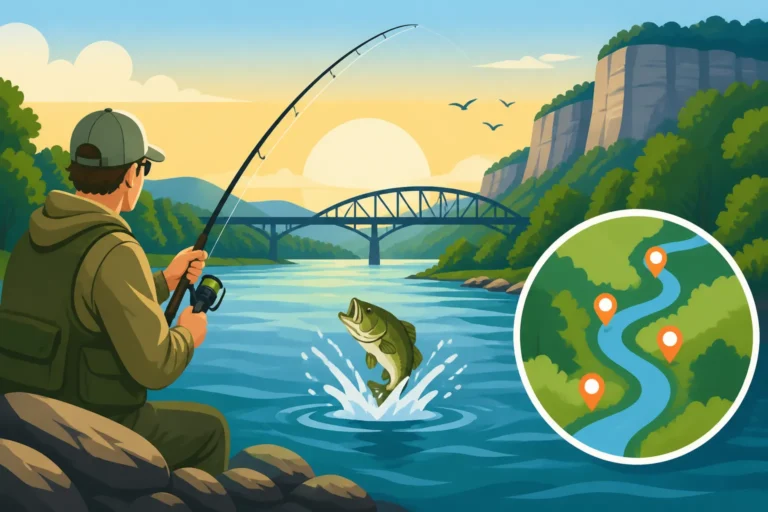
It's a common frustration for many of us: you're itching to cast a line, feel that tug, and enjoy the peace of the water, but you don't own a boat. Maybe you're visiting, on a budget, or simply prefer the simplicity of land-based angling. Whatever your reason, the good news is that Tennessee, with its incredible array of lakes, rivers, and ponds, offers a wealth of fantastic bank fishing opportunities. This guide is all about helping you discover those perfect spots, understand the nuances of fishing from shore, and have a truly rewarding experience without ever needing to launch a vessel.
The Beauty and Challenge of Bank Fishing in Tennessee
For many, the image of a successful angler involves a fancy bass boat, a powerful motor, and a fish finder humming with activity. This can make those of us without a boat feel like we're missing out or that our fishing options are severely limited. But let me tell you, that couldn't be further from the truth, especially here in Tennessee. Bank fishing isn't just a fallback; it's a strategic, enjoyable, and often incredibly productive way to experience the state's amazing fisheries.
Why Bank Fishing is Often Overlooked But Shouldn't Be
There's a prevailing misconception that serious fishing requires a boat. It’s easy to get caught up in the allure of expensive gear and the idea that deeper water always holds bigger fish. This can lead new anglers, or those without access to a boat, to believe their chances of a good catch are slim. We've all seen those tournament photos with massive bass caught from the middle of a sprawling reservoir, which only reinforces the idea that you need to be out there, far from shore.
However, many fish species, particularly at certain times of the year, spend a significant amount of their time close to the bank. They're there for food, cover, and spawning. Think about it: insects fall into the water from overhanging branches, baitfish hug the shoreline for protection, and submerged timber or rock piles near the bank provide perfect ambush points. Bank fishing offers incredible accessibility. You don't need a boat ramp, gas money, or the hassle of trailering a vessel. Just grab your rod, tackle box, and go. It's often more cost-effective, more spontaneous, and can be a wonderfully peaceful way to connect with nature, even if you’re just enjoying the scenery while waiting for a bite. Plus, it teaches you to be more observant and strategic, truly "reading" the water right in front of you.
Understanding the Landscape: Rivers, Lakes, and Ponds
Tennessee's diverse topography means you'll encounter a variety of water bodies, each presenting unique bank fishing opportunities and challenges. From the mighty Tennessee River and its expansive reservoirs to countless smaller creeks, ponds, and state park lakes, there’s a spot for every preference.
Lakes and Reservoirs: These large bodies of water, often created by dams, are home to a huge variety of game fish including bass, crappie, catfish, and various panfish. The challenge here is finding areas with accessible shoreline that also offer good fishing structure. Many shorelines can be steep, heavily wooded, or privately owned. Public access points like parks, recreation areas, and boat ramps (even if you're not launching a boat) often provide the best bank fishing spots. Look for points, coves, riprap (rocky embankments), and docks that extend from shore. These features attract fish seeking cover or food.
Rivers and Creeks: Smaller rivers and creeks offer fantastic bank fishing, especially for species like smallmouth bass, catfish, and various panfish. The current can be your friend, bringing food to fish holding in eddies, behind rocks, or along current seams. Access often comes from bridges, public parks along the riverbanks, or designated wildlife management areas. Be mindful of water levels and currents, especially after heavy rains. The Clinch River and Caney Fork River, for instance, are renowned for their trout fishing, and many stretches are perfectly suited for wade or bank fishing.
Ponds and Small Lakes: Often found in state parks, city parks, or private campgrounds, these smaller impoundments are perfect for family outings and beginners. They are typically well-stocked with bluegill, bass, and catfish, and their entire shoreline is often accessible for fishing. These waters are less intimidating and provide a great chance for consistent action, making them ideal for introducing kids to the sport. Family-Friendly Fishing at Old Hickory Lake, Tennessee offers some great insights into these types of accessible spots.
Top Bank Fishing Destinations Across Tennessee
Now, let's get down to some specific locations that shine for bank anglers. Tennessee is blessed with an abundance of public access, making it relatively easy to find a spot to cast your line without a boat.
East Tennessee Gems: Mountains and Reservoirs
East Tennessee is a landscape of majestic mountains, rolling foothills, and some of the state's largest and clearest reservoirs. Finding good bank access here often means exploring state parks, TVA (Tennessee Valley Authority) recreation areas, and public boat ramps that offer more than just a place to launch a vessel.
One fantastic option is Fort Loudoun Lake, near Knoxville. While known for its boat fishing, many areas along its shoreline provide excellent bank access. Look for places like Fort Loudoun State Historic Park, which has some shoreline access, or various public boat ramps where you can often fish off the bank or a pier. Anglers here can target largemouth and smallmouth bass, crappie, and catfish. Another jewel is Norris Lake, often lauded as one of the state's clearest lakes. While much of its shoreline is steep, areas around marinas and campgrounds often have designated fishing access. Consider fishing near the Norris Dam area or explore some of the many public access points found on maps. For trout enthusiasts, the Clinch River below Norris Dam offers exceptional bank and wade fishing opportunities, especially in the cold-water sections that are regularly stocked with rainbow and brown trout. This is a truly unique experience, offering a chance to target cold-water species amidst stunning scenery.
Many of these spots, especially around popular lakes, might also have local guides who specialize in shore-based fishing or can point you to prime bank access. Services like FishingBooker can sometimes help connect you with local experts who know the ins and outs of fishing these specific shorelines, even if you’re not looking for a full boat trip.
Middle Tennessee's Accessible Waters
Middle Tennessee, with its bustling cities and charming towns, still offers a surprising number of fantastic bank fishing spots, often just a short drive from urban centers. These areas are particularly popular for their convenience and variety of species.
Percy Priest Lake, just outside Nashville, is a prime example. This large reservoir boasts numerous parks and recreation areas that are tailor-made for bank fishing. Spots like Long Hunter State Park and Anderson Road Recreation Area provide extensive shoreline access, fishing piers, and even designated areas for kids. You can easily spend a day here targeting largemouth and smallmouth bass, crappie, bluegill, and catfish. Shore Fishing Access at Percy Priest Lake, Tennessee details some excellent locations for those without a boat. Another popular destination is Old Hickory Lake, also near Nashville. Its shoreline varies from steep bluffs to gentle slopes, but parks such as Old Hickory Beach, Shutes Branch Recreation Area, and Bledsoe Creek State Park offer excellent bank fishing. These areas are great for catching bass, crappie, and catfish, with plenty of cover like submerged brush and rocky points.
For those looking for river fishing, sections of the Harpeth River offer excellent bank access through parks and state natural areas, particularly for smallmouth bass and various panfish. These river spots often require a bit more walking but offer a more serene, natural setting.
West Tennessee's Lakes and Lowland Rivers
West Tennessee's landscape transitions into flatter plains, dotted with expansive lakes and slow-moving rivers. The fishing here is legendary, particularly for crappie and catfish, and many of these areas are perfectly suited for bank anglers.
Kentucky Lake, which straddles the border with Kentucky, is one of the most famous fishing destinations in the country. While vast, many state and county parks along the Tennessee side of the lake provide excellent bank access. Paris Landing State Park, for instance, offers fishing piers and ample shoreline. You can expect to catch a variety of species, from largemouth and smallmouth bass to monster catfish and abundant crappie. The riprap areas along causeways and bridges often hold excellent numbers of fish. Downstream, where the Tennessee River meets the Mississippi, Pickwick Lake offers great opportunities, particularly below the dam area where current concentrates baitfish and game fish. Local parks and recreation areas in towns like Counce provide bank access to target smallmouth bass, crappie, and particularly large catfish.
Unique to West Tennessee is Reelfoot Lake, a shallow, cypress-filled lake formed by earthquakes. While largely a boat fishing destination due to its unique structure, certain areas around parks and public access points on the eastern shore offer bank fishing for crappie, bluegill, and catfish. These spots provide a truly different fishing experience, surrounded by the iconic cypress trees.
| Fishing Spot | Location | Primary Target Species | Key Features for Bank Anglers |
|---|---|---|---|
| Percy Priest Lake | Near Nashville | Largemouth Bass, Crappie, Catfish, Bluegill | Multiple state parks, fishing piers, extensive shoreline |
| Fort Loudoun Lake | Near Knoxville | Bass, Crappie, Catfish | State historic park, public ramps, riprap |
| Old Hickory Lake | Near Nashville | Bass, Crappie, Catfish | Numerous public parks, gentle slopes, submerged brush |
| Clinch River | Below Norris Dam | Rainbow Trout, Brown Trout | Designated wade/bank access, cold-water trout fishery |
| Kentucky Lake | Paris Landing State Park | Bass, Crappie, Catfish | State park piers, riprap, extensive public shore access |
| Reelfoot Lake | Tiptonville | Crappie, Bluegill, Catfish | Unique cypress habitat, specific public access points |
Strategies for Successful Bank Fishing
Just because you’re not in a boat doesn't mean you can't be a strategic and successful angler. In fact, bank fishing often hones your skills in observation and presentation. You learn to make every cast count and truly understand the fish's habits near the shore.
Reading the Water Without a Boat
One of the biggest advantages boat anglers have is mobility and technology like fish finders. But you can "read" the water effectively from the bank with just your eyes and a bit of knowledge. Look for anything that breaks the current or provides cover or structure, as fish will naturally gravitate to these areas.
Identify Natural Cover: Overhanging trees and bushes provide shade, dropping insects into the water, and offering excellent cover for baitfish and game fish. Fallen trees (called "laydowns") or submerged brush piles near the bank are prime locations. Rocks, boulders, and riprap (rocks used to stabilize shorelines) absorb and radiate heat, attract baitfish, and create current breaks, making them fish magnets.
Look for Depth Changes: Even subtle changes in depth near the bank can hold fish. Look for points that extend into the water, coves with deeper pockets, or areas where the bank drops off steeply. Often, you can tell where a deeper channel or drop-off might be by observing the water color or how the current flows. Cast your lure parallel to the bank to cover different depths and retrieve it through areas where you suspect a drop-off occurs.
Observe Surface Activity: Watch for signs of baitfish flickering on the surface or game fish busting schools of bait. Birds diving into the water can also indicate baitfish activity below. If you see these signs, cast to those areas! Even without a fish finder, observing your environment provides invaluable clues. Remember, many species like largemouth bass will patrol the shoreline, especially in low light conditions, hunting for an easy meal.
Essential Gear for the Bank Angler
The beauty of bank fishing is that you don't need a ton of specialized gear, but a few smart choices can make a huge difference in your comfort and success. Portability and versatility are key here.
Rods and Reels: A medium-light to medium-action spinning rod, around 6 to 7 feet long, is a fantastic all-around choice for bank fishing in Tennessee. It's versatile enough to cast lighter lures for crappie and bluegill, but also has enough backbone to handle a decent bass or catfish. Pair it with a reliable spinning reel spooled with 6-10 lb monofilament or fluorocarbon line. A compact baitcasting setup is also a good option if you prefer it, especially for heavier lures or targeting bigger bass. Consider a two-piece rod for easier transport.
Tackle Box or Backpack: Ditch the bulky tackle box and opt for a small, portable tackle bag or a fishing backpack. These allow you to carry essential lures, hooks, weights, and tools without being weighed down. A good backpack with external rod holders is a game-changer for walking to different spots.
Comfort and Safety Gear: Don't forget a small, foldable fishing chair or a comfortable cushion for long waits. A hat, polarized sunglasses, and sunscreen are non-negotiables for sun protection. Good, non-slip footwear is crucial, especially when navigating rocky or muddy banks. And always carry water, especially during the warmer months. A small cooler can also be handy for keeping drinks cool and your catch fresh.
Best Baits and Lures for Shoreline Success
When you're bank fishing, you want versatile baits and lures that can cover a lot of ground and attract a variety of species. Natural baits are often king from the bank, but artificials have their place too.
Natural Baits:
- Worms: Red wigglers, nightcrawlers – you can't go wrong. They catch everything from bluegill and crappie to bass and catfish. Simple, effective, and readily available.
- Crabs/Crickets: Excellent for panfish like bluegill and shellcrackers. They're small, active, and highly attractive.
- Minnows: Live minnows are deadly for crappie, white bass, and even smallmouth bass. Fish them under a bobber or on a small jig head.
- Chicken Livers/Cut Bait: If catfish are your target, chicken livers or cut pieces of shad or other oily fish are irresistible. Fish these directly on the bottom with a weighted rig.
Artificial Lures:
- Small Spinners and Spoons: These are highly effective for various species, including trout, panfish, and smaller bass. Brands like Rooster Tail or Mepps are classic choices.
- Jigs: Small plastic jigs (1/16 to 1/8 oz) with curly tails or paddle tails are fantastic for crappie and can also entice bass. Experiment with colors like white, chartreuse, or black.
- Soft Plastics: Wacky-rigged Senkos, Ned Rigs, or small finesse worms can be incredibly effective for bass when fished slowly along the bottom or near cover. These mimic natural forage and are less prone to snagging than some other options.
- Topwater Lures: During low light conditions (dawn/dusk) or overcast days, small poppers or walking baits can bring explosive strikes from bass near the shoreline.
Remember to match your bait or lure size to the size of the fish you're targeting and the typical forage in that water body. For instance, if you're fishing a stream known for trout, smaller spinners and flies will be more effective than large bass lures.
Navigating Regulations and Finding Access
One of the most crucial aspects of any fishing trip in Tennessee is making sure you're legal and respectful of the rules. Fishing from the bank is no exception. Ignorance of the law is never an excuse, so a little preparation goes a long way.
Understanding Tennessee's Fishing License Requirements
First and foremost, virtually anyone over the age of 13 needs a valid Tennessee fishing license to fish in public waters, regardless of whether you're in a boat or on the bank. This applies to both residents and non-residents. There are different types of licenses available, from annual to one-day options, and special permits for trout if you plan to target those species.
It's easy to get your license online through the Tennessee Wildlife Resources Agency (TWRA) website, or you can purchase one from various sporting goods stores and bait shops across the state. It's always a good idea to have your license readily available, either a physical copy or a digital one on your phone, in case a TWRA officer asks to see it. Trust me, getting caught without one can lead to fines, and nobody wants that to ruin a peaceful day of fishing. You can learn more about specific requirements in our detailed guides like How to Get a Tennessee Fishing License or Tennessee Fishing License Costs and Types. Make sure you understand Tennessee Fishing Regulations Explained before heading out.
Public Access Points: State Parks, TWRA Areas, and City Parks
Finding good bank access is often the biggest hurdle for shore anglers. Fortunately, Tennessee has a robust system of public lands that ensure you can find a spot.
State Parks: Many Tennessee State Parks are located on major lakes or rivers and offer excellent fishing opportunities, often with designated fishing piers, bank access trails, and visitor amenities. These are usually well-maintained, safe, and family-friendly. Examples include Long Hunter State Park on Percy Priest Lake, Paris Landing State Park on Kentucky Lake, and Norris Dam State Park. Always check the park's website or visitor center for specific fishing regulations or restricted areas within the park.
TWRA Wildlife Management Areas (WMAs): The TWRA manages numerous WMAs across the state, many of which provide public fishing access to rivers, lakes, and smaller ponds. These areas are specifically managed for wildlife and outdoor recreation, so they often have good facilities and clearly marked access points. The TWRA website is an excellent resource for finding WMAs with fishing access.
City and County Parks: Don't overlook your local community parks! Many towns and cities have public parks with ponds or river access that are stocked by the TWRA or maintained for local fishing. These can be hidden gems, especially for an hour or two of fishing close to home. They are often perfect for kids and beginners due to their easy access and usually well-stocked waters. For instance, you might find a pond stocked with catfish or bluegill in a park within the Nashville or Knoxville metro areas.
Boat Ramps: Even if you don't have a boat, public boat ramps often provide excellent bank fishing opportunities. The areas around the ramps, causeways, and adjacent shorelines can be productive, as fish often congregate near these structures. Just be mindful of boat traffic and give boats plenty of room to launch and retrieve. You can often find information on these access points, and even insights into local fishing conditions, by checking out resources like FishingBooker, which sometimes lists general public access points in their location guides.
Respecting Private Property and Local Rules
While public access is abundant, it's absolutely critical to respect private property. Always be aware of signs indicating private land and avoid trespassing. What looks like an open field might be someone's backyard. When in doubt, it’s best to err on the side of caution and find another spot.
Furthermore, while statewide fishing regulations provide a general framework, many individual lakes and rivers in Tennessee have lake-specific fishing rules that override Tennessee's statewide limits. These local regulations might pertain to size limits, daily creel limits for certain species, or even specific gear restrictions. For example, a particular lake might have a slot limit for bass that differs from the statewide regulation, or a specific river section might be catch-and-release only for trout. It is always your responsibility to check the specific regulations for the body of water you plan to fish before you cast your first line. The TWRA fishing guide (available online and at license vendors) is your best friend here, providing detailed information on these exceptions. A good practice is to look up the specific lake or river on the TWRA website before you go.
Maximizing Your Bank Fishing Experience
Bank fishing offers a unique connection to nature and a sense of tranquility that's sometimes hard to find on a bustling boat. To truly maximize that experience, a little forethought about safety, timing, and environmental stewardship goes a long way.
Safety First: Awareness and Preparation
When you're out on the bank, you're exposed to the elements and whatever the natural environment throws your way. Being prepared can prevent a wonderful day from turning into a nightmare.
Environmental Awareness: Be mindful of your surroundings. Riverbanks can be slippery, especially after rain, so wear appropriate footwear with good traction. Look out for venomous snakes, particularly in warmer months, which often bask in sunny, rocky areas near water. Give them a wide berth. Be aware of poison ivy and other irritating plants. Always tell someone where you're going and when you expect to return, especially if you're exploring more remote areas.
Weather Preparedness: Tennessee weather can change on a dime. Always check the forecast before you go. Bring rain gear even if it's not predicted, and dress in layers. Sun protection (hat, sunglasses, sunscreen) is crucial to prevent sunburn and heatstroke. In colder months, warm, waterproof clothing is essential. Staying hydrated is important year-round, so always pack enough water.
Emergency Kit: A small first-aid kit in your fishing bag is a smart idea. Include band-aids, antiseptic wipes, pain relievers, and any personal medications you might need. A fully charged cell phone is also a must for emergencies.
Best Times of Day and Season for Bank Fishing
Just like with boat fishing, timing can make all the difference for bank anglers. Fish behavior changes dramatically with light levels, water temperature, and seasonal patterns.
Time of Day:
- Dawn and Dusk: These are often the "golden hours" for bank fishing. Fish, especially bass and crappie, move into shallower water closer to the banks to feed during low light conditions, as they feel more secure and their prey is more active. Topwater lures can be incredibly effective during these times.
- Mid-day: On bright, sunny days, fish tend to retreat to deeper, cooler water or seek heavy cover like submerged logs or dense vegetation. Targeting shaded areas, drop-offs, or under docks can still be productive. Catfish are often less deterred by bright sun and can be caught throughout the day, especially if you're fishing on the bottom.
- Night Fishing: For catfish and some species of bass, night fishing from the bank can be incredibly rewarding. Fish are often more active and less wary after dark. Just remember to bring a headlamp and be extra cautious about your footing.
Seasonal Patterns:
- Spring: This is prime time for bank fishing! As water temperatures rise, fish move to shallow areas to spawn. Bass, crappie, and bluegill are all very accessible from the bank during their spawning periods. Look for shallow coves, protected areas, and submerged structure. Tennessee Bass Fishing Seasons and Patterns and Spring Crappie Spawn Timing in Tennessee provide more detail on these crucial periods.
- Summer: As waters warm, fish often retreat to deeper, cooler water during the hottest parts of the day. Early morning and late evening become critical for success. Target shaded areas, deep points, or spots with current.
- Fall: Fish become very active in the fall, feeding heavily to prepare for winter. They can often be found chasing baitfish near the banks, making it an excellent time for aggressive retrieves with artificial lures.
- Winter: Bank fishing in winter can be challenging but rewarding. Fish are generally lethargic, but they still need to eat. Look for deeper pockets, sunny rock walls that absorb heat, or areas near warm water discharges. Fishing slower and with smaller baits is usually the key. For trout, many cold-water streams are stocked in the fall and winter, providing excellent Tennessee Trout Fishing Season Explained from the bank or by wading.
Leave No Trace Principles
As fellow outdoor enthusiasts, it's our collective responsibility to protect the beautiful natural resources that Tennessee offers. Following "Leave No Trace" principles ensures these fishing spots remain pristine and enjoyable for everyone, for years to come.
Pack It In, Pack It Out: This is the golden rule. Whatever you bring with you – bait containers, snack wrappers, empty bottles, fishing line – make sure it all comes back out with you. Don't leave trash on the bank or in the water. Lost fishing line is especially harmful to wildlife. Consider carrying a small trash bag specifically for your waste.
Respect Wildlife and Vegetation: Observe wildlife from a distance and avoid disturbing nesting birds or other animals. Be careful where you step, especially near delicate aquatic vegetation. Don't cut down trees or break branches for firewood or to clear a casting path unless it's explicitly allowed and necessary.
Handle Fish with Care: If you plan to release fish, handle them gently with wet hands, minimize their time out of water, and release them quickly. This ensures their survival and maintains healthy fish populations.
By following these guidelines, you're not just a successful angler; you're also a steward of Tennessee's incredible outdoors, preserving these precious bank fishing spots for future generations. Who knows, you might even inspire someone else to try their hand at fishing from the bank after seeing how enjoyable and rewarding it can be!
Disclaimer
Please note that fishing regulations, access points, and conditions can change. Always consult the official Tennessee Wildlife Resources Agency (TWRA) website or their current fishing guide for the most up-to-date information on licenses, regulations, and public access before your trip. The information provided in this article is for general guidance only.