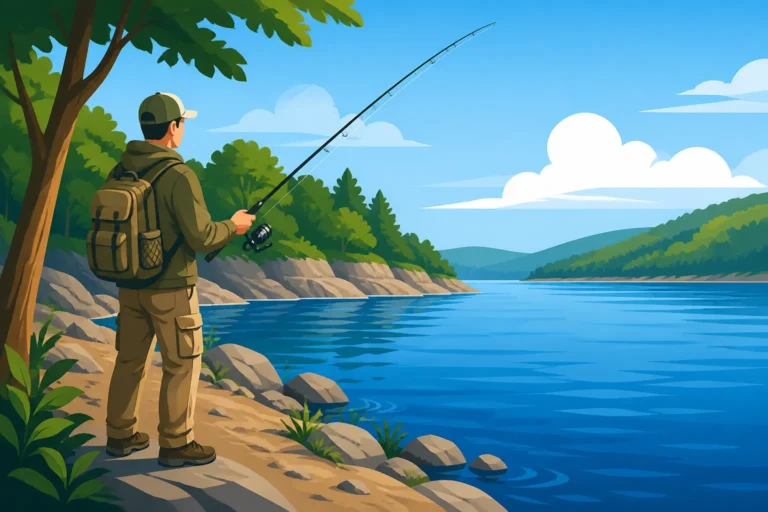
Shore Fishing Access at Percy Priest Lake, Tennessee
Finding that perfect spot to cast a line from the bank on a sprawling reservoir like Percy Priest Lake can feel like searching for a needle in a haystack. Many anglers get frustrated by limited access, dense vegetation, or private property blocking the way to prime fishing real estate. This comprehensive guide is here to cut through that frustration, helping you uncover the best shore fishing access points and techniques to make your next angling adventure at Percy Priest a successful one.
Navigating the Challenges of Shore Fishing on Percy Priest Lake
Percy Priest Lake, a massive reservoir covering over 14,000 acres near Nashville, Tennessee, is renowned for its excellent fishing, particularly for bass, crappie, catfish, and even striped bass. However, its immense size and development often mean that many of the most productive fishing grounds are primarily accessible by boat. This can leave shore anglers feeling a bit left out, constantly searching for those elusive spots where they can actually reach the water with a cast.
One of the biggest hurdles is the steep, rocky banks that characterize much of the lake. These aren't just inconvenient; they can be downright dangerous, making it tough to find a stable footing, let alone set up a comfortable fishing station. Then there's the issue of private property. Much of the shoreline is privately owned, meaning you can't just wander down to the water wherever you see an open patch. Respecting these boundaries is crucial, not just for legal reasons, but for maintaining good relationships with landowners and preserving access where it is allowed. Furthermore, fluctuating water levels can dramatically change shore access. What was a clear, easy bank one week might be submerged or turned into a muddy, inaccessible mess the next. It's a constant dance with nature, requiring adaptability and local knowledge to find success without a boat.
Premier Public Access Points for Bank Anglers at Percy Priest
Despite the challenges, Percy Priest Lake does offer several fantastic public access points that are well-suited for shore fishing. These spots are maintained by the U.S. Army Corps of Engineers or Tennessee State Parks, ensuring legal and relatively safe access for anglers. Knowing where these gems are can make all the difference in your fishing experience.
Anderson Road Recreation Area
The Anderson Road Recreation Area is a true haven for bank anglers, especially those looking for a diverse fishing experience close to Nashville. This area boasts a boat ramp, but more importantly for us, plenty of well-maintained shoreline and several designated fishing piers that extend out into the water. These piers are a game-changer, allowing you to cast into deeper water and beyond the immediate bankside vegetation that often snags lines. The access here is flat and paved in many areas, making it very family-friendly and accessible for those with mobility concerns. You'll find good opportunities for crappie around the piers, especially during the spring spawn, and catfish will readily take cut bait or stink bait cast from the bank. Bass often lurk around any structure, so keep an eye out for submerged rocks or brush piles near the shoreline. Parking is ample, and facilities like restrooms and picnic areas make it an ideal spot for a longer outing.
Elm Hill Recreation Area
Just a short drive from the Nashville metropolitan area, Elm Hill Recreation Area offers another excellent option for shore anglers. Similar to Anderson Road, Elm Hill provides paved walking paths along the shoreline, making for easy access. While it doesn't have as many dedicated fishing piers, there are numerous open stretches of bank where you can cast without obstruction. This area is particularly known for its consistent panfish action, like bluegill and shellcrackers, which are perfect for a casual afternoon or introducing kids to fishing. You might also encounter largemouth bass lurking in the coves and around any fallen timber near the banks. The proximity to residential areas means it can get busy, especially on weekends, but early mornings or weekdays often provide a more peaceful experience. It's a great spot to simply relax and enjoy the scenery while waiting for a bite.
Long Hunter State Park
Long Hunter State Park, located on the eastern side of Percy Priest Lake in Hermitage, is perhaps one of the most extensive and diverse options for shore fishing. With miles of shoreline, including several designated fishing areas and a children's fishing pond, it caters to a wide range of anglers. The Couchville Lake section of the park is a particular highlight for families and beginners, as it's a smaller, calmer body of water with easy bank access and is regularly stocked by the Tennessee Wildlife Resources Agency (TWRA). While Couchville Lake has its own unique charm, the main lake access within Long Hunter State Park offers more adventurous opportunities.
- Cedar Forest Trail: This trail winds along the lake's edge, providing various points where anglers can slip down to the water. The terrain here can be a bit more rugged than the paved areas of Anderson Road, but it rewards you with more secluded spots. Target bass and crappie in these hidden coves, especially where fallen trees or rock outcrops provide cover.
- Jones Mill Trail: Another excellent trail system within the park, Jones Mill offers both open bank access and some spots requiring a short hike through wooded areas. The variety of habitat here, from shallow flats to deeper drops, makes it a good option for targeting different species depending on the season. Look for areas with a mix of rocks and vegetation for optimal fishing.
When planning a trip to Long Hunter State Park, remember that it's a large park with many activities, so arrive early to secure your preferred fishing spot, especially on busy days. Remember that Tennessee Fishing Regulations Explained apply in state parks, just as they do everywhere else.
Poole Branch Recreation Area
Poole Branch Recreation Area, situated on the western side of the lake, offers decent shoreline access, particularly around its day-use area. While primarily a boat launch site, there are sections of open bank that provide good casting opportunities. This area can be good for targeting catfish in the deeper channels and coves, especially if you're using bottom-fishing rigs with stink bait or chicken livers. It tends to be less crowded than some of the other spots, offering a bit more solitude for those who prefer a quieter fishing experience. The key here is exploring the shoreline away from the main boat traffic to find those undisturbed pockets where fish might be holding.
Here's a quick overview of these fantastic shore fishing locations:
| Access Point | Primary Fish Species | Key Features | Best For | Considerations |
|---|---|---|---|---|
| Anderson Road Recreation Area | Crappie, Catfish, Largemouth Bass | Fishing piers, paved access, restrooms, picnic areas | Families, accessible fishing, diverse species | Can be busy, especially on weekends |
| Elm Hill Recreation Area | Panfish, Largemouth Bass | Paved walking paths, open banks, close to Nashville | Casual fishing, beginners, panfish action | Residential proximity, moderate crowding |
| Long Hunter State Park | Bass, Crappie, Panfish | Miles of diverse shoreline, children's pond, hiking trails | Secluded spots, family outings, varied habitat | Larger area requires exploration, some rugged terrain |
| Poole Branch Recreation Area | Catfish, Largemouth Bass | Open bank sections, less crowded, boat launch | Solitude, bottom fishing for catfish | Primarily a boat launch, less developed for bank fishing |
Mastering Your Approach: Tips for Successful Shore Fishing
Shore fishing at Percy Priest Lake, while rewarding, definitely requires a different approach than fishing from a boat. It's about maximizing your limited casting range and understanding how fish behave closer to the bank.
Reading the Water from the Bank
When you're confined to the bank, every cast counts, and understanding what lies beneath the surface is vital. Look for visual cues: points, coves, submerged timber, rock piles, or sudden changes in bottom contour. Points that extend into the lake can be excellent ambush spots for bass, as they act as natural highways for baitfish. Coves, especially those with some vegetation, offer protection and warmth, attracting crappie and panfish. Even seemingly barren banks might have subtle drops or ledges just a few feet out that hold fish. Pay attention to water color and current; fish often congregate where these factors offer an advantage, such as a slight current bringing food or murky water offering cover. Understanding How Water Temperature Affects Fish Activity is also critical, as fish will move closer or further from the bank based on temperature fluctuations.
Consider the time of day and year. Early mornings and late evenings are often prime times for bass and crappie to move into shallower water to feed. During the heat of summer, these fish will retreat to deeper, cooler waters, making them harder to reach from the bank unless you're at a spot like Anderson Road with a pier that extends into deeper water. In contrast, catfish often feed more actively at night, making evening trips to spots like Poole Branch particularly productive.
Essential Baits and Lures for Bank Anglers
Your bait and lure selection is crucial when shore fishing. You need offerings that cast well, are versatile, and appeal to the species commonly found near the bank.
- For Bass: Soft plastics like Texas-rigged worms or Senkos are incredibly effective. They can be cast a good distance, are weedless, and can be slowly worked through cover without getting snagged. Small crankbaits and spinnerbaits that don't dive too deep can also be great for covering water along the banks. Topwater lures, like poppers or walking baits, are thrilling during low-light conditions in the warmer months. If you're looking for more specific recommendations, consider consulting a Tackle Box Setup for Bass Fishing guide.
- For Crappie: Small jigs (1/32 to 1/16 ounce) tipped with a small plastic grub or minnow imitation are gold for crappie. Tipping them with a live minnow under a bobber can be deadly. Fish these around any visible structure like fallen trees, brush piles, or bridge pilings. The piers at Anderson Road are perfect for this.
- For Catfish: Nothing beats natural bait for catfish. Cut bait (shad, bluegill), chicken livers, or commercial stink baits are highly effective. Use a bottom rig with an egg sinker above a swivel, then a leader to a hook. Cast these out and let them sit, as catfish are primarily scent feeders.
- For Panfish: A simple hook, sinker, and bobber setup with live crickets, worms, or small bits of corn works wonders for bluegill and other panfish. These are often found in very shallow, calmer waters, making them accessible from nearly any bank with a gentle slope.
When preparing your gear, thinking about portability is key. You'll be walking, so a well-organized tackle backpack or small satchel, rather than a bulky tackle box, will make your life much easier.
Strategic Casting and Retrieval
Since your casting range is limited from the bank, precision is paramount. Don't just cast blindly into open water. Target visible structures, dark spots indicating deeper water, or breaks in the shoreline vegetation. If you're fishing a point, cast parallel to the bank or fan-cast to cover different depths and angles around the point. When retrieving, vary your speed and retrieve pattern. Sometimes a slow, steady retrieve is best; other times, twitching and pausing can trigger a strike.
If you find a good spot, don't be afraid to make multiple casts to it from different angles. Fish can be very particular about presentation. For instance, if you're targeting bass along a rocky bank, try casting your lure to land just past the structure and retrieve it right over or along it. This simulates a baitfish trying to escape cover, often provoking a predatory strike.
Essential Gear for Your Percy Priest Shore Adventure
Having the right gear makes all the difference when you're out there hitting the banks of Percy Priest. You don't need a boatload of expensive equipment, but a few thoughtful choices will significantly improve your comfort and success.
Rods and Reels for Versatile Bank Fishing
For shore fishing on a reservoir like Percy Priest, versatility is your best friend. A medium-action spinning rod, typically 6'6" to 7' long, paired with a 2500 or 3000 series spinning reel, is an excellent all-around choice. This setup offers enough backbone to cast various baits and lures a good distance, handle larger fish like bass or modest catfish, and still be sensitive enough for crappie and panfish.
- Rod Length: The slightly longer rod helps with casting distance, which is critical when you can't get out onto the water. It also provides better line control over bankside obstacles.
- Action: A medium action allows for enough flex to cast lighter lures but still provides power for setting hooks and fighting fish.
- Line: Spool your reel with 8-12 lb monofilament or fluorocarbon for general purpose, or consider 15-20 lb braided line with a fluorocarbon leader for increased sensitivity and strength, especially around heavier cover. If you plan to target trophy bass, you might even consider a heavier Best Rods for Largemouth Bass and line setup.
Comfortable and Practical Apparel
Don't underestimate the importance of what you wear. You'll be doing a lot of walking, standing, and potentially navigating uneven terrain.
- Footwear: Waterproof hiking boots or sturdy athletic shoes with good grip are essential. You might encounter muddy patches, dew-soaked grass, or slick rocks.
- Clothing: Dress in layers, as Tennessee weather can be unpredictable. Long pants and sleeves can protect you from sun exposure, insect bites, and scratches from brush. Quick-drying fabrics are always a plus.
- Headwear & Eyewear: A wide-brimmed hat or baseball cap is crucial for sun protection. Polarized sunglasses are non-negotiable—they reduce glare, allowing you to see submerged structure and even fish, giving you a distinct advantage.
The Indispensable Tackle Bag
Forget the bulky box; a lightweight, comfortable tackle backpack or shoulder bag is key for shore fishing. You need to carry your essentials without being weighed down.
- Organization: Look for a bag with multiple compartments to keep your lures, soft plastics, hooks, weights, and tools organized. You don't want to be fumbling for a specific item when the bite is hot.
- Tools: Essential tools include a pair of pliers for hook removal, line clippers, a small first-aid kit, and a fish gripper or net (collapsible ones are great for portability). A small rag or towel also comes in handy for wiping hands.
- Consumables: Always pack plenty of water, some snacks, and sunscreen. If you plan to keep fish, a small soft-sided cooler with ice is perfect for preserving your catch.
If you're unsure about where to start with your tackle bag, a general guide on Best Fishing Gear for Beginners can offer valuable insights. You can also book a guided trip through a service like FishingBooker if you want to experience the lake's fishing without committing to all the gear initially, learning directly from a local expert who knows the prime spots.
Understanding Percy Priest Lake's Unique Challenges
Beyond the general difficulties of shore access on large reservoirs, Percy Priest Lake presents its own distinct set of environmental and seasonal considerations that shore anglers should be aware of. These factors can significantly impact fish behavior and your chances of success.
Fluctuating Water Levels and Their Impact
Like many Corps of Engineers reservoirs, Percy Priest's water levels can fluctuate dramatically, especially during periods of heavy rain or drought. The lake is used for flood control, which means levels can rise rapidly after significant rainfall, submerging shorelines that were previously dry. Conversely, during drier spells, water levels can drop, exposing vast muddy banks and pulling fish away from their usual shallow haunts.
When the water is high, fish often move into newly flooded vegetation, making them harder to target from the bank because they have more cover. However, these flooded areas can also concentrate baitfish, creating excellent ambush points if you can reach them. When levels drop, fish retreat to the main lake channels or deeper structure, which is often out of reach for shore anglers unless you're fishing from a pier or a very steep bank. Checking the current lake level reports from the Corps of Engineers before your trip can help you anticipate these changes and choose an appropriate access point. For instance, after a major rain, areas like Long Hunter State Park might have flooded trails, while the paved areas of Anderson Road might still be accessible.
Seasonal Fish Movements
Fish in Percy Priest Lake are highly influenced by the seasons, just like in any other large body of water. Understanding these seasonal patterns can greatly improve your shore fishing success.
- Spring: This is often the prime time for shore anglers. As water temperatures rise, bass and crappie move into the shallow coves and protected areas along the bank for their spawn. During this period, they are highly active and aggressive, making them easier to target. Look for rocky banks, submerged brush, and any visible structure in shallow water. You might find crappie congregating around the piers at Anderson Road during their spawn.
- Summer: The summer heat drives most game fish into deeper, cooler waters, making shore fishing more challenging. Your best bet is to fish early mornings, late evenings, or even at night, when fish might move shallower to feed. Target deeper drop-offs near the bank or rely on piers that extend into cooler water. Catfish, however, remain active throughout the summer and can be caught from the bank day or night.
- Fall: As temperatures cool, fish become more active, feeding heavily to prepare for winter. Bass and crappie will move shallower again, chasing baitfish. This can be another excellent time for shore anglers, offering opportunities similar to spring, but often with less angling pressure.
- Winter: Winter fishing from the bank can be tough. Fish are lethargic and often hold in deep water. However, if you can find areas with consistent deep water access, like certain sections of the Elm Hill Recreation Area or specific points, you might still catch a few slow-moving bass or catfish on slower presentations.
For those interested in year-round fishing, a detailed Tennessee Bass Fishing Seasons and Patterns guide can provide invaluable insight into how fish behave throughout the year. If you're visiting and want to ensure you're hitting the lake at its peak for certain species, you could even consult a local guide via FishingBooker to get real-time insights into the best seasonal spots.
Building Your Shore Fishing Strategy for Percy Priest Lake
Putting all these pieces together—knowing the access points, understanding fish behavior, and having the right gear—allows you to build a cohesive and effective shore fishing strategy for Percy Priest Lake.
Scouting and Planning Your Trip
Before you even leave your house, do some digital scouting. Use satellite maps (like Google Maps or similar applications) to identify promising shoreline features at public access points. Look for coves, points, creek mouths, and areas with visible changes in bottom contour. Cross-reference these with current lake level reports. If water levels are low, focus on steeper banks or areas known for deeper water access. If they're high, look for flooded timber or grass lines.
Consider the time of day and week. Weekdays are generally less crowded than weekends. Early mornings offer not just better fishing, but also more solitude. If you plan a multi-day trip or are coming from out of town, sites like FishingBooker can sometimes offer insights into local conditions or even connect you with a charter if shore fishing proves too difficult. Remember that a basic Tennessee Fishing License Guide is essential before you even cast your first line.
Adjusting to Conditions
Once you're on the bank, be prepared to adapt. If your initial spot isn't producing, don't be afraid to move. Walk along the accessible shoreline, observing the water for signs of baitfish activity, surface boils, or diving birds, all of which indicate fish presence. Change your lures or baits if what you're using isn't getting bites. If the water is muddy after a rain, switch to darker, bulkier baits that create more vibration and offer a stronger silhouette. If the water is clear, opt for more natural colors and finesse presentations.
Remember that Percy Priest Lake is vast, and a single approach won't work everywhere or every day. Flexibility is key to success, especially when you're limited to fishing from the bank. Being knowledgeable about specific lake-specific fishing rules that override Tennessee's statewide limits is also crucial. For example, some areas might have specific slot limits for bass or crappie that differ from the general Crappie Limits Under Tennessee Fishing Rules. Always check local signage or the TWRA regulations specific to Percy Priest Lake.
Disclaimer
Fishing conditions and regulations can change. Always consult the latest Tennessee Wildlife Resources Agency (TWRA) regulations before heading out. Be aware of private property boundaries and respect the local environment. Safety should always be your top priority.