Tackle Box Setup for Bass Fishing
There’s nothing quite as frustrating as being out on a beautiful Tennessee lake, the bass are biting, and you’re fumbling through a disorganized mess, desperately searching for that one perfect lure. We’ve all been there! This guide is going to walk you through how to set up a bass fishing tackle box that's not just a storage unit, but a strategic tool designed to help you spend more time fishing and less time searching, giving you the edge you need for a successful day on the water.
The Foundation: Choosing the Right Tackle Box System
Before you even start filling it, picking the right tackle box is crucial. It’s not just about aesthetics; it’s about functionality, durability, and how it fits your personal fishing style. A good tackle box is an investment, protecting your valuable lures and making your time on the water more enjoyable. Think about the types of trips you usually take and how much gear you realistically need to carry.
Traditional Tackle Boxes vs. Modern Bag Systems
For a long time, the classic hard-sided, multi-tray tackle box was the standard. These are great for keeping things neatly compartmentalized and offering robust protection. They often have multiple cantilevered trays that swing out, revealing layers of organized storage. They're excellent for anglers who prefer to keep all their terminal tackle, jigs, and smaller hard baits separated and easily visible. A traditional box offers a sturdy platform and excellent protection from the elements, especially if you're fishing from a bank or a stationary boat.
However, modern anglers, especially those on larger reservoirs like Chickamauga Lake: Tennessee's Top Bass Fishing Destination or Kentucky Lake Fishing on the Tennessee Side, often gravitate towards soft-sided tackle bags. These bags usually come with several removable plastic utility boxes, often referred to as 3600 or 3700 series boxes, which are fantastic for custom organization. You can dedicate each box to a specific lure type (crankbaits, plastics, jigs), or even to a specific depth or condition. The soft-sided bags also offer exterior pockets for tools, soft plastics bags, and even a rain jacket, making them incredibly versatile and often easier to carry than a bulky hard box. Many anglers find these bag systems more adaptable to different fishing situations, as you can easily swap out utility boxes depending on your target species or the body of water.
Sizing Up Your Needs: How Much Gear is Too Much?
This is where realism comes into play. It's tempting to want to bring every lure you own, but a massive, overflowing tackle box quickly becomes a heavy, inefficient nightmare. Consider the typical length of your fishing trips. Are you usually out for a quick few hours, or do you plan full-day excursions? If you're a bank angler, portability is paramount, and a smaller, more streamlined box might be ideal. For boat anglers with more space, you might carry a larger primary bag and several smaller, specialized boxes.
Think about the bass species you're primarily targeting in Tennessee. Are you chasing largemouth in heavy cover on Reelfoot Lake, or smallmouth in rocky rivers? Each scenario might call for a slightly different core selection of lures. It's always a good idea to start with your absolute essentials and then add specialized items as needed, rather than trying to fit everything in from the get-go. Remember, you can always leave less-used boxes in the truck or garage and just bring what you need for that specific outing.
The Essentials: Must-Have Lures and Terminal Tackle for Bass
Once you have your tackle box, it’s time to fill it with the gear that actually catches fish. This isn't about buying every shiny new lure on the market; it's about having a solid, versatile selection that covers a range of conditions and fishing scenarios you’ll encounter on Tennessee waters.
Topwater Baits: For Thrilling Strikes
Nothing beats the adrenaline rush of a bass exploding on a topwater lure. These baits are fantastic for early mornings, late evenings, or overcast days when bass are actively feeding near the surface. You'll want a few different styles to cover various situations.
- Poppers: These lures have a cupped face that "pops" and sprays water when retrieved, mimicking a struggling baitfish or insect. They're excellent for calm conditions and drawing strikes from reluctant fish. Colors like white, chartreuse, or natural frog patterns are always good bets.
- Walking Baits (Stickbaits): Think of iconic lures like the Heddon Zara Spook. These baits require a specific retrieve (a "walk-the-dog" action) that creates an enticing side-to-side glide across the surface. They cover more water than poppers and can trigger aggressive strikes. Chrome with a blue back, bone, or shad patterns are typically productive.
- Frogs: Soft plastic frogs are a must-have for fishing over lily pads, matted grass, or heavy cover where other lures would snag. They're weedless and incredibly effective at calling bass out of thick vegetation. Green, black, or natural patterns are usually best. For a wide variety, check out the options available at Bass Pro Shops.
Subsurface Attackers: Crankbaits and Jerkbaits
When bass are holding a little deeper, but still aggressive, crankbaits and jerkbaits are your go-to options. They mimic fleeing baitfish and can cover water quickly.
- Shallow-Diving Crankbaits: These lures dive from 0-6 feet and are perfect for fishing shallow flats, over submerged grass, or around dock pilings on lakes like Percy Priest Lake Fishing Near Nashville, Tennessee. Colors like shad, crawfish, or chartreuse are universally effective. You’ll want a few in different bill sizes to hit various depths within that shallow range.
- Medium-Diving Crankbaits: For depths of 6-12 feet, these are ideal. They're great for targeting points, humps, and submerged timber. Again, shad, crawfish, and brighter patterns work well depending on water clarity and forage.
- Deep-Diving Crankbaits: When bass retreat to deeper waters, especially in summer, these giants can reach depths of 15-25+ feet. They're fantastic for offshore structure and ledges. Colors should often match common baitfish like threadfin shad or gizzard shad.
- Jerkbaits: These lures are designed to be fished with a "twitch, twitch, pause" retrieve, mimicking a dying baitfish. They excel in cooler water and clearer conditions, often eliciting reaction strikes. Clown, clear, or natural baitfish patterns are key.
Soft Plastics: The Versatile Workhorses
Soft plastics are arguably the most versatile and effective lures for bass fishing, period. You can rig them in countless ways, making them adaptable to almost any situation. This is one area where having a good variety pays off, and you can stock up on bulk packs from places like Amazon.
- Worms (Straight Tail, Curly Tail, Senko-style): From Texas-rigging to wacky-rigging, worms are bass magnets. Have a mix of sizes and colors. Green pumpkin, black and blue, junebug, and watermelon seed are staples.
- Straight Tail Worms: Excellent for finesse techniques like drop-shotting or shaky heads.
- Curly Tail Worms (Grubs): Great for swimming or dragging on a jig head.
- Senko-style Worms: The quintessential "do-nothing" bait that sinks with a seductive wobble.
- Creature Baits: These oddly shaped lures imitate crawfish, small fish, or other aquatic critters. They’re fantastic for flipping and pitching into heavy cover or dragging on the bottom. Green pumpkin, black and blue, and brown are essential colors.
- Swim Baits: From small paddletail varieties for jig heads to larger, realistic representations, swimbaits are deadly for mimicking shad. Match the hatch with colors like white, pearl, or natural shad.
- Flukes/Soft Jerkbaits: These resemble slender baitfish and are incredibly effective when fished weightless or with a light Texas rig, darting erratically through the water. White, pearl, and smoke colors are generally productive.
Jigs: For Precision and Power
Jigs are perfect for targeting bass in specific cover or depths. They offer a compact profile and can be highly effective when other lures fail.
- Flipping/Pitching Jigs: Designed with a weed guard, these are perfect for punching through heavy cover like grass mats, brush piles, or laydowns. Pair them with a crawfish-imitating trailer. Black and blue, green pumpkin, and brown are staple colors.
- Football Jigs: Named for their head shape, these jigs are excellent for dragging across rocky bottoms, ledges, and deep structure. They stand up well, mimicking a crawfish in a defensive posture. Use them with crawfish trailers in natural colors.
- Swim Jigs: These are designed to be retrieved horizontally, mimicking a baitfish. Use them around sparse cover or open water with a paddletail swimbait trailer. White, chartreuse, or natural shad patterns are common.
- Blade Jigs (Chatterbaits): These lures combine the profile of a jig with the vibration of a bladed bait, creating an incredibly unique and enticing action. They're fantastic for covering water and triggering reaction strikes, especially around grass.
Terminal Tackle: The Unsung Heroes
Don't overlook the small but mighty components that connect your lure to your line. These items are crucial for proper presentation and landing fish.
- Hooks: A variety of worm hooks (EWG, straight shank) in sizes from 3/0 to 5/0, shaky head hooks, and perhaps some drop shot hooks. Match hook size to your soft plastic.
- Weights: Bullet weights (tungsten preferred for sensitivity, but lead works) in various sizes (1/8 oz to 1 oz for Texas rigs), shaky head weights, and drop shot weights.
- Swivels and Snaps: While many bass anglers tie directly, a few snaps can be handy for quickly changing crankbaits, especially if you're fishing for diverse species or trying to conserve line.
- Leader Material: Fluorocarbon leader in various strengths (10-20 lb test) is essential, especially when fishing clear waters or using braided main line. It's nearly invisible underwater and abrasion resistant.
- Bobber Stops: Crucial for Pegging your bullet weights on Texas rigs, keeping them tight to the hook and improving your weedless presentation.
- Small Split Rings: For replacing worn rings on hard baits or customizing hooks.
Essential Tools: Beyond Just Lures
A tackle box isn't complete without some crucial tools.
- Pliers/Forceps: For removing hooks safely from fish, cutting wire, and crimping.
- Line Cutters/Scissors: Sharp and dedicated for clean cuts on all line types.
- Measuring Tape/Scale: For documenting your catches, especially if you participate in Tournament Angler Rules on Tennessee Waters.
- Small First Aid Kit: For those inevitable nicks and hook pokes.
- Sunscreen and Lip Balm: Protection from the elements.
- Small Towel: For cleaning hands, wiping lures, or handling fish.
Organizing Your Tackle Box for Efficiency
Having all the right gear is one thing; being able to find it quickly is another. A well-organized tackle box is a joy to use and can make all the difference when the bite is on.
The Zone System: Grouping by Lure Type or Application
One of the most effective ways to organize is by creating "zones" or categories within your tackle box or utility trays. Instead of a random assortment, group similar items together.
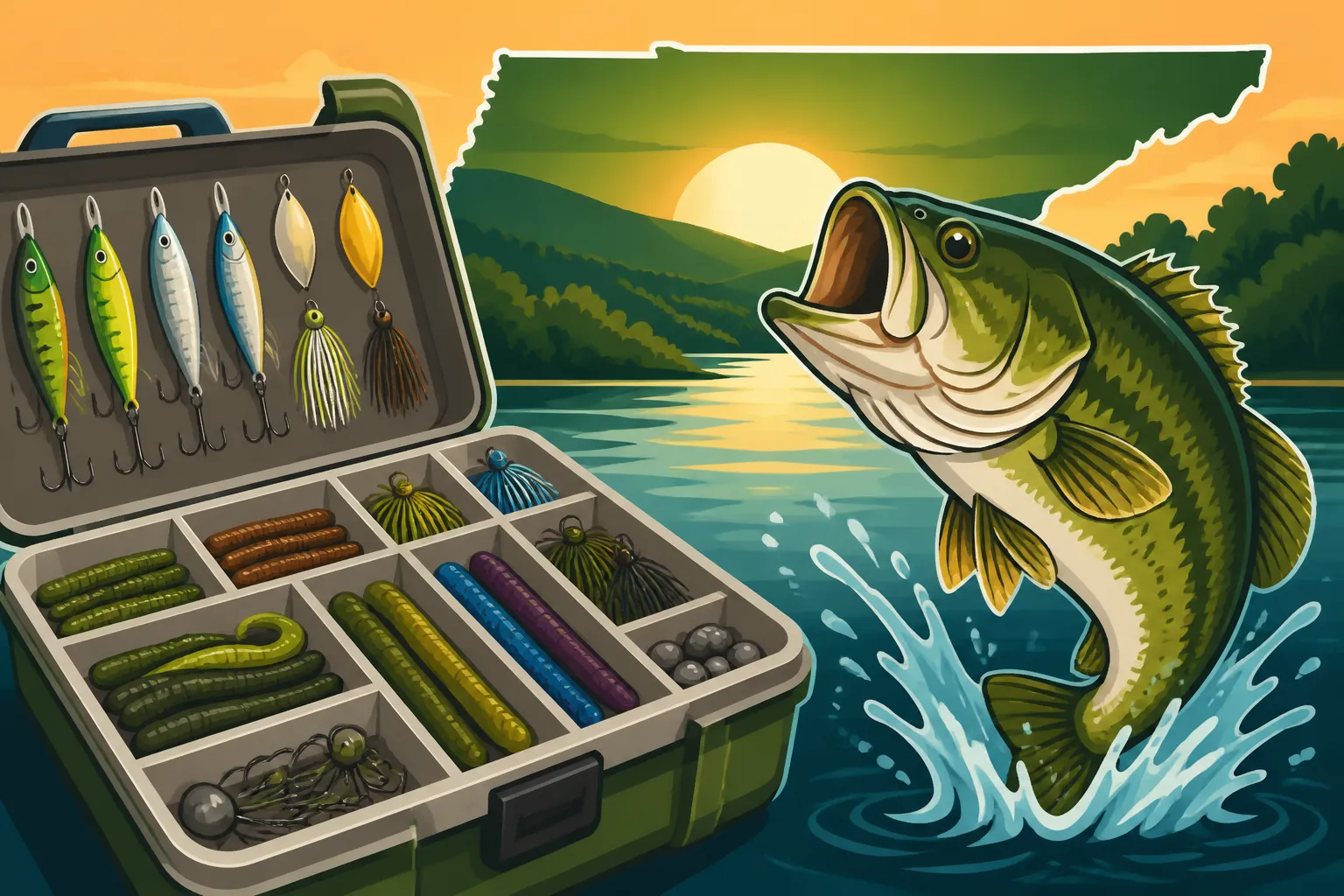
- Soft Plastics: Dedicate several utility boxes to soft plastics. One for worms (different styles in separate compartments), another for creature baits, and a third for swimbaits and flukes. Keep them in their original bags to prevent colors from bleeding and to maintain scent. A bag-style tackle system is particularly good for soft plastics, as you can keep the original packaging intact and simply store the bags upright in dedicated pockets.
- Hard Baits: Group crankbaits by diving depth or action (shallow, medium, deep, jerkbaits). Consider removing treble hooks and placing them in separate compartments within the same tray to prevent tangles and paint chips. Many anglers use soft foam inserts in their utility boxes to keep treble hooks from tangling.
- Jigs: Separate your jigs by type (flipping, football, swim jigs) and then by color/weight. Keep trailers separate from jig heads to avoid damage and messy leaks from scent.
- Terminal Tackle: This is where things can get messy if not managed. Use small, clear compartments or even micro-utility boxes for hooks, weights, swivels, and bobber stops. Labeling these compartments, even with a simple permanent marker, can save you precious minutes on the water.
| Lure Type | Primary Use Case | Key Characteristics | Recommended Colors |
|---|---|---|---|
| Topwater Popper | Calm water, low light, calling fish from cover | Cupped face, erratic splash and pop | White, Frog, Chartreuse |
| Walking Bait | Covering open water, aggressive bass | Side-to-side glide, "walk-the-dog" retrieve | Shad, Bone, Chrome/Blue |
| Shallow Crankbait | Shallow flats, docks, sparse grass (0-6 ft) | Small bill, tight wobble | Shad, Crawfish, Chartreuse |
| Deep Crankbait | Ledges, humps, deep points (15-25+ ft) | Large bill, wide wobble, fast diving | Shad, Bluegill, Fire Tiger |
| Jerkbait | Cool water, clear water, suspending fish | Erratic darting motion on pause, baitfish imitation | Clear, Clown, Natural Shad |
| Soft Plastic Worm | Versatile, Texas rig, Wacky rig, shaky head | Mimics various forage, subtle action | Green Pumpkin, Black/Blue, Junebug |
| Creature Bait | Heavy cover, flipping, pitching, bottom dragging | Mimics crawfish/critters, strong displacement | Green Pumpkin, Black/Blue, Brown |
| Football Jig | Deep rocky structure, ledges | Head stands up on bottom, crawfish imitation | Brown, Green Pumpkin, Black/Blue |
| Blade Jig | Grass lines, covering water, reaction strikes | Vibrating blade, compact jig profile | White, Chartreuse, Shad |
Labeling and Accessibility: Quick Identification
Labeling is your best friend. Use a permanent marker directly on plastic dividers or small adhesive labels. For soft plastics, keep them in their original bags and arrange them alphabetically by brand or by color/type. This makes it incredibly easy to grab the exact senko or creature bait you need without digging.
Think about accessibility. What do you use most often? Those items should be in the most accessible trays or pockets. For instance, a frequently used pair of pliers or line cutters should be in an external side pocket of a soft-sided bag, not buried at the bottom of a main compartment. If you often switch between fishing with a standard rod and reel and perhaps a fly setup for Tennessee Trout Limits and Season Rules, consider having a separate small, dedicated box for trout lures.
Maintaining Your Organization: The Post-Trip Ritual
Organization isn't a one-time event; it's a continuous process. After every fishing trip, take a few minutes to clean up your tackle box.
- Dry Everything Out: Open up all your utility boxes and let them air out, especially if lures got wet. This prevents rust on hooks and hardware. If you were fishing on a really wet day on Watts Bar Lake, Tennessee's Largest Lake for Fishing, take everything out and let it thoroughly dry.
- Replace Used Items: Make a mental (or actual) note of what you used up or lost. Did you go through a lot of 1/4 oz bullet weights? Did that favorite crankbait finally get chewed up by a monster bass? Restock before your next trip. This is where online retailers like Amazon or your local Bass Pro Shops come in handy for quick replenishment.
- Inspect and Repair: Check your lures for bent hooks, rusted split rings, or damaged skirts. Replace or repair as needed. Sharpen hooks regularly. A dull hook is a missed fish.
- Remove Unnecessary Clutter: Did you bring a lure you didn’t use all day? If you consistently ignore certain baits, maybe they don’t need a permanent spot in your primary box. Rotate them out for other options you're more likely to use.
Specialized Setups for Different Bass Scenarios
While a general tackle box is great, true efficiency comes from being able to adapt. Sometimes, having a smaller, dedicated setup for a specific technique or condition can be more effective than carrying your entire arsenal.
Finesse Fishing: When the Bite Gets Tough
Tennessee waters, especially in clear lakes like Norris, can sometimes demand a more subtle approach. When the bass are pressured or the water is super clear, finesse techniques shine, and having a small, dedicated finesse box can be invaluable.
- Drop Shot Rigs: Keep a selection of small drop shot hooks (size 1 to 2/0), cylindrical or tear-drop drop shot weights (1/8 oz to 1/2 oz), and an assortment of small, straight-tail worms or minnow-style baits. Colors should lean towards natural, transparent, or subtle patterns like green pumpkin or clear with flake.
- Shaky Heads: Have a variety of shaky head jigs (1/8 oz to 3/8 oz) and complementary worms or smaller creature baits. The beauty of the shaky head is its upright presentation on the bottom.
- Ned Rigs: This ultra-finesse technique requires specialized mushroom-head jigs (1/16 oz to 1/4 oz) and small, buoyant stickbaits (often called "TRD" style baits). This compact presentation can entice bites when nothing else works, especially in cooler water.
- Line & Leader: For finesse, lighter fluorocarbon leader (6-10 lb test) is often necessary. Keep a spool handy in your finesse box.
Power Fishing: For Aggressive Bass and Heavy Cover
When you're targeting big, aggressive bass in thick cover or trying to cover water quickly, you need a different set of tools. Your power fishing box or section will be geared towards larger, more robust presentations.
- Heavy Jigs & Flipping Baits: A good selection of 1/2 oz to 1 oz flipping jigs with stout weed guards, along with bulky creature bait trailers. Black/blue, green pumpkin, and junebug are key. Also, heavier Texas rig weights (3/4 oz to 1.5 oz) and robust hooks (5/0 to 6/0) for punching through dense mats.
- Large Crankbaits & Swimbaits: Your deep-diving crankbaits, larger lipless crankbaits, and bigger paddle-tail swimbaits will live here. These are for when you're targeting offshore structure or trophy bass on lakes known for giants, like Chickamauga Lake Tennessee Trophy Bass Season Timing.
- Spinnerbaits & Buzzbaits: These reaction baits are excellent for covering water and fishing around sparse cover. Have a range of blade configurations (Colorado, Willowleaf, Indiana) and skirt colors (white, chartreuse, black). Buzzbaits are pure topwater excitement in heavy cover.
- Heavy Line: Keep extra spools of heavy fluorocarbon or braided line (20 lb+ test for mono/fluoro, 50 lb+ for braid) readily accessible for these applications.
Seasonal Adjustments: Adapt Your Box to the Time of Year
Bass behavior changes dramatically with the seasons, and your tackle box should reflect that. What works in the spring spawn won't necessarily be effective in the dog days of summer.
- Spring (Spawn/Pre-Spawn): Focus on bladed jigs, jigs with craw trailers, lipless crankbaits, spinnerbaits, and of course, plenty of soft plastics for Texas and wacky rigging near spawning flats. Bass Spawn Timing in Tennessee Lakes is a critical time for targeting these fish.
- Summer: As bass go deep, your deep-diving crankbaits, football jigs, and heavy Carolina rigs become crucial. You'll also want topwater lures for early morning and late evening, and plenty of soft plastics for pitching into shade or cover.
- Fall: This is a time of transition, often with bass chasing baitfish aggressively. Crankbaits (all depths), spinnerbaits, bladed jigs, and jerkbaits are excellent. Don't forget topwater for those warmer fall days.
- Winter: Bass are often lethargic and suspended. Finesse techniques like Ned rigs, drop shots, and subtle jerkbaits fished slowly are often most effective. Alabama Rigs can also be deadly for suspended fish. Winter Bass Fishing Techniques are crucial to understand for success in colder months.
By setting up your tackle box thoughtfully, organizing it logically, and adapting it to the conditions and seasons, you'll be well-prepared for whatever Tennessee's abundant waters throw your way. Happy fishing!
Disclaimer
This article is for general informational purposes only and does not constitute professional advice. Laws, prices and regulations vary by location and change over time. Consult a qualified professional for guidance on your specific situation.