Winter Bass Fishing Techniques
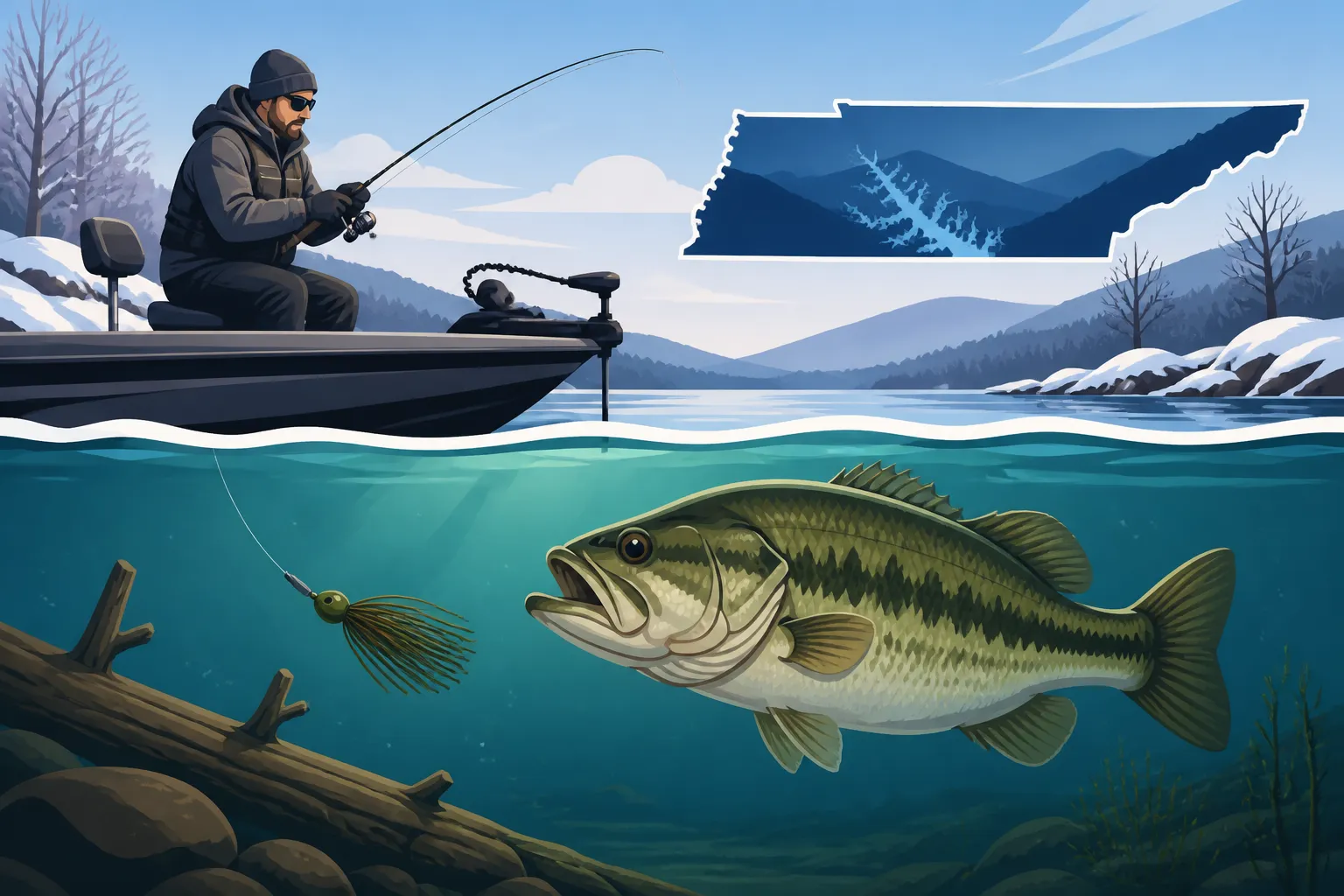
When the chill truly sets in and those frosty mornings become the norm, many anglers mistakenly believe that bass fishing season is effectively over in Tennessee. It’s easy to get discouraged when the water temperatures plummet, and those aggressive topwater bites of summer are long gone. You might find yourself staring at a serene, seemingly lifeless lake, wondering if it's even worth rigging up your rod. But let me tell you, fellow angler, while winter bass fishing certainly presents its own unique challenges, it’s far from impossible. This guide is all about equipping you with the knowledge and techniques to not just survive, but thrive, on the water and put some hefty bass in your boat, even when the mercury drops.
Understanding Winter Bass Behavior
Winter completely changes the game for bass, and if we want to catch them, we have to understand what they’re experiencing. Gone are the days of chasing schools of baitfish in shallow water; the bass's world shrinks, their metabolism slows, and their priorities shift. It's less about a frenzied hunt and more about energy conservation.
The Impact of Water Temperature on Bass
This is perhaps the single most crucial factor in winter fishing. As the water cools, a bass's metabolism slows down dramatically. Think of it like a bear going into a partial hibernation; they still eat, but much less frequently and with far less energy expenditure. Cold water means less oxygen is needed, and movement becomes a much more costly endeavor for the fish. In Tennessee, lake temperatures can dip into the 40s or even upper 30s in the deeper parts of our reservoirs. This isn't just uncomfortable for the bass; it fundamentally changes how they operate.
When the water gets really cold, bass seek out stable temperatures. They might gravitate towards deeper thermal refuges where the temperature is more consistent, or paradoxically, they'll move to shallow areas that warm up even a few degrees on a sunny day. This slight temperature difference can make all the difference in where the fish decide to hold. Understanding How Water Temperature Affects Fish Activity is paramount to pinpointing their winter hideouts. They won't chase a fast-moving bait in frigid water; they're looking for an easy, high-calorie meal that requires minimal effort to consume.
Locating Winter Bass: Deep vs. Shallow
During the colder months, bass typically gravitate towards deeper water, especially in large reservoirs like Chickamauga Lake or Kentucky Lake. This isn't just about temperature stability, though that's a big part of it. It's also about cover and food availability. Deep creek channels, bluff walls, ledges, and submerged timber offer both protection and ambush points for bass. They'll often school up tightly in these areas, sometimes in massive groups, which is fantastic news if you can find them. One fish often means many more.
However, don't completely discount the shallows, especially on bright, sunny winter days. North-facing banks that catch direct sunlight for hours can warm up a few degrees, attracting baitfish and, consequently, bass. Rock banks, dark bottom areas, and even concrete structures like boat ramps can absorb solar radiation and become temporary havens. These areas are usually very specific, but if you find them, they can be goldmines. The trick is understanding that bass in these shallow, warmer spots are often there for a short feeding window before retreating to deeper, more stable environments as the sun dips.
Metabolic Slowdown and Feeding Windows
Because their metabolism is running at a snail's pace, bass don't need to eat as often in winter. This means their feeding windows are much shorter and more sporadic. You might go hours without a bite, then suddenly catch three or four fish in quick succession within a small area. These windows are often triggered by slight changes in conditions: a rise in water temperature, a sudden influx of baitfish, or even just the moon phase.
Patience becomes your biggest ally. Instead of expecting constant action, learn to anticipate these brief bursts of activity. When you do get a bite, it's usually very subtle – less of a violent strike and more like a spongy weight on the end of your line. A common frustration is missing these subtle bites, but once you learn to recognize them, your success rate will soar. The key is to present your bait as slowly as possible, practically spoon-feeding it to the lethargic bass. They won't chase; they'll simply open their mouths when it's right in front of them.
Essential Gear for Cold-Water Success
When the air is biting and the water feels like ice, having the right gear isn't just about comfort; it's about staying safe and being effective. You can’t fish properly if your hands are numb or your rod feels like a frozen stick. Investing in some specific cold-weather fishing gear will make your winter trips infinitely more enjoyable and productive.
Rods, Reels, and Line for Winter Conditions
For winter bass fishing, a medium-heavy to heavy power spinning or baitcasting rod, typically 6'6" to 7'6" in length, is ideal. The critical factor is a sensitive tip that can detect those incredibly subtle bites. Graphite rods excel here, offering excellent sensitivity. As for reels, smooth, reliable drag systems are a must, as cold can make components stiff. For line, many anglers prefer fluorocarbon in winter. It has low stretch, which enhances sensitivity, and it's virtually invisible underwater, a huge advantage for spooky, cold-water bass. A line weight between 10-15lb test for baitcasting and 8-12lb test for spinning setups is usually a good starting point. You can find a fantastic selection of these specialized rods and reels on Amazon, often with user reviews that speak to their cold-weather performance.
When you're trying to coax a bite from a sluggish bass, every tiny twitch or bump needs to be felt. Your choice of Best Rods and Reels for Tennessee Fishing can make a significant difference in your ability to detect those subtle takes. Remember, cold temperatures can also impact line performance, making some monofilament lines stiffer and more prone to memory. Fluorocarbon's density also helps baits sink faster and stay at a consistent depth, which is vital when you're working deep structure.
Layering Up for Tennessee Winter Fishing
Staying warm and dry is non-negotiable for winter fishing. There's nothing that will cut a trip short faster than being miserably cold. The key is layering. Start with a moisture-wicking base layer – think merino wool or synthetic materials that pull sweat away from your skin. Next, add an insulating mid-layer, like a fleece jacket or down vest. Finally, an outer layer that's waterproof and windproof is essential. This could be a good quality fishing bib and jacket combination. Don't forget your extremities: a warm hat that covers your ears, insulated gloves (some anglers prefer fingerless gloves for better feel, or convertible mittens), and waterproof, insulated boots.
It's tempting to bundle up in one thick, heavy jacket, but layering allows you to adjust to changing temperatures throughout the day. Tennessee winters can be unpredictable; a morning might start below freezing and warm up significantly by midday. Being able to shed or add layers means you stay comfortable without overheating or getting chilled. Always have an Essential Safety Gear Checklist Before a Tennessee Fishing Trip that includes your cold-weather clothing to ensure you don't forget anything vital.
Electronics for Finding Subtle Structure
Modern electronics are game-changers for winter bass fishing. A good fish finder with down imaging and side imaging capabilities can literally show you where the fish are holding in deep water, often revealing tight schools of bass you'd never find otherwise. GPS is invaluable for marking those productive deep-water humps, creek channel swings, or brush piles so you can return to them later. Knowing the exact depth and contour of the bottom is crucial when bass are hugging structure.
Don't just drive around aimlessly; use your electronics to scan potential bass holding areas before you even make a cast. Look for baitfish schools as well, as bass are rarely far from their food source. Many high-quality units, like those from Garmin or Lowrance, are available. Knowing how to interpret your screen is an art form that comes with practice, but it's an investment that pays huge dividends, especially when chasing those elusive winter bites. When you're trying to figure out where the fish are hiding on a vast reservoir, having the Best Fish Finders for Tennessee Reservoir Fishing is like having X-ray vision.
Top Winter Bass Lures and Presentations
When bass are cold and lethargic, your lure selection and, more importantly, your presentation, need to be drastically different from what you'd use in warmer months. The goal is to entice a reaction strike or offer an irresistible, easy meal. Forget speed; think subtle and slow.
Slow-Moving Baits: Jigs and Blade Baits
Jigs are a classic for winter bass, and for good reason. A 1/2 oz to 3/4 oz football or casting jig, tipped with a small chunk or creature bait trailer, can be deadly. The key is to fish it slowly, dragging it along the bottom or slowly hopping it over structure. The jig mimics a crawfish or other bottom-dwelling prey that's not moving much in the cold. Dark colors like black and blue or green pumpkin are often effective, especially in stained water. The weight of the jig allows it to maintain bottom contact in deeper water, which is where many winter bass will be holding.
Blade baits, like a Silver Buddy or a locally popular brand, are another fantastic option for vertical jigging over schools of deep bass. These baits have a tight vibrating action on the lift and flutter on the fall, mimicking a dying shad. The retrieve is critical: lift the rod tip a foot or two, let it flutter back down on a semi-slack line, and watch for that subtle thump or weightless feeling as the bass inhales it. This technique is particularly effective when you mark suspended fish on your electronics. Just remember, the slower you go, the better your chances are of triggering a strike from those hesitant fish.
Suspended Baits: Jerkbaits and Underspins
When bass are suspended in the water column, perhaps over a deep creek channel or around a brush pile that’s not quite on the bottom, jerkbaits become incredibly effective. A quality suspending jerkbait, like those from Lucky Craft or Megabass, is designed to hang tantalizingly in the water column during pauses. The retrieve is a classic "rip, rip, pause" cadence, but in winter, those pauses need to be much longer – sometimes 10, 15, or even 20 seconds. This gives the bass ample time to eye the bait and decide to strike. The flash and subtle wobble can trigger a reaction, even from the most lethargic fish.
Underspins, essentially a jighead with a small spinner blade attached, are another excellent choice for suspended bass, especially if they are feeding on shad. Pair a 1/4 oz to 3/8 oz underspin with a small shad-imitating swimbait or fluke-style plastic. The continuous flash of the blade, even on a slow retrieve, can draw attention, while the subtle tail action of the plastic looks like an easy meal. This lure excels when bass are holding off the bottom, perhaps 15-20 feet down over 30-40 feet of water. You can often find great underspin options and soft plastics for them when browsing Amazon for fishing tackle.
Subtle Plastics for Finicky Bass
Sometimes, bass are just too finicky for anything aggressive. This is where subtle soft plastics shine. A dropshot rig, featuring a small worm or fluke, is incredibly effective for targeting individual fish or small schools you see on your electronics. The bait is presented horizontally, hovering just off the bottom, and can be subtly shaken in place to entice a bite. This offers a very natural presentation and allows you to keep the bait in the strike zone for extended periods.
Another excellent soft plastic technique is the Ned Rig. This minimalist approach uses a small mushroom-head jig and a short, buoyant plastic worm that stands straight up off the bottom. It’s incredibly subtle and imitates a small baitfish or bottom forage. It’s perfect for colder water when bass are inspecting their food carefully. The trick with both dropshots and Ned Rigs is to impart very little action. Let the current do most of the work, or just give it tiny twitches. This is a game of patience and finesse, and it's how you often catch the biggest, most cautious bass in winter. For instance, knowing How to Fish a Crankbait in Cold Water isn't just about the lure, but about the slow, deliberate pace you apply to it, a principle that applies to all winter presentations.
Here's a quick comparison of some popular winter bass lures:
| Lure Type | Presentation Style | Ideal Depth Range | Best for… | Common Retrieve Speed |
|---|---|---|---|---|
| Football Jig | Bottom dragging, slow hopping | 15-45+ feet | Targeting bottom-hugging bass on structure | Very Slow |
| Blade Bait | Vertical jigging, yo-yo | 15-50+ feet | Suspended fish, reaction strikes over schools | Slow to Moderate Lift |
| Suspending Jerkbait | Rip, rip, long pause | 5-15 feet | Suspended bass in clear to stained water | Stop-and-Go, Very Long Pauses |
| Underspin (Swimbait) | Slow, steady retrieve | 10-30 feet | Suspended baitfish imitators, around brush piles | Slow |
| Dropshot Rig | Dead sticking, subtle shaking | 10-40+ feet | Finicky bass, precise presentation over structure | Almost Immobile |
| Ned Rig | Dragging, short hops | 5-25 feet | Smallmouth, highly pressured bass, subtle bites | Very Slow, Finesse |
Strategic Approaches to Winter Bass Fishing
Catching bass in winter requires a strategic mindset. It’s not about covering a lot of water quickly; it’s about breaking down the lake, understanding high-percentage areas, and then meticulously working those spots.
Targeting Deep Structure and Drop-offs
As mentioned, bass often congregate in deep water during winter, seeking thermal stability and refuge. Your primary targets should be steep drop-offs, bluff walls, deep creek channels, submerged humps, and brush piles that are 20-50 feet deep. These features provide ambush points and act as highways for baitfish. Use your electronics to locate these structures and identify any schools of baitfish or bass. Once you find them, mark them on your GPS!
When you've located a promising deep structure, position your boat directly over or slightly upwind from it. This allows you to present your bait vertically or drift over the spot, maintaining bottom contact or targeting suspended fish. You might need to make multiple passes, approaching from different angles, to trigger a bite. Think about How to Fish Deep Structure for Bass in Winter – it’s a methodical, almost surgical approach, not a power-fishing strategy. Patience is key here; you might work a single spot for 30 minutes before getting a single bite, but that bite could be from a giant.
The Importance of Slow Presentation
This cannot be stressed enough: slow down. I mean really, really slow down. If you think you’re fishing slowly, try fishing even slower. A common mistake in winter is fishing baits too fast, out of the strike zone, or with too much aggressive action. Remember, a bass’s metabolism is sluggish, and they don't want to expend energy chasing down a meal. They want it practically handed to them.
When fishing jigs, let them sit on the bottom for several seconds before making a subtle hop or drag. With jerkbaits, those long pauses are crucial. Dropshots and Ned Rigs should be barely moved, allowing the bait to shimmer naturally. The bites will often be light – a slight tap, a feeling of weight, or simply your line going slack. You have to be hyper-attentive to your line and rod tip. This patient, deliberate presentation is often the difference between a frustrating skunk and a successful winter day on the water. It’s a complete shift from the faster paced retrieves you might use during warmer times of the year, so truly commit to the slow game.
Focusing on Sunny Banks and Warm Water Pockets
While deep structure is a primary target, never overlook the potential of shallow, sun-drenched areas on bright winter days. These are often transient feeding grounds. Look for north-facing banks with dark rock or mud bottoms that absorb sunlight, concrete structures like bridges or riprap, or even shallow pockets protected from cold winds. These spots might warm up by a few crucial degrees, attracting shad and panfish, which then draw in hungry bass.
The bite in these areas often happens during the warmest part of the day, usually from late morning to mid-afternoon. Instead of deep jigs, consider shallower presentations like smaller crankbaits, lipless crankbaits, or even a slow-rolled spinnerbait. The bass here might be slightly more active than their deep-water counterparts, but still, a slow retrieve is often best. Don't spend all day in these shallow areas if they aren't producing; they're more about exploiting short feeding windows. However, hitting these spots can sometimes save a tough day, especially for those looking at Tennessee's Top Bass Fishing Lakes and trying to find a pattern. It's also a great way to figure out how to best deal with How to Adjust Your Technique After a Cold Front, as these banks can be the first to rebound.
Navigating Tennessee's Winter Waters
Winter fishing isn't just about what's happening under the water; it's also about staying safe and informed about the conditions above and around it. Cold weather adds a layer of challenge that anglers must respect.
Boat Safety and Cold Water Precautions
If you're fishing from a boat in winter, safety is paramount. Cold water immersion is a serious risk, and hypothermia can set in quickly. Always wear a PFD (personal flotation device) – not just have one onboard. Dress in layers, as discussed, and make sure your boat is in excellent working order. Check your battery, fuel lines, and engine thoroughly. Consider bringing extra warm clothing in a dry bag, a thermos of hot coffee or tea, and high-energy snacks.
Let someone know your float plan – where you're going and when you expect to return. Many smaller lakes and rivers can be particularly dangerous due to lack of other boaters. If you do go overboard, the shock of cold water can be debilitating. While Boat Safety and Cold Water Precautions are a year-round concern, they are absolutely critical in winter. Being prepared can literally be the difference between life and death.
Best Tennessee Lakes for Winter Bass
Tennessee is blessed with an abundance of fantastic bass fishing waters, and many of them continue to produce through the winter. Reservoirs like Chickamauga Lake, known for its trophy bass, can be excellent for deep jigging and slow-rolling swimbaits. Kentucky Lake is another powerhouse, with its vast ledges and creek channels holding schools of big bass. Other notable winter spots include Norris Lake, Percy Priest Lake, and Watts Bar Lake, all offering deep-water structures that hold fish.
Each lake will have its nuances, but generally, large reservoirs with clear deep-water access and plenty of baitfish (especially shad) are your best bets. For a more detailed look, check out our guide on Tennessee's Top Bass Fishing Lakes to find a spot near you that offers great winter opportunities. Don't be afraid to experiment, and remember that even smaller lakes or farm ponds can hold surprisingly good winter bass, especially those with good deep holes or consistent warm-water discharges.
Checking Local Regulations and Water Levels
Before heading out, always double-check the local regulations set by the Tennessee Wildlife Resources Agency (TWRA). While statewide limits for species like bass often remain consistent, some lakes or specific areas might have unique rules or seasonal restrictions. You don't want to get caught off guard, especially with different size and creel limits for various bass species. Our comprehensive guide to Tennessee Fishing Regulations Explained is a great resource.
Additionally, pay attention to water levels and generation schedules on Tennessee's dammed rivers and reservoirs. Fluctuating water levels can move fish and impact boat ramp access. Knowing when the dam is generating can be a huge advantage, as current often triggers feeding activity, even in cold water. Many dams post their generation schedules online, so a quick check before you leave can help you plan your day for optimal fishing windows.
Disclaimer
Please be aware that fishing conditions and regulations can change. Always check the current Tennessee Wildlife Resources Agency (TWRA) regulations before heading out on the water. This guide is for informational purposes only and does not constitute legal advice. Stay safe and enjoy your time on Tennessee's beautiful waters!