Simple Bluegill Rig for Kids
Trying to introduce your child to the joys of fishing can sometimes feel overwhelming, with all the specialized gear and complex techniques out there. You want them to have fun, not get frustrated untangling lines or struggling with a heavy rod. This guide is all about cutting through that complexity, focusing on the incredibly effective and easy-to-manage "simple bluegill rig" – the perfect gateway to a lifetime of angling adventures for your little one right here in Tennessee.
Why Bluegill Are the Perfect Fish for Little Anglers
When you're bringing a kid out fishing, the goal isn't necessarily to land a trophy bass (though that's a bonus!). It's about getting consistent bites, experiencing the thrill of a tug on the line, and building confidence. That's where bluegill truly shine as the ultimate fish for beginners, especially children. They're abundant, eager to bite, and found in almost every accessible body of water in Tennessee.
The Joy of the First Catch
There's nothing quite like seeing a child's eyes light up when they feel that first wiggle on their line. It's a magical moment that can hook them on fishing for life. Bluegill, being so prolific and often schooling in good numbers, provide exactly that kind of action. You won't be sitting around for hours waiting for a bite, which is crucial for maintaining a child's often-short attention span. Imagine their excitement as the bobber dips, they reel it in, and there it is – a vibrant, feisty bluegill! That immediate gratification is priceless. It teaches them patience in small doses, but mostly, it teaches them that fishing is fun and rewarding. It's less about the size of the fish and more about the experience of successfully catching something.
Accessibility and Abundance in Tennessee
One of the biggest advantages of targeting bluegill with kids is their widespread availability. You don't need a fancy boat or a remote, hard-to-reach spot. Bluegill thrive in ponds, small lakes, slow-moving rivers, and even larger reservoirs throughout Tennessee. This means you can often find fantastic bluegill fishing close to home, perhaps at a local park pond, a community lake, or a quiet cove on a larger body of water like Percy Priest Lake or Old Hickory Lake. They're often found in shallow, calm waters near vegetation, docks, or fallen trees – places that are generally safe and easy for kids to fish from the bank. Because they are so common, you're rarely going to be skunked, which again, is huge for keeping enthusiasm high. This accessibility makes spontaneous fishing trips a breeze, allowing you to seize those moments when the weather is perfect and the kids are eager. If you're wondering where to start, many of Tennessee's State Park Fishing Spots are excellent choices for family outings targeting bluegill.
The Simple Bluegill Rig Explained
Forget complicated knots, fancy lures, or heavy gear. The beauty of bluegill fishing, especially with kids, lies in its simplicity. A basic, tried-and-true rig is all you need to get those little panfish biting. This setup minimizes tangles and maximizes the chances of a successful catch, which is exactly what you want when fishing with children.
Gathering Your Basic Gear
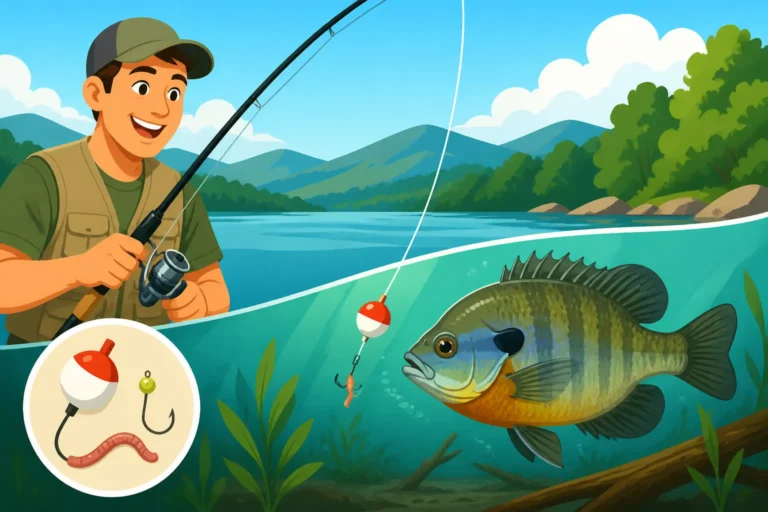
Before you even start assembling the rig, let's talk about the essential components. You'll want a lightweight spinning rod and reel combo – something that's easy for small hands to hold and cast. A reel with a simple push-button casting mechanism can be a real game-changer for younger kids. As for the terminal tackle, it's minimal:
- Light Fishing Line: Four to six-pound test monofilament line is perfect. It's strong enough for bluegill but light enough not to scare them.
- Small Bobber (Float): A classic red-and-white plastic bobber, or even a slip bobber, works wonders. Choose one that's easy to see and big enough to hold your bait and sinker afloat. You can find these easily at any outdoor store or even online on Amazon.
- Small Split Shot Sinkers: These are tiny weights that you pinch onto your line to help cast your bait and keep it down in the water. Get a variety pack with different sizes.
- Small Hooks: Size 8 or 10 Aberdeen or "gold hook" styles are ideal for bluegill mouths. These are small enough for them to swallow easily but large enough to secure bait. Again, a multi-pack from Amazon will cover your bases.
- Needle-Nose Pliers or Hemostats: These are invaluable for removing hooks safely and quickly from a bluegill's mouth.
You don't need a huge, expensive tackle box. A small, organized box with just these items will be plenty. For a comprehensive overview of how to get started, you might want to check out our guide on How to Catch Bluegill for Beginners.
Step-by-Step Rig Assembly
Putting together this simple bluegill rig is incredibly easy, and it's a great opportunity to teach your kids some basic fishing skills. Here’s how you do it:
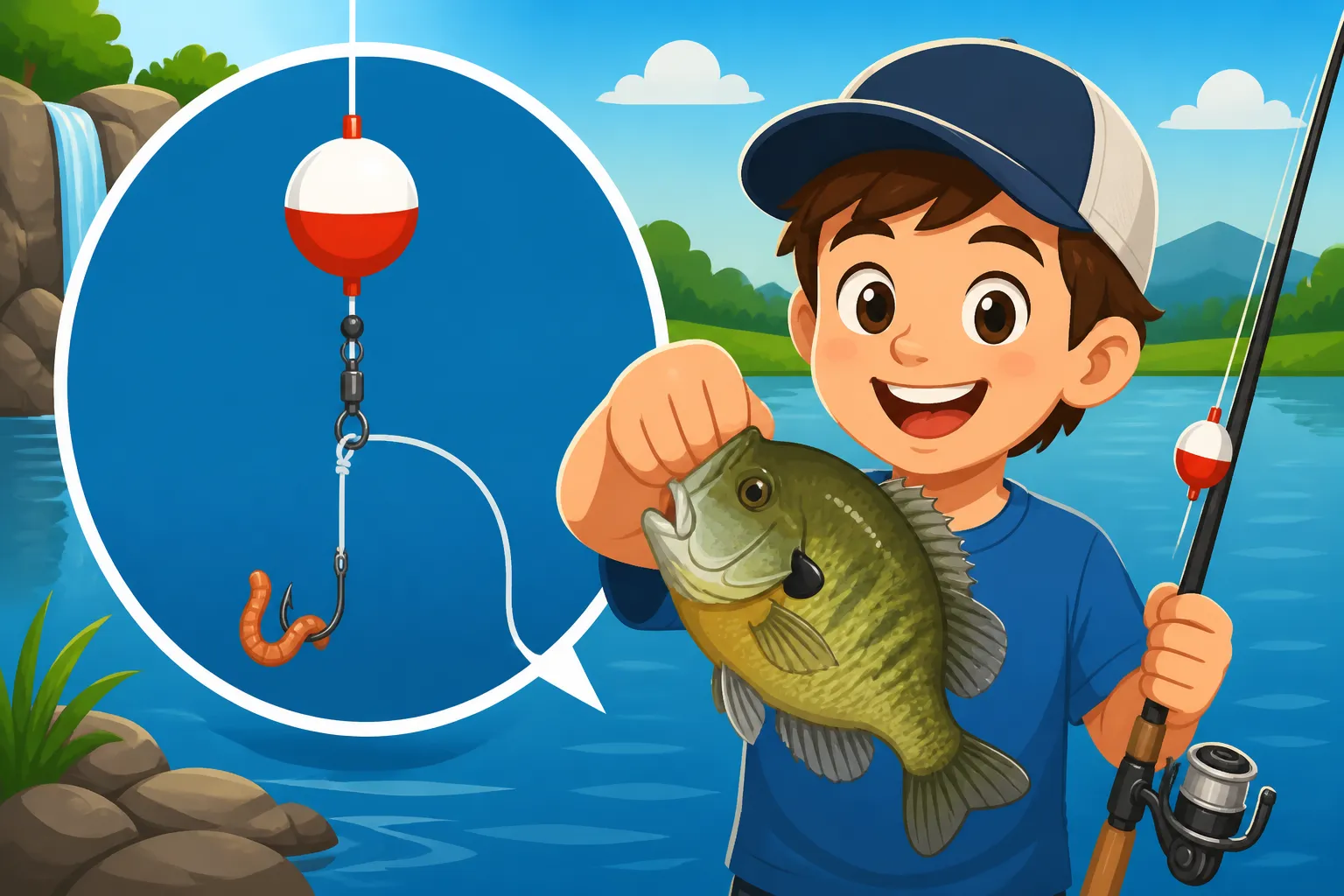
- Tie on the Hook: Start by taking one of your small hooks. If you know a simple knot like an Improved Clinch Knot, use that. If not, a basic overhand knot tied several times around the hook eye and cinched down will work in a pinch. The key is to make sure it's secure. Teach your child to hold the hook carefully while you tie it. This is the foundation of your rig.
- Add the Split Shot Sinker: About 6-12 inches up from the hook, pinch one or two small split shot sinkers onto your line. The exact number depends on how much weight you need to cast comfortably and keep your bait submerged. You want just enough weight so that your bobber stands upright but isn't completely pulled under. This ensures your bait slowly drifts down to where the bluegill are feeding.
- Attach the Bobber: This is the magic part for kids! Place your bobber about 12-24 inches above your split shot. If it's a clip-on bobber, just press the top and bottom buttons to open the clips, attach it to your line, and release. If it's a slip bobber, you'll thread your line through it and then tie a bobber stop above it. The distance from the bobber to the hook determines how deep your bait will sit. Start around 18 inches. This allows the bait to suspend in the water column where bluegill typically feed. This setup is effectively described in our guide on How to Rig a Bobber for Bluegill.
Once assembled, this rig allows your bait to hang suspended at a specific depth, with the bobber acting as a visual indicator of a bite. When a bluegill takes the bait, that bobber will dance, wiggle, or even disappear completely – an exciting moment for any young angler! You can easily adjust the depth of your bait by sliding the bobber up or down the line, which is a great lesson in itself.
Common Mistakes to Avoid and Why They Frustrate Kids
It's easy to make a few small blunders when setting up for kids, but knowing them can save a lot of heartache and keep the fun alive.
- Too Heavy Line or Rod: An adult's heavy-action bass rod is way too much for a child to handle comfortably, and thick line can be stiff and harder to cast. Imagine a 7-year-old trying to manage a surfcasting rod! It's unwieldy, tiring, and takes away from the experience. Stick with ultralight gear and light line (4-6 lb test) to make casting and reeling a joy, not a chore. The lighter gear makes even a small bluegill feel like a monster, amplifying the fun.
- Too Big a Hook: Bluegill have small mouths. A hook that's too large will result in missed bites and frustration. They'll nibble at the bait but won't be able to get the hook fully into their mouth. This leads to constant complaints of "It bit, but I missed it!" Use those tiny size 8 or 10 hooks. This small detail dramatically increases their success rate, which in turn, keeps them engaged.
- Too Much Weight: An oversized sinker can make the bait sink too fast or keep it pinned to the bottom, often out of the bluegill's preferred feeding zone. It also makes the rig less sensitive, making it harder for a child to detect subtle bites. Just enough split shot to allow for a gentle cast and keep the bait down is ideal. You want the bait to look natural, not like a lead weight plunging into the abyss.
- Bobber Set Too Deep or Shallow: If the bobber is set too deep, the bait might be sitting on the bottom where bluegill aren't feeding as actively, or it could get snagged. If it's too shallow, the bait might be above their feeding zone. Bluegill usually hang out just off the bottom or around submerged structure in a few feet of water. Adjust the bobber so the bait is suspended at a reasonable depth, usually 1-3 feet. Observe where other fishers are catching them or try a few different depths.
By avoiding these common pitfalls, you create a much more enjoyable and successful fishing experience for your child. It's about setting them up for success, not for struggle, and this simple rig helps achieve that beautifully.
Best Baits and Where to Find Bluegill
Having the perfect rig is only half the battle. You also need the right bait and to know where these little panfish like to hang out. Luckily, bluegill aren't picky eaters, and they're found in many accessible spots across Tennessee.
Irresistible Bluegill Baits
When it comes to bluegill, simplicity extends to their menu as well. You don't need expensive, fancy lures. Natural, readily available baits are often the most effective, and many can be found in your own backyard or local bait shop.
- Worms (The All-Time Champion): Hands down, earthworms or red wigglers are bluegill candy. They're natural, squiggly, and bluegill simply can't resist them. Plus, they're easy for kids to handle and bait onto a small hook. You can buy them at almost any bait shop, many convenience stores, or even dig them up after a good rain. Little pieces of worms, threaded onto the hook, are often more effective than a whole worm, as it leaves tempting scent trails.
- Corn: Yes, plain old canned corn! Bluegill love it. It's inexpensive, easy to find, and virtually mess-free for kids to put on the hook. The bright yellow color can also attract their attention. Just make sure to use a small kernel or two on a small hook. It's a surprisingly effective bait and a great alternative if your child isn't keen on touching worms.
- Cracker or Bread Balls: A simple piece of bread or a cracker, moistened and rolled into a small ball, can be surprisingly effective. It's cheap, always available, and a good option for a quick, impromptu fishing trip. The downside is that it can come off the hook easily, but for continuous action, it works.
- Small Crickets or Grasshoppers: If you're feeling adventurous and want to forage, small crickets or grasshoppers are also fantastic bluegill baits. They provide a lively, natural presentation that bluegill find hard to resist. This can be a fun activity for kids before they even start fishing – collecting their own bait!
- Crappie Jigs (Tiny Ones!): While we're talking about natural baits, it's worth noting that very small artificial baits, like tiny crappie jigs, can also work for larger bluegill, especially if tipped with a small piece of worm or corn. For more detail on what works, check out our guide on Best Bait for Bream Fishing With Kids.
No matter what bait you choose, the key is to use small pieces appropriate for the small hook and the bluegill's mouth. Don't overload the hook; a small, tidy presentation is best.
Finding Bluegill Hotspots in Tennessee
Bluegill are truly everywhere in Tennessee, but knowing where to focus your efforts will increase your chances of success. They love structure and cover in relatively shallow water.
- Ponds and Small Lakes: These are bluegill magnets! Look for areas with lily pads, cattails, fallen trees, or small docks. The edges of these features are often teeming with bluegill looking for insects and small aquatic life. Many local parks have ponds that are perfect for a quick family fishing trip.
- Coves and Backwaters of Larger Lakes: On bigger reservoirs like Kentucky Lake or Chickamauga Lake, bluegill will retreat into shallow, protected coves and backwater areas, especially those with some vegetation or submerged brush. These calmer waters offer them safety from larger predators and a steady food supply. Look for quiet inlets away from main boat traffic.
- Slow-Moving Rivers and Streams: While less common than lakes, bluegill can also be found in the calmer stretches of smaller rivers and larger creeks, particularly in areas with slower currents, eddies, and plenty of bankside cover like overhanging trees or brush.
- Docks and Piers: Any man-made structure that extends into the water often attracts bluegill. The pilings provide cover and shade, and food sources tend to congregate around them. These are fantastic spots for bank fishing, as they offer easy access and often productive water. Our guide on How to Find Bluegill in Shallow Water offers even more targeted advice.
When you arrive at a spot, take a moment to observe. Look for any signs of activity, like ripples on the water's surface or small fish jumping. Cast your bait close to cover but not so deep into it that you'll constantly get snagged. Remember, for bluegill, early mornings and late afternoons are often the Best Time of Day to Catch Bream, but they can be active throughout the day, especially if it's cloudy.
Making it a Great Family Experience
Fishing with kids isn't just about catching fish; it's about creating memories, fostering a love for nature, and teaching valuable life lessons. The simple bluegill rig makes the catching part easier, allowing you to focus on the experience part even more.
Beyond the Catch: Fun and Learning
While the thrill of the bite is undeniable, a successful family fishing trip involves so much more than just the fish count. It's an opportunity to connect with nature and with each other.
- Embrace the Outdoors: Talk about the birds you see, the dragonflies buzzing by, or the different types of trees along the bank. Turn it into a nature walk and a learning experience. Point out different plants and animals. Let them skip rocks while waiting for a bite. These moments of exploration and discovery are just as valuable as reeling in a fish. You can even bring a small net to catch and observe tadpoles or minnows in shallow water, teaching respect for aquatic life before releasing them.
- Teach Patience and Persistence: Fishing is a fantastic teacher of these virtues. Sometimes the fish bite quickly, sometimes you have to wait. Explain that fishing isn't always instant gratification, but that patience often pays off. Celebrate every nibble, every bobber twitch, not just the landed fish. If they get frustrated, remind them that even experienced anglers have slow days. It's all part of the challenge and fun!
- Foster Responsibility: Let them help with tasks they can manage. Can they carry the bait bucket? Help choose a bobber? Pack the snacks? Even reeling in a caught fish teaches them responsibility for their actions and the gear. When it comes to handling fish, teach them how to gently hold a bluegill (being careful of the dorsal fin spines!) and how to safely release it, if that's your plan. This helps instill a sense of stewardship for the environment. Remember, for most of the year, kids do need a fishing license in Tennessee, though there are special free fishing days. You can learn more about Youth Fishing License Rules in Tennessee to be prepared.
These lessons extend far beyond the water's edge and contribute to a well-rounded experience that they'll cherish for years to come. Remember to pack plenty of snacks and drinks, because hungry kids are grumpy kids, and a good snack break can recharge their enthusiasm even on a slow fishing day.
Safety First on the Water
When you're out with kids, safety is always paramount. A fun day can quickly turn sour if precautions aren't taken.
- Life Jackets: If you're fishing from a boat, even a small one, make sure everyone, especially children, is wearing a properly fitted life jacket. Even if you're Boat Fishing Rules and License Requirements in Tennessee say they aren't always required for older kids, it's always better to be safe than sorry, especially with young, excited anglers.
- Sun Protection: Tennessee sun can be intense. Apply sunscreen regularly, wear hats with wide brims, and consider lightweight, long-sleeved shirts. Sunglasses are also a good idea to protect their eyes and help them see the bobber better.
- Handling Hooks: Hooks are sharp, and even small ones can cause injury. Teach kids early on about the dangers of hooks and how to handle them carefully. Always supervise them closely when baiting or unhooking fish. Having those needle-nose pliers or hemostats on hand is critical for quick, safe hook removal without touching the pointy end.
- Stay Hydrated: Bring plenty of water or other hydrating drinks, especially on warm days. Dehydration can creep up quickly and spoil the fun.
- Know Your Surroundings: If fishing from the bank, make sure the area is stable and clear of hazards like poison ivy, steep drop-offs, or slippery rocks. Teach children to always tell an adult if they need to move or explore. Many fantastic Kid-Friendly Fishing Spots in Tennessee offer safe and easy bank access, making them perfect for starting out.
By keeping these safety tips in mind, you can ensure that your family fishing trip remains a positive and enjoyable experience for everyone. The simple bluegill rig is just the start; the memories you make together will be the real catch.
| Component | Purpose | Kid-Friendly Choice | Where to Find It (Examples) |
|---|---|---|---|
| Rod & Reel | Casting and reeling fish | Ultralight spinning combo (5-6 ft rod, small reel) | Outdoor stores, department stores, Amazon |
| Line | Connects rod to hook | 4-6 lb test monofilament | Outdoor stores, Amazon |
| Bobber | Indicates bites, suspends bait | Clip-on red & white plastic, or small slip bobber | Bait shops, department stores, Amazon |
| Sinker | Adds casting weight, sinks bait | Small split shot (sizes B or 3/0) | Bait shops, outdoor stores |
| Hook | Catches the fish | Size 8 or 10 Aberdeen or "gold hook" | Bait shops, outdoor stores, Amazon |
| Bait | Attracts fish | Worms, canned corn, bread balls, small crickets | Bait shops, grocery store, garden, outdoor stores, Amazon |
| Pliers | Safely remove hooks | Small needle-nose pliers or hemostats | Hardware stores, outdoor stores |
Disclaimer
This article is for general informational purposes only and does not constitute professional advice. Laws, prices and regulations vary by location and change over time. Consult a qualified professional for guidance on your specific situation.