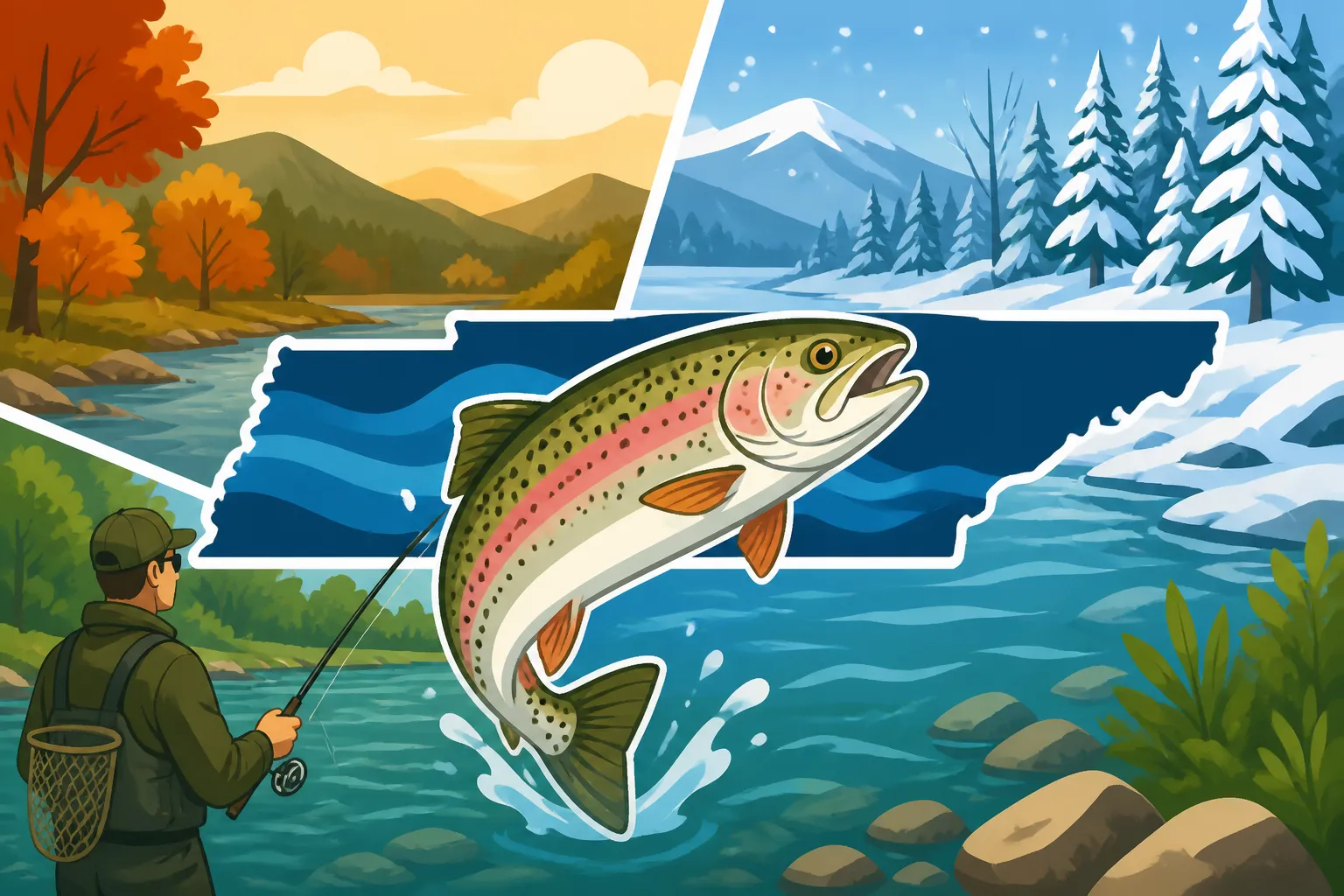
Tennessee Trout Limits Change by Water From October Through February
It can be incredibly frustrating to head out to your favorite fishing spot, ready to cast a line for some beautiful Tennessee trout, only to realize the rules have completely changed from what you remember during the spring and summer. Many anglers find themselves scratching their heads when the calendar flips to October, wondering why those straightforward trout limits suddenly feel like a puzzle. This guide is here to untangle the confusion, explaining in detail why and how Tennessee's trout limits become highly specific to individual waters from October through February, ensuring you're always fishing within the rules.
Understanding Tennessee's Trout Season Divide
Tennessee is a fantastic place for trout fishing, offering everything from stocked lakes to pristine mountain streams. However, anyone who's spent a fair amount of time on our waters knows that the fishing experience, and more importantly, the regulations, aren't static. They shift with the seasons, and this is especially true for trout. The Tennessee Wildlife Resources Agency (TWRA) manages these changes to balance conservation with recreational opportunities, particularly when it comes to our cold-water fisheries.
The Standard Trout Season: March Through September
For much of the year, specifically from March 1st through September 30th, the trout limits across most designated trout waters in Tennessee are fairly consistent. During this "standard" season, anglers generally adhere to a daily creel limit of seven trout, which can be a mix of species like rainbow, brown, or brook trout. There's a specific nuance here: no more than two of those seven can be brown trout. This straightforward approach allows anglers to enjoy productive fishing across a wide range of streams and rivers without needing to constantly check hyper-local regulations.
Think about planning a trip to the Clinch River during late spring; you know what to expect regarding limits. You’ve got your setup, your favorite lures, and a pretty clear idea of what you can legally keep. This consistency is a huge relief for many of us, especially when we're just looking for a relaxing day on the water. It makes it easier for folks who are just learning about the statewide limits, as outlined in our comprehensive guide on Tennessee Fishing Regulations Explained. The goal during this period is to allow a reasonable harvest while protecting the overall trout population during its most active feeding and growing months.
Why Winter Trout Limits Shift
Once October rolls around, things get a bit more complex, and for very good reasons. The shift in Tennessee trout limits from October through February isn't arbitrary; it's a strategic move by the TWRA to protect spawning trout, manage delicate ecosystems, and provide unique angling opportunities during the colder months. Many trout species, particularly brown trout, begin their spawning rituals in the fall and early winter. During this sensitive time, they are more vulnerable to angling pressure. By implementing water-specific regulations, the TWRA can tailor protections to the needs of individual stream sections and their specific trout populations.
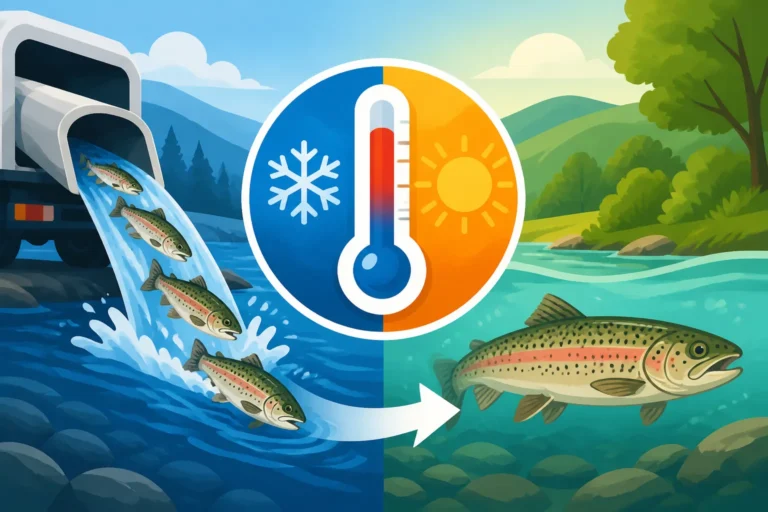
For instance, some stretches of river might become catch-and-release only to ensure spawning fish are not disturbed, allowing them to reproduce successfully and maintain healthy future generations. Other areas might see reduced creel limits or increased minimum size restrictions. This is a crucial element of conservation, especially in regions with wild trout populations that rely on natural reproduction, such as the pristine waters found when Trout Fishing in the Great Smoky Mountains, Tennessee. Additionally, the TWRA undertakes significant fall trout stocking programs in many waters. These stockings are often timed to coincide with cooler water temperatures, ensuring the newly introduced fish have the best chance to thrive. The specific regulations during this October-February window often reflect these stocking efforts, aiming to distribute fishing pressure and maximize angler success in a sustainable way. So, while it might feel like more homework, these shifting limits are really about safeguarding our precious trout resources for everyone to enjoy for years to come.
Navigating Water-Specific Trout Regulations October Through February
Now that we understand why the rules change, let's dive into how they change and, more importantly, how you can keep up. Trying to memorize every single regulation for every single stream can feel like a Herculean task, but with the right approach and resources, it's totally manageable. The key is to recognize that during these colder months, the "statewide rule" often takes a backseat to hyper-local directives.
Designated Trout Streams and Their Unique Rules
Tennessee is home to many incredible trout streams, from the tailwaters of massive dams to tiny, pristine mountain freestone creeks. When October hits, many of these designated trout waters get their own set of rules. For example, some sections of the Watauga River or the Holston River tailwaters might have very specific regulations that are different from a small stream up in the Cherokee National Forest. These rules are usually posted prominently at access points, but relying solely on signs at the ramp isn't always foolproof, especially if you're exploring new territory.
You might find a stream that's open to harvest for certain species but completely catch-and-release for others, or a stream that has a slot limit where you can only keep fish within a certain size range, with anything larger or smaller needing to be released. It's truly a patchwork, and it underscores the importance of consulting official TWRA resources before you head out. This is especially vital if you’re venturing into areas known for exceptional fishing, like the Clinch River Trout Fishing in East Tennessee, where regulations are meticulously managed. Having a printout of the specific stream's rules, or at least having them readily accessible on your phone, is as important as having your fishing license itself.
Catch-and-Release Only Zones
One of the most common water-specific regulations you'll encounter during the October-February period is the designation of certain stretches as "catch-and-release only." These zones are critical for trout conservation, providing sanctuaries where fish can feed, grow, and spawn undisturbed by harvest pressure. These areas are often found on high-quality trout streams known for wild or naturally reproducing populations. Releasing all fish, regardless of size or species, ensures the long-term health and vitality of that fishery.
For anglers, this means adjusting your gear and mindset. Barbless hooks become essential to minimize harm to the fish, and a landing net made of rubberized mesh is preferable to traditional nylon nets, as it's much gentler on fins and slime coats. Preparing for catch-and-release means having your camera ready for a quick photo, then releasing the fish gently and quickly, ensuring it swims away strong. If you're planning on fishing in a specific area, it’s worth researching if it falls under these special rules, which often vary in their timing, with some being catch-and-release year-round, while others transition seasonally. Many anglers love these challenges, honing their skills without the pressure of a creel limit.
Special Size and Creel Limits
Beyond catch-and-release, many waters implement unique size and creel limits during the colder months. Instead of the standard seven-fish daily limit, you might find a stream with a limit of one or two fish, or perhaps a higher minimum size limit, say 16 or 18 inches. Sometimes, there are "slot limits" in place, allowing anglers to keep fish within a specific size range, for example, only keeping trout between 12 and 16 inches, with anything outside that range needing to be released. These regulations are meticulously designed to protect larger, spawning-size fish while still allowing for some recreational harvest of smaller, more abundant individuals.
For example, a river might have a year-round "brown trout only" special regulation, where all rainbow and brook trout must be released, and only a certain number of brown trout of a specific size can be kept. This is a common strategy to manage populations and often applies to waters where How the Trout Season Splits Between Spring and Fall in Tennessee highlights specific management needs. Staying updated on these nuanced rules is crucial, not just to avoid penalties but to be a responsible and ethical angler. Before every trip during this October-February window, I always make it a habit to cross-reference my chosen fishing spot with the most current TWRA guide. It's a small effort that prevents a lot of headaches and ensures you're contributing positively to conservation efforts.
Here's a simplified table summarizing common types of water-specific trout regulations you might encounter during the October-February period in Tennessee:
| Regulation Type | Description | Common Application | Angler Impact |
|---|---|---|---|
| Catch-and-Release Only | All trout caught must be immediately and carefully released. Barbless hooks often encouraged or required. | Wild trout streams, spawning areas, or high-density stocked zones. | Focus shifts to technique and ethical handling; no harvest. |
| Reduced Creel Limit | Daily harvest limit is lower than the statewide 7-fish (e.g., 1, 2, or 3 trout). | Streams with natural reproduction, certain stocked waters. | Allows limited harvest, emphasizes quality over quantity. |
| Increased Size Limit | Minimum keeper size is higher than standard (e.g., 14", 16", or 18" minimum). | Designed to protect juvenile fish and allow them to grow. | Anglers must measure fish accurately; smaller fish must be released. |
| Slot Limit | Only fish within a specific size range can be kept (e.g., 12-16 inches). | Used to manage specific age classes, often to protect larger spawners. | Requires careful measurement; fish both below and above the slot must be released. |
| Species-Specific Limits | Different rules apply to different trout species (e.g., keep rainbows, release browns). | To protect specific, vulnerable species or manage dominant ones. | Anglers must accurately identify species; requires understanding which fish can be kept. |
Essential Resources and How to Stay Informed
Staying on top of Tennessee's ever-changing fishing regulations, especially during the October to February trout season, doesn't have to be a chore. In fact, with the right resources, it becomes an integral part of being a prepared and responsible angler. The Tennessee Wildlife Resources Agency (TWRA) is your absolute best friend in this regard, providing all the necessary, up-to-date information at your fingertips.
Checking TWRA Resources for Current Regulations
The most authoritative source for all Tennessee fishing regulations is the Tennessee Wildlife Resources Agency (TWRA). They publish an annual Fishing Guide, which is available in print at bait shops, outdoor retailers, and TWRA offices across the state. More importantly, it's also available as a digital PDF on their official website. This digital version is fantastic because it's usually updated with any mid-season changes faster than printed copies. I always recommend having the most current digital version downloaded to your phone or tablet before heading out, especially for areas where Tennessee Trout Limits and Season Rules are known to be variable.
The TWRA website itself is also a treasure trove of information. Beyond the main guide, they often have specific sections dedicated to trout stocking schedules, tailwater regulations, and special local rules. Don't be afraid to dig around a bit on their site; it's designed to help anglers like us. Many tailwater fisheries, for instance, have dedicated pages that detail flow rates, water generation schedules, and, crucially, their unique fishing regulations. A quick check of these resources before each trip, particularly in the off-season, can save you from potential fines and ensures you're fishing ethically. You can even check out their interactive maps or specific news releases that highlight recent changes.
Gear and Preparation for Winter Trout Fishing
Beyond understanding the rules, preparing your gear for winter trout fishing in Tennessee is crucial. Cold weather brings specific challenges that can impact both your comfort and your success. Layers are your best friend—think thermal base layers, a good fleece, and a waterproof, windproof outer shell. A quality pair of insulated waders and waterproof boots are non-negotiable if you plan on wading, especially in chilly tailwaters. Many seasoned anglers opt for durable waders, and you can find a great selection on platforms like Amazon.
For tackle, consider lighter lines, typically 2-6 lb test, as winter trout can be more lethargic and finicky. Small jigs, nymphs, and inline spinners are often highly effective. If you're fly fishing, smaller fly patterns, like midges, tiny nymphs, and scuds, often outproduce larger patterns. A reliable tackle box, which you can easily find on Amazon with various compartments, helps keep your array of winter-specific lures organized. Don't forget essentials like a pair of polarized sunglasses to cut glare off the water, a quality landing net with rubber mesh, and a pair of forceps for easy hook removal. Even a small thermos with hot coffee or tea can make a world of difference on a frosty morning. Additionally, always carry a small first-aid kit and a fully charged cell phone. If you're considering a new reel for cold-weather fishing, exploring options for Best Spinning Reels for Tennessee Trout Streams might be helpful. Being well-prepared not only makes for a more enjoyable day but also ensures you're ready for any situation our beautiful, but sometimes unforgiving, Tennessee winter waters might throw at you.
Disclaimer
Please remember that fishing regulations, limits, and seasons in Tennessee can change. While every effort has been made to provide accurate and up-to-date information, it is ultimately the angler's responsibility to verify all current rules and regulations with the Tennessee Wildlife Resources Agency (TWRA) before engaging in any fishing activity. This guide is for informational purposes only and should not be considered a substitute for official TWRA publications.