How to Catch Crappie Around Brush Piles
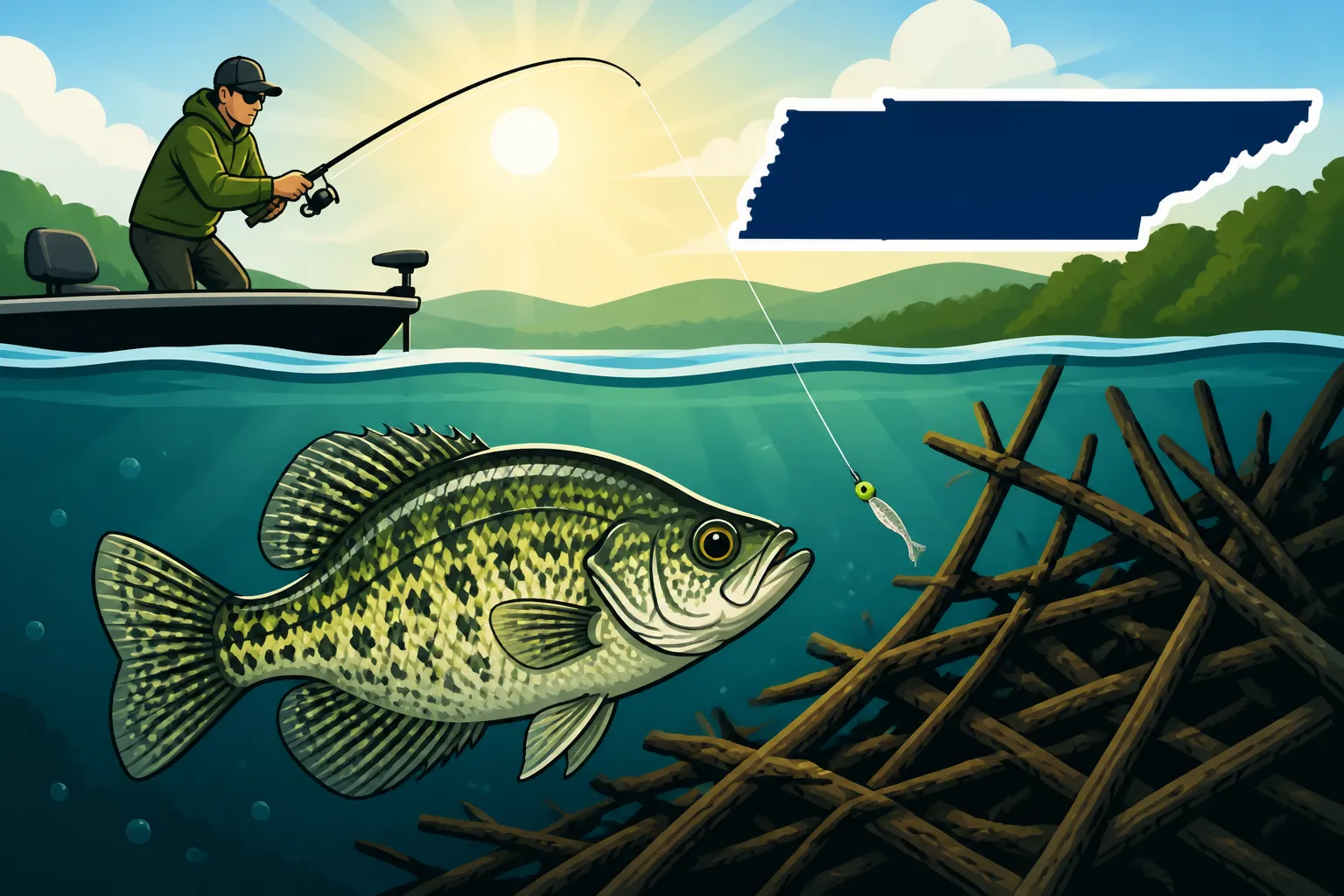
There’s nothing quite as frustrating as heading out to your favorite crappie spot, only to find the fish have vanished into thin air. Many anglers mistakenly assume crappie are just "gone," when in reality, they’ve often just moved to cover – and brush piles are a prime destination. This guide will walk you through exactly how to pinpoint, approach, and successfully catch crappie that are holding tight to these submerged havens across Tennessee.
Why Crappie Absolutely Love Brush Piles
Crappie are masters of ambush and protection, and brush piles offer them the perfect combination of both. Understanding why they congregate around these structures is the first step to consistently filling your cooler. It's not just a random hangout; it's a vital part of their survival strategy.
Shelter and Safety from Predators
Imagine being a crappie in a big, open lake like Kentucky Lake, with hungry bass, catfish, and even larger striped bass lurking around. You’d want a place to hide, right? That’s exactly what a brush pile provides. The dense network of branches, limbs, and debris creates a fortress. It breaks up their silhouette, making it harder for predators to spot them, and offers instant escape routes deep within the snags. This sense of security is paramount, especially for smaller crappie that are more vulnerable. Even larger crappie appreciate the cover, as it allows them to conserve energy and feel safe without constantly being on high alert.
Prime Ambush Points for Forage
Beyond safety, brush piles are also fantastic feeding grounds. Think of them as underwater cafeterias for crappie. Smaller baitfish, minnows, and insect larvae also seek refuge and food within these same structures. For crappie, this means a consistent, easily accessible food source right at their doorstep. They can hide in the darker, denser parts of the pile, dart out to snatch a passing minnow, and quickly retreat. This makes them highly efficient feeders. During certain times of the year, like when the water warms up, plankton and algae can grow on the submerged branches, attracting even more microscopic life, which in turn attracts the baitfish that crappie love to eat. It’s a complete ecosystem centered around that pile of brush.
Locating Those Elusive Brush Piles
You can't catch crappie in brush piles if you can't find them! Many of the best brush piles are man-made and intentionally placed by anglers, or naturally formed by fallen trees and debris. Finding them requires a combination of modern technology and old-fashioned observation.
Using Electronics to Your Advantage
Modern fish finders are an absolute game-changer for brush pile fishing. Your sonar unit, especially those with side imaging and down imaging capabilities, will be your best friend. Start by identifying promising areas on your lake map – creek channels, old roadbeds, submerged points, or sharp drop-offs are often good candidates for holding brush. Then, systematically idle over these areas, keeping a close eye on your screen.
With good side imaging, a brush pile will often show up as a distinct, irregular blob on either side of your boat, sometimes with fish targets appearing as bright dots around or within it. Down imaging provides a clearer, more photographic view directly beneath your boat, allowing you to see the individual branches and how dense the pile is. Once you spot something promising, mark it with a GPS waypoint. Don’t just mark the general area; try to pinpoint the exact location of the densest part of the brush pile. Some units, like those from Humminbird or Garmin, offer incredibly detailed views that can literally show you fish holding tight to the structure. This level of detail is invaluable for ensuring you're dropping your bait right where the fish are.
Visual Cues and Local Knowledge
Sometimes, the best technology is simply your eyes. Look for clues on the surface. Floating debris, a lone stump sticking out of the water, or even subtle changes in water current could indicate a submerged structure nearby. On smaller lakes or ponds, brush piles might be less subtle and actually extend above the water line, making them obvious targets.
Another fantastic resource is local knowledge. Talk to other anglers at the boat ramp, bait shops, or local fishing forums. Many experienced anglers in Tennessee, especially those who fish places like Percy Priest Lake or Watts Bar Lake, have spent years mapping out brush piles and are often willing to share general areas, if not their exact honey holes. TWRA also sometimes maps out fish attractors they've placed, which are essentially large, man-made brush piles designed to improve fishing. You can often find this information on their website or by asking at a local TWRA office. While pinpointing the exact spot is part of the fun, getting a general direction from someone who knows the waters can save you hours of searching.
Essential Gear for Brush Pile Crappie
Fishing brush piles effectively requires a specific setup that allows you to feel subtle bites, extract fish from cover, and minimize snags. You’ll want gear that's sensitive yet strong.
Rods, Reels, and Line
For crappie fishing around brush piles, a sensitive rod is key. Many anglers prefer a light or ultralight spinning rod, typically 6 to 7.5 feet in length, with a fast action tip. This flexible tip allows you to detect even the lightest tap from a crappie, which can be crucial when they're shy. The backbone of the rod should be stout enough to horse a slab crappie out of a snag without breaking.
Pair this with a small, lightweight spinning reel (size 1000 or 2000) that has a smooth drag system. The drag is important because a crappie might dive hard into the brush when hooked, and a smooth drag will prevent your line from snapping. For line, many crappie anglers opt for a 4 to 6-pound test monofilament or fluorocarbon. Monofilament offers a bit more stretch, which can be forgiving when a fish makes a sudden run, but fluorocarbon is nearly invisible underwater and incredibly sensitive, allowing you to feel every bump and bite. Some anglers even use a braided line for its superior sensitivity and strength, often adding a fluorocarbon leader to reduce visibility. You can find excellent options for all these components readily available on Amazon.
Jigs and Baits That Get the Job Done
When fishing brush piles, jigs are king. Small lead head jigs, typically 1/32 to 1/8 ounce, are ideal. The weight depends on the depth of the brush and the current. Lighter jigs fall slower, giving crappie more time to react, while heavier jigs get down quickly in deeper water or strong currents.
Soft plastic crappie baits, often called "tubes," "grubs," or "minnow profiles," are extremely effective. Colors vary widely, but chartreuse, white, black, and various shiner or natural baitfish patterns are popular choices. Experiment with different colors and sizes to see what the crappie prefer on any given day. Sometimes a subtle color works best, while other times a bright, erratic jig is what triggers a strike.
Live minnows are another classic crappie bait and can be deadly around brush piles. Hook them lightly through the lips or just behind the dorsal fin. You can fish them under a small bobber, or simply "tight-line" them with a small weight to get them down into the cover. The natural movement of a live minnow is often irresistible to crappie. Many local bait shops throughout Tennessee will have a fresh supply of minnows, or you can even buy minnow traps on Amazon to catch your own.
| Lure Type | Best Use Case | Pros | Cons |
|---|---|---|---|
| 1/32 – 1/8 oz Jigs | Vertical jigging, casting, spider rigging | Versatile, wide range of colors/styles | Can snag easily in dense brush |
| Soft Plastic Grubs | Attached to jigs, mimics baitfish | Highly attractive, durable | Can be nipped off by smaller fish |
| Tube Jigs | Vertical presentation, slow fall | Unique action, good for finicky fish | May not imitate baitfish as well as other plastics |
| Live Minnows | All conditions, especially tough bites | Natural appeal, highly effective | Requires live bait storage, can be messy |
| Small Crankbaits | Casting near edges of brush, reaction bites | Covers water quickly, triggers aggressive fish | High snag risk if retrieved through brush |
Mastering Techniques for Fishing Brush Piles
Getting your bait into the strike zone and extracting a hooked fish from the dense cover of a brush pile requires specific techniques. It’s a delicate dance between precision and power.
Vertical Jigging and Dropping
This is arguably the most effective method for fishing brush piles, especially dense ones where crappie are holding tight. The idea is to present your bait as vertically as possible, directly above or even into the brush pile.
First, use your electronics to position your boat directly over the brush pile. Many anglers find that a high-quality GPS-enabled trolling motor is a godsend for this, allowing you to "spot-lock" and stay put. Once positioned, slowly lower your jig or a minnow rig down. Watch your fish finder intently. You'll often see the brush pile as a "hump" or "cloud" on the screen, and the crappie as distinct arcs or dots within or just above it. Lower your bait to the depth where you're seeing the fish.
Once at depth, gently lift and drop your rod tip, imparting a subtle jigging motion. The goal is to make your bait look like a wounded minnow or an easy meal. Crappie often bite on the fall, so pay close attention as your jig drops. If you feel a slight tap, a sudden weight, or your line stops falling prematurely, set the hook! The key here is precision; you want your bait to hang right in their faces. This method is particularly useful when you're targeting fish that are suspended within the brush rather than on the bottom. To learn more about this, check out our guide on how to Jig for Crappie.
Spider Rigging and Trolling the Edges
While vertical jigging is for direct engagement, spider rigging and slow trolling are excellent for covering the perimeter of a larger brush pile or a series of scattered piles. Spider rigging involves setting out multiple rods (often 6 to 12) from the front of your boat, creating a "spider web" of lines. Each rod has a different depth setting and often a different lure or bait.
When spider rigging around brush piles, you'll slowly motor around the edges, keeping your boat just outside the densest part of the cover. This allows you to present multiple baits at various depths and distances from the brush, enticing crappie that might be staging just outside the main cover. You're effectively searching the "strike zone" around the pile.
Slow trolling, often just using your trolling motor, is similar. You might pull small crankbaits or jigs on long lines, allowing them to swim past the edges of the brush. The idea is to trigger reaction strikes from crappie that are slightly more aggressive or simply following the edge of the cover. This can be especially effective on larger reservoirs where crappie might roam more widely, like on Chickamauga Lake. This technique also allows you to find new productive brush piles by systematically covering water.
Casting and Retrieving
For brush piles that are less dense, or when crappie are active and willing to chase, casting can be a very effective approach. This works well for shallower brush piles or those closer to the bank.
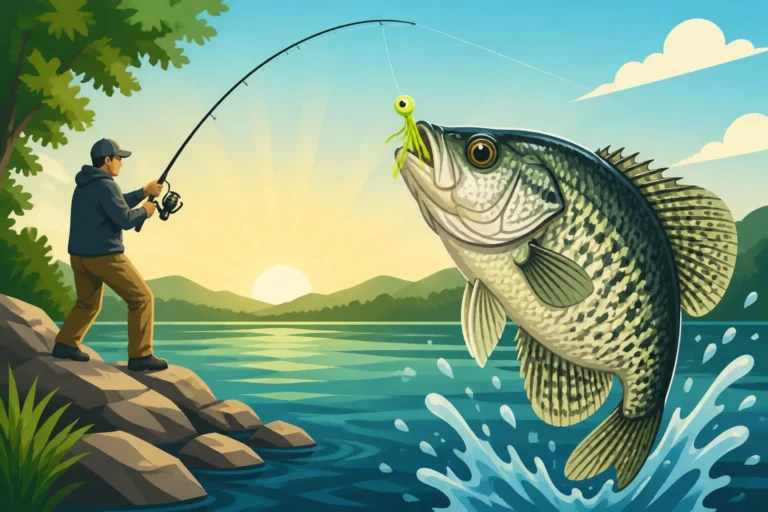
Cast a small jig or a shallow-diving crankbait past the brush pile and retrieve it so it passes right through or along the edges of the cover. The trick is to vary your retrieve speed and depth until you find what the crappie are reacting to. Sometimes a steady retrieve is best, other times a stop-and-go retrieve that mimics an injured baitfish. Be prepared for strikes as soon as your lure gets near the brush. The moment you feel a bite, set the hook firmly and try to steer the fish away from the snags as quickly as possible. This is where that strong rod backbone comes in handy. If you’re casting from the bank, this can be a productive way to fish if you’ve found some accessible brush.
Timing Your Attack: Best Seasons and Times
Crappie behavior around brush piles can change dramatically depending on the time of year and even the time of day. Knowing when and how they use these structures will significantly boost your success.
Spring Spawn and Post-Spawn Activity
Spring is prime time for crappie, and brush piles are an integral part of their spawning ritual, especially in the pre-spawn and post-spawn phases. As water temperatures begin to rise in early spring (typically 50-60 degrees Fahrenheit), crappie will move from deeper wintering grounds to shallower areas in preparation for spawning. Brush piles located near shallow flats, creek channels, or protected coves become staging areas. They'll hold in these brush piles, feeding heavily to gain energy for the spawn. During this time, you can find fish stacked up in huge numbers.
Once the actual spawn occurs, many crappie will move onto shallow nests, often in sparse cover. However, after the spawn, exhausted crappie will retreat to nearby brush piles to recover and feed before moving to their deeper summer patterns. This post-spawn period can be fantastic, as hungry crappie aggressively feed on anything that comes near their brushy refuge. Understanding the Spring Crappie Spawn Timing in Tennessee is crucial for intercepting these fish.
Summer Heat and Winter Chill
During the peak of summer, when Tennessee's waters get really warm, crappie will often move to deeper brush piles. Look for brush piles on deep points, along old river channels, or near thermoclines where the water is cooler and more oxygenated. They'll hold tight to these deep structures, venturing out only to feed. Early morning, late evening, or even night fishing can be incredibly productive during summer, as crappie become more active when the sun isn't directly overhead. Knowing how to Find Crappie in Summer becomes essential.
In winter, crappie will once again seek the thermal stability and protection of deeper brush piles. They become much less active, but they still need to feed. This is when a slow, vertical presentation with a small jig or a minnow is key. They won't chase much, so you need to put the bait right in front of them. Deep brush piles near sharp drop-offs or in the main lake basin are excellent winter targets. This requires patience and often a good understanding of How to Catch Crappie in Cold Water.
Low Light and Weather Conditions
Crappie, like many fish, are often more active during periods of low light. This includes dawn, dusk, and cloudy days. The reduced light penetration makes them feel safer from aerial predators and often triggers more aggressive feeding. Fishing brush piles during these times can yield excellent results.
After a cold front, crappie can become lethargic and move deeper into the densest parts of brush piles. They might be very finicky, requiring a much slower presentation and smaller baits. Conversely, a stable weather pattern, even with bright sunshine, can make them predictable and easier to catch if you know where they're holding. Always pay attention to the weather forecast and adjust your approach accordingly.
Navigating Snags and Protecting Your Gear
Fishing brush piles means you will get snagged. It’s an unavoidable truth. However, there are ways to minimize frustration, save your lures, and protect your precious gear.
Tips for Reducing Snags
First and foremost, use a light wire hook on your jigs. These hooks are designed to straighten out under moderate pressure, allowing you to often pull your jig free from a snag. You can then bend the hook back into shape, or simply replace the jig head if it’s too bent.
Another trick is to try to approach the brush pile from multiple angles. If you’re getting snagged repeatedly from one direction, try moving to the other side of the pile. Sometimes, the way the branches are oriented makes it easier to fish from one side than another.
When you do get snagged, don’t just yank hard. Point your rod tip directly at the snag, put tension on the line, and then try "thumping" the rod butt or quickly vibrating the line. This can sometimes dislodge the hook. If that doesn’t work, try slowly backing away from the snag with your boat (if safe to do so) or changing your angle. If all else fails, a lure retriever can be a lifesaver. These devices slide down your line and use chains or weights to knock your lure free. Many effective lure retrievers are available on Amazon.
Extracting Fish from Cover
Once you hook a crappie in a brush pile, the fight isn't over. Crappie will almost instinctively dive deeper into the brush to try and shake the hook. This is where a firm but controlled retrieve is essential. Set the hook decisively, then try to keep constant pressure on the fish, slowly but steadily reeling it away from the densest part of the cover. Don't pump your rod wildly, as this can give the fish slack line to bury itself further.
If the fish does manage to get tangled, resist the urge to just pull. Keep tension on the line and try to gently reel or pull the fish out. Sometimes a tangled fish will work its way free with a little patience. Remember, the goal is to land the fish, not just rip it out, which could damage your line, rod, or even the fish itself.
Crappie Limits and Regulations in Tennessee
It's absolutely vital to know and adhere to the Tennessee fishing regulations when you're out chasing crappie. Not only does it help conserve the fishery for future generations, but it also keeps you on the right side of the law.
Statewide and Lake-Specific Rules
In Tennessee, the statewide daily creel limit for crappie is generally 20 fish per day. However, there’s a crucial size limit to remember: only 5 of those 20 crappie may be over 12 inches. This rule is in place to help protect the larger, breeding-size crappie and promote a healthy population.
It's really important to remember that some lakes in Tennessee have special regulations that override these statewide limits. For example, a particular lake might have a different daily limit, or a slot limit (where fish within a certain size range must be immediately released). Always check the latest Tennessee Fishing Regulations Explained guide from the TWRA before you head out, especially if you're fishing a new body of water. Ignorance of the law is not an excuse, and game wardens in Tennessee take these regulations seriously.
Practicing Responsible Angling
Beyond just the limits, practicing responsible angling is part of being a good steward of Tennessee's natural resources. If you're catching a lot of crappie and plan to release some, handle them gently. Wet your hands before touching them to protect their protective slime coat, and release them quickly.
Consider using barbless hooks, especially if you're primarily catch-and-release fishing, as they make extraction much easier and less damaging to the fish. Also, be mindful of your impact on the environment. Don't leave discarded fishing line or trash at the brush pile or on the banks. These small actions contribute to keeping Tennessee's waters healthy and enjoyable for everyone.
Always remember that fishing for crappie in Tennessee is a privilege, and by following the rules and practicing good sportsmanship, we ensure that these fantastic fishing opportunities remain for years to come.
Disclaimer
Fishing involves inherent risks, including injury and death. This guide provides general information and recommendations. Always exercise caution, wear appropriate safety gear (like life jackets), and follow all local, state, and federal regulations. Consult the Tennessee Wildlife Resources Agency (TWRA) for the most current and specific fishing rules and guidelines before engaging in any fishing activities.