Only 2 Brown Trout Allowed Per Day During Tennessee’s Trout Season
Ever felt that surge of excitement hooking into a beautiful brown trout in a Tennessee stream, only to get a nagging feeling in the back of your mind about the rules? It’s easy to get caught up in the thrill, but knowing the specific limits for different trout species is crucial, especially for brown trout. This guide will walk you through Tennessee's daily brown trout limit, explain why it's in place, and help you understand how to confidently stay within the regulations while enjoying our stunning waters.
Understanding Tennessee's Brown Trout Daily Limit
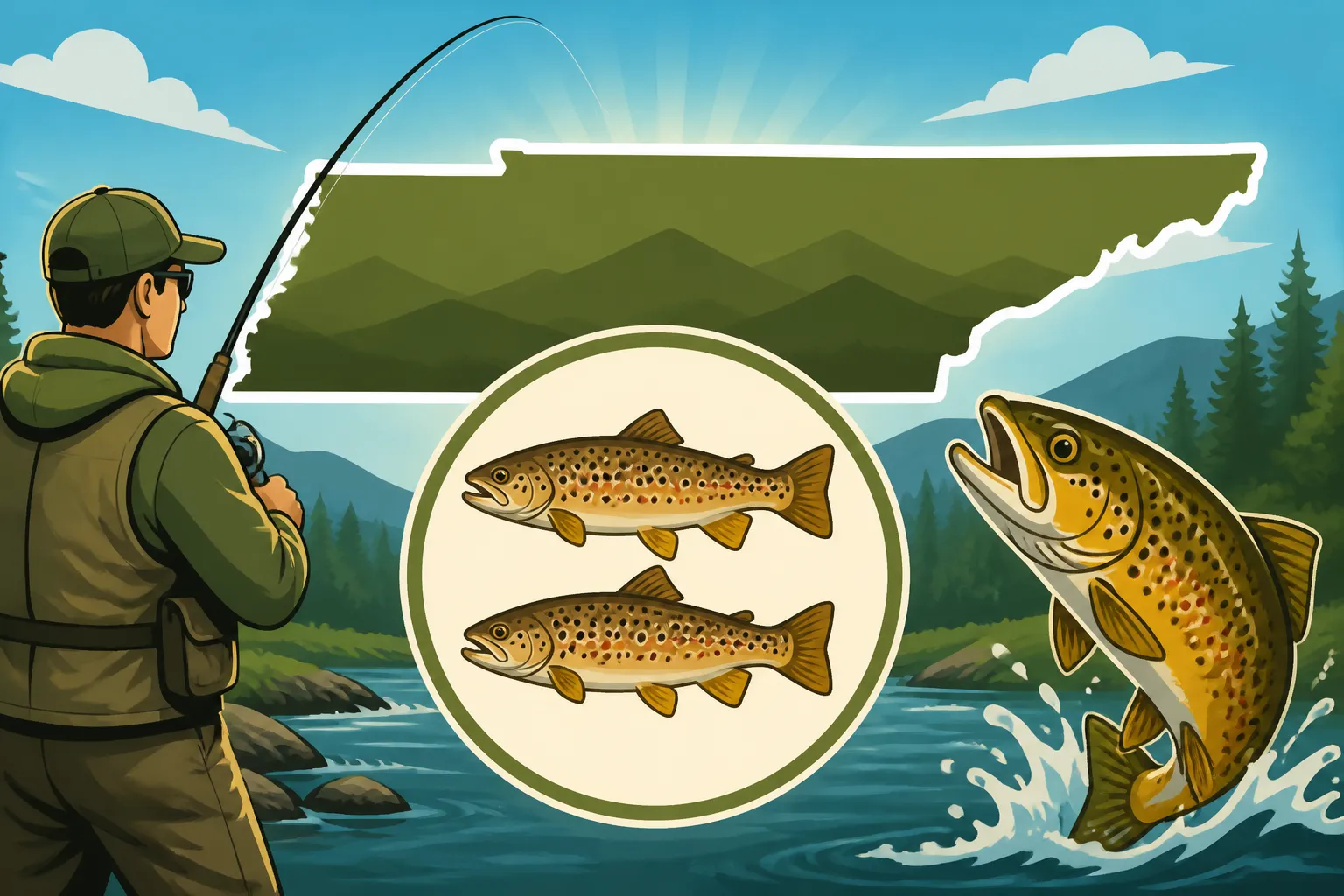
It’s a common misconception that all trout caught in Tennessee fall under one blanket daily limit. While there's a general daily trout limit during certain seasons, brown trout, those beautiful, wily creatures often displaying a rich, spotted pattern, have a stricter individual cap. For the prime trout fishing season, specifically from March through September, you're allowed to keep no more than two brown trout as part of your overall daily catch.
This isn't just a random number; it's a carefully considered conservation measure by the Tennessee Wildlife Resources Agency (TWRA). Brown trout are an important part of our cold-water fisheries, and this specific limit helps manage their population, especially in rivers and streams where they might reproduce naturally. It ensures that anglers can still enjoy harvesting these fish while protecting the long-term health and stability of the species in our state.
Keeping this number in mind is paramount for any angler targeting trout in Tennessee. Whether you're fishing the legendary tailwaters like the Clinch River or exploring a lesser-known mountain stream, if you're pulling in brown trout, you need to be aware that your daily take is capped at two. It’s a distinct rule that separates them from other trout species you might encounter.
Why the Specific Limit for Brown Trout
You might wonder why brown trout get special treatment with a stricter limit compared to rainbow trout, which often have a higher individual bag limit or are subject only to the overall trout limit. The answer lies in a combination of ecological factors and management goals. Brown trout, while not native to North America (they were introduced from Europe), have established healthy, reproducing populations in many of Tennessee's colder, oxygen-rich waters. They are often more challenging to catch and can grow to impressive sizes, making them a prized catch.
The lower limit helps to distribute the harvest more evenly among anglers and protects the larger, more prolific spawners. In some of our premier trout waters, larger brown trout are particularly valuable for maintaining a robust, self-sustaining fishery. The TWRA's goal is to ensure that these populations remain vibrant for future generations of anglers. It’s a balance between recreational opportunity and sound conservation.
Think of it this way: while rainbow trout are frequently stocked in large numbers across many streams and lakes, brown trout populations, particularly wild ones, require a more nuanced approach. Their natural reproduction can be more sensitive to fishing pressure, and thus, a stricter limit helps safeguard these self-sustaining components of our trout fisheries. This thoughtful regulation ensures that the thrill of catching a big brown trout remains a possibility for years to come.
How This Limit Fits into the General Trout Season
Understanding the specific brown trout limit also requires knowing how it integrates into the broader context of Tennessee's trout season. Generally, from March through September, the statewide daily creel limit for trout is seven fish per day. However, and this is the critical part, "No more than 2 brown trout count toward the 7-fish summer limit." This means if you catch seven trout, only two of them can be brown trout. The remaining five would need to be rainbow trout, brook trout, or another species if present and legal to keep.
This combination of limits can feel a bit like mental arithmetic while you're out on the water, especially if the bite is hot! Imagine you've had a fantastic morning, landing two beautiful brown trout and then three rainbow trout. You're still within your overall seven-fish limit, but you've hit your brown trout quota. Any further brown trout you catch must be released immediately and unharmed. This is a key distinction that sometimes catches less experienced anglers off guard.
It’s also important to remember that these limits primarily apply during the March through September period. As discussed in Tennessee Trout Limits and Season Rules, trout limits shift to water-specific rules from October through February. During this colder period, many streams and rivers may have different regulations, sometimes becoming catch-and-release only, or having specific slot limits or bait restrictions. This seasonal variation means you always need to do your homework before heading out, especially if you're planning on keeping any fish.
Practical Strategies for Anglers to Comply
Staying on the right side of the regulations is a huge part of being a responsible angler. When you're fishing for trout in Tennessee, particularly during the March through September season when that "only two brown trout" rule applies, having a system in place will save you a lot of potential headaches. It's not about being a rule stickler, it's about respecting the fishery and avoiding any penalties for fishing without a license in Tennessee.
One of the best strategies is simply to be prepared. Before you even leave the house, make sure you're clear on the specific limits for the body of water you're heading to. Even if you checked last year, regulations can change, and Checking local rules before keeping trout caught between October and February is always a good practice, even in the "general" season, as some specific lakes and streams have their own rules. A quick check on the TWRA website or using their fishing app can provide instant clarification.
It’s also wise to have the right gear to help you comply. A reliable measuring tape, easily found on Amazon, and a stringer or cooler dedicated to your kept fish can make a big difference. This simple setup allows you to quickly measure and count your catch, preventing any accidental overages. Being organized means you can focus more on the joy of fishing and less on the stress of remembering complex rules.
Keeping Track of Your Catch
The moment that second brown trout hits your net (and you decide to keep it), it's crucial to acknowledge that you've reached your limit for that species for the day. This isn't just a suggestion; it's a hard and fast rule. A common mistake I've seen anglers make, especially when fishing with friends or family, is losing track of individual catches, leading to inadvertent violations.
One effective method is a simple tally. Some anglers use small clickers, while others just make a mental note or tie a knot in a piece of string. When that second brown trout is in your possession, consider any subsequent brown trout you catch to be strictly catch-and-release. Have your camera ready for those later trophy shots, but ensure a quick, gentle release to maximize the fish’s survival. It's a small change in mindset that makes a big difference for conservation.
Another aspect of tracking your catch involves proper fish identification. As highlighted in Brown Trout Identification Tips for Tennessee Anglers, knowing how to distinguish a brown trout from a rainbow or brook trout is fundamental. While it might seem obvious to experienced anglers, beginners can sometimes struggle, especially when fish coloration varies based on water conditions or age. Take a moment to examine the fish, focusing on fin shape, spot patterns, and overall body color before making the decision to keep or release. If in doubt, releasing the fish is always the safest bet.
Planning Your Trout Fishing Trip with Limits in Mind
Thinking ahead about the brown trout limit can actually enhance your fishing experience rather than hinder it. If you know you’re primarily targeting brown trout, and especially if you're hoping to keep a couple for the skillet, you might choose to focus your efforts more strategically. This might mean dedicating a certain part of your day to fishing brown trout hot spots or using specific lures and techniques known to attract them.
Consider the time of year and specific water bodies. If you're visiting a designated trout stream, especially one known for its healthy brown trout population, the "How Tennessee's Brown Trout Limit Works During Trout Season" article underscores the importance of being dialed into the regulations. For example, the Caney Fork River, a popular tailwater fishery, often holds excellent numbers of brown trout, so approaching it with the 2-fish limit firmly in mind is essential.
For multi-day trips or for those fishing different waters, remember that the daily limit resets at midnight. So, if you hit your two-brown-trout limit on a Tuesday morning, you're clear to target and potentially keep two more brown trout after midnight on Wednesday. However, you can't accumulate limits. You can't say, "I didn't catch any yesterday, so I can keep four today." It’s strictly a 24-hour limit, resetting with the new day. Having a copy of the regulations, perhaps a printed version or an easily accessible digital one on your phone (which you can store safely in a waterproof case, available on Amazon), is invaluable for confirming these details on the fly.
Important Considerations Beyond the Daily Bag Limit
While the two-brown-trout daily limit is a primary concern, successful and responsible trout fishing in Tennessee involves a mosaic of other rules and best practices. It's not just about the number of fish; it's also about their size, the type of tackle you're using, and understanding the unique characteristics of the waters you're exploring. Ignoring these additional factors can lead to unintended violations and impact the very fisheries we love to enjoy.
Tennessee's diverse aquatic environments mean that a one-size-fits-all approach to fishing rules simply doesn't work. From cold-water mountain streams to vast reservoirs, each body of water might have nuances that override general statewide rules. This is why thorough research is always your best fishing buddy, alongside your rod and reel.
Always remember that fishing regulations are put in place for a reason: to protect our precious natural resources and ensure that Tennessee fishing remains excellent for generations to come. Being a well-informed angler contributes directly to that goal, proving that responsible recreation and bountiful catches can absolutely go hand-in-hand.
Size Restrictions and Other Water-Specific Rules
Beyond the number of fish you can keep, Tennessee often imposes size restrictions on trout. For example, some waters might have a minimum length requirement, meaning any trout caught under that size must be immediately released. Conversely, some special regulation waters might have "slot limits," where fish within a certain size range must be released, while smaller or larger fish can be kept. This is often done to protect breeding-size fish or to encourage growth into trophy sizes.
For instance, while the statewide trout limit applies generally, there are many streams and rivers with special regulations, such as those found in the Great Smoky Mountains National Park or specific sections of tailwaters. These special regulations might dictate "no bait" rules, specific lure types (like single-hook artificials only), or even entirely catch-and-release zones. Always refer to the TWRA fishing guide or local signage. Lake-Specific Fishing Rules That Override Tennessee's Statewide Limits is an excellent resource for understanding these important local variations.
These water-specific rules are designed to tailor management strategies to the unique ecological conditions and fishing pressures of a particular stream or lake. Ignoring them could mean you're not only breaking the law but also undermining conservation efforts in that specific area. Checking these detailed regulations, perhaps even printing out the relevant section from the TWRA website to keep in your tackle box (secured in a waterproof pouch, of course, many good options on Amazon), ensures you're always fishing legally and ethically.
The Importance of Knowing the Broader Tennessee Fishing Regulations
Focusing solely on the brown trout limit, while important, is just one piece of the puzzle. As a responsible angler in Tennessee, you need to have a good grasp of the comprehensive regulatory framework. This includes understanding the requirements for a Tennessee Fishing License Guide, which is mandatory for most anglers unless you fall under specific exemptions like Bobby Wilson Free Fishing Day in Tennessee or are fishing on private land.
Additionally, knowing about specific permits, such as whether Do You Need a Trout Permit With Your Tennessee License, is crucial. While a separate trout permit isn't always required in addition to your general fishing license, some unique situations or specific license types might necessitate it, or the general license itself might include trout privileges. Always ensure you have the correct and current license in your possession.
Here's a quick overview of how the brown trout limit fits into the broader daily trout limits in Tennessee during the main season (March-September):
| Trout Species | Statewide Daily Limit (March-Sept) | Notes |
|---|---|---|
| Brown Trout | 2 fish | This is a specific cap within the overall trout limit. If you keep 2 brown trout, you can only keep 5 more of other trout species (e.g., rainbow, brook) to reach the total daily limit of 7. |
| Rainbow Trout | Included in overall 7 fish | No specific individual limit, but counts towards the overall 7 fish total. |
| Brook Trout | Included in overall 7 fish | No specific individual limit, but counts towards the overall 7 fish total. |
| Overall Trout | 7 fish (combined species) | This is the total number of trout you can keep per day. Remember, the brown trout limit (2) is a sub-limit within this total. Water-specific rules always supersede statewide limits, especially from October through February. |
This table clearly illustrates how the two-brown-trout rule plays into the larger picture. Always check the official Tennessee Fishing Regulations Explained from the TWRA for the most current and specific details for your chosen fishing spot, as regulations can and do change. Being informed isn't just about compliance; it's about being a better steward of Tennessee's incredible fishing heritage.
Disclaimer
The information provided in this guide is for general informational purposes only and is subject to change. Anglers are responsible for consulting the most current Tennessee Wildlife Resources Agency (TWRA) regulations before engaging in any fishing activities. Always prioritize safety and adherence to local laws and guidelines.