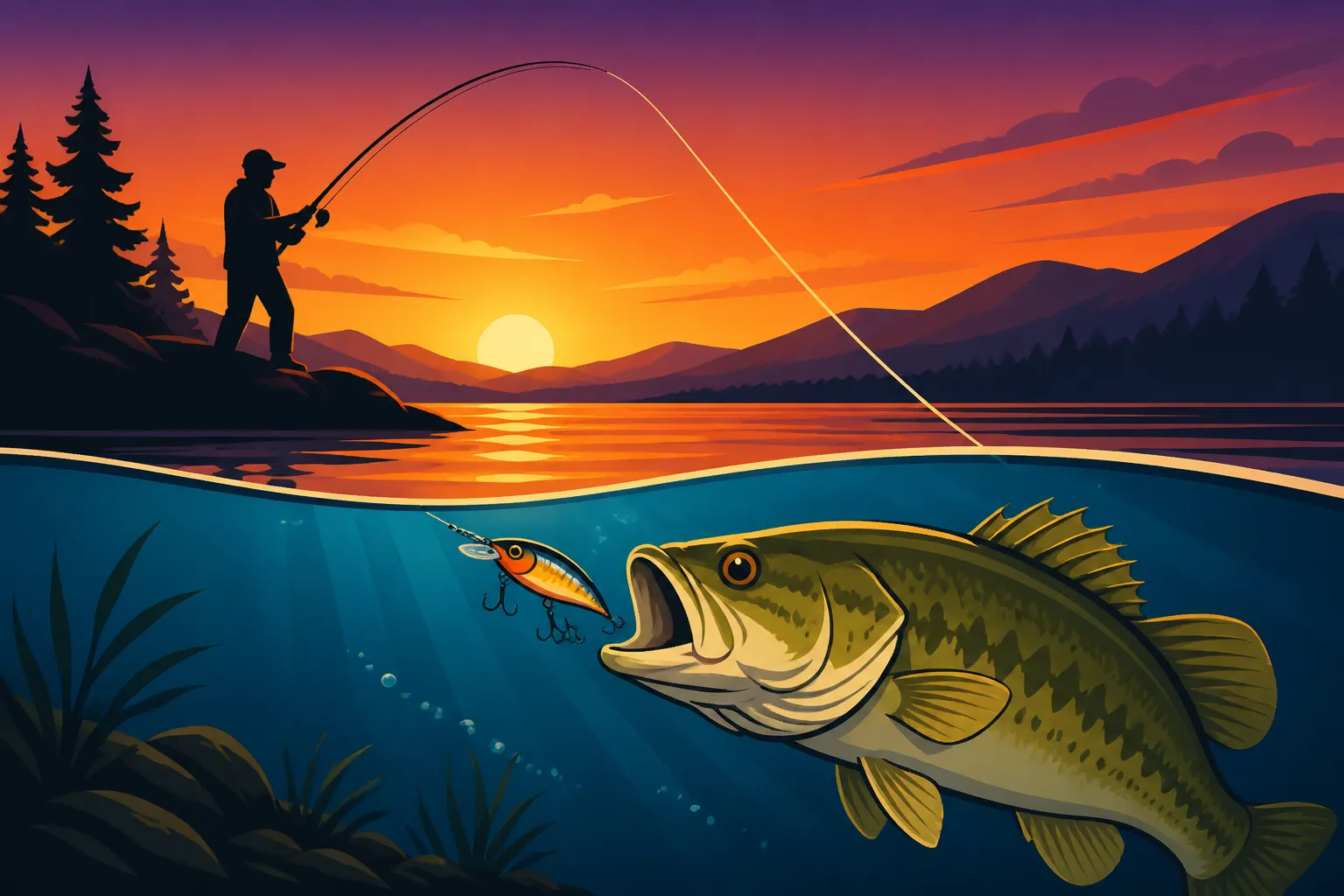
Why Fish Bite Better at Dusk
Many of us have spent hours under the midday sun, wondering why fish aren't biting, only to see action explode as the sky turns orange. This common frustration of missing the magic window ends now. This guide unravels the mystery of why fish often bite better at dusk in Tennessee, equipping you to make the most of those golden hours on the water.
The Science Behind the Sunset Bite: What Changes in the Environment?
It's not just a rumor; there's genuine science at play that makes dusk a prime time for fishing. As the sun begins its descent, a cascade of environmental changes occurs, creating ideal conditions that trigger increased fish activity. Understanding these shifts is the first step to becoming a more successful angler during these magical hours.
Light Levels and Fish Vision
As the sun dips below the horizon, the intense overhead light diminishes rapidly. For many predatory fish species, this shift creates a distinct advantage in their favor. These fish often possess superior low-light vision compared to the smaller prey fish they hunt. Imagine the difference in vision between a cat and a mouse in dim conditions; the predator has the upper hand, seeing movement and shapes much more effectively. This decrease in visibility for baitfish makes them more vulnerable, as their usual daytime hiding spots might not offer the same level of protection as the shadows grow long. It’s an instinctive hunting opportunity they are wired to exploit.
Fish like largemouth bass, smallmouth bass, crappie, and even some species of trout become notably more confident in these low-light conditions. They feel less exposed to aerial predators such as ospreys and eagles, which gives them the courage to move into shallower waters or more open areas that they would typically avoid during bright daylight. This newfound confidence allows them to cruise more freely, actively seeking out a meal rather than remaining hidden in deep cover. This behavior is particularly evident in clearer waters where the sun’s penetration during the day forces fish into deeper, darker refuges.
The transition from bright daylight to the soft glow of twilight also generates dramatic shadows and silhouettes against the fading sky. These shifting light patterns can make it significantly harder for baitfish to detect an approaching predator, and conversely, it can make it easier for a predator to ambush its unsuspecting meal. Lures that boast strong silhouettes or those designed to glow in low light can become incredibly effective because they stand out sharply against the diminishing ambient light, mimicking an easy, struggling meal that is having trouble navigating the darkening waters. This play of light and shadow is a crucial factor in their evening feeding strategy.
Water Temperature Fluctuations
Throughout a hot Tennessee summer day, surface water temperatures can climb significantly, particularly in shallower coves, small ponds, or stagnant sections of larger lakes. Many desirable game fish, including bass and trout, tend to become less active and lethargic in these warmer conditions. They instinctively retreat to deeper, cooler water or seek out dense shade and other thermal refuges to conserve energy. As dusk arrives, the direct heat of the sun vanishes, and the air temperature begins to drop, allowing the surface water to start cooling down. This subtle but crucial temperature change is often enough to trigger a noticeable increase in fish activity.
This cooling effect provides a more comfortable environment for fish, encouraging them to move out of their deep-water sanctuaries and into more accessible, shallower feeding grounds. Their comfort zone expands, and with it, their willingness to hunt. For instance, you might observe bass holding tight to deep brush piles or submerged timber all day long, but as the evening chill sets in, they will often push up onto points, flats, or weed lines to chase baitfish. This is a very common and observable pattern on large reservoirs like Chickamauga Lake or Kentucky Lake, where thermal stratification—layers of different water temperatures—can be quite pronounced during the warmer months. Understanding How Water Temperature Affects Fish Activity is absolutely essential to maximizing your catch.
Beyond comfort, cooler water often means higher oxygen levels, which can further invigorate fish and boost their metabolism. This makes them more active, more alert, and, most importantly, hungrier. They seem to understand instinctively that the cooler, darker hours provide optimal feeding times before the deeper chill of night fully sets in or the sun rises again to warm the waters. It's a powerful biological imperative for them to feed when conditions are perfect, and dusk consistently offers that perfect window—a harmonious combination of comfortable temperatures and reduced visibility for their prey.
Prey Movement and Predator Behavior: It's a Feeding Frenzy!
The environmental shifts at dusk don't just affect the mood of the fish; they fundamentally alter the dynamics between predator and prey. This often culminates in a heightened period of feeding activity, turning a quiet afternoon into an exciting "feeding frenzy."
Baitfish Activity and Insect Hatches
Just as predatory fish become more active and confident with the fading light, so too do many species of baitfish. During the brightest parts of the day, smaller fish like shad, minnows, and sunfish often stick close to dense cover or retreat into deeper water to avoid predators. As the light fades and shadows lengthen, they feel a heightened sense of security, allowing them to move into more open water to forage on plankton or emerging insects. This increased movement of baitfish effectively creates a mobile buffet line for waiting predators, drawing them out from their daytime hiding spots. You’ll frequently observe schools of shad flickering near the surface or shimmering along weed lines as the sun sets, which inevitably draws the keen attention of hungry game fish.
For those who enjoy fishing in Tennessee’s numerous rivers and streams, particularly in premier trout country like the Clinch River or the many pristine streams nestled within the Great Smoky Mountains, dusk is often synonymous with prolific insect hatches. Various species of caddisflies, mayflies, stoneflies, and other aquatic insects begin to emerge from the water to mate, creating a sudden flurry of activity on the surface. This natural phenomenon acts as a powerful trigger, driving trout and other insect-eating fish into an intense feeding frenzy, as they key in on these abundant, easy meals. Even on lakes and ponds, terrestrial insects that are blown onto the water can become unexpected targets, adding to the smorgasbord. The ripple effect of these hatches pulls game fish from deeper water into prime striking positions, making them easier to target.
This synchronized increase in prey movement—whether it's the schools of baitfish becoming more active or the sudden explosion of insect hatches—creates a critical window of vulnerability for the smaller creatures. Baitfish are actively moving, insects are emerging, and the low light provides just enough cover for predators to strike without being easily detected. It’s truly a perfect storm for an opportunistic feeder, transforming what might have been a quiet, unproductive afternoon into a period of intense and exciting fishing. Learning to observe these tell-tale signs—subtle flickers on the water, birds diving, or the distinct 'slurp' of a feeding fish—is often the earliest and best clue that the dusk bite is about to begin.
Game Fish Ambush Tactics
With the combined advantages of low light and significantly increased prey activity, game fish become far more aggressive and, importantly, less cautious than they might be during brighter daylight hours. They’ll confidently venture out from heavy cover, actively patrolling open waters, prominent points, and distinct channel edges with greater assurance. This heightened confidence translates directly into a greater willingness to chase down and strike a lure or bait. Instead of experiencing subtle nibbles or tentative bumps on your line, you’re far more likely to feel a solid, aggressive strike that signals a fish genuinely committed to devouring its meal. This kind of powerful, decisive bite is precisely what makes anglers truly cherish and eagerly anticipate those twilight hours.
During the brightest part of the day, fish in clear Tennessee waters can be incredibly wary of boat shadows, the glint of fishing lines, or even an angler's silhouette on the bank. As the light diminishes and darkness begins to creep in, this inherent wariness significantly decreases. You can often get closer to prime fishing spots, use slightly heavier line, or employ more aggressive lure presentations without fear of spooking the fish. While this doesn't mean you should abandon all caution, it certainly allows for a bit more freedom and experimentation in your approach, which can be particularly beneficial if you're navigating the nuances of Fishing From the Bank vs a Boat.
Furthermore, many fish species will shift their locations quite dramatically at dusk, moving from their daytime haunts to evening feeding grounds. Largemouth bass, for instance, might move from deep grass beds to the very edges of those beds, while smallmouth bass will come up from rocky points to chase minnows in the shallows. Crappie will often rise in the water column or move closer to brush piles and submerged structures. Knowing these typical movement patterns allows you to anticipate exactly where the fish will be and position yourself strategically for maximum success. For example, on Percy Priest Lake, bass frequently school up on main lake points or humps as the sun sets, preparing for a night of feeding before retreating again with the dawn.
Adapting Your Strategy for Dusk Fishing: Gear and Techniques
Understanding why fish bite better at dusk is a fantastic starting point, but it's only half the battle. To truly capitalize on this prime fishing window, you need to know how to adjust your gear and techniques. A different approach during these low-light periods can dramatically increase your chances of success.
Lure and Bait Choices for Low Light
When you're fishing at dusk, visibility for both you and the fish is significantly reduced. This means your lure choices should primarily focus on creating strong contrast and emitting noticeable vibration in the water. Darker colors, such as black, deep blue, or purple, often create a much stronger silhouette against the fading sky or any artificial light sources, making them far easier for fish to perceive. Chartreuse or pure white can also be incredibly effective, especially if there's still a hint of ambient light remaining or if you're specifically targeting areas under dock lights. Forget the subtle, natural patterns you might rely on in bright daylight; dusk absolutely calls for something that commands attention and stands out.
With visual cues diminished, fish rely much more heavily on their highly sensitive lateral line to detect vibrations and movements in the water. This makes lures that produce a lot of noise or create significant displacement in the water incredibly effective. Consider using topwater poppers or walking baits that churn and gurgle the surface, spinnerbaits with large, thumping blades, or crankbaits with internal rattles. These lures send out powerful sonic and vibrational signals that fish can easily home in on, even if they can't see the lure clearly. On the Tennessee River, for instance, a large spinnerbait worked slowly through shallow cover can be an absolutely deadly presentation for bass as the light fades. It’s worth exploring the vast selection of fishing tackle on Amazon, where you can read reviews and compare different brands to find what works best for your specific target species and water conditions in Tennessee.
Furthermore, don't underestimate the profound power of scent in low-light conditions. Adding a scent attractant to your artificial lures can provide an invaluable extra edge, guiding fish to your offering even if they can’t quite pinpoint it visually. For many species, especially catfish and crappie, live bait remains king at dusk and into the night. Minnows, worms, or shad are incredibly effective because they provide natural scent, irresistible movement, and subtle vibrations that artificial lures sometimes struggle to replicate. You can find a huge variety of these specialized baits and scents, alongside different types of Tackle Box Setup for Bass Fishing, by browsing online retailers like Amazon, often with helpful reviews from other anglers.
Safety Considerations for Night Fishing
As incredibly enjoyable and productive as dusk fishing can be, safety should always remain your absolute top priority, especially if you plan to extend your trip into full darkness. Visibility on the water plummets dramatically once the sun has completely set. If you’re fishing from a boat, ensure all your navigation lights are working perfectly and are clearly visible. Always keep a powerful spotlight or a reliable headlamp handy for tasks like spotting potential hazards, navigating back to shore, and safely landing fish. It’s also a very good idea to have an intimate familiarity with the body of water you're fishing before attempting to navigate it at night, as unseen stumps, rocks, or shallow bars can become extremely dangerous hazards in the dark.
Always, without exception, let someone know your float plan: where you're going, your planned route, and when you expect to return. This simple step is crucial for both bank anglers and boaters. Make it a habit to wear a life jacket, even if you consider yourself a strong swimmer; accidents can happen unexpectedly and rapidly in the dark, and a life jacket can be a lifesaver. Bring extra layers of clothing, as temperatures can drop surprisingly quickly after sunset, even during the warmer months of the year. A fully charged phone, a well-stocked first-aid kit, and enough water and snacks are also absolutely essential items for any evening excursion. You can easily stock up on these safety essentials on Amazon before your trip. From high-quality headlamps to durable, comfortable life jackets, a quick search on Amazon will show you countless options to ensure you're well-equipped for any evening excursion.
Maintain an extra heightened awareness of your surroundings. Be especially vigilant for other boaters or anglers who might not be as prepared or as visible as you are. Sound travels differently over water at night, so don't rely solely on your ears to detect potential dangers. Keep a constant lookout for any lights or movement. If you're fishing from the bank, be acutely aware of your footing and the potential presence of nocturnal wildlife, as dusk is when many animals become most active. Staying alert, being thoroughly prepared, and taking appropriate precautions will ensure that your pursuit of that incredible evening bite remains a safe, fun, and truly enjoyable experience for everyone involved.
Top Tennessee Dusk Fishing Spots and Species: Where and What to Target
Now that you have a solid understanding of the "why" fish bite better at dusk and the "how" to adapt your strategies, let's explore the "where" and "what" to target to truly maximize your dusk fishing experience here in Tennessee. The Volunteer State offers a diverse range of waters and species that truly come alive as the day fades.
Best Waters for Evening Bites
Tennessee's large reservoirs are consistently fantastic for dusk fishing, offering vast expanses where fish can roam and feed freely as environmental conditions change. Legendary lakes like Kentucky Lake, Chickamauga Lake, and Watts Bar Lake are renowned for their incredible bass, crappie, and catfish action that often heats up considerably once the sun dips below the horizon. When targeting these waters, focus your efforts around prominent main lake points, sharp channel swings, rip-rap banks, and offshore humps. These structures provide easy access to both deep-water refuge and prime shallow-water feeding zones for migrating fish. Many anglers find the Best Bass Fishing Spot on Chickamauga Lake, Tennessee to be particularly active during twilight hours, offering thrilling topwater action.
Don't overlook Tennessee's abundant and diverse rivers and streams, which can be equally productive. The mighty Cumberland River and the expansive Tennessee River system offer excellent opportunities for impressive catfish, hard-fighting striped bass, and even some robust smallmouth bass as dusk approaches. For dedicated trout anglers, the cold, clear tailwaters like the Clinch River or the Caney Fork River can become exceptionally productive as various insect hatches occur and trout feel more secure moving into open feeding lanes. Look for well-defined eddies, distinct current seams, and shallow riffles where food tends to get concentrated. However, fishing rivers at night demands extra caution due to strong currents and potentially unseen obstacles, so it's wise to familiarize yourself with the area thoroughly during daylight hours.
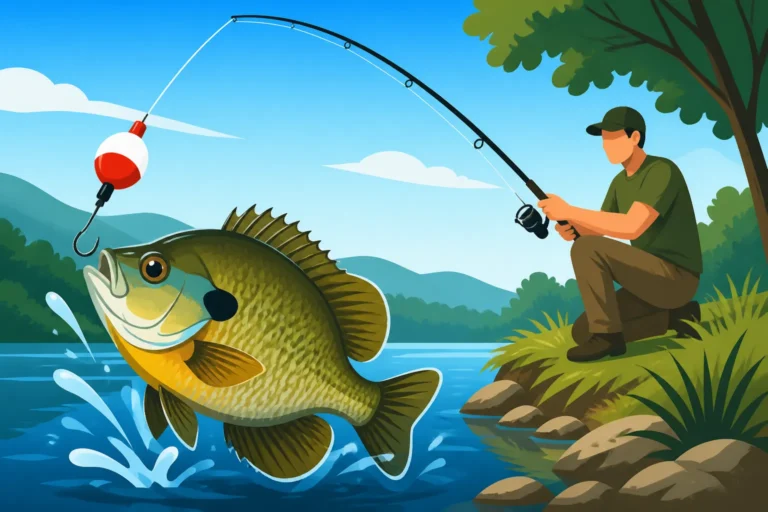
For a more accessible and often less crowded experience, smaller ponds and state park lakes can be absolutely incredible as dusk settles in. These smaller bodies of water tend to cool down faster than larger reservoirs, and the fish often become extremely active right at sunset, making for some exciting action. They are also typically much easier to navigate safely in low light conditions, which is a significant advantage for those less experienced with night fishing. These spots are perfect for targeting prolific bluegill, abundant crappie, and aggressive smaller bass. Just remember to always check the specific rules and regulations for Tennessee State Park Fishing Spots as some may have limited hours for public access or specific fishing restrictions.
Prime Species to Pursue After Dark
Bass, especially largemouth, are notorious for their consistently strong dusk and night bites. They are highly opportunistic predators and will frequently move into shallower water to ambush unsuspecting baitfish, making them a prime target for exciting topwater lures or thumping spinnerbaits. Smallmouth bass, particularly on rocky lakes like Dale Hollow or Norris Lake, also become incredibly active, chasing schooling baitfish on main lake points and humps. These fish tend to lose their daytime shyness and often strike with incredible force, providing a truly exhilarating fight. Knowing the Best Time of Day to Catch Bass often leads dedicated anglers to these incredibly productive evening hours for consistent action.
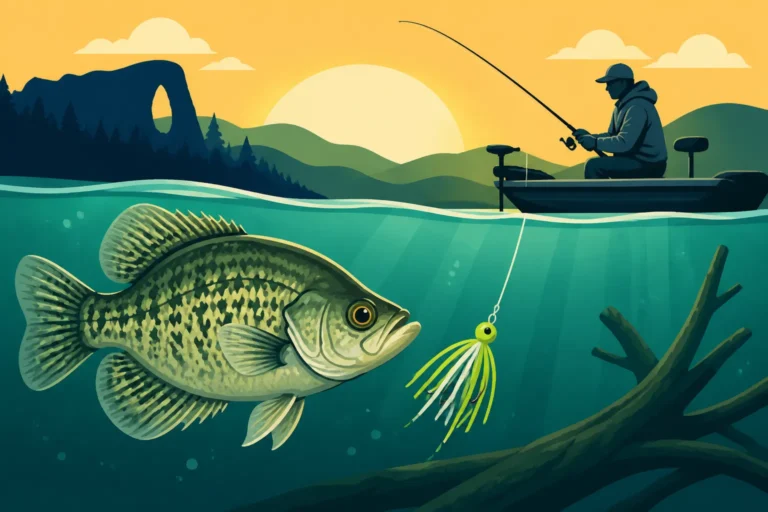
Crappie fishing at dusk and extending into the night can be nothing short of phenomenal, especially when concentrating your efforts around brush piles, illuminated dock lights, and standing timber. These fish often suspend themselves in the water column, moving upwards to feed on minnows and insects that are attracted to light sources. Jigging with small plastics or fishing live minnows under a float are both highly effective techniques during these periods. The specific window just before complete darkness, often referred to as the Dawn and Dusk Fishing Patterns for Crappie, is a particularly good time to target these schooling panfish, as they become very aggressive.
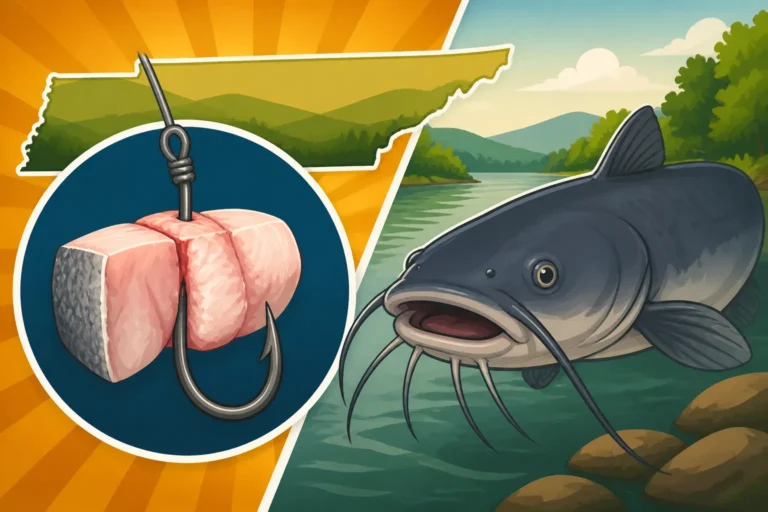
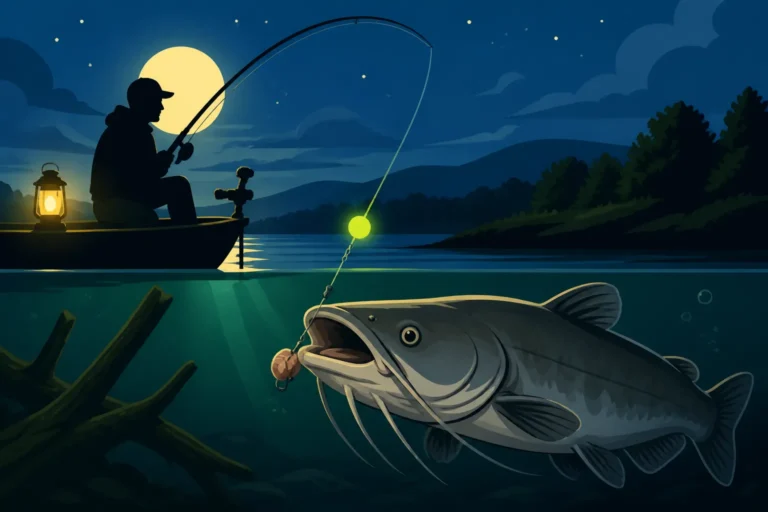
Catfish are truly quintessential nocturnal feeders, and dusk unequivocally signals the start of their most active feeding period. Channel, blue, and flathead catfish all become much more aggressive and migratory as the light fades. They will often move into shallower flats, creek channels, and even upstream sections of rivers to actively forage for food. Bottom fishing with potent stink baits, fresh cut bait, or lively small baitfish is an incredibly productive method for targeting these powerful fish after dark. Pursuing them with specialized Night Fishing Techniques for Catfish is a time-honored tradition among countless Tennessee anglers, often leading to significantly larger and more numerous catches than during the day.
For trout, especially brown and rainbow trout found in Tennessee’s productive tailwaters, dusk frequently brings about prolific insect hatches. This is often considered prime time for fly anglers using delicately presented dry flies or precise nymph patterns, but spin fishermen can also achieve great success with small inline spinners or various scented baits. Trout tend to become less selective and much more aggressive as they gorge themselves on emerging insects that provide an easy meal. Always make sure you are fully aware of and adhere to the current Tennessee Trout Limits and Season Rules before you head out to ensure sustainable and legal fishing practices.
| Species Targeted | Best Lure/Bait Types (Dusk) | Key Characteristics | Effective Colors/Scents |
|---|---|---|---|
| Largemouth Bass | Topwater (Poppers, Frogs), Spinnerbaits, Jigs, Swimbaits | Surface disturbance, vibration, strong silhouette | Black, Blue, Purple, Chartreuse, Scented |
| Smallmouth Bass | Crankbaits (Rattling), Tube Jigs, Jerkbaits, Hair Jigs | Vibration, erratic movement, subtle profile for clear water | Darker patterns, natural baitfish, crawfish |
| Crappie | Small Jigs, Minnows (Live), Blade Baits | Subtle vibration, natural movement, slow fall | Black/Chartreuse, Pink/White, Garlic Scent |
| Catfish | Cut Bait, Stink Bait, Live Perch/Shad | Strong scent, natural appeal, bottom presentation | Natural (bloody), any color for artificial, Scented |
| Trout (Rivers) | Dry Flies (matching hatch), Nymphs, Small Spinners, Worms | Imitate insects, flash, natural drift | Darker flies, silver/gold spinners, natural earthworms |
Disclaimer
This article is for general informational purposes only and does not constitute professional advice. Laws, prices and regulations vary by location and change over time. Consult a qualified professional for guidance on your specific situation.