Fishing From the Bank vs a Boat
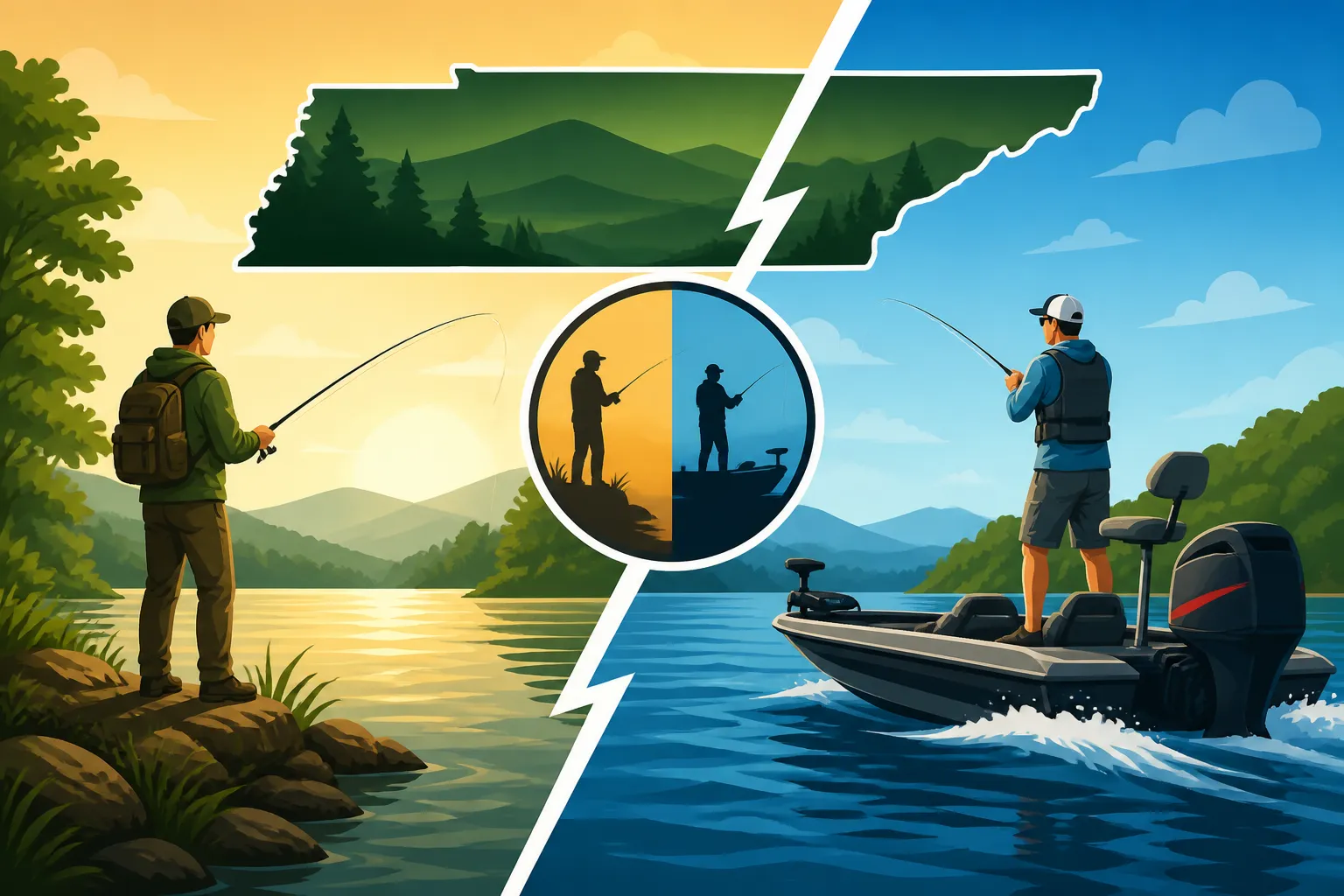
It’s a classic dilemma every angler in the Volunteer State has pondered, usually while staring out at a promising stretch of water just beyond casting reach: should I stick to the shore, or is it time to invest in a boat? The truth is, both bank fishing and boat fishing in Tennessee offer unique thrills, challenges, and rewards. This guide will dive deep into the pros and cons, helping you decide which approach best suits your angling style, budget, and desired fishing experience in our beautiful state.
The Age-Old Debate: Bank vs. Boat Fishing
For many, fishing is more than just catching fish; it's an experience, a connection with nature, and a peaceful escape. The method you choose—fishing from the bank or a boat—profoundly shapes that experience, from the gear you need to the spots you can reach, and even the type of fish you're likely to encounter. There's no single "right" answer, but understanding the fundamental differences is the first step to tailoring your Tennessee fishing adventures.
Why the Choice Matters
The decision between bank and boat fishing isn't just about how you get to the water; it influences your entire strategy and potential success. When you're limited to the bank, your world shrinks to what's accessible by foot. This often means publicly designated areas, parks, or bridge access points, which can sometimes be heavily fished. Your casting distance becomes a critical factor, and you learn to read the immediate shoreline for cover and structure.
On the other hand, a boat opens up an entirely new dimension. Imagine cruising across the vastness of Kentucky Lake, exploring hidden coves on Norris Lake, or navigating the deep channels of the Tennessee River. You gain the freedom to chase migrating schools of fish, explore untouched fishing grounds, and present baits to fish that never see a bank angler's lure. The choice is about more than just convenience; it's about the very nature of your pursuit.
Common Misconceptions
It’s easy to fall into the trap of thinking one method is inherently superior to the other. A common misconception is that "real" anglers always fish from a boat. While boats certainly provide access to more water, many highly skilled and successful anglers exclusively fish from the bank, mastering their local spots and developing incredible patience and stealth. They often outsmart boaters by targeting pressured fish near shore.
Conversely, some might believe bank fishing is always "easier" or "cheaper." While it often has a lower barrier to entry, effective bank fishing still requires knowledge, skill, and often specialized gear to reach distant fish or navigate tricky terrain. Similarly, boat fishing isn't automatically more productive. Without proper knowledge of where to fish and how to operate your boat effectively, you could spend more time cruising than catching. Both methods demand respect, learning, and dedication.
Understanding Bank Fishing in Tennessee
Tennessee boasts an incredible array of lakes, rivers, and streams, and a significant portion of these are accessible for bank anglers. From small farm ponds to massive reservoirs, there are countless opportunities to cast a line without ever stepping foot in a boat. This accessibility is a huge draw, allowing spontaneous trips and making fishing a pastime available to almost everyone.
Accessibility and Cost-Effectiveness
One of the biggest advantages of bank fishing is its unparalleled accessibility. You don't need a boat, a trailer, or a boat ramp. All you need is a fishing rod, some tackle, and a valid Tennessee Fishing License Guide – which, thankfully, is quite affordable, especially if you opt for a basic annual resident license. Many state parks, local ponds, and public access points along major rivers like the Cumberland River offer excellent bank fishing opportunities. This low barrier to entry makes it perfect for beginners, families, or anyone looking for a quick escape without the hassle and expense of boat ownership.
The cost savings extend beyond just the initial investment. You save on fuel for your boat, maintenance, insurance, and the occasional dock fee. While you might still need to invest in quality gear, the overall financial commitment for bank fishing is significantly lower, allowing you to allocate more of your budget to lures, bait, and perhaps a comfortable fishing chair, all of which you can easily find on Amazon. It's a fantastic way to enjoy the sport without breaking the bank, literally.
Strategic Spot Selection from Shore
While you might be limited in how much water you can cover, bank fishing forces you to be incredibly strategic and observant about where you cast. Successful bank anglers become masters of reading the water, looking for natural fish highways and holding spots. This means identifying submerged structures like fallen trees, rock piles, sudden drop-offs, or changes in bottom composition that are within casting distance. Look for current breaks on rivers, points of land that extend into the water, or even patches of weeds that offer cover for prey and predators alike.
Don't overlook bridge pilings, culverts, or any man-made structure that disrupts the natural flow or provides shade. These can be absolute magnets for fish, offering protection and ambush points. Public access areas often have these features, and learning to effectively fish them can yield surprising results. For instance, the shorelines of Percy Priest Lake near Nashville offer several popular bank fishing spots, often around parks or public access areas, where anglers can target bass and crappie by focusing on these features.
Gear Considerations for Bank Anglers
For bank fishing, portability and versatility are key. You want gear that's easy to carry, can handle a variety of situations, and won't weigh you down as you move from spot to spot. A medium-action spinning rod, around 6.5 to 7 feet long, is a fantastic all-around choice, capable of casting lighter baits for panfish or heavier lures for bass. Pair it with a reliable spinning reel spooled with 8-12 lb monofilament or fluorocarbon line.
Your tackle box should be compact but well-stocked. Think about a selection of jigs, spinnerbaits, soft plastics, and perhaps a few small crankbaits that can imitate local baitfish. Live bait, like worms or minnows, is also incredibly effective for many species from the bank. A sturdy, foldable chair, a small cooler for drinks and snacks, and a pair of comfortable walking shoes are also essential items. Many of these practical accessories, from specialized backpacks to portable rod holders, are easily sourced from online retailers like Amazon, making preparation convenient. For specific advice on what to carry, you might check out a guide on Best Fishing Gear for Beginners.
Exploring Boat Fishing Opportunities
Stepping into a boat, whether it's a small jon boat or a fully rigged bass boat, fundamentally changes your fishing game. It expands your horizons, gives you unparalleled access to vast waterways, and often puts you directly on top of the most productive fishing grounds that are simply unreachable from shore.
Unrestricted Access to Prime Waters
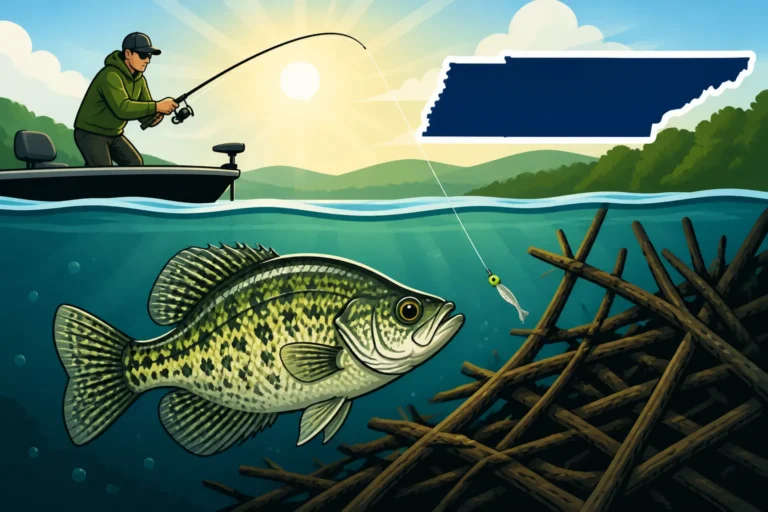
The most significant advantage of boat fishing is the freedom it grants. Imagine being able to motor directly to that submerged brush pile you saw on your fish finder, or following a school of stripers as they chase bait across a wide-open flat on Watts Bar Lake. Boats allow you to explore the vastness of Tennessee’s major reservoirs and rivers, giving you access to countless coves, creek channels, offshore humps, and deep ledges that hold concentrations of fish. This is particularly crucial for species like crappie and catfish, which often prefer deeper, offshore structures or main channel currents.
This unrestricted access means you can escape the crowds often found at popular bank fishing spots. You can seek out quieter, less pressured areas, potentially finding larger, less wary fish. Whether you’re chasing a trophy largemouth bass on Chickamauga Lake or seeking out secluded trout streams accessible only by small watercraft, a boat unlocks a world of possibilities that land-locked anglers can only dream of.
Navigating Tennessee's Vast Lakes
Tennessee is home to some truly massive bodies of water, from Kentucky Lake, which spans across state lines, to the deep, clear waters of Norris Lake. Navigating these vast lakes requires not just a boat, but also a good understanding of marine navigation and safety. Modern electronics, such as GPS mapping and fish finders, become indispensable tools, helping you identify structure, mark waypoints, and stay safe in unfamiliar waters. Many anglers also find great value in specialized equipment like side-imaging fish finders, which can be found on Amazon, for locating fish holding tight to submerged cover.
Understanding the specific features of each lake is also key. For instance, the sprawling main lake points and ledges of Kentucky Lake demand different navigation and fishing strategies than the deep, clear rocky bluffs of Dale Hollow Lake. Being comfortable with reading nautical charts, understanding buoy markers, and knowing how to safely operate your vessel in various conditions is paramount. Don't forget, Tennessee Boat Registration Requirements Explained are crucial to follow before hitting the water.
Essential Boating Gear and Safety
Beyond your fishing tackle, boat fishing comes with a whole new set of essential gear, primarily focused on safety and functionality. First and foremost, personal flotation devices (PFDs) are a must for everyone on board, and it’s important to understand Tennessee Life Jacket and PFD Rules for Boaters, especially for children under 12. You'll also need a well-stocked first-aid kit, fire extinguisher, navigation lights (if you'll be out at dawn, dusk, or night), and a sounding device like a horn or whistle.
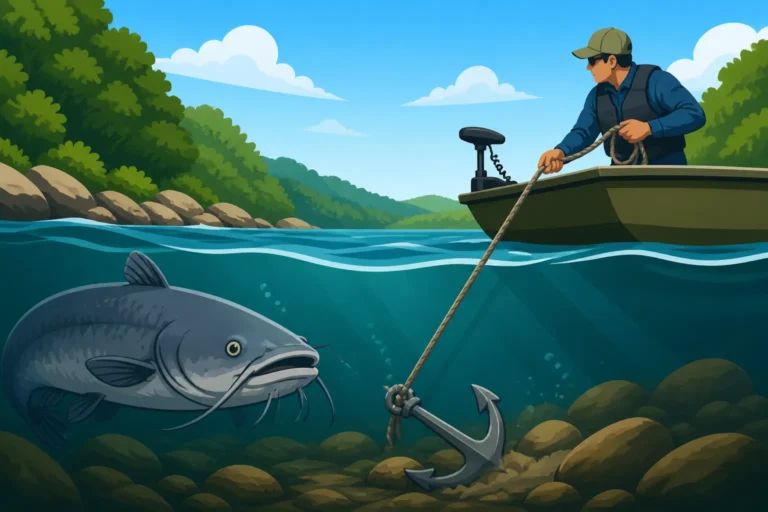
Beyond safety, consider accessories that enhance your fishing experience: a quality trolling motor for stealthy presentations, multiple rod holders, a livewell to keep your catch fresh (especially if you're in a tournament), and anchors appropriate for the size of your boat and the waters you fish. Learning how to properly launch and retrieve your boat from various Boat Ramp Access on Tennessee's Major Lakes is also a critical skill. Investing in reliable marine electronics from reputable brands can significantly improve your success rate and safety on the water.
Choosing Your Adventure: Factors to Consider
Deciding whether to fish from the bank or a boat often boils down to a few key personal factors. There’s no right or wrong answer, but honestly assessing your circumstances will lead you to the most enjoyable and productive fishing experiences.
Budget and Equipment Investment
Let's be real: budget is often the biggest deciding factor. Bank fishing is, without a doubt, the more cost-effective entry into the sport. Beyond a basic Tennessee Fishing License Costs and Types, a rod, reel, and a small assortment of tackle are all you absolutely need. You can get started for under $100, easily. This minimal investment makes it incredibly appealing for casual anglers, students, or those who just want to dip their toes in the water (pun intended!).
Boat fishing, on the other hand, is a significant financial commitment. Even a modest jon boat with a small outboard motor can run into the thousands. Then you have the trailer, boat registration, insurance, fuel, maintenance, and all the specialized gear like trolling motors, fish finders, and safety equipment. While some find ways to economize, such as buying used boats or sharing ownership, the ongoing costs are substantial. However, if fishing is a primary passion, this investment can be well worth it, providing countless hours of enjoyment and access to premium fishing.
Skill Level and Comfort
Your current skill level and comfort on the water should also play a role in your decision. Bank fishing offers a more contained and often less intimidating environment. You’re typically closer to amenities, you don't have to worry about boat navigation, or the challenges of launching and loading. It allows beginners to focus purely on casting, retrieving, and understanding fish behavior without the added complexities of operating a vessel. It's a fantastic training ground for developing fundamental angling skills.
Boat fishing, while exhilarating, demands a broader skill set. Beyond just knowing how to fish, you need to be proficient in boat handling, docking, trailering, and understanding navigational rules. You might also need to be familiar with operating marine electronics and understanding weather patterns on large bodies of water. For anglers new to boating, it can be a steep learning curve, but one that is incredibly rewarding. Many resources, including courses to get your Tennessee Boating Safety Education Certificate Guide, are available to help you gain confidence.
Target Species and Fishing Style
The type of fish you want to target and your preferred fishing style can heavily influence your choice. If you primarily enjoy catching panfish like bluegill and crappie, or smaller bass in farm ponds, bank fishing can be incredibly effective. These species often inhabit shallow, shoreline-hugging cover that's perfectly accessible from the bank. Similarly, many trout streams, especially those in the Great Smoky Mountains, are primarily wade-fished or bank-fished. You can learn more about specific regulations like Tennessee Trout Limits and Season Rules to help plan your outings.
However, if your dream is to land a trophy striped bass, chase schools of suspended crappie in deep water, or target offshore structure-holding largemouth, a boat becomes almost indispensable. These scenarios often require covering vast amounts of water, precise bait presentation over deep cover, or the ability to chase actively feeding fish, all of which are best accomplished from a boat. Your fishing aspirations should align with your chosen method to maximize enjoyment and success.
Here's a quick comparison of the two approaches:
| Feature | Bank Fishing | Boat Fishing |
|---|---|---|
| Accessibility | High (parks, public access, bridges) | Moderate (requires boat, trailer, ramps) |
| Initial Cost | Low (rod, reel, tackle, license) | High (boat, motor, trailer, electronics, safety gear) |
| Ongoing Costs | Low (bait, tackle, license renewals) | High (fuel, maintenance, insurance, dock fees, upgrades) |
| Water Coverage | Limited (casting distance from shore) | Extensive (entire lake/river access) |
| Target Species Access | Good for panfish, smaller bass, some trout | Excellent for all species, especially deep-water and open-water fish |
| Skill Requirement | Focus on casting, reading immediate water | Includes boat handling, navigation, electronics, fishing |
| Portability | Very high (walk, bike, car) | Moderate (requires vehicle with towing capacity) |
| Crowd Avoidance | Can be challenging in popular spots | Easier to find secluded spots |
| Comfort/Amenities | Varies (can bring chairs, coolers) | Higher potential (shade, seating, storage, livewells) |
Maximizing Your Success: Tips for Both
Regardless of whether you choose to fish from the bank or a boat, certain fundamental principles apply. Understanding fish behavior, adapting to the seasons, and leveraging available tools will significantly improve your chances of a successful outing.
Reading the Water and Fish Behavior
This is perhaps the most crucial skill for any angler, no matter where they're fishing from. Fish are creatures of habit and environment. They need oxygen, food, and cover. Learning to identify areas where these three elements converge is key. From the bank, this means closely observing the immediate shoreline for signs of activity, changes in water depth (often indicated by color), and available cover like overhanging trees or submerged logs. Look for nervous baitfish, ripples on the surface, or even a sudden drop-off within casting range.
From a boat, your ability to read the water expands dramatically with the aid of electronics. A good fish finder will show you depth contours, bottom composition, thermoclines, and actual fish arches. Understanding how to interpret these signals, combined with local knowledge of " Best Fishing Lakes in Tennessee" or Tennessee's Top Bass Fishing Lakes, allows you to pinpoint productive spots. Always consider factors like water temperature, current, and recent weather patterns, as these profoundly affect where fish will be holding and feeding.
Seasonal Adjustments and Strategies
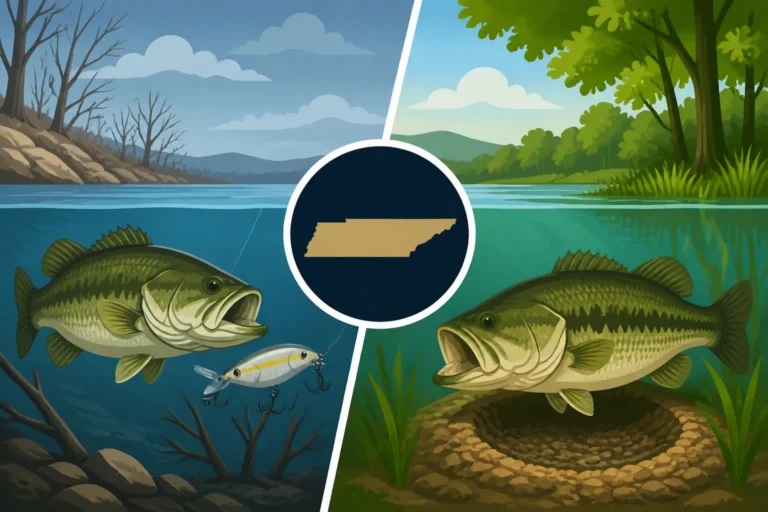
Fish behavior changes dramatically with the seasons, and successful anglers adapt their techniques accordingly. In spring, both bank and boat anglers can find success as fish move shallow for the spawn. For bass, this is when they'll be on beds, often visible from shore in clear water. For crappie, they'll congregate in shallow brush piles. Understanding Spring Crappie Spawn Timing in Tennessee can give you a significant advantage.
Summer often pushes fish deeper as water temperatures rise, making boat access particularly advantageous for reaching those cooler, deeper haunts. Bank anglers might focus on early morning, late evening, or night fishing near deep drop-offs or shaded areas. Fall sees fish becoming more active, feeding heavily before winter, and can offer excellent fishing for both methods, as fish often move back shallower to chase baitfish. Winter fishing generally means slower presentations and targeting deep structures, where a boat can provide more precise positioning. For a detailed breakdown of different times of year, explore the Tennessee Bass Fishing Seasons and Patterns guide.
Embracing Technology and Local Knowledge
Whether you're casting from the shore or trolling from a boat, don't shy away from technology. For bank anglers, apps that provide detailed maps with depth contours, satellite imagery, and even local fishing reports can be incredibly valuable for scouting new locations and understanding the underwater topography. A good pair of binoculars can also help spot distant fish activity or structure.
For boaters, the advanced capabilities of modern fish finders, GPS units, and even trolling motors with spot-lock technology are game-changers. These tools allow you to stay on fish, precisely present baits, and navigate safely. However, technology is only as good as the angler operating it. Combine these tools with invaluable local knowledge gleaned from bait shops, fishing forums, or friendly conversations at the boat ramp or local fishing spots. Often, the best insights come from those who fish a particular body of water regularly. Websites and online communities often share information about Tennessee's Best Crappie Lakes or Kentucky Lake Fishing on the Tennessee Side. Even something as simple as a reliable weather app on your phone, readily available on any app store, can prevent a miserable or dangerous outing.
Disclaimer
Please remember that fishing regulations and boating laws in Tennessee are subject to change. Always consult the latest Tennessee Wildlife Resources Agency (TWRA) regulations before heading out on the water. This guide is for informational purposes only and does not supersede official regulations. Stay safe and enjoy your time fishing!