Best Fishing Gear for Beginners
Stepping into the world of fishing can feel like trying to decipher a secret language, especially when you start looking at all the gear. Walk into any outdoor store or browse online, and you're immediately hit with a dizzying array of rods, reels, lines, lures, and gadgets. It’s enough to make a seasoned angler's head spin, let alone someone just starting out. But don't you worry! This guide is here to cut through the confusion and help you understand the essential fishing gear you'll need to start catching fish and enjoying the beautiful waters of Tennessee.
Understanding the Basics: Rods, Reels, and Line
Let's start with the absolute fundamentals: the rod, the reel, and the line. These three components work together as your primary tool for casting, fighting, and landing a fish. Getting these right as a beginner sets you up for success without breaking the bank or overwhelming you with overly specialized equipment.
The All-Purpose Spinning Combo: Your Best Starting Point
When you're first dipping your toes into fishing, the sheer number of options for rods and reels can be paralyzing. Do you need a baitcaster? A fly rod? What about ultralight versus heavy action? This is where the beauty of an all-purpose spinning combo comes in. It's essentially a pre-matched rod and reel designed to work together, offering a balanced and forgiving setup that's perfect for learning the ropes. You won't have to worry about compatibility or improper balance, which can make casting and reeling a nightmare for a beginner.
Think of this combo as your versatile workhorse. It's forgiving for those initial awkward casts, robust enough to handle a variety of fish sizes you'll encounter in Tennessee's diverse waters, and simple enough to operate without needing a fishing degree. You can pick one up at pretty much any sporting goods store, including places like Bass Pro Shops, or even order a highly-rated option from Amazon, and it will often come pre-spooled with line, making it truly ready to fish.
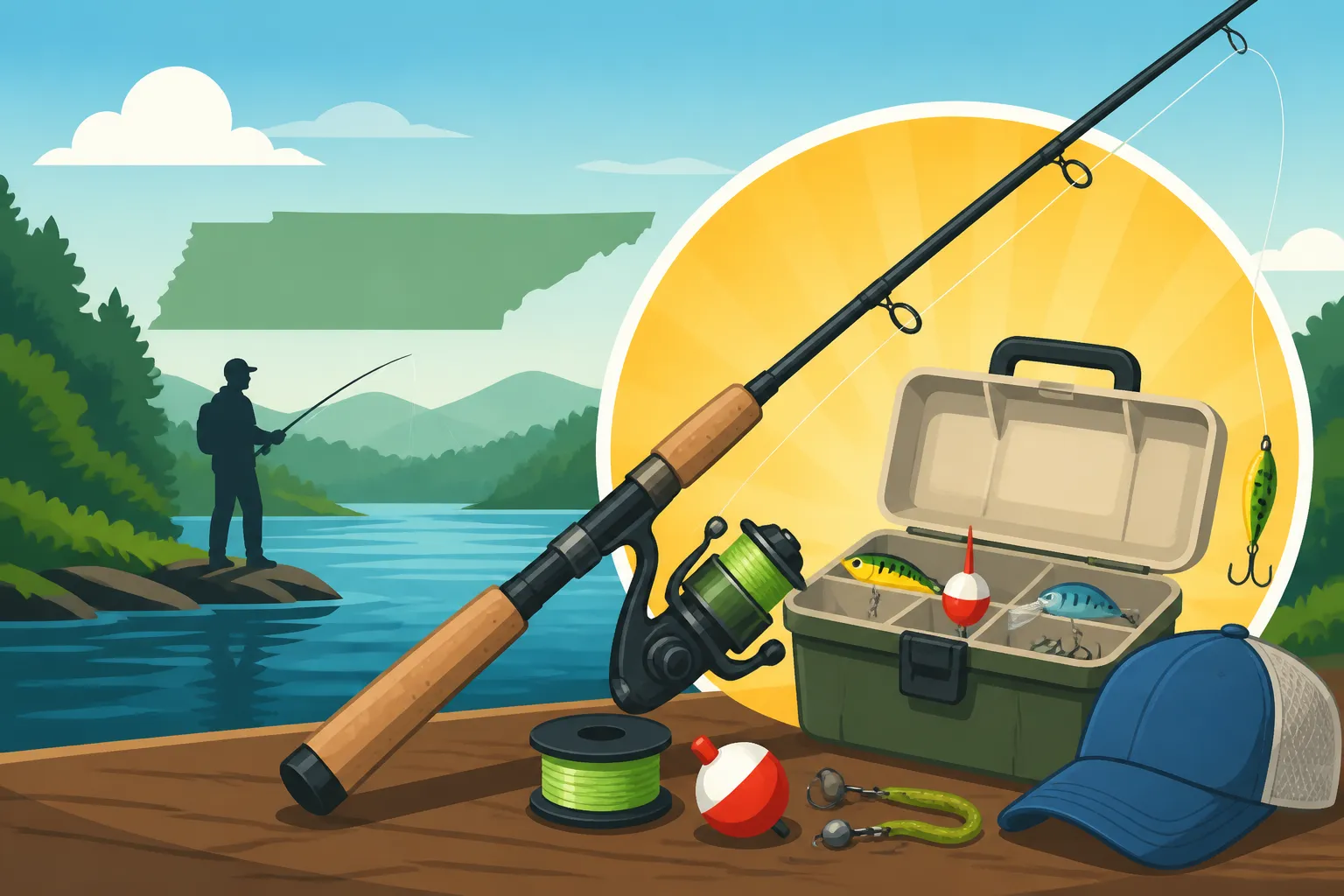
When choosing, look for a spinning combo with a rod that's typically 6 to 7 feet long, rated for "medium" power, and has a "moderate-fast" or "fast" action. What does all that jargon mean? "Medium power" means it's strong enough to cast a decent range of lure weights and handle fish from panfish up to decent-sized bass without feeling like you're wrestling a noodle. "Moderate-fast" or "fast" action refers to how much of the rod bends when pressure is applied and how quickly it returns to its original position. A fast action means only the tip bends easily, offering more sensitivity and quicker hook sets, which is great for beginners learning to feel bites. As for the reel, a 2000 or 3000 series size is usually a good match for a medium power spinning rod. These sizes hold a good amount of line, offer a smooth retrieve, and are manageable for most freshwater species you'll encounter in lakes like Percy Priest Lake or Watts Bar Lake.
Choosing the Right Fishing Line
Now that you have your rod and reel, what about the invisible connection between you and the fish: the line? This is another area with a lot of choices, but for beginners, we can simplify it significantly. The most common types you'll encounter are monofilament (mono) and braided line, with fluorocarbon often used as a leader.
Monofilament line is often the best starting point for beginners, and many combos come spooled with it already. It’s made from a single strand of nylon, which gives it a certain amount of stretch. This stretch is actually a huge advantage for new anglers because it acts like a shock absorber, cushioning sudden strikes and making it harder for a fish to snap your line if you set the hook too aggressively. It’s also generally less visible underwater than braided line, which can be a plus in clear waters, and it's quite forgiving with knots, holding them well even if they aren't tied perfectly. The downsides? It has "memory," meaning it can retain the shape of the spool, leading to coils, and it can degrade over time with exposure to UV light. For general-purpose fishing in Tennessee, a 6 to 10-pound test monofilament line is a fantastic choice, providing a good balance of strength and manageability for various species.
Braided line, on the other hand, is made from multiple strands of synthetic fibers woven together, much like a rope. It has virtually no stretch, which means incredible sensitivity – you can feel every little bump, tick, and subtle bite. It’s also much stronger for its diameter compared to mono, allowing you to use a thinner line that casts farther and cuts through water better. However, its lack of stretch can be unforgiving with sudden pressure, and its high visibility can sometimes spook wary fish. Plus, it can be tougher on knots for beginners, sometimes slipping if not tied correctly. Many anglers will use braided line as their main line and then tie a short section of fluorocarbon line (called a leader) to the end. Fluorocarbon is nearly invisible underwater and has good abrasion resistance, offering the best of both worlds. For a beginner, though, starting with straight monofilament simplifies things immensely.
Terminal Tackle: Hooks, Weights, Floats, and Swivels
Once you've got your rod, reel, and line sorted, it's time to talk about the business end of your fishing setup – the terminal tackle. These are the small but mighty components that directly interact with the fish and present your bait or lure effectively. Skimping on these can lead to frustration, so understanding their purpose is key.
Hooks: Getting a Good Hold
Hooks, the most crucial piece of terminal tackle, come in an astonishing variety of shapes and sizes, each designed for a specific purpose. For the beginner angler in Tennessee, you'll mainly be focusing on two general categories: J-hooks and circle hooks. J-hooks are the traditional hook shape, resembling the letter 'J', and are excellent for a wide range of bait presentations, from worms to minnows. Within J-hooks, you'll find baitholder hooks, which have small barbs on the shank to keep soft baits like worms from sliding off, and Aberdeen hooks, which are lighter wire and good for live baits like minnows because they don't harm the bait as much.
Circle hooks are a bit different. They have a distinct circular or "C" shape, and they're designed to hook the fish in the corner of its mouth, typically in the jaw. This is a fantastic design for both the fish and the angler, especially if you plan on practicing catch and release. With circle hooks, you don't need a hard "hook set" – just let the fish take the bait and slowly reel in, and the hook will usually find its spot. This reduces gut-hooking, which significantly improves a fish's survival chances. For general panfish and bass fishing in Tennessee, a range of hook sizes from #6 (smaller for bluegill and crappie) up to 1/0 (larger for bass) will cover most of your initial needs. Remember, a sharp hook is a biting hook, so always check the sharpness before you cast!
Weights and Sinkers: Getting Down to the Fish
Hooks alone often aren't enough to get your bait to where the fish are, especially if there's current or if fish are holding deeper in the water column. That's where weights, or sinkers, come in. These lead or tungsten pieces add mass to your line, helping you cast farther and get your bait down to the desired depth.
You'll encounter several types. Split-shot weights are small, round weights that you can crimp onto your line with pliers. They're excellent for adding a little bit of weight for casting small baits or for balancing a bobber rig. Bullet weights are tapered, lead or tungsten weights often used in conjunction with soft plastic baits for bass fishing, particularly in a "Texas rig" (more on that later!). They slide freely on the line, allowing the bait to move naturally. Egg sinkers are similar but rounder, often used in a "Carolina rig" where they slide above a swivel, creating a separation between the weight and the bait. For drop shot fishing, another popular technique, special slender weights are used.
The key to using weights effectively is understanding when and how much to use. Fishing a shallow, calm pond for bluegill might only require one or two small split-shot weights. However, if you're trying to fish the depths of Kentucky Lake for catfish or battling a strong current in the Tennessee River, you'll need significantly heavier weights to hold your bait in place. The goal is always to use just enough weight to get your bait where it needs to be, but not so much that it interferes with the natural presentation of your bait. Experimentation is part of the fun here!
Floats and Bobbers: Visualizing the Bite
For many of us, the image of a bobber dancing on the water, then suddenly disappearing, is a quintessential fishing memory. Floats, commonly called bobbers, are incredibly useful tools, especially for beginners. Their primary purpose is twofold: to suspend your bait at a desired depth off the bottom, and to act as a visual indicator when a fish takes your bait.
There are two main types you'll likely start with. Clip-on bobbers are the classic red and white plastic spheres that simply clip onto your line. They're fantastic for shallow water fishing, especially with kids, as they are easy to attach and highly visible. However, they limit how deep you can fish to the length of your rod, since the bobber gets caught at the rod tip when you reel in.
For deeper water, a slip bobber is your friend. These bobbers have a small hole running through them, allowing your line to "slip" through freely. You then tie a small bobber stop (usually a piece of string or rubber) onto your main line at the depth you want your bait to hang. When you cast, the weight pulls the line through the bobber until the bobber stop hits the bobber, suspending your bait perfectly. This allows you to fish baits much deeper than your rod length and still cast easily. Whether you're targeting crappie suspended over a brush pile in Norris Lake or bluegill near the bottom of a local pond, a bobber is a simple and effective way to present your bait.
Swivels and Snaps: Preventing Line Twist and Quick Changes
These small pieces of hardware might seem minor, but they play a critical role in preventing headaches and making your fishing experience smoother. Swivels are designed to rotate, preventing your fishing line from twisting up, which can cause kinks and weaken the line. Snaps, on the other hand, allow for quick and easy changes of lures or leaders without having to cut and re-tie your line every time.
Barrel swivels are simple cylindrical swivels that rotate freely. They are excellent for connecting a leader to your main line or for preventing line twist when using spinning lures like Rooster Tails. Snap swivels combine a barrel swivel with a small, spring-loaded clip or "snap." This allows you to quickly attach or detach lures, which is a huge time-saver if you're trying different baits to see what the fish are biting on a particular day. Imagine you're out on the Holston River, and you want to switch from a crankbait to a spinnerbait. With a snap swivel, it's a matter of seconds, rather than several minutes of re-tying knots. They are also invaluable when fishing with live bait like minnows, as the minnow's natural movements can cause your line to twist if not for a swivel.
Baits and Lures: What Fish Eat (and Bite!)
Once you've mastered the rod, reel, line, and terminal tackle, the next step is enticing the fish to bite! This is where baits and lures come into play. There are two broad categories: natural/live baits and artificial lures. Both have their place, and as a beginner, it's smart to experiment with both to see what works best in different situations in Tennessee's waters.
Live and Natural Baits: The Tried and True
There's something undeniably effective about using natural baits. After all, it's what fish are accustomed to eating! For many species, especially panfish, catfish, and even some bass, live or natural bait can be incredibly irresistible.
- Worms: The classic. Nightcrawlers and red wigglers are staples. Almost every freshwater fish, from a tiny bluegill to a monster catfish, will peck at a worm. They're easy to find (digging in your garden, buying at a bait shop, or even on Amazon), relatively inexpensive, and simple to rig on a hook.
- Crickets: Another fantastic option, especially for bluegill, crappie, and small trout. Crickets are lively and their erratic movements on the surface or just below can trigger aggressive strikes. You'll often find them at local bait shops in small containers.
- Minnows: Live minnows are deadly for predatory fish like crappie, bass, and even some larger trout. Hooked properly (usually through the lip or dorsally behind the fin), they swim naturally, attracting attention. Keeping minnows alive requires a little more effort (a minnow bucket or livewell), but the results can be worth it.
- Corn and Cheese: Believe it or not, these pantry staples are excellent for certain species! Kernel corn is a secret weapon for stocked trout, especially in many of Tennessee's public access ponds and streams. Small cubes of cheese can also work wonders for trout and even some panfish. They're cheap, easy to use, and require no special storage.
The beauty of natural bait is its inherent appeal. It smells, moves, and tastes like real food to a fish. The downside is that it can be messier to handle, requires specific storage to keep it alive or fresh, and sometimes smaller "bait stealers" will peck at it before a larger fish gets a chance. But for learning to feel a bite and landing your first few fish, natural baits are tough to beat. Bluegill Fishing Techniques for Kids is a great resource if you're targeting those smaller, feistier fish with bait!
Artificial Lures: Mimicking Nature
Once you've got some confidence with bait, exploring artificial lures opens up a whole new world of fishing. Lures are designed to imitate the look, movement, and sometimes even the sound of a fish's natural prey, encouraging them to strike out of hunger or aggression. For a beginner, starting with a few versatile types is the way to go.
- Spinners: These are excellent confidence baits. Lures like the classic Mepps Aglia or a Rooster Tail have a blade that spins when retrieved, creating flash and vibration that fish can't resist. They're highly effective for trout in streams like the Caney Fork River, as well as for bass and crappie in lakes. They're simple to cast and retrieve, making them perfect for beginners.
- Soft Plastics with Jig Heads: This category is vast, but you can start with some simple options. Soft plastic worms, grubs, and creature baits, rigged on a lead jig head, are incredibly effective for bass. The jig head adds weight for casting and helps the bait sink. You can retrieve them steadily, hop them along the bottom, or twitch them. Learning How to Fish a Texas Rig for Bass with a soft plastic worm is a fundamental technique for many Tennessee anglers.
- Crankbaits: These hard-bodied lures have a plastic lip that causes them to dive when retrieved. They come in various sizes and dive depths (shallow divers for fishing 1-5 feet, deep divers for 10+ feet). Their wobbling action is very enticing to bass, crappie, and even walleye. Start with a few in natural baitfish colors and a bright color (like chartreuse) for murky water.
- Topwater Lures: There's nothing quite like the thrill of a topwater strike! These lures, like poppers or walking baits, float on the surface and are designed to create a disturbance (a "pop" or a "walk-the-dog" action) that mimics an injured baitfish. They're most effective in low light conditions (dawn and dusk) or on overcast days, particularly for bass.
- Spoons: Metal spoons, which wobble and flash as they're retrieved, are simple but effective, particularly for stripers, bass, and even some larger trout. They imitate wounded baitfish and can be cast and retrieved, or jigged vertically.
The trick with lures is understanding that retrieve matters. Different lures require different actions to be most effective. Don't be afraid to experiment with retrieve speed, pauses, and twitches. A good tip is to start with a steady retrieve, then vary it until you find what the fish respond to. Tennessee Bass Fishing Seasons and Patterns often dictates which lures are most effective at different times of the year.
Essential Accessories for a Successful Day on the Water
Beyond the core fishing gear, there are several accessories that will make your time on the water much more enjoyable, efficient, and safer. These aren't necessarily about catching more fish directly, but they're about being prepared for whatever your Tennessee fishing adventure throws at you.
The Tackle Box: Organizing Your Arsenal
Imagine arriving at your favorite fishing spot on Chickamauga Lake, excited to cast, only to realize your hooks are tangled with your weights, your lures are a jumbled mess, and you can't find your line cutters anywhere. Frustrating, right? This is why a good tackle box or tackle bag is an absolute game-changer, especially for beginners. It's not just a storage container; it's your personal organization system for all those little pieces of terminal tackle and lures.
For starters, you can opt for a traditional hard-sided tackle box with multiple trays that swing out, offering clear compartments for different items. These are sturdy and often offer a lot of organized space. Alternatively, many anglers prefer soft-sided tackle bags that hold utility boxes (often called 3600 or 3700 series boxes) that can be swapped out depending on what you're fishing for. These bags are often easier to carry, have exterior pockets for extra gear, and many are designed to be water-resistant or even fully waterproof, protecting your valuable lures from the elements. Look for one that has adjustable dividers so you can customize the compartments to fit your specific hooks, weights, and lures. Being organized means less time fumbling and more time fishing!
Pliers, Scissors, and Knives: Tools of the Trade
While your hands are great for reeling in fish, they're not always the best tools for handling hooks, cutting line, or performing other essential tasks. That's where a few basic tools come in handy, making your life much easier and safer.
- Needle-Nose Pliers: These are absolutely indispensable. They're perfect for safely removing hooks from a fish's mouth without having to get your fingers too close to sharp points (or the fish's teeth!). They can also be used to crimp small split-shot weights onto your line, open split rings on lures, or even bend a hook back into shape if it gets slightly tweaked. Look for a pair with a comfortable grip and a sturdy construction. Many fishing-specific pliers will also have a built-in line cutter.
- Line Cutters/Braid Scissors: While some pliers have cutters, a dedicated pair of line cutters or sharp braid scissors can make a world of difference. Monofilament line can often be snapped or cut with a knife, but braided line is tough! Regular scissors often fray it, making clean cuts difficult. Braid-specific scissors have serrated edges designed to cleanly cut braided line, which is essential for tying strong knots.
- Small Knife: A sharp, compact knife can be useful for various tasks, from cutting bait to general utility. Always exercise extreme caution when using any knife, and consider one with a secure sheath or a folding design for safety.
These tools should be easily accessible, perhaps in an exterior pocket of your tackle bag or attached to a lanyard so they're always within reach. Trust me, you'll appreciate having them when you need to quickly get a hook out of a feisty bass or re-tie a broken line.
Net and Stringer/Livewell: Handling Your Catch
Once you've successfully brought a fish close to the boat or shore, the next challenge is getting it safely in hand. This is where a landing net or a stringer/livewell becomes critical, depending on whether you plan to release your catch or keep it for the dinner table.
A good landing net is a beginner's best friend. Trying to hoist a struggling fish out of the water by its line or even by hand can easily lead to a lost fish, a broken line, or even a hook injury. A net allows you to scoop the fish quickly and safely, providing control. Look for a net with a rubberized or knotless mesh. This type of mesh is much gentler on the fish's delicate slime coat and fins, minimizing damage if you plan to release it. It also prevents hooks from getting tangled in the netting as much as traditional knotted nylon nets. For general freshwater fishing in Tennessee, a net with a hoop size around 18-24 inches and a handle length of 2-4 feet is a good all-around choice.
If you plan on keeping your catch, you'll need a way to keep your fish fresh. A stringer is a simple and traditional method. It's essentially a rope or chain with clips that you can attach through the fish's gill plate and out its mouth, allowing you to keep them alive in the water. They are inexpensive and easy to use. However, if you're fishing from a boat and plan to keep multiple fish alive throughout the day, a livewell is the preferred option. A livewell is a specialized, aerated compartment on a boat that circulates fresh water, keeping your fish healthy and lively until you're ready to head home. This is especially important if you're participating in a tournament or want to ensure your catch stays in top condition. Whether you use a net, stringer, or livewell, always be mindful of the fish, handling it gently and quickly, especially if you intend to release it. Remember to check Tennessee Fishing Season and Catch Limits to know what you can legally keep!
Safety First: Protecting Yourself and Others
Fishing is a wonderfully relaxing and exciting pastime, but like any outdoor activity, it comes with its own set of risks. As a beginner, prioritizing safety is just as important as learning to cast. Being prepared for common hazards, especially in the beautiful but sometimes challenging Tennessee environment, can make all the difference between a great day and a regrettable one.
Sun Protection: The Tennessee Sun Can Be Intense
The sun in Tennessee, especially during the spring, summer, and early fall, can be incredibly strong, even on overcast days. Spending hours on the water or exposed on the bank can lead to severe sunburn, dehydration, and long-term skin damage.
Therefore, sun protection is paramount. Start with a high-SPF sunscreen (SPF 30 or higher) and apply it generously to all exposed skin before you even leave the house. Don't forget often-missed spots like the back of your neck, ears, and the tops of your hands. Reapply every couple of hours, especially if you're sweating or getting wet. A wide-brimmed hat is also a must. It protects your face, ears, and neck, offering shade that sunscreen alone can't replicate. Sunglasses are not just for looking cool; polarized lenses reduce glare off the water, helping you see into the water to spot fish or structure, and more importantly, they protect your eyes from harmful UV rays. Many experienced anglers also wear lightweight, long-sleeve shirts made of moisture-wicking, UV-protective fabric. These keep you cool while offering full arm protection. And don't forget to stay hydrated! Bring plenty of water, especially on hot days, to avoid heat exhaustion.
First Aid Kit: Accidents Happen
No one expects an accident to happen, but they do. A slip on a rocky bank, a minor cut from a hook, a scrape from brush – these are all common occurrences when fishing. Having a basic first aid kit easily accessible in your tackle bag or boat can turn a minor inconvenience into just that, instead of a trip-ending event.
Your fishing first aid kit doesn't need to be elaborate, but it should contain essentials. Think about what you might need for common fishing mishaps: adhesive bandages (Band-Aids) in various sizes for cuts and scrapes, antiseptic wipes or a small bottle of hand sanitizer to clean wounds, pain relievers for headaches or minor aches, and gauze pads with medical tape. A small pair of tweezers can be invaluable for removing splinters or deeply embedded hooks (though for serious hook injuries, professional medical attention is always best). Don't forget insect repellent, especially if you're fishing in marshy areas or during peak mosquito season, and any personal medications you might need. Always check and replenish your kit after each trip.
Life Jackets and Boating Safety
Even if you're primarily a bank angler, being around water always carries a degree of risk. Slipping on a muddy bank, losing your balance near a deep drop-off, or simply misjudging the current can put you in a dangerous situation. If you're venturing out on a boat, however small, then life jackets and basic boating safety are non-negotiable.
For anyone fishing from a boat in Tennessee, understanding the regulations is crucial. For instance, Tennessee Life Jacket and PFD Rules for Boaters clearly outline who needs to wear a life jacket and when. Generally, children under a certain age are required to wear one at all times while underway. Even as an adult, having a properly fitting, Coast Guard-approved life jacket readily accessible, or better yet, wearing it, is a smart decision. Accidents on the water can happen quickly and unexpectedly, and a life jacket is your best chance of survival if you end up in the water. Beyond life jackets, if you're operating a motorized boat and were born after a certain date, you might need to obtain a Tennessee Boating Safety Education Certificate Guide. This certificate ensures you understand the fundamental rules of the water, navigation, and emergency procedures. Taking a boating safety course, even if not legally required for you, is always a fantastic idea for any angler who plans to spend time on the water, whether it's on a jon boat on the Cumberland River or a kayak on Percy Priest Lake.
Choosing the Right Gear for Your Target Species in Tennessee
Tennessee boasts an incredible diversity of fish species, from hard-fighting smallmouth bass to delicious crappie and beautiful rainbow trout. While your beginner spinning combo is versatile, understanding how to tailor your gear slightly for specific species will significantly increase your success and enjoyment. It's about smart adaptation, not buying a whole new arsenal for every fish!
Panfish Perfection: Bluegill and Crappie
Panfish, like bluegill and crappie, are often the first fish many anglers catch, and for good reason! They are abundant, cooperative, and incredibly fun to catch on light tackle. In lakes like Old Hickory Lake or many smaller ponds across Tennessee, you can have a banner day targeting these tasty fish.
For panfish, the key is to scale down your gear. While your medium-power spinning combo will work, an ultralight or light action rod and a smaller 1000 or 2000 series reel spooled with 4- to 6-pound test monofilament line truly makes the experience. Ultralight gear makes even a small bluegill feel like a trophy, and the lighter line allows for more natural presentations of small baits. For hooks, opt for tiny sizes, typically #8 to #12, depending on the bait. Small jig heads (1/32 to 1/16 ounce) paired with small soft plastic grubs or tubes are incredibly effective for crappie, especially when they're schooled up. And, of course, natural baits like worms, crickets, or small minnows fished under a small clip-on or slip bobber are almost guaranteed to draw a strike. If you're planning a trip with the family, definitely check out Bluegill Fishing Techniques for Kids for some excellent tips on getting those little ones hooked on fishing. And for those seeking crappie, Crappie Jigging Techniques Explained will give you a great head start.
Bass Basics: Largemouth and Smallmouth
Bass fishing is a huge pastime in Tennessee, with iconic lakes like Chickamauga Lake known for producing trophy largemouth, and rivers like the Hiwassee offering incredible smallmouth action. These fish are powerful, aggressive, and incredibly rewarding to catch.
For bass, your medium-power spinning combo is a perfect starting point. You might consider upgrading your line to an 8- to 12-pound test monofilament or even consider a braided line (15-20 pound test) with a fluorocarbon leader for added sensitivity and strength. For lures, you'll want to focus on presentations that mimic the baitfish and crawfish that bass feed on. Soft plastic worms are a staple, often rigged "weedless" (with the hook point buried in the plastic) using a bullet weight in a How to Fish a Texas Rig for Bass. This allows you to fish in cover without snagging. Spinnerbaits, with their flashing blades and vibrating skirts, are fantastic search baits for active fish. Crankbaits are also highly effective, especially for covering water and triggering reaction strikes. Jigs (rubber-skirted jigs often tipped with a plastic trailer) are excellent for fishing around structure. You can easily start with a few basic colors and types, and expand your collection as you gain experience. Remember, bass are often ambush predators, so look for structure like fallen trees, rock piles, or docks.
Trout Tactics: Streams and Stocked Waters
Tennessee is blessed with beautiful cold-water streams, particularly in the eastern part of the state near the Great Smoky Mountains, that hold populations of rainbow, brown, and even native brook trout. Additionally, the TWRA regularly stocks numerous lakes and rivers, making trout fishing accessible to many.
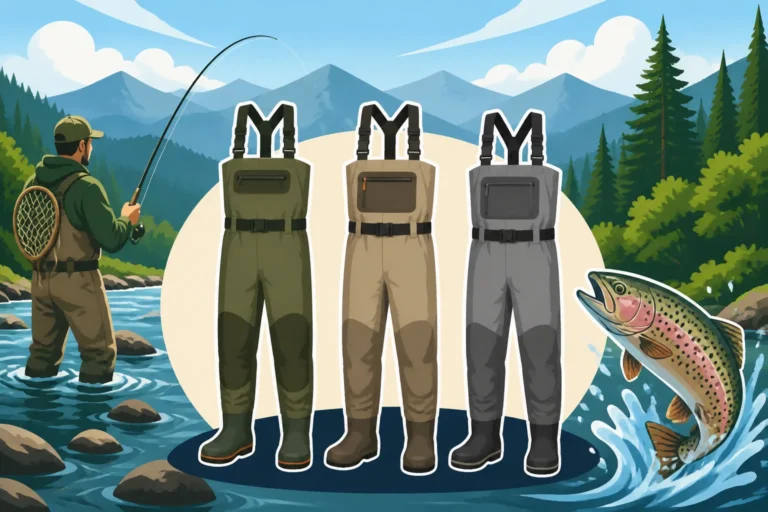
For trout, whether in a mountain stream or a stocked pond, lighter gear is often preferred. An ultralight or light action spinning rod with a small reel (1000 series) and 4- to 6-pound test monofilament line is ideal. Trout have excellent eyesight and can be easily spooked, so thin, low-visibility line is key. For bait, small worms (red wigglers are perfect), salmon eggs, or specialized trout dough baits (like PowerBait) are very effective, often fished with a tiny split-shot weight or under a small bobber. Artificial lures like small inline spinners (e.g., Rooster Tails, Panther Martins) in sizes #0 or #1 are also incredibly productive. Fly fishing is another popular and highly effective method for trout, though it involves a different set of gear and techniques. If the idea of casting a fly appeals to you, Fly Fishing Basics for Trout is an excellent place to start learning. Always be mindful of the specific regulations for trout, as limits and seasons can vary by waterbody, especially during different times of the year as explained in Tennessee Trout Fishing Season Explained.
Where to Get Your Gear: Making Smart Purchases
Alright, so you have a good handle on what gear you'll need. Now comes the practical question: where do you actually buy all this stuff? For a beginner, navigating the retail landscape can be just as daunting as understanding the gear itself. You have a few main options, each with its own advantages, and balancing them will help you get started without stress.
Local Bait & Tackle Shops: Expert Advice and Community
When you're starting out, nothing beats the personalized experience and wealth of local knowledge you'll find at a dedicated local bait and tackle shop. These aren't just stores; they're often community hubs where seasoned anglers gather, swap stories, and share tips.
The biggest advantage of a local shop is the expert advice. The folks working there live and breathe fishing, and they're usually happy to guide a beginner. They can tell you exactly what's biting, what baits are working best right now in your local lake or river (like whether the crappie are hitting minnows or jigs in Percy Priest Lake), and recommend gear that's specifically suited for Tennessee's unique conditions. They can also help you spool your reel properly, show you how to tie basic knots, or even give you pointers on local fishing spots. While prices might sometimes be slightly higher than big-box stores or online, the value you get from their knowledge and customer service is immeasurable. Plus, you're supporting a small business and becoming part of the local fishing community. Don't be shy; walk in, tell them you're new, and ask all the questions you have!
Big Box Retailers & Online Options: Convenience and Selection
For sheer selection and often competitive pricing, big box sporting goods retailers and online stores are fantastic resources. They play a crucial role in making fishing gear accessible to everyone.
Retail giants like Bass Pro Shops are angler paradises. You'll find an enormous selection of rods, reels, lures, and accessories from every major brand. They often have dedicated sections for different types of fishing and species, making it easy to browse. Crucially for beginners, they almost always offer a wide array of pre-matched spinning combos that are excellent value and come ready to fish. The staff at these larger stores are often knowledgeable, though sometimes less hyper-local than a small bait shop. The benefit here is that you can physically handle a lot of different rods and reels, get a feel for them, and often compare brands side-by-side.
Online retailers like Amazon offer unparalleled convenience and an even wider selection than most physical stores, often with customer reviews that can help you make decisions. You can research products, compare prices, and have gear delivered right to your door. This is great for stocking up on terminal tackle, trying new lures, or finding specific items. However, the downside is you can't feel the rod's action or the reel's smoothness before buying, and you miss out on that immediate, in-person advice. For a beginner, it might be best to visit a physical store first to get a feel for what you like, then use online resources for subsequent purchases or to find specific deals. When you're ready to buy your first Tennessee Fishing License Guide or learn How to Buy or Renew a Tennessee Fishing License Online, either a TWRA license agent (often at Bass Pro Shops) or the state's online portal will be your best bet.
| Gear Category | Recommended for Beginners | Why It's Good for You | Common Places to Buy |
|---|---|---|---|
| Rod & Reel Combo | Medium Power, 6-7 ft Spinning Combo, 2000-3000 size reel | Versatile, easy to use, handles various fish species, often pre-spooled. | Bass Pro Shops, Amazon, Local Bait Shops |
| Fishing Line | 6-10 lb Monofilament | Forgiving with knots, good stretch (shock absorber), less visible. | Any fishing gear retailer, typically comes with combos |
| Hooks | J-hooks (#6 to 1/0), Circle Hooks (similar sizes) | Covers panfish to bass, good for bait, circle hooks prevent deep hooking. | Local Bait Shops, Big Box Retailers, Amazon |
| Weights/Sinkers | Assorted Split-shot, Bullet Weights (1/8 – 1/2 oz) | Get bait to depth, help casting, versatile for different rigs. | Local Bait Shops, Big Box Retailers, Amazon |
| Floats/Bobbers | Clip-on & Slip Bobbers (small to medium) | Visual bite indicator, suspends bait, easy to set depth. | Local Bait Shops, Big Box Retailers, Amazon |
| Swivels/Snaps | Barrel Swivels, Snap Swivels (small to medium) | Prevents line twist, allows quick lure changes. | Local Bait Shops, Big Box Retailers, Amazon |
| Baits | Live Worms, Crickets, Minnows | Natural, highly effective, fish readily recognize them. | Local Bait Shops, Live Bait Vendors, Amazon (for some supplies) |
| Lures | Inline Spinners, Soft Plastic Worms w/ Jig Heads, Small Crankbaits | Versatile, imitate prey, good for different conditions & species. | Bass Pro Shops, Local Bait Shops, Amazon |
| Tackle Box | Small to Medium Tackle Box or Soft Bag | Keeps gear organized, protected, and easily accessible. | Bass Pro Shops, Amazon, Local Bait Shops |
| Tools | Needle-Nose Pliers (w/ cutter), Braid Scissors | Safe hook removal, line cutting, general utility. | Bass Pro Shops, Amazon, Local Bait Shops |
| Safety Gear | Sunscreen, Hat, Sunglasses, Small First Aid Kit | Protects from sun, prevents minor injuries. | Drugstores, Big Box Retailers, Amazon |
| Landing Net | Small to Medium Rubberized Mesh Net | Safely lands fish, prevents line breakage and injury to fish/angler. | Bass Pro Shops, Amazon, Local Bait Shops |
Getting started in fishing doesn't have to be complicated or expensive. With a basic understanding of these essential gear items, you'll be well on your way to enjoying the fantastic fishing opportunities that Tennessee has to offer. So grab your gear, head to your nearest lake or river, and make some memories!
Disclaimer
This article is for general informational purposes only and does not constitute professional advice. Laws, prices and regulations vary by location and change over time. Consult a qualified professional for guidance on your specific situation.