Crappie Jigging Techniques Explained
For many anglers in Tennessee, nothing beats the thrill of a crappie biting, but getting those elusive papermouths to commit to a jig can sometimes feel like solving a complex puzzle. Whether they’re finicky due to a sudden cold front or hiding deep within structure, understanding how to present your jig is key to filling your livewell. This comprehensive guide will unravel the mysteries of crappie jigging, helping you master the techniques to consistently catch more fish across our beautiful Tennessee waters.
Understanding Crappie Behavior and Habitat
Before you even think about casting a jig, it’s vital to understand the fish you’re after. Crappie, both black and white, are fascinating creatures with distinct preferences that dictate where and when you'll find them. Knowing their habits and the types of places they call home is the bedrock of successful jigging. Without this fundamental knowledge, you’re essentially just guessing, and we all know how frustrating that can be when the bite is slow!
Crappie Life Cycle and Feeding Habits
Crappie are schooling fish, meaning if you find one, you're likely to find more. Their diet primarily consists of smaller baitfish like minnows, shad, and small crustaceans. Young crappie will also feast on zooplankton and insect larvae. This predatory nature is why jigs, which imitate these food sources, are so effective. Throughout their lives, crappie exhibit different feeding behaviors. In warmer waters, they're more active and aggressive, chasing down prey. In colder temperatures, they become sluggish, preferring an easy meal that drifts right into their strike zone.
Understanding their life cycle helps too. After the spawn, they tend to move to deeper, cooler waters to recover and feed. As autumn approaches, they'll often stack up in predictable patterns, gorging themselves in preparation for winter. Being attuned to these natural rhythms means you'll be one step ahead, knowing where to focus your efforts. It’s not just about throwing a jig out; it's about putting it right in front of a hungry crappie.
The speed at which crappie feed is directly tied to the water temperature. When the water warms up in late spring and summer, their metabolism speeds up, making them more willing to chase a fast-moving jig. Conversely, when the water gets cold, especially in winter, their metabolism slows to a crawl. They won't expend much energy chasing food, which means your jig presentation needs to be incredibly slow and subtle to entice a bite. Think of it like a buffet for them; they want the food brought right to their mouths without having to do any work.
Preferred Structures and Cover
Crappie absolutely love structure and cover. These features provide them with safety from predators, ambush points for feeding, and relief from direct sunlight. In Tennessee's numerous lakes and reservoirs, you'll find crappie holding tight to everything from submerged timber, brush piles, rock formations, and ledges to bridge pilings, dock supports, and even man-made fish attractors. They use these spots to hide and wait for unsuspecting baitfish to swim by.
Man-made structures like boat docks and marinas are often crappie magnets, especially those with lights that attract baitfish at night. Look for shaded areas under docks or in the deepest available pockets around pilings. Natural features like standing timber, fallen trees, and creek channels winding through a reservoir are also prime real estate. Understanding how to locate these hidden treasures, often with the help of modern electronics, is a game-changer for crappie anglers.
Another key habitat feature is vegetation, particularly submerged grass beds or lily pads. Crappie will often relate to the edges of these beds, moving in and out to feed. In places like Reelfoot Lake, the cypress trees are iconic crappie habitat. They offer vertical cover from the bottom all the way to the surface, allowing crappie to suspend at various depths depending on conditions. Pay close attention to subtle depth changes and transitions where different types of cover meet, as these are often prime ambush points for crappie.
The Impact of Water Temperature and Clarity
Water temperature is perhaps the most critical factor influencing crappie behavior. As mentioned, it directly impacts their metabolism and activity levels. For instance, the Spring Crappie Spawn Timing in Tennessee is heavily dependent on water temperatures reaching a consistent 58-65 degrees Fahrenheit. During this period, crappie move into shallower waters to build nests and spawn, making them more accessible to bank anglers and boaters alike.
Water clarity also plays a significant role. In clear water, crappie tend to be more skittish and might hold deeper or tighter to cover. They'll also be more sensitive to line visibility and jig colors. In murky or stained water, crappie often move shallower, relying more on their lateral line to detect vibrations. In these conditions, brighter, more contrasting jig colors and jigs that displace more water can be more effective.
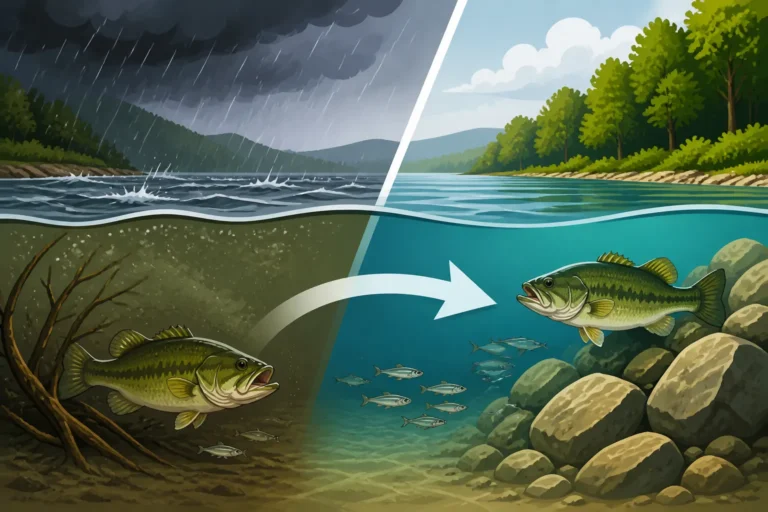
Rain and cold fronts can drastically alter water temperature and clarity, sending crappie scrambling. A sudden cold front can push them deeper and make them less active, requiring a much slower, more deliberate jig presentation. Heavy rains can muddy up the water, but they can also create current and wash nutrients into the lake, sometimes kickstarting a feeding frenzy near incoming creeks or rivers. Being able to adapt your approach based on these environmental factors is what separates the average angler from the consistently successful one.
Essential Crappie Jigging Gear: Rods, Reels, Line
Having the right equipment doesn’t just make fishing easier; it makes it more effective, especially when you're trying to detect those incredibly light crappie bites. You don't need to break the bank on high-end gear, but selecting components that work well together is crucial for maximizing your jigging success. Think of your rod, reel, and line as a single system designed to deliver and detect.
The Right Rod for Sensitive Bites
When it comes to crappie jigging, sensitivity is king. You want a rod that can transmit the lightest tap from a crappie, which often feels like nothing more than a slight tick or the line going slack. This usually means a light to ultralight action rod, typically between 5 and 7 feet in length. The longer rods offer better leverage for casting lighter jigs and absorbing sudden surges from a hooked fish, while shorter rods can be advantageous in tight quarters or for vertical jigging directly over structure.
Look for rods with a fast to extra-fast tip. This means the tip section of the rod is very flexible, allowing it to load quickly and transmit subtle bites, while the backbone of the rod remains stiff enough to provide power for setting the hook and fighting the fish. Many crappie-specific rods are made with graphite or a composite blend, which are excellent for sensitivity. Brands like BnM Poles or Lew's offer popular crappie rods, and you can find a wide selection on platforms like Amazon.
For single-pole jigging, a 6-foot, light-action graphite rod is a fantastic all-around choice for many Tennessee waters. If you're "spider rigging" – using multiple rods spread out from the boat – you might opt for longer, perhaps 10 to 16-foot rods, designed specifically for that technique. These longer rods help spread out your presentation and keep your lines from tangling. Remember, the goal is to feel everything your jig is doing, from bumping a log to a crappie gently inhaling it.
Matching Reels and Line for Jigging Success
Pairing your sensitive crappie rod with the right reel is equally important. For most jigging applications, a small, lightweight spinning reel in the 500 to 1000 size range is ideal. These reels are designed for light lines and offer smooth drag systems, which are vital when fighting crappie on delicate tackle. The smooth drag prevents line breakage, especially during sudden runs or head shakes.
When it comes to line, you have a few options, each with its pros and cons. Monofilament line, typically 4 to 6-pound test, is forgiving, has good knot strength, and is relatively inexpensive. Its stretch can act as a shock absorber. Fluorocarbon, also in the 4 to 6-pound range, offers less stretch than mono, is nearly invisible underwater, and provides excellent sensitivity. However, it can be a bit stiffer and more expensive. Braided line, in the 6 to 10-pound test range, offers virtually no stretch, maximum sensitivity, and incredible strength for its diameter, making it superb for feeling those light bites in deeper water. Many anglers will use braided mainline with a fluorocarbon leader for stealth.
Choosing your line often comes down to personal preference and the conditions you're fishing. In extremely clear water, fluorocarbon might give you an edge, while in dense cover, the abrasion resistance of braid can be a lifesaver. For general jigging, a good quality 6-pound test monofilament or fluorocarbon line is a solid starting point. Don't forget to periodically check your line for nicks and abrasions, especially after fishing around brush piles, as a weak spot can mean losing a trophy crappie.
Terminal Tackle: Jigs, Weights, and Floats
The real magic of crappie jigging often lies in your terminal tackle. This includes the jigs themselves, any additional weights, and floats if you choose to use them. For jigs, you’ll want a variety of sizes and colors to match changing conditions and crappie preferences. Jig heads typically range from 1/32 oz to 1/8 oz for crappie, though heavier ones (up to 1/4 oz) might be used in deep water or strong current.
In terms of presentation, a simple jig head paired with a soft plastic grub or tube is the most common setup. However, there are times when a small split shot weight crimped a foot or two above your jig can help it get down faster in deeper water or strong currents, especially if you're using a very light jig head. For suspend crappie, a small float or bobber can be invaluable. Slip bobbers are particularly popular as they allow you to fish at any depth by simply adjusting a bobber stop on your line.
When choosing a float, go for something small and sensitive that offers minimal resistance when a crappie bites. These are designed to just barely support your jig, making it easier for the crappie to pull it under. Whether you're fishing a simple fixed bobber setup or a sophisticated slip float, the goal is always the same: keep your jig in the strike zone for as long as possible and detect even the slightest hesitation in the bite. Remember, the presentation is paramount, so ensure all components work together smoothly.
Types of Jigs and Their Applications for Tennessee Crappie
The world of crappie jigs is incredibly diverse, offering an endless array of choices in terms of material, shape, size, and color. While it can feel overwhelming at first, understanding the basic categories and their applications will help you make smarter choices on the water. The right jig can make all the difference, transforming a slow day into a memorable one.
Soft Plastic Jigs: Grubs, Tubes, and Minnows
Soft plastic jigs are probably the most popular and versatile choice for crappie anglers, and for good reason. They come in an incredible variety of shapes, sizes, and colors, allowing you to imitate virtually any baitfish or insect crappie might be feeding on.
- Grub Tails: These are perhaps the most common, featuring a small, often ribbed body with a curled or paddle tail. The tail creates a subtle swimming action and vibration in the water that crappie find irresistible. They're excellent for casting, slow retrieves, or vertical jigging. You can find grub tails in lengths from 1 inch to 3 inches, with 2-inch options being a fantastic all-around size for crappie. Colors like chartreuse, white, electric chicken, and natural shad are consistent producers.
- Tube Jigs: Tube jigs have a hollow, cylindrical body with multiple tentacles at one end. They sink quickly and have a distinctive darting action when jigged vertically. Many anglers will insert a crappie nibble or scent into the hollow body for added attraction. Tubes are particularly effective when crappie are holding tight to vertical cover like standing timber or bridge pilings. They're also great for a slow, steady fall.
- Minnow Imitations: These soft plastics are designed to mimic small baitfish, often with a more realistic profile and a subtle tail kick. They can be incredibly effective when crappie are keying in on shad or minnows. Some popular styles include "fluke" style baits or those with a small paddle tail that vibrates. These are often best fished with a slow, erratic retrieve to imitate a wounded baitfish.
Experimentation is key with soft plastics. Different days call for different colors and sizes. Keep a variety in your tackle box from brands like Bobby Garland or Crappie Magnet, and don't be afraid to try something new, especially when the bite is tough. Many of these can be found easily on Amazon, making it simple to stock up.
Marabou and Hair Jigs: Classic and Effective
Before soft plastics dominated the market, marabou and hair jigs were the gold standard for crappie fishing, and they remain incredibly effective today. What makes them so special is the natural, lifelike movement of the feathers or hair in the water, even with the slightest twitch of the rod or current flow.
- Marabou Jigs: Made from the soft, fluffy feathers of turkeys or other birds, marabou jigs pulsate and breathe in the water, creating an irresistible illusion of life. Their natural fibers expand and contract, mimicking a small organism or baitfish. They are particularly deadly in cold water when crappie are sluggish, as their subtle action entices bites without requiring fast movement. Popular colors include black, white, chartreuse, and various two-tone combinations.
- Hair Jigs: Similar to marabou, hair jigs (often made from deer hair, squirrel tail, or similar materials) offer a slightly different profile and action. They tend to be a bit more streamlined and offer a quicker sink rate while still maintaining a natural appearance. Hair jigs are often favored for their durability and can be excellent for vertical jigging or short casts around cover.
Both marabou and hair jigs shine in scenarios where a subtle, natural presentation is required. They don't have the aggressive action of some soft plastics, but their lifelike "breathing" in the water is often what triggers finicky crappie. They’re a must-have in your crappie arsenal, especially when you're targeting pressured fish or when the water is cold and clear.
Jig Head Styles and Weight Selection
The jig head is the foundation of your crappie jig and dictates much of its action and sink rate. It's often overlooked, but choosing the right head style and weight is crucial.
- Round Head Jigs: The most common and versatile, round heads offer a straightforward fall and are easy to rig with various soft plastics or natural baits. They work well for both casting and vertical presentations.
- Ball Head Jigs: Similar to round heads but often with a slightly more streamlined profile.
- Aspirin Head Jigs: Featuring a flattened, aspirin-shaped head, these jigs offer a unique darting action on the fall and retrieve, often mimicking an injured baitfish.
- Spear Head/Minnow Head Jigs: Designed with a more realistic baitfish profile, these heads often have 3D eyes and a more hydrodynamic shape, ideal for minnow imitation soft plastics.
- Swimbaits Jig Heads: These often have an angular or wedge-shaped head to impart a specific swimming action to soft plastic swimbaits.
Weight Selection:
The weight of your jig head is determined by several factors: depth, current, wind, and the desired fall rate.
- 1/32 oz: Ideal for shallow water (under 5 feet), calm conditions, or when crappie are extremely finicky and a very slow fall is needed. Often paired with ultralight rods.
- 1/16 oz: The most versatile weight for crappie, effective in depths from 5 to 15 feet. It offers a good balance of fall rate and casting distance.
- 1/8 oz: Great for deeper water (15-25 feet), windy conditions, or when crappie are actively chasing and you need to get your bait down quickly.
- 1/4 oz and heavier: Reserved for very deep water (25+ feet), strong currents, or when fishing large reservoirs like Kentucky Lake where crappie might be holding extremely deep.
Having a good selection of jig head weights is essential. Sometimes, simply changing from a 1/16 oz to a 1/32 oz can be the difference between catching fish and getting skunked, especially when crappie are suspended and want a very slow, tantalizing fall. Pay attention to how fast your jig is sinking and adjust accordingly to match the fish's mood.
Mastering Crappie Jigging Techniques: Vertical, Casting, Trolling
Once you have your gear sorted and a basic understanding of crappie behavior, it's time to put it all into practice. There are several primary jigging techniques, each suited for different situations and angler preferences. Becoming proficient in all of them will make you a much more versatile and successful crappie angler on any Tennessee lake or river.
Vertical Jigging: The Classic Approach
Vertical jigging, sometimes called "doodling" or "shooting," is arguably the most fundamental and effective crappie jigging technique, especially when fish are concentrated in specific areas. This method involves positioning your boat directly over a crappie school or structure and dropping your jig straight down.
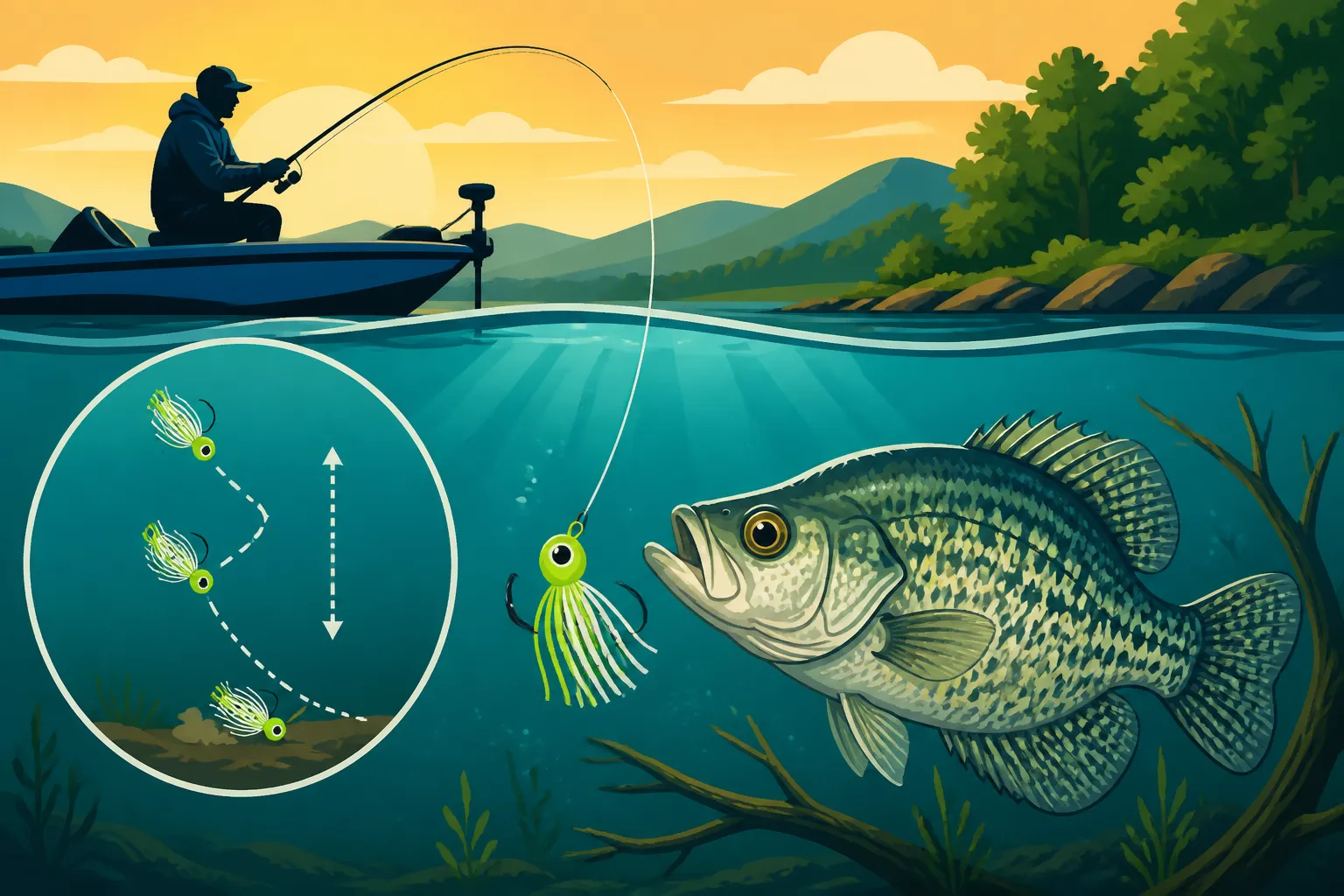
To execute it properly, you need precise boat control to stay over your target. A good trolling motor with GPS Spot-Lock is a game-changer here, allowing you to hold your position accurately in wind or current. Once positioned, drop your jig to the desired depth, often identified using your fish finder. Then, it's all about subtle rod movements. A typical retrieve involves a slight lift of the rod tip (6-12 inches), followed by a controlled fall, allowing the jig to flutter down naturally. The bite often occurs on the fall or as the jig pauses.
This technique is incredibly effective around brush piles, submerged timber, bridge pilings, and ledges. You can use it to pinpoint crappie holding at specific depths. When the bite is light, watching your line for any twitch, jump, or slackening is crucial, as crappie will often inhale the jig without a dramatic tug. Some anglers even use bright monofilament or fluorocarbon line tips to help detect these subtle strikes. This method is also excellent when fishing in tight quarters or when you want to thoroughly pick apart a piece of structure.
Casting and Retrieving: Covering Water Effectively
While vertical jigging is great for targeted spots, casting and retrieving allows you to cover more water and find those scattered crappie, or fish along extended structures like creek channels or weed lines. This technique is often more active and can be incredibly rewarding when crappie are spread out or actively cruising for food.
Start by making a cast towards your target area – maybe the edge of a submerged grass bed, a visible brush pile, or along a shallow bank during the spawn. Once your jig hits the water, let it sink to the desired depth. The retrieve itself can vary widely:
- Steady Retrieve: A slow, consistent reel-in, letting the jig’s tail provide the action. Great for active fish.
- Lift and Drop: Lift your rod tip, reel in a few cranks, then let the jig fall on a semi-slack line. This creates an erratic, wounded baitfish action.
- Twitch and Pause: Similar to lift and drop, but with sharper, shorter twitches of the rod tip. This can trigger aggressive reaction strikes.
- Swim and Glide: Use a jig with a good swimming action, like a paddle tail, and retrieve it slowly, letting it "swim" through the water.
This technique is particularly effective during the Tennessee Crappie Fishing Guide by Season, especially in spring and fall when crappie are more active in shallower to mid-depth ranges. Pay close attention to the retrieve speed and action that produces bites on any given day. Sometimes, a super slow crawl is best, while other times, a quick twitch is what they want. Keep varying your presentation until you crack the code.
Spider Rigging and Trolling for Wider Coverage
For anglers who want to cover vast areas of water and present multiple baits simultaneously, spider rigging and slow trolling are incredibly effective methods. These techniques are often used on large Tennessee reservoirs to locate crappie schools or fish long stretches of structure.
Spider Rigging: This technique involves deploying multiple rods (often 4 to 8, or even more, depending on regulations and boat size) from the front of the boat, fanned out like a spider’s legs. Each rod presents a jig or minnow (or both) at a specific depth and distance from the boat. The boat then moves very slowly, often with a trolling motor, allowing the jigs to sweep through a wide area.
Spider rigging is fantastic for targeting crappie that are suspended over open water, relating to subtle channel breaks, or spread out over large flats. The sheer number of lines in the water increases your chances of encountering a school. When a rod bends, you know you’ve found them. This technique is especially popular in the central and western parts of Tennessee on lakes like Kentucky Lake or Chickamauga Lake. You can also vary your jig types and colors on different rods to quickly determine what the crappie prefer on that particular day. For a deeper dive, check out resources on How to Spider Rig for Crappie.
Slow Trolling (Longlining): This involves dragging jigs behind the boat at a very slow speed, usually 0.5 to 1.5 mph. Instead of fanning rods out from the front, rods are often deployed from the sides and back, with the jigs trailing far behind. The length of line out and the jig weight determine the running depth. This technique is excellent for covering large areas, especially along creek channels, points, or long ledges, when crappie are scattered or cruising.
Both spider rigging and slow trolling are all about efficiency and covering water. They require good boat control and patience, but when crappie are difficult to pinpoint, these methods can be incredibly productive for putting numbers in the boat.
Seasonal Strategies for Crappie Jigging in Tennessee
Crappie fishing in Tennessee is a year-round affair, but your most effective jigging techniques will change drastically with the seasons. Understanding these seasonal shifts in crappie behavior is crucial for consistent success. Each season presents unique challenges and opportunities, demanding a different approach to your jig presentation.
Spring Spawn: Shallow Water Action
Ah, spring in Tennessee! This is arguably the most anticipated season for crappie anglers, as the fish move shallow for the spawn. When water temperatures consistently hit the upper 50s and low 60s, crappie push into bays, coves, and shallow flats to build nests and lay eggs. This makes them much more accessible, sometimes even visible!
During the pre-spawn, as crappie stage in slightly deeper water near spawning flats, casting and slow retrieving smaller jigs (1/32 to 1/16 oz) along contour lines or the edges of vegetation can be incredibly productive. As they move onto the beds, vertical jigging around submerged brush, stumps, or docks in 2-8 feet of water becomes deadly. Look for dark spots on the bottom, which indicate nests, and present your jig right into them. Small tube jigs or curly tail grubs in chartreuse, white, or pink are often irresistible. This is also a fantastic time for bank anglers, as crappie are often within casting distance. Don't forget to check the Crappie Limits Under Tennessee Fishing Rules before you head out!
The bite can be aggressive during the spawn, but sometimes the crappie are more focused on protecting their nests than feeding. In these cases, a very subtle jig action, or simply letting the jig sit motionless for a few seconds, can trigger a defensive strike. Early mornings and late afternoons are often prime times.
Summer Patterns: Deep Water and Shade
Once the spawn is over and water temperatures rise into the 70s and 80s, crappie retreat to deeper, cooler waters. They seek out thermal refuges and shade, often suspending over deep creek channels, congregating around main lake points, or holding tight to deep timber and brush piles. This shift can be a challenge if you're used to shallow spring fishing, but it also means predictable patterns.
During summer, vertical jigging becomes paramount. You'll need to use your electronics – a good fish finder is essential – to locate schools and structure in 15-30 feet of water or even deeper. Once you find them, drop your 1/8 oz or heavier jig right into the school. Often, crappie will suspend at a particular depth, and it's your job to get your jig to that exact level. Small minnow imitations or soft plastics in natural shad colors can be highly effective.
Early mornings and evenings can still produce shallower bites, especially around shaded docks or areas with deep water access nearby. During the heat of the day, focus on deep structure. Sometimes, a slow troll or spider rig with jigs fished at various depths can help you locate the thermocline where crappie are most comfortable. Remember, crappie are still feeding aggressively in summer, but you have to find them first! For more on this, look into How to Find Crappie in Summer.
Fall Feast: Aggressive Feeding Before Winter
Fall is another fantastic season for crappie in Tennessee. As water temperatures begin to drop, crappie move out of their deep summer haunts and start an aggressive feeding spree in preparation for the upcoming winter. This transition often finds them relating to main lake points, creek channel bends, and the edges of flats, often shallower than their summer patterns but deeper than the spawn.
Crappie in fall are typically chasing baitfish, so casting and retrieving jigs that mimic shad or minnows can be incredibly productive. Look for schooling baitfish on your electronics; the crappie won't be far behind. Often, they'll hold on drop-offs or submerged timber adjacent to these bait schools. Jig weights from 1/16 oz to 1/8 oz are generally appropriate, and colors can vary from natural shad patterns to brighter chartreuse or orange, especially in stained water.
This season offers a great mix of techniques. You can cast to cover, troll open water, or vertically jig in specific spots where you find schools. The crappie are often quite active and willing to strike, making for some exciting fishing. The key is to follow the bait and understand how the cooling water temperatures influence their depth preference.
Winter Lulls: Slow and Subtle Approaches
Winter crappie fishing can be incredibly rewarding, but it demands patience and a highly refined, subtle approach. As water temperatures plunge into the 30s and 40s, crappie become much less active, their metabolism slowing significantly. They often school up tightly in deep holes, major creek channels, or around main river ledges, seeking stable water temperatures.
Vertical jigging is almost exclusively the most effective method in winter. You'll need to use your electronics to find these tightly packed schools, sometimes suspending right on the bottom or in the deepest available cover. Your jig presentation needs to be incredibly slow – almost painstakingly slow. Tiny jigs, often 1/32 oz or 1/64 oz, paired with a slow fall, are deadly. Marabou jigs or very small soft plastics that offer lots of action with minimal movement are perfect. For more specific guidance, check out How to Catch Crappie in Cold Water.
The bite will often be incredibly subtle, sometimes just a slight "tick" on the line, or feeling like your line simply went limp. A super sensitive rod is non-negotiable here. Sometimes, simply letting the jig sit motionless for 10-20 seconds in the strike zone, with only the boat’s subtle movement imparting action, is enough to trigger a bite. This is not the time for aggressive retrieves; think subtle, gentle, and persistent.
Advanced Tips and Tricks for Tricky Crappie
Even with a solid understanding of crappie behavior, gear, and techniques, there will always be those days when the fish are just plain finicky. This is when the advanced tips and tricks come into play. These subtle adjustments and strategic approaches can often turn a frustrating day into a successful one, especially when you're dealing with pressured crappie or challenging conditions.
Using Electronics to Locate Schools
In modern crappie fishing, electronics are no longer a luxury; they're an essential tool. A good fish finder, especially one with side-imaging and down-imaging capabilities, can dramatically increase your success rate. Instead of blindly casting, you can actively search for crappie schools and the structure they relate to.
When scouting a new area or trying to find scattered fish, use your side-imaging to scan wide swaths of water for brush piles, submerged timber, or crappie schools. Once you identify a promising target, switch to down-imaging or 2D sonar to pinpoint the exact location and depth of the fish. Pay attention to how the crappie are relating to the structure – are they inside the brush, on top of it, or suspended above it? This tells you how to present your jig. For deeper insights, learn about Fish Finders and Electronics for Tennessee Reservoirs.
Mark productive spots with your GPS, and consider features like Spot-Lock on your trolling motor to hold precisely over the school. Understanding how to interpret your sonar screen – distinguishing fish from structure, identifying baitfish, and noting the depth crappie are holding – is a skill that comes with practice but pays huge dividends. It transforms fishing from a game of chance into a strategic hunt.
Scent, Color, and Presentation Nuances
These three elements are often the difference-makers when crappie are being picky.
- Scent: Crappie have a keen sense of smell. Adding scent to your jig can make a huge difference, especially in stained water or when the bite is slow. Products like Berkley PowerBait Crappie Nibblers or various liquid crappie attractants can be added directly to your soft plastics or applied to your marabou jigs. The added scent can encourage crappie to hold onto the jig longer, giving you more time to set the hook, or simply attract them from a wider radius.
- Color: While "chartreuse and white" are classic crappie colors, crappie can be very particular about color on any given day. Factors like water clarity, light conditions (sunny vs. cloudy), and even what the crappie are feeding on can influence their preference.
- Clear Water: Natural colors like shad, smoke, pearl, or clear with glitter often work best.
- Stained/Murky Water: Brighter colors like chartreuse, orange, hot pink, or electric chicken create more contrast and are easier for crappie to see.
- Low Light/Night: White, glow-in-the-dark, or dark silhouettes (black/blue) can be effective.
Always have a variety of colors and be willing to experiment until you find what they're hitting. For spring, you might want to look into Best Crappie Jigs for Spring Crappie.
- Presentation Nuances: This refers to the subtle ways you work your jig.
- Fall Rate: Sometimes crappie want a fast fall, other times an agonizingly slow one. Adjust your jig head weight to control this.
- Action: Gentle quivers, sharp snaps, long glides – vary your rod tip movements.
- Pause: Often, a crappie will hit a jig when it's completely still during a pause. Don't be afraid to let your jig sit for several seconds.
- Depth: Crappie are often very depth-sensitive. If they're at 12 feet, but you're fishing at 10 or 14, you might miss them. Adjust your depth precisely using your electronics or a slip bobber.
These nuances, though seemingly small, collectively make a massive impact on your crappie catch rates.
Adapting to Changing Conditions
Tennessee weather is notoriously unpredictable, and crappie fishing success often hinges on your ability to adapt. What worked yesterday might not work today due to a myriad of factors.
- Cold Fronts: A sudden drop in temperature or barometric pressure will often push crappie deeper and make them less active. Your presentation needs to slow down significantly, and smaller, subtler jigs will likely be more effective.
- Warm Fronts: Rising temperatures can activate crappie, especially in spring and fall, making them more willing to chase faster-moving jigs or move shallower.
- Wind: Wind can make boat control challenging, but it also creates current and can position baitfish. On windy days, try to fish the "wind-blown" side of points or structure, as baitfish might be pushed there. Use heavier jigs to maintain contact with the bottom.
- Rain: Light rain can sometimes turn on a crappie bite, especially in warmer months, as it can cool the surface water and wash nutrients into the lake. Heavy rain can muddy water, requiring brighter jigs and shallower presentations, or it might shut them down completely.
- Sun vs. Clouds: On bright, sunny days, crappie will often hold tighter to cover or deeper in the water column to avoid direct sunlight. On cloudy days, they might spread out more and suspend higher in the water column.
Being observant and willing to change your approach is paramount. Pay attention to the weather forecast, but more importantly, pay attention to how the crappie are responding (or not responding) to your current technique. Flexibility is a crappie angler’s best friend.
Locating Crappie Hotspots in Tennessee for Jigging
Tennessee is blessed with an abundance of fantastic crappie fishing opportunities, from vast reservoirs to scenic rivers. But knowing where to cast your jig is just as important as how. While understanding crappie behavior provides general guidance, knowing specific types of locations to target within our state's diverse waterways will put you on fish faster.
Reservoir and Lake Structures
Tennessee's large reservoirs, many of which are managed by the Tennessee Valley Authority (TVA), are crappie havens. Think of names like Kentucky Lake, Chickamauga Lake, Percy Priest Lake, and Watts Bar Lake. These massive bodies of water offer endless miles of crappie habitat.
- Standing Timber: Many of these reservoirs were created by impounding rivers, leaving vast forests of standing timber. Crappie absolutely love to suspend in and around these submerged trees. Use your electronics to find isolated trees or dense patches, and vertical jig around the trunks and limbs.
- Brush Piles: Both natural and man-made brush piles are crappie magnets. Locals and TWRA often sink Christmas trees or other woody debris to create fish attractors. These are usually marked on lake maps or can be found with sonar. Jigging directly into these brush piles is highly effective, but be prepared for snags.
- Ledges and Drop-offs: Crappie use ledges and drop-offs as highways to move between deep and shallow water, especially during seasonal transitions. Fish the contour lines where a shallow flat drops into a deeper channel.
- Bridge Pilings and Docks: Man-made structures offer shade, current breaks, and cover. Bridge pilings and lighted docks are particularly productive, often holding crappie year-round.
- Creek Channels: The old creek and river channels that wind through the reservoirs are natural migration routes and holding areas for crappie, especially during summer and winter when they move to deeper water.
- Submerged Humps and Points: Underwater humps and points provide structure that crappie will relate to, particularly if they are adorned with brush or rock.
Each of these structures offers unique challenges and rewards, and understanding the Best Crappie Fishing Lakes in Tennessee will guide you to where these features are most prevalent.
River Systems and Backwater Areas
While reservoirs often get the most attention, Tennessee's river systems and associated backwater areas also offer fantastic crappie jigging opportunities. Rivers like the Tennessee River, Cumberland River, and their tributaries hold healthy populations of crappie, especially in slower-moving sections.
- River Bends and Oxbows: The slower-moving water in river bends and old oxbow lakes provides a refuge from strong currents, creating ideal crappie habitat. These areas often have abundant submerged timber and vegetation.
- Feeder Creeks: The mouths of feeder creeks that flow into larger rivers can be hotspots, especially after rain when new nutrients and baitfish are washed in. Crappie will stage here, waiting for an easy meal.
- Riprap and Rock Banks: Rocky banks and riprap offer cover and attract baitfish. Casting jigs along these edges, particularly where they transition to a deeper drop-off, can be effective.
- Backwater Ponds and Sloughs: These isolated or semi-isolated bodies of water connected to the main river often warm up faster in spring and provide excellent spawning habitat. They can be full of crappie that move in and out with water levels.
- Marina Basins and Harbors: Similar to reservoir docks, marina basins in river towns offer sheltered, often deeper water and abundant structure for crappie seeking refuge from current or predators.
When fishing river systems, pay close attention to current. Crappie will typically orient themselves facing into the current, waiting for food to drift by. Present your jig upstream and let the current carry it naturally into their strike zone.
Public Access and Hidden Gems
You don't always need a fancy boat to find great crappie jigging spots in Tennessee. Many public access points, state parks, and smaller lakes managed by TWRA offer fantastic opportunities for bank anglers and those with kayaks or smaller craft.
- State Park Lakes: Many Tennessee State Parks have lakes that are regularly stocked and offer easy bank access, designated fishing piers, and boat ramps suitable for kayaks or small Jon boats. Percy Priest Lake, for example, has several access points easily reachable from Nashville. These are often great for family outings.
- TWRA Public Fishing Lakes: The Tennessee Wildlife Resources Agency (TWRA) manages several smaller public fishing lakes across the state, specifically designed for angler access. These lakes are often intensively managed for species like crappie and offer excellent opportunities.
- City and County Ponds: Don't overlook smaller municipal or county-owned ponds. Many of these are stocked and can hold surprisingly large crappie, especially in urban or suburban areas. A simple search online for "fishing ponds near me" in Tennessee can yield some unexpected hidden gems.
- Shoreline Access on Reservoirs: Even on large reservoirs, there are countless public access areas, parks, and campgrounds that provide direct bank access to crappie habitat. Look for areas with fallen timber, submerged brush, or dock structures close to shore.
Remember, a Tennessee Fishing License Guide is your first step before venturing out to any of these spots. Often, the "hidden gems" are simply spots that require a little more walking or a smaller craft to reach, but the reward of less crowded water and unpressured crappie is often well worth the effort.
Common Mistakes and How to Avoid Them
Even experienced anglers fall into common traps when crappie jigging. Being aware of these pitfalls and actively working to avoid them can significantly improve your catch rates and overall enjoyment on the water. Crappie can be finicky, and sometimes the smallest error can make all the difference.
Incorrect Jig Weight and Line Choice
One of the most frequent mistakes crappie anglers make is using a jig that's too heavy or too light for the conditions, or a line that's too heavy for the subtle bites.
- Too Heavy: A jig that's too heavy will fall through the strike zone too quickly, not giving crappie enough time to react. It can also make a subtle bite feel less pronounced, leading to missed fish. If you're fishing shallow water (under 10 feet) or when crappie are suspending, a 1/32 oz or 1/16 oz jig is often ideal. Using a 1/8 oz jig in 5 feet of water, for instance, is often overkill.
- Too Light: Conversely, a jig that's too light won't get down to the fish in deep water or strong current, or it will be impossible to cast effectively in windy conditions. If you're struggling to reach the desired depth or feel your jig, step up the weight.
- Line That's Too Heavy: Using 8 or 10-pound test monofilament for crappie jigging is usually a mistake. Heavy line has a larger diameter, which creates more drag in the water, slowing your jig's fall and making it less natural. It also significantly reduces your sensitivity, making those faint crappie bites almost impossible to detect. Stick to 4-6 pound test line for optimal performance.
Solution: Always carry a variety of jig weights (from 1/64 oz to 1/8 oz) and be willing to change them frequently. Start with a middle-of-the-road weight (like 1/16 oz), and adjust based on depth, current, wind, and how the fish are reacting. For line, opt for good quality 4-6 pound test monofilament, fluorocarbon, or a braided mainline with a light fluorocarbon leader for maximum sensitivity and natural presentation.
Fishing Too Fast or Too Slow
Crappie are notoriously sensitive to the speed of your presentation. Going too fast or too slow can lead to a fishless day.
- Fishing Too Fast: This is a common mistake, especially for anglers used to bass fishing or during periods of high activity. While crappie can be aggressive, they often prefer a slower, more deliberate presentation. If your jig is zipping through the water, sluggish crappie in cold water or finicky fish in clear water might not bother to chase it. Even active crappie often prefer to pick up a jig on the fall or during a pause.
- Fishing Too Slow (less common but still a mistake): While slow is often key, there are times when crappie are actively chasing baitfish, and a faster retrieve or more aggressive jigging motion will trigger a reaction strike. If you're in an area where crappie are actively feeding on fast-moving shad, a super slow presentation might be ignored.
Solution: Develop a versatile retrieve. Start with a moderate speed, and if you’re not getting bites, slow it down significantly. Experiment with pauses, lifts, and drops. On days when crappie are aggressive (often during the fall feast or parts of the spring spawn), try speeding up your retrieve to see if you can trigger a reaction strike. The key is to pay attention to what the fish are telling you and be willing to adjust. Observe if you're getting hits on the fall, during the pause, or on the retrieve, and adjust your cadence accordingly.
Ignoring Subtle Bites and Boat Control
Two subtle but critical aspects often neglected by anglers are detecting light bites and maintaining precise boat control.
- Ignoring Subtle Bites: Crappie bites are rarely aggressive tugs like a bass. Often, it's just a light "tick," a feeling of spongy weight, your line going slack (meaning the fish swam up and took the jig), or a slight side movement of your line. If you're not constantly watching your line and feeling for these faint indications, you'll miss a lot of fish. Many anglers mistakenly assume their bait is just bumping structure when it's actually a crappie.
- Solution: Use a highly sensitive rod and light line. Keep your rod tip slightly elevated to maintain a direct line of contact with your jig. Watch your line where it enters the water for any unnatural movement. Practice setting the hook on anything that feels different, even if you think it's just a snag. You'll be surprised how many "snags" turn out to be crappie.
- Poor Boat Control: Whether vertical jigging or spider rigging, maintaining precise boat control is paramount. If you're constantly drifting off your target structure or out of a crappie school, you're not keeping your jig in the strike zone long enough. Wind, current, and even waves can make this challenging.
- Solution: Invest in a good trolling motor, ideally one with GPS Spot-Lock technology. This allows you to hold your position accurately, even in challenging conditions. If you don't have Spot-Lock, learn to use your trolling motor in short bursts to make precise adjustments. When spider rigging, ensure your boat speed is consistent and slow, just enough to give your jigs their desired action. Good boat control keeps your jig where the fish are, increasing your chances of a bite.
By consciously addressing these common mistakes, you'll elevate your crappie jigging game and enjoy more success on Tennessee's incredible waters.
| Jigging Technique | Best Season(s) | Target Depth (Approx.) | Ideal Jig Weight | Key Features/Tips |
|---|---|---|---|---|
| Vertical Jigging | Year-Round, esp. Summer/Winter | 10-30+ feet | 1/16 – 1/8 oz (heavier for deep/current) | Precise boat control, subtle lifts & drops, watch for light bites on the fall, essential for deep structure. |
| Casting & Retrieving | Spring, Fall | 2-15 feet | 1/32 – 1/16 oz | Covering water, targeting visible cover or shallow flats, vary retrieve speed (twitch/pause, steady). |
| Spider Rigging | Summer, Fall, Winter | 10-25+ feet | 1/16 – 1/8 oz | Multiple rods, slow troll, cover wide areas, locate suspended fish or along channels. |
| Slow Trolling (Longlining) | Spring, Fall | 5-20 feet | 1/16 – 1/8 oz | Dragging jigs far behind boat, covering extended structures (ledges, points), finding scattered fish. |
Disclaimer
Fishing involves inherent risks. Always prioritize safety, wear a U.S. Coast Guard-approved personal flotation device, and be aware of your surroundings. Regulations, seasons, and limits can change; always consult the latest Tennessee Wildlife Resources Agency (TWRA) official guide before fishing. This guide is for informational purposes only and does not guarantee fishing success.