How to Spider Rig for Crappie
You've probably been out on the water, meticulously casting for crappie, only to feel like you're fishing a needle in a haystack. It's frustrating when you know those slabs are out there, but your single pole just isn't cutting it, especially on big, open reservoirs. If you're tired of guessing and ready to cover serious water to put more crappie in the cooler, this guide is your answer. We’re going to dive deep into the art of spider rigging, a highly effective technique that will revolutionize your crappie fishing game in Tennessee.
Understanding Spider Rigging: Why It's a Game Changer for Crappie
Spider rigging might look a little intimidating at first glance, with all those rods sticking out, but trust me, it’s one of the most efficient and productive ways to target crappie, especially when they're spread out or holding to subtle structure. It’s like having an entire crappie tournament team fishing from one boat, all at once!
What is Spider Rigging and How Does It Work?
At its heart, spider rigging is a trolling technique where you deploy multiple rods from the front or sides of your boat, creating a "spider web" of lines. Each rod typically holds a single hook or a double-jig rig, often baited with minnows, soft plastics, or a combination of both. You then slowly motor through areas known to hold crappie, presenting a wide array of baits at various depths simultaneously. The beauty of it is that you can quickly pinpoint the fish's preferred depth, bait, and even color on any given day.
Imagine cruising over a submerged creek channel on Kentucky Lake, with eight rods fanned out, each presenting a different bait at a slightly different depth. One rod might be pulling a chartreuse jig at 10 feet, another a pink and white jig with a live minnow at 12 feet, and so on. When a rod tip dips, you know exactly what they hit, at what depth, and with what offering. It's a method born of efficiency and experimentation, making you a much more effective crappie angler.
The Advantages of Spider Rigging for Tennessee Crappie
Tennessee’s diverse waters, from the vast expanses of Chickamauga Lake to the deep, clear waters of Norris Lake, make spider rigging an incredibly versatile technique. One of the biggest advantages is its ability to cover a lot of water quickly. Crappie aren't always schooled up tightly, and sometimes you need to methodically search large areas to find scattered fish. Spider rigging allows you to do just that, increasing your chances of running a bait right past a hungry crappie.
Another huge benefit is the sheer number of presentations you can make at once. Instead of casting one line and waiting, you have multiple lines actively fishing. This is particularly effective when you're trying to dial in the bite. Are they hitting a chartreuse jig? A live minnow? Are they 10 feet deep or 15? With spider rigging, you'll get answers much faster. This method shines in lakes with large, open water sections, deeper creek channels, or subtle contours where crappie might be holding to invisible structure. It takes the guesswork out of the equation and replaces it with a systematic approach that often leads to a more bountiful catch.
Common Misconceptions and When Not to Spider Rig
While spider rigging is fantastic, it's not a silver bullet for every crappie situation. One common misconception is that it's only for "serious" tournament anglers. While it is popular in the tournament scene, any angler looking to improve their crappie catch can benefit from it. Another misconception is that you need an expensive, specialized boat. While a dedicated crappie rig is nice, you can adapt a basic fishing boat with the right rod holders.
However, there are times when spider rigging might not be the most effective technique. If you're fishing extremely shallow water with dense, visible cover like lily pads or standing timber, you'll spend more time untangling lines than catching fish. In these scenarios, a single pole, vertical jigging, or casting to specific targets is often more practical. Similarly, in very strong currents, maintaining proper bait presentation with multiple lines can be challenging. It's about knowing your environment and choosing the right tool for the job. For a broader understanding of crappie behavior, check out our guide on the Tennessee Crappie Fishing Guide by Season.
Essential Gear for a Successful Spider Rig Setup
Getting into spider rigging doesn't mean you have to break the bank, but having the right gear certainly makes the experience smoother and more productive. Think of it as investing in your crappie-catching future!
Rods, Reels, and Line: The Core Components
When it comes to spider rigging, specialized rods are key. You'll want long, sensitive rods, typically ranging from 10 to 16 feet in length, and sometimes even longer. These rods, often made of fiberglass or carbon fiber, are designed to be light-tipped for excellent bite detection, yet strong enough to handle multiple fish and the stress of trolling. Their length allows you to spread your baits out away from the boat, covering a wider path and avoiding spooking fish. Brands like BnM Poles or Ozark Rods are popular choices among crappie enthusiasts, and you can find a great selection on Amazon for competitive prices.
For reels, simple spinning reels in a small size (like a 1000 or 2000 series) are perfect. They don't need to be high-end; consistency and reliability are more important. You'll spool these with monofilament line, typically 6-10 lb test. Monofilament offers some stretch, which can be forgiving when a crappie bites, and it's less prone to tangling than braided line in a multi-rod setup. The lighter line also allows your jigs or minnows to run truer at the desired depth. For more on specific crappie gear, explore Best Tackle for Tennessee Crappie Fishing.
Rigs and Baits: What to Hang on Those Lines
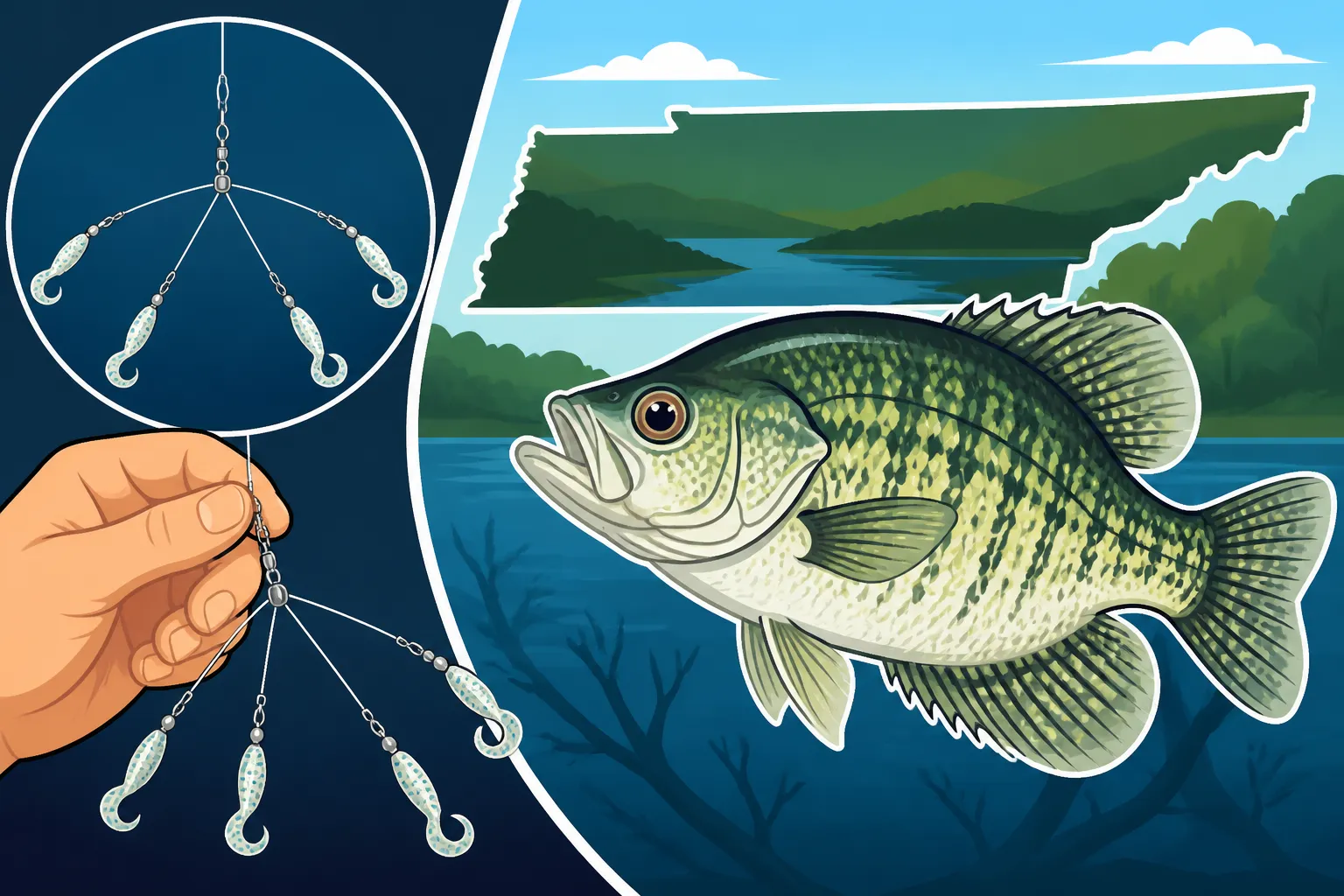
The magic of spider rigging often lies in the variety of rigs and baits you can present. Most anglers use a double-jig rig, with two jigs tied at different intervals along the main line, often 12-18 inches apart. This allows you to fish two different depths with one rod, or present two different colors or types of bait. Common jig head weights range from 1/32 oz to 1/8 oz, depending on depth and current.
- Live Minnows: The classic crappie bait. Hooked lightly through the lips or dorsal fin, minnows are irresistible to hungry crappie.
- Soft Plastics: Tiny tube jigs, grubs, and curly-tail plastics in sizes from 1 inch to 2.5 inches are highly effective. Popular colors for crappie vary by water clarity and time of year, but chartreuse, white, pink, and black/chartreuse are always good starting points. For spring fishing, consider what are the Best Jig Colors for Spring Crappie.
- Jig/Minnow Combo: A fantastic presentation that combines the visual appeal of a plastic jig with the natural scent and action of a live minnow.
Don't be afraid to mix and match. On one rod, you might have two chartreuse tube jigs. On another, a live minnow on the bottom hook and a pink grub on the top. This experimentation is crucial to finding what the crappie want that day.
Boat Setup and Accessories: Making Your Life Easier
The boat setup is where spider rigging really starts to come together. The most critical accessory is a good set of rod holders. These aren't just any rod holders; they're heavy-duty, multi-directional holders designed to securely hold your long rods while withstanding the pull of a fighting fish. Often, you'll see units that can hold three or four rods fanned out from the front of the boat. Companies like Driftmaster or Tite-Lok offer robust options. Again, a quick search on Amazon will show you many popular choices for crappie specific rod holders.
A trolling motor is essential for propulsion. A bow-mounted electric trolling motor with GPS Spot-Lock capabilities (like a Minn Kota Ultrex or a Garmin Force) is a game-changer. It allows you to maintain a consistent speed and direction, even in windy conditions, freeing up your hands to manage rods.
Finally, a quality fish finder with side imaging and down imaging is incredibly valuable. This allows you to identify submerged brush piles, creek channels, ledges, and schools of crappie. Knowing where the fish are makes your spider rigging infinitely more effective. If you're new to these electronics, a guide like Do You Need a Fish Finder for Crappie Fishing in Tennessee can be incredibly helpful.
Here's a quick overview of common spider rigging components:
| Component | Typical Specs | Purpose |
|---|---|---|
| Rods | 10-16 ft, light tip, moderate action | Spreading baits, sensitive bite detection |
| Reels | Spinning (1000-2000 series) | Light, reliable line retrieval |
| Line | 6-10 lb Monofilament | Forgiving stretch, less tangling, natural bait action |
| Jig Heads | 1/32 – 1/8 oz | Weight for depth, color presentation |
| Baits | Live minnows, 1-2.5" plastics | Attracting crappie, offering variety |
| Rod Holders | Multi-directional, heavy-duty | Securely holding multiple rods, spreading lines |
| Trolling Motor | Bow-mount electric (GPS preferred) | Precise speed/direction control |
| Fish Finder | Side/Down Imaging | Locating structure, bait, and crappie schools |
| Drift Socks (Optional) | Various sizes | Slowing boat speed, maintaining precise drift in wind |
Mastering the Technique: Spider Rigging Strategies on Tennessee Waters
You’ve got your gear ready, now it’s time to put it to use on Tennessee’s beautiful crappie lakes. The real art of spider rigging comes down to a few key strategies: finding the fish, controlling your boat, and adapting to the conditions.
Locating Crappie: Where to Start Your Search
Finding crappie is the first, and arguably most important, step. In Tennessee, crappie love structure. This could be anything from flooded timber, submerged brush piles, creek channels, old roadbeds, or even just subtle depth changes along a contour line. Your fish finder is your best friend here. Use your side imaging to scan wide areas for brush piles or schools of baitfish, which often indicate crappie nearby. Once you spot something promising, switch to down imaging to get a clearer picture of the depth and density of the structure.
For example, on Watts Bar Lake or Chickamauga Lake, crappie often relate to the river channel drops or main lake humps. On Norris Lake, they might be deeper, relating to rocky points or submerged cedar trees. Start by looking at historical maps or fishing apps that show old creek beds and timber lines. Crappie will often stage on the edges of these features, particularly during the pre-spawn and post-spawn periods. For specific crappie hotspots, check out our guide on Tennessee's Best Crappie Lakes.
Boat Control and Speed: The Key to Presentation
Once you’ve identified a likely area, precise boat control is paramount. The goal is to move slowly enough to allow your baits to sink to the desired depth and present them naturally, but fast enough to cover ground and trigger reaction strikes. Most spider rigging speeds are incredibly slow, often between 0.5 to 1.5 miles per hour. This is where a good electric trolling motor shines.
Use your trolling motor to keep your boat moving in a straight line or along a contour. If you have GPS Spot-Lock, you can even "anchor" yourself over a productive spot and let the current or wind present your baits. In windy conditions, drift socks can be invaluable for slowing your boat down and stabilizing your drift, preventing your boat from being pushed too quickly or spun around. Don't be afraid to experiment with S-curves or gentle turns; sometimes these changes in direction can cause your baits to swing, triggering a bite from a hesitant crappie.
Depth Management and Bite Detection
Managing the depth of your baits is crucial because crappie often hold to a very specific depth, sometimes within just a few feet. As you troll, pay close attention to your fish finder to see what depth the crappie are holding at, or where the top of a brush pile is. Then, adjust the amount of line you let out on each rod to position your baits just above or right within that strike zone. Remember, crappie typically feed upwards, so having your bait slightly above them is often more effective than below.
Bite detection in spider rigging is subtle but rewarding. Since your rods are long and sensitive, a crappie bite will often manifest as a slight dip or twitch of the rod tip. It won't always be a dramatic yank, so constant vigilance is key. When you see that tell-tale twitch, gently sweep the rod to set the hook. Sometimes, if you're pulling a heavier jig, you might feel a slight weight or resistance instead of a distinct tap. Pay attention to the nuanced behaviors of your rod tips, and you'll be surprised how quickly you learn to differentiate a bite from a snag or a weed.
Adapting to Conditions: Wind, Current, and Water Temperature
Crappie fishing, like all fishing, is heavily influenced by environmental conditions.
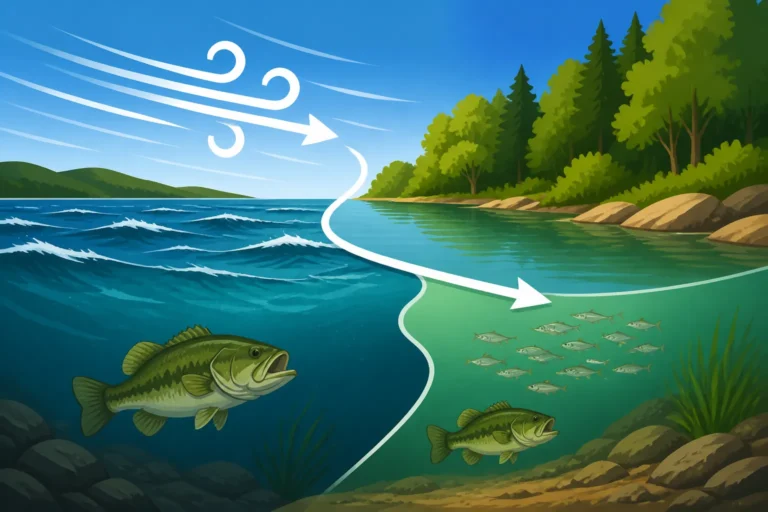
- Wind: Strong winds can make boat control difficult. Use drift socks to slow down and stabilize your boat. On extremely windy days, it might be better to find protected coves or switch to a different technique.
- Current: In river systems like the Tennessee River or Cumberland River, current can play a significant role. Troll with or against the current, or sometimes perpendicular to it, depending on how the crappie are positioned. Heavier jigs might be needed to maintain depth in stronger currents.
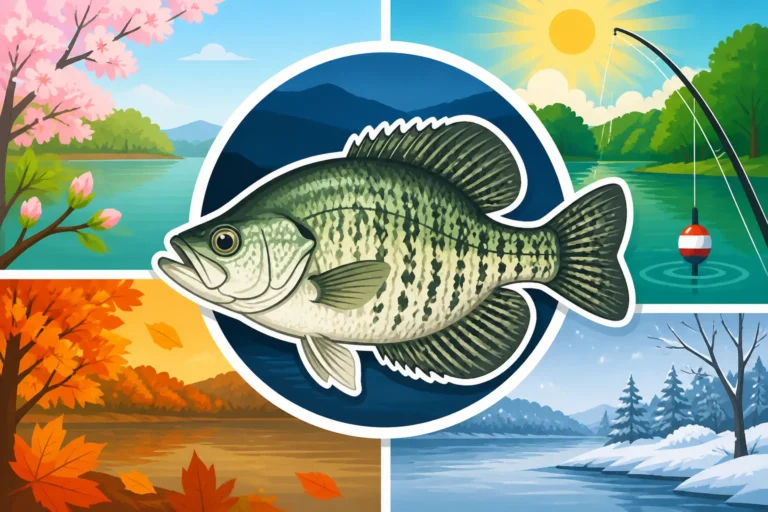
- Water Temperature: This is a major factor throughout the year. In spring, as water temperatures rise, crappie move shallower for the spawn. During summer, they typically retreat to deeper, cooler water. In fall, they might be more scattered as baitfish move, and in winter, they often school tightly in deep holes or channels. Understanding these seasonal patterns, as detailed in our Tennessee Trout Fishing Season Explained and especially Spring Crappie Spawn Timing in Tennessee, is vital for success. Knowing How to Find Crappie in Summer or How to Catch Crappie in Cold Water will directly impact your spider rigging strategy.
Troubleshooting and Advanced Tips for Tennessee Anglers
Even experienced spider riggers run into challenges. Knowing how to troubleshoot common issues and apply some advanced strategies can significantly improve your success rate on Tennessee waters.
Dealing with Snags and Tangled Lines
One of the most common frustrations with spider rigging is snags and tangled lines. With so many lines in the water, it's almost inevitable! Prevention is the best medicine here.
- Know Your Bottom: Use your fish finder constantly. If you're seeing a lot of structure on the bottom that you can't troll over cleanly, adjust your depth or course.
- Vary Depths: Don't run all your baits at the exact same depth. Stagger them slightly so if one snags, the others might avoid it.
- Rod Spacing: Ensure your rod holders are spread out as much as possible to give each line its own "lane."
- Line Check: Before deploying, check your lines for frays or twists. A weak spot can lead to a break-off and a tangled mess if the line goes adrift.
When a snag happens, the first thing is not to panic. Often, by slowly backing up your boat in the opposite direction you were trolling, you can free the jig. If that doesn't work, slowly motor towards the snag. Sometimes, a gentle jigging motion on the rod can pop it free. If it's a hard snag, it's usually better to break off cleanly and re-tie than to risk damaging your rod or reel. This is where having plenty of spare jigs and pre-tied leaders can save you a lot of time and frustration.
Reading Your Electronics for Optimal Results
Your fish finder is more than just a depth sounder; it's your window into the underwater world. To get the most out of it while spider rigging:
- Interpret Arches/Blobs: Learn to distinguish crappie from other fish species. Crappie often show up as smaller, denser arches or tight schools, sometimes suspending off the bottom or around structure.
- Identify Baitfish: Crappie will be where the baitfish are. Look for large clouds of bait on your sonar.
- Structure Interpretation: Side imaging is excellent for scanning wide areas for brush piles, stumps, or old creek beds. Once you locate something, use down imaging to get a detailed view of its height and density. This helps you position your baits accurately just above the cover.
- Thermoclines: In deeper reservoirs during summer, a distinct thermocline can form. Crappie will often be found just above or within this cooler, oxygenated layer. Your fish finder can help you identify this boundary.
Continually monitor your screen and correlate what you see with where you're getting bites. If you're consistently catching crappie at 15 feet over a brush pile that shows up clearly on your screen, that's valuable information to replicate.
Spider Rigging in Different Tennessee Seasons
Tennessee's seasons drastically change crappie behavior, and thus, your spider rigging strategy.
- Spring Spawn: This is prime time! As water temperatures climb into the 50s and 60s, crappie move into shallower coves, creeks, and flats to spawn. You'll still use spider rigging, but you'll be focusing on depths of 5-15 feet, often trolling along creek channels leading into spawning areas or over submerged cover in flats. Look for the Norris Lake Tennessee Crappie Spawn Timing in Spring to get an idea of when to hit the water.
- Summer Deep Water: When the heat hits, crappie retreat to deeper, cooler water. Target main lake points, deep creek channels, river ledges, and submerged timber, often at depths of 15-30 feet or more. Your spider rig becomes critical for effectively presenting baits at these deeper levels.
- Fall Transition: As water temperatures drop, crappie can become more scattered, following schools of baitfish. They might be found shallower in the mornings and evenings, then moving deeper during the day. This is a great time to cover lots of water with your spider rig, searching for active schools.
- Winter Holes: Crappie often congregate in large schools in deep holes, river channels, or around significant submerged structure during the coldest months. Your fish finder is essential to locate these schools, and then you can effectively present multiple baits directly into them using your spider rig. Patience is key, as bites can be subtle in cold water.
Remember, the flexibility of spider rigging allows you to adapt to these changes by simply adjusting your trolling speed, bait depths, and the types of baits you're presenting. It's truly a year-round crappie catching machine if you understand the nuances.
Disclaimer
Fishing involves inherent risks. Always prioritize safety, wear appropriate personal flotation devices, and be aware of weather conditions. Consult the Tennessee Wildlife Resources Agency (TWRA) for the latest regulations, licensing requirements, and specific lake rules before heading out on the water. This guide is for informational purposes only and does not guarantee fishing success.