Best Tackle for Tennessee Crappie Fishing
There's nothing quite like the thrill of feeling that gentle tap from a crappie, especially when you've honed your setup to perfection. But let's be honest, walking into a tackle shop or browsing online can be overwhelming with countless options, making it hard to know what truly works for Tennessee's diverse crappie waters. This comprehensive guide is here to cut through the confusion and help you select the best tackle to increase your crappie catch rates, no matter where you're casting in the Volunteer State.
Understanding Crappie Behavior in Tennessee
Before we even think about rods and reels, it's crucial to get inside a crappie's head a little. Crappie aren't just one-trick ponies; their behavior changes dramatically throughout the year and depending on where they live. Knowing this will directly inform your tackle choices, helping you present your bait in just the right way to trigger a bite.
Seasonal Movements and Depths
Crappie are masters of adaptation, constantly moving to find comfortable temperatures and abundant food. In early spring, as water temperatures start to climb into the 50s Fahrenheit, crappie begin to migrate from deeper wintering holes towards shallower spawning grounds. This pre-spawn period is a fantastic time to target them, often finding them staging in 8-15 feet of water near submerged cover like brush piles, standing timber, or old creek channels. They're looking for areas that offer a quick dash to even shallower water when the spawn truly kicks off.
During the actual spawn, which typically happens when water temperatures hit the low 60s, crappie will move right into the shallows, sometimes as little as 1-3 feet deep. They'll be nestled among lily pads, cattails, or fallen trees, creating nests. Post-spawn, they'll gradually retreat to slightly deeper water, often suspending over structure or moving to the edges of flats. As summer progresses, crappie typically head to deeper, cooler water, often suspending in 15-30 feet over main lake channels, humps, or deep brush piles, making them harder to find without electronics. Fall brings another transition, as they once again move shallower to feed aggressively before winter, often found around the same types of cover they used in spring. Spring Crappie Spawn Timing in Tennessee is a great resource to dive deeper into those key spring movements.
Forage and Feeding Habits
Crappie are primarily sight feeders, which means lure color and action can be incredibly important. Their diet consists mostly of smaller baitfish like shad, minnows, and small sunfish, as well as insects and crustaceans. This preference for smaller prey is why crappie jigs are so effective – they mimic these tiny forage species perfectly. When crappie are actively feeding, they're often found ambushing prey from cover. They don't typically chase lures over long distances like a bass might; instead, they prefer a slower, more deliberate presentation that allows them to move in for the strike.
Understanding their feeding habits also explains why live minnows are such a deadly crappie bait. A live minnow offers an irresistible combination of natural scent, subtle movement, and realistic appearance that artificial lures try to replicate. When crappie are less active, perhaps due to a cold front or during the heat of summer, presenting a slow-moving live bait often outperforms even the most perfectly presented jig. They are also known to suspend in schools, particularly in open water reservoirs, which is where technologies like side imaging can really shine in locating them.
Rod and Reel Setups for Crappie
Having the right rod and reel is foundational to effective crappie fishing. The delicate bite of a crappie, especially in deep water or when they're finicky, demands a sensitive setup that allows you to feel even the lightest strike. There's a balance to strike between sensitivity, casting distance, and the ability to handle larger slabs.
Rod Length, Action, and Power
For crappie fishing, light to ultralight rods are almost always the way to go. The power of a rod refers to its lifting strength (e.g., ultralight, light, medium), while action describes where the rod bends (e.g., fast, moderate, slow). For crappie, an ultralight or light power rod with a fast to moderate-fast action is ideal.
A fast action rod bends mostly in the tip, offering maximum sensitivity to detect those subtle bites and quick hook sets. This is fantastic for jig fishing where you're actively working the lure. If you prefer using bobbers or spider rigging with multiple rods, a moderate-fast or even moderate action rod might be more forgiving, as it bends further down the blank, absorbing some of the fish's fight and making it harder for hooks to tear out of their papery mouths. Rods typically range from 5 to 7 feet for single-pole jigging and up to 10-16 feet for spider rigging from a boat. For a deeper dive into rod choices, check out Best Rod Length Works Best for Tennessee Crappie Fishing?. Many anglers find excellent crappie rods at Bass Pro Shops, with brands like BnM and Lew's offering dedicated crappie series.
Reel Types and Line Choices
Spinning reels are overwhelmingly the most popular choice for crappie fishing, and for good reason. They are easy to use, excel at casting light lures, and offer smooth drag systems that are crucial for fighting crappie on light line. A small, ultralight spinning reel (typically a 500 or 1000 size) balances perfectly with a crappie rod. Look for reels with a smooth, consistent drag, as crappie have delicate mouths that can easily tear if the drag is sticky or too tight.
When it comes to fishing line, light is right for crappie. Monofilament line in 4 to 6-pound test is a classic choice due to its stretch (which acts as a shock absorber) and good knot strength. Fluorocarbon line in similar weights offers less stretch, excellent sensitivity, and is nearly invisible underwater, making it a favorite for clear water and finicky fish. Braided line can also be used, typically 6-10 pound test, offering incredible sensitivity and strength, but its lack of stretch means you'll need to be extra careful with your drag and rod action to avoid tearing hooks out. Some anglers use a braided main line with a fluorocarbon leader for the best of both worlds. Regardless of your choice, ensure it's a quality line that won't easily fray, as crappie often hold around abrasive cover.
| Component | Recommendation | Why It Works for Crappie |
|---|---|---|
| Rod Power | Ultralight to Light | Maximizes sensitivity for light bites, handles smaller jigs. |
| Rod Action | Fast to Moderate-Fast | Fast action for quick hooksets and jig feel; moderate-fast for versatility. |
| Rod Length (Jigging) | 5' to 7' | Maneuverability, precise casting, good balance. |
| Rod Length (Spider Rigging) | 10' to 16' | Spreads multiple lines, covers more water. |
| Reel Size | 500 or 1000 Spinning | Balances ultralight rods, smooth drag for light lines. |
| Line Type | Monofilament, Fluorocarbon, or Braid (with leader) | Mono for stretch/forgiveness; Fluoro for sensitivity/invisibility; Braid for ultimate sensitivity. |
| Line Test | 4-6 lb | Minimal visibility, allows lures to run naturally, delicate presentation. |
Essential Lures and Baits
Now for the exciting part: what to tie on! Crappie will hit a wide variety of offerings, but some stand head and shoulders above the rest. Matching the hatch and understanding what the fish want on any given day is the key to consistent success.
Jigs: Types, Sizes, and Colors
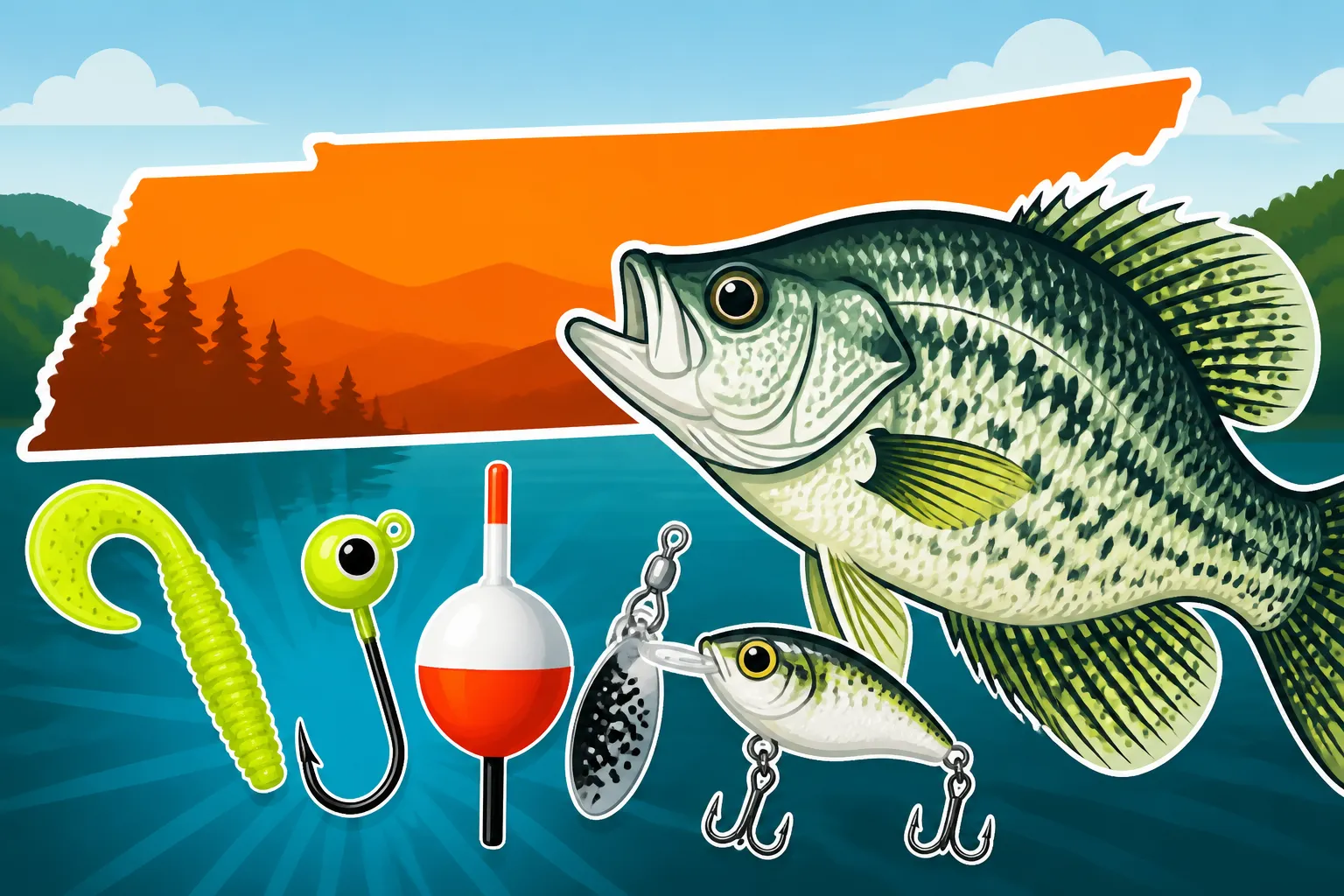
Jigs are the undisputed king of crappie lures, and for good reason. They are versatile, effective, and come in an endless array of styles. Crappie jigs typically range from 1/32 ounce to 1/8 ounce, with 1/16 ounce being a highly popular all-around choice. Lighter jigs (1/32 or 1/64 ounce) are perfect for shallow, clear water or when crappie are extremely finicky, allowing for a slower fall and more natural presentation. Heavier jigs (1/8 ounce) are better for deeper water, windy conditions, or when you need to get down quickly.
The body of a crappie jig can be made of hair, feathers, or soft plastic. Soft plastic bodies come in countless shapes: tube jigs, grub tails, minnow profiles, and spider imitations are just a few. Each offers a different action and profile in the water. Color is also critical and can change daily. Popular colors include chartreuse, white, black, pink, and various combinations (like black/chartreuse or pink/white). It's always a good idea to have a variety of colors on hand, experimenting until you find what the crappie prefer. Best Crappie Jigs for Lake Fishing offers more specific recommendations, and you can find a huge selection of all these jig types on Amazon. When the crappie are schooling, the technique of How to Jig for Crappie becomes invaluable.
Live Bait and Soft Plastics
While jigs are fantastic, sometimes nothing beats the real thing. Live minnows are a crappie magnet and often outperform artificials, especially when fish are lethargic or in deeper water. Hook them lightly through the lips or just behind the dorsal fin, allowing them to swim naturally. You can fish them under a bobber in shallower water or tightline them vertically in deeper schools. Having a small aerated bait bucket is essential to keep your minnows lively.
Soft plastic baits designed to imitate minnows or small worms are also incredibly effective. These are often rigged on a jig head and fished with a slow retrieve or gentle jigging motion. Brands like Bobby Garland, Strike King, and Mister Twister offer a vast selection of crappie-specific soft plastics that can be incredibly lifelike and enticing. Combining a soft plastic grub on a light jig head is a staple for many successful crappie anglers, offering a consistent action that triggers strikes. Remember to check local regulations; Crappie Limits Under Tennessee Fishing Rules specifies how many you can keep and any size restrictions.
Terminal Tackle and Accessories
The smaller components of your crappie tackle often go overlooked, but they are just as crucial as your rod and reel. Having the right hooks, weights, and tools can make a huge difference in your efficiency and success on the water.
Hooks, Sinkers, and Floats
Choosing the right hook is paramount for crappie's delicate mouths. Aberdeen hooks, with their thin wire and wide gap, are a favorite for live bait presentations. They are less likely to tear the crappie's mouth and will often straighten out when snagged, allowing you to retrieve your line. Sizes typically range from #2 to #8, depending on the size of your minnow and the crappie you're targeting. Jig heads already have hooks, but when using live bait, these thin-wire Aberdeen hooks are ideal.
Sinkers (or weights) are used to get your bait down to the desired depth. Split shot weights are common for shallow water or when you need minimal weight. For deeper water or to fish multiple lines at specific depths (like in spider rigging), bell sinkers or pencil weights are often preferred. The weight you choose will depend on depth, current, and the natural fall rate you want for your bait.
Floats (or bobbers) are essential for suspending your bait at a precise depth and indicating bites. Slip bobbers are incredibly versatile, allowing you to fish at any depth by simply adjusting a small bobber stop on your line. Traditional clip-on bobbers work well for shallower presentations. Look for sensitive floats that offer minimal resistance to a biting crappie. The subtle dip of a sensitive bobber can be the only indication you have of a crappie tasting your bait.
Crappie-Specific Tools and Storage
Beyond the basics, a few specific tools can greatly enhance your crappie fishing experience. A good pair of long-nosed pliers or hemostats is invaluable for removing hooks from a crappie's mouth, especially when they've swallowed the bait. Crappie often take the hook deep, and protecting their delicate mouths for release is important, especially if you're not keeping every fish. A small measuring board is also useful to ensure your catch meets minimum size requirements, if any are in place for the body of water you're fishing.
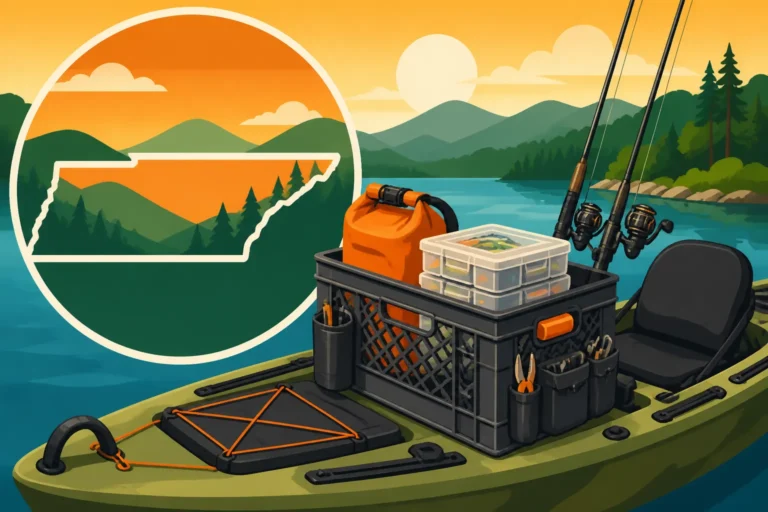
For organizing your jigs, soft plastics, and other terminal tackle, a compact tackle box with multiple small compartments is a must-have. Companies like Plano and Flambeau offer excellent tackle storage solutions designed for smaller baits. Keeping your jigs neatly organized by size and color will save you a lot of frustration on the water. A small bait cooler with an aerator will keep your live minnows lively, while a fish basket or livewell is ideal for keeping your catch fresh until you're ready to clean them. Consider checking out Tackle Box Setup for Crappie Fishing for more detailed organization tips. You can find many of these specialized crappie tools and storage solutions at Bass Pro Shops or through online retailers like Amazon.
Adapting Your Tackle to Different Tennessee Waters
Tennessee is a state of incredible aquatic diversity, from sprawling reservoirs to winding rivers and quiet farm ponds. The crappie tackle that excels on one body of water might not be the most efficient choice for another. Being able to adapt your setup to the specific environment you're fishing is a hallmark of a successful angler.
Reservoir vs. River vs. Pond Fishing
Reservoir Fishing: Tennessee's large reservoirs like Kentucky Lake, Chickamauga, and Percy Priest Lake are crappie havens. Here, crappie often suspend in open water over deep channels or congregate around massive brush piles and standing timber. For this type of fishing, having a boat with good electronics (like a fish finder) becomes extremely beneficial. Spider rigging with multiple long rods (10-16 feet) loaded with 1/16 to 1/8-ounce jigs or live minnows is a popular and highly effective technique to cover large areas and present baits at varying depths. Vertical jigging directly over schools spotted on your electronics is also very productive. For insights on finding these hotspots, read up on Best Crappie Fishing Lakes in Tennessee.
River Fishing: While crappie prefer calmer waters, you can find them in slower-moving sections of rivers or in oxbows and backwaters. The current in rivers dictates slightly heavier jigs (1/8 ounce or more) to ensure your bait gets down and stays in the strike zone. You might also find yourself needing to adapt your rigging for drifting techniques if there's a gentle current. Focus on eddies, slack water behind obstructions, and submerged wood. Live minnows under a slip bobber, allowed to drift naturally, can be very effective in these environments.
Pond Fishing: Smaller ponds and impoundments can offer excellent crappie fishing, especially if they are well-managed. In these typically shallower waters, lighter tackle is often the key. A 5.5 to 6.5-foot ultralight rod with a 1/32 or 1/64-ounce jig, or a small live minnow under a fixed bobber, is usually all you need. Crappie in ponds often relate to brush, weed lines, or even docks. The water can be clearer, making line visibility more critical, so consider fluorocarbon leaders. For more information on fishing in specific areas, How to Catch Crappie From the Bank offers some great tips.
Bank vs. Boat Fishing Considerations
Bank Fishing: If you're fishing from the bank, your tackle choices will prioritize casting distance and simplicity. A 6 to 7-foot light action spinning rod is versatile enough to cast jigs, small crankbaits, or live bait rigs a good distance. You'll want to focus on areas that offer access to deeper water or cover within casting range, such as docks, bridge pilings, or points that drop off into deeper water. Small, sensitive slip bobbers are great for suspending bait at various depths without needing a boat to retrieve lines. Look for public access points at state parks or municipal lakes, which are often maintained for bank anglers.
Boat Fishing: Fishing from a boat opens up a world of possibilities for crappie anglers. You can access deep-water structure, open-water schools, and areas inaccessible from shore. As mentioned, spider rigging is a fantastic boat technique, allowing you to deploy multiple rods and cover a wide swath of water. Trolling small crankbaaits or jigs slowly can also be incredibly effective for locating schools. Vertical jigging or tightlining directly over brush piles identified on your fish finder are also prime tactics. This is where investing in a quality Do You Need a Fish Finder for Crappie Fishing in Tennessee? can truly pay off, as it allows you to pinpoint crappie schools and structure with precision. The ability to move around and stay on top of the fish is the biggest advantage of boat fishing.
Ultimately, whether you're dangling a minnow from a dock or spider rigging across a massive reservoir, selecting the right tackle for Tennessee crappie fishing involves understanding the fish, their environment, and the techniques that will put you in the best position for success.
Disclaimer
This article is for general informational purposes only and does not constitute professional advice. Laws, prices and regulations vary by location and change over time. Consult a qualified professional for guidance on your specific situation.