Do You Need a Fish Finder for Crappie Fishing in Tennessee?
If you've spent any time on Tennessee's incredible crappie waters—from the massive expanse of Kentucky Lake to the brushy coves of Percy Priest—you've probably seen fellow anglers glued to their boat electronics. It makes you wonder: are these gadgets absolutely essential, or is classic crappie fishing still king? The truth is, the question of whether you need a fish finder for crappie fishing in Tennessee isn't always straightforward. This guide is here to break down when a fish finder is a game-changer for chasing those papermouths and when it might just be an extra piece of gear gathering dust.
The Crappie Angler's Dilemma: Old School vs. New Tech
For generations, crappie anglers have relied on their instincts, local knowledge, and a keen eye for structure. They’d feel for changes in the bottom, remember that submerged brush pile from last year, or simply follow the birds. But then came the fish finder, promising to pull back the curtain on the underwater world. This has created a bit of a friendly debate among us Tennessee anglers: is it truly a necessity, or just a fancy gadget?
What is a Fish Finder, Anyway?
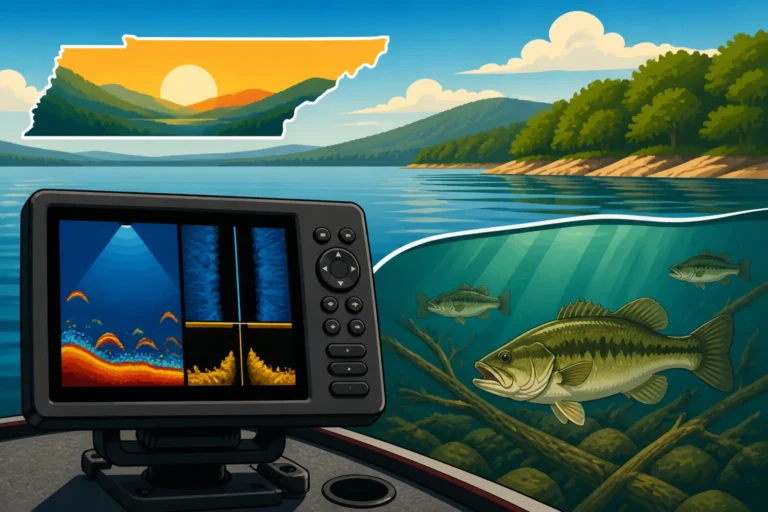
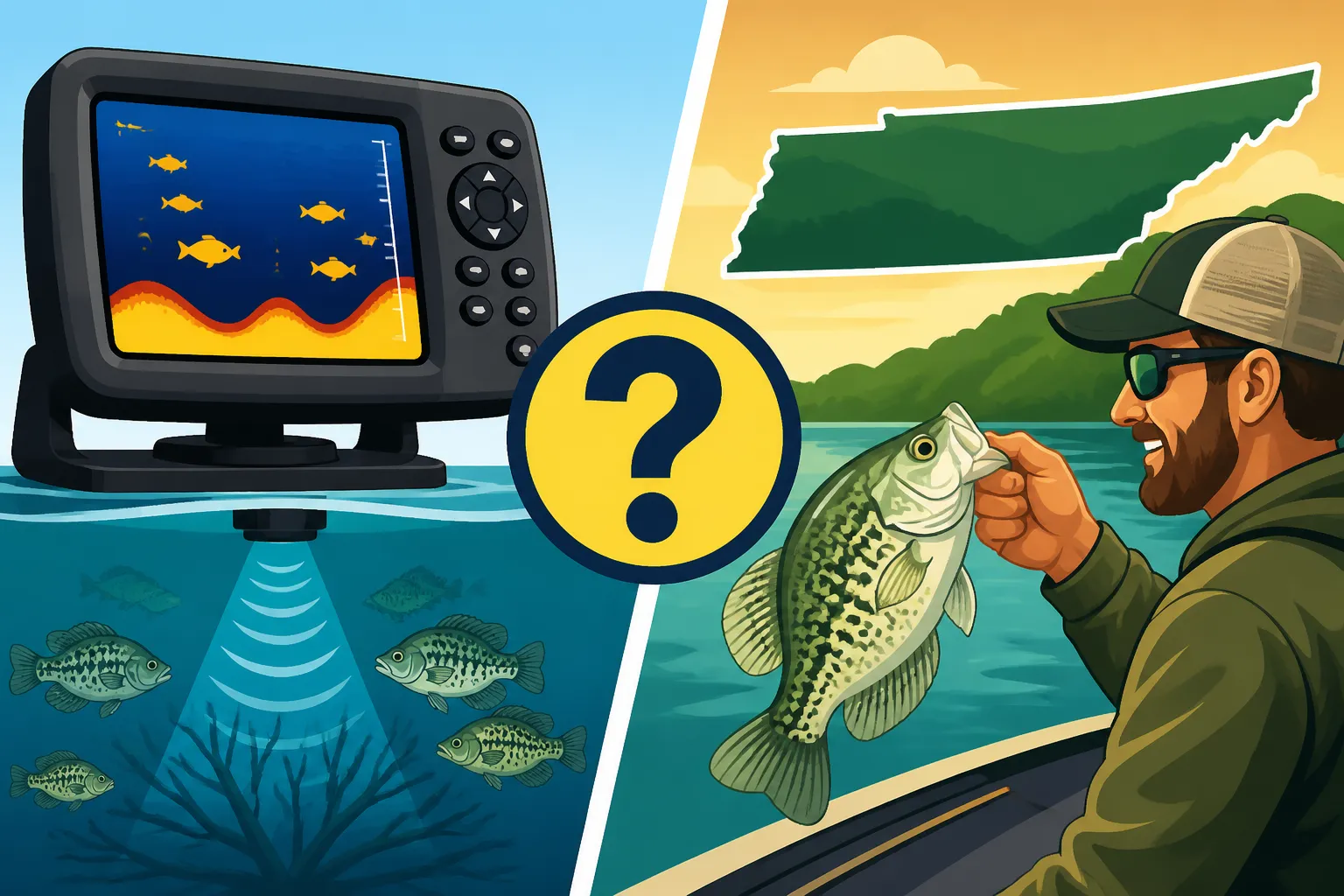
At its core, a fish finder is a sonar device. It sends sound waves from a transducer (usually mounted on your boat's transom or trolling motor) down into the water. When these sound waves hit something—like the lakebed, a tree, a rock, or even a fish—they bounce back to the transducer. The unit then interprets these echoes and displays them on a screen, painting a picture of what's beneath your boat. Basic models show depth and hard bottom; more advanced units offer detailed images of structure and individual fish.
For crappie, this technology seems tailor-made. Crappie are notorious structure-huggers and tend to school up tightly. Being able to "see" these schools and the cover they relate to could theoretically give you a huge advantage. Imagine cruising over a flat and suddenly seeing a Christmas tree-sized brush pile packed with fish – that's the dream, right?
Why Crappie Fishing Feels Different
Crappie fishing isn't like casting for bass along a weed line. These fish often suspend at specific depths or relate incredibly tightly to submerged cover. They might be in 20 feet of water, but only feeding at 10 feet. Or they could be tucked so deep into a brush pile that you'd never know they were there without a visual aid. Their nomadic tendencies in larger reservoirs, following baitfish schools or temperature breaks, also make them challenging to pin down without some help.
Think about fishing on vast waters like Chickamauga Lake or Norris Lake; trying to find a specific brush pile or a suspended school of crappie in miles of open water is like looking for a needle in a haystack. The sheer scale of these lakes, combined with crappie's preference for precise locations, often leaves anglers scratching their heads. This is where the allure of a fish finder truly takes hold.
The Traditionalist's Argument
Now, let's not discount the wisdom of the traditional crappie angler. Many seasoned veterans can outfish those with the latest tech just by "knowing" the water. They've spent years learning the subtle nuances of a lake, understanding currents, weed growth, and seasonal patterns. They might rely on simple markers, a depth sounder from decades ago, or even just memory.
For some, fishing is about the connection to nature and the simple joy of the chase, not staring at a screen. There's a certain satisfaction in deciphering the water the old-fashioned way, feeling the changes in depth with your jig, or knowing a spot so well that you can practically predict where the fish will be. Plus, not everyone wants to spend a small fortune on electronics, especially if their fishing adventures are more about relaxation than record-breaking catches. A classic cane pole and a bucket of minnows have put plenty of slabs in the cooler over the years, proving that technology isn't always the sole path to success.
How a Fish Finder Can Revolutionize Your Crappie Game in Tennessee
Alright, let's get real. While traditional methods have their charm, a modern fish finder, especially one with advanced imaging, can absolutely transform your crappie fishing experience on Tennessee's diverse waters. It's like having x-ray vision into the underwater world.
Locating Hidden Structure and Schools
Crappie are magnets for structure. Submerged timber, brush piles, old roadbeds, creek channels, docks, and bridge pilings are all prime real estate for these schooling fish. The problem? Most of this stuff is invisible from the surface. Without a fish finder, you're essentially blind, relying on guesswork or previous knowledge.
With a good fish finder, especially one with side-imaging or down-imaging, you can actively scan vast areas and pinpoint these crappie hotels. You can literally see the individual branches of a sunken tree and often, the little white "dots" or "arches" that represent fish holding tight to it. This allows you to quickly eliminate unproductive water and focus your efforts where the fish actually are. Imagine spending less time trolling aimlessly and more time dropping your jig directly into a school of fish. It's a huge time-saver and morale booster. On popular lakes with extensive crappie habitat like Reelfoot Lake or Kentucky Lake, covering water efficiently with a fish finder can make all the difference. Knowing where to fish is half the battle, and a fish finder gives you that intel. Always remember to check Crappie Limits Under Tennessee Fishing Rules before you start filling your livewell.
Understanding Depth and Water Temperature
Crappie are incredibly sensitive to depth and water temperature. During different seasons, they'll hold at varying depths, often following specific temperature bands that contain their preferred baitfish. In the heat of summer, they might suspend in deeper, cooler water. In spring, they'll move shallower to spawn. Knowing the precise depth of the thermocline (where warm and cold water layers meet) or simply the water temperature at different depths can tell you exactly where to present your bait.
Most modern fish finders provide real-time water temperature readings, and the sonar display itself shows you the depth of structure and fish. This isn't just a nice-to-have; it's critical information. If you're fishing a spot where crappie should be, but your fish finder shows the water temperature or depth isn't right for the season, you know to move on. This immediate feedback helps you dial in patterns much faster. Understanding How Water Temperature Affects Fish Activity is paramount, and a fish finder is your best friend for gathering that data directly.
Real-Time Feedback and Pattern Recognition
One of the most powerful advantages of a fish finder is the real-time feedback it provides. You can see your jig or bait descending, watch it interact with the structure, and most importantly, observe how fish react to it. Are they moving towards it? Ignoring it? Spooking away? This visual information allows you to make instant adjustments.
Perhaps you realize your jig is falling too fast, or too slow. Maybe the fish are holding just above the brush pile, not in it. Or maybe, when you present a certain color jig, you see more fish moving in. This kind of immediate, visible feedback helps you develop patterns quickly. You might discover that crappie on Center Hill Lake respond best to a particular presentation at 15 feet when they're holding on submerged timber, and your fish finder helps you confirm that pattern. This dynamic interaction between angler, bait, and fish, all viewed on screen, accelerates your learning curve and makes you a much more efficient angler. Whether you're experimenting with different depths or trying out new jig colors, like those suggested in Best Jig Colors for Spring Crappie, the fish finder gives you instant validation or correction.
When a Fish Finder Might Be Overkill (Or Simply Not Necessary)
While the benefits are clear, it's equally important to acknowledge that a fish finder isn't always the magic bullet, nor is it a requirement for every type of crappie angler in Tennessee. There are plenty of scenarios where you might be perfectly successful without one, or where its utility is greatly diminished.
Bank Anglers and Shallow Water Fishing
If your preferred crappie fishing style involves tossing a minnow under a bobber from the bank of a small pond or a shallow creek, a high-end fish finder with side-imaging is probably overkill. In these situations, your eyes and local knowledge are far more valuable tools. You can often see submerged logs, docks, or weed lines that attract crappie. You're observing surface activity, feeling the bottom with your jig, and exploring visible cover.
For these bank-bound adventures, focusing on accessible areas like public fishing piers, state park ponds, or small community lakes will yield better results than trying to interpret a sonar screen that's meant for deeper, open water. Sometimes, the simplest approach is the best. If you're primarily a bank angler, check out resources like How to Catch Crappie From the Bank for tips that don't involve fancy electronics. Your money might be better spent on a comfortable chair, a good tackle box, or a variety of baits.
Familiar Waters and Local Knowledge
Let's be honest: if you've been fishing the same section of Watts Bar Lake for 20 years, you probably know every brush pile, every stump, and every subtle depth change by heart. Your internal map is likely more accurate and comprehensive than any digital one. In familiar waters, where you have years of accumulated knowledge and successful spots marked in your mind, a fish finder might not add much to your existing arsenal.
Many anglers who grew up fishing the same stretch of the Tennessee River have an intuitive understanding of where the crappie will be, depending on the season and conditions. They've already put in the time and effort to learn the water, often passing down this wisdom through generations. For them, a fish finder might be a fun addition, but certainly not a necessity. If you're lucky enough to have such intimate knowledge of places listed in Best Crappie Fishing Lakes in Tennessee, you're already ahead of the game.
Budget Constraints and Simplicity
Let's not shy away from the practical side of things: fish finders, especially those with advanced features like side imaging and GPS mapping, can be a significant investment. For many casual anglers or those on a tighter budget, that money might be better allocated to other essential gear, gas for the boat, or even just more bait. It's easy to get caught up in the "must-have" mentality, but fishing should be enjoyable and accessible, not an expensive arms race.
For those who value simplicity or are just starting out, mastering basic crappie techniques with minimal gear can be incredibly rewarding. There are plenty of fantastic fishing memories made with a simple spinning rod, a handful of jigs, and a keen sense of observation. Not every angler wants to navigate complex menus or spend time learning new technology. Sometimes, the joy is in the pure act of fishing, uncluttered by screens and wires. You can still find great deals on reliable fishing equipment, even without splurging on electronics. For instance, reputable outdoor retailers like Bass Pro Shops and online giants like Amazon offer a wide range of gear at various price points, ensuring you can get out on the water without breaking the bank.
Choosing the Right Fish Finder for Crappie Fishing
Okay, so you've weighed the pros and cons, and you're leaning towards upgrading your crappie game with some electronics. Excellent! But with so many options out there, how do you choose? It can feel overwhelming, but focusing on a few key features and understanding the types available will help you narrow it down.
Features to Look For
When specifically targeting crappie, certain features on a fish finder become incredibly valuable:
- Down Imaging/DownScan: This provides a photo-like view directly beneath your boat, making it incredibly easy to identify submerged trees, brush piles, and even individual fish nestled within them. For crappie, which often relate tightly to vertical structure, this is a game-changer.
- Side Imaging/SideScan: This feature allows you to scan wide areas to the left and right of your boat, revealing structure and fish that you might otherwise cruise right past. Imagine being able to see a brush pile 50 feet off to your side without driving directly over it. For finding those scattered crappie hangouts on a large reservoir, it's invaluable.
- High-Frequency Transducer: Higher frequencies (like 200kHz or CHIRP) offer better target separation, meaning you can distinguish individual fish within a school or pick them out from dense cover. This is crucial for crappie, as they often school tightly.
- GPS and Mapping: While not directly a "fish finding" feature, integrated GPS and detailed mapping allow you to mark waypoints for productive brush piles, follow contour lines, and navigate back to your hot spots with precision. This is especially useful on large, complex lakes.
- Screen Size and Resolution: A larger screen with higher resolution makes it much easier to interpret the detailed images from down and side imaging. Squinting at a tiny, pixelated screen isn't fun, especially after a long day on the water.
When you're looking at options, consider what kind of fishing you do most. Are you How to Spider Rig for Crappie? Then a wider side-imaging view might be more beneficial. Are you vertical jigging small pockets? Then a crisp down-imaging view is key.
Types of Fish Finders
Fish finders come in various configurations, each suited to different fishing styles and budgets:
- Portable Units: These are often smaller, battery-powered, and can be mounted temporarily on a kayak, jon boat, or even used for ice fishing. They're great for anglers who don't have a permanent boat or who fish from different vessels. Many offer basic 2D sonar and sometimes even down imaging. If you're a kayak angler, exploring options like those reviewed in Best Kayak Fish Finders for Anglers would be a smart move.
- Console-Mounted Units: These are what you typically see on larger bass boats or crappie rigs. They offer the largest screens, most advanced features, and are permanently installed. They often integrate with trolling motors and other boat electronics.
- Bow-Mounted Units: Often paired with a console unit, a fish finder mounted on the bow (usually at the trolling motor) allows you to see what's directly in front of and under your boat as you maneuver, giving you a real-time view of crappie and structure as you approach.
Making the Investment Decision
Ultimately, the decision to invest in a fish finder for crappie fishing in Tennessee comes down to your personal fishing goals, budget, and the type of waters you frequent.
Consider these questions:
- How often do you fish? If you're out every weekend, the investment will likely pay off quickly in terms of efficiency and success.
- What kind of water do you fish? Large, deep reservoirs like Barkley Lake or Kentucky Lake will offer more utility for a fish finder than a small, shallow farm pond.
- Are you comfortable with technology? Modern fish finders have learning curves. Are you willing to spend time learning how to use it effectively?
- What's your budget? Basic units can be relatively inexpensive, while top-tier models can cost hundreds or even thousands. You can find a good range of options, from entry-level to professional, at outdoor stores like Bass Pro Shops or through online retailers like Amazon. Compare features and read reviews to find the best fit for your needs.
For many serious crappie anglers, especially those targeting them in Tennessee's vast reservoirs and rivers, a fish finder, particularly one with side and down imaging, is an invaluable tool that significantly increases their chances of success. It's not about replacing traditional skills but enhancing them, giving you a clearer picture of the underwater world and allowing you to fish smarter, not just harder. With the right gear and a passion for the sport, your next crappie outing on Tennessee waters is sure to be a memorable one. Don't forget to review Tennessee Crappie Fishing Guide by Season to pair your new tech with seasonal patterns!
Disclaimer
This article is for general informational purposes only and does not constitute professional advice. Laws, prices and regulations vary by location and change over time. Consult a qualified professional for guidance on your specific situation.