Do Kayakers Need Life Jackets in Tennessee?
It’s a common scenario: you’ve invested in a sleek new kayak, maybe picked up some awesome gear, and you’re itching to hit the water on one of Tennessee’s beautiful lakes or rivers. But then that little voice in your head pipes up, asking about rules and regulations, especially the one about life jackets. Many folks assume a kayak is somehow different from a larger boat, and therefore the safety requirements might be looser. Let's clear up that confusion and make sure you're both safe and legal on the water. This guide will walk you through Tennessee's life jacket requirements for kayakers, ensuring you understand not just the letter of the law but also the spirit of safety.
The Core Rule: Yes, Kayakers Need Life Jackets in Tennessee
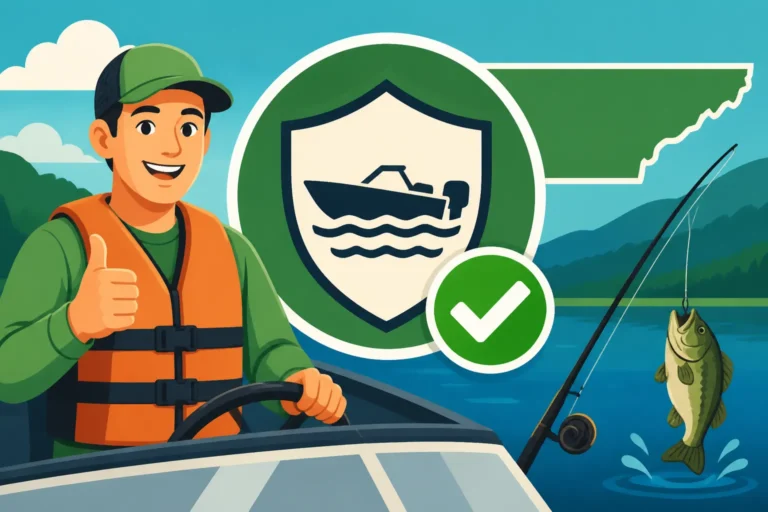
There's no beating around the bush here: if you're paddling a kayak in Tennessee, you absolutely need to have a U.S. Coast Guard-approved personal flotation device (PFD), or life jacket, with you. This isn't just a suggestion; it's a fundamental safety regulation that applies to almost all watercraft, and kayaks are certainly included in that definition. The rules are in place to protect you and everyone else enjoying Tennessee's waters, whether you're a seasoned angler or just out for a relaxing paddle.
Understanding Tennessee's Boating Safety Regulations
Tennessee's boating safety regulations, overseen by the Tennessee Wildlife Resources Agency (TWRA), are pretty comprehensive. They don't differentiate much between a large motorboat and a small kayak when it comes to fundamental safety gear like life jackets. A kayak, canoe, paddleboard, or any other type of vessel, regardless of how it's propelled, is subject to these rules. The logic is simple: if you're on the water, you need the ability to stay afloat if something unexpected happens. This includes sudden capsizes, especially if you're out on a larger lake with boat wakes or on a river with currents.
It’s easy to think of a kayak as more like a pool toy than a boat, especially when you see people casually paddling near shore. However, the TWRA considers it a vessel, and rightly so. Unexpected weather changes, submerged obstacles, or even just losing your balance can quickly turn a peaceful paddle into a perilous situation. Having that life jacket immediately accessible, or better yet, worn, can be the difference between a quick recovery and a serious emergency. Understanding these regulations is your first step toward responsible kayaking and enjoying the great outdoors safely. For more general rules, check out Tennessee Fishing Rules Every Angler Should Know.
Age Requirements for Wearing Life Jackets
While every kayaker needs a life jacket onboard, the rules about wearing it vary slightly by age, and this is where some confusion often arises. In Tennessee, children 12 years of age and under are required by law to wear a U.S. Coast Guard-approved life jacket whenever they are on the open deck or in the cockpit of any vessel, including a kayak. This rule is non-negotiable and strictly enforced. It applies whether the child is paddling or simply a passenger.
For kayakers 13 years of age and older, the requirement shifts slightly: you must have a properly fitted, USCG-approved life jacket readily accessible onboard your kayak. While you're not legally mandated to wear it at all times (unless you're on a personal watercraft like a jet ski, which is a different category), it is highly, highly recommended. The difference between having it stowed away and having it actually on your body can be crucial in an emergency. Imagine capsizing in cold water or if you're suddenly disoriented – fumbling for a stowed life jacket might be impossible. This distinction is important for adults to understand, but it shouldn't be misinterpreted as an invitation to go without. For more details on this specific topic, refer to Life Jacket Rules for Kayaks and Canoes in Tennessee.
| Age Group | Requirement | Best Practice |
|---|---|---|
| 12 years and under | Must Wear USCG-approved life jacket at all times. | Always ensure a snug, comfortable fit. |
| 13 years and older | Must Have USCG-approved life jacket readily accessible onboard. | Strongly Recommended to Wear it at all times while on the water. |
What Kind of Life Jacket Do You Need?
Just saying "life jacket" can be a bit broad, as there are several types designed for different activities and scenarios. When it comes to kayaking in Tennessee, you need a specific kind that meets regulatory standards and offers the right balance of safety and comfort for paddling. Choosing the right one isn't just about compliance; it's about maximizing your safety and enjoyment on the water.
US Coast Guard Approval is Key
The most crucial detail when selecting a life jacket for kayaking is ensuring it is U.S. Coast Guard (USCG) approved. This isn't just a label; it means the PFD has met rigorous testing standards for flotation, materials, and design. You'll typically find a stamp or tag inside the life jacket clearly stating its USCG approval. Without this approval, it doesn't count as a legal PFD in Tennessee, no matter how much flotation it seems to offer. Buying a cheap, unapproved flotation device might save you a few dollars, but it won't keep you safe or legal.
It's also important that the life jacket is in good, serviceable condition. This means no rips, tears, or excessive fading that could compromise its integrity. The straps and buckles should all be functional, and there should be no signs of waterlogging. Regularly inspect your life jacket, especially if you store it outdoors or use it frequently. A damaged or poorly maintained PFD might not provide the necessary flotation when you need it most. You can often find a great selection of USCG-approved PFDs at local outdoor retailers or online platforms like Amazon.
Types of PFDs Suitable for Kayaking
USCG-approved life jackets come in various "Types," each designed for different situations. For kayakers, Type III PFDs are generally the most popular and recommended due to their comfort and design for active use.
- Type I (Offshore) PFDs: These offer the most buoyancy and are designed for rough, open, or remote water where rescue might be delayed. They're bulky and not practical for kayaking.
- Type II (Near-Shore Buoyant Vests): These are good for calm, inland waters where a quick rescue is likely. They're less bulky than Type I but still not ideal for active paddling.
- Type III (Flotation Aids): This is often your best bet for kayaking. Type III PFDs are designed for general recreational use and are favored by kayakers, canoeists, and watersports enthusiasts because they offer good flotation while prioritizing comfort and freedom of movement. They come in various styles, including fishing-specific vests with pockets and thinner designs for paddling ergonomics. Many Type III PFDs are designed to be worn continuously, which is exactly what we recommend for kayakers.
- Type V (Special Use Devices): These are specific-use PFDs, like those integrated into work suits or inflatable vests. If you choose an inflatable Type V, remember it must be worn to count as a legal PFD and is often only approved for adults (16+) and requires regular maintenance and rearming kits. For a traditional kayak setup, a Type III is usually the most straightforward and comfortable choice.
When shopping, look for "kayak-specific" or "paddling" PFDs. These are usually Type III and feature high backs to clear kayak seats, larger armholes for unrestricted paddling, and sometimes multiple pockets for small gear. Brands like NRS, Kokatat, and even some offered at Bass Pro Shops specialize in these comfortable and functional designs. Getting the right kind of PFD ensures you're not just compliant, but genuinely comfortable and safe. For more advice on gear, check out Best Life Jackets for Tennessee Kayak Anglers.
The "Wear It" vs. "Have It Onboard" Distinction
This is where the nuances of the law meet practical safety. As mentioned, for adults (13 and older), the law in Tennessee requires you to have a USCG-approved life jacket on your kayak, readily accessible. For children 12 and under, they must wear it. But let's be realistic: "readily accessible" for an adult often means stowed under a bungee cord or in a hatch. In a sudden, unexpected capsize, reaching for that stowed PFD can be incredibly difficult, if not impossible.
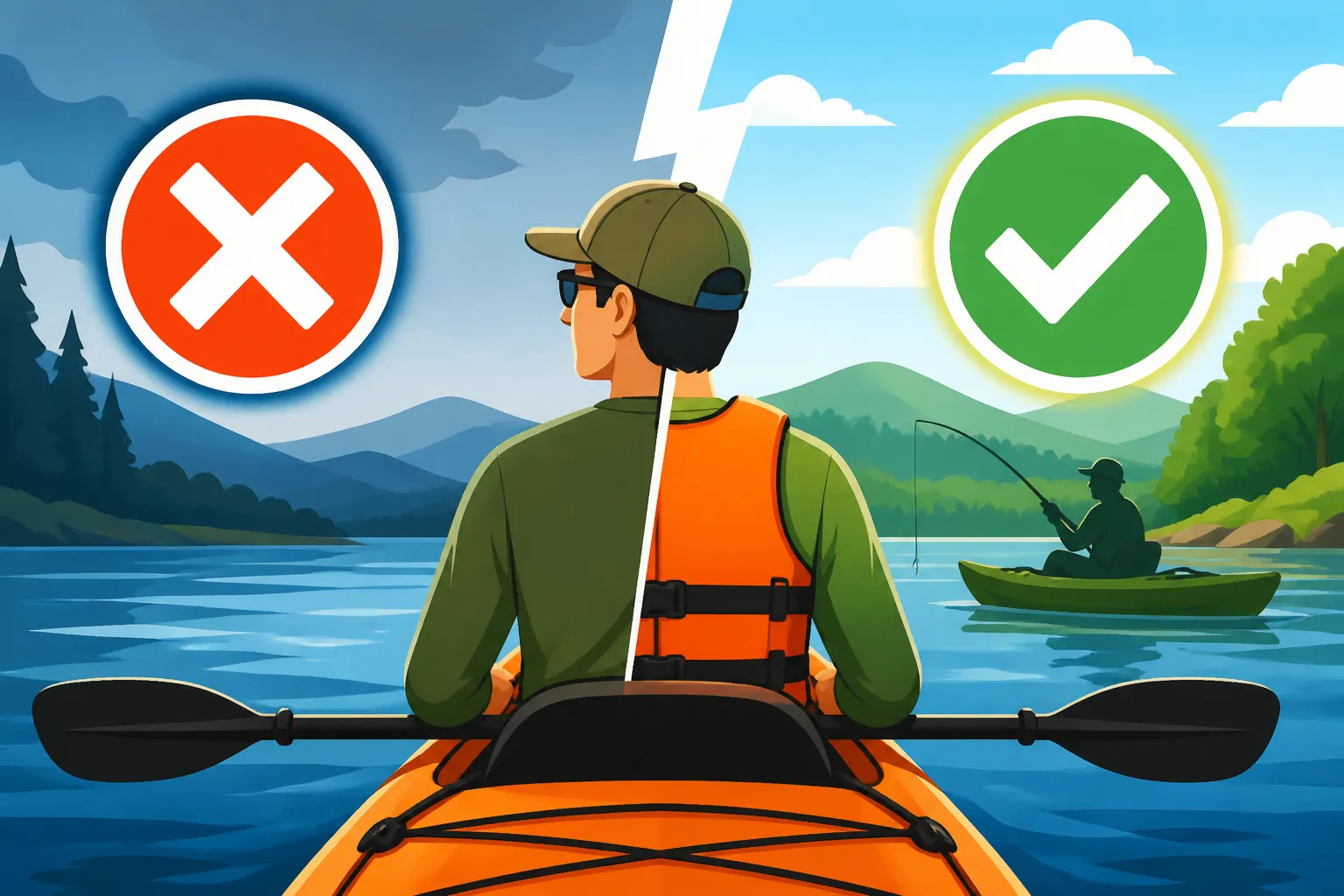
Think about a sudden storm, a collision with another boat, or an unexpected sweep over a submerged log in a river. In these situations, you might be disoriented, injured, or simply unable to swim effectively in cold water or strong currents. Having your life jacket on means you're instantly afloat, your head is above water, and you can focus on self-rescue or waiting for help. It means you don't have to scramble or fight the current to retrieve it. While the law might grant adults a little leeway, common sense and a strong commitment to personal safety dictate that you should always wear your life jacket while kayaking, no matter your age. It's the simplest and most effective way to ensure your safety on the water.
Practical Considerations Beyond the Law
While meeting legal requirements is important, true safety on the water goes beyond just checking a box. For kayakers, especially those who spend hours on the water fishing or exploring, practical considerations like comfort, proper fit, and preparing for unexpected environmental factors are just as vital as legal compliance. These elements enhance your experience and significantly reduce risks.
Comfort and Fit for Kayak Anglers
As a kayak angler, you know that long hours on the water demand comfort. An ill-fitting or uncomfortable life jacket can chafe, restrict your casting arm, or push up around your ears, making an otherwise enjoyable day miserable. This is why many experienced kayakers invest in PFDs specifically designed for their sport. A good kayak fishing PFD will often have a high-back design, which means the flotation material is positioned higher on your back, preventing it from bunching up against the high seatbacks found in most fishing kayaks.
Look for adjustable straps at the shoulders, sides, and waist to ensure a snug, customized fit. A PFD that's too loose can ride up and offer little protection, while one that's too tight can be unbearable. Many angling PFDs also come equipped with plenty of pockets, tool attachment points, and even a hydration sleeve, turning your life jacket into a functional piece of gear that you want to wear, not just have to wear. Consider visiting a specialty outdoor store like Bass Pro Shops to try on different models, or read reviews on sites like Amazon to understand the fit and features before purchasing. The right fit makes all the difference, transforming a legal necessity into a comfortable, functional garment that you'll barely notice you're wearing.
Cold Water Safety and Layering
Tennessee's waters, especially the rivers and deeper reservoirs, can be surprisingly cold, even on a warm day. Cold water immersion is a serious risk that many kayakers underestimate. If you capsize in water below 70°F (about 21°C), you can quickly experience cold shock, incapacitation, hypothermia, and ultimately, drowning. A life jacket is absolutely critical in these situations because it keeps your head above water, allowing you to catch your breath during the initial cold shock response and conserving energy if you need to self-rescue or wait for help.
When kayaking in colder conditions, think about layering your clothing under your life jacket. Wetsuits or dry suits can provide thermal protection, but even appropriate layers of synthetic or wool clothing can make a huge difference. Your PFD not only keeps you afloat but also provides an additional layer of insulation around your core, helping to slow the onset of hypothermia. Always be mindful of the water temperature, not just the air temperature. If the combined air and water temperature is less than 100°F (38°C), the risk of cold water immersion is significant, and wearing your life jacket becomes even more paramount. For understanding seasonal shifts in fish behavior and related safety, you might find How Water Temperature Affects Fish Activity helpful.
Additional Safety Gear for Kayakers
While a life jacket is the cornerstone of kayak safety, it's not the only piece of gear you should consider. A well-prepared kayaker carries a few other essentials to handle common situations. A sound-producing device, like a whistle, is legally required on most vessels in Tennessee and is crucial for attracting attention if you need help or to warn other boaters. A white light (flashlight or headlamp) is necessary for any paddling between sunset and sunrise or during periods of restricted visibility, to make yourself seen by other vessels.
Beyond the legal requirements, consider a spare paddle – losing or breaking a paddle miles from shore is a common and frustrating problem. A small first-aid kit, a knife (for cutting tangled lines or ropes), and a dry bag for your phone, keys, and other valuables are also smart additions. If you're going out on larger bodies of water or remote areas, a VHF radio or a personal locator beacon (PLB) can be invaluable for emergency communication. A comprehensive Kayak Fishing Gear Checklist for Tennessee Rivers can help ensure you're fully equipped for a safe outing.
Where to Find the Right Life Jacket and Other Gear
Finding the perfect life jacket can feel like a quest, especially with so many options out there. But remember, the goal is to find one that's USCG-approved, fits well, and enhances your safety without hindering your enjoyment. Whether you prefer the tactile experience of shopping in person or the convenience of online browsing, there are great resources available.
Shopping for PFDs: Online vs. In-Store
Both online and brick-and-mortar stores offer advantages when it comes to purchasing a life jacket. Shopping in a physical store, such as a local Bass Pro Shops, Cabela's, or an independent outfitter, allows you to physically try on different models. This is invaluable for assessing comfort, fit, and how the jacket moves with your body. You can test arm mobility for paddling, see how it sits with your kayak seat, and even get expert advice from staff who understand local regulations and the specific needs of kayakers. Being able to compare materials, pocket layouts, and adjustment points firsthand can help you make a more informed decision and avoid the hassle of returns.
Online retailers like Amazon offer an incredible selection and competitive pricing, often with detailed customer reviews that can highlight pros and cons of specific models. This is great for research, especially if you know exactly what type and size you need. However, the biggest drawback is not being able to try it on. If you do buy online, make sure the retailer has a flexible return policy, as fit is paramount. Reading sizing charts carefully and measuring yourself accurately before ordering is crucial to minimize the chances of an ill-fitting purchase. Many outdoor brands also have their own websites where you can buy directly and often find detailed product specifications.
Checking for the Right Fit
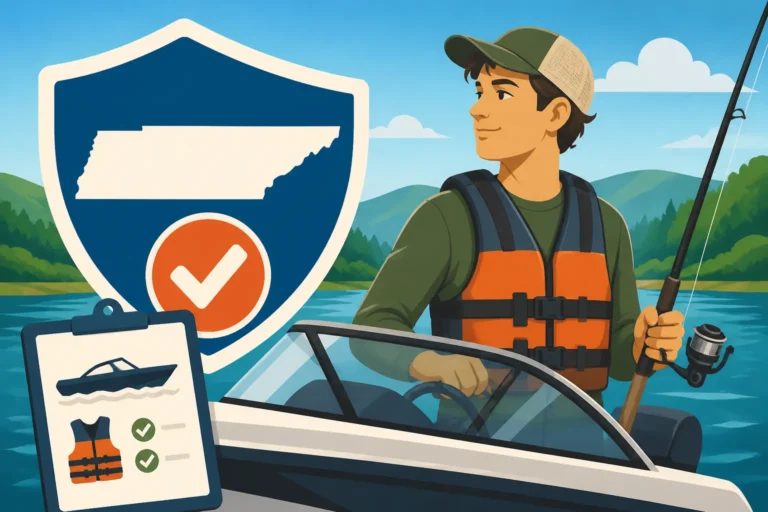
A life jacket's effectiveness hinges on its fit. It shouldn't feel like a loose vest that could easily slip off in the water, nor should it be so tight that it restricts breathing or movement. Here’s a simple test for fit:
- Try it on with what you'd typically wear on the water. If you layer up in cooler weather, try it on over those layers.
- Fasten all zippers, buckles, and straps securely. Cinch it down so it feels snug but not constricting.
- Lift your arms overhead. Have a friend gently pull up on the shoulders of the life jacket. If it slides up past your ears or chin, it's too big. You want it to stay securely around your torso.
- Practice your paddling motion. Ensure your arms have a full range of motion and the PFD doesn't chafe or ride up uncomfortably.
- Sit down. If possible, sit in a kayak or a chair that mimics a kayak seat to see how the PFD sits on your back, especially if it's a high-back model.
Remember, a properly fitting life jacket isn't just about passing the legal test; it's about giving you the best chance of survival and comfort if you ever end up in the water. Taking the time to ensure a good fit is one of the smartest safety investments you can make for your kayaking adventures in Tennessee.
Disclaimer
This article is for general informational purposes only and does not constitute professional advice. Laws, prices and regulations vary by location and change over time. Consult a qualified professional for guidance on your specific situation.