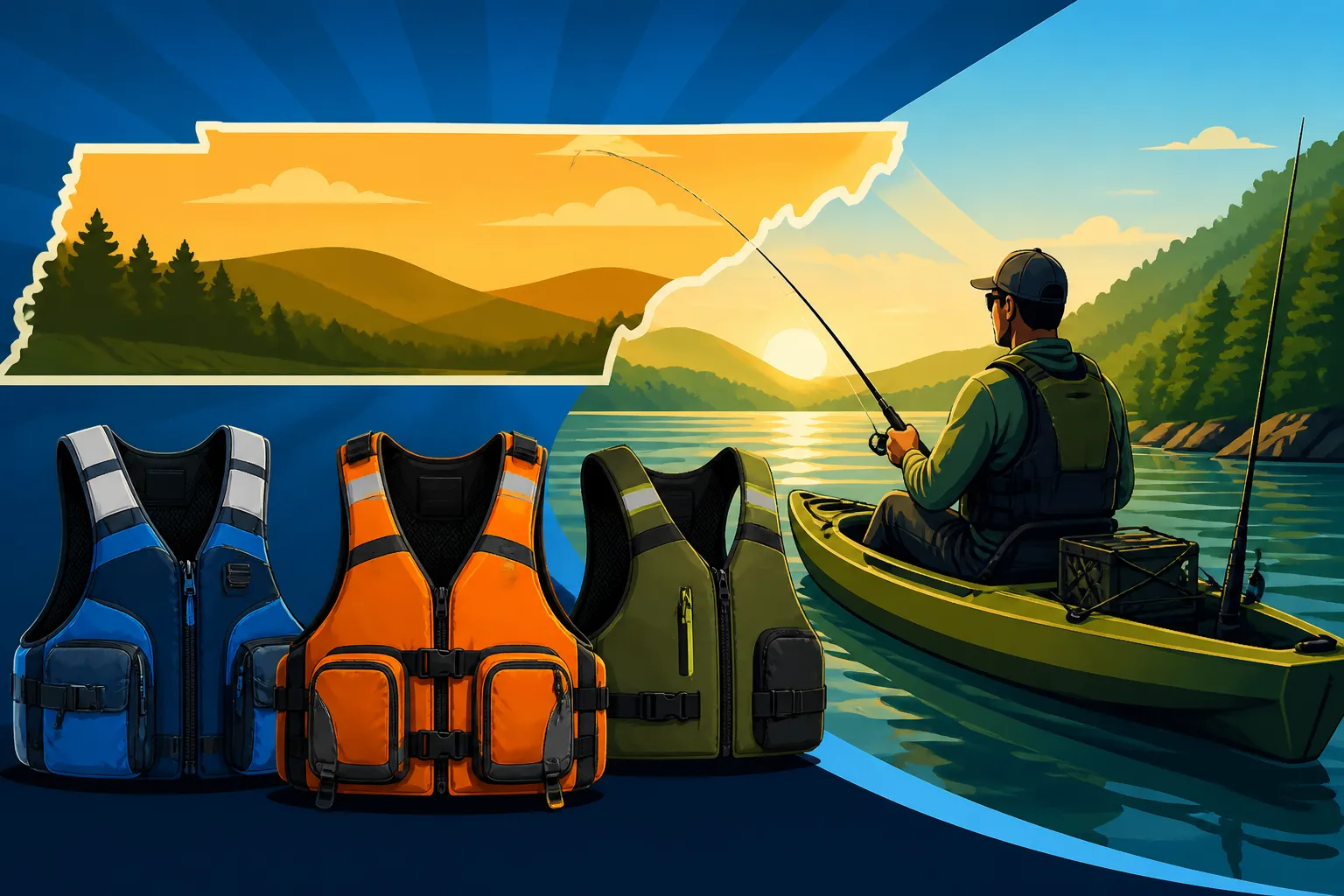
Best Life Jackets for Tennessee Kayak Anglers
Many kayak anglers in Tennessee, especially those new to the sport, often wonder what kind of life jacket they truly need, and if the rules are different for a kayak than for a big bass boat. It's a common frustration to feel overwhelmed by choices and regulations, but your safety on the water is paramount. This guide will walk you through everything you need to know to choose the best life jacket for your Tennessee kayak fishing adventures, ensuring comfort, functionality, and compliance with state rules.
Understanding Tennessee's Life Jacket Regulations for Kayakers
Navigating the waters of Tennessee, whether it's a peaceful river or a bustling reservoir, comes with a set of rules designed to keep everyone safe. As a kayak angler, you might sometimes feel like you're in your own little world out there, but boating regulations apply to all vessels, big or small. Knowing these rules, especially concerning life jackets, isn't just about avoiding a fine; it's about protecting yourself and those you care about. When you hit the water, whether it's for a quick evening trip or a full day of chasing fish, understanding your responsibilities starts with your personal flotation device (PFD).
The "Wear It" Rule: When It Applies to Kayaks
Tennessee's boating safety regulations are very clear: every person on board any vessel, including kayaks, canoes, and stand-up paddleboards, must have access to a readily available, U.S. Coast Guard-approved wearable Personal Flotation Device (PFD). This isn't just a suggestion; it's a foundational law for water safety across the state. Many new kayak anglers might think stowing their PFD in a dry hatch is sufficient, but in many situations, that simply won't cut it, especially for younger paddlers.
The most critical part of this rule, and one that often catches folks off guard, involves children. In Tennessee, if you have any child under the age of 12 on your kayak, they are legally mandated to wear a properly fitted PFD at all times while the kayak is underway. "Underway" essentially means your kayak isn't tied up at a dock, launched from a ramp, or beached on the shore. This isn't a negotiable point; it's a strict safety measure to ensure our youngest adventurers are protected in case of an accidental capsize. You can delve deeper into these specific requirements by checking out resources like Life Jacket Rules for Kids Under 12 on Tennessee Boats or Do Kayakers Need Life Jackets in Tennessee?.
For adults aged 12 and over, the law typically allows a PFD to be on board rather than worn, provided it's "readily accessible." However, let's be realistic about kayak fishing. Unlike a large bass boat where you might have time to grab a PFD, a kayak can flip quickly and unexpectedly. Reaching for a stowed PFD while you're in the water, possibly disoriented or in strong currents, is incredibly difficult, if not impossible. That's why, as a veteran angler, I strongly advocate for the "wear it" philosophy for all kayak anglers, regardless of age. It's the simplest way to ensure your safety and enjoy your time on Tennessee's incredible waters.
PFD Types and What They Mean for Kayak Anglers
Stepping into the world of PFDs can feel a bit like learning a new language with all the "Type" classifications. The U.S. Coast Guard categorizes PFDs into different types (I, II, III, IV, V), each designed for specific uses and offering varying levels of buoyancy and performance. Understanding these distinctions is key to choosing a life jacket that not only meets regulations but also suits your particular kayak fishing style.
- Type I PFDs: These are generally considered offshore life jackets. They offer the highest buoyancy and are designed to turn an unconscious person face-up in rough water. While incredibly safe, they are also very bulky and impractical for the active movements of kayak fishing. You'll rarely see a kayak angler sporting one of these.
- Type II PFDs: Known as nearshore buoyant vests, Type II PFDs are less bulky than Type I but still designed to turn an unconscious person face-up in calm waters. However, they can still be restrictive for paddling and casting, making them a less-than-ideal choice for most kayak anglers who prioritize mobility.
- Type III PFDs: This is the sweet spot for most recreational boaters and, critically, for kayak anglers. Type III PFDs are "flotation aids" designed for constant wear, prioritizing comfort and freedom of movement. They will keep a conscious person afloat in calm water but aren't guaranteed to turn an unconscious person face-up. Many fishing-specific PFDs fall into this category, offering angler-friendly features like pockets and attachment points. Their comfort ensures you'll actually wear it, which is the most important safety factor.
- Type IV PFDs: These are throwable devices, such as boat cushions or ring buoys. While most larger boats (16 feet or longer) are required to have one readily accessible, they are not a substitute for a wearable PFD, especially for solo kayak anglers. Trying to retrieve and hold onto a throwable device after an unexpected capsize from a kayak is usually an unrealistic expectation. If you're curious about these specific mandates, you can read up on Tennessee's Type IV Throwable Device Rule for Boats 16 Feet and Longer.
- Type V PFDs: These are special-use devices. This category includes inflatable PFDs, which have become incredibly popular among anglers due to their minimalist design and excellent comfort. They offer high buoyancy when inflated, but often come with specific use conditions, such as needing to be worn to count as a legal PFD and requiring regular maintenance (like checking and replacing CO2 cartridges). Some Type V PFDs are "inherently buoyant" (foam-filled), while others are "inflatable." If you choose an inflatable, remember it only provides flotation when activated, so you must be vigilant about its maintenance and wear it at all times.
For kayak fishing in Tennessee, a Type III PFD, especially one tailored for anglers, or a Type V inflatable PFD (if you’re diligent about wearing and maintaining it) will offer the best blend of safety, comfort, and functionality. Here's a quick comparison to help you visualize the differences:
| PFD Type | Key Characteristics | Kayak Angler Suitability | Pros for Kayak Fishing | Cons for Kayak Fishing |
|---|---|---|---|---|
| Type III | Flotation Aid; Designed for constant wear; Keeps conscious person afloat | Excellent | Comfortable, full range of motion, often has fishing-specific features | May not turn unconscious person face-up |
| Type V (Inflatable) | Special Use; Minimal bulk; Inflates manually or automatically | Good (if worn & maintained) | Very comfortable, highly breathable, great for hot weather | Requires re-arming kits, must be worn to count, needs diligent inspection |
| Type II | Nearshore Buoyant Vest; Designed to turn unconscious person face-up | Poor | Generally affordable | Bulky, restrictive, not designed for active paddling/fishing |
| Type I | Offshore Life Jacket; Most buoyant; Turns unconscious person face-up | Very Poor | Highest buoyancy | Extremely bulky, impractical for kayak fishing |
| Type IV | Throwable Device; (e.g., cushion, ring buoy) | Not a substitute | Can be an emergency aid for others | Not wearable, useless in sudden personal capsize from kayak |
Importance of Proper Fit and Sizing for Safety
When it comes to life jackets, "one size fits all" is a dangerous myth. A PFD that doesn't fit correctly is not only uncomfortable but, more importantly, severely compromises its ability to keep you safe. Imagine going overboard in a PFD that's too loose; it could ride up over your head, obstructing your vision and making it harder to breathe. Conversely, one that's too tight will restrict your movement, making paddling and casting a miserable experience, and ultimately discouraging you from wearing it at all.
To ensure a proper fit, try on PFDs in person whenever possible. If shopping online, always consult the manufacturer's sizing chart, which typically goes by chest measurement and sometimes weight. Once you have a PFD on, snug all the straps – shoulders, sides, and waist. Then, perform the "lift test": have a friend gently pull up on the shoulder straps. If the PFD moves up significantly (past your chin or ears), it's too large. You want a snug, secure fit that allows full range of motion without riding up.
Consider how the PFD interacts with your kayak seat. Many modern kayaks feature high-backed seats, and a traditional PFD can ride up uncomfortably, pushing into your chin or back. Look for PFDs specifically designed for kayak fishing or paddling, often featuring a high-back design or mesh lower panels that prevent this interference. Brands like Astral and NRS are well-known for their paddling-specific PFDs. Don't underestimate the impact of a good fit on your willingness to wear your PFD consistently. A comfortable, well-fitting life jacket is one you'll actually keep on, ensuring you're protected throughout your entire fishing trip. This attention to detail will keep you safe and legal under Tennessee Fishing Regulations Explained.
Key Features to Look for in a Kayak Fishing Life Jacket
A life jacket for a kayak angler isn't just a safety device; it's an integral piece of fishing equipment. We demand more from our PFDs than just flotation. We need them to enhance our fishing experience, not hinder it. Thinking beyond basic safety, the right life jacket can actually make you a more efficient and comfortable angler on Tennessee's waters.
Comfort and Mobility: Why It Matters on the Water
Let's be honest: if a piece of gear isn't comfortable, we tend to leave it behind or take it off. This is especially true for life jackets, and it's why comfort and mobility are absolutely non-negotiable for kayak anglers. Sitting in a kayak for hours, paddling, casting, and reeling can be physically demanding, and a restrictive or poorly designed PFD will quickly turn a fun day into a miserable one. The goal is to find a life jacket you forget you're even wearing.
Look for PFDs specifically marketed for "kayak fishing" or "paddling." These designs typically address the unique challenges of a kayak cockpit. The most common issue is a PFD riding up and interfering with high-backed kayak seats. Kayak-specific PFDs often feature a thin, mesh, or completely cut-away lower back panel to prevent this. This ensures the PFD sits comfortably above the seat, rather than being pushed up into your chin or armpits. Furthermore, ample armhole cutouts are crucial for a full range of motion. You need to be able to paddle efficiently, make strong casts, and handle fish without your PFD chafing or restricting your shoulders and arms.
Adjustability plays a huge role in achieving optimal comfort. A good kayak fishing PFD will have multiple adjustment points – usually shoulder, side, and waist straps – allowing you to fine-tune the fit to your body. Segmented foam panels also contribute to comfort by allowing the PFD to flex and conform to your movements, rather than feeling like a rigid block. Materials that are breathable and moisture-wicking, such as mesh linings or perforated foam, are also a blessing on hot, humid Tennessee days, helping to prevent overheating and chafing. Prioritizing these comfort features means you'll actually wear your PFD, making it effective when you truly need it.
Storage and Organization: Keeping Your Gear Handy
As kayak anglers, our kayaks are often crammed with gear. We're always looking for ways to keep essential tools and tackle within easy reach without creating clutter in the small cockpit. This is where a well-designed kayak fishing PFD truly shines as a multi-functional piece of equipment, turning your safety gear into a wearable tackle box.
Think about the items you constantly reach for: pliers, line clippers, a measuring tape, your phone, perhaps a small box of frequently used lures or weights. A quality kayak fishing PFD will feature multiple, strategically placed pockets, often zippered, to keep these items secure and dry. Some designs offer large "clamshell" pockets that drop down, revealing multiple internal compartments for organizing smaller tackle or even holding a small soft-sided tackle box. These pockets should be easy to access while you're seated and not interfere with your paddling motion.
Beyond pockets, look for attachment points. D-rings are invaluable for clipping on lanyards for your paddle, net, or fish grip. A knife tab or a dedicated plier holder ensures your cutting tools are always within immediate reach. Some PFDs even incorporate gear tracks or MOLLE webbing, allowing for further customization with additional pouches or retractors. The ability to carry your most essential items on your person, without having to dig through a crate or tackle bag behind you, significantly improves efficiency and reduces frustration on the water. It means less fumbling and more focused fishing, allowing you to quickly grab that new lure or re-tie a broken line. You can find many options with these features at outdoor retailers like Bass Pro Shops or through online platforms like Amazon, and they pair perfectly with a comprehensive Best Kayak Fishing Gear for Tennessee Anglers setup.
Durability and Materials: Built for the Angler's Life
Kayak fishing can be a demanding sport, and your gear takes a beating. From navigating through brush and low-hanging branches to handling slimy fish and sharp hooks, your life jacket needs to be tough enough to withstand the rigors of the outdoors. A durable PFD isn't just about protecting your investment; it's about ensuring that your primary safety device remains reliable and functional for years to come.
The outer shell material is the first line of defense. High-denier nylon or ripstop fabrics are excellent choices, offering superior resistance to tears, punctures, and abrasions. Look for reinforced stitching at all stress points, especially around zippers, straps, and pocket attachments, as these are areas prone to wear. The zippers themselves should be heavy-duty and corrosion-resistant, ideally made by reputable brands like YKK, which are known for their robust performance even in wet environments.
Inside, the flotation foam needs to be resilient. Closed-cell foam, typically PVC or polyethylene, is preferred because it doesn't absorb water, maintaining its buoyancy even if the outer shell is punctured. Check for foam that feels flexible but firm; if it's stiff, brittle, or shows signs of permanent compression, its effectiveness may be compromised. While most Tennessee fishing is freshwater, UV resistance is still a valuable feature, as constant exposure to sunlight can degrade fabrics and foam over time. A well-constructed PFD will stand up to the elements and the rough-and-tumble nature of fishing, providing consistent safety and comfort season after season. Before you head out, make sure your Essential Safety Gear Checklist Before a Tennessee Fishing Trip includes a PFD in great condition.
Top Considerations for Tennessee Kayak Anglers
Tennessee's diverse fisheries present a range of environmental conditions. From the scorching summer days on our vast reservoirs to the crisp mornings on a mountain trout stream, your choice of life jacket can be fine-tuned to maximize comfort and safety for your specific angling adventures. It's not a one-size-fits-all state when it comes to fishing environments, and your PFD should reflect that.
Hot Weather Comfort: Staying Cool on Sunny Days
Tennessee summers are legendary for their heat and humidity, and sitting in a kayak under the relentless sun can quickly turn uncomfortable if your life jacket is trapping all your body heat. Overheating isn't just unpleasant; it can lead to fatigue and reduced concentration, which are dangerous on the water. Choosing a PFD designed for warm weather is paramount to ensure you'll keep it on throughout your trip.
When shopping for a PFD for those sweltering days on Kentucky Lake or Center Hill Lake, prioritize designs that offer maximum ventilation. Look for features like large mesh panels on the back and sides, or an open-sided design with minimal fabric contact. Some PFDs incorporate thin, perforated foam or strategically placed cutouts to enhance airflow. Lighter colors can also help, as they reflect sunlight rather than absorbing it, keeping you cooler than a dark-colored PFD.
Inflatable PFDs are an extremely popular choice for hot weather comfort. These minimalist designs sit flat against your body and only inflate when activated, offering superior ventilation and freedom of movement compared to foam PFDs. However, remember the critical requirements for inflatables: they must be worn to be legal, they require regular inspection and re-arming kits, and they are not suitable for all users (e.g., non-swimmers or children under 16). If you choose an inflatable, practice deploying it once to understand the mechanism. Regardless of the type, aim for a PFD that feels light, breathable, and allows you to stay as cool as possible, ensuring you're comfortable enough to wear it all day long.
Visibility and Safety in Busy Waters
While many kayak anglers seek out secluded coves and quiet backwaters, it's inevitable that you'll sometimes find yourself on busier stretches of water, especially on Tennessee's popular reservoirs and rivers. When sharing the water with powerboats, jet skis, and other fast-moving vessels, being seen isn't just a recommendation; it's a vital safety measure. The low profile of a kayak can make it difficult for other boaters, especially those in larger crafts, to spot you, particularly in challenging light conditions or choppy waters.
When selecting a life jacket, strongly consider models that feature bright, high-visibility colors. Fluorescent greens, yellows, and oranges stand out dramatically against both the water and shoreline backgrounds, making you much more noticeable to other boaters. Avoid dark or muted colors if you frequently fish in high-traffic areas. Additionally, look for PFDs that incorporate reflective tape or piping. These elements significantly enhance your visibility in low-light conditions, such as early mornings, late evenings, or during overcast weather, as they catch and reflect any available light source, like another boat's headlights or a searchlight.
Some PFDs go a step further with integrated safety features like an attached whistle for signaling or loops for securing a strobe light or glow stick if you plan on fishing after dark. These seemingly small additions can make a profound difference in an emergency, increasing your chances of being seen and rescued. Your life jacket is your most critical piece of safety gear, and ensuring it makes you as visible as possible is a smart decision for any angler, especially when navigating shared waterways. Consider what Life Jacket Rules for Kayaks and Canoes in Tennessee recommends for visibility.
Specific Needs for Different Fishing Styles
Tennessee offers an incredibly diverse range of fishing opportunities, from targeting trophy largemouth on Chickamauga Lake to delicate fly fishing for trout in the Clinch River. Your "best" life jacket might actually depend on the specific style of fishing you primarily do from your kayak. What works for one angler might not be ideal for another, so it’s worth considering your typical approach.
For fly anglers, especially those who might be wading in and out of their kayak in streams like the Caney Fork or the Hiwassee River, unrestricted movement around the shoulders and chest is paramount. Making smooth, repetitive fly casts requires a PFD that doesn't bind or interfere with the casting motion. Many fly fishing-specific PFDs resemble vests, with a shorter cut that doesn't impede wading and strategic pocket placement for fly boxes, tippet spools, and other delicate tools. They often feature minimalist designs in the upper chest area to ensure maximum arm and shoulder mobility. If you're into fly fishing from your kayak, you might appreciate models like the Astral Ronny Fisher, which balances comfort with essential storage.
On the other hand, conventional bass or crappie anglers who rely on a variety of lures, often needing quick access to pliers, leader material, or different soft plastics, might benefit greatly from a PFD with maximum storage. These PFDs often feature multiple large, zippered pockets, sometimes with internal dividers or tool docks, allowing you to carry a substantial amount of tackle and tools directly on your person. This reduces the need to constantly reach for a crate behind you, keeping your focus on the fish. For anglers who spend a lot of time flipping jigs into heavy cover or spider rigging for crappie, having everything within arm's reach is a huge advantage. Thinking about what kind of Best Kayaks for Tennessee Bass Fishing you use might also influence your PFD choice for optimal comfort and function. Tailoring your PFD to your fishing style enhances both comfort and efficiency.
Maintaining Your Life Jacket for Long-Term Safety
A life jacket is an investment in your safety, and like any critical piece of gear, it requires consistent care and attention to ensure it performs when you need it most. Neglecting your PFD can lead to its premature degradation, potentially compromising its life-saving capabilities. Proper maintenance isn't just about making it last longer; it's about making sure it's always ready to protect you.
Regular Inspection and Care Tips
Making a habit of regularly inspecting and caring for your life jacket is a crucial part of responsible boating. A thorough check before and after each season, and a quick visual scan before every trip, can catch small issues before they become serious safety hazards.
Here’s a practical checklist for inspecting and caring for your PFD:
- Visual Inspection: Start by looking for any visible damage. Are there tears, rips, or abrasions in the outer fabric? Pay close attention to high-wear areas like the shoulders, armpits, and around buckles and zippers. Even small holes can allow water into foam, potentially reducing buoyancy over time.
- Stitching and Seams: Examine all seams and stitching for signs of fraying, loose threads, or unraveling. Ensure all straps are securely attached and show no signs of weakness.
- Buckles and Zippers: Test all buckles to ensure they click securely and aren't cracked or broken. Work all zippers to check for smooth operation; they should zip and unzip easily without snagging. Look for any signs of rust or corrosion, especially if you fish near brackish water or frequently get your PFD wet.
- Flotation Material: For foam-filled PFDs, gently squeeze the foam panels. They should feel pliable and resilient. If you find areas that are hard, brittle, permanently compressed, or waterlogged, the flotation capability is compromised.
- Inflatable PFD Specifics: If you use an inflatable PFD, your inspection is more detailed. Check the CO2 cartridge to ensure it's armed and hasn't been accidentally deployed. Inspect the inflation mechanism for any debris or damage. It's also a good idea to manually inflate your inflatable PFD annually, leave it inflated overnight to check for slow leaks, and then properly re-arm and repack it according to manufacturer instructions. Always keep a spare re-arming kit on hand, which you can usually find at outdoor stores or on Amazon.
After each trip, especially if your PFD got wet, dirty, or came into contact with fish slime or bait:
- Rinse Thoroughly: Use fresh water to rinse off any dirt, salt, grime, or fishing residue. This prevents odors and corrosion.
- Air Dry Completely: Hang your PFD in a well-ventilated area, out of direct sunlight, to air dry thoroughly. Never store a wet PFD, as this promotes mildew growth and material degradation. Avoid using direct heat sources like dryers, as high heat can damage the foam and fabric.
- Proper Storage: Once completely dry, store your PFD in a cool, dry place away from direct sunlight and extreme temperatures. Avoid stacking heavy items on top of it, which can permanently compress the flotation foam.
By following these simple care and inspection steps, your life jacket will remain a reliable piece of safety equipment, ready for countless adventures on Tennessee's beautiful waterways.
When to Replace Your PFD
No piece of gear lasts forever, and your life jacket is no exception. Even with meticulous care, the materials will eventually degrade due to exposure to UV rays, chemicals, and general wear and tear. Knowing when to retire an old PFD is crucial because a compromised life jacket might not perform when you need it most, putting your life at risk. Your safety is worth more than the cost of a new PFD.
Here are the definitive signs that it's time to replace your life jacket:
- Visible Damage: Any significant tears, rips, punctures, or excessive fraying in the outer fabric mean immediate replacement. Small holes can allow water into foam, reducing buoyancy. Similarly, if straps are badly frayed or buckles are cracked, broken, or no longer securely fasten, the PFD's structural integrity is compromised.
- Degraded Fabric: If the fabric appears faded, brittle, stiff, or shows signs of cracking or peeling, it indicates significant UV damage and material breakdown. Such fabric is weakened and won't hold up in an emergency.
- Compromised Flotation Foam: For foam-filled PFDs, if the foam feels hard, brittle, excessively compressed (especially in high-wear areas), or waterlogged, its ability to provide buoyancy is severely diminished. The foam should be flexible and resilient.
- Unraveling Seams or Stitching: If any seams are splitting or stitching is coming undone, the PFD could fall apart under stress in the water, failing to support you.
- Persistent Odor or Mildew: While some mildew can be cleaned, a deep, pervasive mildew odor or extensive mildew growth often indicates that the internal materials are breaking down and retaining moisture, which can affect buoyancy and hygiene.
- Failed Performance Test: If you're ever in doubt, perform a simple in-water test in a safe, controlled environment. If the PFD doesn't comfortably support your head above water, it's definitely time to replace it.
Don't gamble with your safety on the water. An old, damaged, or degraded life jacket is a false sense of security. Head to a trusted outdoor retailer like Bass Pro Shops or browse options on Amazon to invest in a new, Coast Guard-approved PFD. It's a small price to pay for peace of mind and the assurance that you'll be safe on your next Tennessee fishing adventure.
Disclaimer
This article is for general informational purposes only and does not constitute professional advice. Laws, prices and regulations vary by location and change over time. Consult a qualified professional for guidance on your specific situation.