What Gear Do You Need for Bank Fishing on Tennessee Lakes?
Stepping out of your car, gear in hand, and heading towards the tranquil banks of a Tennessee lake sounds idyllic, doesn't it? But then you realize you're staring at a sprawling body of water, and the nagging question pops up: "What gear do I actually need to catch something from the shore here?" It’s a common frustration, especially when you see fancy boats with all their gadgets. This guide is here to cut through the confusion and give you a comprehensive, realistic breakdown of the essential gear you need for a successful and enjoyable bank fishing trip on Tennessee's beautiful lakes.
The Essentials: Your Core Bank Fishing Kit
Bank fishing, at its heart, is about simplicity and connection to nature. But simplicity doesn't mean showing up unprepared. Having the right core tools makes all the difference between a frustrating tangle and a day of peaceful angling.
Rod and Reel Setup for Versatility
When you're fishing from the bank, you typically can't carry multiple specialized setups. This means your primary rod and reel need to be versatile enough to handle a variety of situations and species that call Tennessee lakes home, from panfish to chunky bass or even a catfish.
For an all-around bank fishing setup, I almost always recommend a spinning rod and reel. They're incredibly user-friendly, excellent for casting lighter baits and lures, and forgiving for beginners. Look for a rod in the 6-foot to 7-foot range. This length provides a good balance between casting distance – which is crucial when you can't get out on the water – and maneuverability on the bank, where you might have trees or brush behind you. As for power and action, a medium-light to medium power rod with a moderate-fast action is your sweet spot. This setup offers enough backbone to handle a decent-sized bass or catfish, while still being sensitive enough to feel the subtle nibble of a crappie or bluegill. A moderate-fast action means the rod bends mostly in the top third, giving you good casting distance and still providing enough flex to absorb sudden runs from a fighting fish, preventing hooks from tearing out.
Pair that rod with a spinning reel in the 2500 to 3000 size. These sizes offer a good line capacity, a smooth drag system (which is vital for fighting fish without breaking your line), and are lightweight enough not to cause fatigue during a long day of casting. Many brands offer reliable combos at various price points, so you don't have to break the bank to get a quality setup. Think about where you can easily get replacement parts or service, too.
The Right Line for the Job
Your fishing line is the direct connection between you and the fish, so choosing the right type is more critical than many beginner anglers realize. For bank fishing on Tennessee lakes, you've got three main contenders: monofilament, fluorocarbon, and braided line. Each has its strengths and weaknesses.
- Monofilament (Mono): This is the classic, most affordable, and perhaps most forgiving option. It has a good amount of stretch, which acts like a shock absorber when a fish strikes or makes a sudden run, reducing the chance of your hook pulling free or your line snapping. Mono is also highly visible, which can be a pro or con depending on the situation, and it floats, making it great for topwater lures or fishing with bobbers. For general bank fishing, an 8-12 pound test monofilament is a fantastic all-around choice. It’s strong enough for most freshwater species you'll encounter and has good knot strength.
- Fluorocarbon (Fluoro): This line is nearly invisible underwater because it has a refractive index very close to water. It's also much more abrasion-resistant than mono, which is a huge plus when you're fishing around rocks, stumps, or other underwater cover common near the banks of a lake. Fluoro has less stretch than mono, offering increased sensitivity to feel those light bites. The downside? It's generally more expensive and a bit stiffer, which can make casting lighter lures a little more challenging for beginners. Many anglers use fluorocarbon as a leader material tied to braided main line.
- Braided Line (Braid): Known for its incredible strength-to-diameter ratio and zero stretch, braid offers maximum sensitivity and allows for incredibly long casts. The lack of stretch means you feel everything, from the lightest bite to your lure ticking off a submerged rock. It's also exceptionally durable. However, braid is highly visible to fish, can be prone to wind knots if not handled carefully, and can cut into your hands if a fish pulls hard on a direct line. Because of its visibility, most anglers using braid for their main line will tie a fluorocarbon or monofilament leader (2-4 feet long) to the end. For bank fishing, an 18-20 pound test braid with an 8-10 pound test fluorocarbon leader is a powerful and versatile combination.
For simplicity, an 8-10 lb quality monofilament will get you started well. If you're looking to upgrade and get more technical, a braided main line with a fluorocarbon leader is a top-tier choice for increased sensitivity and stealth.
Basic Tackle Box Fundamentals
Your tackle box doesn't need to be huge or filled with a million different things when you're starting with bank fishing. The goal is to have the essentials that cover a variety of common situations you'll face on a Tennessee lake. Think compact and organized.
Here’s a breakdown of what absolutely needs to be in there:
- Hooks: You'll want an assortment of sizes and types.
- J-hooks (Aberdeen or Kahle style): Sizes 6-10 for smaller panfish like bluegill and crappie, and sizes 1/0-3/0 for bass and catfish.
- Worm Hooks (EWG or Offset): Sizes 1/0-3/0 for Texas rigging soft plastic worms, which are incredibly effective for bass.
- Treble Hooks: If you plan on using any hard-bodied lures (like crankbaits or topwater plugs), you'll already have these on the lure. But it's not a bad idea to have a couple of spare sizes 4-6 if you need to replace a damaged one.
- Sinkers: These help get your bait down to where the fish are.
- Split Shot Weights: Small, pinch-on weights (sizes BB-3) are perfect for adding just a little weight to a bobber rig or keeping a worm lightly on the bottom.
- Bullet Weights: Essential for Texas rigging soft plastics. Have a few in 1/8 oz, 1/4 oz, and 3/8 oz.
- Egg Sinkers or Carolina Keepers: Great for bottom fishing with live bait for catfish. Sizes 1/4 oz to 1/2 oz are versatile.
- Bobbers: These are visual strike indicators and help present your bait at a specific depth.
- Fixed Bobbers (Clip-on): Small and easy to attach, ideal for shallow water fishing with small baits for panfish.
- Slip Bobbers: A game-changer for bank fishing! They allow your bait to drop to any depth you set, regardless of rod length, making it easier to fish deeper waters where fish often hold. You'll also need bobber stops for these.
- Swivels and Snaps: Small but mighty, these prevent line twist and allow for quick lure changes.
- Barrel Swivels: Small sizes (10-14) are good for preventing line twist, especially when using spinning lures.
- Snap Swivels: These combine a swivel with a snap, making it super fast to change lures without retying your knot every time.
- Leader Material: If you're running braid as your main line, you'll definitely want some fluorocarbon leader material in 8-12 lb test.
Keeping these items organized in a small, compact tackle box or a soft-sided tackle bag will make your day much smoother. Bass Pro Shops and Amazon both offer a huge variety of tackle boxes, from simple plastic trays to more elaborate bags.
Baits and Lures: Tempting Tennessee's Fish from Shore
The beauty of fishing in Tennessee's lakes is the sheer variety of species. From plump bluegill to feisty largemouth bass and powerful catfish, you have options! And each often responds best to certain presentations, even from the bank.
Natural Baits for Bank Anglers
Natural baits are often the easiest and most effective way to catch a variety of fish from the bank, especially if you're targeting panfish and catfish. They appeal to a fish's natural instincts through scent, taste, and realistic movement.
- Worms: The undisputed king of natural baits.
- Nightcrawlers: Big and juicy, these are irresistible to nearly everything: bass, catfish, crappie, bluegill, you name it. They're great for fishing on the bottom or under a bobber.
- Red Wigglers: Smaller than nightcrawlers, these are perfect for panfish. A small piece of red wiggler on a tiny hook under a bobber is a bluegill magnet.
- Crickets: Another excellent choice for panfish, especially bluegill and shellcracker. They're lively on the hook and their chirping scent is a known attractor. You can often find them at bait shops.
- Minnows: Live minnows are a go-to for crappie and bass. You can fish them under a slip bobber to target different depths or use a small jig head to fish them closer to the bottom. Keep them lively in a bait bucket with an aerator.
- Corn & Dough Balls: These are surprisingly effective for panfish, especially bluegill and carp. A few kernels of corn on a small hook can sometimes outperform live bait for these species. Dough balls, often made from bread or a special mix, work similarly.
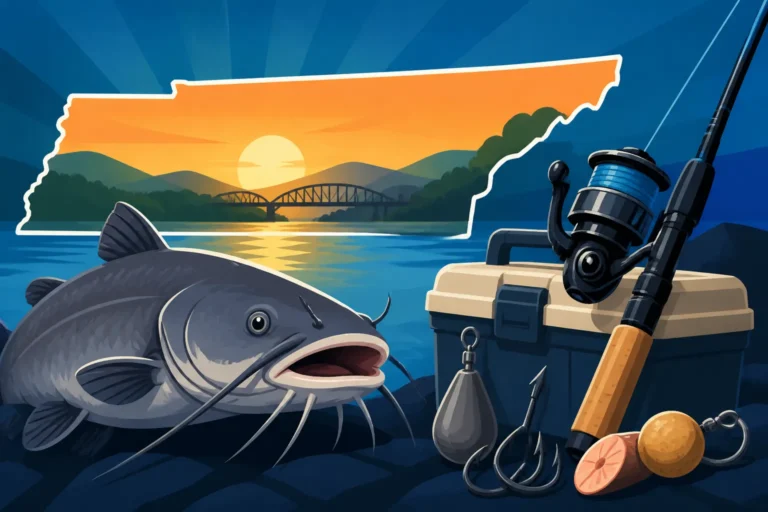
- Chicken Liver: If you're serious about catching catfish from the bank, chicken liver is a must-have. Its strong scent disperses in the water, attracting catfish from a distance. It's messy to handle, but undeniably effective.
When using natural baits, pay attention to how they're presented. Often, a simple hook and sinker rig, or a bobber rig, is all you need. Catfish Bottom Fishing Basics delves deeper into some excellent methods for presenting bait to those bottom-dwelling whiskered warriors.
Artificial Lures for Bank Fishing
Artificial lures allow you to cover more water and actively search for fish. They're fantastic for targeting predatory fish like bass and crappie, giving you more control over the presentation and often leading to more aggressive strikes.
- Spinners: Simple, classic, and effective. Inline spinners like Mepps or Rooster Tail can catch almost anything, from trout and crappie to small bass. Their flashing blade and vibrating action mimic small baitfish. Small sizes (1/8 oz to 1/4 oz) are ideal for bank casting.
- Small Crankbaits: These hard-bodied lures dive to specific depths, making them great for exploring different parts of the water column. Shallow-diving crankbaits work well closer to the bank, while medium divers can reach deeper ledges if you can cast far enough. Choose natural baitfish colors or bright, eye-catching patterns.
- Soft Plastics: The versatility of soft plastics is incredible.
- Plastic Worms: Texas rigged (weedless) plastic worms are a bass angler's best friend. Cast them out, let them sink, and slowly drag or hop them along the bottom. Black, green pumpkin, and junebug are classic colors.
- Grubs and Swimbaits: Small curly-tail grubs on a jig head are dynamite for crappie and bass. Swimbaits, which mimic small fish, are great for a straight retrieve or slow roll.
- Creature Baits: These odd-looking baits with lots of appendages create a lot of action and disturbance, triggering strikes from curious bass.
- Jigs: From tiny panfish jigs to larger bass jigs, these are incredibly effective.
- Marabou Jigs or Hair Jigs: Small ones are perfect for crappie, especially when tipped with a minnow or a grub.
- Rubber Skirted Jigs: These are bass catchers, often fished slowly along the bottom or pitched into cover.
When fishing artificial lures from the bank, experiment with retrieve speeds and depths. Sometimes a fast, erratic retrieve triggers a strike, while other times a slow, methodical presentation is key. If you're targeting crappie, checking out Crappie Jigging Techniques Explained could seriously up your game from the bank.
Comfort and Safety: Making Your Bank Fishing Trip Enjoyable
Fishing should be a relaxing experience, not a test of endurance or a risk to your well-being. A few simple comfort and safety items can drastically improve your time on the bank.
Essential Comfort Items
Nobody wants to be miserable while trying to enjoy the tranquility of a lake. These items might not catch fish, but they'll keep you happy and focused.
- Portable Chair: A lightweight folding chair or bucket with a lid can be a lifesaver, especially during long waits for bites. Sitting on cold, damp ground gets old fast! Many anglers use a five-gallon bucket with a padded lid; it serves as a seat and storage for bait or trash.
- Cooler: Essential for keeping your drinks cold and your snacks fresh. Staying hydrated, especially on warm Tennessee days, is crucial. If you plan to keep your catch, a separate cooler with ice is vital to keep the fish fresh until you get home.
- Sun Protection: The sun's rays can be intense, even on cloudy days. A wide-brimmed hat, sunglasses (polarized ones are great for seeing into the water and spotting fish), and high-SPF sunscreen are non-negotiables. Don't forget lip balm with SPF!
- Insect Repellent: Tennessee lakes are beautiful, but they're often accompanied by mosquitoes, gnats, and ticks, especially during warmer months. A good insect repellent can prevent annoying bites and potential health risks.
- Appropriate Clothing: Dress in layers, as mornings can be chilly and afternoons can heat up quickly. Wear comfortable, quick-drying fabrics. Long sleeves and pants, even in summer, can offer protection from sun and bugs.
Being comfortable allows you to stay focused and enjoy the peaceful moments between bites. A well-prepared angler is a patient angler.
Safety and Convenience Tools
Even on a seemingly peaceful bank, things can go wrong or just be inconvenient. Having a few key tools can solve common problems and keep you safe.
- Pliers/Forceps: These are absolutely essential for safely removing hooks from fish, especially if a fish swallows the hook deeply. They protect your fingers and reduce harm to the fish if you plan to release it. A pair with a cutting edge is a bonus for trimming line.
- Line Cutters/Nail Clippers: Small, sharp scissors or nail clippers are perfect for quickly and cleanly cutting fishing line. Trying to break line with your teeth is a recipe for a bad day and can damage your line.
- Small First-Aid Kit: Accidents happen, even minor ones. A small kit with band-aids, antiseptic wipes, pain relievers, and any personal medications is a smart addition to your gear. Hook punctures are common, so be prepared.
- Flashlight/Headlamp: If you plan on fishing near dusk or staying after dark (catfish bite great at night!), a flashlight or headlamp is indispensable for tying knots, rigging bait, and navigating the bank safely.
- Net: A small, collapsible landing net can make landing a larger fish much easier and safer for both you and the fish. Trying to hoist a heavy fish by the line can cause the line to break or the hook to tear out.
- Stringer or Livewell: If you're keeping your catch, a stringer to keep fish alive in the water or a small cooler with ice will ensure your fish stay fresh. Always check Tennessee Fishing Regulations Explained for catch limits and size restrictions before you decide to keep fish.
These items are small but mighty, often making the difference between a minor setback and a ruined trip. They're about being prepared for the expected and unexpected.
Carrying Your Gear
One of the biggest differences between boat fishing and bank fishing is mobility. You're carrying everything, often over uneven terrain. How you transport your gear makes a huge difference in your enjoyment.
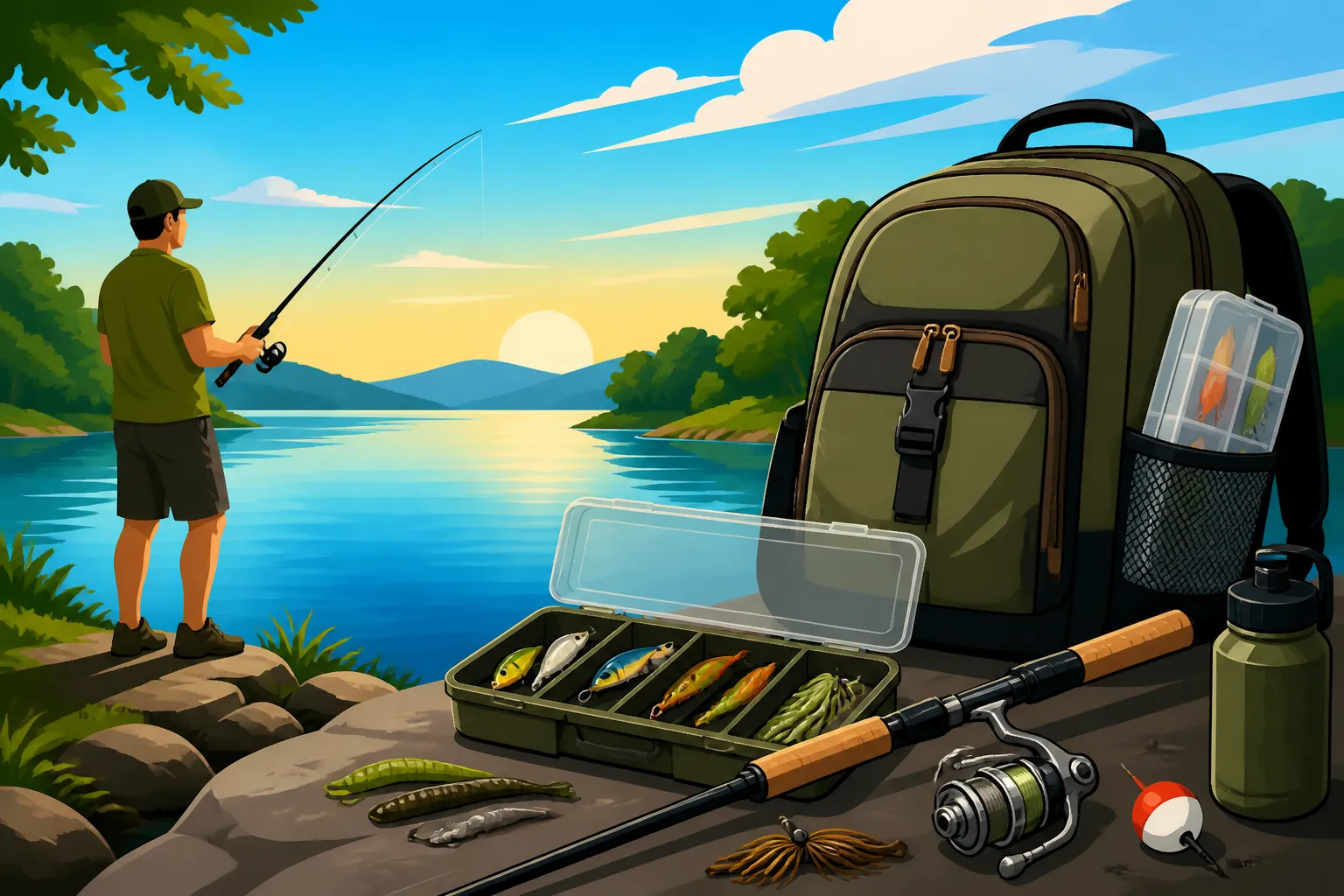
- Backpack: For most bank anglers, a good quality fishing backpack is the way to go. Look for one with multiple compartments, external pockets for water bottles, and possibly some rod holders on the side. This keeps your hands free for walking and navigating. You can put your tackle box, a small cooler, and other essentials inside. Many anglers even find dedicated fishing backpacks on Amazon designed with anglers in mind.
- Tackle Bag: A soft-sided tackle bag with utility boxes is another excellent option. These are often easier to organize than a traditional hard tackle box and lighter to carry. Many come with a shoulder strap for easy transport.
- Fishing Bucket: The classic five-gallon bucket is surprisingly versatile. It can hold a lot of gear, serve as a seat, and even double as a livewell for bait or fish. You can buy specialized lids with rod holders or tackle trays that fit onto standard buckets.
- Rod & Reel Cases: While not strictly necessary for every trip, if you're hiking a bit to your spot, a protective case for your rod can prevent damage to guides or tips.
The key is to minimize what you bring while ensuring you have everything you need. Test out your setup at home to see how comfortably you can carry it all. This will prevent you from being bogged down by unnecessary weight when you're trying to find that perfect spot.
Licensing and Regulations: Don't Forget the Legal Stuff!
This might not be "gear" in the traditional sense, but it's the most important piece of "equipment" you need before even making your first cast. Ignoring it can lead to hefty fines and a ruined day.
Understanding Tennessee's License Requirements
It's a common misconception that if you're just dipping a line from the bank, you don't need a license. In Tennessee, that's generally not true for adults. Almost everyone age 13 and older needs a valid Tennessee fishing license to fish in public waters, regardless of whether you're in a boat or on the shore.
Tennessee offers a variety of license types, so you can choose what best fits your needs. If you're a resident, the Tennessee Resident Combination Hunt and Fish License is a popular choice, covering both activities. If you only fish occasionally, a single-day license might be more economical, but if you plan on going out more than a few times a year, an annual license is often the better value. You can easily purchase your Tennessee Fishing License Online through the Tennessee Wildlife Resources Agency (TWRA) website, or visit a local sporting goods store like Bass Pro Shops or a bait shop. Always carry proof of your license, whether it's a printed copy or a digital version on your phone. Game wardens regularly patrol banks, and not having your license visible can lead to penalties. If you're new to the state or just unsure, A Complete Guide to Fishing Licenses in Tennessee can clarify all the specifics.
Knowing Your Limits
Beyond just having a license, it's crucial to understand and adhere to the specific fishing regulations for the body of water you're on. Tennessee Fishing Regulations Explained covers the statewide rules, but remember that many lakes and rivers have their own specific regulations that can override the general rules.
This includes:
- Daily Creel Limits: The maximum number of fish of a certain species you can keep in a single day. For example, Tennessee's Largemouth Bass Limit Is 5 Per Day, Only 1 Over 18 Inches might be the statewide rule, but a particular lake could have a slot limit or a different creel.
- Size Limits: Minimum or maximum lengths for certain fish. Keeping an undersized or oversized fish can result in fines.
- Seasonal Closures: Some species or specific waters might have closed seasons to protect spawning fish or allow populations to recover. This is particularly relevant for trout fishing, where Tennessee Trout Limits and Season Rules can change based on the time of year and specific streams.
Before you head out, do a quick check of the TWRA website or consult their current fishing guide for the specific lake or river you plan to visit. Ignorance of the law is not an excuse. Knowing these rules ensures you're fishing legally and contributing to the conservation efforts that keep Tennessee's lakes healthy and full of fish for generations to come.
Disclaimer
This article is for general informational purposes only and does not constitute professional advice. Laws, prices and regulations vary by location and change over time. Consult a qualified professional for guidance on your specific situation.