What Is a Type IV Throwable Flotation Device?
It's easy to get lost in the sea of rules and regulations when you're preparing for a day out on Tennessee's beautiful lakes and rivers. Among the myriad of safety gear requirements, one item often causes a bit of head-scratching: the Type IV throwable flotation device. This guide is here to clear up the confusion, explaining exactly what a Type IV device is, why it's so important for your boating safety, and how to make sure you're compliant and prepared for any unexpected situation on the water.
Understanding Flotation Devices: Why Types Matter on Tennessee Waters
When you're out enjoying the tranquility of Percy Priest Lake or navigating the broad expanses of Kentucky Lake, the last thing you want to worry about is a safety mishap. But being prepared is key, and that starts with understanding your personal flotation devices (PFDs). There's a reason the Tennessee Wildlife Resources Agency (TWRA) has specific requirements, and it’s all about keeping you and your loved ones safe. It's not just about having a life jacket; it's about having the right kind for the right purpose.
The Basics of Personal Flotation Devices PFDs
Think of PFDs as your best friends on the water. They come in various shapes, sizes, and, most importantly, types, each designed for a specific level of buoyancy and situation. You might be familiar with the brightly colored vests everyone wears, but there's a whole classification system to understand. These types—from I to V—indicate how much flotation they provide and in what kind of water conditions they're best suited. For instance, some are designed for offshore, rough waters, while others are ideal for calm, inland lakes. The key takeaway here is that they're all about saving lives, and understanding their differences is fundamental to safe boating.
It's common for folks to just grab any old life vest, thinking "flotation is flotation." But that's a dangerous assumption. A Type I PFD, for example, is built for offshore conditions and is designed to turn an unconscious person face-up in the water, offering maximum protection. A Type III, on the other hand, is what most of us wear for active watersports or general recreational boating on calmer waters, providing comfort and mobility, but might not turn you face up. Each type has a specific job, and mixing them up or not having the appropriate one can lead to real trouble when seconds count. Ensuring you have the correct PFDs is as crucial as having your Tennessee Fishing License Guide in order.
The Role of Different PFD Types in Boating Safety
Every PFD type plays a critical role in a comprehensive safety plan, and they're all intended to work together, not to be used in isolation. While wearable PFDs (Types I, II, III, and V) are essential for everyone on board, especially children under 12 who have strict rules about wearing them while underway, the Type IV device serves a different, but equally vital, function. It’s about having layers of safety, ensuring that if one measure fails or isn't applicable, another is ready to step in.
Imagine you're out on Chickamauga Lake, and someone unexpectedly goes overboard. If they weren't wearing a life jacket, or if they're in distress and can't put one on, a throwable device becomes your immediate lifeline. It's the swift response, the item you can quickly grab and toss to someone in the water. This immediate aid is what sets the Type IV apart. It doesn't replace the need for everyone to have a wearable PFD, but it acts as a critical backup, especially when someone falls in suddenly, or when you need to provide additional flotation to someone already in the water while you maneuver your boat. Always review the Tennessee Life Jacket and PFD Rules for Boaters to stay compliant.
What Exactly Is a Type IV Throwable Flotation Device?
Now, let's talk about the star of our show: the Type IV throwable device. Unlike the vests you wear, this PFD isn't designed to be donned. It's specifically made to be thrown to someone who is already in the water and needs immediate assistance. Think of it as your quick-deploy rescue buoy, always within arm's reach.
Key Characteristics and Design of Type IV PFDs
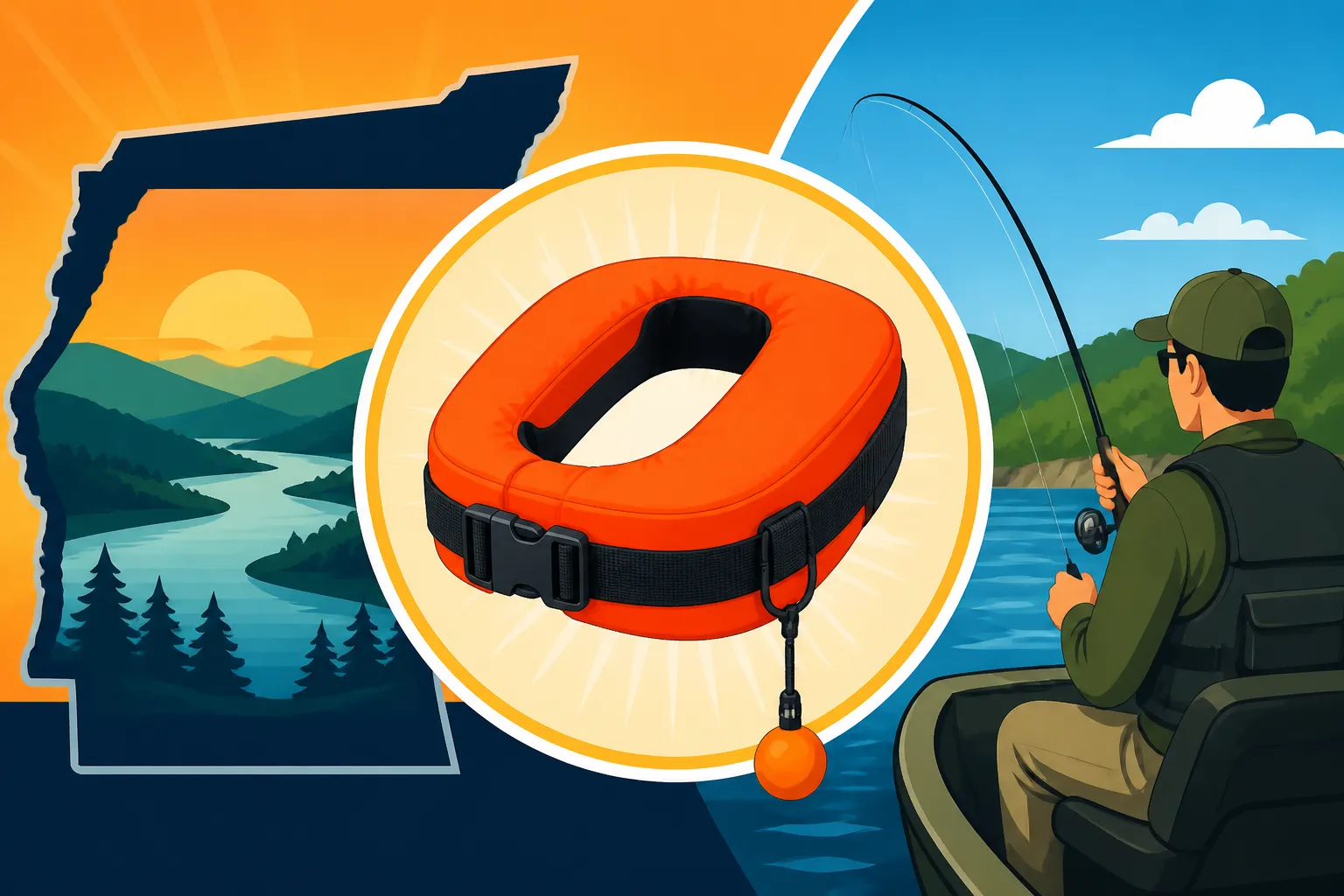
A Type IV PFD is typically a cushion or a ring buoy. It’s unmistakable in its design – usually square or circular, often bright orange or white, and sometimes equipped with a grab rope around its perimeter. The key is that it's not meant to be worn, but rather to be held onto by a person in the water to keep their head above the surface. These devices are mandated by the Coast Guard for most boats over a certain length, serving as that critical backup if someone ends up in the water unexpectedly. They're designed for speed and ease of deployment, which means they need to be robust enough to be thrown a good distance.
These devices offer at least 16.5 pounds of buoyancy. To put that in perspective, that’s enough to keep an adult’s head above water. While they're not self-righting or designed for extended survival in rough seas, for the calm to moderate waters of Tennessee’s reservoirs like Watts Bar Lake or Norris Lake, they’re perfectly suited for immediate rescue situations. When you're browsing for one, whether at a local Bass Pro Shops or online through Amazon, look for the U.S. Coast Guard approval stamp – that's your guarantee of its effectiveness and compliance.
When and Where You'll Need a Type IV Device
Knowing when and where a Type IV device is required is crucial for legal compliance and, more importantly, for safety. Generally, most recreational boats 16 feet or longer (excluding canoes and kayaks) must carry at least one Type IV throwable device on board. This is a baseline requirement, and it’s important to remember that it’s in addition to the requirement of having one wearable PFD for every person on board. It’s not an either/or situation; it’s both.
Consider a scenario on Dale Hollow Lake: a passenger on your pontoon boat slips on a wet deck and falls overboard. While everyone on board should have access to a wearable PFD, the immediate need is to get flotation to the person in the water as quickly as possible. This is where your readily accessible Type IV cushion or ring buoy comes into play. You can toss it to them while you prepare to circle back or deploy a ladder. This quick action can prevent panic and conserve their energy until a full rescue can be executed. Having this piece of equipment readily available is part of a complete Essential Safety Gear Checklist Before a Tennessee Fishing Trip.
Practical Use and Placement of Your Type IV Device
Having a Type IV device is one thing; knowing how to use it effectively and where to keep it is another. It's not just a decoration; it's a piece of rescue equipment that needs to be treated with respect and forethought. A few extra seconds fumbling around in an emergency can make all the difference, so proper placement and practice are key.
How to Properly Use a Throwable PFD in an Emergency
Using a throwable PFD might seem straightforward, but there's an art to it, especially when panic can set in. The goal is to get the device as close as possible to the person in the water, ideally within their reach, without hitting them. If it's a cushion, throw it underhand, aiming to land it just beyond the person so it drifts back to them. If it's a ring buoy with a line attached (a common setup for larger vessels), throw the buoy first, then use the line to pull it closer to the person, or pull the person closer to the boat once they've grabbed it. The key is practice and quick thinking.
Moreover, if there's any wind or current, you'll need to compensate for that. Throw upstream or upwind, allowing the natural forces to carry the device towards the person. Shout instructions, maintain eye contact, and assure them help is on the way. If your vessel has an engine, remember to cut it off or put it in neutral to avoid propeller injuries once you're close enough for retrieval. This could mean the difference between a scare and a tragedy on any of Tennessee’s busy waterways.
Stowing Your Type IV Device for Quick Access
This is where many boaters fall short. A Type IV device is useless if it's buried under gear, stashed in a locker, or tied down so tightly it can’t be deployed quickly. Regulations state that it must be "readily accessible." What does that mean in practical terms? It means it should be in a location where you can grab it and throw it within a matter of seconds, ideally without moving other equipment or unlocking compartments.
Common places to keep a Type IV cushion include on top of a cooler, clipped to a boat railing, or on a dedicated rack on the stern. Ring buoys often have their own holders near the helm or at the back of the boat. The most important thing is that everyone on board who might be called upon to help in an emergency knows exactly where it is and how to deploy it. Take a moment before you leave the dock to show your passengers its location and explain its purpose. This simple act of preparation can be a lifesaver. Ensuring all your gear, including your Type IV, is accessible is just as important as knowing Boat Fishing Rules and License Requirements in Tennessee.
Common Misconceptions and Best Practices for Type IV PFDs
Even seasoned anglers sometimes have misunderstandings about Type IV devices. Clearing up these common myths and adopting best practices will not only keep you compliant but, more importantly, genuinely enhance safety for everyone on board. It's about moving from just "checking a box" to truly understanding the safety benefits.
Type IV PFDs Aren't a Substitute for Wearable Life Jackets
Let's be absolutely crystal clear on this: a Type IV throwable device is not a substitute for having enough Coast Guard-approved wearable life jackets for every single person on your boat. This is probably the most significant misconception out there. The law requires one wearable PFD per person, and for boats 16 feet or longer, an additional Type IV throwable device. These are distinct requirements that work together to create a robust safety net.
Think about it this way: if your boat capsizes or if you’re suddenly thrown into rough water, you might not have the presence of mind or the physical ability to grab a throwable device, let alone hold onto it. A wearable life jacket, especially one you’re already wearing, provides immediate, hands-free flotation, allowing you to focus on other survival tasks. The throwable device is for specific "man overboard" situations where the person in the water is conscious and able to grasp and hold onto it. Never leave shore on Watts Bar Lake, or any water, thinking your throwable cushion will suffice for personal flotation. It's always Life Jacket Rules for Kayaks and Canoes in Tennessee and all other vessels that wearable PFDs are paramount.
Maintaining and Replacing Your Throwable Device
Just like any other piece of safety equipment, your Type IV throwable device needs regular inspection and proper maintenance. These aren't "set it and forget it" items. Over time, exposure to sun, water, and general wear and tear can degrade the materials, reducing their effectiveness. A faded, waterlogged, or torn throwable cushion isn't going to provide the buoyancy it once did, and it certainly won't meet regulations.
Make it a habit to check your Type IV PFD at the beginning of each fishing season, and periodically throughout the year. Look for signs of UV damage (fading, brittleness), mildew, tears, or excessive compression. A good test is to give it a squeeze; if it feels thin or squishy, it might be time for a replacement. If you frequently purchase boating gear from reputable retailers like Bass Pro Shops or online through Amazon, keep an eye on sales to replace aging equipment. Investing in a new, compliant device is a small price to pay for peace of mind and potentially saving a life. Remember to check all your boat’s safety gear before any trip, just like you’d check your fishing line or bait. You can find more comprehensive details in Tennessee Boating Safety Education Certificate Guide.
Types of PFDs in Tennessee
To help clarify the differences and requirements, here's a quick overview of the various PFD types you might encounter and their primary uses in Tennessee. This table is a simplified guide; always refer to the official TWRA regulations for complete details.
| PFD Type | Description & Features | Best Use Cases | Key Considerations for Tennessee Boaters |
|---|---|---|---|
| Type I | Offshore Life Jacket (Min. 22 lbs buoyancy) | All waters, especially rough or remote. Turns wearer face-up. | Bulky, but maximum safety. Often required on commercial vessels. |
| Type II | Near-Shore Buoyant Vest (Min. 15.5 lbs buoyancy) | Calm, inland waters where rescue is likely. May turn wearer face-up. | Less bulky than Type I, good for general recreational use. |
| Type III | Flotation Aid (Min. 15.5 lbs buoyancy) | Calm, inland waters. Designed for comfort and mobility. | Most common for recreational boating, fishing. May not turn wearer face-up. |
| Type IV | Throwable Device (Min. 16.5 lbs buoyancy) | "Man overboard" emergencies. Tossed to a person in water. | Required on boats 16 ft and over. Not worn. Must be readily accessible. |
| Type V | Special Use Device (Varies) | Specific activities like kayaking, waterskiing, commercial use. | Must be labeled for the intended use. Inflatable PFDs often fall here. |
This table clearly shows that the Type IV is unique because it's the only one specifically designed to be thrown, not worn. It's a testament to the layered approach of boating safety – individual wearable flotation for everyone, plus a throwable device for immediate, short-range rescue. Whether you're navigating the Cumberland River or exploring the Tennessee River, understanding these distinctions is key to a safe and enjoyable outing. Don't forget that Which Boats Need Registration in Tennessee also affects what safety gear is required.
Final Thoughts on Type IV Flotation Devices
Navigating the waters of Tennessee offers some of the most beautiful and rewarding fishing experiences you can imagine. From the smallmouth bass in the mountain streams to the largemouth on Chickamauga, there’s always something to reel in. But with that enjoyment comes the responsibility of safety. A Type IV throwable flotation device might seem like a small piece of the puzzle, but it’s a non-negotiable part of your boat’s safety equipment if you’re on a qualifying vessel.
It’s more than just a regulatory checkbox; it’s a critical tool for rapid response in an emergency. It provides that immediate boost of confidence and buoyancy to someone struggling in the water, giving you crucial seconds to maneuver your boat for a full rescue. So, take the time to inspect yours, ensure it's easily accessible, and educate anyone who steps aboard your vessel on its location and proper use. Being prepared means you can focus on the joy of fishing, knowing you've done your part to keep everyone safe.
Disclaimer
This article is for general informational purposes only and does not constitute professional advice. Laws, prices and regulations vary by location and change over time. Consult a qualified professional for guidance on your specific situation.